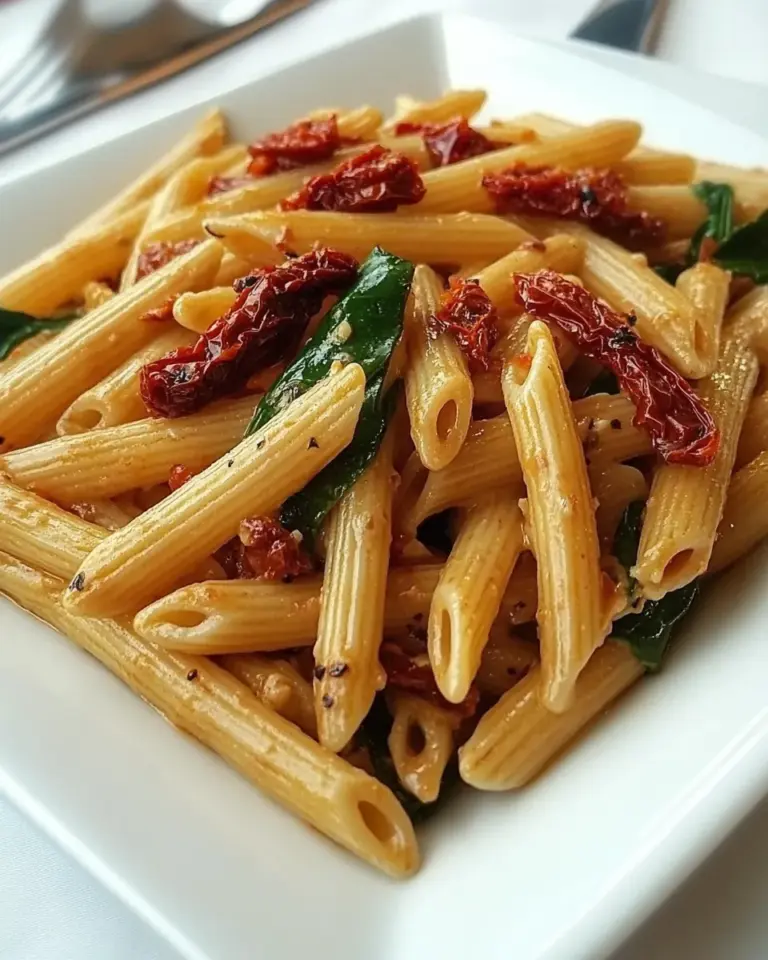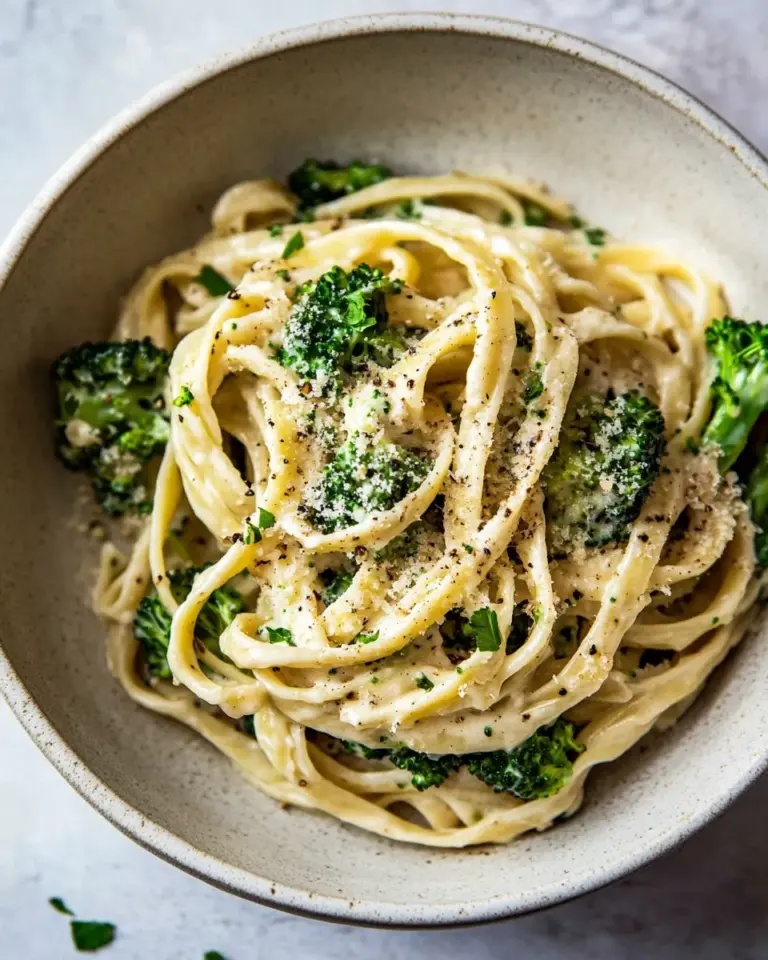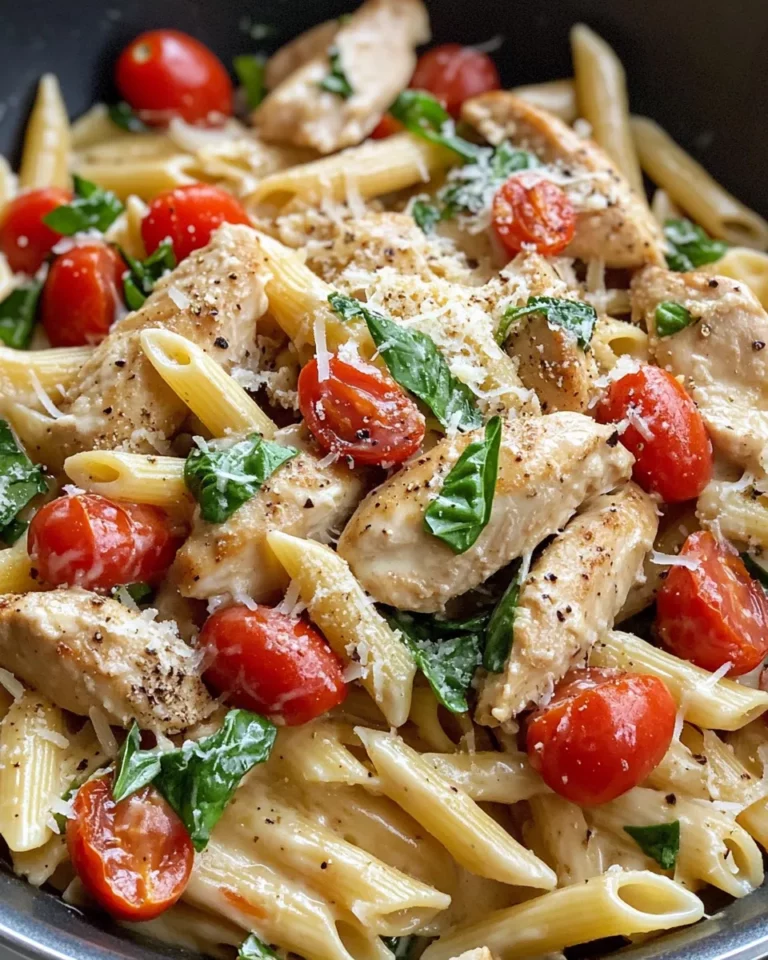
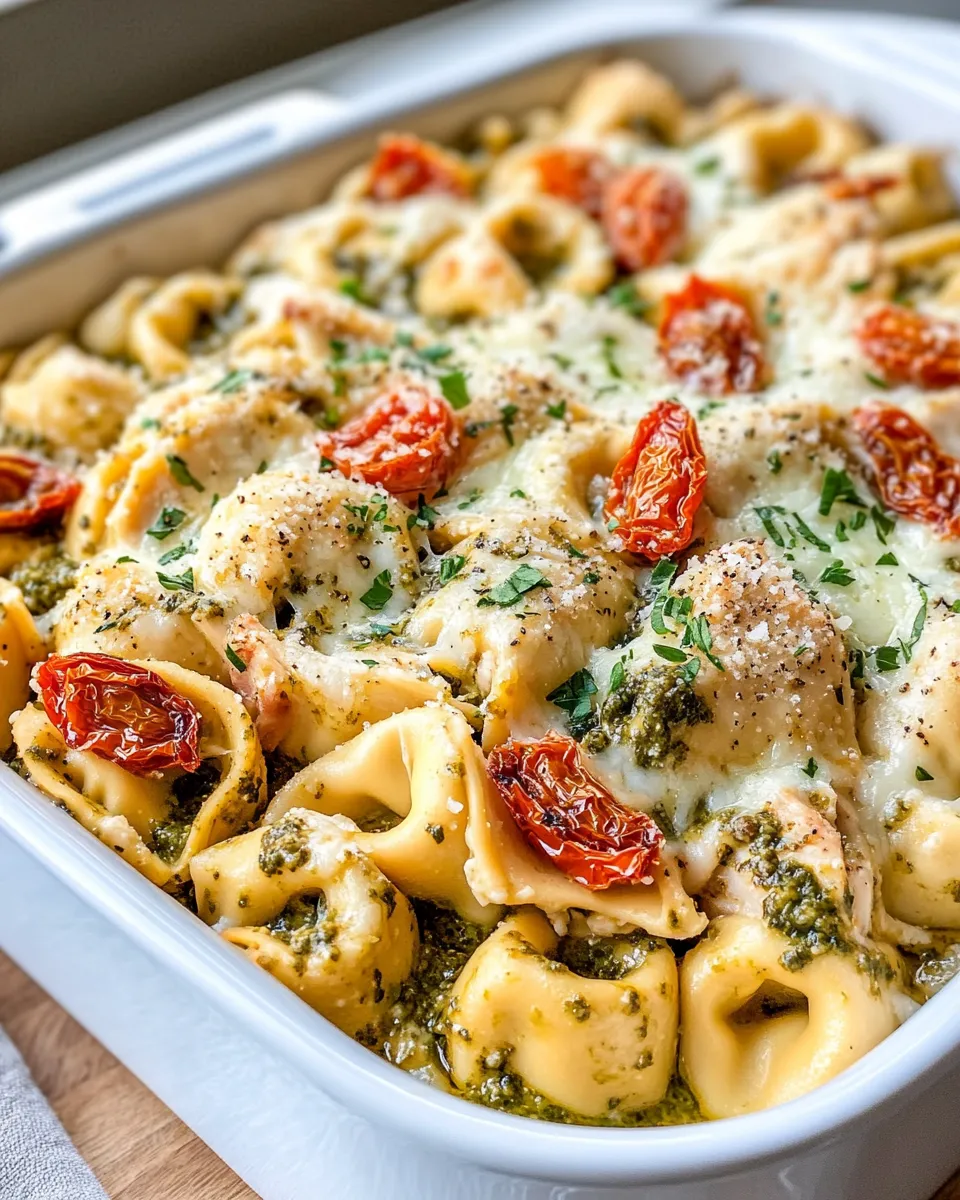
This is the kind of weeknight dinner that feels thoughtful but comes together without drama. Tender cheese tortellini meets browned chicken, a bright basil pesto, and a creamy sauce that soaks into every pocket — all finished with melty fontina and a sprinkle of Parmesan. It’s comforting, fresh, and honestly easy to scale up for a crowd.
I test recipes until they work reliably in a real kitchen: busy nights, hungry teenagers, unexpected guests. This casserole hits that sweet spot. You’ll do a short stovetop sauté, a quick mix in a baking dish, and the oven does the rest. Leftovers reheat beautifully, too.
Below you’ll find exactly what I use and why, how to avoid the few pitfalls, and sensible swaps if you’re adapting it. Follow the source directions for timing and amounts — I keep those precise so this turns out the same way every time.
Gather These Ingredients
Ingredients
- 40 ounces cheese tortellini, refrigerated or frozen and thawed — the pasta base; cheese-filled tortellini gives pockets of creamy richness.
- 1 pound boneless, skinless chicken breasts, chopped into 1 inch cubes — lean protein that cooks through in the casserole; bite-sized pieces heat evenly.
- 1 tablespoon butter — for sautéing the aromatics; adds a little richness and helps the veggies soften without sticking.
- 1 red bell pepper, seeded and chopped — sweetness and color; chop uniformly so it cooks quickly.
- 1/2 red onion, peeled and chopped — gives savory depth; a quick sauté tames its bite.
- 6 ounces basil pesto or homemade pesto — the recipe’s primary flavor; use a good-quality jar if you don’t make your own.
- 2 cups fresh baby spinach — wilts into the dish and adds a green lift without changing texture.
- 2 cups chicken broth — thins the pesto and creates the casserole’s saucy base so the tortellini don’t dry out.
- 1 cup heavy cream — enriches the sauce and makes it silky; gives the bake a luscious mouthfeel.
- 2 cups shredded fontina cheese — melts beautifully and browns nicely; gives a creamy, slightly nutty top layer.
- 1/2 cup shaved Parmesan cheese — salty, sharp finish; use good Parmesan for the best flavor contrast.
- Salt and pepper — essential seasoning; taste and adjust before serving.
Chicken Pesto Tortellini Bake: From Prep to Plate
- Preheat the oven to 400°F. Have a 3-quart (9×13-inch) baking dish ready.
- Melt 1 tablespoon butter in a medium skillet over medium heat. Add 1/2 red onion (chopped) and sauté 2 minutes. Add 1 red bell pepper (seeded and chopped) and sauté 2 more minutes. Remove skillet from heat.
- Place 40 ounces cheese tortellini (refrigerated or thawed) in the prepared baking dish. Add 1 pound chopped boneless, skinless chicken breasts (1-inch cubes), 2 cups fresh baby spinach, and the sautéed onion and pepper. Toss gently to combine and spread the mixture evenly in the dish.
- In a bowl or measuring pitcher, whisk together 6 ounces basil pesto, 2 cups chicken broth, 1 cup heavy cream, 1 teaspoon salt, and 1/2 teaspoon ground black pepper until smooth.
- Pour the pesto-cream mixture evenly over the tortellini and chicken, pressing down gently so the pasta is mostly covered in liquid.
- Cover the baking dish tightly with foil and bake in the preheated oven for 20 minutes.
- Remove the foil and gently stir the casserole to redistribute sauce. Evenly sprinkle 2 cups shredded fontina cheese and 1/2 cup shaved Parmesan cheese over the top.
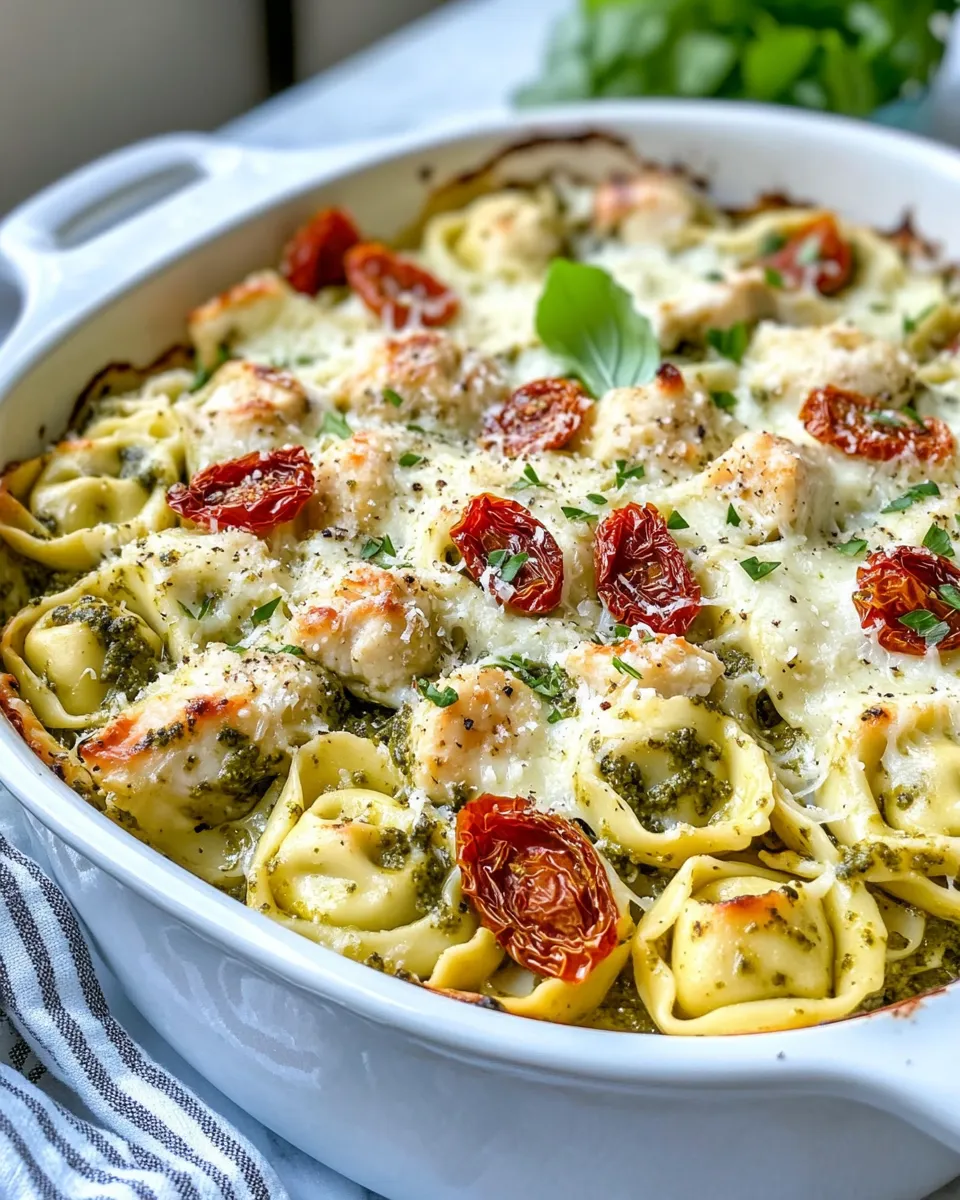
- Return the dish to the oven and bake uncovered 15–20 minutes more, until the cheese is melted and bubbly and the chicken is cooked through (165°F internal temperature). Serve warm.
Why It’s My Go-To
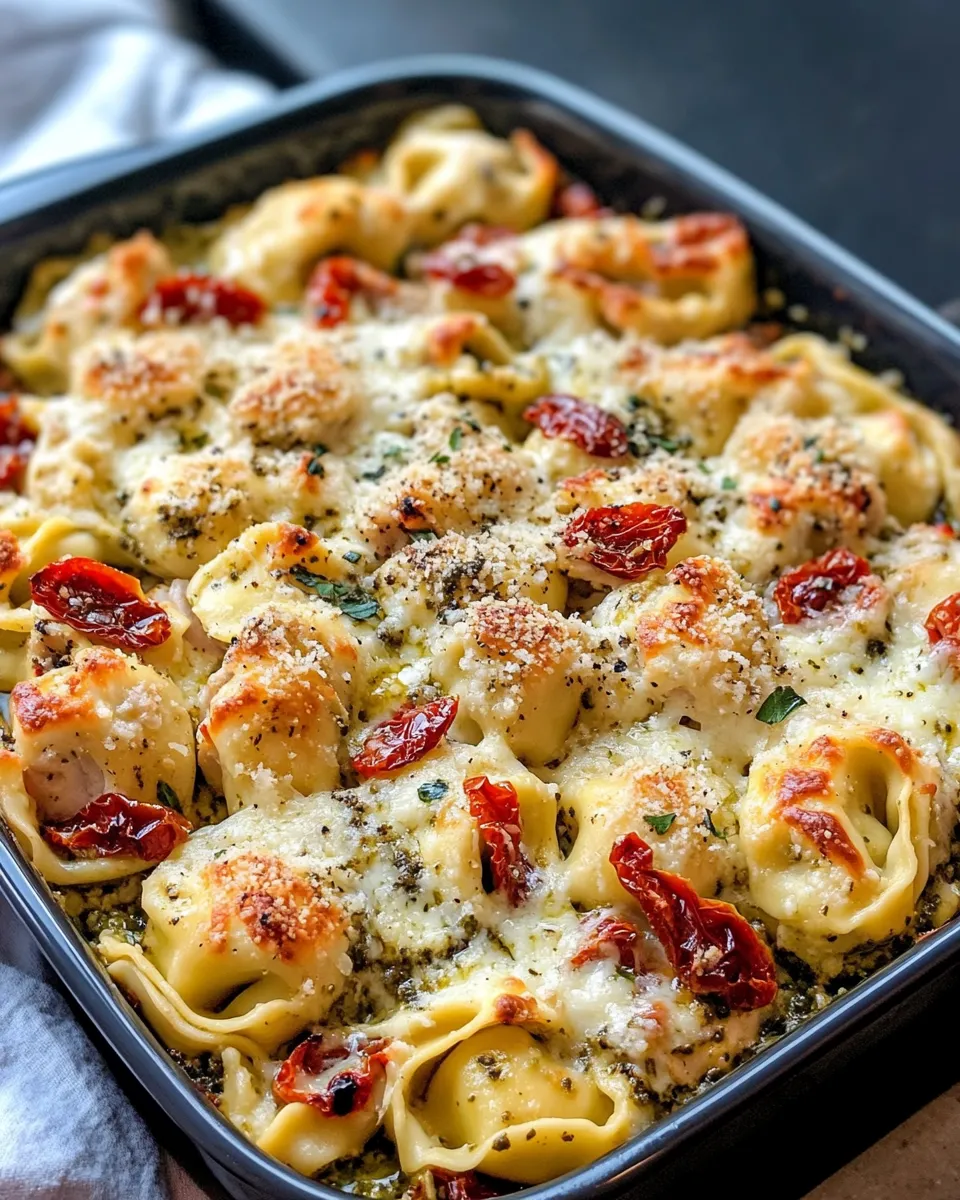
Short answer: it’s reliable and fast without tasting rushed. The pesto injects bright herb flavor that pairs perfectly with the creamy base and mild tortellini. The dish hits texture notes, too — soft pasta, tender chicken, crisped cheese on top. That contrast is what keeps people coming back for seconds.
I also appreciate the balance of prep and passive time. You do a quick vegetable sauté and assemble everything in the baking dish. Then the oven finishes the job while you set the table or wash a couple of pans. For busy nights, that hands-off window is gold.
Finally, the leftovers are forgiving. The sauce continues to marry the flavors in the fridge, so reheated portions often taste even better the next day. That makes this workweek-friendly and weekend-impressing at the same time.
Easy Ingredient Swaps
- Cheese tortellini — swap for plain or spinach-filled tortellini if you prefer; just ensure it’s refrigerated or thawed so it bakes evenly.
- Boneless chicken breasts — use diced rotisserie chicken for a shortcut; it skips the need for fully cooking raw cubes but still blends well into the casserole.
- Basil pesto — substitute with sun-dried tomato pesto for an earthier flavor, or use a store-bought basil pesto if you don’t have homemade.
- Fontina cheese — replace with mozzarella for milder meltiness or provolone for a touch more bite; both melt well under heat.
- Heavy cream — for a lighter touch, use half-and-half (the sauce will be thinner); reduce the broth slightly to maintain creaminess.
Gear Checklist
- 3-quart (9×13-inch) baking dish — the recipe is designed for this size so the pasta and liquid distribute properly.
- Medium skillet — for sautéing the onion and pepper; a nonstick or stainless skillet works.
- Bowl or measuring pitcher — to whisk the pesto-cream mixture so it pours evenly over the casserole.
- Foil — for covering the dish during the first bake to trap steam and finish cooking the chicken and pasta.
- Instant-read thermometer — helpful to confirm chicken reaches a safe 165°F without overcooking the rest of the casserole.
Missteps & Fixes
Too dry on top but undercooked inside
What happens: you open the oven too often or used a shallower dish. Fix: cover the dish tightly with foil for the first bake and press the tortellini into the liquid before sealing. If the top dries in the final bake, splash a few tablespoons of broth around the edges and cover for a few minutes to rehydrate.
Sauce too thin
What happens: your tortellini soaked up less liquid or you used lower-fat dairy. Fix: stir the casserole gently when you remove the foil to help the sauce cling to the pasta; if it’s still very loose after baking, return uncovered for 5–10 minutes to reduce. Alternatively, remove a cup of the liquid before baking and simmer it on the stovetop to reduce, then stir it back in.
Chicken is dry
What happens: pieces were larger or overbaked. Fix: cut chicken into uniform 1-inch cubes as instructed. If you still hit dryness, use a mix of chicken and a small amount of rotisserie chicken next time to retain moisture.
Too salty
What happens: a salty pesto or aged Parmesan. Fix: taste the pesto separately before adding if you’re using a jar. If the casserole comes out salty, serve it with a simple green salad or lemony veg to counteract intensity. For next time, reduce added salt by half if using a very salty pesto.
Variations for Dietary Needs
Vegetarian
Skip the chicken and add a can of drained, rinsed white beans (if you eat legumes) or double the spinach and toss in halved roasted mushrooms for a meaty bite. Both boost texture and protein without changing bake times significantly.
Lower dairy / lighter
Use half-and-half instead of heavy cream and swap fontina for a moderate-melting cheese like reduced-fat mozzarella. Expect a slightly thinner sauce. Reduce broth by a few tablespoons if you want thicker results.
Gluten-free
Choose a gluten-free cheese tortellini that’s sturdy when boiled or baked. Be attentive to cook times and moisture — gluten-free pasta can behave differently, so check for tenderness before the final cheese addition.
Chef’s Rationale
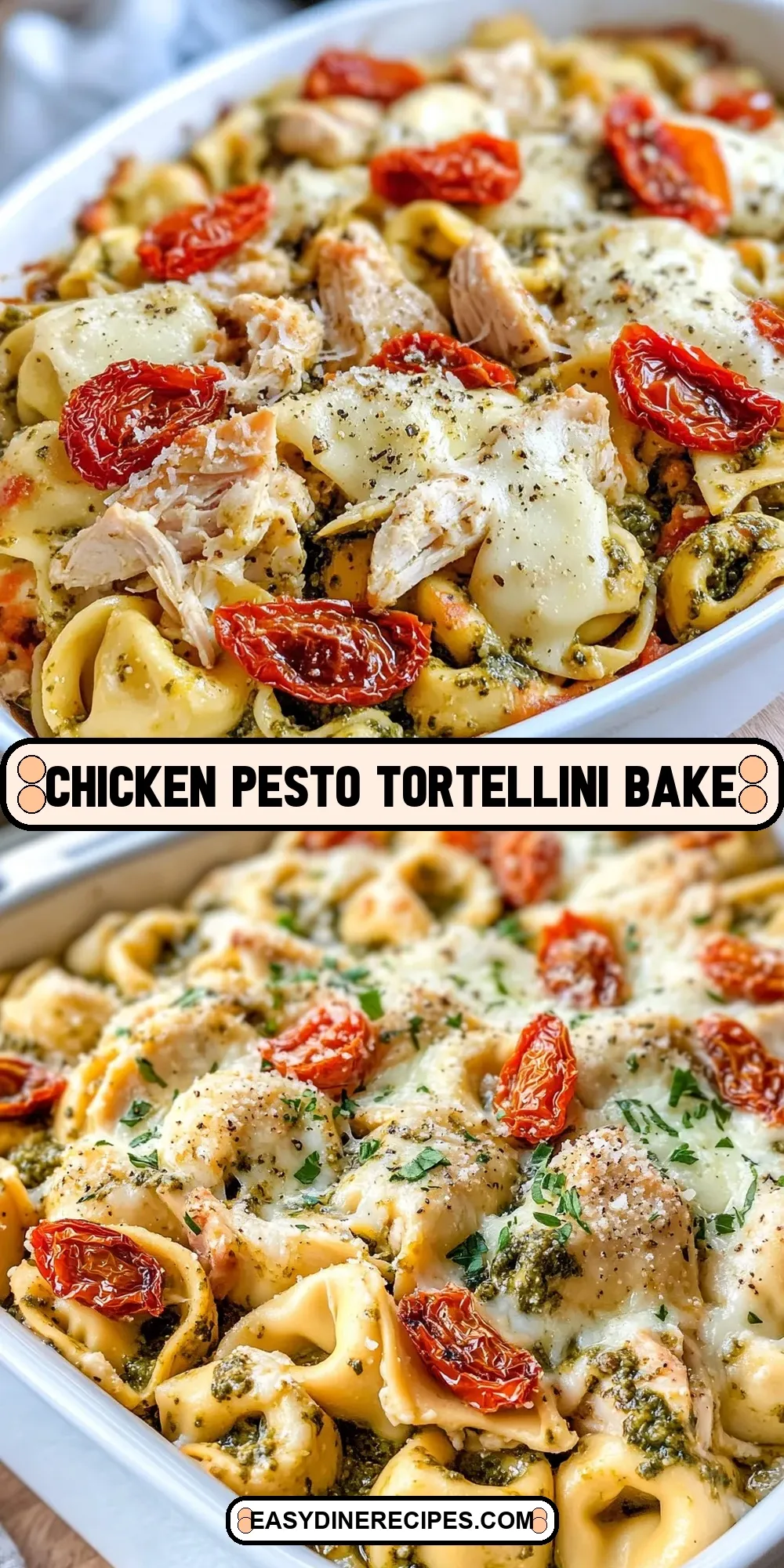
I build this casserole around three pillars: flavor concentration, moisture control, and texture contrast. Pesto supplies concentrated herb and nut flavor; chicken broth plus cream gives the right saucy viscosity so tortellini stays tender; and fontina plus Parmesan provides a creamy, golden finish that contrasts with the softer interior.
Each step intentionally layers flavor rather than overwhelming it. The quick sauté softens the onion and pepper just enough to reveal sweetness, and pressing the pasta into the liquid ensures every tortellini pocket absorbs sauce. The initial covered bake allows even cooking, and the final uncovered bake rewards you with browned cheese.
Save for Later: Storage Tips
Cool the bake to room temperature before refrigerating. Store in an airtight container for up to 3–4 days. Reheat single servings in the microwave covered with a damp paper towel to retain moisture, or reheat in a 350°F oven covered with foil for 12–15 minutes until warmed through.
To freeze: assemble the casserole up to the point before adding the top cheeses. Wrap tightly with plastic and foil and freeze for up to 2 months. Thaw overnight in the refrigerator, then add the fontina and Parmesan on top and bake as directed, adding an extra 5–10 minutes if still cool from the fridge.
Questions People Ask
Will the tortellini get mushy?
Follow the directions: use refrigerated or thawed tortellini and press it into the liquid so it cooks evenly. The covered initial bake steams the pasta; the brief final uncovered bake gives texture without turning it to mash. Avoid overbaking by watching the final 15–20 minute window.
Can I make this ahead?
Yes. You can assemble it and refrigerate it covered for up to 24 hours before baking. If you assemble and freeze, wait to add the cheeses until baking time for the best top texture.
Is pesto necessary?
Pesto is central to the recipe’s flavor profile. You can reduce the amount if you prefer a subtler herb note, but expect a different final taste. A sun-dried tomato or roasted red pepper pesto will change the character, but the technique still works.
How do I know the chicken is done?
Use an instant-read thermometer to check that the largest pieces reach 165°F. If you don’t have one, cut into the thickest piece to ensure there’s no pink and the juices run clear.
Let’s Eat
Serve this straight from the oven with a crisp green salad and a bright squeeze of lemon or a simple tomato-cucumber salad to cut through the creaminess. A chilled glass of white wine — something crisp and citrusy — pairs beautifully, but sparkling water with lemon works just as well.
Make it once as written, and tweak small things each time: a little extra spinach, a different cheese, or using rotisserie chicken for speed. It’s a forgiving, crowd-pleasing recipe that fits into busy lives. Enjoy — then save a piece for tomorrow, because it often tastes even better after the flavors settle.
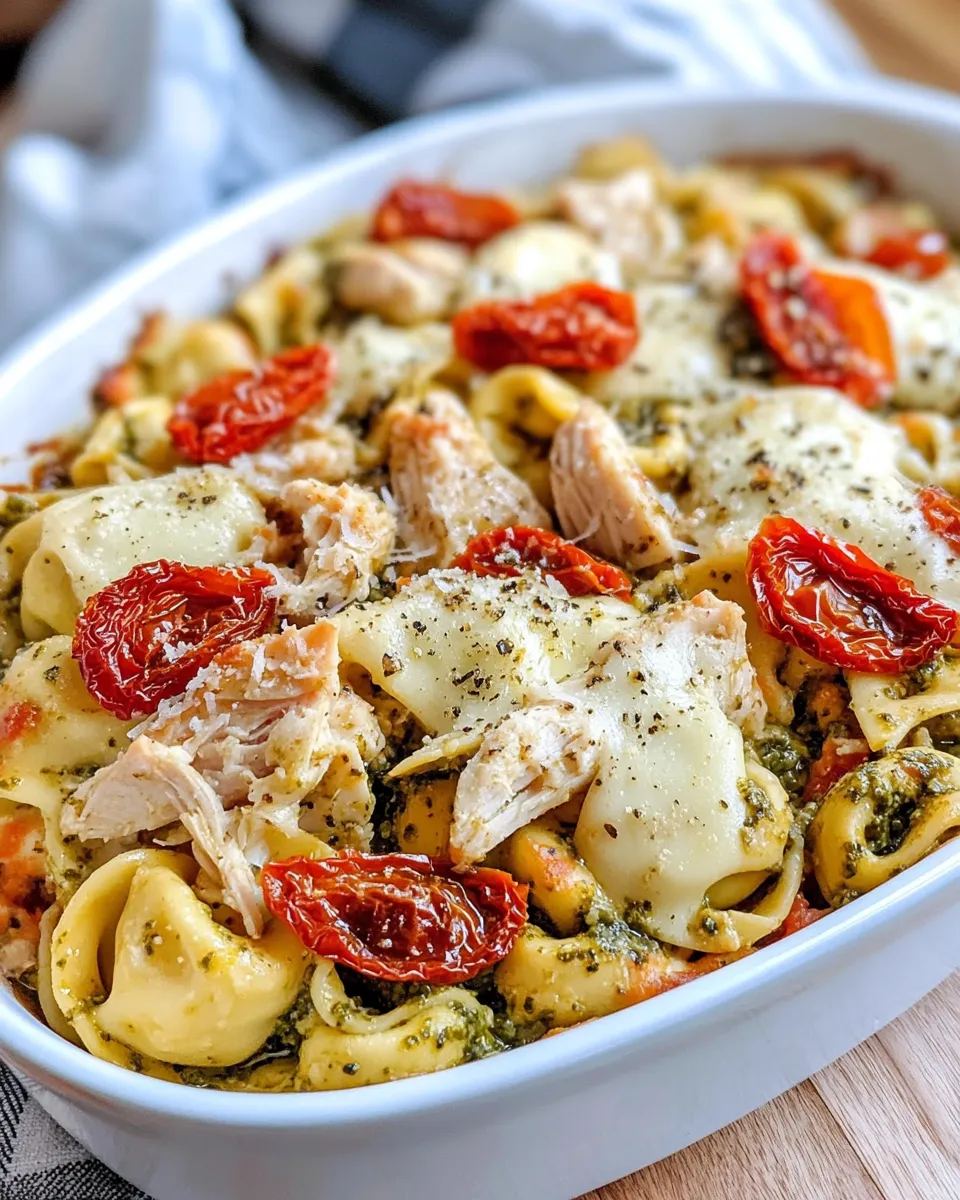
Chicken Pesto Tortellini Bake
Equipment
- 9x13-inch baking dish (3-quart)
- Medium Skillet
- mixing bowl or measuring pitcher
- Foil
- Oven
Ingredients
Ingredients
- 40 ouncescheese tortellini refrigerated or frozen and thawed
- 1 poundboneless skinless chicken breasts, chopped into 1 inch cubes
- 1 tablespoonbutter
- 1 red bell pepper seeded and chopped
- 1/2 red onion peeled and chopped
- 6 ouncesbasil pestoor homemade pesto
- 2 cupsfresh baby spinach
- 2 cupschicken broth
- 1 cupheavy cream
- 2 cupsshredded fontina cheese
- 1/2 cupshaved Parmesan cheese
- Saltand pepper
Instructions
Instructions
- Preheat the oven to 400°F. Have a 3-quart (9×13-inch) baking dish ready.
- Melt 1 tablespoon butter in a medium skillet over medium heat. Add 1/2 red onion (chopped) and sauté 2 minutes. Add 1 red bell pepper (seeded and chopped) and sauté 2 more minutes. Remove skillet from heat.
- Place 40 ounces cheese tortellini (refrigerated or thawed) in the prepared baking dish. Add 1 pound chopped boneless, skinless chicken breasts (1-inch cubes), 2 cups fresh baby spinach, and the sautéed onion and pepper. Toss gently to combine and spread the mixture evenly in the dish.
- In a bowl or measuring pitcher, whisk together 6 ounces basil pesto, 2 cups chicken broth, 1 cup heavy cream, 1 teaspoon salt, and 1/2 teaspoon ground black pepper until smooth.
- Pour the pesto-cream mixture evenly over the tortellini and chicken, pressing down gently so the pasta is mostly covered in liquid.
- Cover the baking dish tightly with foil and bake in the preheated oven for 20 minutes.
- Remove the foil and gently stir the casserole to redistribute sauce. Evenly sprinkle 2 cups shredded fontina cheese and 1/2 cup shaved Parmesan cheese over the top.
- Return the dish to the oven and bake uncovered 15–20 minutes more, until the cheese is melted and bubbly and the chicken is cooked through (165°F internal temperature). Serve warm.
Notes
1. This recipe can easily be halved and baked in an 8- or 9-inch square pan for a smaller batch.
2. You can add the onions and peppers to the baking dish raw for a true one-pan recipe, but I feel sautéing them first improves the flavor and texture.