There’s a reason chicken fried steak sits at the top of comfort-food lists: crunchy, well-seasoned crust, tender beef, and a gravy that makes everything better. I’ve made this dish more times than I can count, and I’ll be honest — the technique matters more than a long ingredient list. With a few careful steps you get a reliably crisp crust and a silky, peppery gravy every time.
I’ll walk you through the exact steps I use in my kitchen. No fluff. Clear pointers on timing, temperature, and what to watch for so you don’t end up with soggy breading or burnt drippings. Follow the order, work in small batches, and you’ll be rewarded with steaks that are golden-brown and juicy inside.
Troubleshooting tips and serving ideas are tucked into the sections below. If you’re cooking for a crowd, read the “Prep Ahead & Store” bit before you start. Let’s get to the shopping and the skillet.
Shopping List
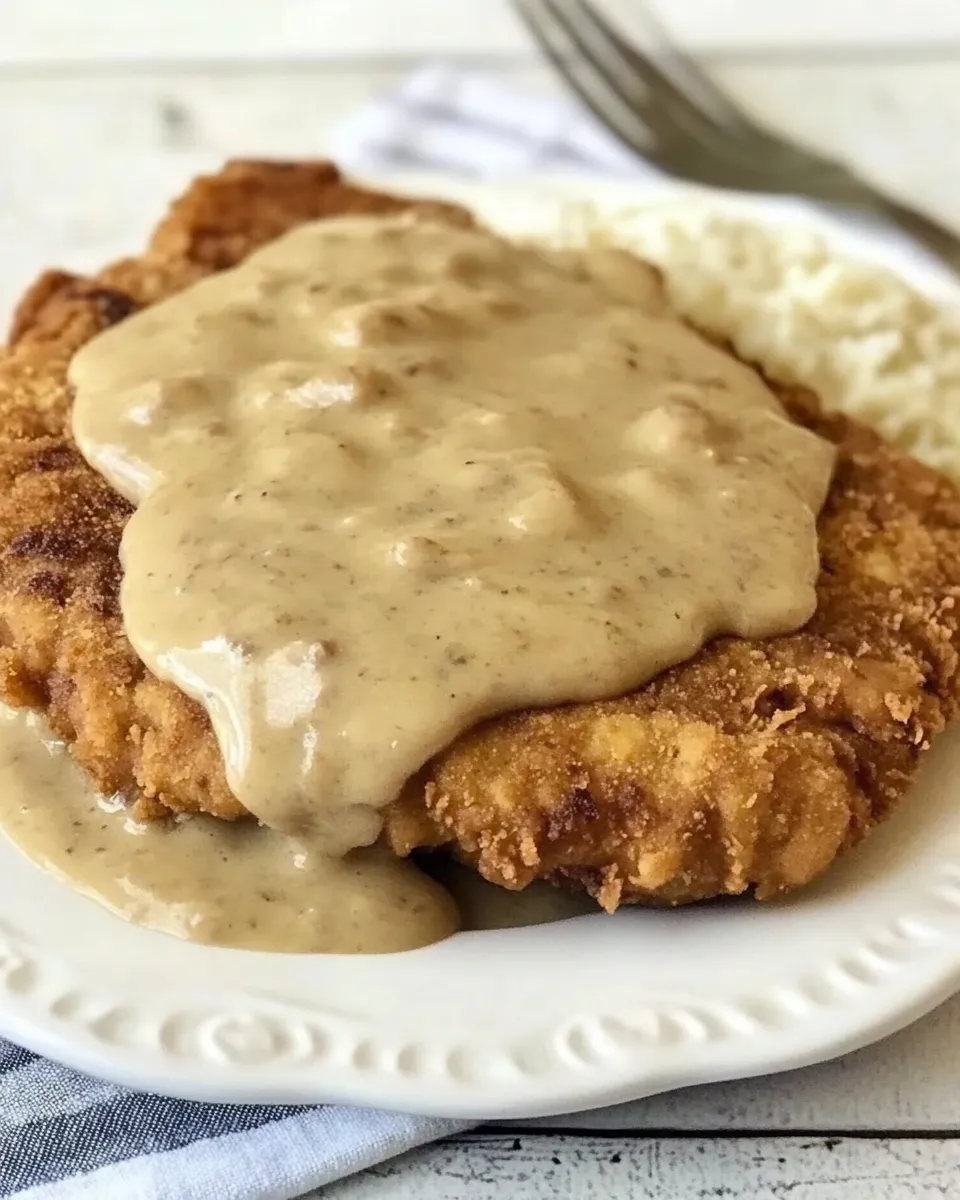
Start by gathering everything so you won’t be running back to the store mid-recipe. This shopping list groups what you need for the steaks, the breading, and the gravy.
Ingredients
- 1 – 2lbpackage of cube steaks — the base of the dish; cube steaks are tenderized and cook quickly.
- Kosher salt — seasons the meat and the breading station; adjust if using table salt as noted below.
- ½cupall purpose flour — used as the initial dredge; helps the egg wash adhere.
- 2large eggs – beaten — binds the breading to the steaks and creates a golden crust.
- ½cupwhole milk — mixed with the eggs for the wet breading step.
- ½cupall purpose flour — part of the seasoned breading mix; provides structure and browning.
- 2tbscorn meal — adds texture and a crisp edge to the crust.
- 1teaspoongarlic powder — savory flavor in the seasoned flour.
- 1teaspoononion powder — rounds out the savory profile.
- ½teaspoonchili powder — for a gentle warmth; not overpowering.
- 1teaspoonpaprika — color and mild sweet-smoky flavor.
- 1tbsdried parsley — a touch of herb brightness in the seasoning.
- ½teaspoonground black pepper — essential for the classic peppery gravy and breading.
- 1teaspoonkosher salt(If using table salt, use ½ tsp) — seasoning for the breading; note the adjustment if using table salt.
- Drippings from the steaks — used for the gravy base; they carry browned flavor that makes the gravy taste of the steak.
- 2Tbsall purpose flour — to make the roux for the gravy; toasts in the pan for depth.
- 3Cupswhole milk — for the gravy; makes it rich and silky.
- Salt and pepper to taste — final seasoning for the gravy; adjust after it thickens.
Method: Chicken Fried Steak
- Preheat the oven to the warming setting or 175°F. Place an oven-safe dish or baking sheet on a rack and line it with a layer or two of paper towels to absorb grease; keep this in the oven to stay warm.
- Pat the cube steaks dry: place each steak on a double layer of paper towels and press with another double layer to remove as much surface moisture as possible. Re-pat just before breading if they’ve sat a while.
- Lightly sprinkle the steaks with kosher salt and set them aside while you prepare the breading station.
- Set up three shallow dishes for breading:
- Dish 1: ½ cup all-purpose flour (plain dredge).
- Dish 2: 2 large eggs (beaten) mixed with ½ cup whole milk.
- Dish 3: ½ cup all-purpose flour + 2 Tbsp corn meal + 1 tsp garlic powder + 1 tsp onion powder + 1 tsp paprika + 1 Tbsp dried parsley + ½ tsp chili powder + ½ tsp ground black pepper + 1 tsp kosher salt. Mix dish 3 thoroughly.
- Heat a heavy skillet over medium heat and add vegetable oil to about 1/4 inch depth in the pan. Heat until the oil shimmers and a small sprinkle of water produces small pops (it should sizzle actively but not smoke).
- Bread the steaks one at a time, working only as many as you can cook immediately:
- Give a final pat to a steak to remove any remaining moisture.
- Dredge in Dish 1 (plain flour), shaking off excess.
- Dip into Dish 2 (egg + milk), letting excess drip off.
- Transfer to Dish 3, pressing the seasoned flour onto the steak so it adheres. Place the breaded steak on a clean plate while you bread the next one.
- Fry steaks in the hot oil, 1–2 at a time (about two steaks fit comfortably in a 9″ pan). Gently place each steak in the oil; it should sizzle actively. Cook about 3 minutes per side, until golden brown. Do not overcrowd the pan; adding too many at once will drop the oil temperature.
- As steaks finish, transfer them to the paper-towel-lined oven-safe dish and keep them in the warmed oven to stay hot while you make the gravy.
- When all steaks are cooked, make the gravy in the same skillet: carefully pour off excess grease, leaving the browned bits and about a few tablespoons of drippings in the pan.
- Over medium-high heat, add 2 Tbsp all-purpose flour to the remaining drippings. Cook 1–2 minutes, stirring constantly, until the flour turns tan and is lightly toasted.
- Add 3 cups whole milk all at once. Stir or whisk constantly, scraping the browned bits from the pan. Allow the mixture to come to a gentle boil, then reduce heat to medium or medium-low.
- Continue stirring until the gravy thickens to your desired consistency. Taste and season with salt and pepper to taste.
- Remove steaks from the oven. Serve the chicken fried steaks over mashed potatoes (optional) and spoon the gravy over the steaks.
What Makes This Recipe Special
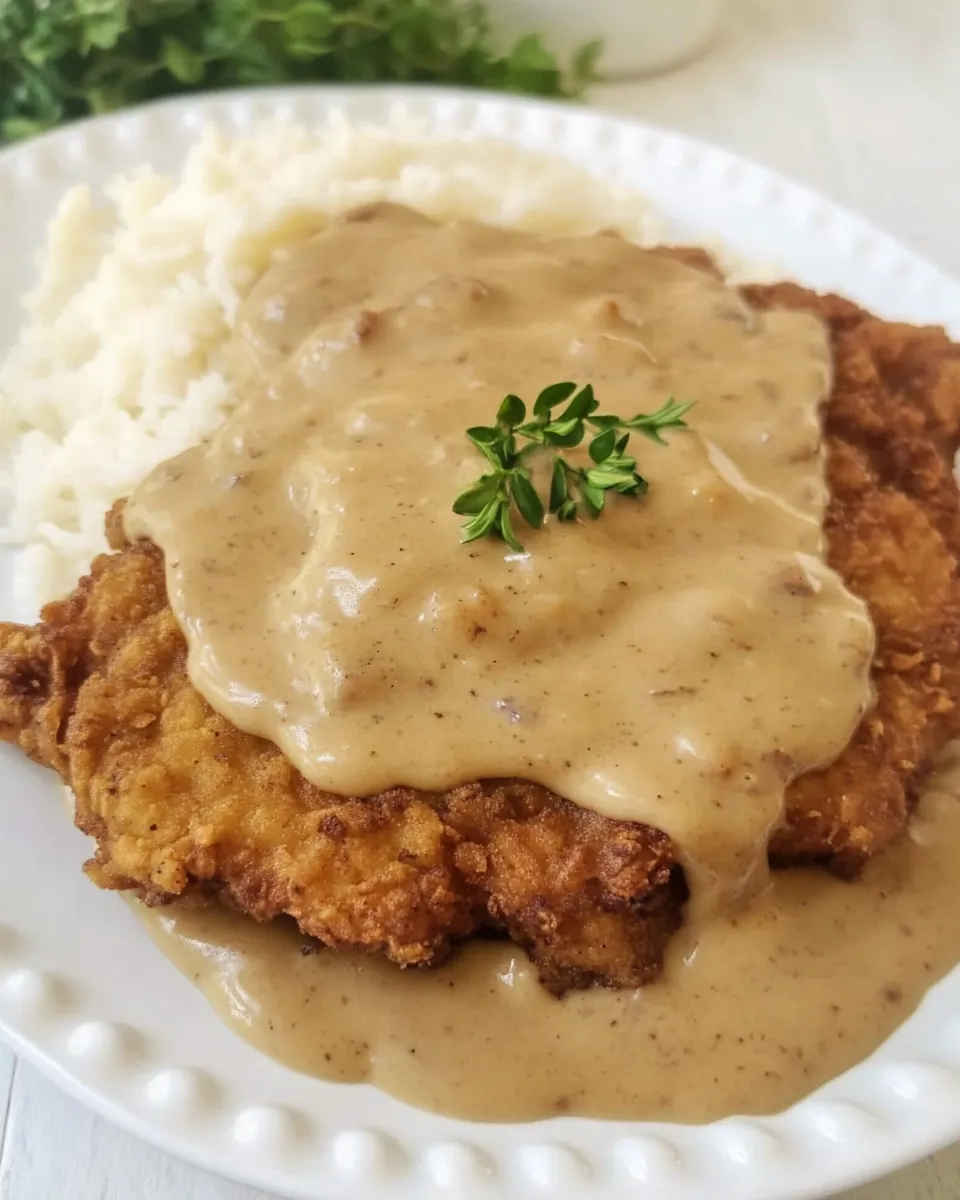
Two things: a crisp, evenly browned crust and a gravy made from those pan drippings. The double-dredge (plain flour, egg wash, then seasoned flour) gives you layers that cling and fry to a textured, holdable crust. The corn meal in the seasoned mix adds a subtle crunch you’ll notice the first bite.
Using the skillet drippings to build the gravy is critical. You’re not just adding flavor; you’re capturing the fond — the browned bits that carry intense, roasted flavor. Toasting the flour in the drippings before adding milk gives the gravy a rich, nutty backbone rather than a raw-flour taste.
No-Store Runs Needed
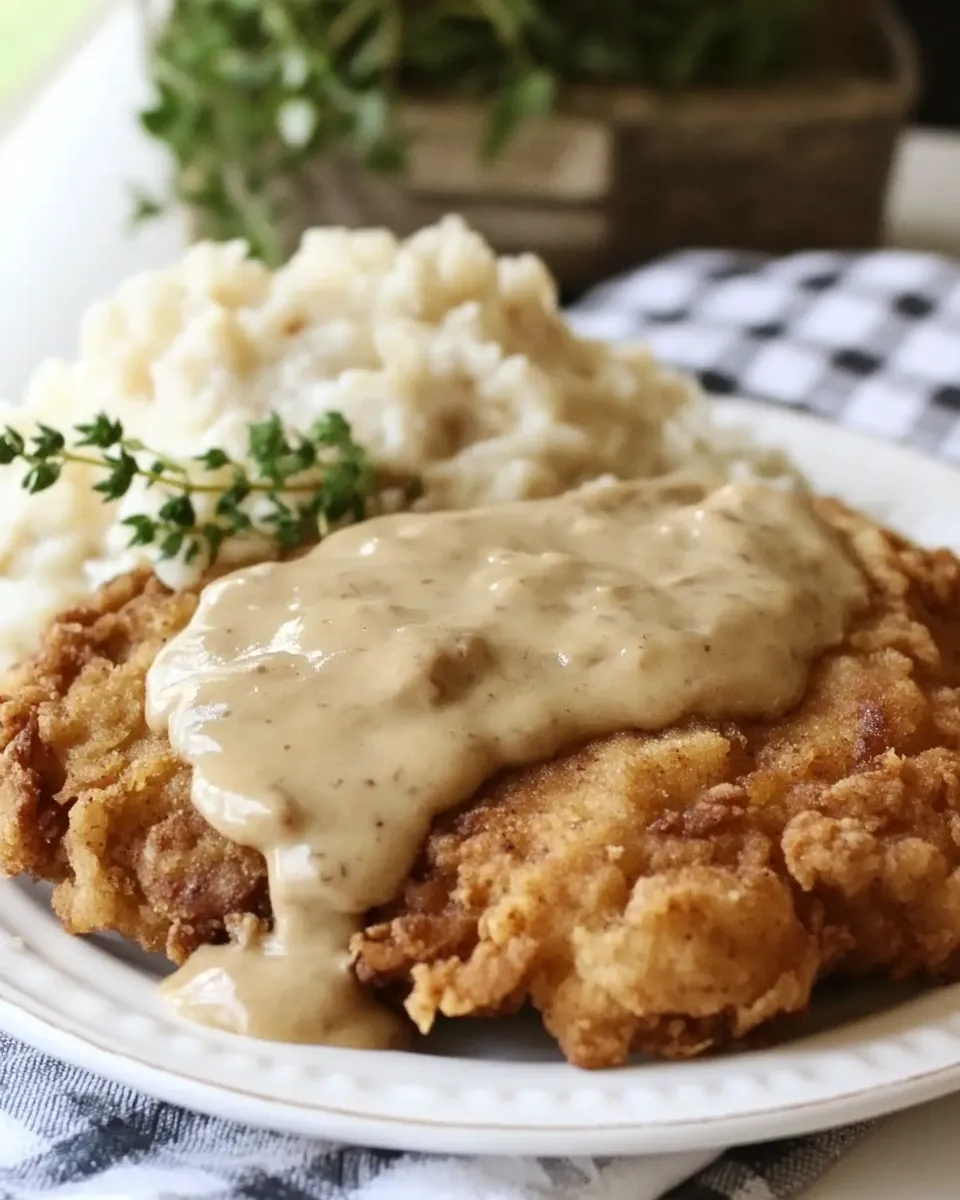
Most kitchens already have the staples for this dish: flour, eggs, milk, common dried spices, and oil. If you have cube steaks, kosher salt, and basic pantry spices, you can make this without a store run. Corn meal is the only ingredient that might not be in every pantry; if you’re missing it, the recipe still works without it — the crust will be slightly less textured but still delicious.
Appliances & Accessories
- Heavy skillet (cast iron preferred) — retains heat and promotes even browning.
- Tongs or a slotted spatula — for safe handling when frying.
- Three shallow dishes — for the breading station.
- Paper towels and an oven-safe baking sheet or dish — for draining and keeping steaks warm.
- Whisk — to finish the gravy smoothly.
Things That Go Wrong
Common problems are straightforward and fixable. If your crust sogs quickly, you likely overcrowded the pan or the oil wasn’t hot enough. The fix is to fry in smaller batches and watch for an active sizzle when the steak hits the oil.
If the breading falls off, excess moisture on the steak or not enough pressing of the seasoned flour will be the culprit. Pat steaks dry and press the coating firmly so it adheres before frying. Resting breaded steaks briefly on a clean plate before frying helps the coating set.
Better-for-You Options
If you want a lighter version, consider these adjustments: use a neutral oil with a higher smoke point but use less by shallow-frying and then finish in a hot oven for 2–3 minutes to reduce oil absorption. Swap whole milk in the gravy for 2% or a mix of milk and low-fat evaporated milk to lower calories while keeping creaminess. You can also pan-sear and finish in the oven rather than deep frying to use less oil overall.
Keep in mind that these swaps change the texture slightly. The classic recipe is indulgent because of the fat content, so balance what matters most — crispness or lighter nutrition.
What Could Go Wrong

Here are specific symptoms and what they usually mean:
- Crust browns too fast but is doughy inside — oil too hot. Reduce heat a touch and aim for a steady sizzle rather than smoke.
- Crust falls off after flipping — insufficient adhesion. Press the seasoned flour onto the steak firmly and don’t flip too frequently.
- Gravy is lumpy — either the roux wasn’t cooked enough before adding milk or you didn’t whisk vigorously. Cook the flour briefly in the fat until tan, then add cold milk slowly while whisking to break lumps.
- Gravy too thin — simmer longer to reduce; if it becomes too thick, whisk in a little extra milk.
Prep Ahead & Store
Prep options make a big difference when cooking for company. You can set up the breading station and have the steaks salted and patted dry up to 30 minutes ahead. Breaded steaks can be held briefly on a tray in the fridge (no more than an hour) before frying; chilling can help the coating adhere but don’t leave them long enough to collect condensation.
Cooked steaks are best served fresh. If you must store leftovers, place steaks in an airtight container and refrigerate for up to 3 days. Reheat in a 350°F oven on a wire rack so air circulates around the crust — this keeps them crisper than a microwave. Gravy keeps well in the fridge for 3–4 days; reheat gently on the stove and whisk in a splash of milk if it has thickened too much.
Reader Q&A
Can I use another cut besides cube steaks?
Cube steaks are thin and tenderized, so they cook fast and match this method. Thicker cuts can be used but will need longer cooking times and may not crisp the same way. Pound a thicker cut to even thickness for best results.
Can I make the gravy without the drippings for a lighter version?
Yes. Use butter instead of drippings and follow the same roux and milk steps. You’ll lose some of the steak flavor, but it’s still a fine gravy.
Why is corn meal included?
Corn meal adds texture and a toothsome bite to the crust. If you prefer a uniform, fine crust, omit it and use only flour in the seasoned mix.
Bring It to the Table
Serve these steaks hot and spoon the warm gravy over the top. Classic sides are mashed potatoes — they catch the gravy — and a simple green vegetable like steamed green beans or a crisp salad to balance the richness. A pat of butter on the mash and a dusting of fresh cracked pepper on the gravy finishes the plate beautifully.
Family-style works best: place the tray of steaks in the center, gravy in a ladle-ready bowl, and let everyone assemble their plate. The contrast of the crunchy crust, tender meat, and creamy gravy is exactly why this dish never goes out of style.

The Secret to Perfect Chicken Fried Steak
Equipment
- oven-safe dish or baking sheet
- Paper Towels
- Three Shallow Dishes
- Heavy skillet
- Whisk or Spoon
Ingredients
Ingredients
- 1 - 2 lbpackage of cube steaks
- Kosher salt
- 1/2 cupall purpose flour
- 2 large eggs - beaten
- 1/2 cupwhole milk
- 1/2 cupall purpose flour
- 2 tbscorn meal
- 1 teaspoongarlic powder
- 1 teaspoononion powder
- 1/2 teaspoonchili powder
- 1 teaspoonpaprika
- 1 tbsdried parsley
- 1/2 teaspoonground black pepper
- 1 teaspoonkosher salt If using table salt, use 1/2 tsp
- Drippings from the steaks
- 2 Tbsall purpose flour
- 3 Cupswhole milk
- Salt and pepper to taste
Instructions
Instructions
- Preheat the oven to the warming setting or 175°F. Place an oven-safe dish or baking sheet on a rack and line it with a layer or two of paper towels to absorb grease; keep this in the oven to stay warm.
- Pat the cube steaks dry: place each steak on a double layer of paper towels and press with another double layer to remove as much surface moisture as possible. Re-pat just before breading if they’ve sat a while.
- Lightly sprinkle the steaks with kosher salt and set them aside while you prepare the breading station.
- Set up three shallow dishes for breading: - Dish 1: ½ cup all-purpose flour (plain dredge). - Dish 2: 2 large eggs (beaten) mixed with ½ cup whole milk. - Dish 3: ½ cup all-purpose flour + 2 Tbsp corn meal + 1 tsp garlic powder + 1 tsp onion powder + 1 tsp paprika + 1 Tbsp dried parsley + ½ tsp chili powder + ½ tsp ground black pepper + 1 tsp kosher salt. Mix dish 3 thoroughly.
- Heat a heavy skillet over medium heat and add vegetable oil to about 1/4 inch depth in the pan. Heat until the oil shimmers and a small sprinkle of water produces small pops (it should sizzle actively but not smoke).
- Bread the steaks one at a time, working only as many as you can cook immediately: a. Give a final pat to a steak to remove any remaining moisture. b. Dredge in Dish 1 (plain flour), shaking off excess. c. Dip into Dish 2 (egg + milk), letting excess drip off. d. Transfer to Dish 3, pressing the seasoned flour onto the steak so it adheres. Place the breaded steak on a clean plate while you bread the next one.
- Fry steaks in the hot oil, 1–2 at a time (about two steaks fit comfortably in a 9" pan). Gently place each steak in the oil; it should sizzle actively. Cook about 3 minutes per side, until golden brown. Do not overcrowd the pan; adding too many at once will drop the oil temperature.
- As steaks finish, transfer them to the paper-towel-lined oven-safe dish and keep them in the warmed oven to stay hot while you make the gravy.
- When all steaks are cooked, make the gravy in the same skillet: carefully pour off excess grease, leaving the browned bits and about a few tablespoons of drippings in the pan.
- Over medium-high heat, add 2 Tbsp all-purpose flour to the remaining drippings. Cook 1–2 minutes, stirring constantly, until the flour turns tan and is lightly toasted.
- Add 3 cups whole milk all at once. Stir or whisk constantly, scraping the browned bits from the pan. Allow the mixture to come to a gentle boil, then reduce heat to medium or medium-low.
- Continue stirring until the gravy thickens to your desired consistency. Taste and season with salt and pepper to taste.
- Remove steaks from the oven. Serve the chicken fried steaks over mashed potatoes (optional) and spoon the gravy over the steaks.
Notes
Use the three stage breading process as described in the recipe.
Make sure the oil is the right temperature.
DO NOT crowd the steaks!
Turn the steaks only once.
Place the cooked steak in a warm oven to dry and do not stack them on top of each other.