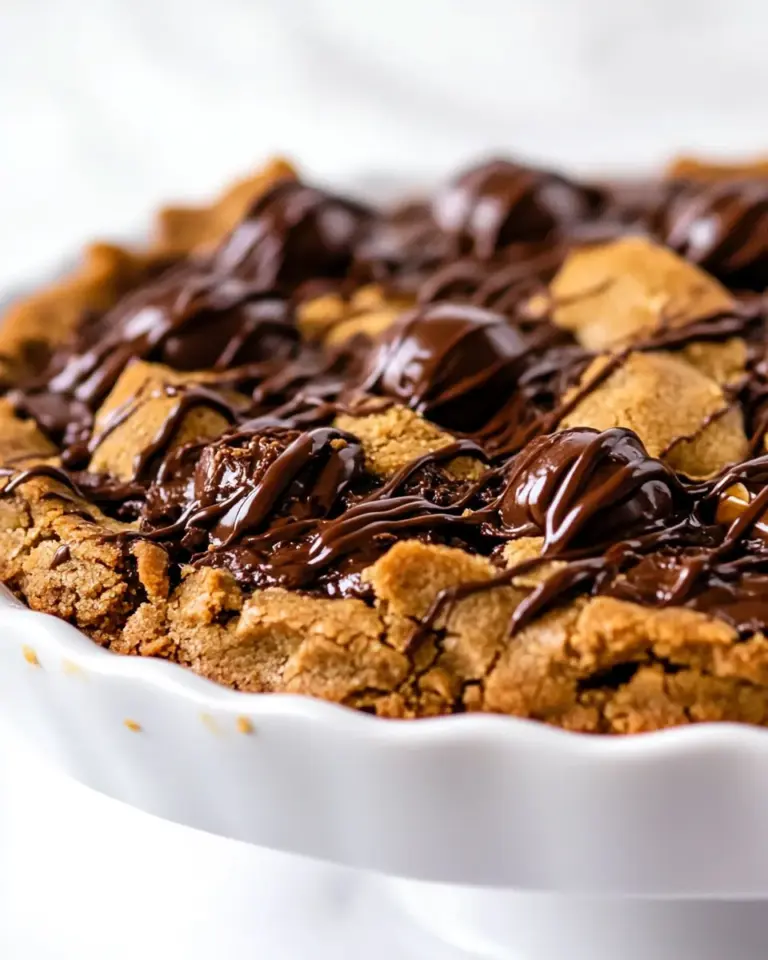
These cookies are the ones I reach for when I want a reliable, crowd-pleasing cookie that’s chewy, nutty, and effortlessly adaptable. They come together quickly, bake up soft in the middle with slightly crisp edges, and they handle mix-ins like a champ. If you want something that feels homemade and completely satisfying, this is it.
I bake a batch whenever friends drop by or when I want a pantry-stable comfort treat. The dough is forgiving, the timing is simple, and the result is predictable—three dozen cookies that travel well and pair beautifully with coffee or milk. No fuss, just good cookies.
Below you’ll find the exact ingredients and the exact steps I use every time, plus tips to prevent common mistakes and a few smart swaps if you need them. Read through once, then get your scoop ready: these come together faster than you think.
What Goes Into Peanut Butter Cookie Recipe
This section breaks down what’s in the dough and why each component matters. I keep the ingredient list focused on pantry staples and a couple of optional mix-ins so you can customize without losing the cookie’s identity.
Ingredients
- 1 1/2 cups creamy peanut butter — provides the peanut flavor and moisture; creamy gives a smooth texture.
- 1 cup butter, softened — adds richness and helps create tender, slightly crispy edges.
- 1 cup brown sugar, packed — contributes moisture, chewiness, and a touch of caramel flavor.
- 1 cup granulated sugar — helps with structure and gives crispness to the edges.
- 2 eggs — bind the dough and add lift.
- 1 tsp vanilla extract — rounds out flavors and enhances the peanut butter.
- 2 cups all-purpose flour — the base; provides structure to hold the cookies together.
- 1 1/2 tsp baking soda — leavening that gives a little rise and lightness.
- 1/2 tsp salt — balances sweetness; I recommend Maldon sea salt flakes for finishing rather than mixing in.
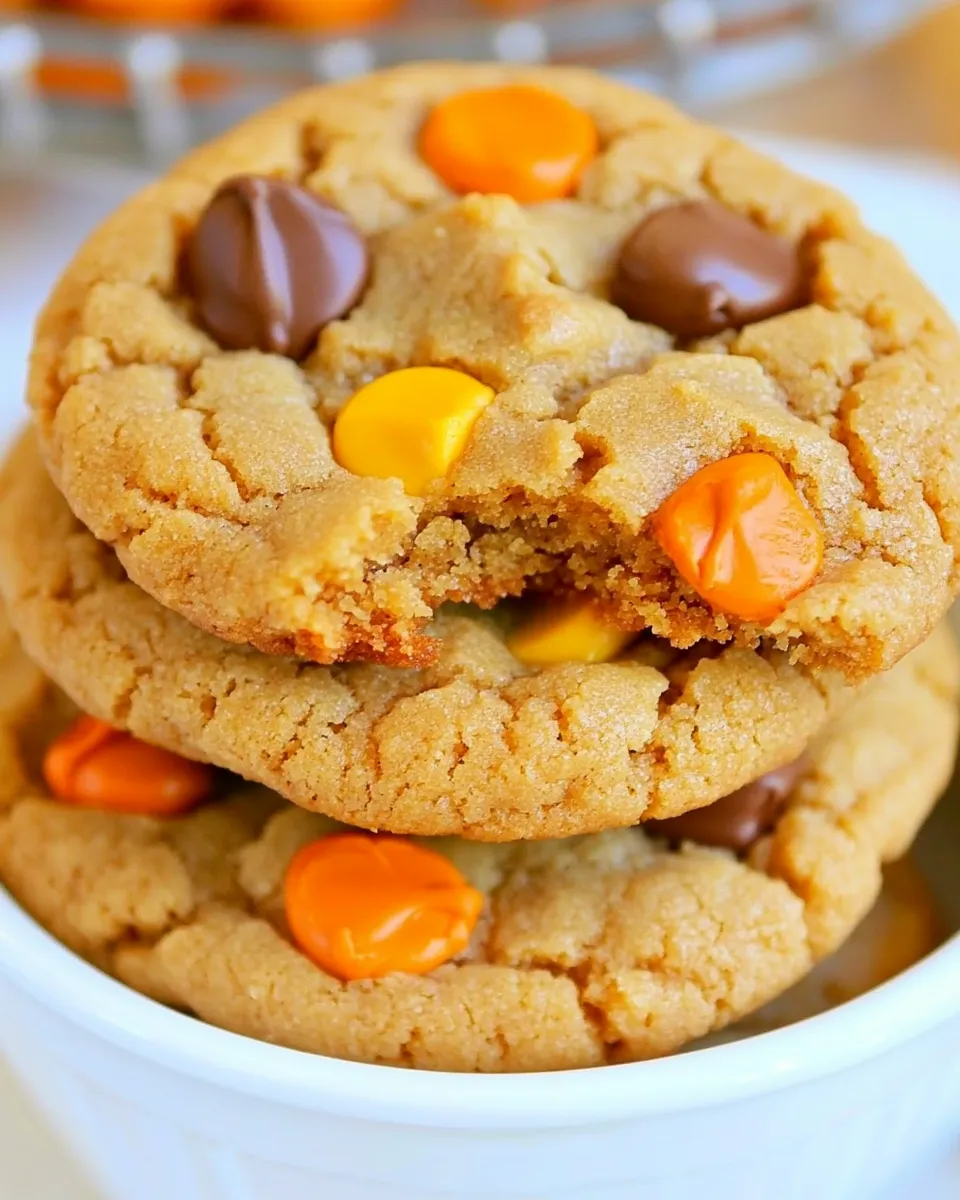
- 1–2 cups Reese’s Pieces — optional but recommended for color and candy peanut-chocolate bites.
- 1/2–1 cup chocolate chips — optional; adds melty chocolate pockets (choose semi-sweet for balance).
- 1/2–1 cup peanut butter chips — optional; reinforces the peanut flavor and adds texture.
- 1/2 cup peanuts — optional; give extra crunch and a roasted nut note.
How to Prepare Peanut Butter Cookie Recipe
- Preheat the oven to 350°F. Line one or more baking sheets with silicone baking mats or parchment paper and set a wire cooling rack nearby.
- In the bowl of a stand mixer or a large mixing bowl with an electric hand mixer, beat together 1 1/2 cups creamy peanut butter, 1 cup softened butter, 1 cup packed brown sugar, and 1 cup granulated sugar until the mixture is smooth and creamy.
- Add 2 eggs and 1 tsp vanilla extract to the bowl and beat until fully incorporated and the batter is smooth.
- In a separate bowl, whisk together 2 cups all-purpose flour, 1 1/2 tsp baking soda, and 1/2 tsp salt. (If using Maldon sea salt flakes, fold them in later as a finishing sprinkle rather than mixing into the dry ingredients.)
- Add the dry ingredients to the wet ingredients and mix on low speed (or stir with a spatula) until just combined. Do not overmix.
- Fold in 1–2 cups Reese’s Pieces and any desired mix-ins: 1/2–1 cup chocolate chips, 1/2–1 cup peanut butter chips, and/or 1/2 cup peanuts. Mix until evenly distributed.
- Use a 2-tablespoon scoop or two tablespoons to portion dough. Place scoops about 2 inches apart on the prepared baking sheets.
- Bake in the preheated oven for 12–14 minutes, until the edges are set and just beginning to turn golden (centers may look slightly soft).
- Remove the baking sheet from the oven and let the cookies cool on the baking sheet set on the wire rack for at least 5 minutes. If desired, sprinkle a few Maldon sea salt flakes on top while warm.
- Transfer cookies to the wire rack to cool further or serve warm. Yield: approximately three dozen cookies.
Why It Works Every Time
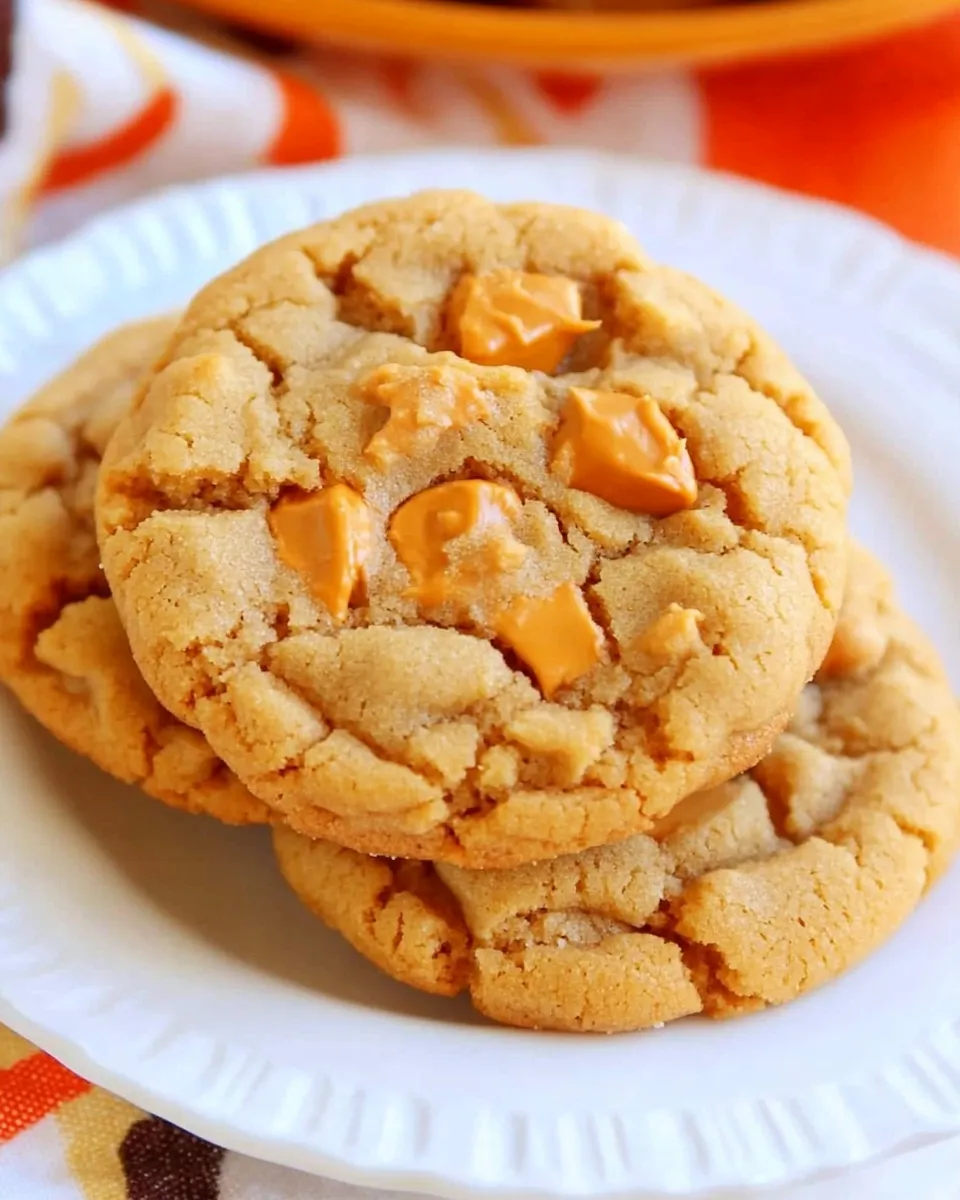
The ratio of peanut butter to butter is what makes these cookies reliable: peanut butter brings concentrated flavor and density, butter lightens the mouthfeel and encourages crisp edges. Using both brown and granulated sugar balances chew and snap—brown sugar holds moisture, while granulated sugar promotes slight caramelization at the edges.
Baking soda is the right leavening for this dough because it reacts quickly with the acidic components (like brown sugar) and creates gentle lift without spreading the dough thin. Keeping the mix-ins optional and fold-in style prevents interference with the dough’s structure. Finally, portioning with a 2-tablespoon scoop ensures uniform baking so most cookies finish at the same time.
Easy Ingredient Swaps

- Peanut butter — If you need another nut butter, use an equal amount of almond or sunflower seed butter (texture will differ; expect slightly different spread).
- Brown sugar — You can replace up to half with coconut sugar in a pinch, but color and flavor will shift.
- Chocolate chips vs. peanut butter chips — Adjust quantities between 1/2–1 cup depending on how chocolaty you want the cookies.
- Reese’s Pieces — Swap for M&M’s if you prefer a candy shell; they’re a one-to-one substitute for color and crunch.
What You’ll Need (Gear)
- Stand mixer or electric hand mixer — for creaming the butter, peanut butter, and sugars smoothly.
- Large mixing bowls — one for wet, one for dry.
- Measuring cups and spoons — accurate measures matter for consistent results.
- 2-tablespoon cookie scoop or two tablespoons — for even portions.
- Baking sheets lined with silicone mats or parchment — prevents sticking and aids even browning.
- Wire cooling rack — cools cookies without turning them soggy on the bottom.
Mistakes That Ruin Peanut Butter Cookie Recipe
Here are the missteps I see most often and how to avoid them:
- Overmixing the dough — Once you add flour, mix only until combined. Overmixing develops gluten and makes the cookies tough rather than tender.
- Using cold butter — If your butter isn’t softened, the sugars won’t cream properly and the texture will be dense. Softened means slightly yielding to the touch, not melty.
- Skipping the portioning consistency — Using wildly different scoop sizes gives you irregular baking; follow the 2-tablespoon guideline for even results.
- Baking at the wrong temperature — An oven that runs hot will brown edges before centers set. Calibrate with an oven thermometer if your cookies frequently overbake.
- Add-ins folded too aggressively — Overworking chunky mix-ins can break them down and create an uneven crumb. Gently fold until evenly distributed.
Smart Substitutions
If you need to swap an ingredient for dietary reasons or pantry limits, here are reliable alternatives that keep the texture and integrity of the cookie:
- Eggs: Use 2 egg replacers equivalent to 2 eggs (commercial or flax egg: 2 tbsp ground flax + 6 tbsp water, chilled) — note: texture will be slightly denser.
- All-purpose flour: For a gluten-free version, use a 1:1 gluten-free flour blend that contains xanthan gum; results are best when measured and handled gently.
- Butter: Swap with an equal amount of solid vegetable shortening for a slightly cakier texture; keep in mind flavor will be less rich.
- Reese’s Pieces: If you don’t have them, add more chips or 1/2 cup chopped, roasted peanuts for texture.
Cook’s Commentary
I love this dough because it’s so adaptable. If you’re a peanut enthusiast, add the full 1 cup of peanut butter chips and the full 2 cups of Reese’s Pieces for maximum candy-studded goodness. If you prefer a subtler candy note, trim the Reese’s Pieces to 1 cup and use 1/2 cup each of the chips.
For neat, uniform cookies, chill the dough for 20–30 minutes before scooping. The recipe doesn’t require chilling, but a short rest firms the dough and can reduce spread, giving you a slightly thicker cookie. I often skip a long chill when I want immediate cookies, and the results are still excellent.
Sprinkling a few Maldon flakes while the cookies are warm creates little hits of salt that lift the peanut and chocolate flavors. It’s a small step that makes the cookies feel bakery-level without adding work.
Shelf Life & Storage
Store cooled cookies in an airtight container at room temperature for up to 5 days. If you’ll keep them longer, freeze stacked cookies (separated by parchment) in a freezer-safe container or bag for up to 3 months. Thaw at room temperature or heat briefly in a 300°F oven for a few minutes to revive the just-baked feel.
If you store with a slice of bread, the cookies will stay softer because the bread shares its moisture. Replace the bread slice every couple of days if you plan to keep cookies longer than 3 days.
Questions People Ask
- Can I make these dairy-free? Yes. Replace butter with a one-to-one dairy-free margarine or solid coconut oil (measure by weight if possible). Expect slight texture differences.
- Do I have to use Reese’s Pieces? No. They’re optional. Use M&M’s, extra chips, or extra peanuts depending on your preference.
- Why are my cookies flat? Likely butter was too soft or oven temperature too low. Chill the dough briefly and check your oven calibration.
- How do I get chewier cookies? Use the full amount of brown sugar, slightly underbake (remove when centers still look a touch soft), and let them finish on the hot pan.
- Can I freeze the dough? Yes. Portion into scoops, freeze on a tray until firm, then transfer scoops to a bag. Bake from frozen adding a minute or two to the bake time.
See You at the Table
These peanut butter cookies are a dependable favorite: straightforward to make, flexible to customize, and reliably loved. Follow the recipe exactly the first time to learn how your oven behaves, then tweak mix-ins and salt to match your tastes. I can’t wait to hear which mix-in combo becomes your go-to.
Make a batch, let one cool just enough to pick up, and taste. If it brings a smile, you’ll know you nailed it. See you at the table—bring milk.
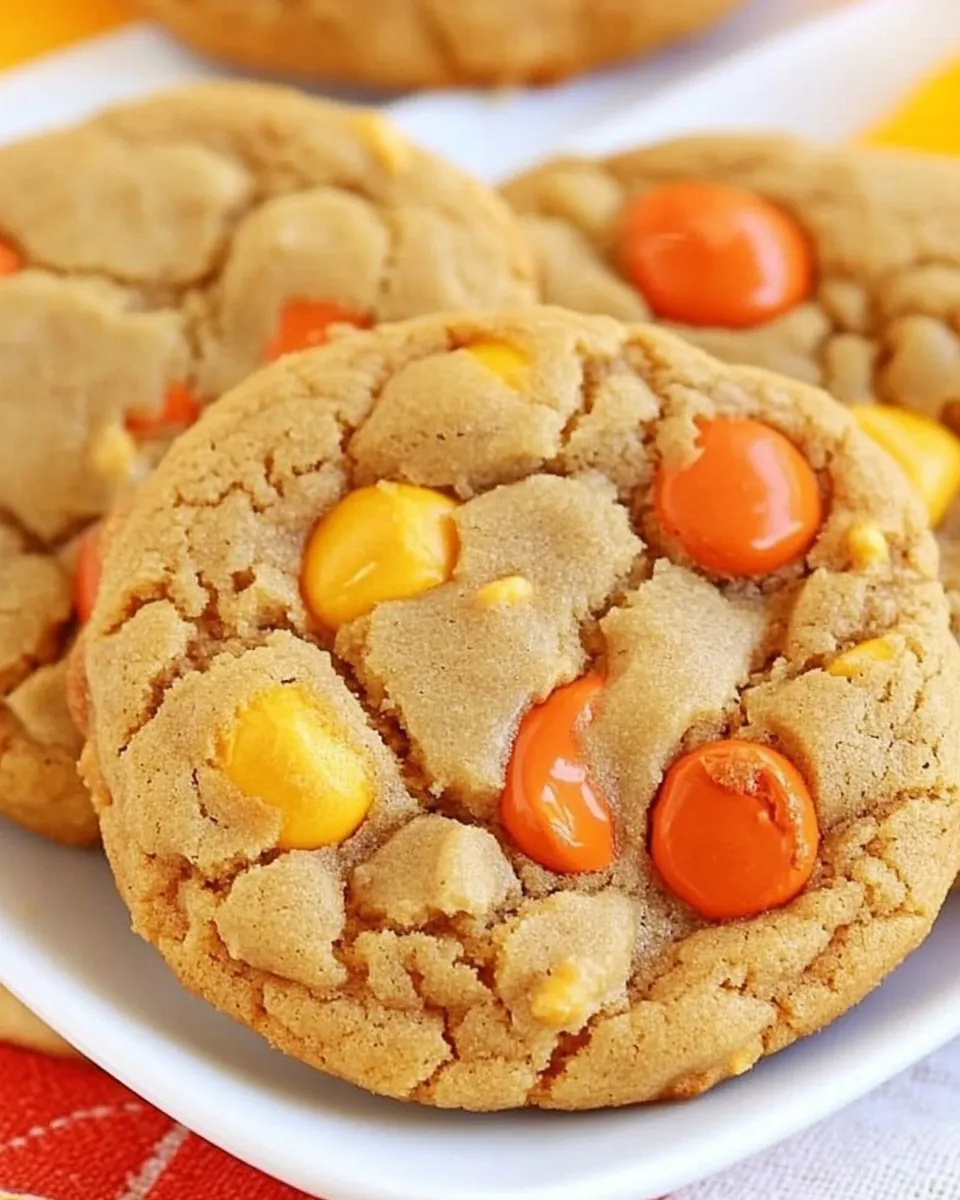
The Best Peanut Butter Cookie Recipe
Equipment
- Stand mixer
- Mixing Bowl
- electric hand mixer
- Measuring Cups
- 2-tablespoon scoop
- Spatula
- Baking Sheet
- silicone baking mat
- Parchment Paper
- wire cooling rack
Ingredients
Ingredients
- 1 1/2 cupscreamy peanut butter
- 1 cupbuttersoftened
- 1 cupbrown sugarpacked
- 1 cupgranulated sugar
- 2 eggs
- 1 tspvanilla extract
- 2 cupsall-purpose flour
- 1 1/2 tspbaking soda
- 1/2 tspsaltI recommend Maldon sea salt flakes
- 1-2 cupsReese’s Pieces
- 1/2-1 cupchocolate chipsif desired
- 1/2-1 cuppeanut butter chipsif desired
- 1/2 cuppeanutsif desired
Instructions
Instructions
- Preheat the oven to 350°F. Line one or more baking sheets with silicone baking mats or parchment paper and set a wire cooling rack nearby.
- In the bowl of a stand mixer or a large mixing bowl with an electric hand mixer, beat together 1 1/2 cups creamy peanut butter, 1 cup softened butter, 1 cup packed brown sugar, and 1 cup granulated sugar until the mixture is smooth and creamy.
- Add 2 eggs and 1 tsp vanilla extract to the bowl and beat until fully incorporated and the batter is smooth.
- In a separate bowl, whisk together 2 cups all-purpose flour, 1 1/2 tsp baking soda, and 1/2 tsp salt. (If using Maldon sea salt flakes, fold them in later as a finishing sprinkle rather than mixing into the dry ingredients.)
- Add the dry ingredients to the wet ingredients and mix on low speed (or stir with a spatula) until just combined. Do not overmix.
- Fold in 1–2 cups Reese’s Pieces and any desired mix-ins: 1/2–1 cup chocolate chips, 1/2–1 cup peanut butter chips, and/or 1/2 cup peanuts. Mix until evenly distributed.
- Use a 2-tablespoon scoop or two tablespoons to portion dough. Place scoops about 2 inches apart on the prepared baking sheets.
- Bake in the preheated oven for 12–14 minutes, until the edges are set and just beginning to turn golden (centers may look slightly soft).
- Remove the baking sheet from the oven and let the cookies cool on the baking sheet set on the wire rack for at least 5 minutes. If desired, sprinkle a few Maldon sea salt flakes on top while warm.
- Transfer cookies to the wire rack to cool further or serve warm. Yield: approximately three dozen cookies.
Notes
If using Maldon sea salt flakes, sprinkle on top of warm cookies rather than mixing into the dough.