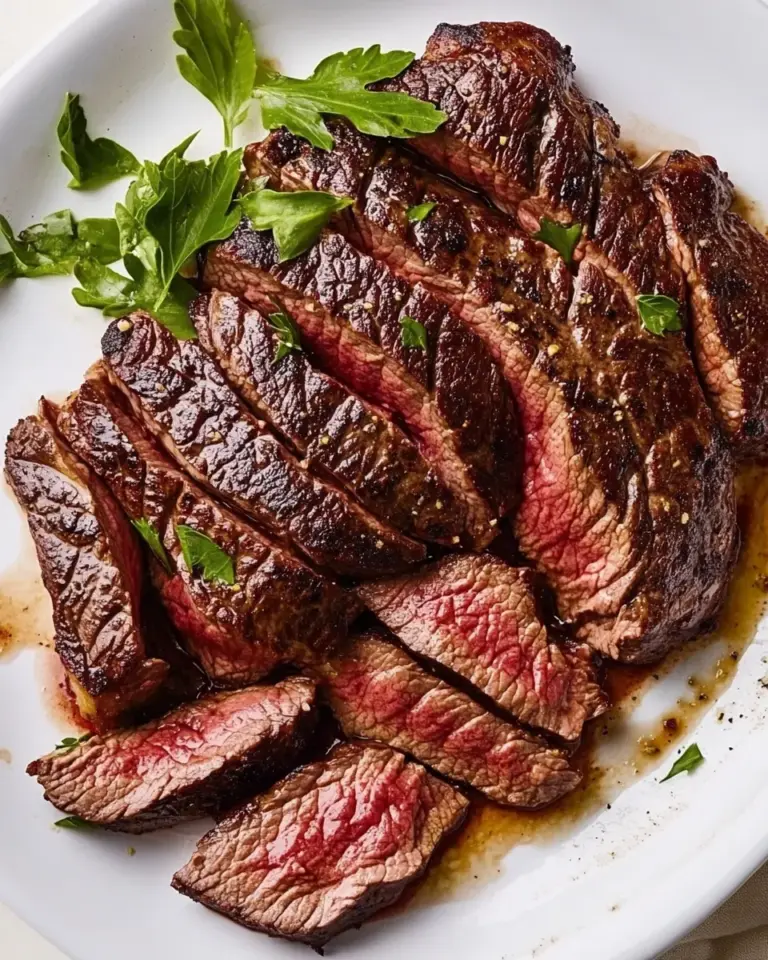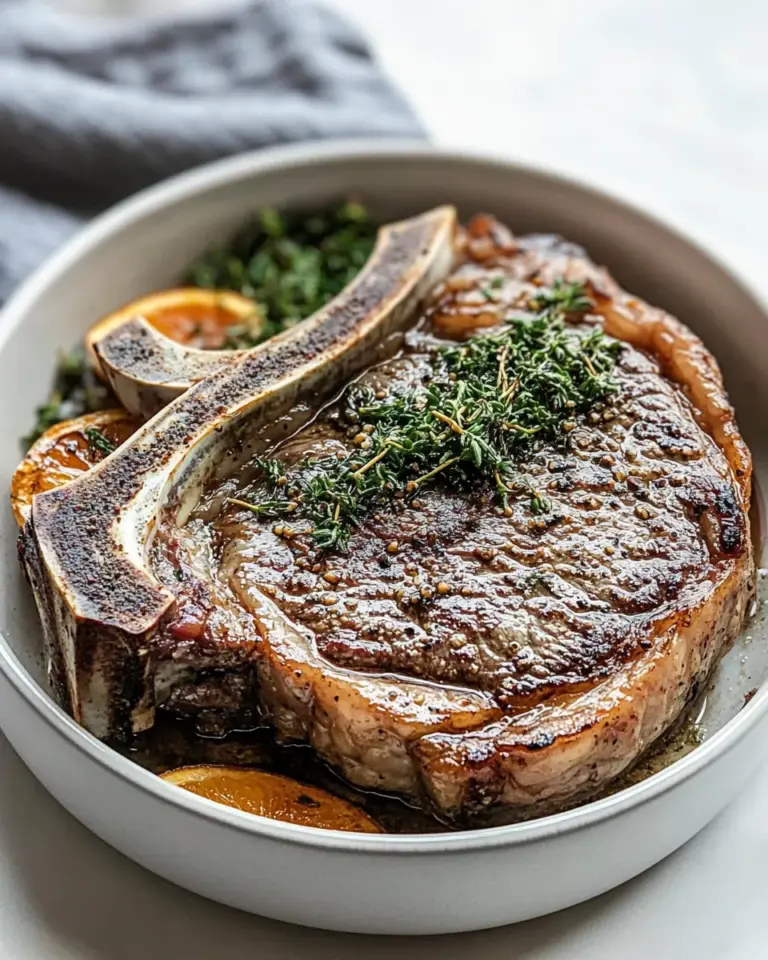
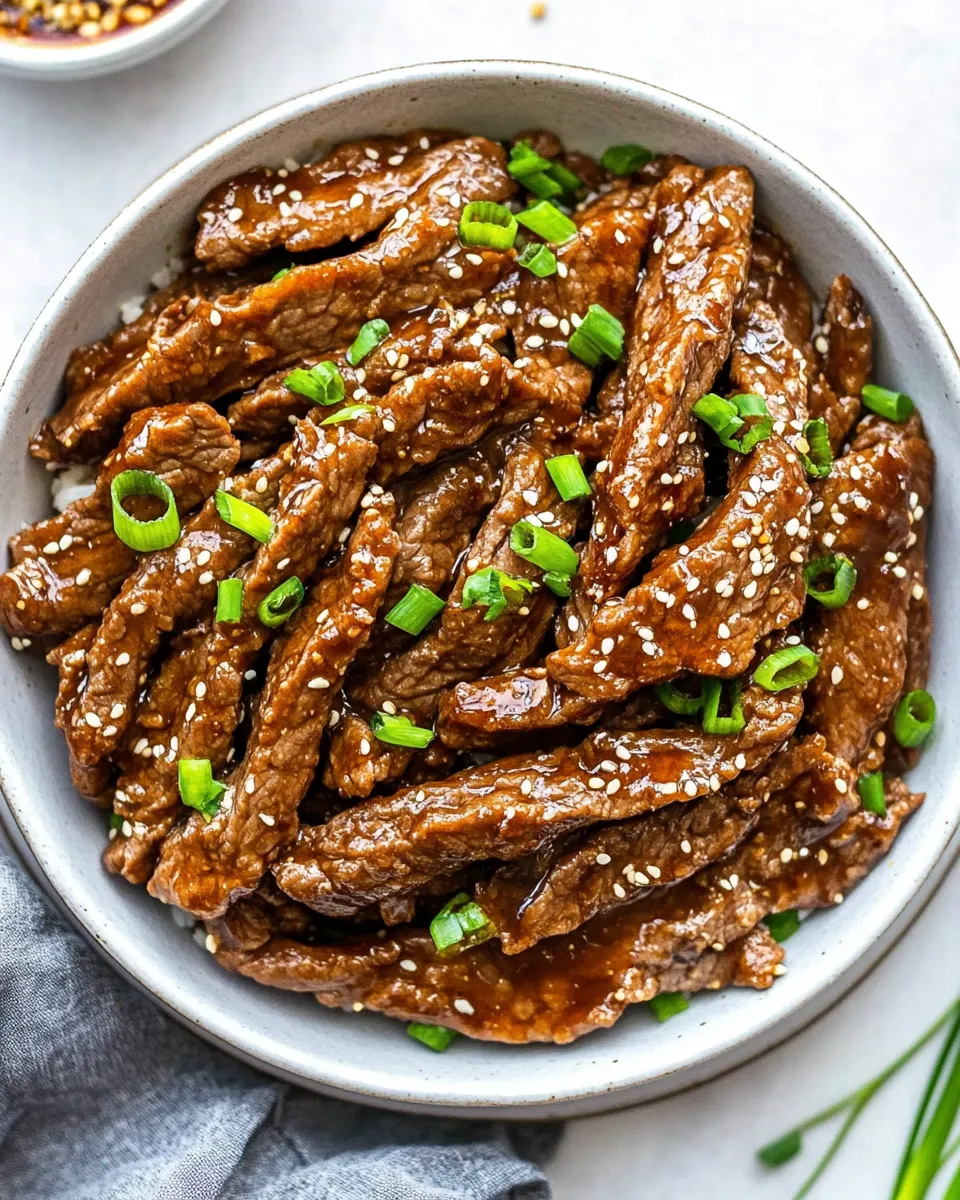
I cook a lot, and if I had to pick one weekday dinner that feels like both comfort food and a tiny celebration, it would be bulgogi. Thinly sliced, caramelized beef with sweet-spicy notes, glossy sesame, and those little bites of tender onion — it hits every box. This version uses flat iron steak and a quick food-processor marinade so you can get restaurant-style flavor without a full day of prep.
There’s a rhythm to making bulgogi: firm the meat, blitz the aromatics, give the meat at least a short rest in the marinade, then sear it very hot so edges brown while the inside stays tender. I’ll walk you through each stage, what equipment makes the job easier, sensible swaps if you don’t have an Asian pear or gochujang, and how to avoid the tiny mistakes that turn great potential into just okay dinner.
Serve it over steaming white rice, sprinkle with sesame seeds and scallions, and let everyone build their own bites. It’s fast, forgiving, and perfect when you want something impressive but actually achievable on a weeknight.
What You’ll Need
Below are the practical things to have on hand before you start: the ingredients, the tools that make the process smoother, and a couple of small habits to get the best results (like firming the steak before slicing). Set these out and you’ll move from prep to plate without scrambling.
Ingredients
- 1 ½ pound flat iron steak — the primary protein; firms in the freezer before slicing for thin, clean cuts.
- 1 onion — peeled, quartered and sliced; adds sweetness and cooks with the beef.
- 1 Asian pear — peeled, cored and chopped; tenderizes the meat and adds subtle sweetness.
- 1 small shallot — chopped; gives milder onion flavor and depth.
- 3 cloves garlic — chopped; essential savory aromatics.
- 1 tablespoon grated fresh ginger — bright, warming note that balances richness.
- 2 tablespoons soy sauce — salty backbone of the marinade.
- 1 tablespoon roasted sesame oil — toasty flavor; use the roasted variety for authenticity.
- 1 tablespoon sugar — helps caramelize the meat and balance savory flavors.
- 1 tablespoon gochujang (Korean hot pepper paste) — provides heat, umami, and color.
- 1 teaspoon freshly ground black pepper — seasoning; freshly ground for brightness.
- 1 tablespoon canola or vegetable oil — for high-heat searing in the pan.
- 2 green onions — chopped; garnish that adds freshness.
- Sesame seeds — for serving; toasty crunch and visual finish.
- White rice — for serving; neutral base to soak up the sauce.
Korean Beef Bulgogi: Step-by-Step Guide
- Wrap the 1 ½ pound flat iron steak in plastic wrap and freeze for 1–2 hours to firm up.
- Remove the steak from the freezer. Using a sharp knife, slice the steak thinly across the grain into about 1/8–1/4‑inch slices. Peel, quarter and slice the 1 onion. Place the sliced steak and the sliced onion in a gallon freezer bag or a large bowl and set aside.
- Prepare the aromatics: peel, core and chop the 1 Asian pear; chop the 1 small shallot; chop the 3 cloves garlic; measure the 1 tablespoon grated fresh ginger.
- In a food processor, combine the chopped Asian pear, chopped shallot, chopped garlic and grated fresh ginger and process until smooth.
- Add to the food processor the 2 tablespoons soy sauce, 1 tablespoon roasted sesame oil, 1 tablespoon sugar, 1 tablespoon gochujang and 1 teaspoon freshly ground black pepper. Pulse until the marinade is evenly combined.
- Pour the marinade into the bag or bowl with the steak and onions. Seal the bag or cover the bowl and mix/massage so all the meat is coated. Refrigerate for at least 30 minutes and up to overnight.
- When ready to cook, heat a cast-iron pan or large skillet over high heat until very hot. Add the 1 tablespoon canola or vegetable oil and swirl to coat the pan.
- Add the marinated meat, onions and any remaining marinade to the hot pan in as close to a single layer as possible (cook in batches if necessary). Stir or toss constantly until the meat begins to brown and caramelize and the onions are cooked through, about 4–5 minutes.
- Remove from heat. Garnish with the 2 chopped green onions and sesame seeds. Serve immediately with white rice.
What Makes This Recipe Special
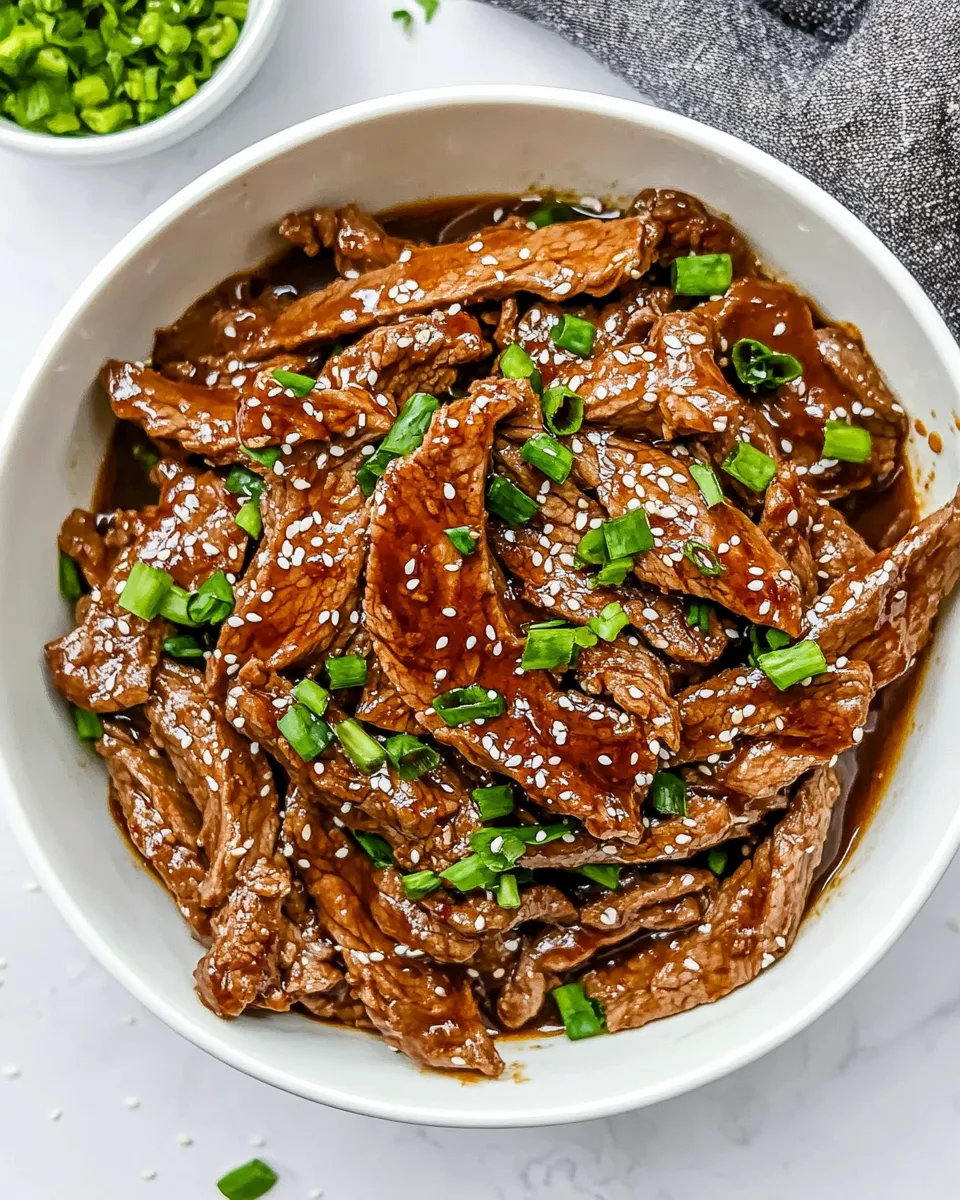
There are a few small choices in this recipe that make a big difference. Using a flat iron steak is practical — it’s tender when sliced thin and more affordable than premium cuts. Freezing first lets you slice paper-thin pieces by hand, which is key for quick cooking and the right texture. The food processor marinade blends fruit and aromatics into a silky paste that both seasons and tenderizes without needing long marination times.
Gochujang is the secret for depth: it’s not just heat, it’s fermented sweetness and umami, and a little goes a long way. Roasted sesame oil and the sugar create glossy caramelization during searing, so instead of a separate sauce you get concentrated flavor right on the meat. Finally, quick high-heat cooking preserves juiciness and gives you those edges that caramelize into crunchy, savory bites.
Substitutions by Category
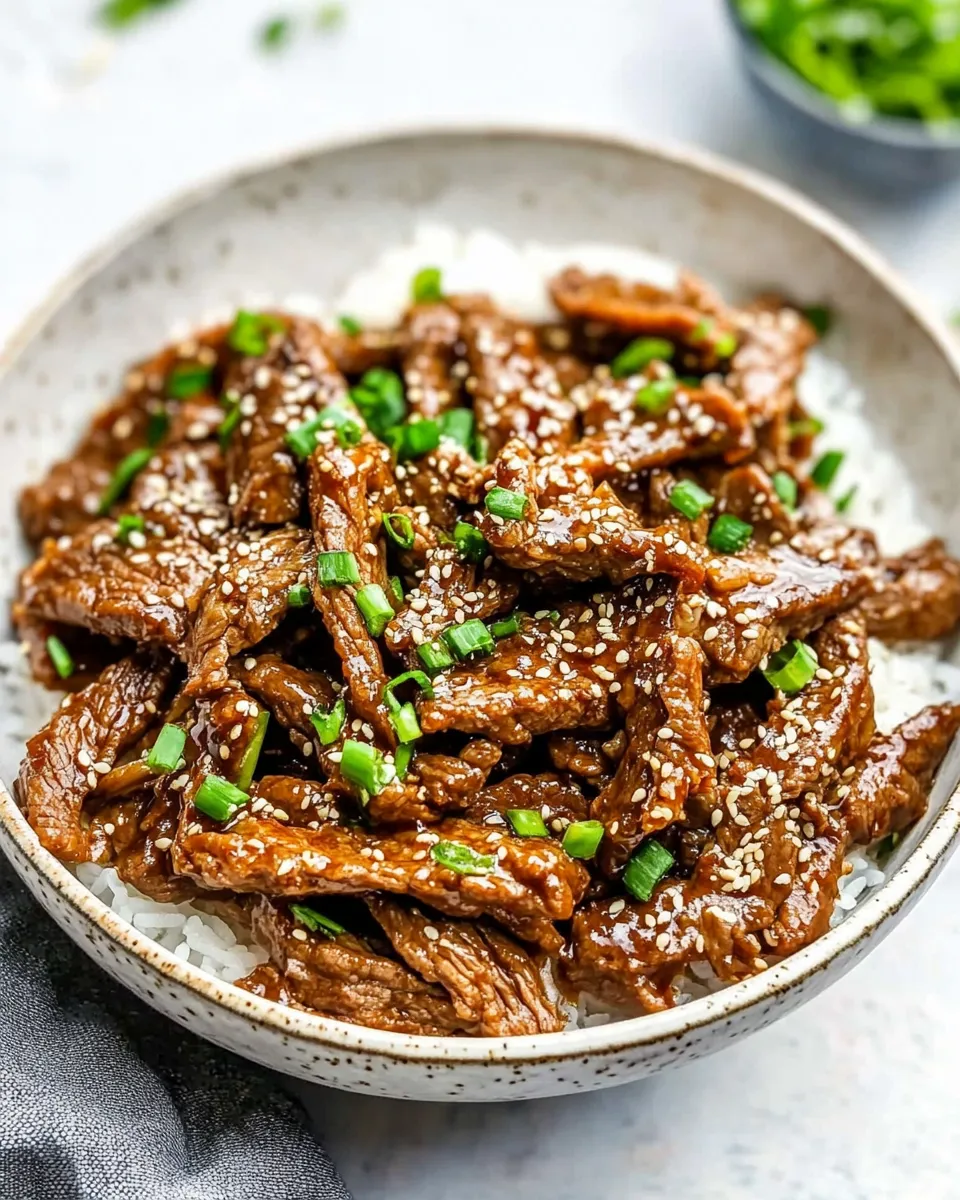
Not everything has to be exact — here are safe swaps grouped by category so you can adapt based on what’s in your kitchen.
- Beef: If you can’t find flat iron, skirt steak, flank steak, or thinly sliced sirloin work. The key is firming and slicing thin across the grain.
- Fruit/tenderizer: Asian pear brings sweetness and enzymes; you can use a peeled apple as a substitute in a pinch, but note apple is sweeter and a bit less floral.
- Sauces & pastes: If you don’t have gochujang, a mix of 1 teaspoon chili paste or sriracha plus an extra 1/2 teaspoon miso (if available) helps mimic the savory kick, though flavor will differ.
- Oils: Roasted sesame oil is a flavor ingredient — do not use it for high-heat searing. If you lack it, add a splash of plain sesame oil at the end and use a neutral oil for cooking (canola, vegetable, or grapeseed).
- Sweetener: Regular granulated sugar is listed; you can use brown sugar for a deeper note, keeping the same amount.
- Rice: White rice is traditional, but short-grain brown rice or steamed jasmine also pair well; adjust cooking times as needed for the grain.
Equipment at a Glance
- Sharp chef’s knife — for thin, consistent slices across the grain.
- Cutting board — chilled if possible for easier slicing.
- Food processor — to puree the pear, shallot, garlic and ginger into a smooth marinade.
- Gallon freezer bag or large bowl — to marinate and massage the meat.
- Cast-iron pan or heavy-bottomed skillet — gets very hot and gives the best caramelization.
- Tongs or a spatula — for constant tossing during the high-heat cook.
- Plastic wrap — to wrap the steak before firming in the freezer.
Avoid These Mistakes
People often make the same small errors that lessen the final result. Here’s what to watch out for so your bulgogi tastes like it belongs on a restaurant menu.
- Don’t slice warm meat. If the steak isn’t firm from the freezer, slices tear and become uneven. Chill for the recommended 1–2 hours.
- Don’t overcrowd the pan. If you pile in too much meat at once the pan cools and the beef stews instead of caramelizes. Cook in batches if needed.
- Don’t skip the high heat. Bulgogi needs a very hot pan for the quick browning that creates flavor; a lukewarm pan will yield rubbery beef.
- Don’t use toasted sesame oil as the cooking oil. It smokes early; use a neutral oil for searing and add sesame oil in the marinade (as called for).
- Don’t over-marinate beyond what you need. While longer can be fine, too long with a lot of acid can break down the meat texture; the recipe’s “at least 30 minutes and up to overnight” is a safe range.
Holiday & Seasonal Touches
Bulgogi is terrific for gatherings — it’s familiar but a little special. For holidays, present it family-style on a warm platter with extra scallions and sesame seeds, and let guests help themselves. Add a bowl of kimchi, thin cucumber salad, or quick pickled daikon for brightness. For spring and summer, serve with cold japchae (Korean glass noodles) or lettuce leaves and ssamjang for wraps. In colder months, add roasted root vegetables on the side and serve over warm short-grain rice to make the meal heartier.
Pro Tips & Notes
Prep & slicing
Freeze the steak just enough to make slicing easy; if you freeze it solid you’ll have trouble slicing thinly. Aim for 1/8–1/4-inch slices. Slice across the grain for tenderness.
Marinade handling
Use a food processor to fully integrate the pear and aromatics into a smooth paste — that helps coat the meat evenly and speeds tenderization. If you don’t have a processor, finely grate the pear and garlic by hand and whisk everything together.
Cooking technique
Get the pan smoking-hot. Add oil and then the meat in a single layer, and keep the pieces moving so they cook evenly and build color. If you want slightly crispier edges, push the meat into a single layer and let it sit 15–20 seconds before tossing.
Keep It Fresh: Storage Guide
Make-ahead: You can marinate the beef up to 24 hours in the refrigerator. Beyond that the texture can become mushy from fruit enzymes.
Refrigerator: Leftovers will keep in the fridge for 3–4 days in an airtight container. Reheat gently in a skillet over medium heat with a splash of water to prevent drying out; avoid the microwave when possible to keep texture.
Freezing: Cooked bulgogi can be frozen for up to 2 months. Cool completely, portion into freezer-safe containers, and thaw overnight in the fridge before reheating. Note that textures (especially of the onions) will soften after freezing and reheating.
Questions People Ask
- Can I use a different cut of beef? Yes — skirt, flank, or thin sirloin work. Slice across the grain and keep pieces thin.
- What if I don’t have Asian pear? A peeled apple is the closest common substitute; it adds sweetness and tenderizing enzymes though the flavor will shift slightly.
- How long should I marinate? At least 30 minutes for flavor and tenderizing; up to overnight in the fridge is fine. Avoid multi-day marinades as the texture can break down.
- Is gochujang optional? It’s recommended for authentic depth and a touch of heat. If unavailable, you can substitute a bit of chili paste or sriracha plus a small amount of miso, but the flavor won’t be identical.
- How do I get really thin slices without a freezer? A very sharp knife and a steady hand can do it, but the brief firming in the freezer is the easiest path to consistent thin slices.
Serve & Enjoy
Arrange warm rice bowls and a platter of bulgogi, scatter chopped green onions and sesame seeds over the top, and set out small dishes of kimchi, quick cucumber salad, or leafy greens for wrapping. Encourage everyone to make their own bites — the contrast of hot caramelized beef, cool kimchi, and fluffy rice is what makes bulgogi endlessly satisfying. Sit down, dig in, and enjoy the simple pleasure of a dinner that looks like it took longer than it did.
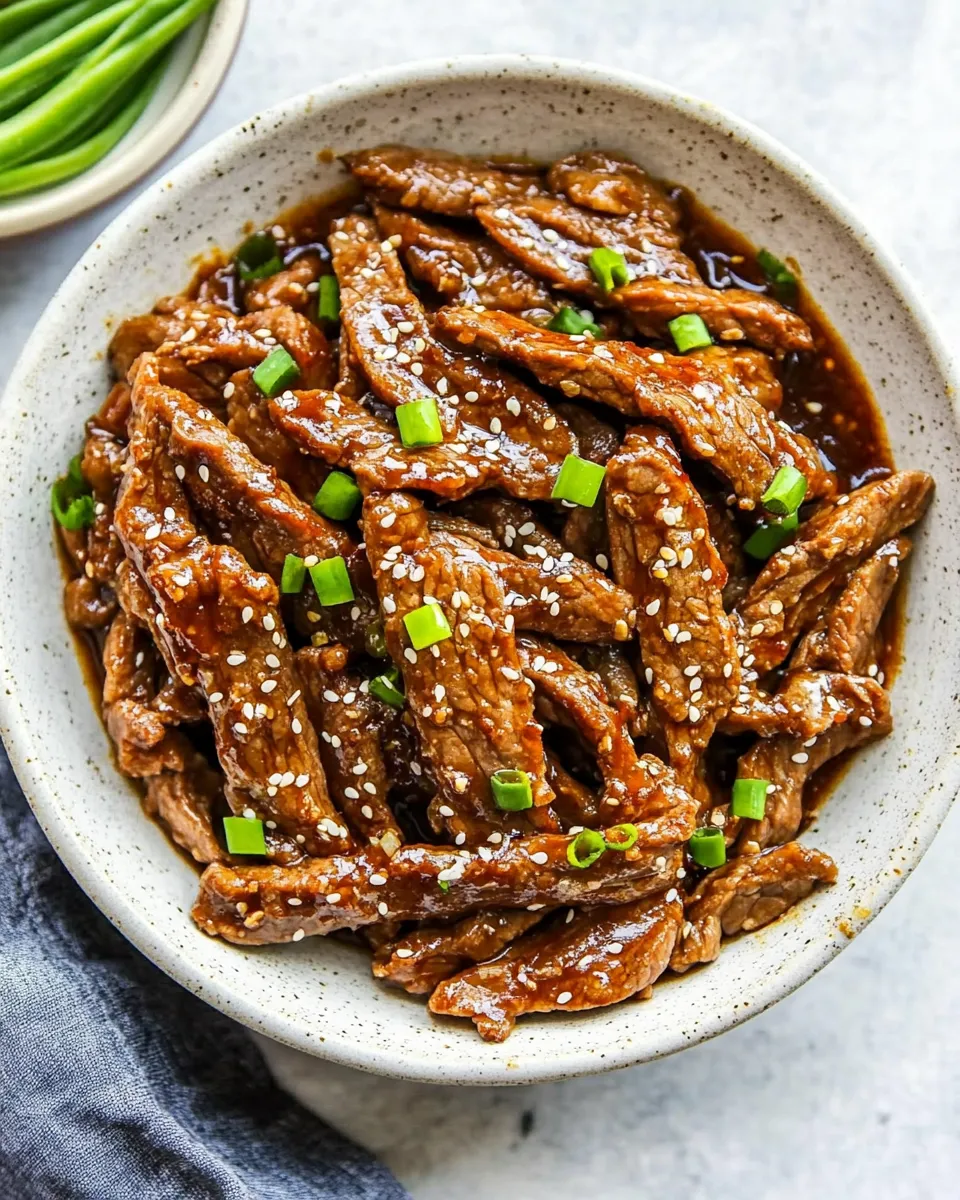
Korean Beef Bulgogi
Equipment
- Plastic Wrap
- Sharp Knife
- Food Processor
- gallon freezer bag or large bowl
- cast-iron pan or large skillet
Ingredients
Ingredients
- 1 1/2 poundflat iron steak
- 1 onionpeeled quartered and sliced
- 1 Asian pearpeeled cored and chopped
- 1 small shallotchopped
- 3 clovesgarlicchopped
- 1 tablespoongrated fresh ginger
- 2 tablespoonssoy sauce
- 1 tablespoonroasted sesame oil
- 1 tablespoonsugar
- 1 tablespoongochujang Korean hot pepper paste
- 1 teaspoonfreshly ground black pepper
- 1 tablespooncanola or vegetable oil
- 2 green onionschopped
- Sesame seeds for serving
- White rice for serving
Instructions
Instructions
- Wrap the 1 ½ pound flat iron steak in plastic wrap and freeze for 1–2 hours to firm up.
- Remove the steak from the freezer. Using a sharp knife, slice the steak thinly across the grain into about 1/8–1/4‑inch slices. Peel, quarter and slice the 1 onion. Place the sliced steak and the sliced onion in a gallon freezer bag or a large bowl and set aside.
- Prepare the aromatics: peel, core and chop the 1 Asian pear; chop the 1 small shallot; chop the 3 cloves garlic; measure the 1 tablespoon grated fresh ginger.
- In a food processor, combine the chopped Asian pear, chopped shallot, chopped garlic and grated fresh ginger and process until smooth.
- Add to the food processor the 2 tablespoons soy sauce, 1 tablespoon roasted sesame oil, 1 tablespoon sugar, 1 tablespoon gochujang and 1 teaspoon freshly ground black pepper. Pulse until the marinade is evenly combined.
- Pour the marinade into the bag or bowl with the steak and onions. Seal the bag or cover the bowl and mix/massage so all the meat is coated. Refrigerate for at least 30 minutes and up to overnight.
- When ready to cook, heat a cast-iron pan or large skillet over high heat until very hot. Add the 1 tablespoon canola or vegetable oil and swirl to coat the pan.
- Add the marinated meat, onions and any remaining marinade to the hot pan in as close to a single layer as possible (cook in batches if necessary). Stir or toss constantly until the meat begins to brown and caramelize and the onions are cooked through, about 4–5 minutes.
- Remove from heat. Garnish with the 2 chopped green onions and sesame seeds. Serve immediately with white rice.