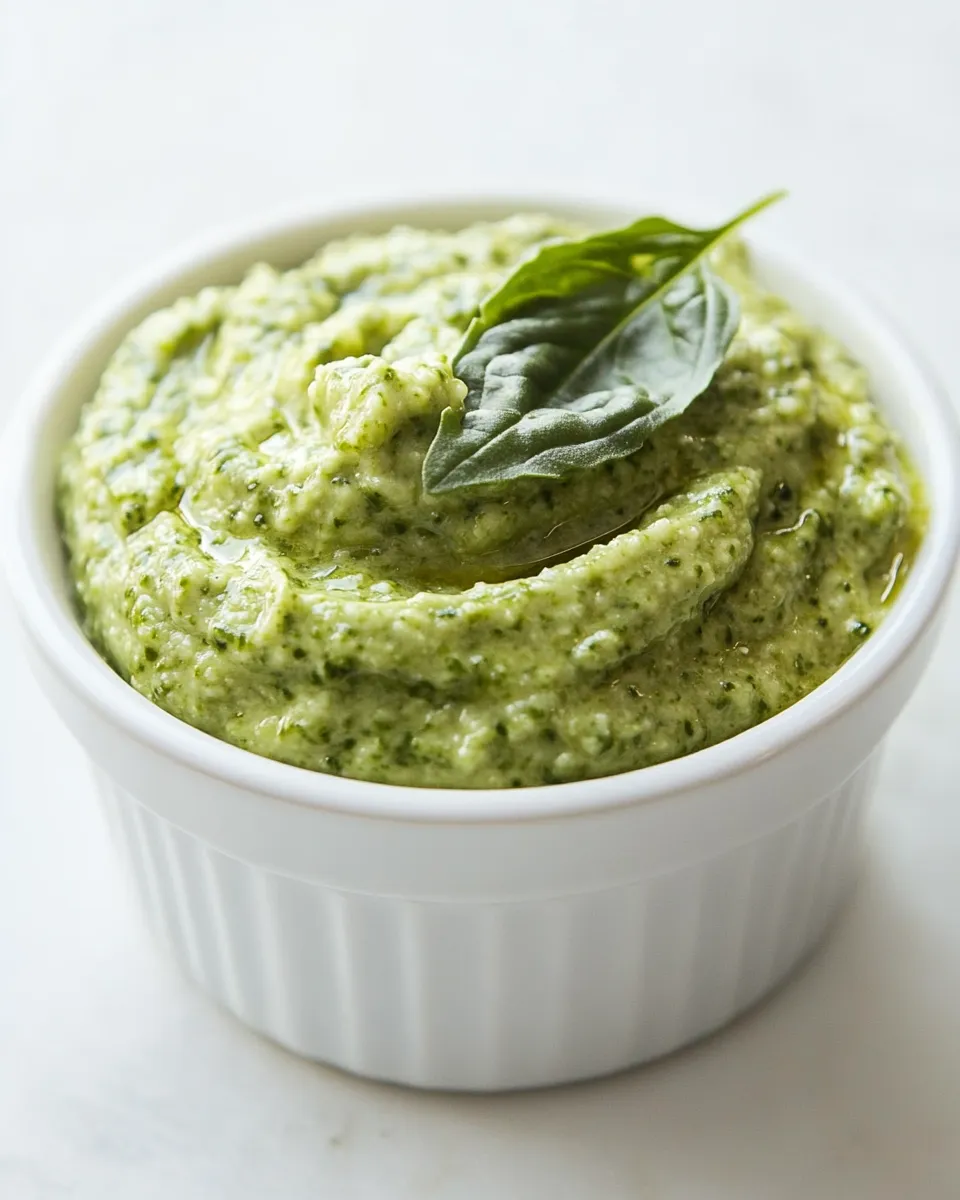
There are recipes that feel like shortcuts and recipes that feel like rediscoveries. This Creamy Pesto Sauce is both. It keeps the bright basil and nutty cheese that make pesto a classic, then softens the whole thing with cream so it clings to pasta, drips over roasted veggies, and smooths into soups. It’s forgiving, quick, and reliably delicious.
I developed this version after testing batches for different textures — from spoonable to pourable — and landed on a balance that works straight from the fridge or warmed gently. The process is simple: pulse the aromatics and nuts, emulsify with olive oil, then fold in cream until the texture sings. You’ll get fresh basil flavor without any bitterness, and a sauce that’s both vibrant and silky.
Use this sauce the same week you make it, unless you freeze it. It stores well, and a little goes a long way. Read on for exact measurements, step-by-step instructions, troubleshooting tips, and ways to customize Creamy Pesto Sauce for your meals and pantry.
What You’ll Need
- 2 cups packed fresh basil leaves — the backbone of the sauce; pack them lightly into the measuring cup.
- ½ cup pine nuts — provide richness and help create a smooth texture; toast lightly if you want a deeper flavor.
- ½ cup grated pecorino cheese (or Parmesan) — salty, savory binder; finely grated cheese integrates best.
- 1 clove garlic, peeled — sharp aromatic; adjust to taste if you prefer milder garlic.
- 1 teaspoon lemon zest — brightens and balances the richness; use a microplane for fine zest.
- 1/2 cup extra-virgin olive oil — emulsifies the mix and carries flavor; choose a fruity, good-quality oil.
- 3/4 – 1 cup heavy cream — makes the pesto silky; start with 3/4 cup and add more if you want a thinner sauce.
- salt and pepper — to taste; salt enhances the basil and cheese, pepper adds a subtle bite.
Directions: Creamy Pesto Sauce
- Add 2 cups packed fresh basil leaves, ½ cup pine nuts, ½ cup grated pecorino cheese (or Parmesan), 1 peeled garlic clove, and 1 teaspoon lemon zest to a food processor.
- Cover and pulse in short bursts until the ingredients are finely chopped, stopping to scrape down the sides of the bowl as needed.
- With the processor running, add ½ cup extra-virgin olive oil and pulse until the mixture becomes a smooth, thick pesto.
- Add 3/4 cup heavy cream and pulse just a few times to incorporate. If the sauce is still too thick, add up to an additional 1/4 cup heavy cream (for a total of up to 1 cup) and pulse until you reach the desired creamy consistency.
- Taste and season with salt and pepper to taste.
- Transfer the sauce to a container, cover, and refrigerate until ready to use.
Why You’ll Love This Recipe
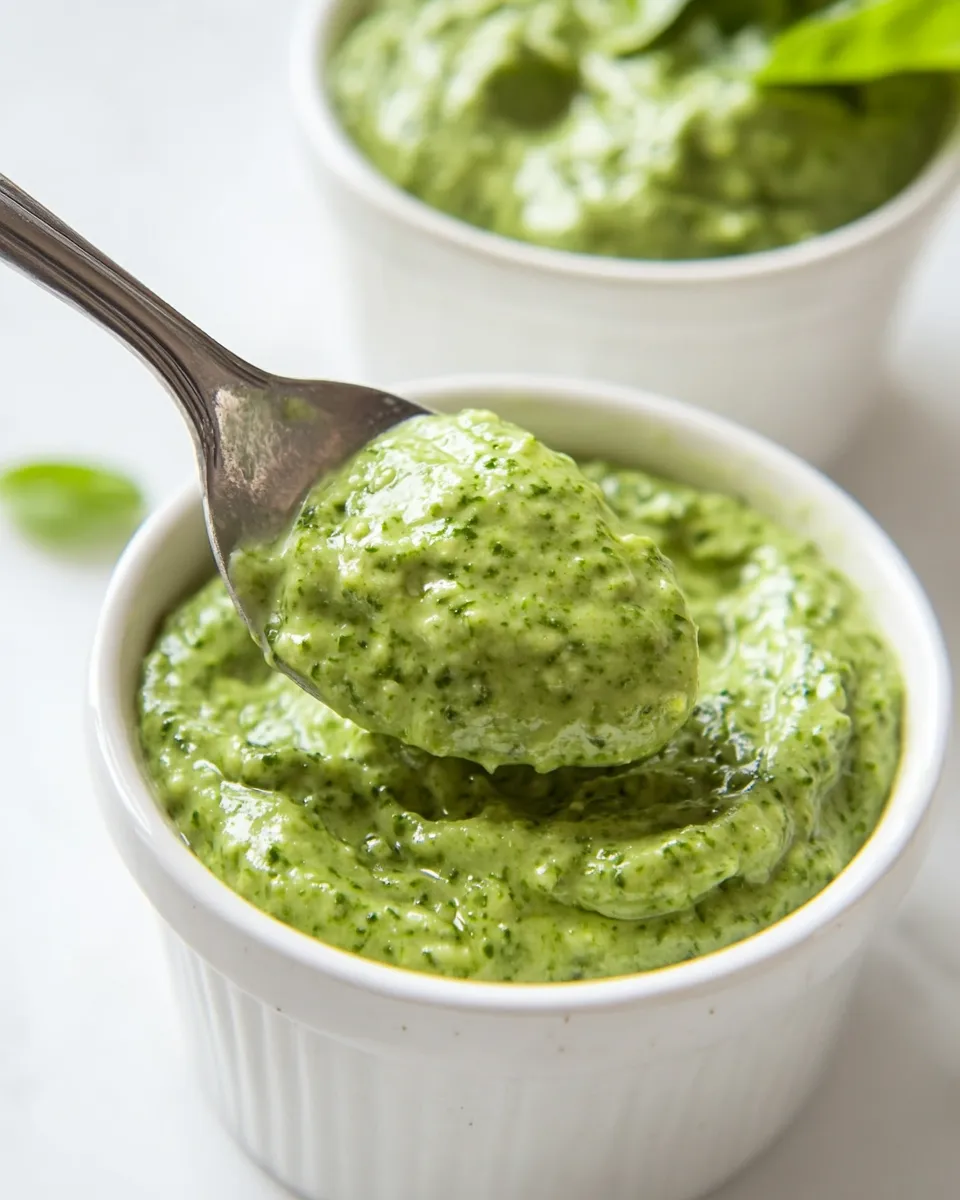
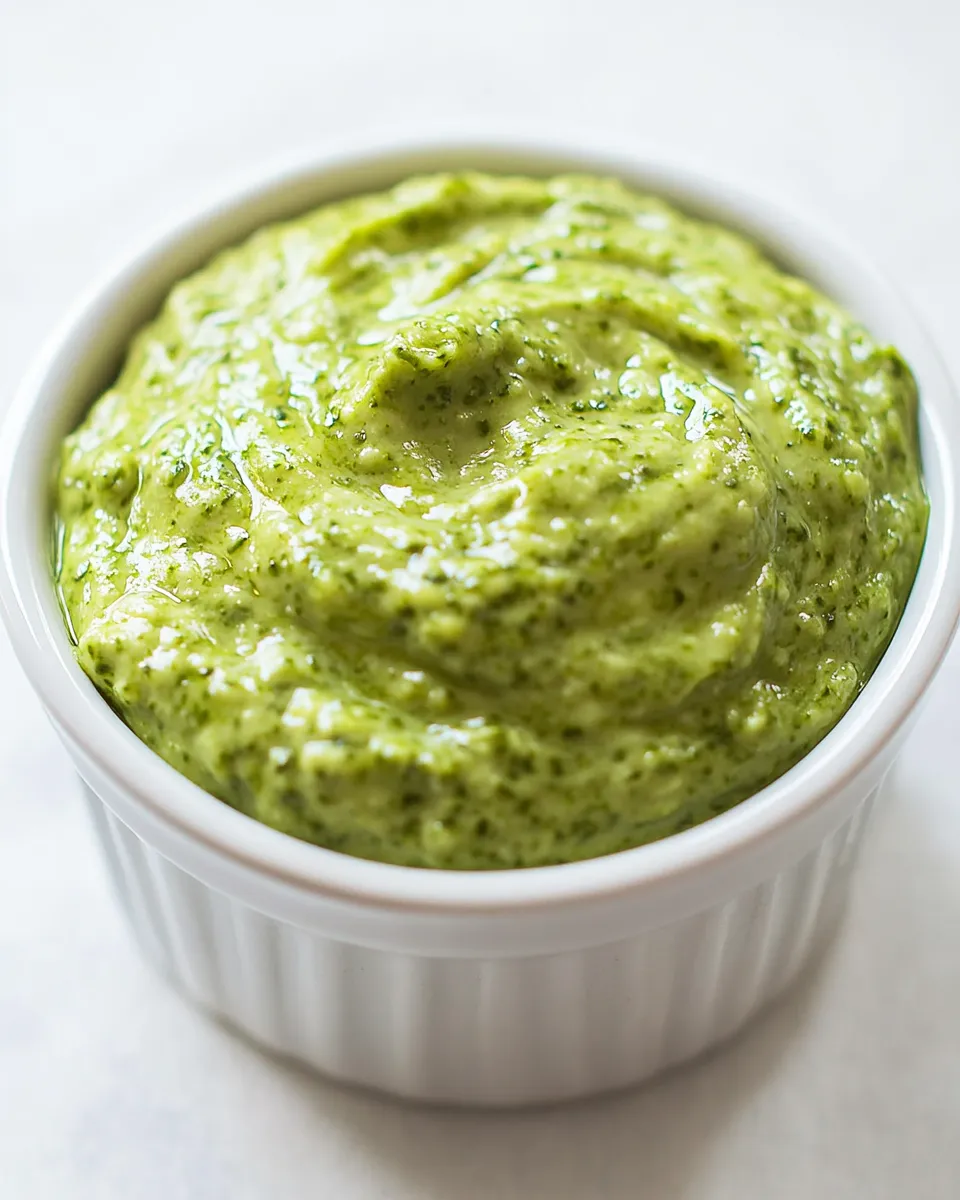
This sauce keeps everything you want from traditional pesto — that fresh basil punch, the toasty nuttiness, the savory tang of hard cheese — and tames it with cream. The result clings to pasta like a velvet hug, fills a sandwich without sliding out, and makes an excellent base for a quick white sauce when you want something brighter than Alfredo. It’s more forgiving than classic pesto, especially if your basil has a few bruised leaves or your nuts are a touch stale; the cream smooths small flaws without hiding flavor.
It’s fast. From start to jar, you’re looking at about 10 minutes hands-on. It’s versatile. Toss with warm pasta and a squeeze of lemon, stir into roasted vegetables, spoon over grilled chicken, or whisk into soups for instant lift. And it stores well in the fridge for several days — fridge-friendly, fridge-appreciated, and ready to rescue weeknight dinners.
If You’re Out Of…
- Fresh basil: You can use a combo of fresh herbs — try half basil and half spinach or arugula — but note the flavor will shift. The sauce will lose some classic basil aroma but gain a milder, greener profile.
- Pine nuts: Swap in walnuts, almonds, or even sunflower seeds in equal measure. Toast them briefly for more depth.
- Pecorino or Parmesan: Use another hard, salty cheese like Grana Padano. Nutritional yeast works in a pinch for a dairy-free hint of umami but won’t melt into the same texture.
- Heavy cream: Full-fat Greek yogurt can add creaminess but will be tangier and less pourable; for a dairy-free option try canned coconut milk (full fat) and watch flavor changes.
Essential Tools for Success
- Food processor: The only real must-have here. It chops, emulsifies, and controls texture better than a blender for this quantity.
- Microplane or fine grater: For lemon zest and getting the cheese finely grated so it melts into the emulsion.
- Spatula: For scraping down the bowl between pulses — crucial to avoid uneven chunks.
- Measuring cups: Accurate liquid and packed measurements keep the texture consistent from batch to batch.
- Tight-sealing container: For storing in the fridge and preventing discoloration.
Mistakes Even Pros Make
- Overprocessing the basil: Turned into a dark paste, basil can lose its bright flavor. Pulse in short bursts and stop while the leaves still look vibrant.
- Adding too much oil at once: If you pour oil too fast you can create a greasy texture instead of a smooth emulsion. Add oil while the processor runs, and let it incorporate slowly.
- Not scraping the bowl: Ingredients hide on the sides. Scrape down and pulse again so every piece of basil and cheese gets blended evenly.
- Using too much garlic raw: One clove works for most; raw garlic can overpower. Adjust after tasting.
- Not tasting for salt: Pecorino is salty. Taste before adding more salt; you may need only a pinch.
Customize for Your Needs
Think of this recipe as a template. You can change elements without losing the soul of Creamy Pesto Sauce.
- For a lighter sauce: Use 3/4 cup heavy cream only and increase the olive oil by 1–2 tablespoons so it stays glossy but reduces richness.
- For a richer, thicker spread: Start with the full 1 cup heavy cream and reduce the oil slightly; freeze in small portions for spreading later.
- To make it dairy-free: Replace the cheese with 3 tablespoons nutritional yeast and use full-fat coconut milk in place of cream. Expect a different flavor profile but good texture.
- To add heat: Fold in red pepper flakes or a small pinch of cayenne after pulsing; heat carries well in creamy sauces.
- To green it up: Add a handful of young spinach or arugula with the basil for extra vitamins without overwhelming basil’s brightness.
Method to the Madness
There are two technical moments that determine whether the sauce is a silky success: emulsification and consistency adjustment.
Emulsification
Adding olive oil while the processor runs is an emulsifying step. The oil coats the chopped solids and binds them into a smooth paste. If you add oil in one pour, it can separate or feel oily. Add steadily and pulse; that gives you control over texture.
Consistency adjustment
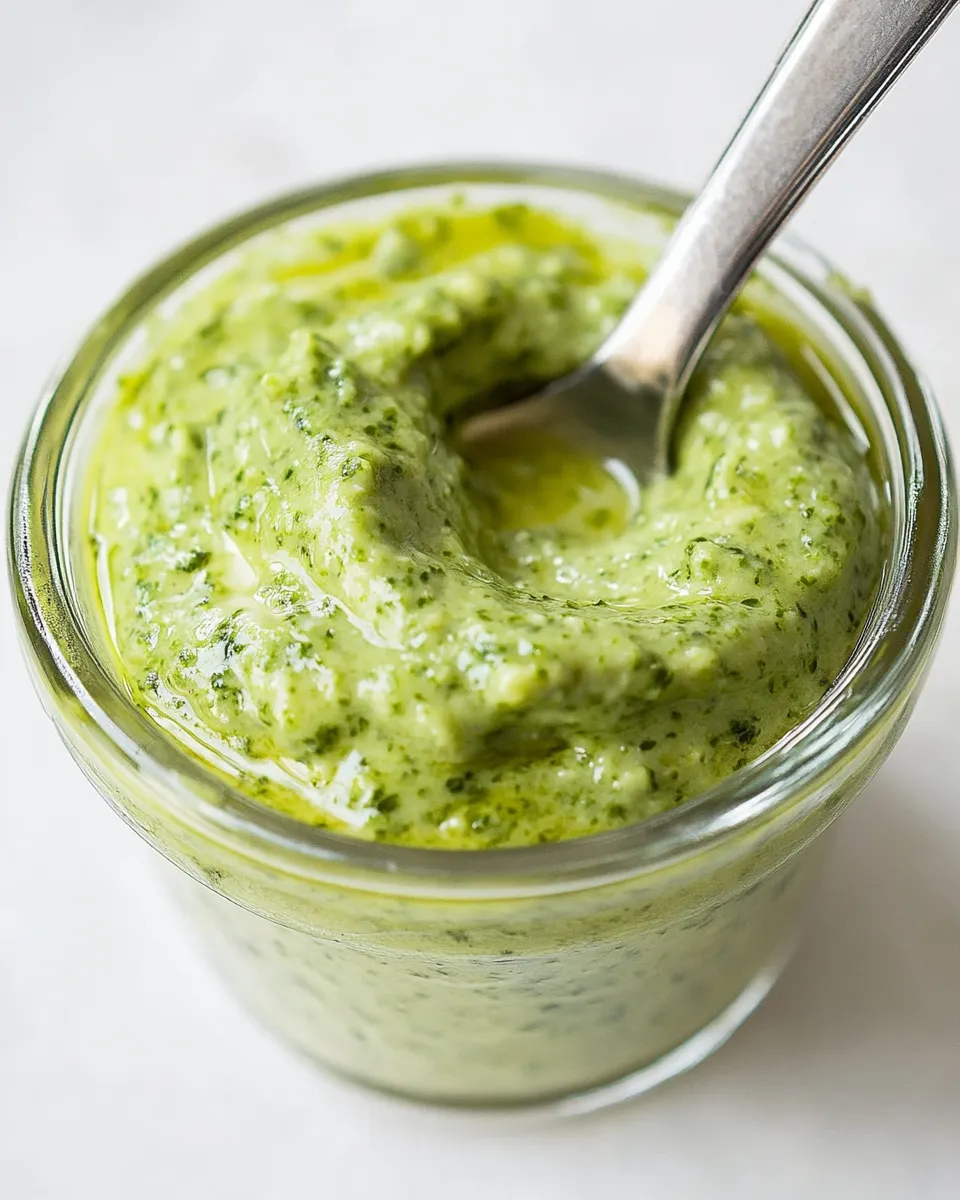
Heavy cream is your throttle. Start with 3/4 cup and pulse in just a few times. That preserves texture without liquefying the sauce. If you want spoonable creaminess, stop there. If you need a pourable sauce for pasta, add up to the full 1 cup, a little at a time, until you hit the right pour.
Make Ahead Like a Pro
Make this sauce up to five days ahead and keep it tightly sealed in the refrigerator. Press a piece of plastic wrap directly onto the surface to limit oxidization, or pour a thin film of olive oil over the top before sealing. For longer storage, freeze in ice cube trays or small containers for up to three months. Thaw in the fridge overnight and stir; the texture may separate slightly but will recombine with a quick whisk or short pulse in the processor.
Top Questions & Answers
- Can I use a blender instead of a food processor? You can, but a blender requires more liquid to move, which can make the sauce thinner. Work in small batches and pulse carefully.
- Why did my pesto turn bitter? Overprocessed basil and using older leaves can cause bitterness. Use fresh, bright basil and pulse just until chopped.
- How long does this keep? In the refrigerator, 4–5 days when stored airtight. If you see color darkening, it’s still safe but less vibrant; use it in cooked dishes.
- Can I freeze Creamy Pesto Sauce? Yes. Freeze in portions (ice cube trays are ideal). Thaw in the fridge and stir or pulse a few times to recombine.
- Can I scale the recipe down? Yes, but blending smaller amounts in a food processor can be less efficient. A small, high-speed blender or mini food processor handles smaller batches better.
- Is it safe to add the cream hot? Avoid adding hot liquids to a food processor; they can expand and splatter. Let heated ingredients cool slightly before pulsing.
Before You Go
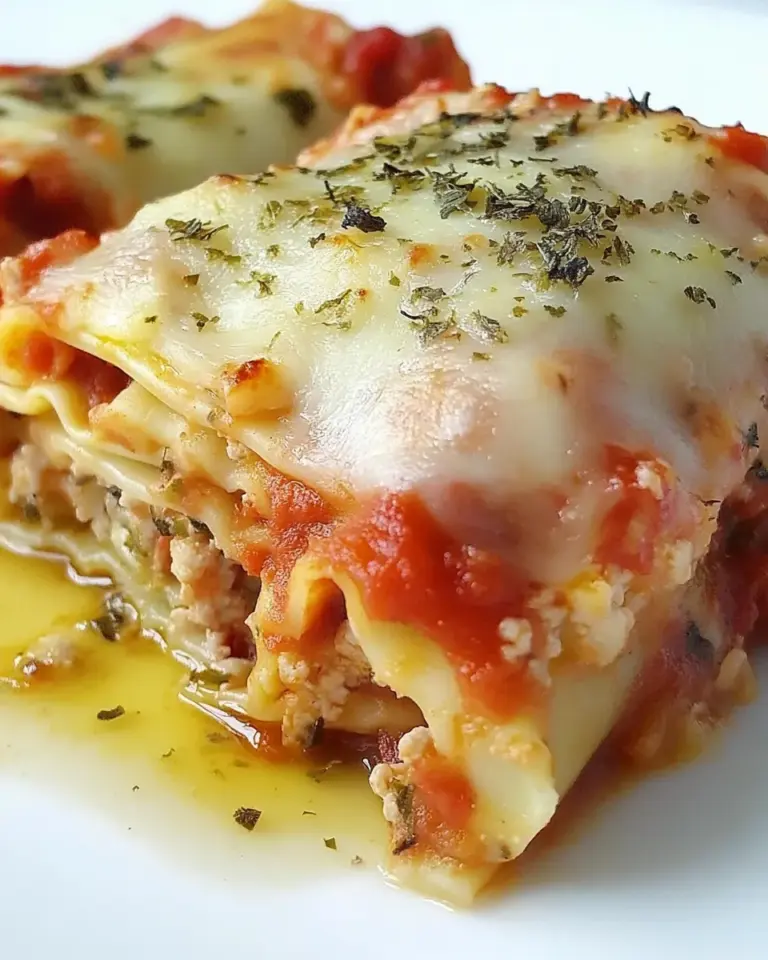
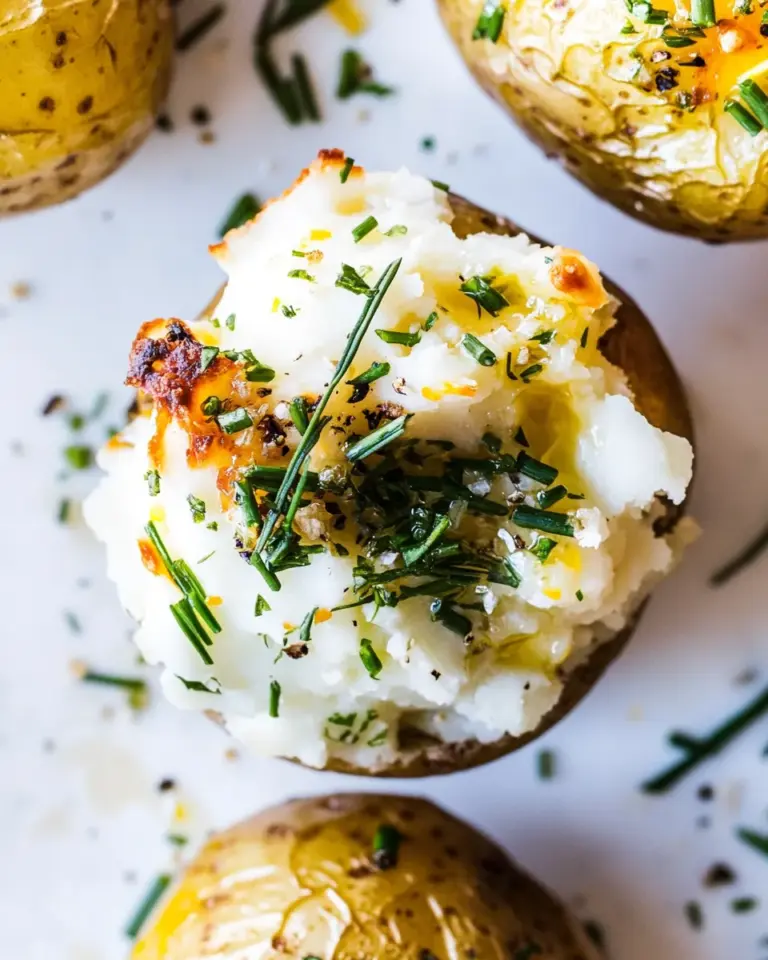
Make a batch this week and test it three ways: draped over pasta, swirled into roasted potatoes, and as a quick chicken sauce. Each use shows a different strength of this Creamy Pesto Sauce — bright, savory, and silky. Store what you don’t use and reach for it when dinner needs an instant lift.
Creamy Pesto Sauce
Equipment
- Food Processor
- container
Ingredients
Ingredients
- 2 cupsfresh basil leavespacked
- 1/2 cuppine nuts
- 1/2 cupgrated pecorino cheeseor parmesan
- 1 clovegarlicpeeled
- 1 teaspoonlemon zest
- 1/2 cupextra-virgin olive oil
- 3/4 – 1 cupheavy cream
- salt and pepper
Instructions
Instructions
- Add 2 cups packed fresh basil leaves, ½ cup pine nuts, ½ cup grated pecorino cheese (or Parmesan), 1 peeled garlic clove, and 1 teaspoon lemon zest to a food processor.
- Cover and pulse in short bursts until the ingredients are finely chopped, stopping to scrape down the sides of the bowl as needed.
- With the processor running, add ½ cup extra-virgin olive oil and pulse until the mixture becomes a smooth, thick pesto.
- Add 3/4 cup heavy cream and pulse just a few times to incorporate. If the sauce is still too thick, add up to an additional 1/4 cup heavy cream (for a total of up to 1 cup) and pulse until you reach the desired creamy consistency.
- Taste and season with salt and pepper to taste.
- Transfer the sauce to a container, cover, and refrigerate until ready to use.
Notes
Keep in the refrigerator for up to 5 days.
This recipe makes approximately 2 cups of creamy basil pesto.