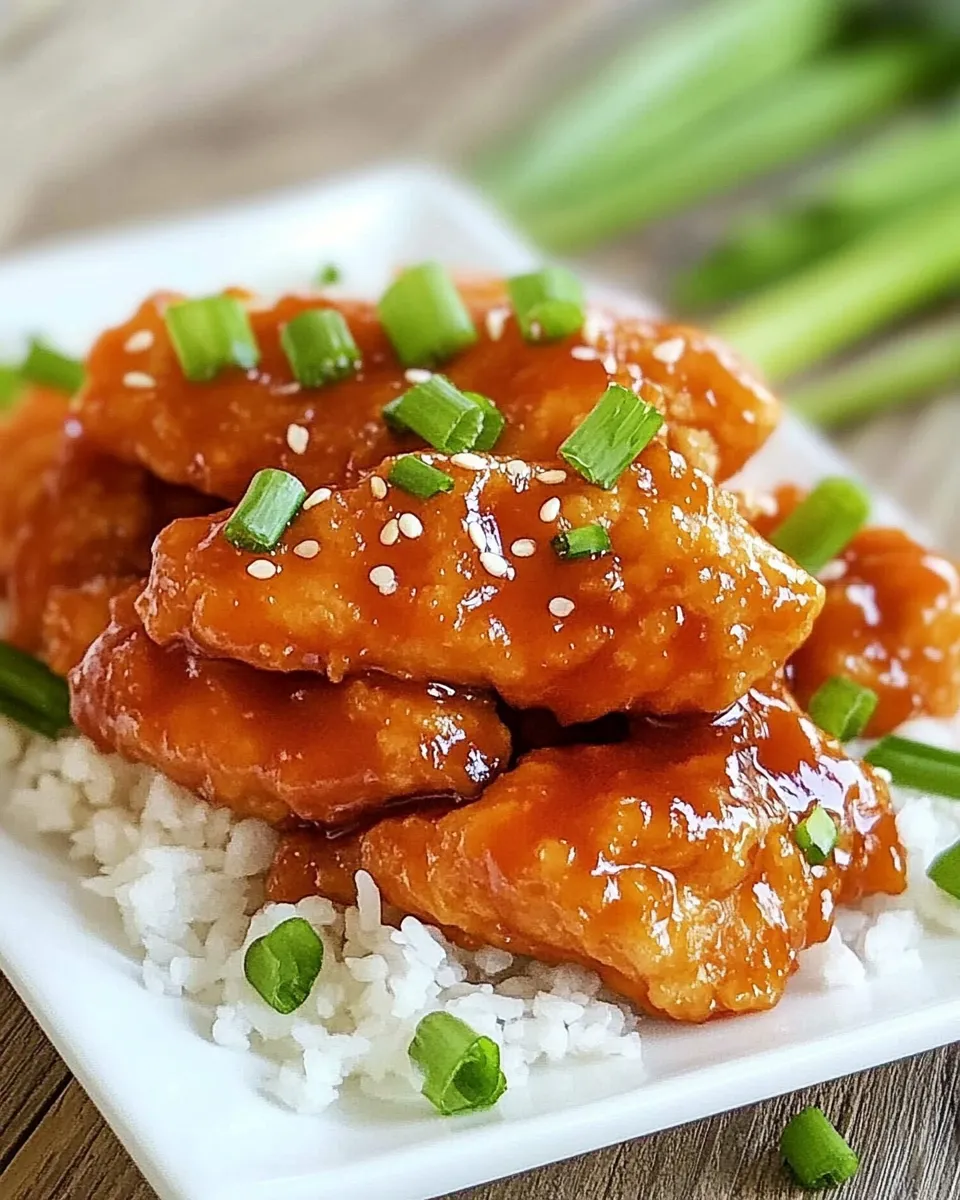
This is the kind of recipe I turn to when I want dinner that feels indulgent but requires very little fuss. Sweet, salty, slightly spicy and glossy—this Sticky Chicken delivers that sticky, finger-licking finish without a long list of steps. The flavor is bold because the marinade is concentrated and cooks down into a glaze that clings to the tenders.
It works for busy weeknights and for meals where you want to impress without babysitting the stove. You can marinate for just an hour if you’re short on time, or let the chicken sit overnight for deeper flavor. Either way, the oven does the work and the result is reliably tender.
Below you’ll find exact ingredient notes, a step-by-step cooking section taken straight from the tested method, and practical options if you need to substitute or adapt. Read through the notes before you start; a little prep makes the finish a lot more consistent.
Ingredient Notes
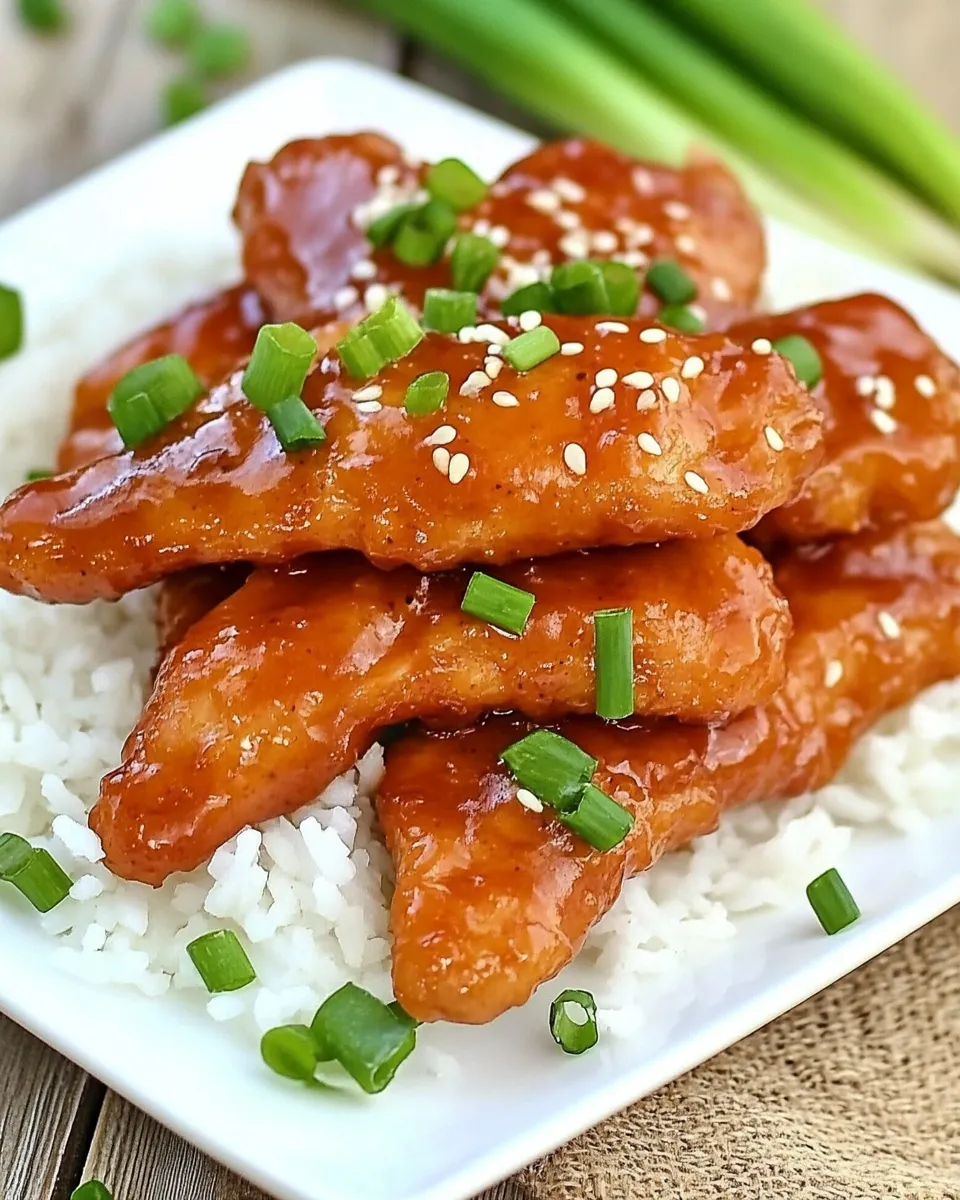
Everything in this recipe pulls double duty: it builds flavor and creates that glossy, sticky finish. Brown sugar and soy sauce are the base of the sweet-and-salty dynamic. Teriyaki adds depth and umami, while butter gives the glaze a silky mouthfeel. The creole seasoning and dry mustard introduce a savory backbone so the sweetness never feels one-dimensional.
Ingredients
- 1 cup packed light brown sugar — sweetens and caramelizes to form the sticky glaze; packed brown sugar gives moisture and deeper flavor than granulated sugar.
- 3/4 cup soy sauce — provides salt and umami; use low-sodium if you want to control salinity.
- 1/2 cup teriyaki sauce — adds sweetness and a toasted, slightly tangy profile; it layers flavors with the soy sauce.
- 1/2 cup butter, melted — enriches the sauce and helps the glaze develop a glossy finish; melted for easier whisking.
- 1 Tbsp creole seasoning — brings savory heat and herbal notes; balances the sweet elements.
- 1 tsp dry mustard — brightens the sauce and cuts through sweetness with a gentle bite.
- 2-1/2 pounds boneless skinless chicken tenderloins — the cooking times and method are written for tenderloins; they cook quickly and stay tender under this glaze.
From Start to Finish: Sticky Chicken
- In a medium bowl, whisk together 1 cup packed light brown sugar, 3/4 cup soy sauce, 1/2 cup teriyaki sauce, 1/2 cup melted butter, 1 Tbsp creole seasoning, and 1 tsp dry mustard until mostly smooth and the sugar begins to dissolve.
- Place 2-1/2 pounds boneless skinless chicken tenderloins in a large zip-top bag or shallow dish. Pour the marinade over the chicken, seal the bag (or cover the dish), press out excess air, and gently massage to coat the chicken. Refrigerate 1 hour to overnight, turning the bag or stirring the chicken occasionally.
- When ready to cook, position an oven rack in the center and preheat the oven to 375°F.
- Remove the chicken from the marinade, letting excess marinade drip back into the bag or bowl. Arrange the tenderloins in a single layer on a baking pan or rimmed baking sheet. Discard any remaining raw marinade. (If you prefer to use the marinade as a sauce, transfer it to a saucepan and bring to a rolling boil for at least 5 minutes before using.)
- Bake in the preheated oven 20 to 25 minutes, until the chicken is no longer pink and an instant-read thermometer inserted into the thickest part registers 165°F.
- Remove the chicken from the oven and let rest 3–5 minutes before serving.
Why This Recipe Is Reliable
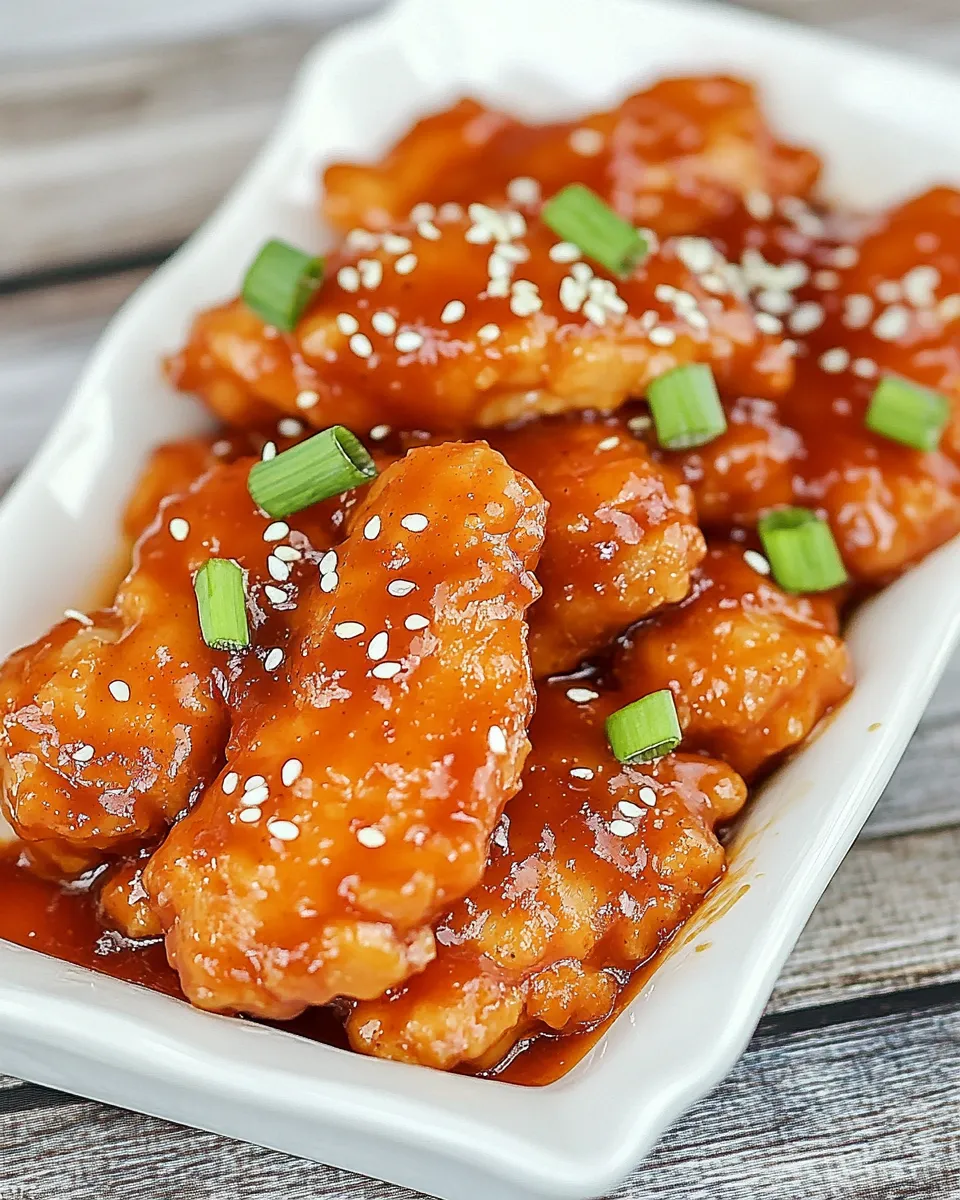
It follows three simple truths: a concentrated marinade equals flavor, a reliable internal temperature equals safety and tenderness, and resting lets juices redistribute. The sugar and soy combination creates a glaze during baking; butter and teriyaki help it stay glossy rather than dry. The recipe calls for 20–25 minutes at 375°F for tenderloins—this range is forgiving, and the use of an instant-read thermometer removes guesswork.
Marinating for at least an hour lets the surface flavor penetrate without breaking down the meat like a long acidic marinade would. The option to boil any reserved marinade for five minutes is a clear safety step that preserves flavor without risking contamination.
If You’re Out Of…
- Light brown sugar: dark brown works too—expect a slightly deeper molasses note. If you’re out of both, mix granulated sugar with a little molasses (about 1 tablespoon molasses per cup sugar) to mimic the flavor.
- Soy sauce: tamari is a 1:1 substitute and gives a similar savory profile. Coconut aminos will be milder and less salty; reduce added salt elsewhere if using it.
- Teriyaki sauce: you can make a quick stand-in with soy sauce, a splash of rice vinegar or mirin, and a touch more sugar or honey. Keep the total liquid similar so the balance stays right.
- Butter: use an equal amount of neutral oil (canola, vegetable) for fat and cooking stability, though you’ll lose some of the richness.
- Creole seasoning: a simple blend of paprika, garlic powder, onion powder, cayenne, salt, and black pepper will mimic it—adjust the heat to taste.
- Dry mustard: prepared mustard can substitute; cut the amount (use about 1 teaspoon prepared) because it’s milder and wetter.
Tools of the Trade
- Medium mixing bowl and whisk — for combining the marinade evenly.
- Large zip-top bag or shallow dish — for marinating with minimal mess.
- Baking pan or rimmed baking sheet — allows juices to collect and the chicken to cook evenly.
- Instant-read thermometer — the single most useful tool for consistent results; it tells you when chicken hits 165°F.
- Small saucepan (optional) — if you plan to boil the reserved marinade into a sauce.
Missteps & Fixes
Too salty
If your sauce tastes too salty before cooking, dilute it slightly with water or add a touch more brown sugar to rebalance sweetness. For cooked chicken that’s already too salty, serve it with plain rice or steamed vegetables to diffuse the saltiness.
Not sticky enough
The glaze forms when sugar and liquids reduce and cling to the chicken. If your sauce smells like it didn’t stick, you probably had too much excess moisture on the tenderloins. Pat them dry before arranging on the baking sheet, and consider broiling for 1–2 minutes at the end to encourage caramelization—watch closely so it doesn’t burn.
Burning or dark spots
High sugar content can brown quickly. If the edges char before the center is done, tent the pan loosely with foil and continue baking until the thermometer reads 165°F.
Fit It to Your Goals
If you’re meal-prepping, slice the cooked chicken and pack it over rice or salad for grab-and-go lunches. For a low-carb option, serve the chicken over roasted vegetables or cauliflower rice. Want to feed a crowd? Double the sauce ingredients and bake the tenderloins in batches or on multiple pans—rotate racks halfway through for even cooking.
To make it kid-friendly, dial back the creole seasoning or swap it for a milder seasoning blend. If you want more heat, add a splash of hot sauce to the marinade or a pinch of cayenne.
What I Learned Testing
When I first tested this, I skimmed the marinade without letting the sugar start to dissolve. The sauce stayed grainy on the first attempt. Whisking until the sugar begins to dissolve makes a big difference in final texture. Also, marinating overnight transforms the flavor—tenderloins pick up a deeper savory-sweet profile, especially around the edges.
Another practical lesson: if you plan to reuse the marinade as sauce, boiling it for at least five minutes concentrates flavor and ensures safety. I prefer transferring it to a small saucepan and reducing it until it coats the back of a spoon. Spoon that over the finished chicken for an extra glossy finish.
Freezer-Friendly Notes
This recipe adapts well to the freezer. For best results, portion the raw chicken with the marinade into freezer-safe bags, remove excess air, and freeze flat. Thaw in the refrigerator overnight before baking. Marinated, uncooked chicken will keep well for up to three months in the freezer.
If you’ve cooked the chicken and want to freeze leftovers, cool completely, then portion into airtight containers. Reheat gently in a 350°F oven until warmed through to preserve texture; avoid microwaving directly from frozen as it can dry the meat and affect the glaze.
Top Questions & Answers
- Can I use chicken thighs instead of tenderloins? Yes. Bone-in thighs will need more time; boneless thighs can cook in a similar timeframe but may take a few minutes longer. Always rely on an instant-read thermometer for doneness.
- Is the sugar necessary? The brown sugar creates the sticky gloss and caramelization. You can reduce it slightly, but the texture and finish will change.
- Can I grill this instead of baking? Yes, but watch the sugar closely—grill over medium heat and move pieces to indirect heat if flare-ups start. Baste toward the end of cooking rather than early, to prevent burning.
- Do I have to discard the leftover marinade? Discard any raw marinade that’s been in contact with raw chicken unless you transfer it to a saucepan and bring it to a rolling boil for at least 5 minutes to make it safe to use as a sauce.
- How do I get a thicker glaze? Reduce the boiled marinade in a saucepan until it thickens, or broil the chicken briefly at the end of baking to encourage caramelization.
Final Bite
Sticky Chicken is forgiving, bold, and quick to come together. The real win is the minimal hands-on time: whisk, marinate, bake, and rest. Keep the instant-read thermometer close and a sheet of foil handy. Let the chicken rest before serving so juices settle and the glaze sets. Serve it with plain rice, a simple green salad, or roasted vegetables and you have a dinner that looks and tastes like you spent far more time on it than you did.
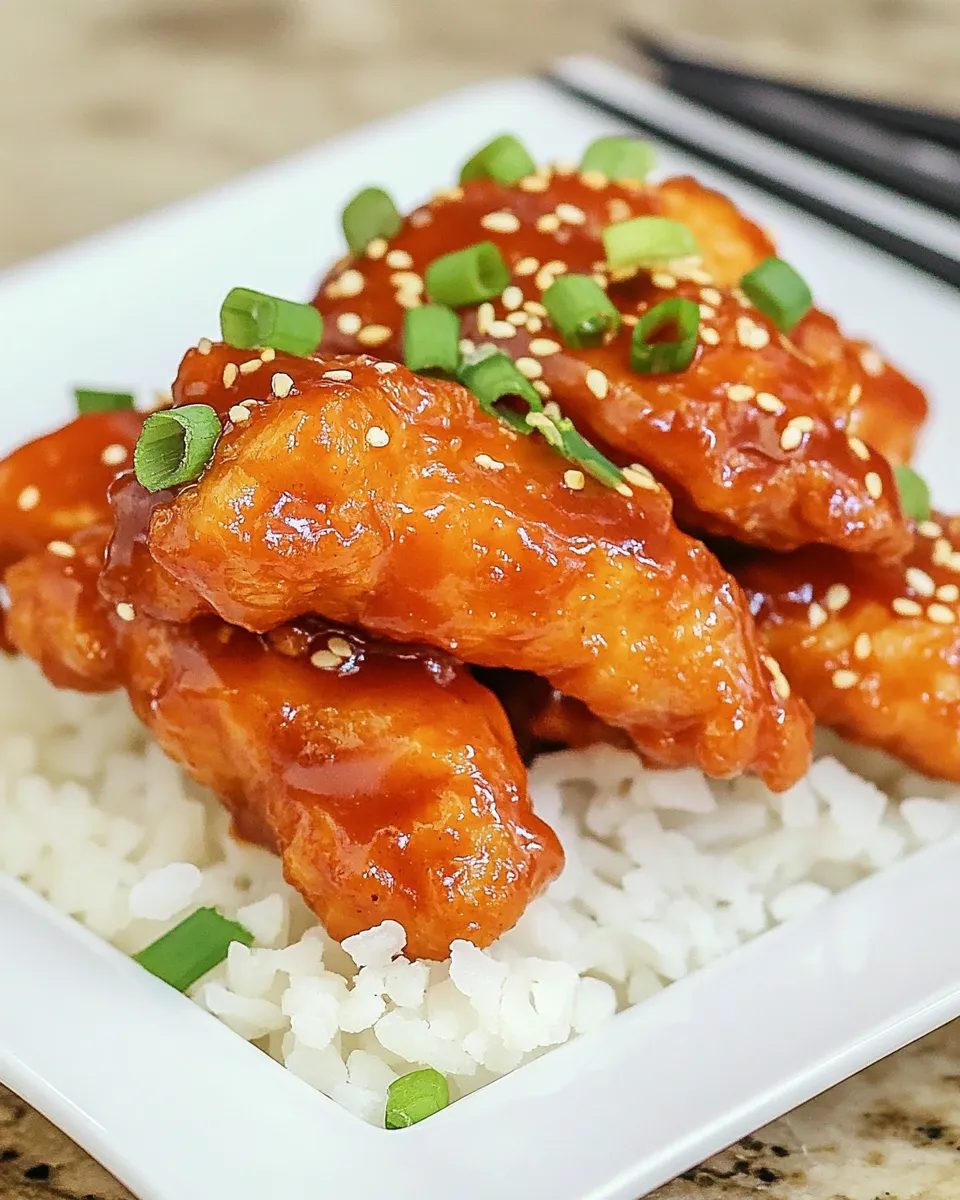
Sticky Chicken
Equipment
- Medium Bowl
- Whisk
- Zip-top Bag or Shallow Dish
- baking sheet or rimmed baking pan
- Oven
- Instant Read Thermometer
- saucepan (optional)
Ingredients
Ingredients
- 1 cup packed light brown sugar
- 3/4 cup soy sauce
- 1/2 cup teriyaki sauce
- 1/2 cup butter melted
- 1 Tbspcreole seasoning
- 1 tsp dry mustard
- 2-1/2 pounds boneless skinless chicken tenderloins
Instructions
Instructions
- In a medium bowl, whisk together 1 cup packed light brown sugar, 3/4 cup soy sauce, 1/2 cup teriyaki sauce, 1/2 cup melted butter, 1 Tbsp creole seasoning, and 1 tsp dry mustard until mostly smooth and the sugar begins to dissolve.
- Place 2-1/2 pounds boneless skinless chicken tenderloins in a large zip-top bag or shallow dish. Pour the marinade over the chicken, seal the bag (or cover the dish), press out excess air, and gently massage to coat the chicken. Refrigerate 1 hour to overnight, turning the bag or stirring the chicken occasionally.
- When ready to cook, position an oven rack in the center and preheat the oven to 375°F.
- Remove the chicken from the marinade, letting excess marinade drip back into the bag or bowl. Arrange the tenderloins in a single layer on a baking pan or rimmed baking sheet. Discard any remaining raw marinade. (If you prefer to use the marinade as a sauce, transfer it to a saucepan and bring to a rolling boil for at least 5 minutes before using.)
- Bake in the preheated oven 20 to 25 minutes, until the chicken is no longer pink and an instant-read thermometer inserted into the thickest part registers 165°F.
- Remove the chicken from the oven and let rest 3–5 minutes before serving.
Notes
Cook until an instant-read thermometer reads 165°F in the thickest part of the chicken.