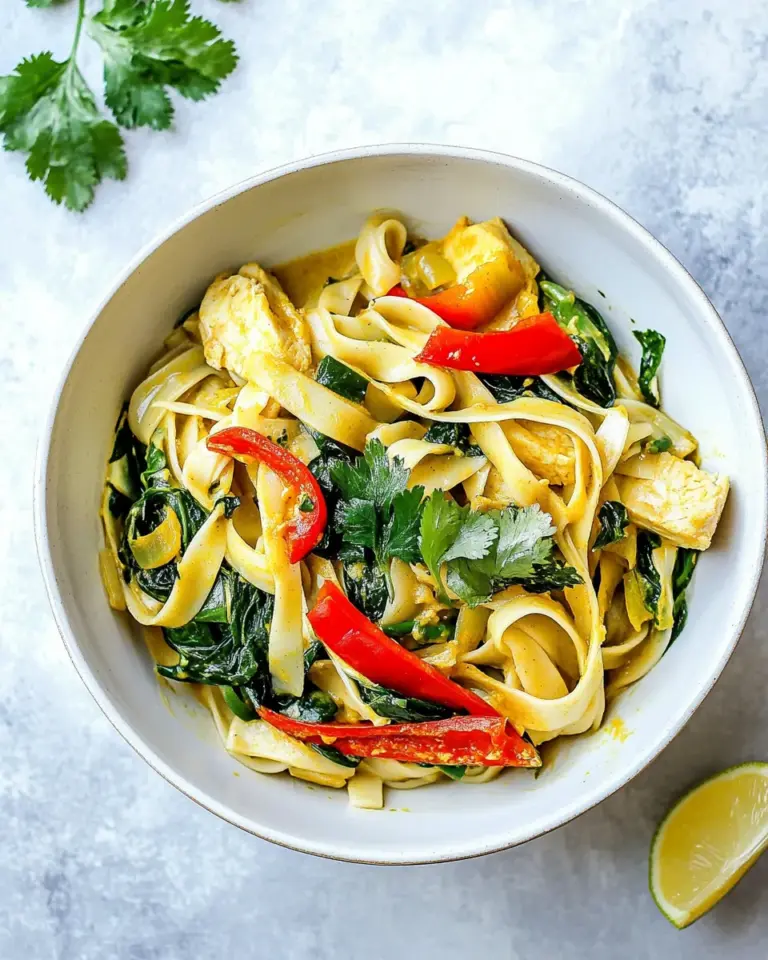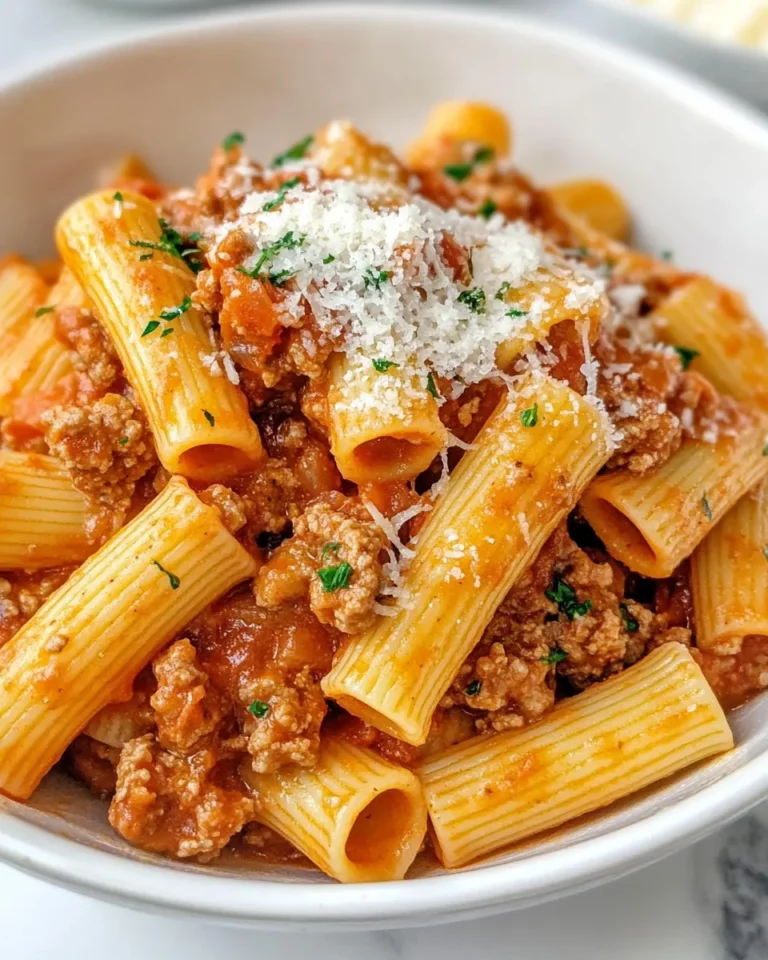
I love recipes that feel like a vacation in a single skillet. This Mediterranean-style Greek pasta is one of those weeknight winners: simple to pull together, full of bright flavors, and forgiving when life interrupts the cooking. It uses a handful of fresh ingredients and a technique that lets the pasta soak up a little of the sauce so every bite tastes cohesive and homey.
There’s no heavy cream here, no long simmer. Instead, we rely on olive oil, ripe tomato, garlic, spinach, and a final flourish of fat-free feta to carry Mediterranean character without weighing you down. The whole-wheat spaghetti keeps things a touch more wholesome while still delivering the familiar pasta comfort we all want.
Below you’ll find exactly what to buy, a clear step-by-step method using the ingredients and amounts listed, and practical tips from my kitchen so you can get this on the table fast and confident. Let’s get started.
Gather These Ingredients
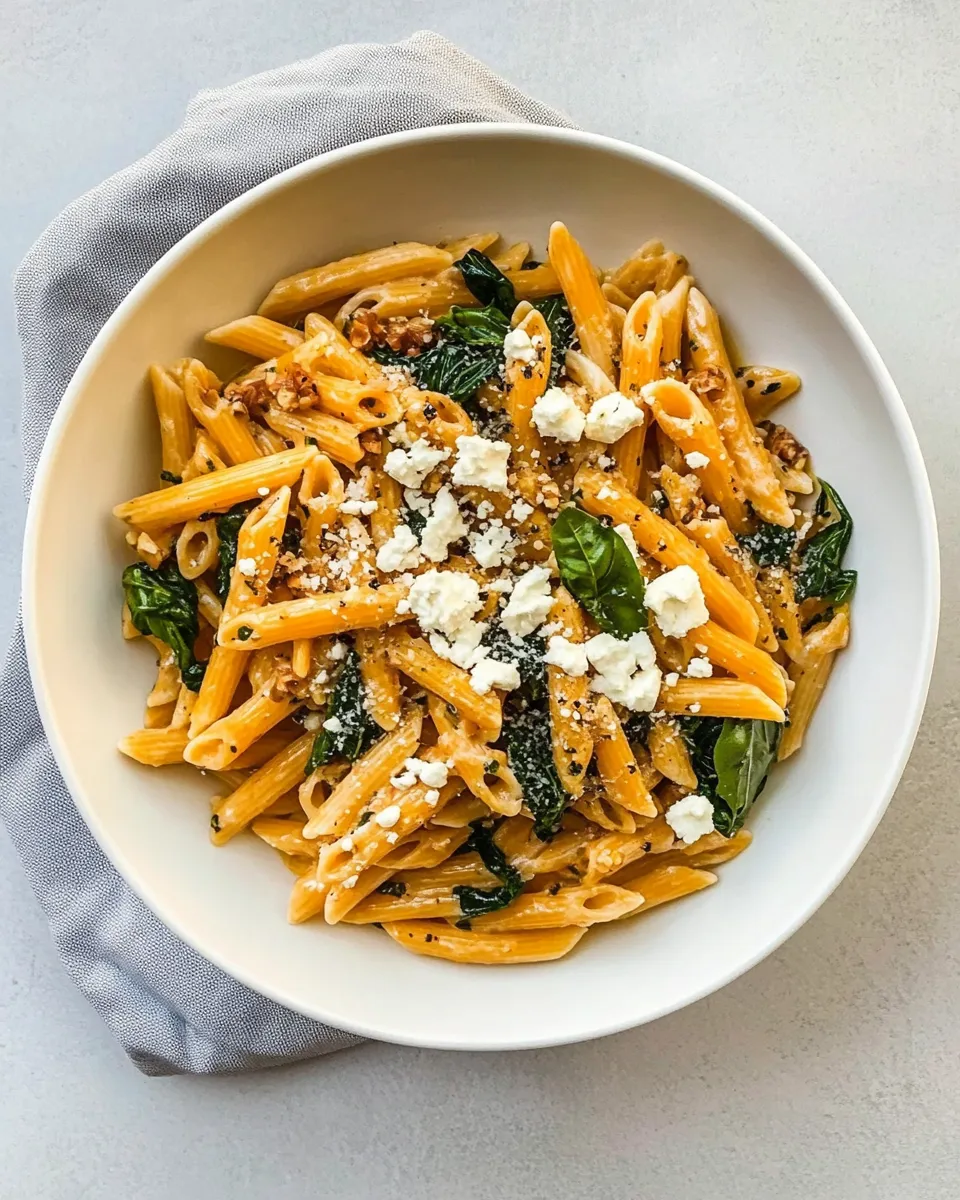
- 1/2 pound whole-wheat spaghetti pasta — provides texture and a nutty base; cooks to al dente in about 8–10 minutes.
- 2 tablespoons olive oil — the cooking fat and flavor carrier; use extra-virgin if you want a fruitier note.
- 1 onion, small, diced — adds sweetness and depth when softened.
- 2 cups spinach leaves, fresh — wilts quickly and brightens the sauce with color and nutrients.
- 3 garlic cloves, sliced — sharp, aromatic flavor; slice rather than mince for gentle garlic pockets.
- 1 beefsteak tomato, large, diced — the fresh tomato base that loosens into a quick sauce.
- 1/2 teaspoon kosher salt — seasons the pasta water and the dish overall; kosher salt measures differently than table salt.
- 1/4 teaspoon ground black pepper — a simple warm spice to lift the tomato-spinach mixture.
- 1/2 cup feta cheese, fat-free, crumbled — salty, tangy finishing touch; sprinkle right before serving.
Cook Mediterranean-Style Greek Pasta Like This
- Bring 4 cups of water to a rolling boil in a medium pot.
- Add 1/2 teaspoon kosher salt and 1/2 pound whole-wheat spaghetti to the boiling water. Cook uncovered until pasta is tender or al dente, about 8–10 minutes or according to package directions.
- Before draining, scoop out and reserve 1/2 cup of the pasta cooking water. Drain the pasta and set it aside.
- While the pasta cooks, heat 2 tablespoons olive oil in a large skillet over medium heat until the oil shimmers.
- Add the small diced onion and the 3 sliced garlic cloves to the skillet. Cook, stirring frequently, until the onion begins to soften and the garlic is fragrant, about 3–4 minutes.
- Add the large diced beefsteak tomato, 2 cups fresh spinach leaves, and 1/4 teaspoon ground black pepper to the skillet. Reduce heat to medium-low, stir to combine, cover, and cook until the spinach is wilted and the tomato softens, about 3–5 minutes.
- Add the drained pasta and the reserved 1/2 cup pasta water to the skillet. Increase heat to medium and toss or stir until the pasta is heated through and the liquid coats the pasta, about 1–2 minutes.
- Remove from heat and divide onto plates. Sprinkle 1/2 cup fat-free crumbled feta over each serving immediately before serving. Serve hot, warm, or cold.
Why Mediterranean-Style Greek Pasta is Worth Your Time
This dish comes together quickly but feels intentional. You get fresh tomato and spinach instead of a heavy jarred sauce, which keeps things light and bright. The olive oil and garlic give it classic Mediterranean aromatics, while the feta finishes the plate with salty tang that ties everything together.
It’s versatile: serve it warm as a simple dinner, let it cool for a satisfying pasta salad, or box it up for a quick lunch. The preparation fits into a busy evening because pasta cooks while you prepare the skillet base—little multitasking, big payoff.
Finally, it’s forgiving. The reserved pasta water is the magic binder that helps the tomato and oil cling to the spaghetti. That makes the texture pleasant even if your tomato isn’t ultra-saucy; the starch in the water creates a silky coating without cream or butter.
What to Use Instead
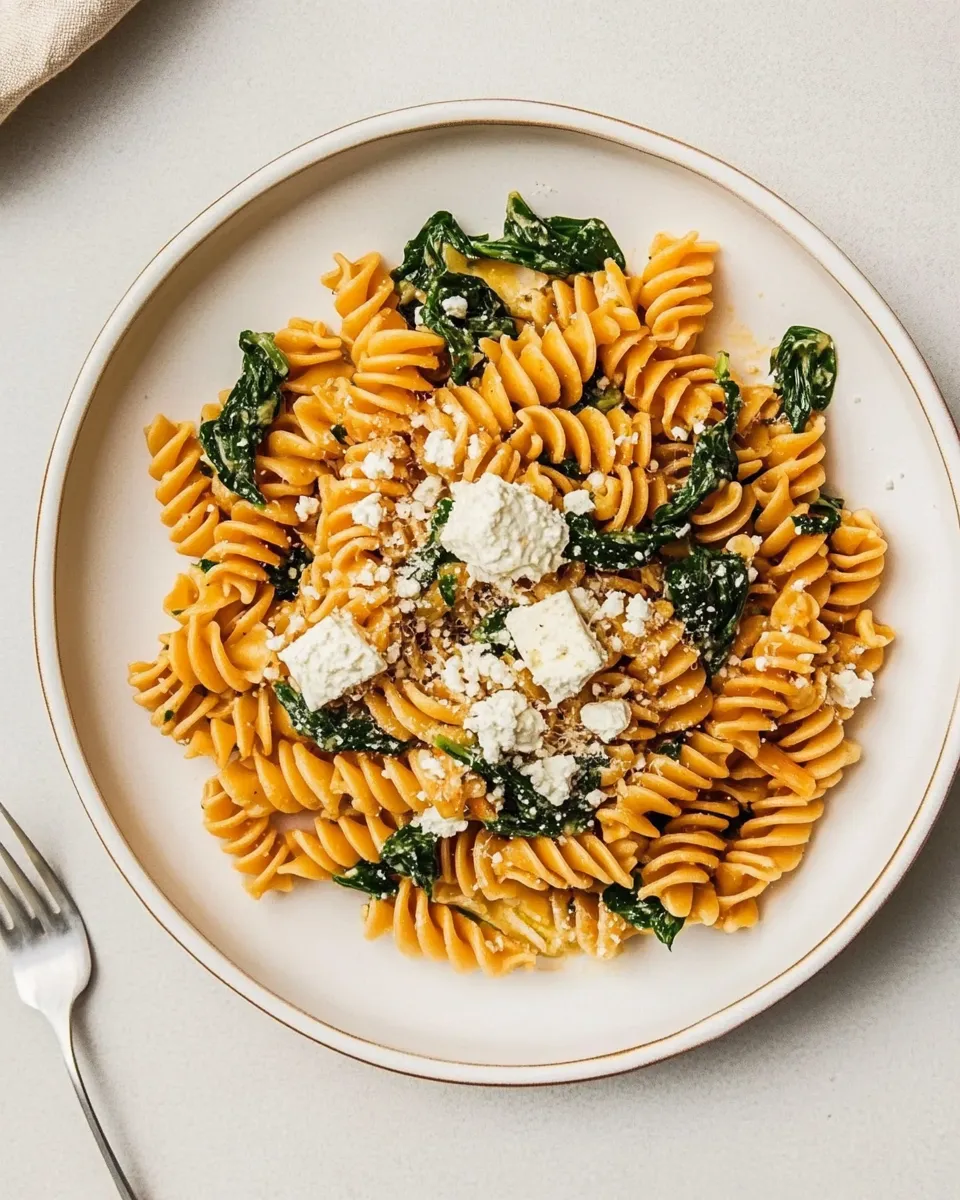
- Whole-wheat spaghetti — swap for regular spaghetti, linguine, or a short pasta like penne if you prefer; cooking time may vary.
- Fat-free feta — use regular feta if you want creamier mouthfeel; goat cheese also works for tang and creaminess.
- Beefsteak tomato — use Roma or vine-ripe tomatoes if those are sweeter or more readily available; canned diced tomatoes can work in a pinch but will be wetter.
- Spinach leaves — baby kale, arugula, or Swiss chard make good swaps; adjust cooking time for sturdier greens.
- Olive oil — any neutral oil will cook the aromatics, but olive oil gives the classic flavor profile.
Equipment & Tools
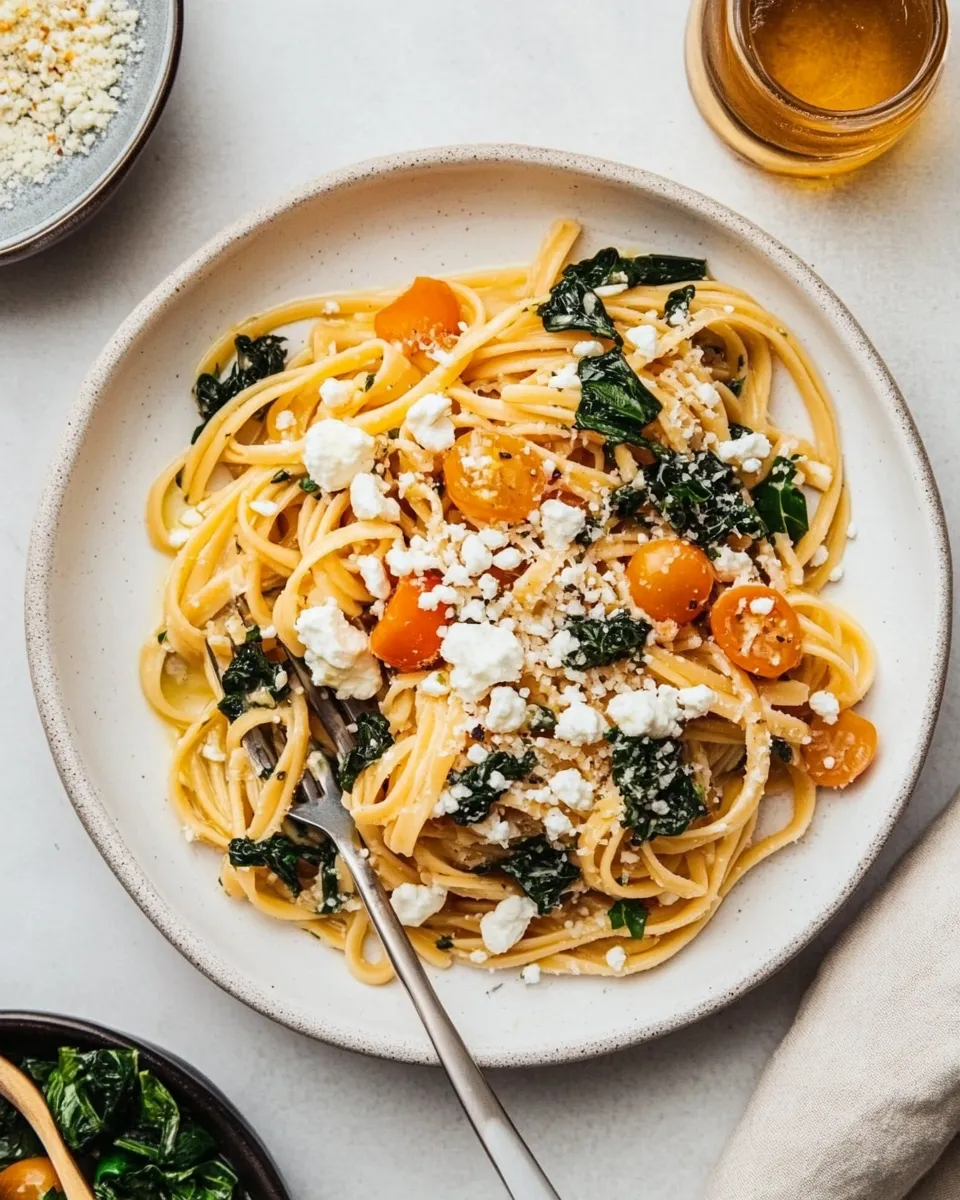
- Medium pot for boiling pasta — large enough to give the spaghetti room to cook without clumping.
- Large skillet — wide skillet lets you mix pasta and sauce easily; nonstick or stainless both work.
- Colander — for draining pasta.
- Measuring spoons and cups — for accurate salt and pasta water reserve.
- Wooden spoon or tongs — for stirring and tossing the pasta in the skillet.
Avoid These Mistakes
- Not reserving pasta water — that 1/2 cup of starchy water is essential for coating the pasta; skip it and the dish can feel dry.
- Overcooking the garlic — let garlic soften and become fragrant, but burn it and it will add bitterness. Keep the heat moderate and stir often.
- Adding feta too early — feta is best as a finishing sprinkle. If you add it while the pan is hot, it will melt and lose its texture and tang.
- Skipping the salt in the pasta water — pasta needs seasoning from the inside out. The 1/2 teaspoon kosher salt is intentional for this recipe’s water volume.
- Crowding the skillet — add the pasta in manageable quantities so the tomato and spinach mix evenly with the noodles.
Seasonal Spins
With a few simple swaps you can steer the dish toward what’s fresh that week:
- Spring: Add peas and a splash of lemon juice for brightness. Young garlic or scallions are great here.
- Summer: Use peak tomatoes or blister them under high heat before dicing to concentrate flavor. Fresh basil chopped into the final skillet elevates the profile.
- Fall: Swap spinach for thinly sliced kale and add toasted pine nuts for texture.
- Winter: Use canned tomatoes simmered briefly with a pinch of dried oregano and a splash of red wine vinegar to mimic brightness when fresh tomatoes are out of season.
Pro Tips & Notes
- Timing matters: Start boiling the water first, then prep your onion, garlic, and tomato while it comes to a boil. This keeps the cooking flow smooth.
- Reserve exactly 1/2 cup pasta water: If you accidentally reserve more, save the excess for thinning another sauce; too much water thins the coating.
- Texture check: Cook the pasta to al dente—still a tiny bite in the center—because it will soften a touch when tossed in the skillet.
- Feta handling: Crumble the feta with your fingers or the back of a fork right before serving for the best presentation and texture.
- Make it a meal: Add a can of rinsed chickpeas or leftover roasted chicken if you want to boost protein—toss in when you add the drained pasta so they warm through.
Cooling, Storing & Rewarming
Cool any leftovers at room temperature for no more than two hours, then transfer to an airtight container and refrigerate. This pasta will keep well for 3–4 days. Because it’s lightly sauced, the texture changes a bit after refrigeration—the pasta absorbs more liquid from the tomato.
To reheat, gently warm in a skillet over medium-low heat with a splash of water or a teaspoon of olive oil to recreate that silky coating. You can also reheat in the microwave in short bursts, stirring between intervals and adding a tablespoon of water if it looks dry. If you plan to serve cold as a pasta salad, taste and adjust with a little extra olive oil and a squeeze of lemon to freshen.
Common Qs About Mediterranean-Style Greek Pasta
Q: Can I use dried spinach or frozen spinach instead of fresh?
A: Fresh spinach is recommended because it wilts quickly and keeps the texture light. If you use frozen, thaw and squeeze out excess water first, then add it when the tomato is soft so you don’t make the dish watery.
Q: Is the 1/2 cup feta meant per serving or total?
A: The recipe lists 1/2 cup fat-free crumbled feta; the instructions say to sprinkle 1/2 cup over each serving. Follow the directions in the method: sprinkle 1/2 cup over each serving before serving.
Q: Can I skip the reserved pasta water?
A: You can, but I don’t recommend it. The reserved water binds the olive oil and tomato into an emulsion that clings to the pasta. Without it, the dish can feel less cohesive and a bit drier.
Q: How can I make this vegan?
A: Omit the feta or substitute a plant-based crumbled cheese. You might add a tablespoon of nutritional yeast for a savory boost. Keep in mind the flavor profile shifts without the tang of feta.
Q: Can I double the recipe?
A: Yes. Use a larger pot and skillet so you don’t crowd ingredients. Keep the proportions and the reserved pasta water ratio the same (reserve 1/2 cup per the original volume or slightly more if you prefer saucier results).
Ready to Cook?
This Mediterranean-Style Greek Pasta is a simple, ingredient-forward dish that comes together quickly and feels curated rather than thrown together. Keep the prep organized—water on, chop while it heats, reserve the pasta water—and you’ll have a satisfying meal in under 30 minutes.
Trust the steps: salt the water, reserve the pasta water, wilt the spinach gently, and finish with feta at the last minute. Enjoy it hot with crusty bread, or cool it for a bright pasta salad the next day. If you make it, tell me how you customized it—I’m always eager to hear new twists.
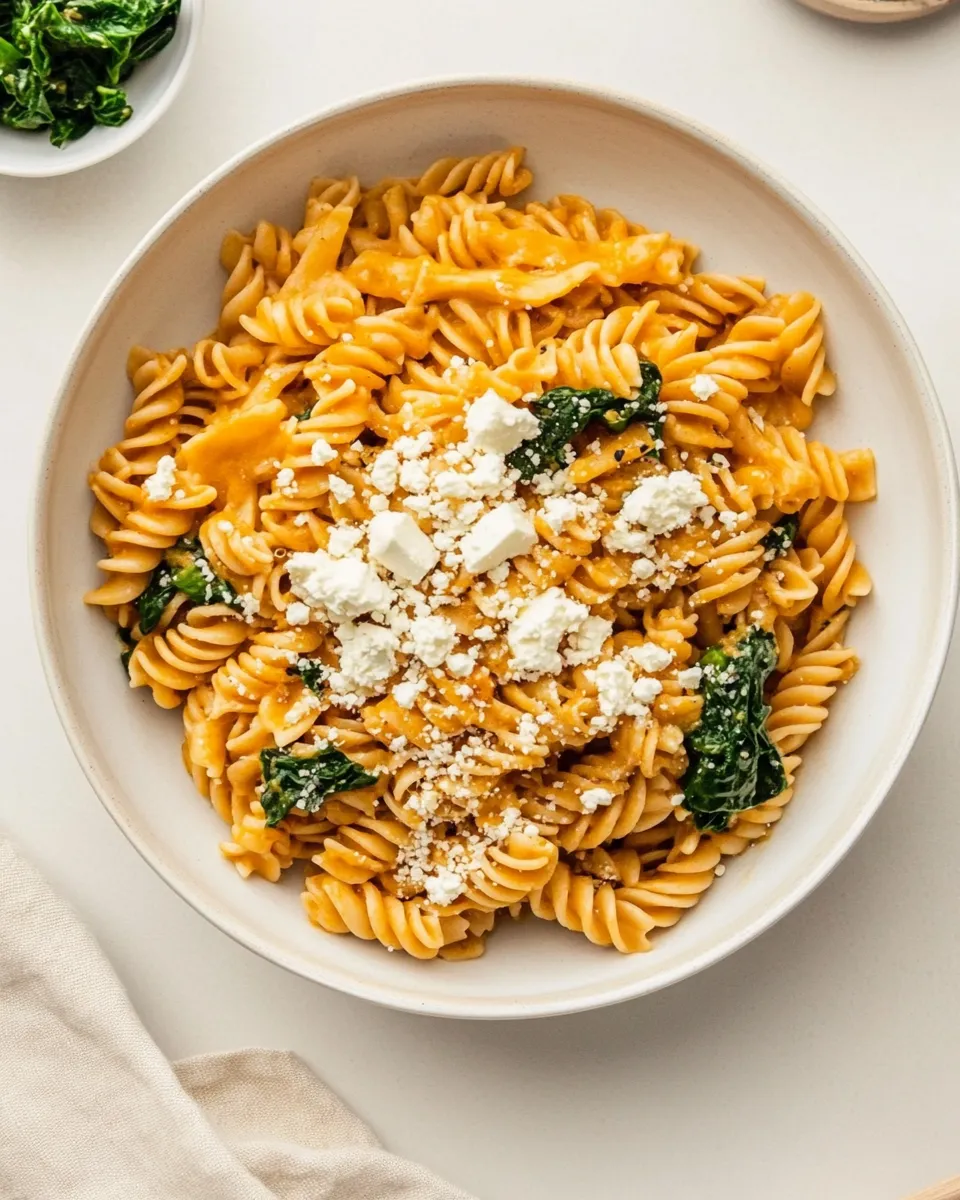
Mediterranean-Style Greek Pasta Recipe
Equipment
- Medium pot
- Large Skillet
Ingredients
Ingredients
- 1/2 poundwhole-wheat spaghetti pasta
- 2 tablespoonsolive oil
- 1 onionsmall diced
- 2 cupsspinach leavesfresh
- 3 garlic clovessliced
- 1 beefsteak tomatolarge diced
- 1/2 teaspoonkosher salt
- 1/4 teaspoonground black pepper
- 1/2 cupfeta cheesefat-free crumbled
Instructions
Instructions
- Bring 4 cups of water to a rolling boil in a medium pot.
- Add 1/2 teaspoon kosher salt and 1/2 pound whole-wheat spaghetti to the boiling water. Cook uncovered until pasta is tender or al dente, about 8–10 minutes or according to package directions.
- Before draining, scoop out and reserve 1/2 cup of the pasta cooking water. Drain the pasta and set it aside.
- While the pasta cooks, heat 2 tablespoons olive oil in a large skillet over medium heat until the oil shimmers.
- Add the small diced onion and the 3 sliced garlic cloves to the skillet. Cook, stirring frequently, until the onion begins to soften and the garlic is fragrant, about 3–4 minutes.
- Add the large diced beefsteak tomato, 2 cups fresh spinach leaves, and 1/4 teaspoon ground black pepper to the skillet. Reduce heat to medium-low, stir to combine, cover, and cook until the spinach is wilted and the tomato softens, about 3–5 minutes.
- Add the drained pasta and the reserved 1/2 cup pasta water to the skillet. Increase heat to medium and toss or stir until the pasta is heated through and the liquid coats the pasta, about 1–2 minutes.
- Remove from heat and divide onto plates. Sprinkle 1/2 cup fat-free crumbled feta over each serving immediately before serving. Serve hot, warm, or cold.