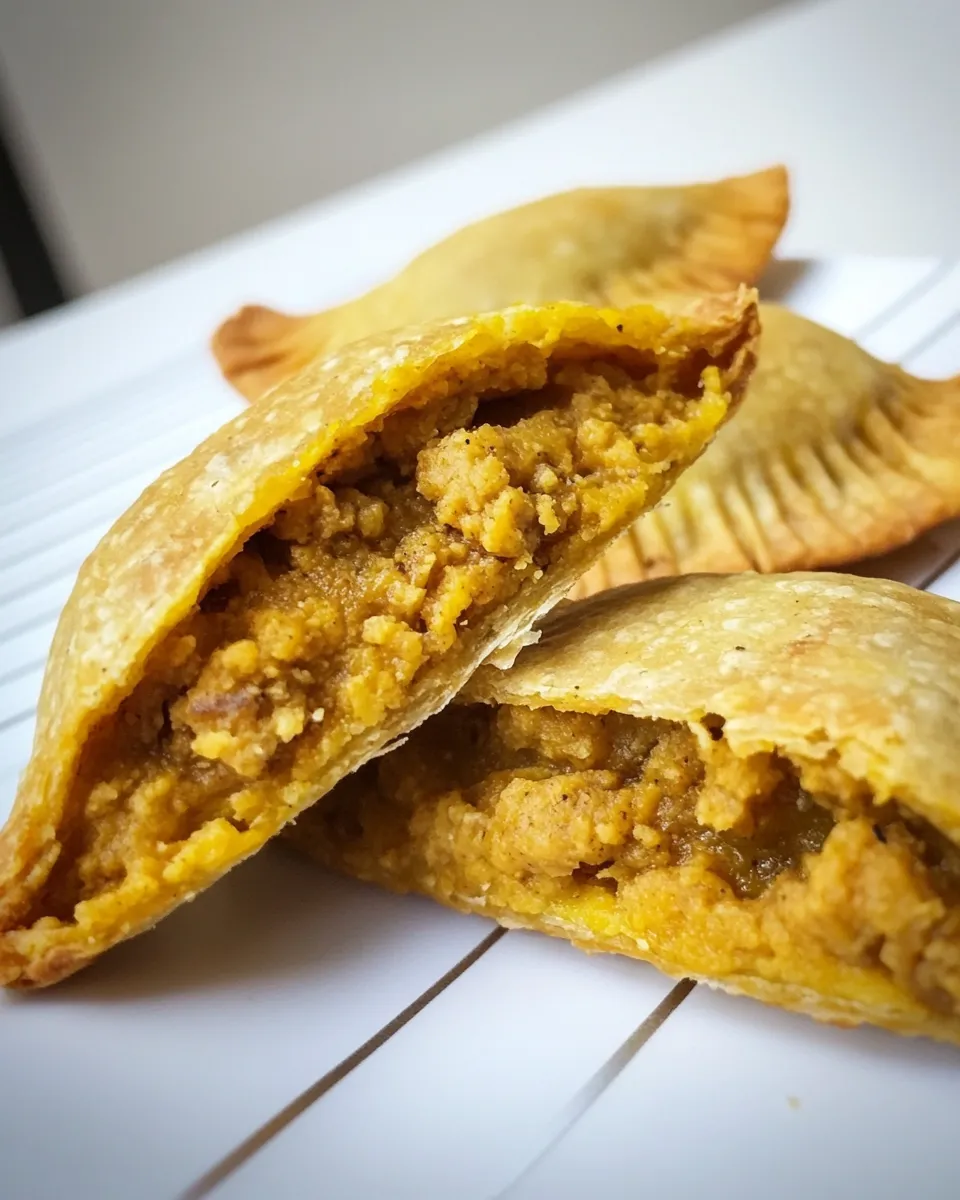
These plantain empanadas are a comforting, naturally sweet treat that never overstays its welcome. They use two very ripe yellow plantains for the filling and a simple corn-based dough that bakes up tender with a slight cornmeal bite. I love them for breakfast, an afternoon pick-me-up, or a portable dessert after a long day.
The method is straightforward and forgiving. You mix a handful of pantry ingredients, let the dough rest, mash the plantains with a little coconut sugar and cinnamon, then assemble and bake. No frying required, which makes cleanup faster and the texture reliably tender.
Below you’ll find every detail you need: the exact ingredients, step-by-step instructions straight from the recipe, gear suggestions, common mistakes to avoid, and ideas for serving or storing. Read once, then tuck the page away — these empanadas become a dependable weeknight or weekend favorite.
What We’re Using
Ingredients
- 1 cup cornflour — the primary gluten-free binder for the dough; gives structure without wheat.
- ½ cup cornmeal — adds a little texture and a pleasant corn flavor to the crust.
- ½ tsp sea salt — balances the sweetness and strengthens the dough’s flavor.
- ½ cup warm water — hydrates the cornflour and cornmeal so the dough can be formed.
- 1 tbsp coconut oil — used in the dough for tenderness and a subtle coconut note.
- 2 very ripe yellow plantains, chopped — the sweet filling base; the riper they are, the sweeter and mashable they’ll be.
- 1 tbsp coconut oil — the second tablespoon, used to lightly fry the plantains before mashing.
- 1 tsp coconut sugar — a gentle sweetener that deepens the plantain flavor without overpowering it.
- ½ tsp cinnamon — warms the filling and pairs naturally with sweet plantain.
Plantain Empanadas: Step-by-Step Guide
- Preheat the oven to 350°F (175°C). Line a baking sheet with parchment paper.
- Make the dough: In a bowl combine 1 cup cornflour, ½ cup cornmeal, and ½ tsp sea salt. Stir to blend. Make a well in the center and pour in ½ cup warm water and 1 tbsp coconut oil. Stir until the mixture comes together, then form into a tight ball. Set the dough ball aside for 20 minutes.
- Make the plantain filling: In a small saucepan, melt the remaining 1 tbsp coconut oil over medium heat. Add the 2 very ripe yellow plantains (chopped) and lightly fry until softened. Reduce the heat and mash the plantains with a fork or potato masher. Add 1 tsp coconut sugar and ½ tsp cinnamon and continue mashing until smooth. Remove from heat and let the filling cool slightly.
- Prepare to roll: Place one sheet of parchment paper on your work surface. Break off a piece of dough about ½ cup in volume, and place it on the parchment. Cover the dough piece with a second sheet of parchment.
- Roll and cut: Use a rolling pin to roll the dough flat between the two parchment sheets to about ¼ centimeter thickness. Remove the top sheet of parchment and cut dough rounds using a circular lid or saucer. Return any excess dough to the bowl with the dough ball to be re-rolled.
- Fill and seal: Spoon 2 tablespoons of the plantain mash onto the bottom half of each dough round, leaving a clear margin around the edge. Fold the dough over to form a half-moon and firmly press the edges to seal. Optionally crimp the edges with a fork for a tighter seal. Gently transfer each sealed empanada to the prepared baking sheet, placing them seam-side down.
- Repeat: Continue rolling, cutting, filling, and sealing with the remaining dough and filling.
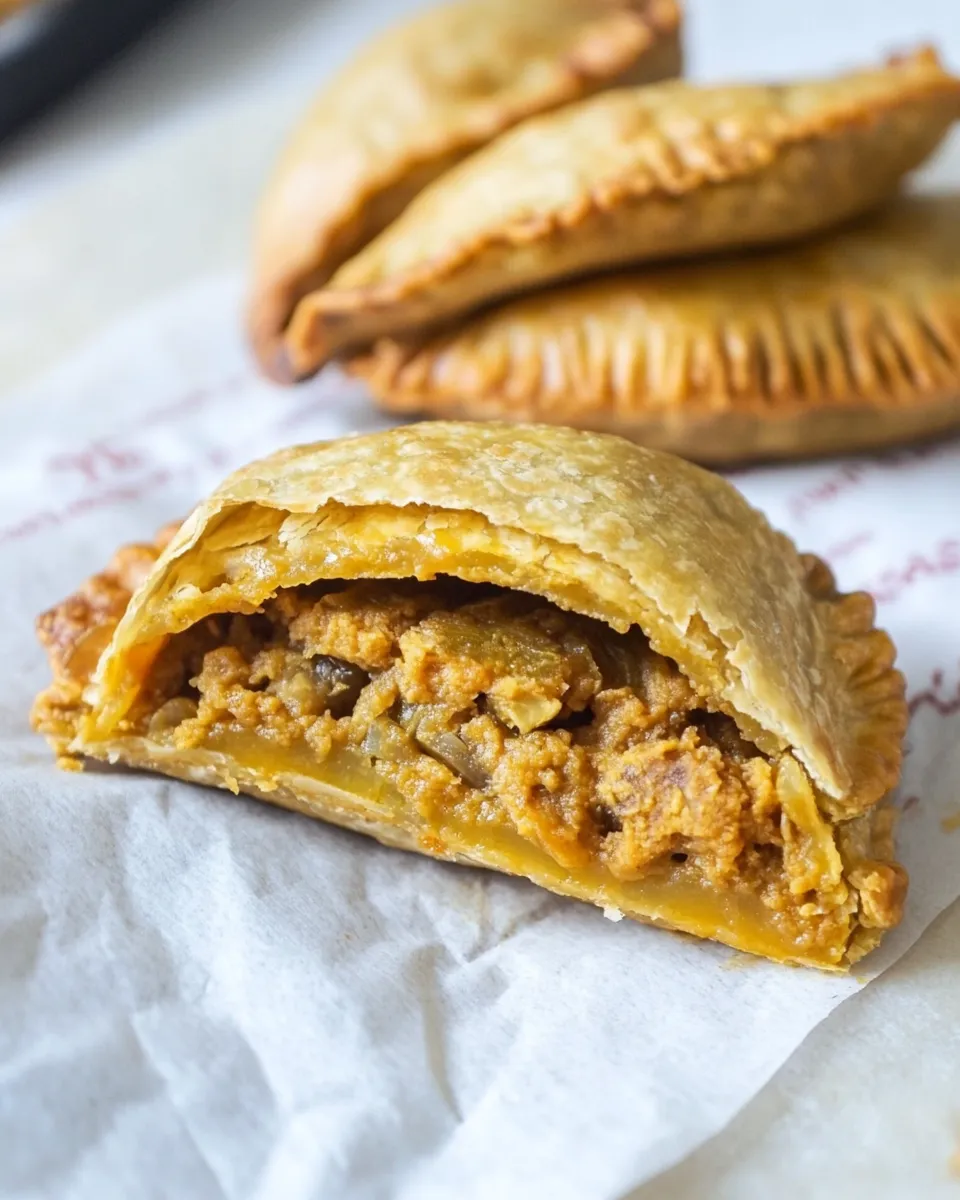
- Bake: Bake the empanadas on the prepared baking sheet for 25 minutes. Remove from the oven and let cool slightly before serving.
Why Plantain Empanadas is Worth Your Time
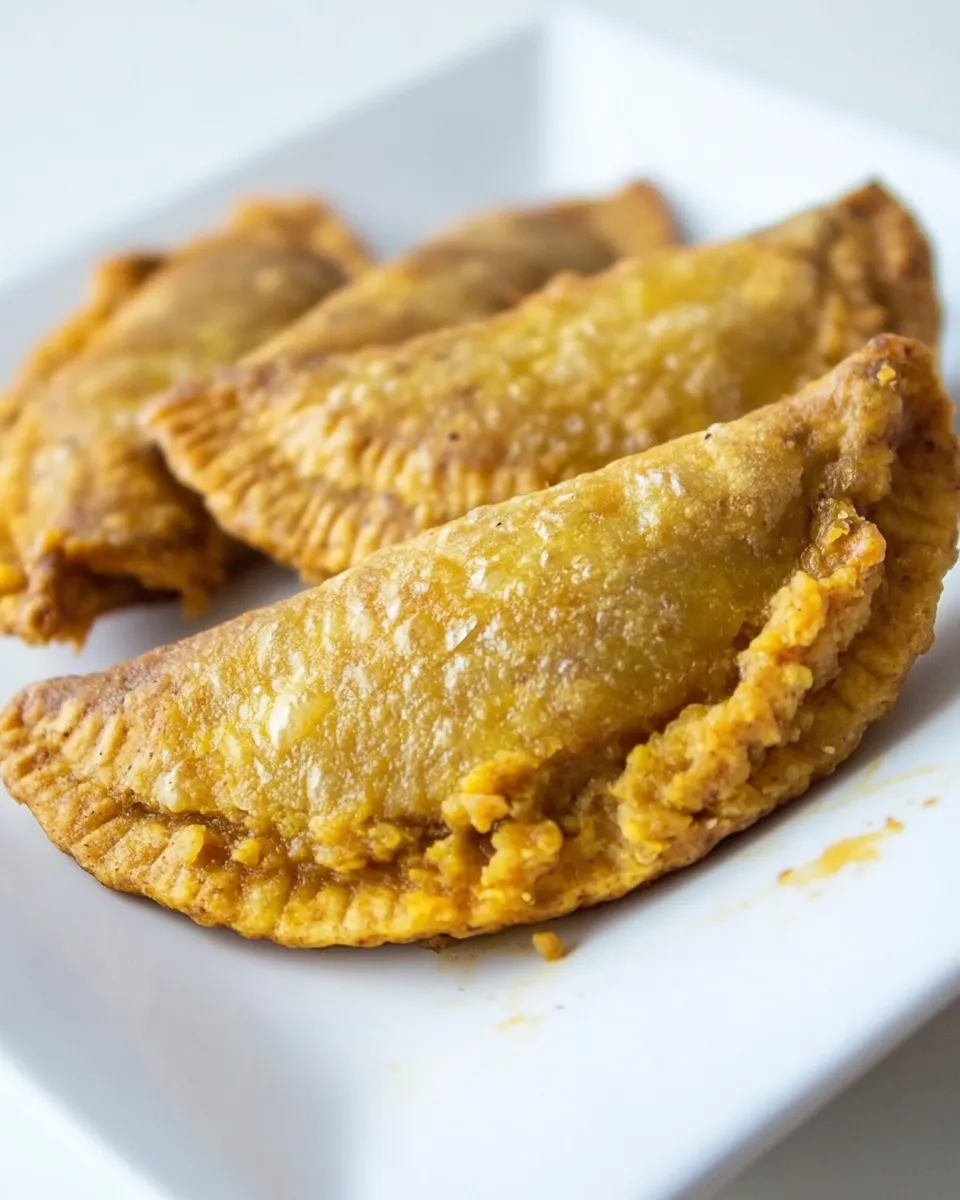
They’re a small investment for a big payoff. The dough takes minutes to bring together and benefits from a short rest; the plantain filling is quick to prepare and requires only gentle mashing. The whole process fits comfortably into an hour from start to finish, including resting and assembly.
Beyond convenience, these empanadas balance textures and flavors: the dough is subtly corn-forward and tender, while the plantain filling is sweet, fragrant with cinnamon, and deeply comforting. They travel well and hold up at room temperature, which makes them a great option for packed lunches, picnics, or a quick snack on the go.
Texture-Safe Substitutions
- For cornflour — if you need a finer finish, you can use masa harina sparingly, but it will change the flavor slightly. Stick to cornflour for the intended texture.
- For cornmeal — a very finely ground polenta will work; avoid coarse grinds or the dough will be gritty.
- For coconut oil — a neutral oil like light olive or avocado can replace coconut oil if coconut flavor is unwanted. Use the same amount.
- For coconut sugar — light brown sugar or regular granulated sugar are acceptable swaps in equal measure; coconut sugar adds a subtle caramel note, though.
Kitchen Gear Checklist
- Mixing bowl — to make the dough.
- Small saucepan — to soften and mash the plantains.
- Rolling pin — you can also use a heavy bottle if needed.
- Parchment paper — for rolling and lining the baking sheet; it prevents sticking and keeps the dough moist.
- Circular lid or saucer — to cut consistent dough rounds.
- Baking sheet — for baking the empanadas.
- Fork (optional) — to crimp edges if you want a neat seal.
Errors to Dodge
Don’t skip the dough rest. That 20-minute pause allows the cornflour and cornmeal to fully hydrate, which makes the dough easier to roll and less likely to crack. If you rush this stage, you’ll fight the dough.
Avoid overly ripe plantains that are nearly black. They’re extremely sweet and can make the filling too soft or runny. Very ripe yellow plantains with black speckles are ideal: soft enough to mash but still holding texture.
When rolling, don’t make the dough too thin. The recipe calls for about ¼ centimeter thickness — thinner and the empanadas risk tearing when filled; thicker and the pastry will dominate the balance.
Make It Year-Round
Plantains are widely available year-round in most supermarkets and Latin grocery stores, so these empanadas are not a seasonal one-off. For a winter twist, increase the cinnamon by a pinch and add a tiny grating of nutmeg to the filling. In summer, serve them slightly warmed alongside fresh fruit or a tangy citrus yogurt to cut the sweetness.
To make them ahead for later in the week, bake, cool, and store in an airtight container in the fridge for up to 4 days. Reheat gently in a low oven or toaster oven to restore a bit of crispness to the outside while keeping the filling soft.
Author’s Commentary
I began developing this recipe when I wanted a no-fuss, naturally sweet empanada that didn’t rely on wheat or deep frying. The corn-based dough gives enough structure without masking the plantain’s flavor, and baking makes these lighter but still satisfying.
I like to make a double batch of filling and freeze extras in small portions. It’s practical: on a busy morning, I thaw some filling, roll a few rounds, and pop them into the oven — fresh empanadas in under 30 minutes. If you want a richer filling, a very small knob of butter folded into the mashed plantain at the end softens the flavor even more, but the coconut oil keeps the recipe vegan-friendly.
Save It for Later
Refrigerating
Store baked empanadas in an airtight container in the refrigerator for up to 4 days. Place a paper towel in the container to absorb any residual moisture.
Freezing
Freeze unbaked empanadas on a tray until firm, then transfer them to a zip-top freezer bag for up to 2 months. Bake from frozen at 350°F (175°C), adding 5–8 minutes to the bake time. For best texture, you can thaw them briefly in the fridge before baking.
Helpful Q&A
- Can I fry these instead of baking? — The recipe is written for baking; frying will change the texture and likely the cook time. If you choose to fry, watch the heat so the dough cooks through without burning the exterior.
- My dough cracks when I fold it — what do I do? — Cracks mean the dough is too dry. Pinch the edge and press gently; if needed, dampen your fingers lightly with water and press to seal. Next time, make sure the water is warm and the dough rested fully.
- How sweet are they? — Moderately sweet. The plantains and 1 tsp coconut sugar provide natural sweetness without making the empanadas dessert-cloying. Adjust the sugar if you prefer more or less sweetness.
- Can I make smaller or larger empanadas? — Yes. If you change the size, adjust filling amounts and monitor bake time. Smaller ones will bake slightly faster; larger ones may need a few extra minutes.
Bring It to the Table
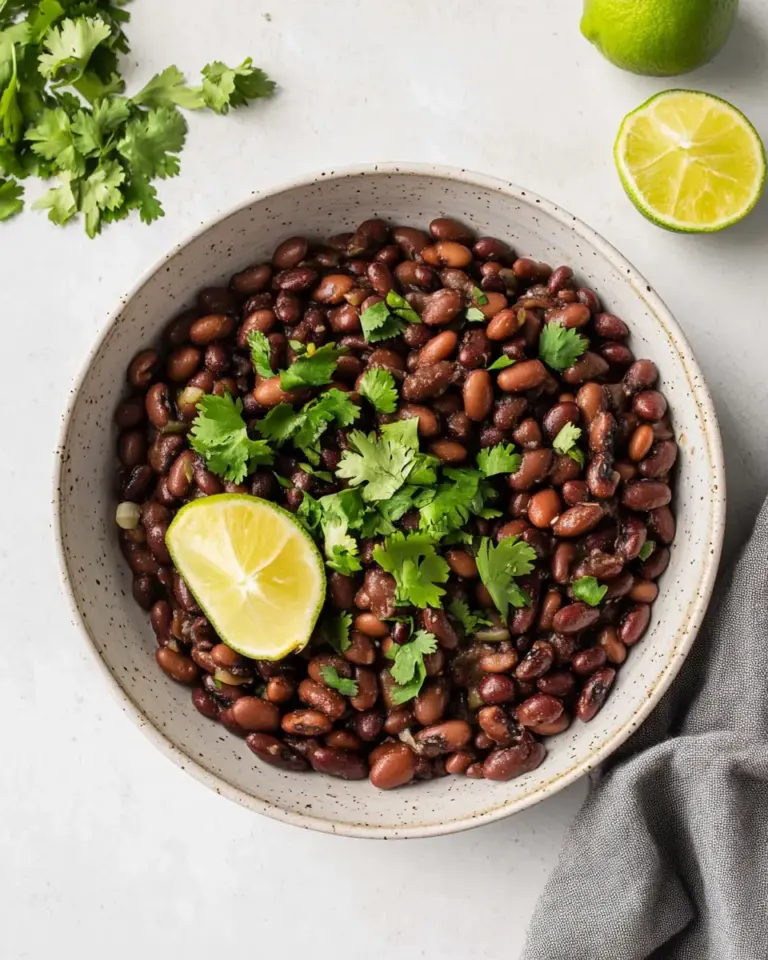
Serve warm or at room temperature. These empanadas pair beautifully with a simple drizzle of coconut cream, a dollop of Greek yogurt (or a vegan yogurt), or a scattering of toasted coconut for contrast. For a savory counterpoint, try them alongside a lightly spiced black bean salad.
If you’re bringing them to a gathering, line a platter with parchment and arrange the empanadas seam-side down so they look neat and hold their filling. Include small spoons of extra coconut cream or a citrus yogurt on the side so guests can add a bit of tang if they like.
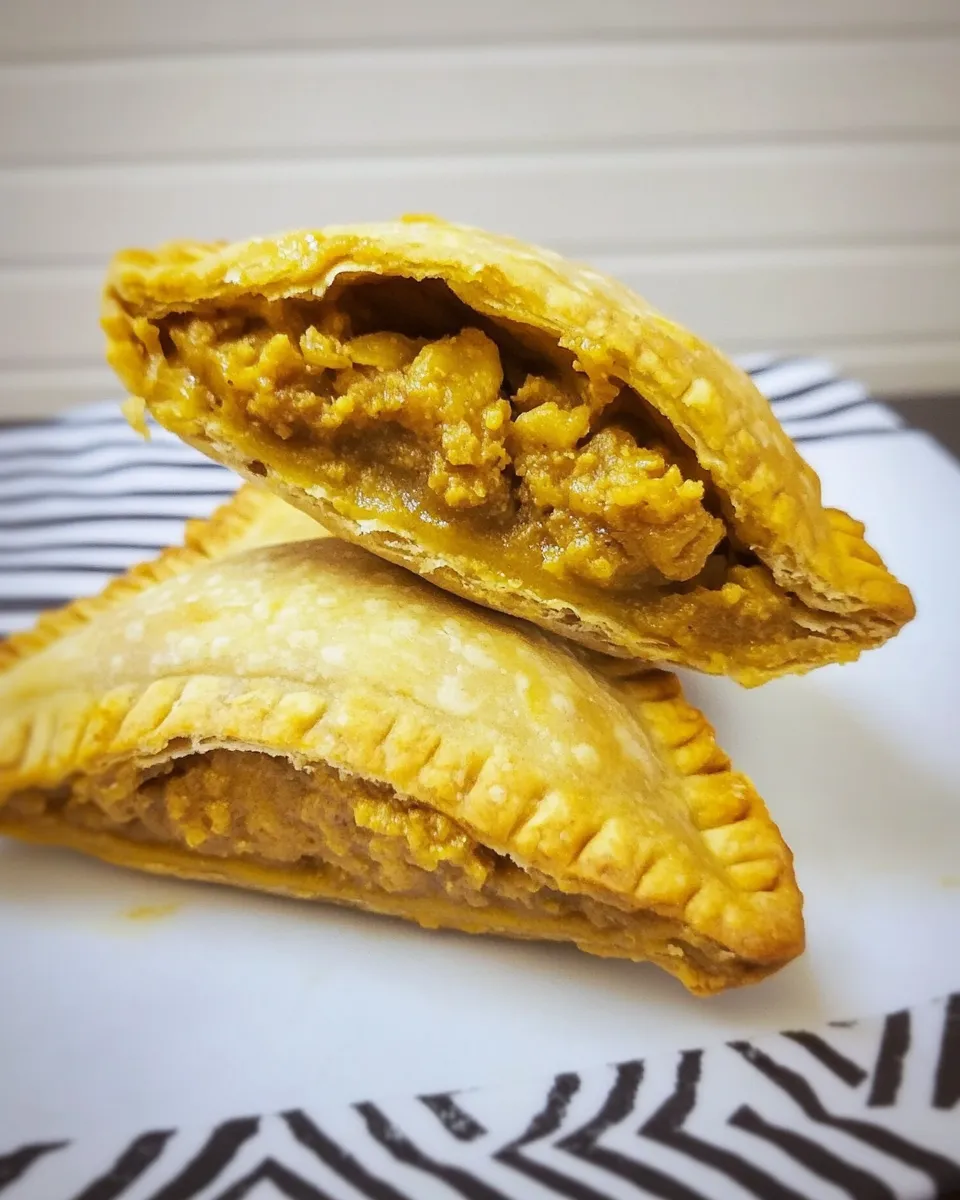
Plantain Empanadas
Equipment
- Baking Sheet
- Parchment Paper
- Mixing Bowl
- Saucepan
- Rolling Pin
- Fork
Ingredients
Ingredients
- 1 cupcornflour
- 1/2 cupcornmeal
- 1/2 tspsea salt
- 1/2 cupwarm water
- 1 tbspcoconut oil
- 2 very ripe yellow plantains chopped
- 1 tbspcoconut oil
- 1 tspcoconut sugar
- 1/2 tspcinnamon
Instructions
Instructions
- Preheat the oven to 350°F (175°C). Line a baking sheet with parchment paper.
- Make the dough: In a bowl combine 1 cup cornflour, ½ cup cornmeal, and ½ tsp sea salt. Stir to blend. Make a well in the center and pour in ½ cup warm water and 1 tbsp coconut oil. Stir until the mixture comes together, then form into a tight ball. Set the dough ball aside for 20 minutes.
- Make the plantain filling: In a small saucepan, melt the remaining 1 tbsp coconut oil over medium heat. Add the 2 very ripe yellow plantains (chopped) and lightly fry until softened. Reduce the heat and mash the plantains with a fork or potato masher. Add 1 tsp coconut sugar and ½ tsp cinnamon and continue mashing until smooth. Remove from heat and let the filling cool slightly.
- Prepare to roll: Place one sheet of parchment paper on your work surface. Break off a piece of dough about ½ cup in volume, and place it on the parchment. Cover the dough piece with a second sheet of parchment.
- Roll and cut: Use a rolling pin to roll the dough flat between the two parchment sheets to about ¼ centimeter thickness. Remove the top sheet of parchment and cut dough rounds using a circular lid or saucer. Return any excess dough to the bowl with the dough ball to be re-rolled.
- Fill and seal: Spoon 2 tablespoons of the plantain mash onto the bottom half of each dough round, leaving a clear margin around the edge. Fold the dough over to form a half-moon and firmly press the edges to seal. Optionally crimp the edges with a fork for a tighter seal. Gently transfer each sealed empanada to the prepared baking sheet, placing them seam-side down.
- Repeat: Continue rolling, cutting, filling, and sealing with the remaining dough and filling.
- Bake: Bake the empanadas on the prepared baking sheet for 25 minutes. Remove from the oven and let cool slightly before serving.