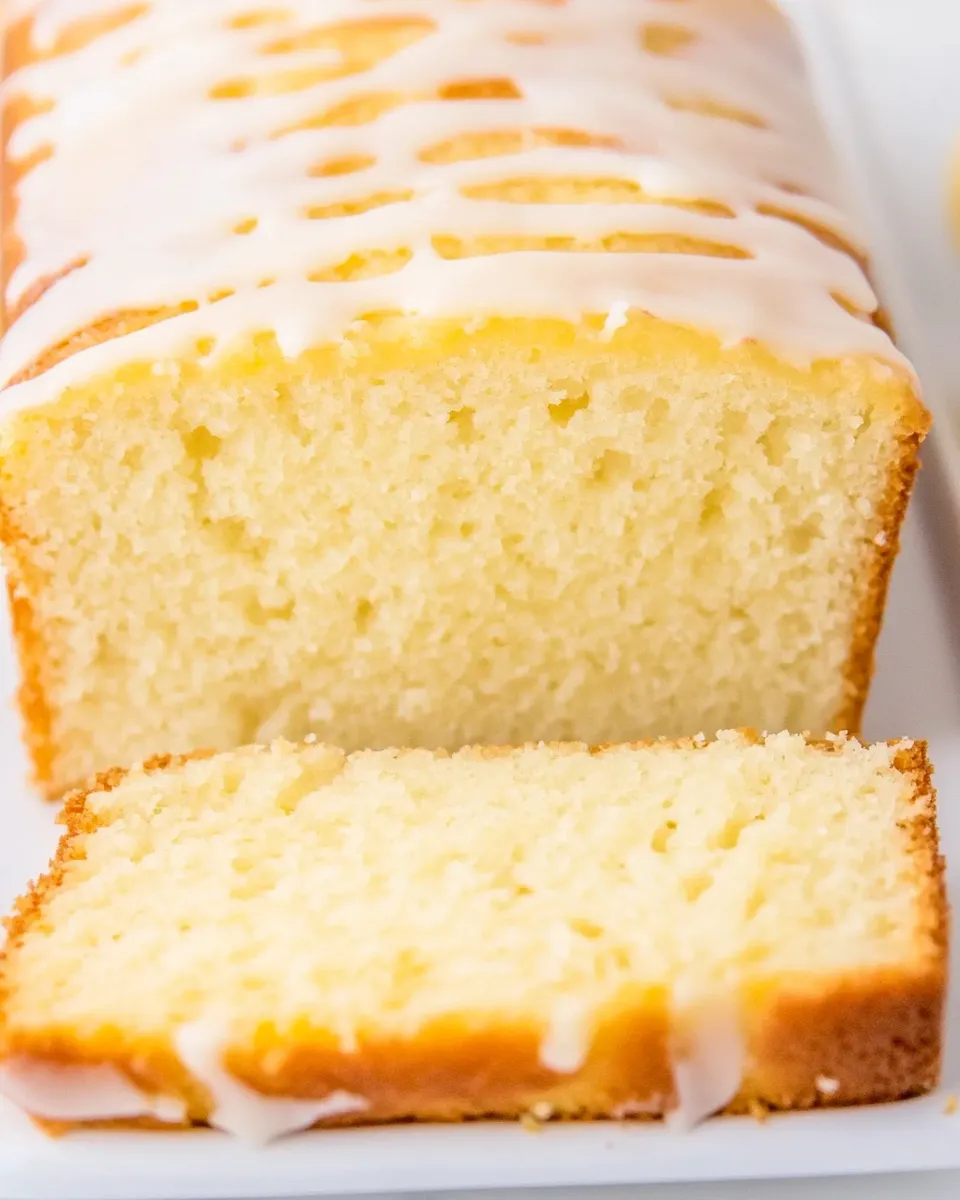
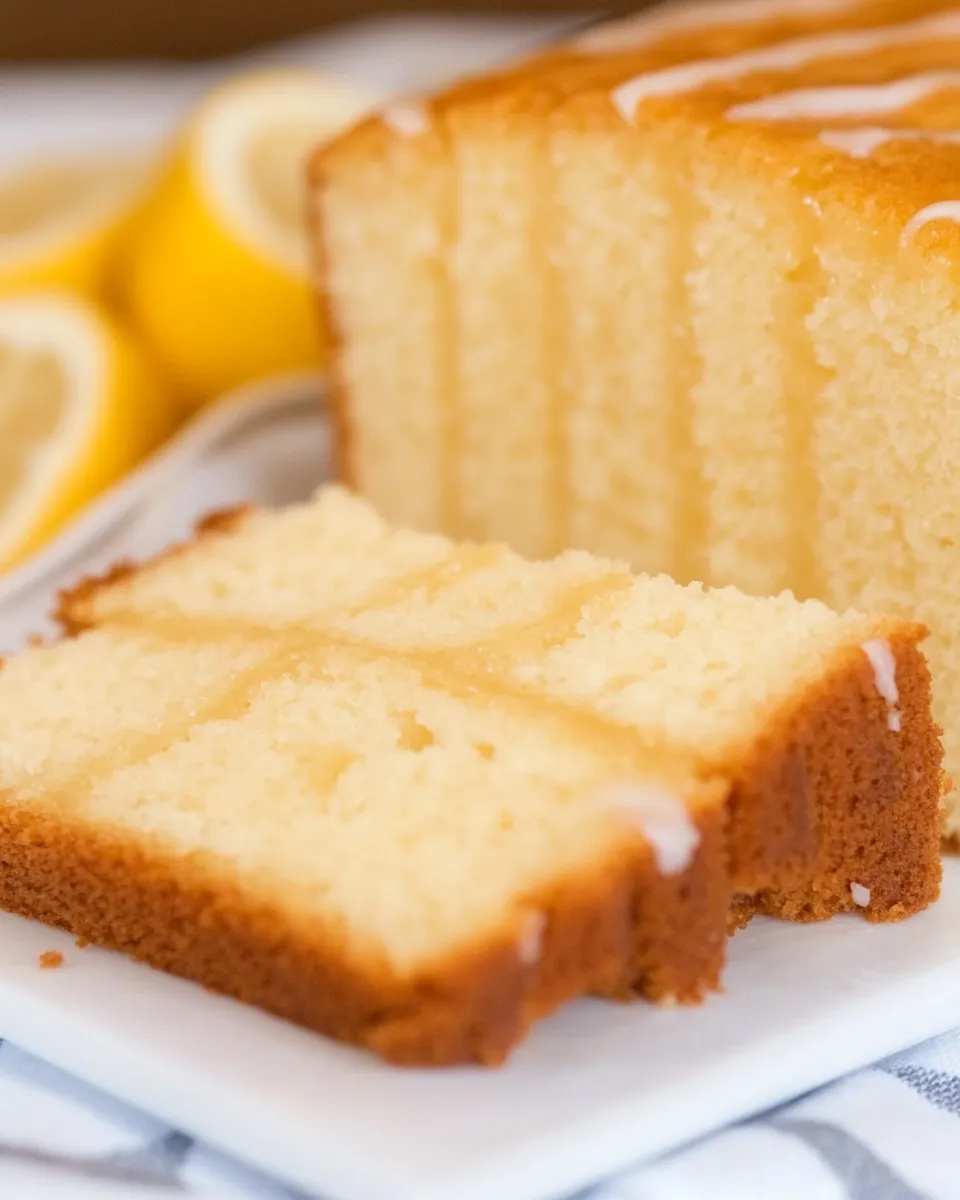
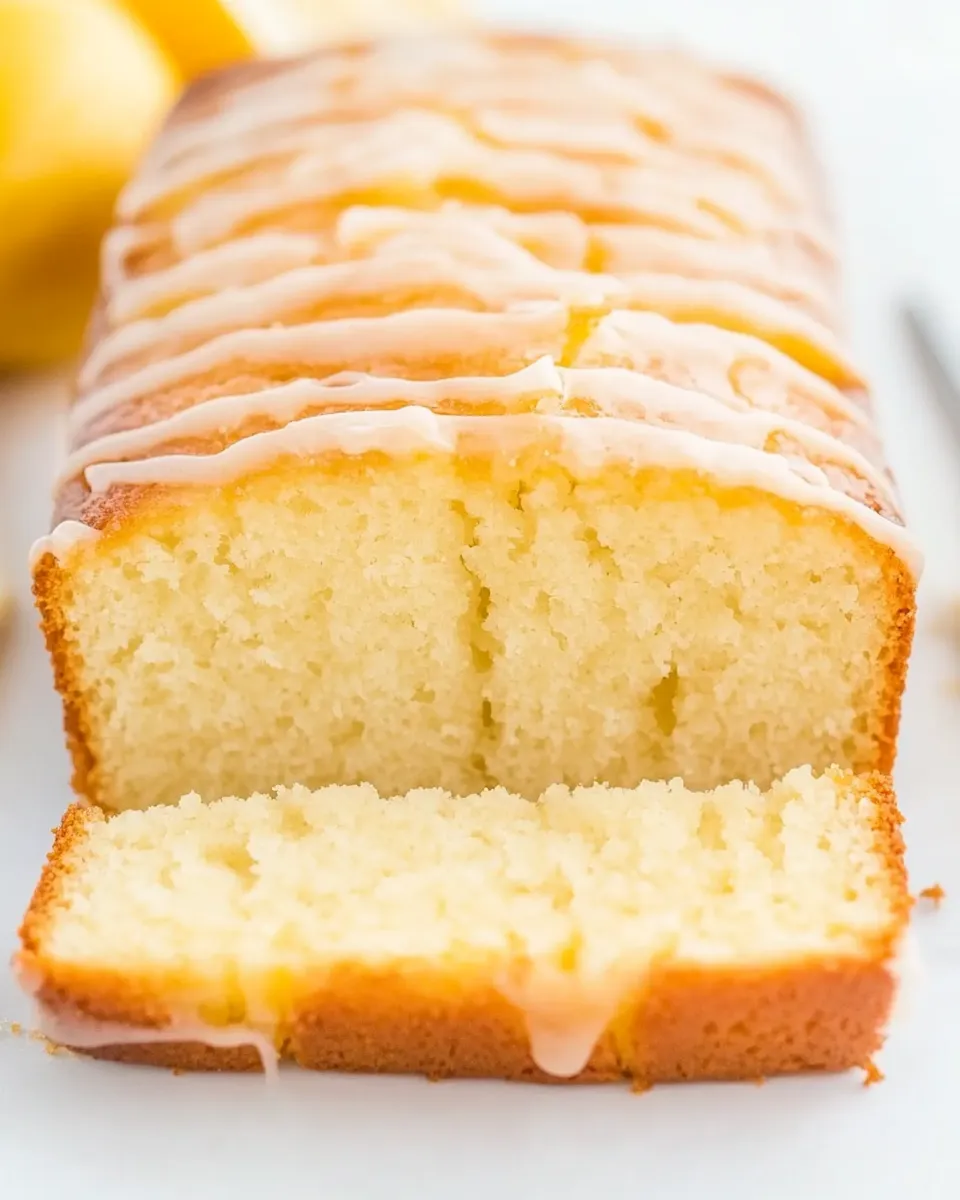
I’ve been chasing a perfectly bright, tender lemon loaf for years — one that’s moist without being greasy, tart without being puckering, and heavy on lemon flavor. This recipe lands there: a soft crumb, a crisp-but-tender top, and a simple lemon glaze that soaks into slices just enough to make each bite sing. It’s easy enough for a weekday bake and impressive enough to bring to a weekend brunch.
There’s no trickery here. The batter hangs together because of eggs and sour cream (or Greek yogurt), the oil keeps it tender, and a double hit of zest and lemon extract gives the sharp citrus profile we expect from that coffee-shop standard. If you follow the steps and timing, you’ll get a loaf with a domed top and a glossy glaze.
I’ll walk you through everything: what to gather, exact steps, what can go wrong and how to fix it, plus small trades for low-carb diets and ways to dress it up seasonally. Let’s bake.
What You’ll Gather
Ingredients
- 3 large eggs — bind the batter, add structure and richness.
- 1 cup granulated sugar — sweetens and aids browning.
- 1 cup (8 ounces) sour cream or Greek yogurt — adds moisture and tender crumb.
- ½ cup canola or vegetable oil — keeps the loaf soft and sliceable.
- 2 tablespoons lemon zest — concentrated fresh lemon flavor; zest, don’t juice.
- 1 to 2 tablespoons lemon extract, to taste (not teaspoons)* — intensifies lemon without watering down the batter; add per your preference.
- 1 ½ cups all-purpose flour — the bulk of the structure; measure properly (spoon and level).
- 2 teaspoons baking powder — the rising agent that gives a nice dome.
- ½ teaspoon salt, or to taste — balances sweetness and lifts flavors.
- 1 cup confectioners’ sugar — for the shiny, tangy glaze.
- 3 tablespoons lemon juice, or as necessary for consistency — thins and flavors the glaze; add slowly to control thickness.
Build Lemon Loaf (Better-Than-Starbucks Copycat) Step by Step
- Preheat the oven to 350°F. Spray a 9×5-inch loaf pan with floured cooking spray or grease and flour the pan; set aside.
- In a large bowl, whisk together 3 large eggs, 1 cup granulated sugar, and 1 cup sour cream (or Greek yogurt) until smooth and combined.
- While whisking, drizzle in ½ cup canola or vegetable oil until incorporated.
- Add 2 tablespoons lemon zest and 1 to 2 tablespoons lemon extract (add to taste) and whisk until combined.
- In a separate bowl, whisk together 1½ cups all-purpose flour, 2 teaspoons baking powder, and ½ teaspoon salt.
- Add the dry ingredients to the wet mixture and stir gently until just combined. Do not overmix; a few small lumps are fine.
- Turn the batter into the prepared loaf pan and smooth the top lightly with a spatula.
- Bake for about 50 to 52 minutes. In the last 10 minutes of baking, loosely tent the pan with foil to prevent excessive browning. The loaf is done when the top is domed and a toothpick inserted in the center comes out clean or with a few moist crumbs but no batter.
- Cool the loaf in the pan on a wire rack for at least 30 minutes before removing from the pan. Allow the loaf to cool completely on the rack before glazing.
- To make the glaze, place 1 cup confectioners’ sugar in a small bowl. Slowly drizzle in 3 tablespoons lemon juice while whisking until smooth. Add more lemon juice, a little at a time, only if necessary to reach your desired consistency and flavor.
- Evenly drizzle the glaze over the cooled loaf. Slice and serve. Optional: spread any extra glaze on cut slices so it soaks into the bread.
Why It Works Every Time
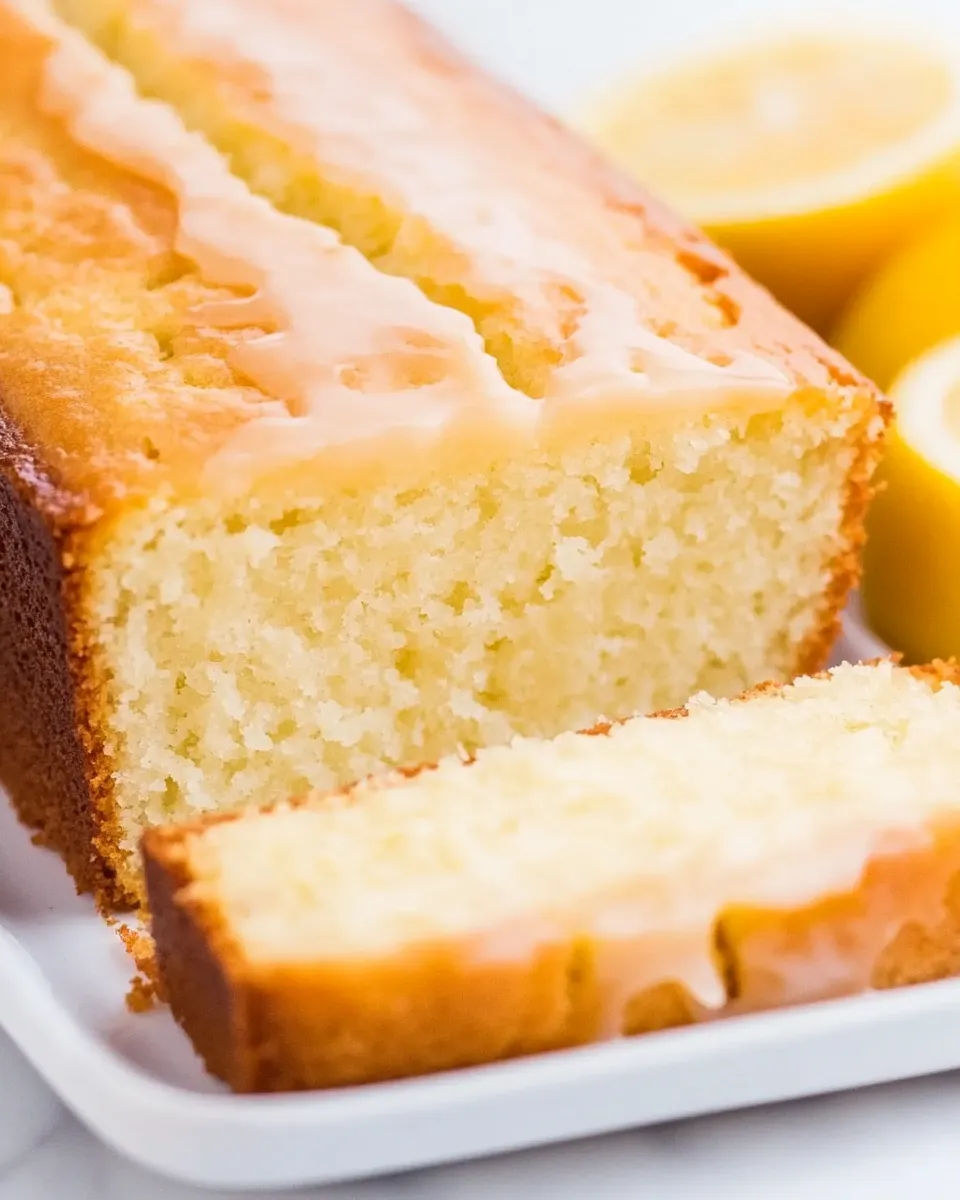
This recipe balances fat and acid. The oil keeps slices moist even after chilling, while the sour cream (or Greek yogurt) adds density and a tender, fine crumb without making the loaf heavy. Eggs create structure so the loaf rises and slices cleanly. Baking powder provides the lift that produces the classic domed top.
The lemon flavor strategy is twofold: fresh zest for bright, fresh citrus oils and lemon extract for a steady lemon note throughout the batter. The glaze finishes the loaf with a burst of acidity and sweetness that soaks into the crumb for a restaurant-style bite.
Low-Carb/Keto Alternatives
If you want a low-carb version, keep in mind texture will differ. Swaps that work reasonably well (without exact quantities here) include:
- Replace all-purpose flour with a blend of almond flour and a small amount of coconut flour — almond flour provides bulk while coconut flour helps absorb moisture. Expect to adjust the wet ingredients.
- Use a granular erythritol or monk-fruit blend in place of granulated sugar and a powdered keto sweetener for the glaze.
- Keep the sour cream or full-fat Greek yogurt; they both fit keto macros better than milk.
Note: rise and crumb will be different. These swaps require some trial and error on ratios; if you need a tested keto recipe I can provide one separately.
Appliances & Accessories
- 9×5-inch loaf pan — essential for oven times to match the recipe.
- Wire rack — for cooling so the bottom doesn’t steam and get soggy.
- Whisk and spatula — a whisk for the wet ingredients and a spatula to fold the dry in gently.
- Small bowl for glaze and a fork or small whisk — helps reach a smooth consistency.
- Toothpick or cake tester — to verify doneness without overbaking.
Watch Outs & How to Fix
Dense or gummy loaf
Cause: Overmixing the batter or too much liquid. Fix: Stir only until just combined; a few lumps are fine. Ensure flour is measured correctly (spoon into cup and level).
Top cracks or dome but undercooked center
Cause: Oven temperature too hot. Fix: Use an oven thermometer and reduce the temperature slightly if it runs hot. Cover with foil earlier if the top browns too quickly.
Bitter or muted lemon flavor
Cause: Using too much zest including pith or not enough extract. Fix: Zest only the yellow part of the lemon. If flavor is weak after baking, brush slices with a tiny bit of lemon juice or spread extra glaze on cut slices so flavor penetrates.
Soggy bottom after glazing
Cause: Glazing before loaf is fully cooled. Fix: Allow the loaf to cool completely on a wire rack before adding the glaze so the glaze sits on the surface instead of seeping excessively.
Seasonal Spins
Change up the loaf for a fresh seasonal twist without altering the base method:
- Spring: Fold in ½ cup fresh blueberries for a lemon-blueberry loaf. Toss berries in a teaspoon of flour to prevent sinking.
- Summer: Add a tablespoon of poppy seeds to the batter and increase zest by 1 teaspoon for a classic lemon-poppy combo.
- Autumn: Replace lemon extract with orange extract and add ½ teaspoon ground cardamom for a citrus-warmth profile.
- Winter: Stir in ¼ cup finely chopped candied ginger and a pinch of ground ginger for warmth and chew.
Pro Tips & Notes
Measure flour by spooning it into a measuring cup and leveling it off. Scooping directly with the cup packs too much flour and makes a dry loaf.
Zest before juicing. Zest contains essential oils that give bright, immediate citrus aroma. After zesting, you can use the juiced lemons for the glaze if you prefer fresh juice over bottled.
When adding lemon extract, start with the lower amount (1 tablespoon) if you prefer bright, fresh lemon rather than an extract-forward profile. The extract is concentrated; adding too much can lean artificial.
If you like a shinier glaze finish, let the glaze set for 10–15 minutes and then brush once more with any leftover glaze for extra sheen.
Storage & Reheat Guide
Room temperature: Wrap the cooled loaf tightly in plastic wrap or place in an airtight container for up to 3 days. Keep away from direct sunlight or heat.
Refrigerator: Store in an airtight container for up to 1 week. The glaze may firm up in the fridge; slices will remain moist thanks to the oil and sour cream.
Freezer: Wrap the whole cooled loaf tightly in plastic wrap and then foil, or freeze sliced between parchment sheets in a freezer bag for up to 3 months. Thaw overnight in the refrigerator or at room temperature for a few hours.
To reheat: For a single slice, microwave for 10–15 seconds on a plate (watch closely) or warm in a 300°F oven for 5–7 minutes. If glazed, warm gently so the glaze softens but doesn’t run off.
Ask the Chef
Q: Can I substitute butter for the oil? A: You can, but butter will change texture — expect a slightly firmer crumb and a different mouthfeel. If you use melted butter, cool it slightly before adding and keep the same volume (½ cup).
Q: I don’t have lemon extract. Can I skip it? A: Yes. Increase zest slightly (an extra ½–1 teaspoon) and consider using a touch more lemon juice in the glaze to boost brightness.
Q: My loaf sinks in the middle. Why? A: Underbaked center or opening the oven too early. Make sure it reaches the toothpick test and try not to open the oven until the loaf has set (around 40–45 minutes).
In Closing
This Lemon Loaf is intentionally straightforward: minimal equipment, ingredients you likely have on hand, and a method that rewards patience more than showy technique. Follow the steps, watch your oven, and rely on the toothpick test rather than the clock. You’ll get a tender, lemon-forward loaf that stands up to the coffee-shop standard — and tastes better at home.
If you try it, take a photo and tell me how you adjusted the lemon power. Small shifts — a bit more zest, a touch less extract, or an extra minute in the oven — can make this recipe truly yours.
The Best Lemon Loaf (Better-Than-Starbucks Copycat)
Equipment
- Oven
- 9x5 inch loaf pan
- Large Bowl
- separate bowl
- Whisk
- Spatula
- Wire Rack
- Small Bowl
- Foil
Ingredients
Ingredients
- 3 large eggs
- 1 cupgranulated sugar
- 1 cup 8 ounces sour cream or Greek yogurt
- 1/2 cupcanola or vegetable oil
- 2 tablespoonslemon zest
- 1 to 2 tablespoonslemon extract to taste (not teaspoons)*
- 1 1/2 cupsall-purpose flour
- 2 teaspoonsbaking powder
- 1/2 teaspoonsalt or to taste
- 1 cupconfectioners’ sugar
- 3 tablespoonslemon juice or as necessary for consistency
Instructions
Instructions
- Preheat the oven to 350°F. Spray a 9×5-inch loaf pan with floured cooking spray or grease and flour the pan; set aside.
- In a large bowl, whisk together 3 large eggs, 1 cup granulated sugar, and 1 cup sour cream (or Greek yogurt) until smooth and combined.
- While whisking, drizzle in ½ cup canola or vegetable oil until incorporated.
- Add 2 tablespoons lemon zest and 1 to 2 tablespoons lemon extract (add to taste) and whisk until combined.
- In a separate bowl, whisk together 1½ cups all-purpose flour, 2 teaspoons baking powder, and ½ teaspoon salt.
- Add the dry ingredients to the wet mixture and stir gently until just combined. Do not overmix; a few small lumps are fine.
- Turn the batter into the prepared loaf pan and smooth the top lightly with a spatula.
- Bake for about 50 to 52 minutes. In the last 10 minutes of baking, loosely tent the pan with foil to prevent excessive browning. The loaf is done when the top is domed and a toothpick inserted in the center comes out clean or with a few moist crumbs but no batter.
- Cool the loaf in the pan on a wire rack for at least 30 minutes before removing from the pan. Allow the loaf to cool completely on the rack before glazing.
- To make the glaze, place 1 cup confectioners’ sugar in a small bowl. Slowly drizzle in 3 tablespoons lemon juice while whisking until smooth. Add more lemon juice, a little at a time, only if necessary to reach your desired consistency and flavor.
- Evenly drizzle the glaze over the cooled loaf. Slice and serve. Optional: spread any extra glaze on cut slices so it soaks into the bread.
Notes
Bread will keep airtight at room temperature for up to 5 days or in the freezer for up to 6 months; I don’t recommend storing it in the fridge because it’ll dry out.
Recipe adapted from myBlueberry Yogurt Cake with Lemon Vanilla Glaze.