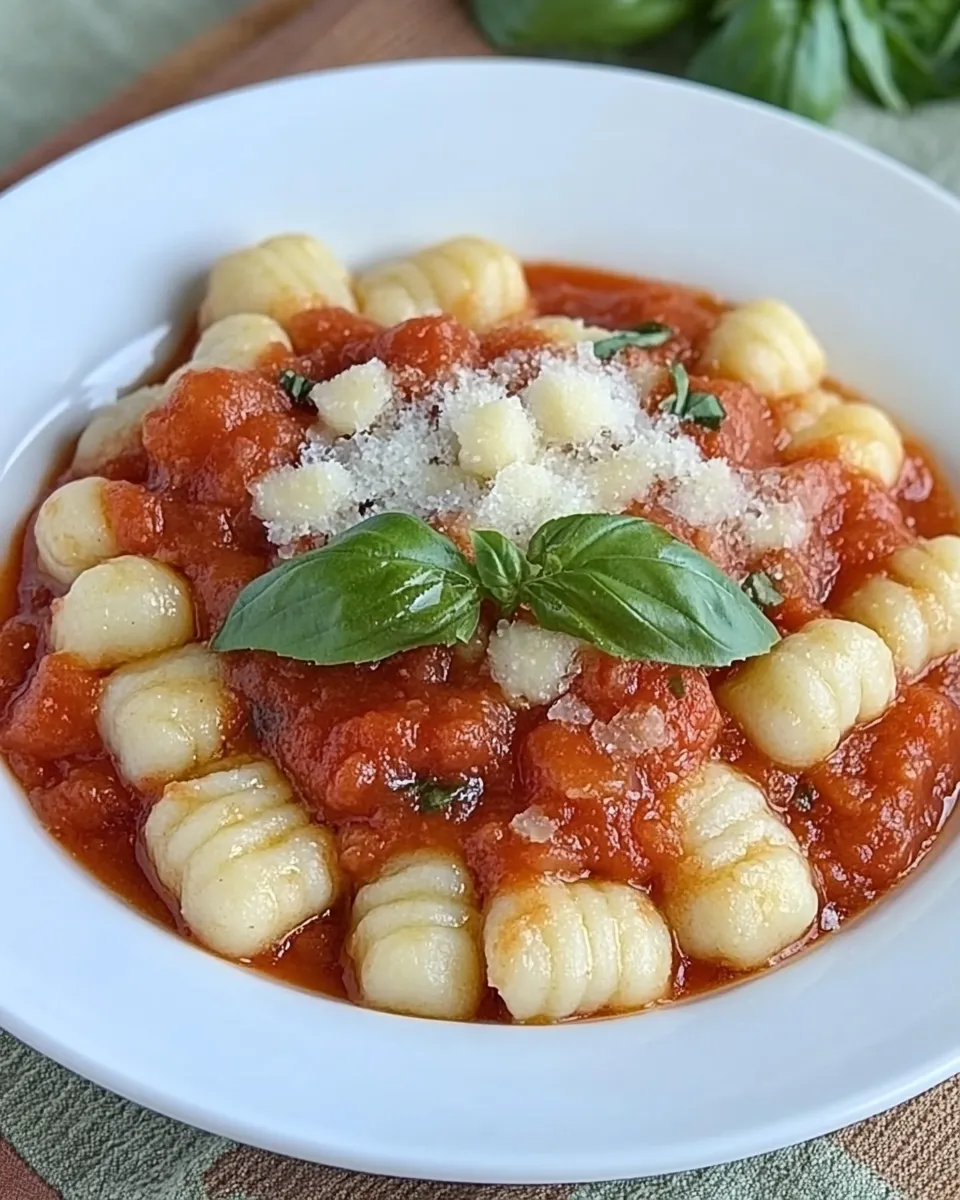
Light, pillowy gnocchi made mostly from ricotta are one of the quickest ways to get a restaurant-feel dinner on the table without a long list of ingredients or a complicated process. This version leans on a simple dough, careful handling, and a bright marinara to finish—comfort food that actually feels fresh. I like these for weeknight dinners, but they also behave beautifully for a small weekend dinner party.
The dough is forgiving but it rewards patience: chill briefly, roll gently, and don’t overwork it. The steps below walk you through the exact sequence I use so the texture comes out tender, not dense. You’ll only need a few pantry basics and one egg to bind the ricotta into a dough that rolls and holds its shape while boiling.
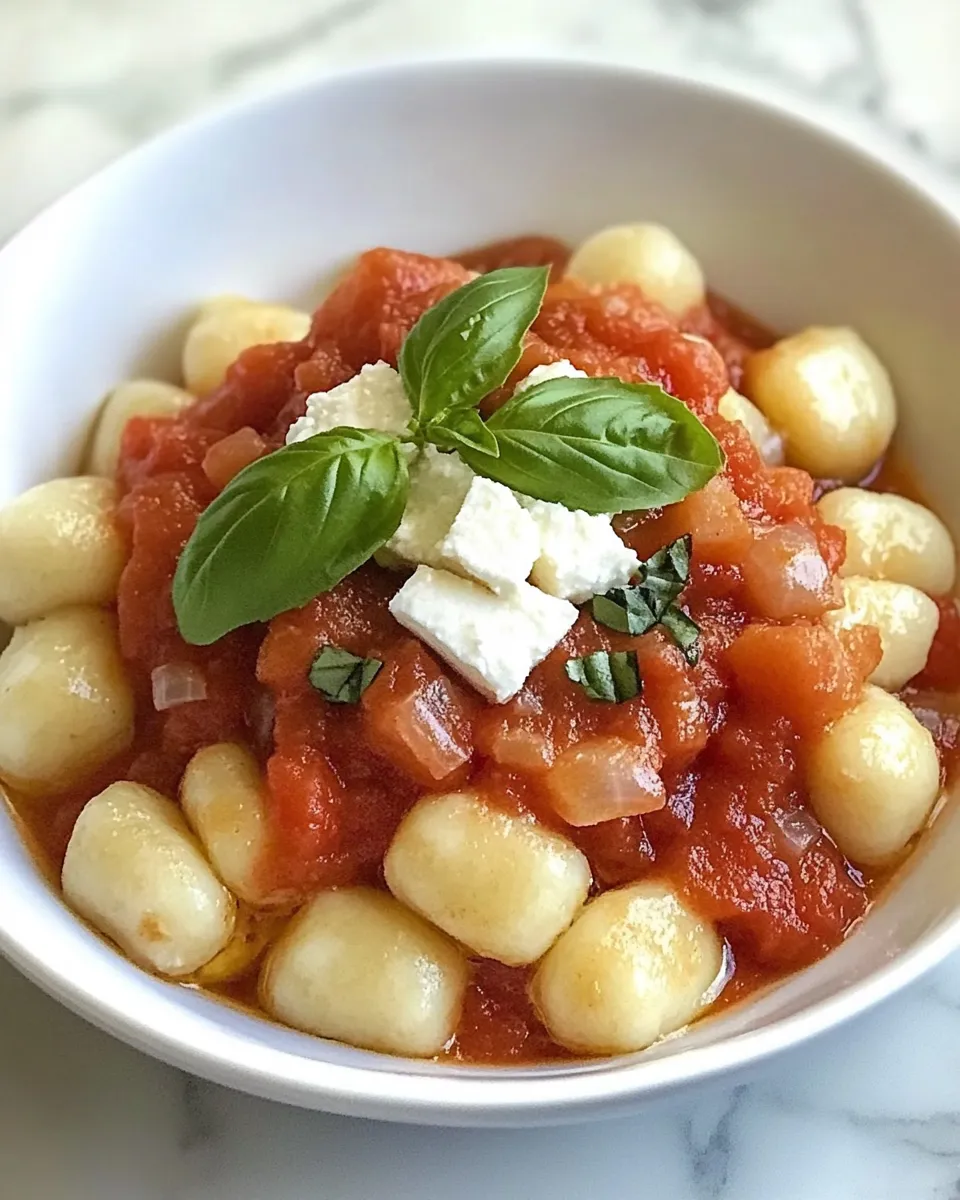
Serve the gnocchi right from the pot into a warm marinara, or let them brown briefly in a skillet with butter and sage for a textural contrast. Either way, the result is soft, flavorful little pillows that highlight the clean richness of ricotta paired with tomato brightness.
Ingredients at a Glance
- 12 ounces Ricotta — the starch-free base that keeps these gnocchi light; drain very loose whey if your ricotta is watery.
- 2 cups all-purpose flour (use “00” pasta flour if you have it…I did not), divided — provides structure; start with 1 cup in the dough and reserve the rest for adjusting texture and dusting.
- 1 egg — binds the mixture so the gnocchi hold shape during boiling.
- 1 teaspoon salt — seasons the dough; also remember to salt your boiling water generously for flavor.
Ricotta Gnocchi with Marinara: How It’s Done
- In a large bowl, combine 12 ounces ricotta, 1 cup of the all-purpose flour, 1 egg, and 1 teaspoon salt. Mix with a wooden spoon until the mixture is smooth.
- Add up to 1 more cup of flour (you have 1 cup remaining), 1/4 cup at a time, stirring with the wooden spoon after each addition. Stop when the dough is smooth and no longer very sticky — you may not need the full extra cup.
- Turn the dough onto a well-floured countertop and knead briefly (about 30 seconds to 1 minute), just until the dough comes together, is smooth, and feels slightly elastic. Add small pinches of the remaining flour only if the dough is too sticky to handle.
- Form the dough into a ball, wrap it tightly in plastic wrap, and refrigerate for 30 minutes.
- Unwrap the chilled dough and cut the ball into 8 equal wedges.
- Working with one wedge at a time, on a lightly floured surface roll the wedge into a long rope about the diameter of your finger.
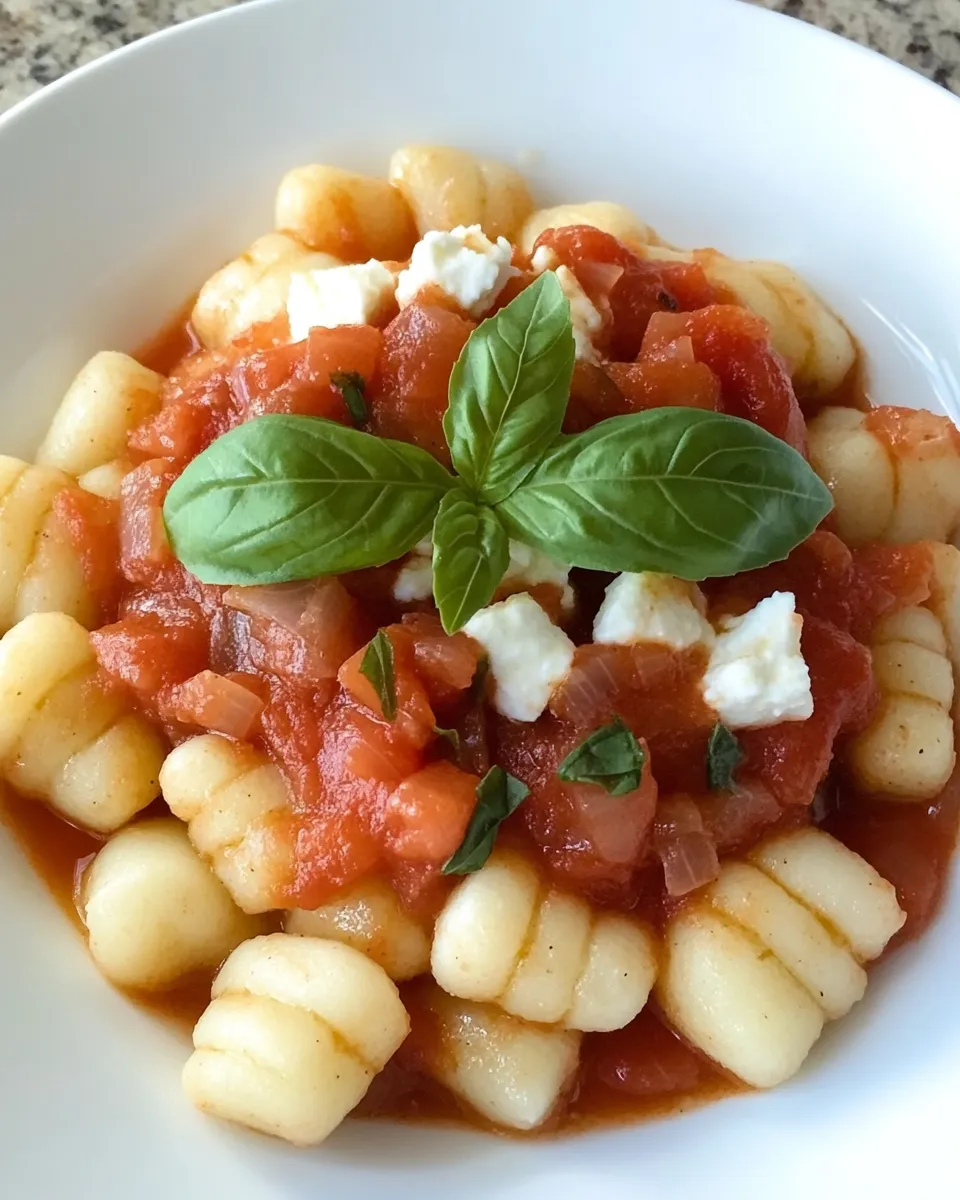
- Cut the rope into 1/2-inch pieces. If desired, roll each piece over the back of a fork to create ridges. Place finished gnocchi on a parchment-lined baking sheet (lightly dust the sheet with flour if pieces are sticky).
- Repeat steps 6–7 with the remaining wedges until all gnocchi are formed.
- Bring a large pot of well-salted water to a rolling boil. Cook the gnocchi in batches (do not overcrowd the pot). When gnocchi are added they will sink and then float; once they float, continue cooking for at least 2 more minutes (total cooking time per batch about 3–5 minutes) to ensure they are cooked through.
- Remove cooked gnocchi with a slotted spoon or drain briefly, then serve immediately with marinara or your favorite pasta sauce.
Reasons to Love Ricotta Gnocchi with Marinara
These gnocchi are light and delicate because the ricotta provides moisture without the heavy starch of potato. That yields tender bites that almost melt on your tongue. They cook fast—about three to five minutes per batch—so you can go from dough to plate in under an hour if your marinara is ready or store-bought.
The flavor profile is simple and versatile. Ricotta gives a mild, milky backdrop that pairs perfectly with a bright, acidic marinara. The dough also takes kindly to subtle additions—lemon zest, grated Parmesan, or fresh herbs—if you want to tailor the final taste without changing the core technique.
Lastly, the method is approachable. No special equipment is required, and the dough is forgiving as long as you don’t overwork it. That makes this an excellent recipe to learn basic gnocchi technique and to adapt depending on how much time or effort you want to invest.
Quick Replacement Ideas
- Flour: swap all-purpose for a 1:1 gluten-free flour blend if you need to avoid gluten—expect slightly different handling and possibly a firmer texture.
- Ricotta: for a richer result, you can use part mascarpone mixed with ricotta in equal parts (no quantities added here—use your judgment), but keep in mind mascarpone increases richness and softness.
- Egg: if you need an egg-free option, try a commercial egg replacer or a flax “egg” (1 tablespoon ground flax + 3 tablespoons water = 1 flax egg) as a binder—results can be a touch denser.
- Marinara: store-bought marinara is a perfectly valid shortcut; look for a bright, herb-forward jar if you prefer a fresher finish.
Essential Tools for Success
- Large mixing bowl — gives you room to combine the ricotta and flour without spilling.
- Wooden spoon — the recipe specifies one; it helps bring the wet and dry ingredients together without overworking.
- Well-floured countertop or pastry board — for rolling ropes and cutting gnocchi.
- Parchment-lined baking sheet — keeps freshly cut gnocchi from sticking and allows you to organize batches.
- Large pot for boiling — use one large enough to allow gentle movement; overcrowding leads to sticky, misshapen pieces.
- Slotted spoon — for removing gnocchi as they float without scooping too much water.
Missteps & Fixes
- Problem: Dough is too sticky to handle. Fix: Add the reserved flour a few pinches at a time while kneading, or dust your work surface and hands generously. Work quickly and refrigerate the dough for the 30 minutes called for; chilling firms it up.
- Problem: Gnocchi are dense or gummy. Fix: Avoid adding too much flour. The ricotta dough should be handled gently and kneaded briefly—over-kneading develops gluten and makes savory pillows tough. If your ricotta is very wet, drain it in a fine sieve before starting.
- Problem: Pieces fall apart while cooking. Fix: Ensure the dough is combined well and the egg is incorporated evenly. Don’t overcrowd the pot and allow the gnocchi to float for the extra 2 minutes as instructed so the center cooks through.
- Problem: Sticky gnocchi on the tray. Fix: Dust the parchment lightly with flour and space pieces so they don’t touch. If they are still tacky, give them a couple minutes in the fridge before cooking.
Dietary Customizations
Gluten-free: Use a 1:1 gluten-free flour blend that is intended for baking; you may need to tweak how much you add, but add in small increments as the recipe suggests. The texture will be slightly different—firmer and less tender—but still satisfying.
Dairy-free: This recipe relies on ricotta for structure and tenderness, so making it dairy-free changes the character significantly. If you need to avoid dairy, consider using a firm plant-based ricotta alternative designed for cooking. Expect to adjust flour and binding agents to get similar handling.
Egg-free / Vegan: An egg replacer or flax “egg” can bind the dough, but results vary. You may also need a touch more flour for structure. If you try a vegan version, form a small test batch first so you can refine texture before shaping the entire dough.
Chef’s Notes
1) Drain ricotta if it’s watery. Excess moisture translates to extra flour and a heavier texture. If your ricotta looks very wet, line a fine-mesh strainer with cheesecloth and let it sit over a bowl for 15–30 minutes.
2) Use the reserved flour sparingly. The recipe intentionally calls for adding the second cup of flour gradually. The dough should feel slightly sticky before chill—it firms up as it cools, which helps keep the gnocchi soft after cooking.
3) Keep batches small when boiling. Overcrowding drops the water temperature and causes gnocchi to clump and cook unevenly. Let them float and then count at least two more minutes for a fully cooked center.
4) If you like a little contrast, pan-fry cooked gnocchi briefly in butter until edges color—this adds a toasty note and keeps the interior pillowy.
Leftovers & Meal Prep
- Refrigerating: Store cooked gnocchi in an airtight container with a little sauce or a drizzle of olive oil to prevent sticking. Consume within 2–3 days.
- Freezing raw gnocchi: Arrange uncooked gnocchi in a single layer on a parchment-lined sheet and freeze until solid, then transfer to a sealed bag or container. Cook from frozen; add a minute or two to the boiling time.
- Make-ahead: You can form the gnocchi and keep them on a floured tray, covered lightly, for several hours before cooking. For longer holding, freeze as described above.
- Reheating: Gently reheat cooked gnocchi in simmering sauce or sauté in a skillet with a little butter or olive oil; avoid microwaving for long periods, which can toughen them.
Helpful Q&A
- Q: Can I use store-bought ricotta? A: Yes—just choose a good-quality ricotta and drain any excess liquid if it’s loose. Higher moisture ricotta will require more flour and can alter the texture.
- Q: Why add flour in stages? A: Adding flour gradually prevents you from overworking the dough and ending up with dense gnocchi. The exact amount needed varies with ricotta moisture.
- Q: How do I know when gnocchi are done? A: They sink when dropped into boiling water, then float. After they float, continue boiling at least 2 more minutes to ensure the centers are cooked through.
- Q: Can I make larger gnocchi? A: You can, but larger pieces require slightly longer cooking and change the delicate texture—smaller, finger-diameter ropes yield the classic pillowy bite.
Bring It to the Table
Serve these ricotta gnocchi simply: ladle warm marinara into shallow bowls, nestle the gnocchi in the sauce, finish with a drizzle of good olive oil, torn basil leaves, and a grind of black pepper. For a richer touch, scatter flaky sea salt and a few shavings of Parmesan or Pecorino.
Pair with a crisp green salad and a light red wine or sparkling water with lemon. If you’re serving guests, plate the gnocchi directly in warm bowls so the sauce stays glossy and the gnocchi keep their tenderness.
Make the process your ritual: measure, chill, roll, and boil in small, focused batches. The steps are simple, and the result is a homey, impressive dish worth repeating. Enjoy the soft texture and bright marinara—this is comfort food that feels thoughtful and fresh.
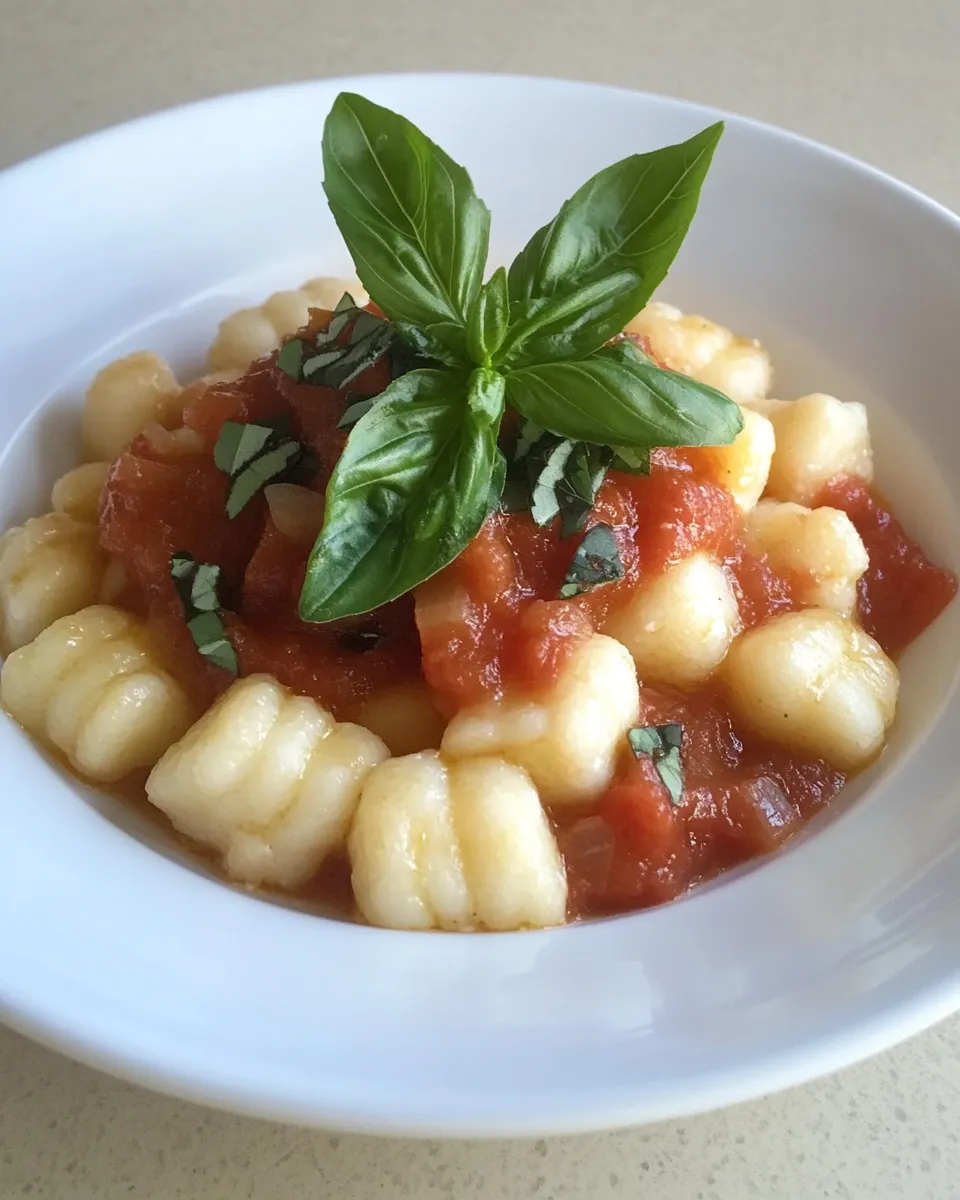
Ricotta Gnocchi with Marinara
Equipment
- Large Bowl
- Wooden Spoon
- work surface
- Plastic Wrap
- parchment-lined baking sheet
- Large Pot
- Slotted Spoon
- Fork
- Knife
Ingredients
Ingredients
- 12 ounces Ricotta
- 2 cups all-purpose flour use "00" pasta flour if you have it...I did not, divided
- 1 egg
- 1 teaspoon salt
Instructions
Instructions
- In a large bowl, combine 12 ounces ricotta, 1 cup of the all-purpose flour, 1 egg, and 1 teaspoon salt. Mix with a wooden spoon until the mixture is smooth.
- Add up to 1 more cup of flour (you have 1 cup remaining), 1/4 cup at a time, stirring with the wooden spoon after each addition. Stop when the dough is smooth and no longer very sticky — you may not need the full extra cup.
- Turn the dough onto a well-floured countertop and knead briefly (about 30 seconds to 1 minute), just until the dough comes together, is smooth, and feels slightly elastic. Add small pinches of the remaining flour only if the dough is too sticky to handle.
- Form the dough into a ball, wrap it tightly in plastic wrap, and refrigerate for 30 minutes.
- Unwrap the chilled dough and cut the ball into 8 equal wedges.
- Working with one wedge at a time, on a lightly floured surface roll the wedge into a long rope about the diameter of your finger.
- Cut the rope into 1/2-inch pieces. If desired, roll each piece over the back of a fork to create ridges. Place finished gnocchi on a parchment-lined baking sheet (lightly dust the sheet with flour if pieces are sticky).
- Repeat steps 6–7 with the remaining wedges until all gnocchi are formed.
- Bring a large pot of well-salted water to a rolling boil. Cook the gnocchi in batches (do not overcrowd the pot). When gnocchi are added they will sink and then float; once they float, continue cooking for at least 2 more minutes (total cooking time per batch about 3–5 minutes) to ensure they are cooked through.
- Remove cooked gnocchi with a slotted spoon or drain briefly, then serve immediately with marinara or your favorite pasta sauce.