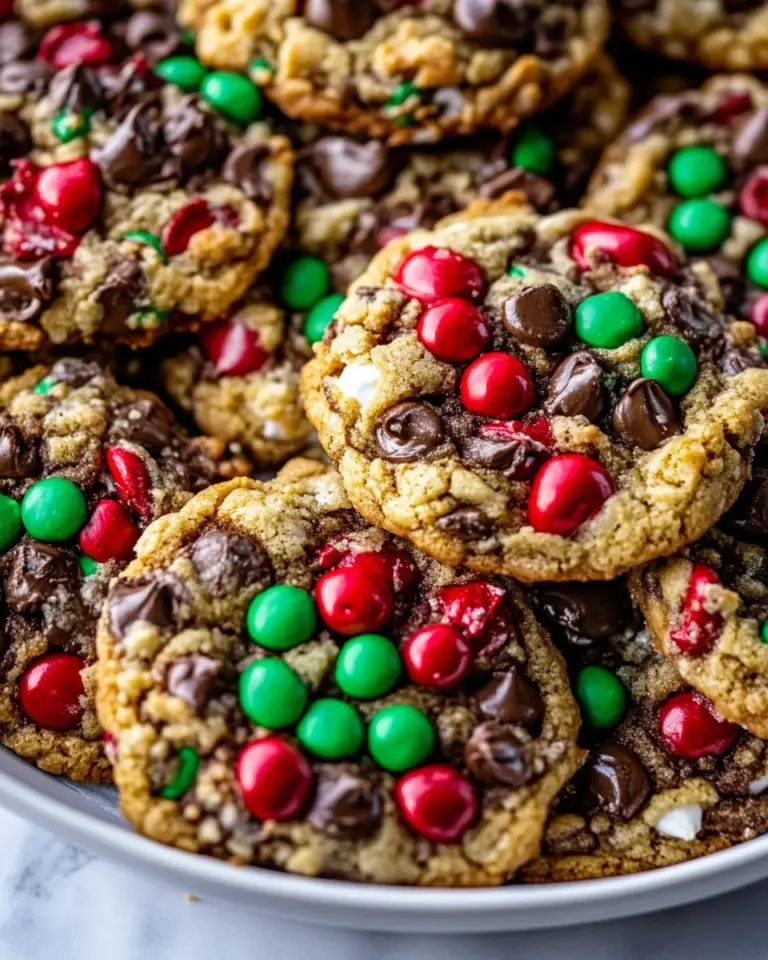
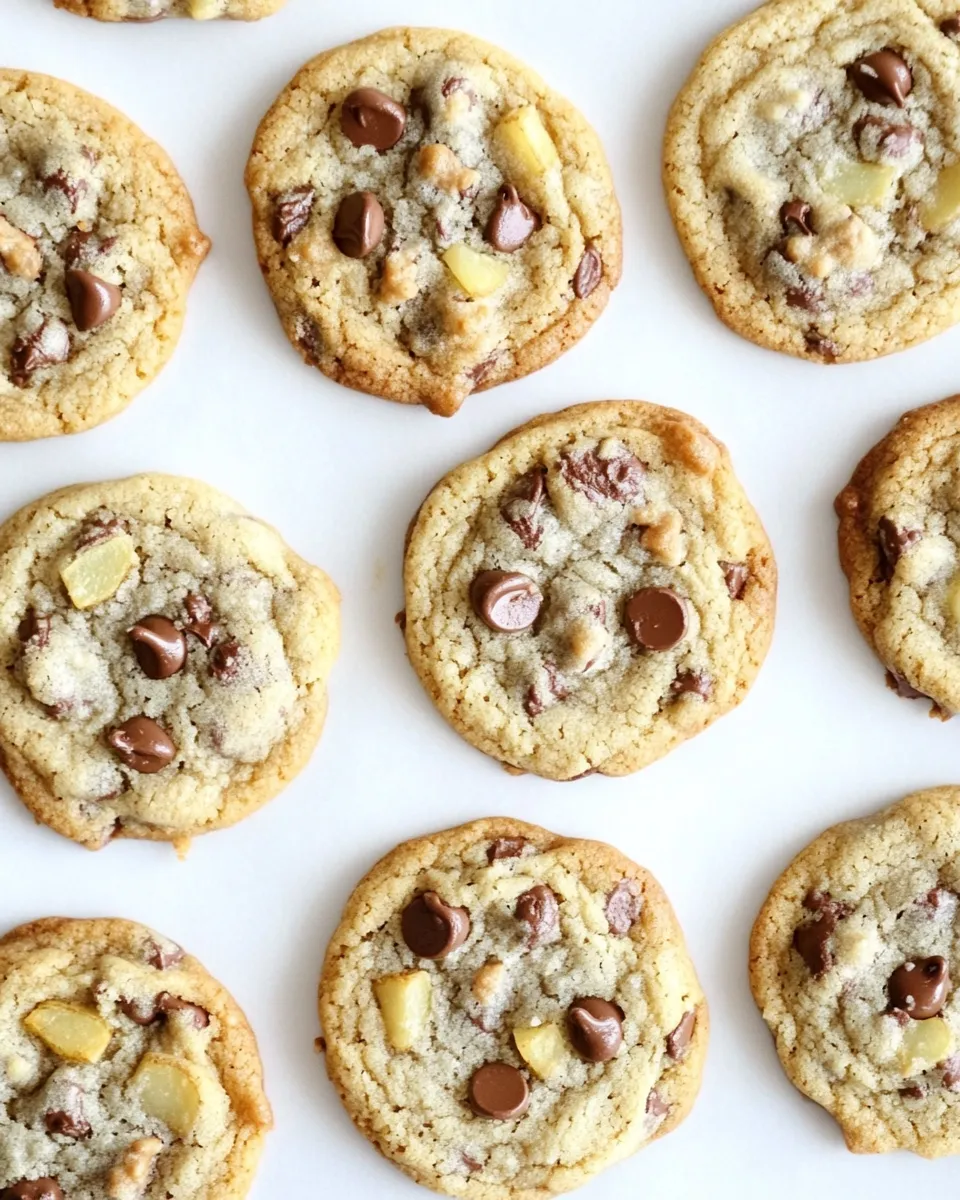
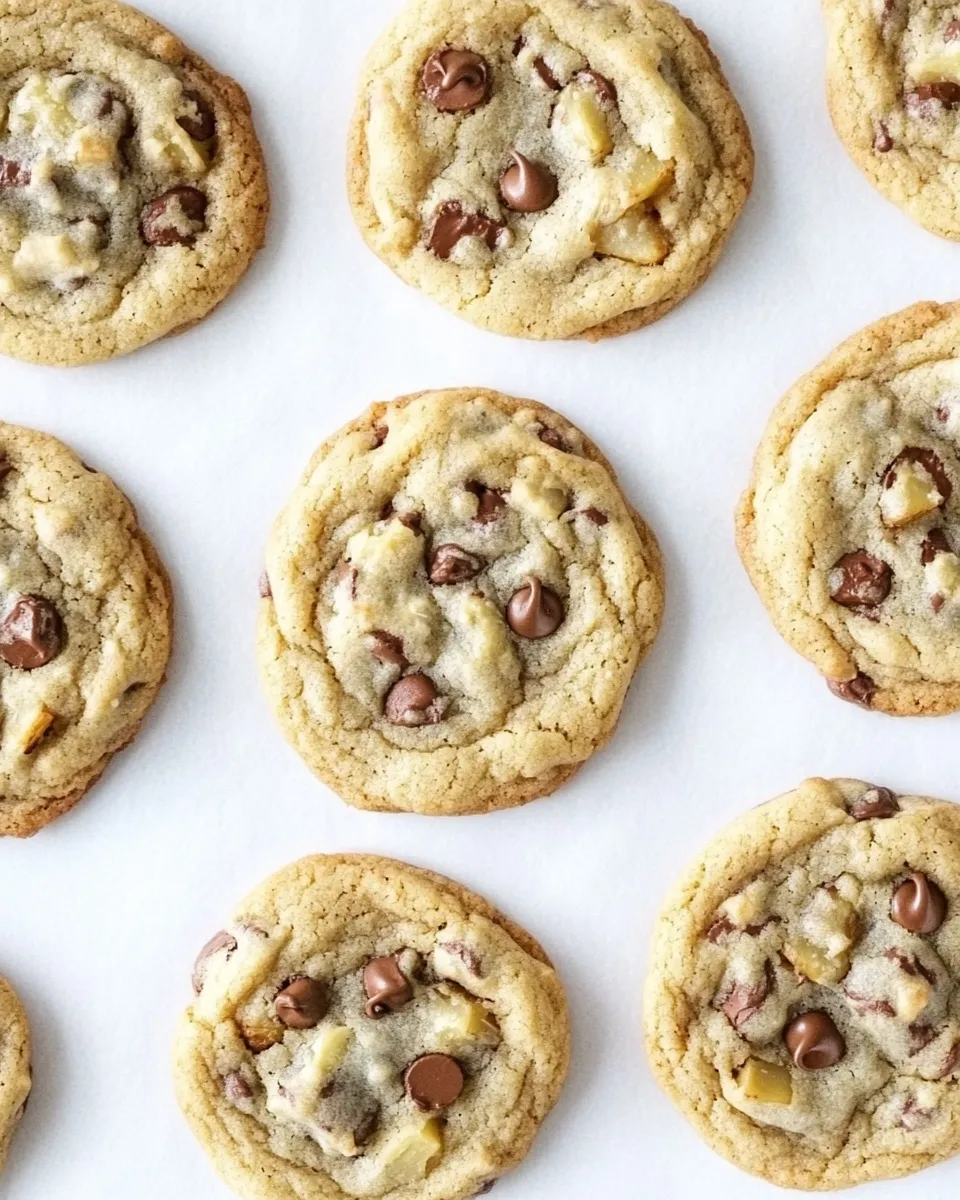
These cookies are the sort of thing I bake when I want something both familiar and a little mischievous—the classic chocolate chip cookie with a salty, crunchy surprise. The potato chips give a faint crunch and a lift in flavor that keeps the cookie from tasting one-note. They don’t make the cookie taste like chips; they make the cookie better.
I like these because they’re quick to put together, forgiving, and deliver great texture: soft and chewy centers with just enough crisp on the top. You’ll brown the butter for depth, stir in a beaten egg plus an extra yolk for chew, and fold in crunchy kettle-cooked potato chips and chocolate chips. The result is a cookie that makes you pause and then reach for a second.
No fuss, no exotic ingredients—just a little technique. Read on for the ingredient lineup, step-by-step directions, troubleshooting, and my favorite tips so your batch comes out perfect every time.
The Ingredient Lineup
- 2 cups all-purpose flour — provides structure; measure by spooning into the cup and leveling for consistent results.
- 1/2 teaspoon baking soda — the leavening that gives the cookies lift and a tender crumb.
- 1 1/2 sticks (12 tablespoons) unsalted butter, browned and slightly cooled — browning adds nutty, caramel notes; cool slightly so it won’t scramble the egg.
- 1 cup loosely packed brown sugar — adds moisture and chew because of its molasses content.
- 1/2 cup sugar — balances sweetness and helps with spread and crisping at the edges.
- 1 egg + 1 egg yolk, at room temperature, lightly beaten — the whole egg adds lift; the extra yolk adds richness and chew.
- 2 teaspoons vanilla extract — flavor base that rounds out the butter and sugar.
- 1 1/2 cups crushed kettle cooked potato chips — the crunchy, salty element; use crushed chips (not powder) so you keep texture.
- 1 cup chocolate chips — the classic mix-in; fold in so you get chocolate in every bite.
Mastering Chewy Potato Chip Chocolate Chip Cookies: How-To
- Preheat the oven to 325°F (163°C). Position a rack in the center of the oven and line one or more baking sheets with parchment paper or a silicone baking mat.
- In a small bowl, whisk together 2 cups all-purpose flour and 1/2 teaspoon baking soda; set aside.
- In a large bowl, whisk until smooth the browned and slightly cooled 1 1/2 sticks (12 tablespoons) unsalted butter with 1 cup loosely packed brown sugar and 1/2 cup sugar, making sure there are no large lumps.
- Add the lightly beaten 1 egg plus 1 egg yolk and 2 teaspoons vanilla extract to the butter-sugar mixture; whisk just until combined.
- Switch to a wooden spoon or spatula and stir in the flour mixture until the dough comes together. The dough may be crumbly—if so, bring it together gently with your hands.
- Fold in 1 1/2 cups crushed kettle-cooked potato chips and 1 cup chocolate chips until evenly distributed. Use your hands if needed to incorporate chips without overworking the dough.
- Roll the dough into 1-inch balls (or larger, if you prefer bigger cookies) and place them about 2 inches apart on the prepared baking sheet.
- Bake for 12 to 14 minutes, until the cookies appear set on top but are not browned at the edges.
- Remove the baking sheet from the oven and let the cookies cool on the sheet for about 5 minutes, then transfer to a wire rack or plate to finish cooling before serving.
Why This Recipe is a Keeper
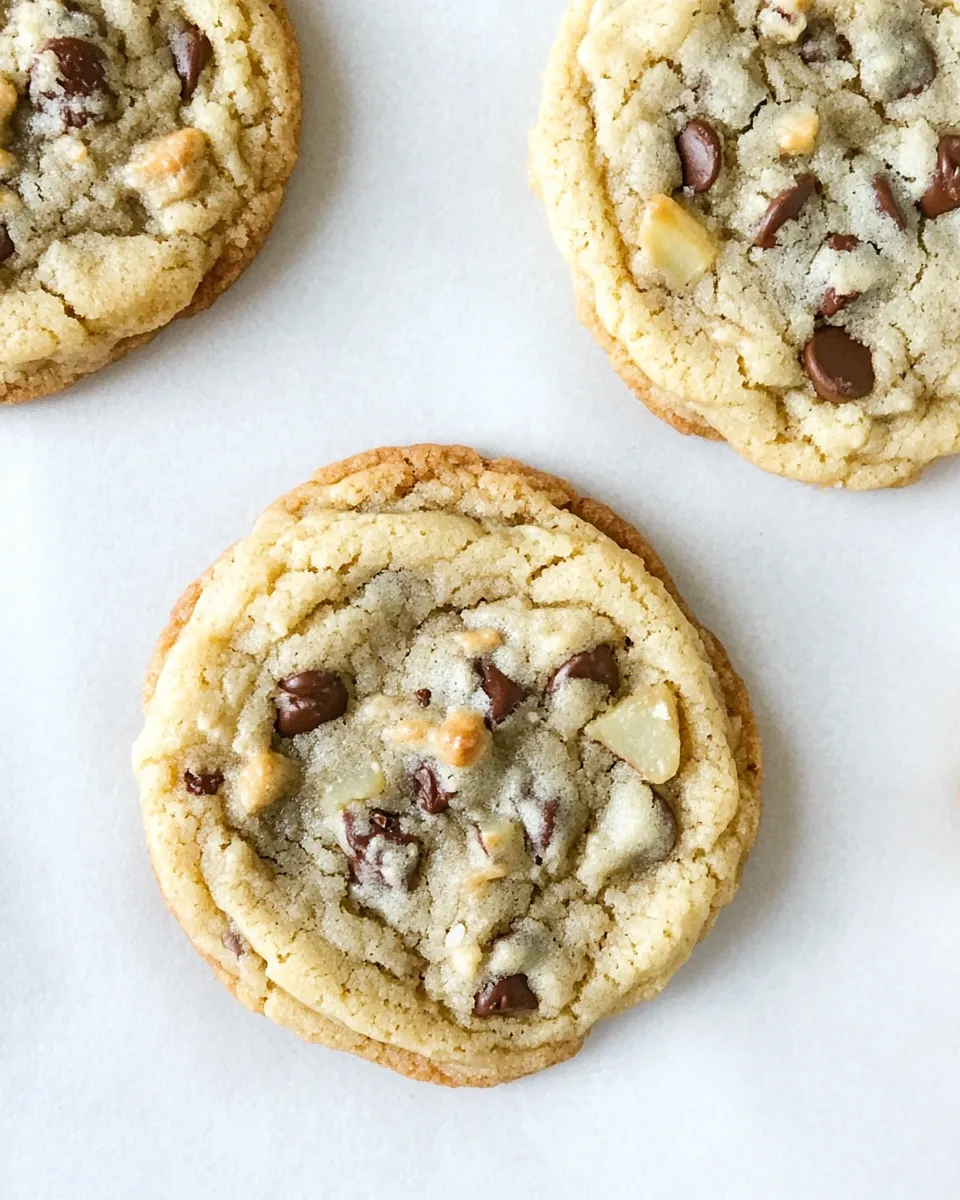
There’s a reason these cookies keep showing up at potlucks and on my weekend baking list. Browning the butter gives a deeper, toasted flavor that a plain melted butter can’t match. The extra yolk is a small change but it makes the centers tender and chewy instead of cakey. The potato chips add salt and crunch in a way that complements the chocolate—salty-sweet in the best possible way.
They’re also forgiving. The dough can be a bit crumbly at first and still come together when rolled; you don’t need a mixer. The bake window is broad enough to allow for slight oven differences, and the cookies finish setting off the sheet so you won’t overbake them by mistake.
Ingredient Flex Options
Small swaps can tailor the cookies to your pantry or taste without changing the overall method:
- Chocolate chips: swap semisweet, milk, or dark chips to dial sweetness up or down.
- Potato chips: try different kettle chips (plain or lightly salted) for texture differences—avoid heavily seasoned chips that can overpower the cookie.
- Sugar: if you prefer a slightly deeper molasses flavor, you can try darker brown sugar in place of the brown sugar called for; keep quantities the same.
Must-Have Equipment
- Oven with reliable temperature control — small variances affect bake time and spread.
- Baking sheets — light-colored sheets work best for even baking.
- Parchment paper or silicone baking mats — prevents sticking and promotes even bottom browning.
- Mixing bowls — one small for dry ingredients and one large for wet.
- Whisk and wooden spoon or spatula — whisk for the dry mix and butter-sugar, spoon for folding dough.
- Measuring cups and spoons — accurate measuring keeps texture consistent.
- Wire cooling rack — lets cookies finish setting without getting soggy on the bottom.
Things That Go Wrong
Here are the most common issues and what to do about them:
- Cookies spread too thin: Your butter may have been too hot or the dough too warm. Let the browned butter cool fully before mixing and chill the dough briefly if your kitchen is warm.
- Cookies are dry or crumbly after baking: That usually means overbaking. Aim to remove them when the tops look set but not browned; they’ll finish on the sheet.
- Potato chips go soggy: Crushing the chips into medium-sized pieces and folding them in just enough to combine helps maintain texture. Overworking the dough can crush them finer and make them lose crunch.
- Uneven bake: Make sure the rack is centered and rotate the baking sheet halfway through if your oven has hot spots.
In-Season Flavor Ideas
These cookies are naturally versatile and pair well with seasonal flavors. In cooler months, serve them alongside a warm drink—coffee or cider—to highlight the brown butter notes. During summer, they’re great with a cold glass of milk or a scoop of ice cream for an indulgent sandwich cookie.
If you’re experimenting for a seasonal twist, think about the texture and balance: something that adds fruit or spice should complement the salty crunch and chocolate rather than overpower it. Keep additions minimal so the potato chip contrast remains front and center.
Insider Tips
Butter & Texture
Browning the butter is more than flavor—it removes excess water and concentrates milk solids, which helps achieve a chewier texture. Let the butter cool until it’s warm but not hot; otherwise the egg will scramble and the dough won’t come together properly.
Chip Handling
Crush your kettle chips by hand or in a bag with a rolling pin. Aim for a mix of small crumbs and larger flakes so you get salt in every bite without turning the dough starchy.
Mixing
Stir until the flour is incorporated but stop once the dough comes together. Overmixing develops gluten and risks a tougher cookie. If the dough looks crumbly, bring it together gently with your hands rather than adding liquid.
Store, Freeze & Reheat
Store cooled cookies in an airtight container at room temperature for up to 4 days. If you want a bit of crunch back after storing, pop them into a 300°F (150°C) oven for 3–4 minutes.
To freeze, arrange baked and fully cooled cookies in a single layer on a tray and flash-freeze, then transfer to a freezer-safe bag or container. They’ll keep well for up to 3 months. Thaw at room temperature or warm briefly in the oven to refresh texture.
Your Questions, Answered
Q: Will the potato chips make the cookies taste like chips?
A: No. They add salt, crunch, and a slight toasty note. The chocolate and browned butter are still the dominant flavors.
Q: Can I make the dough ahead?
A: Yes. You can mix the dough and refrigerate it for up to 24 hours. Cold dough will spread less and produce thicker cookies; you may need an extra minute or two in the oven.
Q: Do I need to chill the dough?
A: Chilling is optional. If your kitchen is very warm or you prefer thicker cookies, refrigerate for 30–60 minutes before scooping. If you want quick cookies, bake right away—the recipe is forgiving.
Q: How do I get chewy centers?
A: Browning the butter, using an extra yolk, and removing the cookies when the tops appear set but not browned are the key steps for a chewy center.
Final Bite
These Chewy Potato Chip Chocolate Chip Cookies are an easy way to surprise friends and family without complicated steps or exotic pantry items. Browning the butter and folding in crushed kettle chips are small moves that make a big difference: chew, salt, and chocolate come together in a cookie that’s deliciously unexpected.
Ready to bake? Measure carefully, brown the butter with intention, and don’t be afraid to experiment with chip varieties. Most importantly—enjoy them warm when the chocolate is soft and the crunch is fresh.
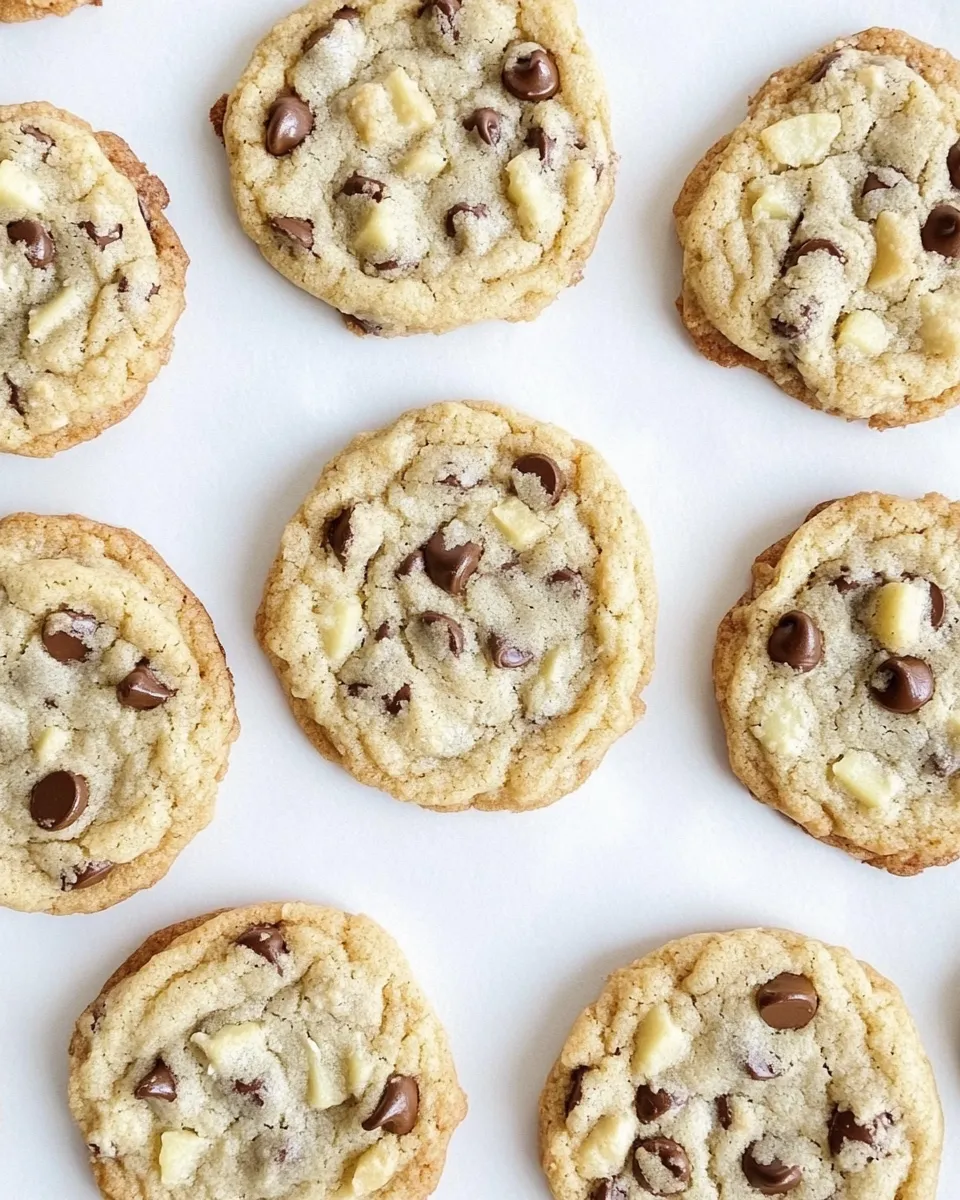
Chewy Potato Chip Chocolate Chip Cookies.
Equipment
- Oven
- Baking Sheet
- Parchment paper or silicone baking mat
- Small Bowl
- Large Bowl
- Whisk
- Wooden Spoon or Spatula
- Wire Rack
Ingredients
Ingredients
- 2 cupsall-purpose flour
- 1/2 teaspoonsbaking soda
- 1 1/2 sticks 12 tablespoons of unsalted butter, brownedand slightly cooled
- 1 cuploosely packed brown sugar
- 1/2 cupsugar
- 1 egg + 1 egg yolk at room temperature, lightly beaten
- 2 teaspoonsvanilla extract
- 1 1/2 cupscrushed kettle cooked potato chips
- 1 cupchocolate chips
Instructions
Instructions
- Preheat the oven to 325°F (163°C). Position a rack in the center of the oven and line one or more baking sheets with parchment paper or a silicone baking mat.
- In a small bowl, whisk together 2 cups all-purpose flour and 1/2 teaspoon baking soda; set aside.
- In a large bowl, whisk until smooth the browned and slightly cooled 1 1/2 sticks (12 tablespoons) unsalted butter with 1 cup loosely packed brown sugar and 1/2 cup sugar, making sure there are no large lumps.
- Add the lightly beaten 1 egg plus 1 egg yolk and 2 teaspoons vanilla extract to the butter-sugar mixture; whisk just until combined.
- Switch to a wooden spoon or spatula and stir in the flour mixture until the dough comes together. The dough may be crumbly—if so, bring it together gently with your hands.
- Fold in 1 1/2 cups crushed kettle-cooked potato chips and 1 cup chocolate chips until evenly distributed. Use your hands if needed to incorporate chips without overworking the dough.
- Roll the dough into 1-inch balls (or larger, if you prefer bigger cookies) and place them about 2 inches apart on the prepared baking sheet.
- Bake for 12 to 14 minutes, until the cookies appear set on top but are not browned at the edges.
- Remove the baking sheet from the oven and let the cookies cool on the sheet for about 5 minutes, then transfer to a wire rack or plate to finish cooling before serving.
Notes
[adapted from
these giant rainbow cookies
]