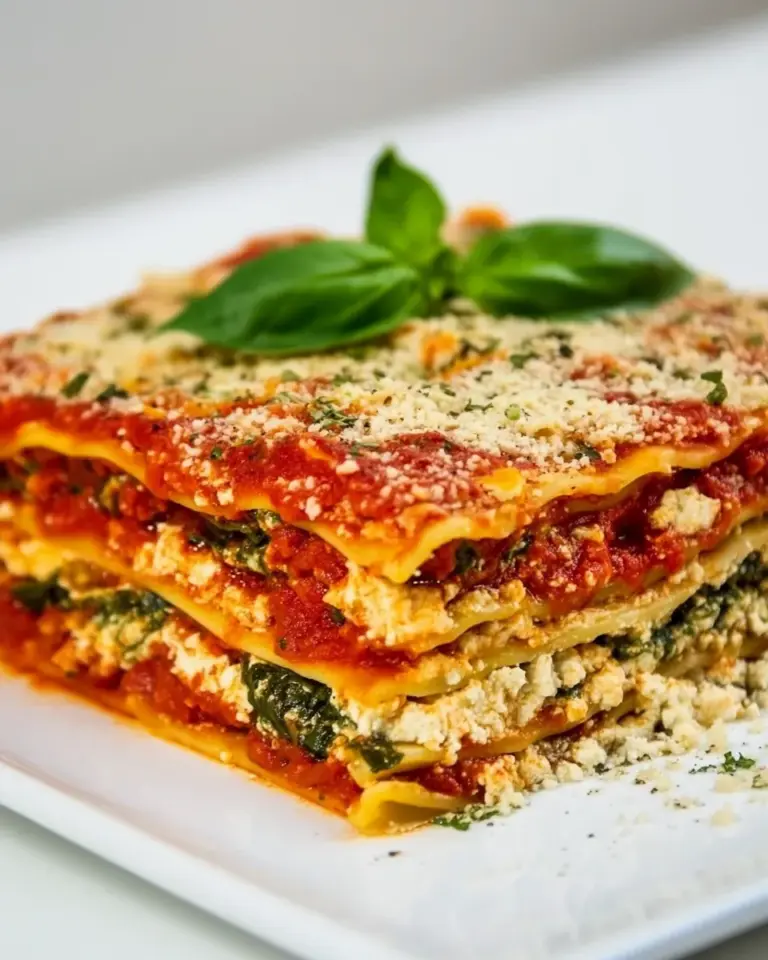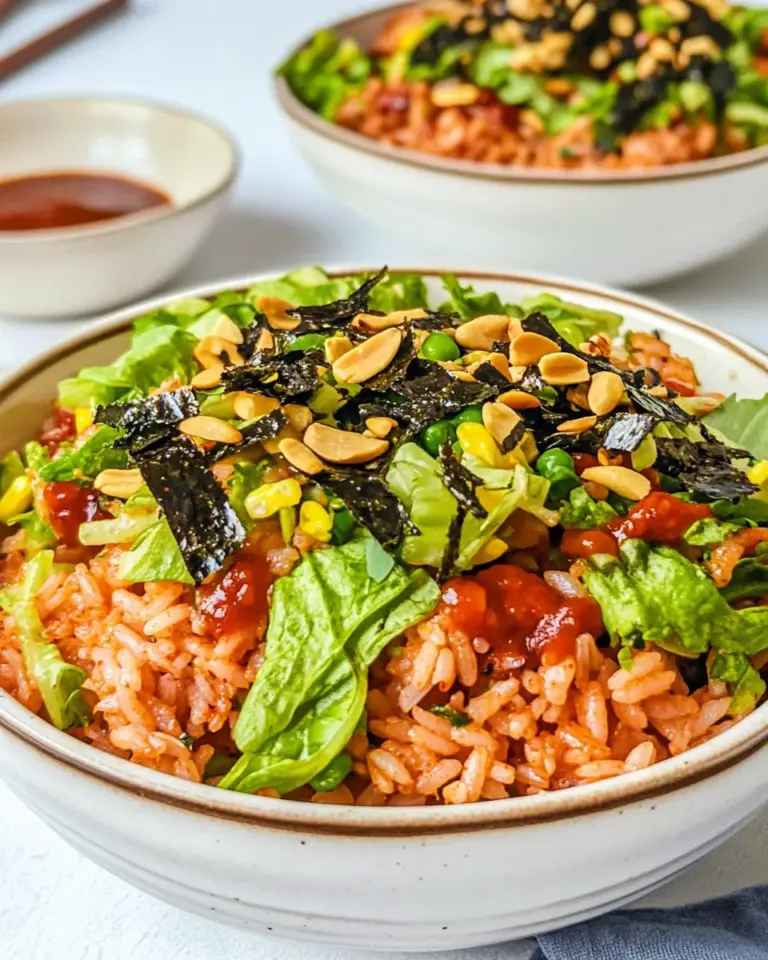
I make this Sesame Ginger Dressing at least once a week. It’s one of those recipes that fits into everything—salads, grain bowls, steamed vegetables, and even as a quick marinade. It comes together in minutes and keeps well, which makes it a weekday champion.
The flavor is bright and balanced: toasty sesame, sharp rice vinegar, a hit of ginger and garlic, and honey to round it out. A little tamari brings depth without overwhelming the delicate oils. I’ll show you exactly how I assemble it and share practical tips to make it reliably great every time.
No fuss, no special trips to the store. Read on for a shopping checklist, exact ingredients and step-by-step instructions, plus variations and storage tips I learned while testing this dressing in my kitchen.
Your Shopping Guide
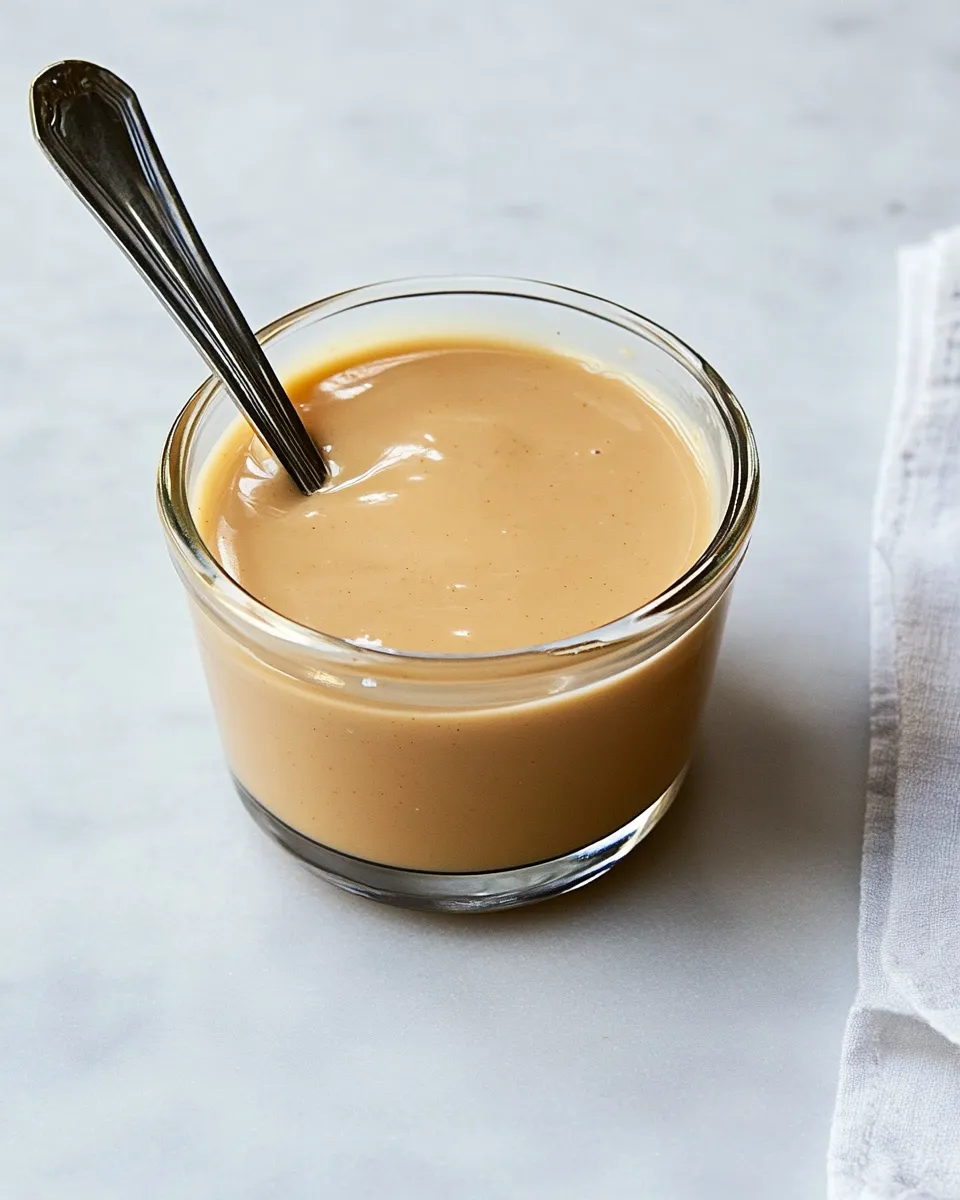
Before you start, check what you already have. Olive oil and rice vinegar are pantry staples for many households, and toasted sesame oil is the one specialty item that truly defines this dressing. If you don’t have tamari, soy sauce works, but since the recipe calls for tamari (which is gluten-free), I stick with it to match the original flavor profile.
Fresh garlic and fresh ginger make a real difference. Grated garlic and ginger blend smoothly into the dressing and avoid little chewy bits. If you love heat, keep sriracha on the list; if you prefer a milder dressing, you can reduce the amount or omit it entirely. Gather everything measured and at hand before you start for a fast, smooth assembly.
Sesame Ginger Dressing: Step-by-Step Guide
Ingredients
- ¼ cup olive oil — base oil that carries flavors and smooths the dressing.
- 2 tablespoons toasted sesame oil — concentrated sesame flavor; a little goes a long way.
- 3 tablespoons rice vinegar — provides bright acidity to balance the oils.
- 2 tablespoons honey — adds sweetness and rounds the sharp edges.
- 1 tablespoon tamari (gluten-free soy sauce) — salt and umami for depth.
- 1 garlic clove, minced — aromatic punch; mince finely so it disperses evenly.
- 1 inch fresh ginger, minced — fresh, zesty heat that defines the dressing.
- 1 teaspoon sriracha (or more to taste) — adds heat and a touch of vinegar-backed spice.
- ¼ teaspoon fine sea salt — fine salt integrates quickly and lets you control overall seasoning.
- Gather an 8-ounce (or larger) jar with a tight-fitting lid or a personal blender and the measured ingredients.
- Add to the jar in this order: ¼ cup olive oil, 2 tablespoons toasted sesame oil, 3 tablespoons rice vinegar, 2 tablespoons honey, 1 tablespoon tamari, 1 garlic clove (finely minced), 1 inch fresh ginger (finely minced), 1 teaspoon sriracha, and ¼ teaspoon fine sea salt. If you have a microplane, grate the garlic and ginger directly into the jar; otherwise finely mince them on a cutting board and add.
- Secure the lid and shake the jar vigorously for about 20–30 seconds until the dressing is well combined and slightly emulsified. Alternatively, blend the ingredients in a personal blender for 10–20 seconds for a creamier texture.
- Taste the dressing and adjust using the existing ingredients as needed: more honey for sweetness, more sriracha for heat, or a bit more tamari or salt for saltiness. After any adjustment, shake or blend again to combine.
- Use the dressing immediately or store it in an airtight container in the refrigerator for up to 5 days. If it thickens when chilled, let it come to room temperature briefly and shake well before serving.
Why You’ll Keep Making It
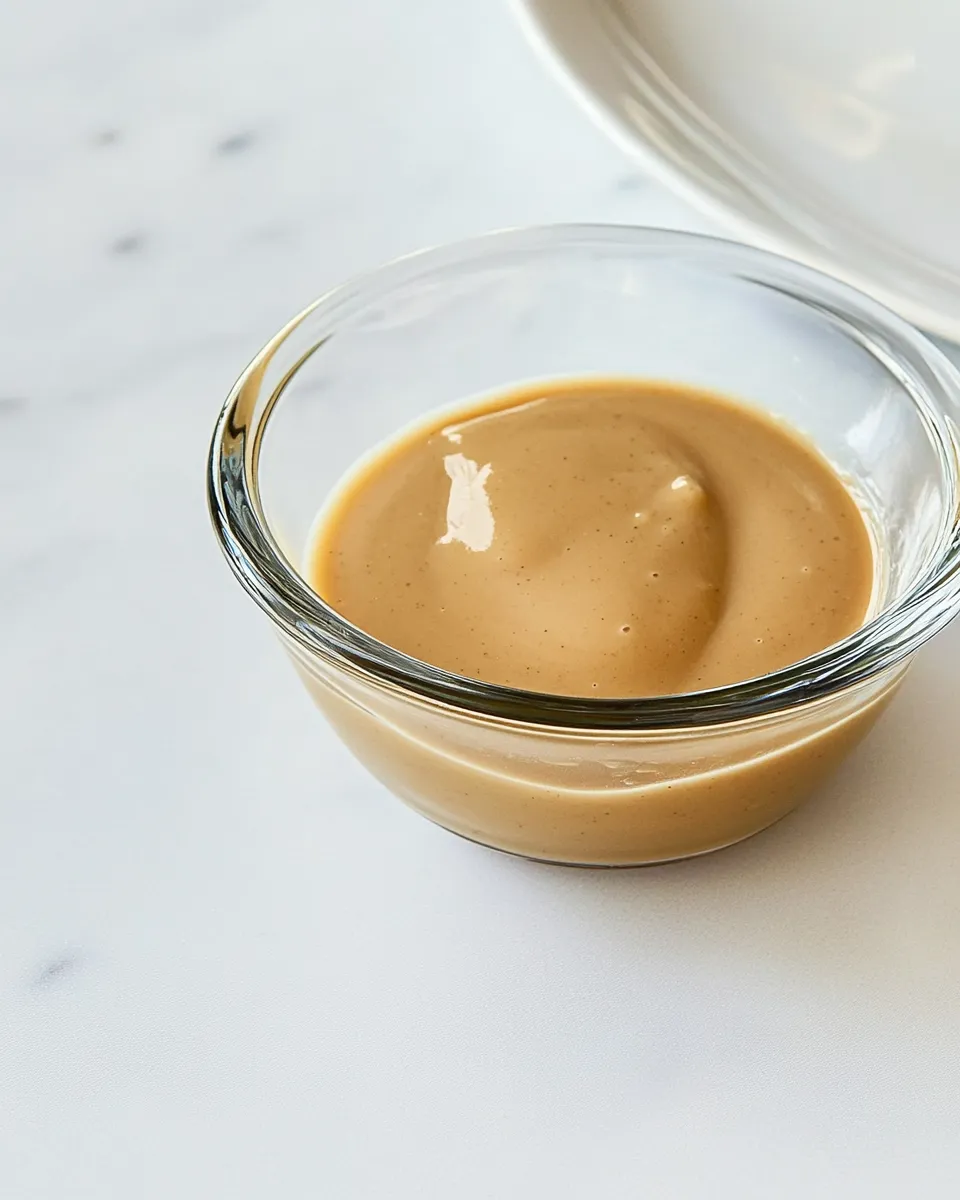
This dressing hits a sweet spot: fast, flexible, and flavorful. It’s not fussy, yet it tastes layered. The toasted sesame oil gives a toasted nuttiness that feels gourmet, while the rice vinegar keeps things bright. Honey smooths the edges so it’s pleasant over delicate greens as well as bold grain salads.
It’s also forgiving. If your sesame oil is particularly strong, dial it back. If you want more punch, add a touch more ginger or sriracha. The balance of oil, acid, sweet and umami makes it an everyday go-to that adapts to what’s in your pantry.
No-Store Runs Needed
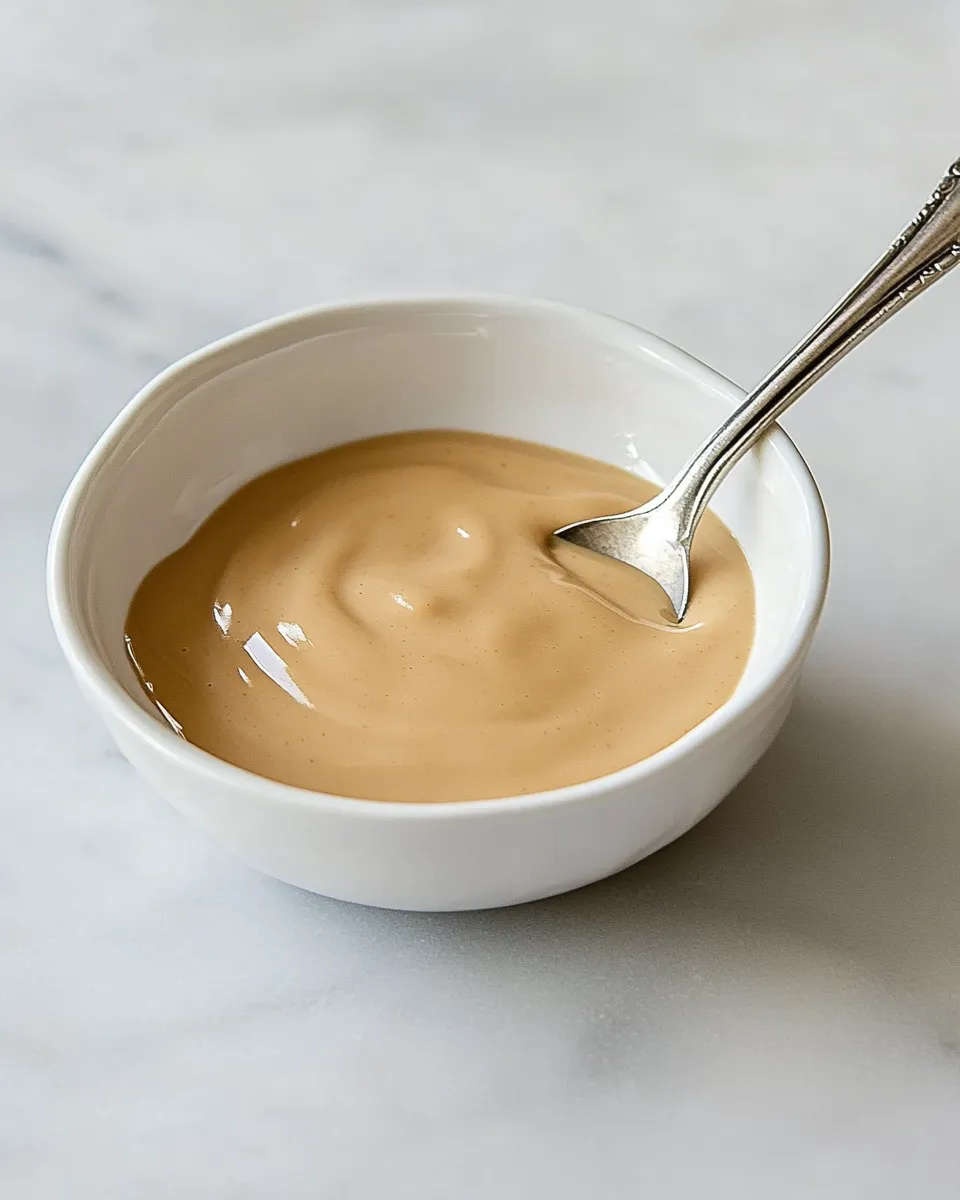
In most kitchens you already have the core ingredients: olive oil, honey, maybe a bottle of soy sauce. If you don’t have toasted sesame oil, you can use a smaller amount of plain sesame oil if available, or reduce the sesame oil and add a tiny pinch of sesame seeds at the end for texture. But honestly, a quick swap rarely matches the toasted sesame’s aroma—so if you like this dressing, keep a tiny bottle on the shelf.
Sriracha is optional. Without it you’ll still have a bright, nutty dressing. Use a pinch of chili flakes or a few drops of hot sauce instead if that’s what you have.
Equipment at a Glance
- 8-ounce or larger jar with tight-fitting lid — for shaking and storing.
- Personal blender or small blender (optional) — for a creamier, emulsified finish.
- Microplane or fine grater (optional) — to grate garlic and ginger directly into the jar for smoother texture.
- Measuring spoons and cups — to follow the exact ratios listed.
- Small whisk (if not using a jar) — for quick mixing if you prefer a bowl.
Steer Clear of These
- Too much toasted sesame oil — it’s potent. Start with the 2 tablespoons and reduce if yours is very fragrant.
- Using dried ginger or garlic if you expect the same fresh brightness — fresh is best here.
- Skipping the tamari or another source of salt — without it the dressing will taste flat. If you only have table salt, dissolve it in the vinegar before adding oil to help it integrate.
- Over-blending if you want texture — 10–20 seconds in a personal blender makes it creamy, but longer can warm the dressing and mute the fresh notes.
Holiday-Friendly Variations
- For a festive sesame-citrus dressing: add 1 teaspoon finely grated orange zest and replace 1 tablespoon of the rice vinegar with 1 tablespoon fresh orange juice to brighten it for holiday salads.
- Make it creamy for a dip: blend in 2 tablespoons plain yogurt or a tablespoon of tahini for a richer, scoopable sauce perfect for crudité platters.
- For a nut-forward twist: stir in 1 tablespoon finely chopped roasted peanuts or cashews at the end for crunch on grain bowls or as a finishing garnish on roasted Brussel sprouts.
- To make it vegan and a touch deeper: swap honey for 2 tablespoons maple syrup—this shifts the flavor, but keeps the balance of sweet and tang that complements holiday dishes.
What I Learned Testing
Over many batches I found the order of assembly matters for a smooth texture. Adding oil first, then the lighter-flavored oils, then acid and the rest, helps everything bind when shaken. Grating garlic and ginger into the jar keeps them from clumping and spreads the aroma evenly.
Blending vs. shaking is a texture choice. Shaking yields a thinner, more vinaigrette-style dressing. A quick pulse in a personal blender gives the dressing a creamier mouthfeel that clings to leaves better. I usually shake for salads and blend when using as a marinade or dip.
Finally, the dressing mellows after an hour in the fridge. If you can make it ahead, the flavors integrate and feel more rounded the next day. Just bring it back to room temperature briefly and give it a shake.
Cooling, Storing & Rewarming
Store the dressing in an airtight container or the original jar in the refrigerator for up to 5 days. The oil may congeal slightly when cold; to restore pourable consistency, let the jar sit at room temperature for 10–15 minutes and shake vigorously. If the honey has settled or any separation occurs, shaking will re-emulsify it quickly.
Do not freeze this dressing. Freezing changes the texture of the oils and the emulsion, producing an uneven mouthfeel once thawed.
Ask & Learn
Q: Can I make this oil-free? A: Not easily—the oil is central to the texture and mouthfeel. However, you can whisk the other ingredients with 2 tablespoons of neutral yogurt or silken tofu to create an oil-free, creamy variant.
Q: Is tamari essential? A: It adds umami and salt. If you must, substitute with equal parts soy sauce, but taste carefully: some soy sauces are saltier than tamari.
If you want ideas for pairings, tell me what you usually cook and I’ll suggest specific salads, bowls, or mains that work perfectly with this dressing. I’m happy to help you scale the recipe or adjust heat and sweetness to your preference.
The Last Word
This Sesame Ginger Dressing is exactly the kind of recipe I reach for when I need a fast flavor upgrade. It’s flexible, fridge-friendly, and forgiving. Once you make it, you’ll find new uses for it—drizzled over roasted vegetables, tossed with soba noodles, or as a simple dipping sauce. Keep a little jar in the fridge and you’ll save time and add brightness to many weeknight meals.
Make the recipe once as written, then tweak a touch of honey or sriracha to match your taste. Little adjustments are part of making a recipe your own. Enjoy.
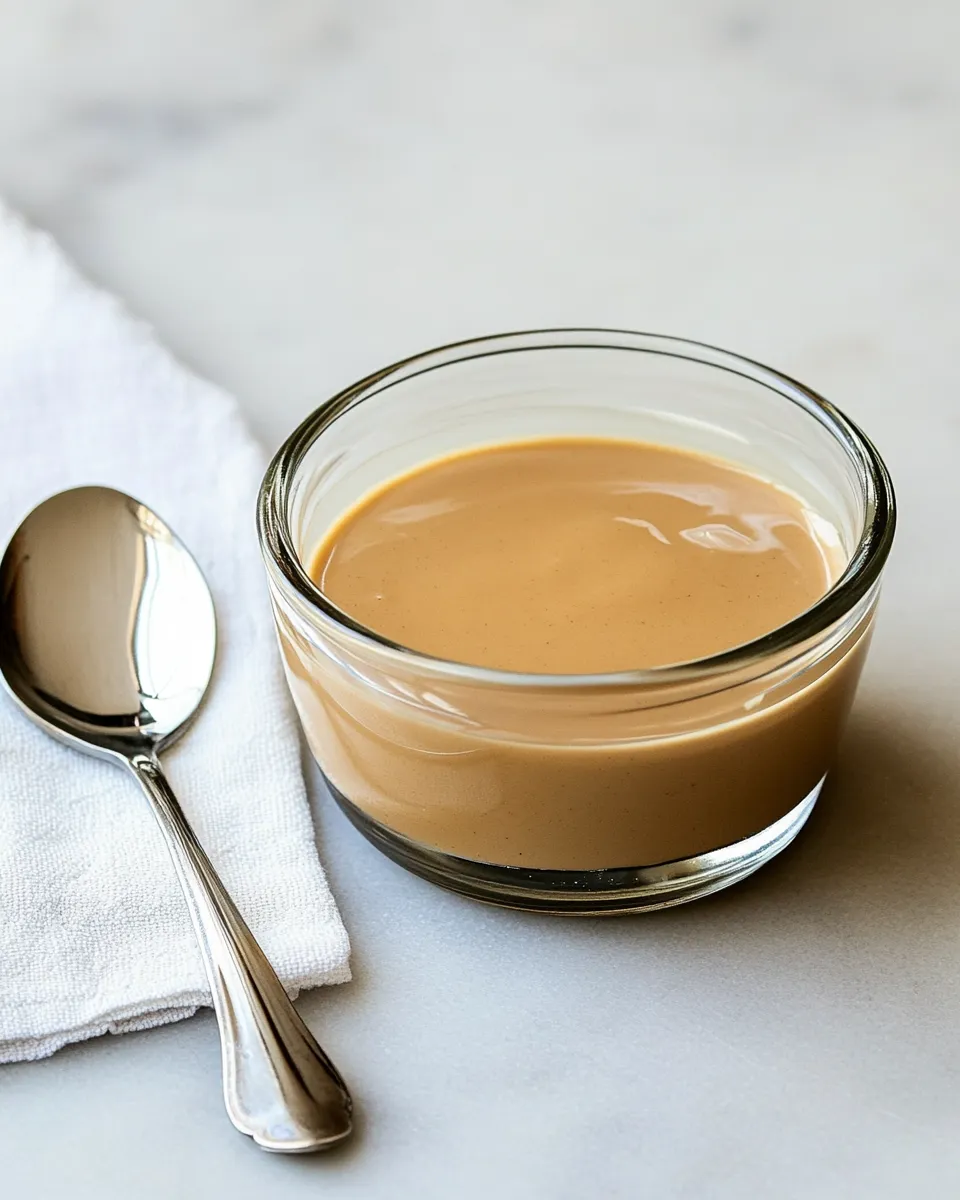
Sesame Ginger Dressing
Equipment
- 8-ounce jar with tight-fitting lid
- personal blender
- microplane (optional)
- Cutting Board
Ingredients
Ingredients
- 1/4 cupolive oil
- 2 tablespoonstoasted sesame oil
- 3 tablespoonsrice vinegar
- 2 tablespoonshoney
- 1 tablespoontamari gluten-free soy sauce
- 1 garlic clove minced
- 1 inchfresh ginger minced
- 1 teaspoonsriracha or more to taste
- 1/4 teaspoonfine sea salt
Instructions
Instructions
- Gather an 8-ounce (or larger) jar with a tight-fitting lid or a personal blender and the measured ingredients.
- Add to the jar in this order: ¼ cup olive oil, 2 tablespoons toasted sesame oil, 3 tablespoons rice vinegar, 2 tablespoons honey, 1 tablespoon tamari, 1 garlic clove (finely minced), 1 inch fresh ginger (finely minced), 1 teaspoon sriracha, and ¼ teaspoon fine sea salt. If you have a microplane, grate the garlic and ginger directly into the jar; otherwise finely mince them on a cutting board and add.
- Secure the lid and shake the jar vigorously for about 20–30 seconds until the dressing is well combined and slightly emulsified. Alternatively, blend the ingredients in a personal blender for 10–20 seconds for a creamier texture.
- Taste the dressing and adjust using the existing ingredients as needed: more honey for sweetness, more sriracha for heat, or a bit more tamari or salt for saltiness. After any adjustment, shake or blend again to combine.
- Use the dressing immediately or store it in an airtight container in the refrigerator for up to 5 days. If it thickens when chilled, let it come to room temperature briefly and shake well before serving.
Notes
Nutrition information is for approximately 2 tablespoons of dressing, assuming you get 3/4 cup total from this batch. This information is automatically calculated using generic ingredients, so it’s just an estimate, not a guarantee.