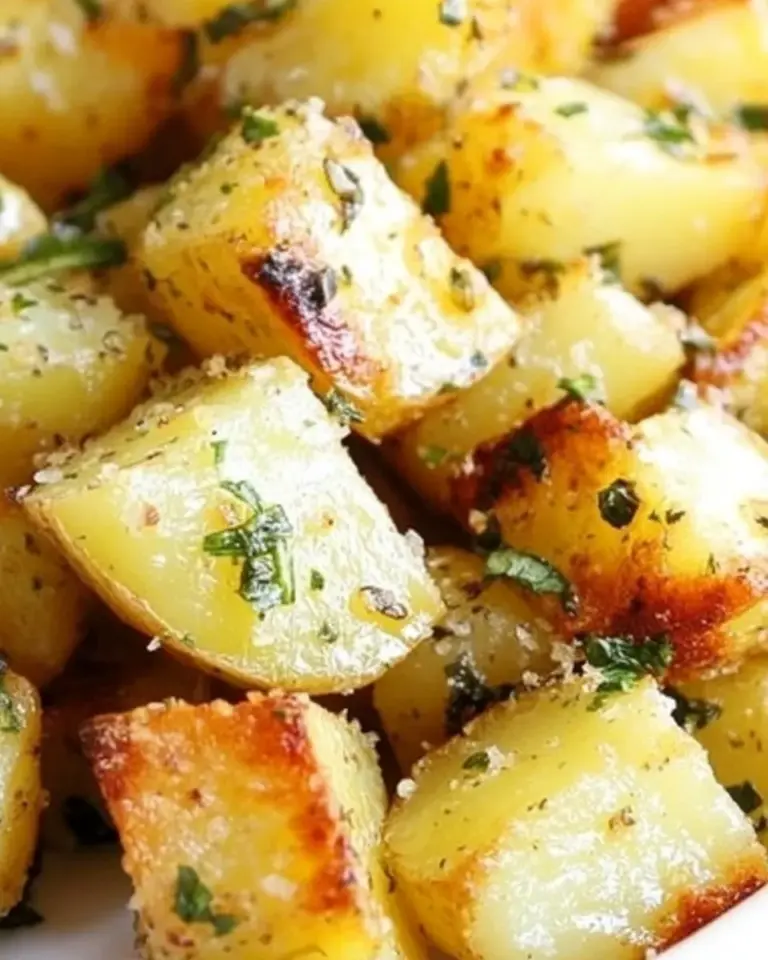
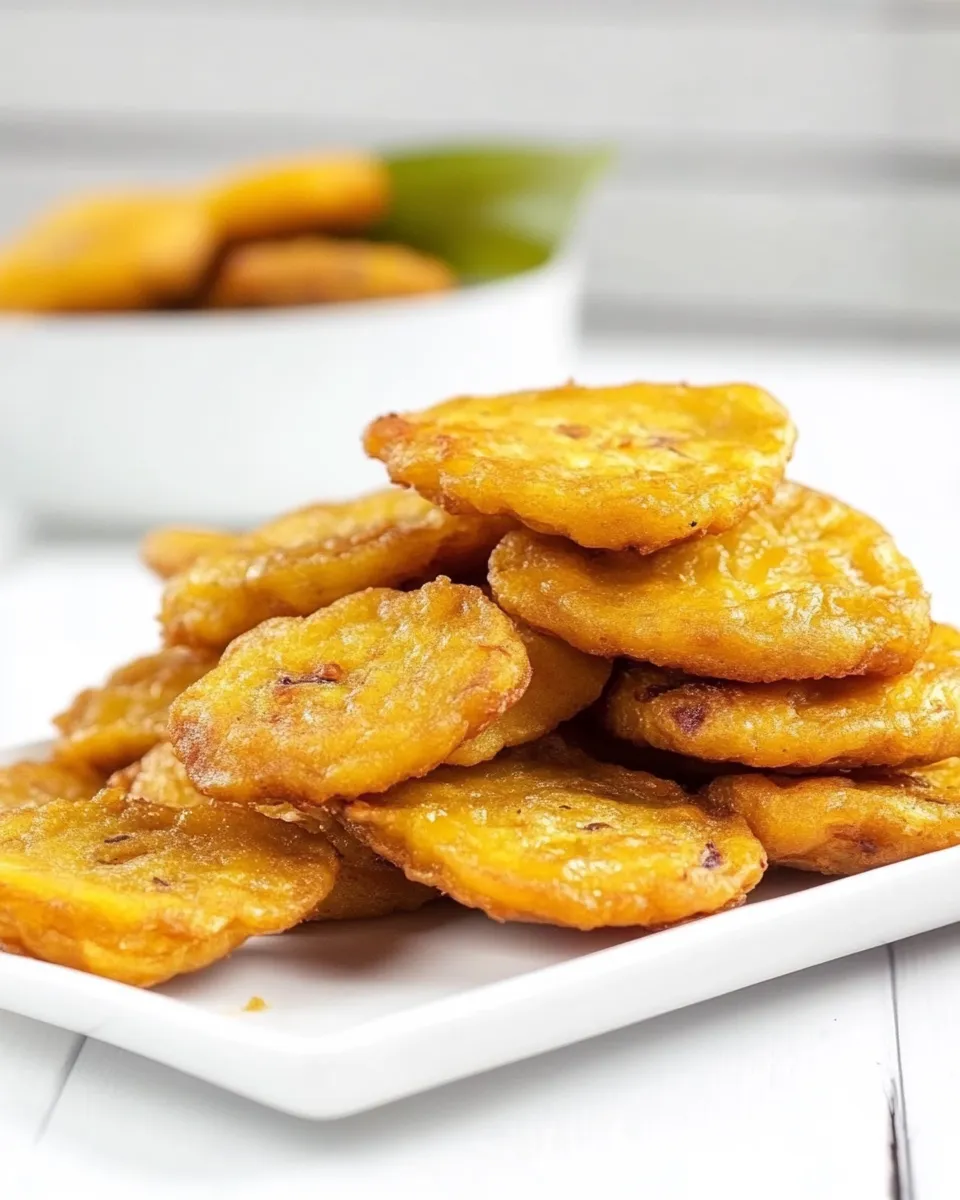
Crunchy, garlicky tostones are one of those small pleasures I happily make again and again. They take simple, everyday ingredients and turn them into something addictive: golden edges, tender interior, and that garlicky kick that keeps you reaching for another. This version is straightforward and faithful to tradition, and it fits into a busy weeknight or a relaxed weekend gathering.
I like to think of tostones as the crunchy sibling to ripe-plantain fritters; they play well with bold flavors and are sturdy enough for dips, salsas, or just a squeeze of lime. Once you get the rhythm of frying, flattening, and frying again, the process feels almost meditative. The recipe below walks you through every step so you can be confident from first slice to final sprinkle of salt.
Keep your tools handy and give yourself a little counter space. The technique matters more than fancy ingredients. With one pan, a mortar and pestle (or a substitute), and a steady heat, you’ll have fresh tostones in under 30 minutes. Let’s get to it.
The Ingredient Lineup
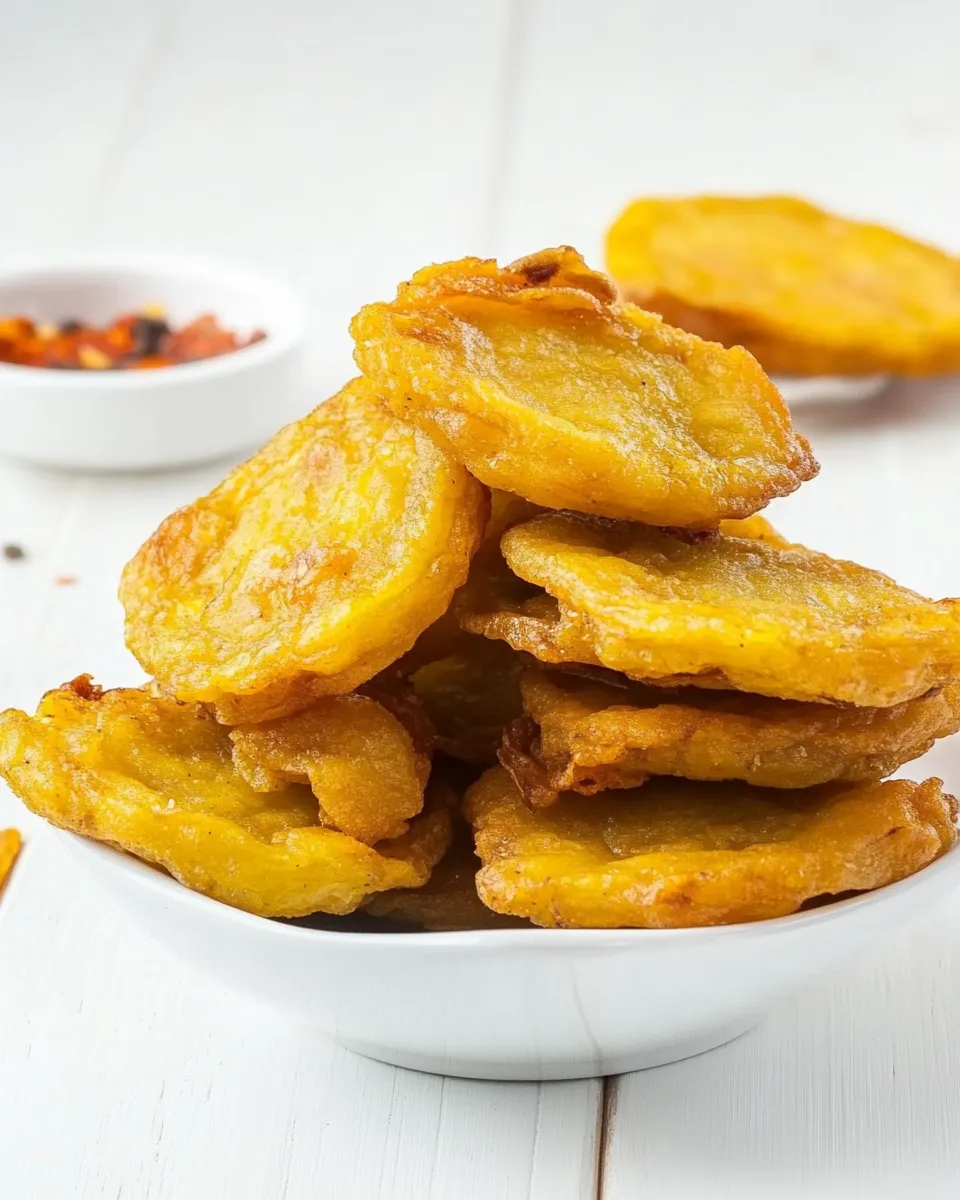
Ingredients
- 800 g green plantains (4 plantains) — the base of the recipe; green (unripe) plantains give the firm texture needed for double-frying.
- 8 garlic cloves — crushed into a paste to flavor the flattened plantains; this creates the characteristic garlicky layer.
- salt to taste — seasons at two stages: a small pinch while making the paste and a final sprinkle after frying to bring out the flavors.
- 470 ml cooking oil for frying — enough oil for shallow frying in a large pan; pick a neutral oil with a high smoke point.
Tostones: Fried Green Plantains: How It’s Done
- Trim the ends off 4 green plantains (about 800 g). Make a shallow lengthwise slit through the skin and peel off the skin.
- Cut the peeled plantains into 1-inch (≈2.5 cm) thick slices.
- Pour all 470 ml cooking oil into a large frying pan or skillet and heat over medium-high until the oil is hot and shimmering.
- Working in a single layer (do not overcrowd the pan), carefully add the plantain slices to the hot oil. Fry about 2–3 minutes per side, until they are lightly golden. Use tongs or a slotted spoon to turn them.
- Transfer the fried slices to a paper towel–lined plate to drain and cool briefly.
- Flatten each fried slice to about half its original thickness using a tostonera or the flat bottom of a glass/jar. (Place the slice between two sheets of paper towel or a clean surface to prevent sticking.)
- In a mortar and pestle, crush the 8 garlic cloves with a small pinch of the salt (from the “salt to taste”) until you have a garlic paste.
- Spread a small amount of the garlic paste onto one side of each flattened plantain.
- Reheat the oil if it has cooled. Return the flattened, garlic-topped plantains to the hot oil and fry about 1–2 minutes per side, until crispy and golden brown.
- Remove the tostones to a paper towel–lined plate to drain. Sprinkle additional salt to taste and serve hot.
Why You’ll Love This Recipe
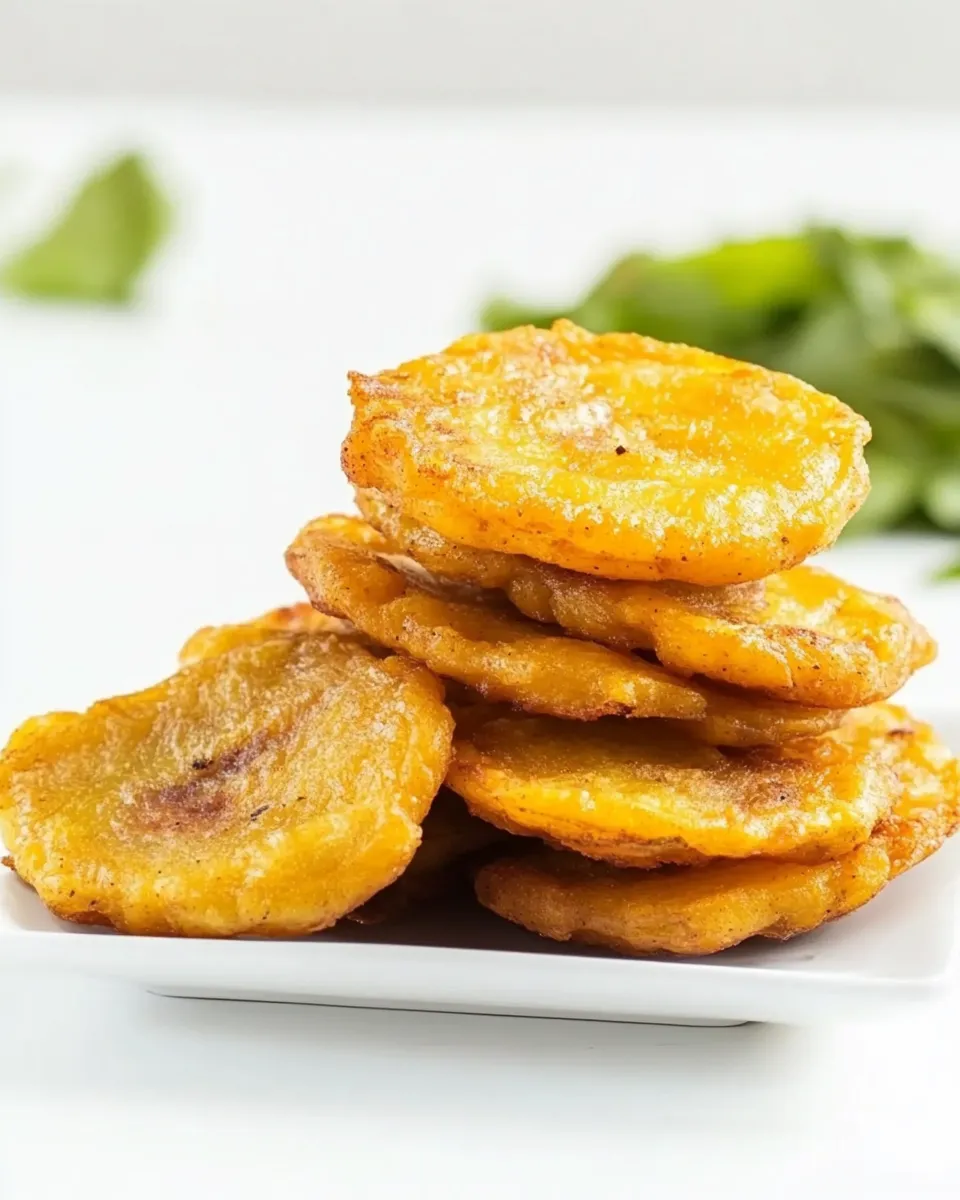
Tostones are reliable comfort food that never feels heavy or fussy. They deliver a satisfying crunch, a mild starchy bite from the plantain, and that punch of garlic that makes each bite memorable. The method is forgiving: if your first batch is slightly uneven, the second fry evens things out. The recipe scales easily. Make a few extra for friends, and they’ll disappear fast.
These tostones also slot into lots of eating contexts. Use them as an appetizer with salsa or guacamole, stack them under shredded meats for a handheld bite, or serve them alongside a simple salad for contrast. They’re naturally gluten-free and, as written here, naturally vegan—so they fit many dietary preferences without modification.
Vegan & Vegetarian Swaps
This recipe is already vegan and vegetarian. The garlic paste is plant-based, and the frying oil does the work of seasoning and texture. That makes tostones a great base for many toppings and sides.
If you want to add a creamy topping without dairy, try a simple avocado mash or a vegan mayo mixed with lime and chopped cilantro. For vegetarians who enjoy dairy, a small dollop of crema or crumbled queso fresco complements the crispness very well. Keep the plantain technique the same—it’s the reliable core.
Tools & Equipment Needed
- Large frying pan or skillet — wide enough to hold slices in a single layer. A heavy-bottomed pan helps maintain even heat.
- Tongs or slotted spoon — for turning and removing plantains safely.
- Tostonera or flat-bottomed glass/jar — to flatten the fried slices evenly. If using a jar, place a sheet of paper towel under and over the slice.
- Mortar and pestle — to crush garlic into a paste. A small bowl and the back of a spoon will work in a pinch.
- Paper towels — for draining excess oil between fry stages.
- Sharp knife and cutting board — to trim and slice plantains cleanly.
Watch Outs & How to Fix
- Plantains won’t peel easily: If the skin resists, score a longer slit and pry gently with the tip of the knife; younger plantains peel more readily when the slit is shallow but continuous.
- Oil isn’t hot enough (tostones absorb oil): If the slices soak up oil and feel greasy, increase the heat slightly next time and wait for the oil to shimmer. Use a small test slice before adding a full batch.
- They’re not crispy after the second fry: Make sure you flattened them to about half their thickness. Also, the oil needs to be hot again before the second fry. If you rushed the second fry in cool oil, reheat the oil and give them another 30–60 seconds per side.
- They’re bitter or scorched: Bitter flavor can result from overcooking or too-high heat. Lower the burner slightly and aim for a steady medium-high. If a batch is too dark, start a fresh batch with clean oil.
- Garlic is too strong or raw-tasting: Crush the garlic into a smooth paste; this mellows its bite. If it still seems harsh, use slightly less on the first bake and add more to taste after frying is complete.
How to Make It Lighter
If you want to reduce oil without losing too much crunch, try a few approaches. After the first fry, place the slices on a cooling rack over a paper towel instead of directly on the towel; this prevents them from reabsorbing oil. Drain thoroughly after each fry.
Another option is to shallow-fry with less oil and finish in a hot oven or under a broiler for a minute or two to crisp. This changes texture slightly but cuts overall oil used. If you choose to bake entirely, know that texture will be softer and the method will differ—so expect a different final bite, but still tasty and lighter.
Cook’s Notes
Pick plantains that are green and firm for this recipe. The ripeness level matters: yellow plantains are sweeter and softer, and they won’t yield the same sturdy, starchy bite. When trimming, aim to remove just the very ends so you lose minimal flesh.
Crushing garlic in a mortar and pestle releases oils that cling to the flattened plantain. Spread it thinly so the garlic flavors permeate without overpowering. A little goes a long way. If you’re making a large batch, refresh the oil between rounds or skim crumbs from the pan to avoid burning residues.
Salt at two stages: a small pinch with the garlic paste to help extract flavor, then a finishing sprinkle to taste. Salted right, the contrast with the crunchy exterior and the slightly creamy interior is irresistible.
Storage Pro Tips
- Short term (same day): Keep tostones on a rack at room temperature and consume within a few hours for best crunch. If stacked, place paper towel layers between them to avoid steaming.
- Refrigerating: Store cooled tostones in an airtight container for up to 2 days. They’ll lose crispness but keep flavor.
- Reheating: Re-crisp in a preheated oven at 200°C (about 400°F) for 5–8 minutes, or toast in a skillet over medium heat for a couple of minutes per side. Avoid the microwave; it makes them soggy.
- Freezing: Not recommended for best texture. If you must, flash-freeze on a tray then transfer to a bag; reheat in a hot oven until crisp. Expect some quality loss.
Common Questions
- Can I use yellow or ripe plantains? You can, but they’ll be sweeter and softer; they won’t hold up the same way during the double-fry and will produce a different taste and texture.
- What if I don’t have a mortar and pestle? Use a bowl and the back of a spoon or the flat side of a knife to mash the garlic into a paste. A small food processor also works for larger quantities.
- How do I know the oil is hot enough? Oil should shimmer and flow smoothly. Drop a small piece of plantain in; it should sizzle immediately and begin to bubble around the edges.
- Is tostonera necessary? It helps make evenly flattened tostones, but a heavy glass or jar works fine—just protect the plantain with paper towels to prevent sticking.
Serve & Enjoy
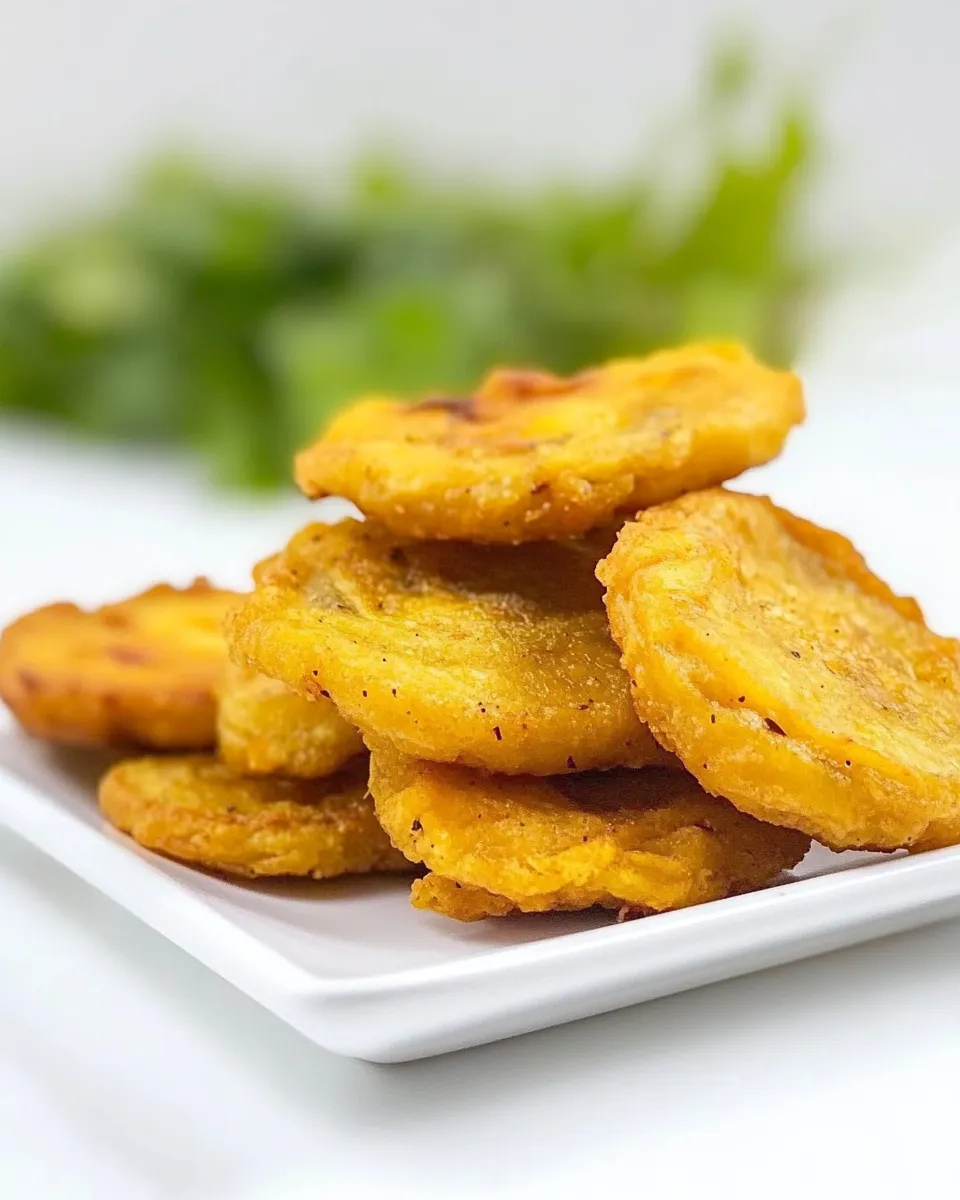
Serve tostones hot with a simple accompaniment: lime wedges for brightness, a garlicky mojo, or a chunky tomato salsa. They’re perfect as an appetizer or as an accompaniment to grilled fish, roasted chicken, or a hearty bean stew. I like arranging them in a single layer on a platter, each one topped with a tiny dollop of whatever sauce I’m using, ready for guests to pick up.
They’re best eaten right away—crisp, warm, and fragrant. And if you have leftovers, reheat them until they crisp. The second time around, they’re still delightful. Enjoy the crunch, the garlic, and the small satisfaction of a job well fried.
Tostones: Fried Green Plantains
Equipment
- Large frying pan or skillet
- Tongs
- Slotted Spoon
- Paper Towels
- tostonera or flat-bottomed glass/jar
- mortar and pestle
- Plate
Ingredients
Ingredients
- 800 ggreen plantains 4 plantains
- 8 garlic cloves
- saltto taste
- 470 mlcooking oilfor frying
Instructions
Instructions
- Trim the ends off 4 green plantains (about 800 g). Make a shallow lengthwise slit through the skin and peel off the skin.
- Cut the peeled plantains into 1-inch (≈2.5 cm) thick slices.
- Pour all 470 ml cooking oil into a large frying pan or skillet and heat over medium-high until the oil is hot and shimmering.
- Working in a single layer (do not overcrowd the pan), carefully add the plantain slices to the hot oil. Fry about 2–3 minutes per side, until they are lightly golden. Use tongs or a slotted spoon to turn them.
- Transfer the fried slices to a paper towel–lined plate to drain and cool briefly.
- Flatten each fried slice to about half its original thickness using a tostonera or the flat bottom of a glass/jar. (Place the slice between two sheets of paper towel or a clean surface to prevent sticking.)
- In a mortar and pestle, crush the 8 garlic cloves with a small pinch of the salt (from the "salt to taste") until you have a garlic paste.
- Spread a small amount of the garlic paste onto one side of each flattened plantain.
- Reheat the oil if it has cooled. Return the flattened, garlic-topped plantains to the hot oil and fry about 1–2 minutes per side, until crispy and golden brown.
- Remove the tostones to a paper towel–lined plate to drain. Sprinkle additional salt to taste and serve hot.