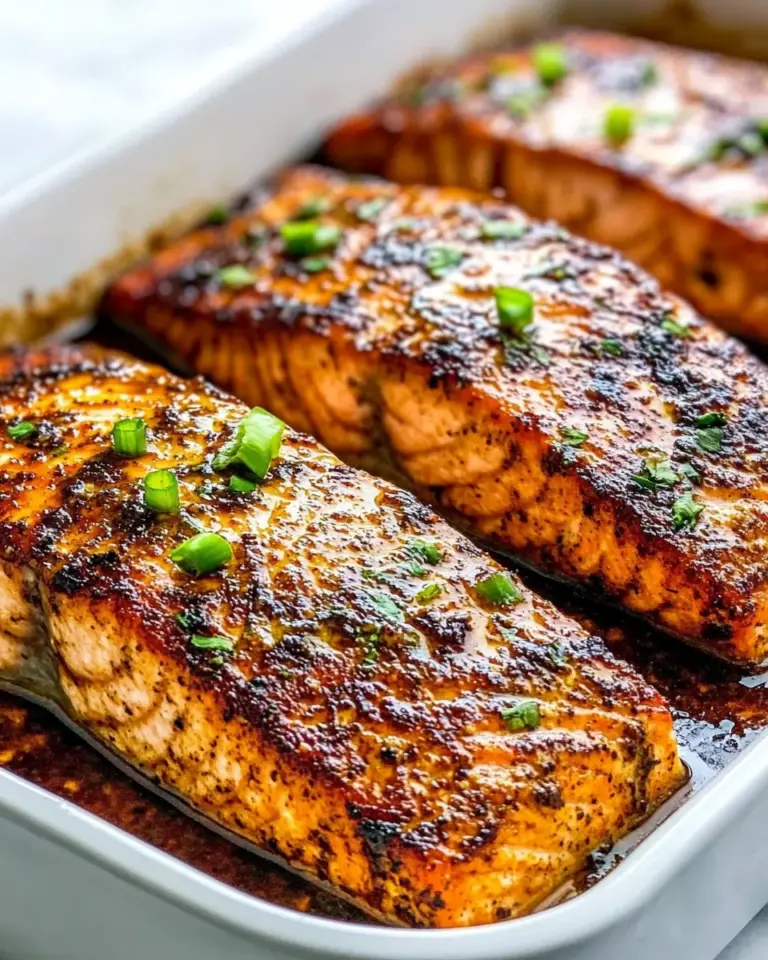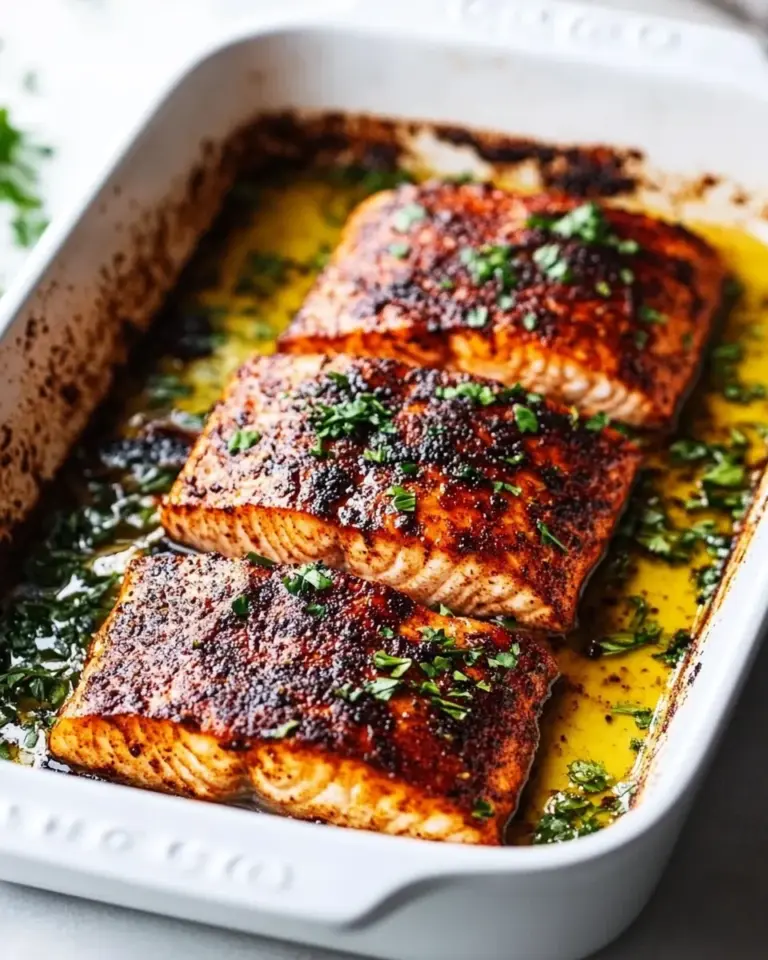
This soy honey salmon is the sort of weeknight recipe I lean on when I want something fast, reliable, and undeniably tasty. It balances sweet and savory with a glossy glaze that caramelizes under the broiler to give the fish a sticky, slightly crisp top. The method is straightforward and forgiving, which is exactly what you want after a long day.
I test a lot of salmon recipes and keep coming back to this one because it respects the fish. It amplifies the salmon’s natural richness instead of masking it. Little tricks in the timing and the finishing broil make all the difference—tiny adjustments that turn a good meal into a memorable one.
You’ll find notes on swaps, common mistakes, and how to make this ahead if you need to. Read the steps once, gather the ingredients, and you’ll be set. Let’s get to it.
Gather These Ingredients
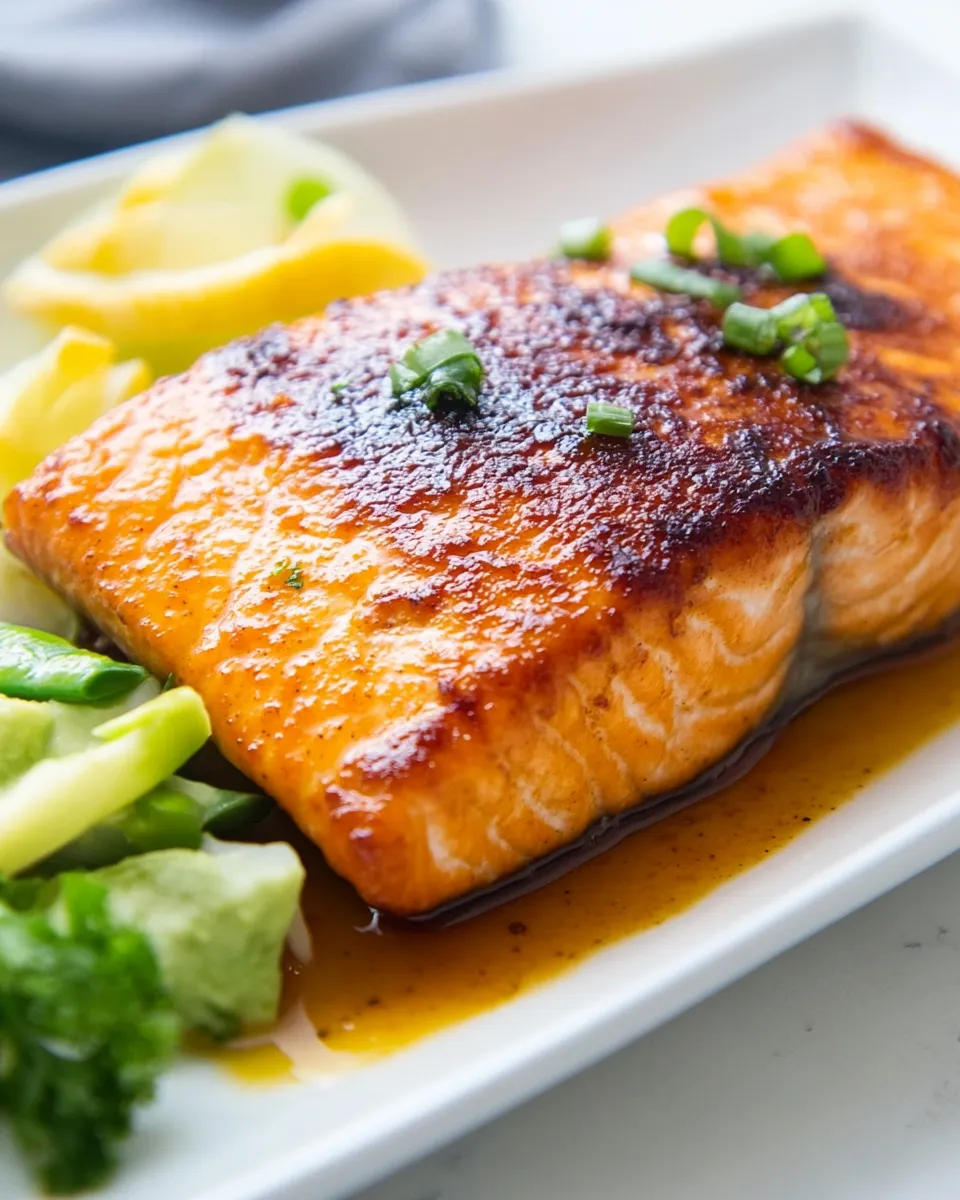
- 1 Tbsp avocado oil or olive oil — light coating to help the seasonings stick and promote even browning.
- 1 ½ to 2 lbs fresh salmon cut into individual filets — the main ingredient; choose similar-thickness fillets for even cooking.
- 1 1/2 tsp sea salt to taste — seasons the fish and enhances all other flavors.
- 2 tsp garlic powder — adds savory depth without overpowering the honey glaze.
- 1 tsp paprika — gives color and a touch of warmth.
- ¼ cup honey — creates the sweet, caramelized glaze.
- 2 Tbspliquid aminos or soy sauce — brings umami and salt; liquid aminos is a slightly milder alternative.
Mastering Soy Honey Salmon: How-To
- In a small bowl, stir together 1/4 cup honey and 2 Tbsp liquid aminos or soy sauce until combined. If the honey is hard or crystallized, microwave the honey (or the combined mixture) for 10–20 seconds, or until it softens enough to stir. Set the glaze aside.
- Preheat the oven to 400°F (200°C). Place an oven rack in the lower third of the oven (about the second closest to the bottom). Lightly spray a baking sheet or casserole dish with cooking oil.
- Arrange the 1 1/2 to 2 lbs salmon, cut into individual filets, in a single layer on the prepared baking sheet (place skin-side down if the fillets have skin).
- Drizzle or brush the 1 Tbsp avocado oil or olive oil over the salmon so each fillet has a light, even coating.
- Evenly sprinkle the salmon with 1 1/2 tsp sea salt (or to taste), 2 tsp garlic powder, and 1 tsp paprika.
- Bake on the lower oven shelf for 10 minutes.
- Move an oven rack to the upper third of the oven (second from the top if available) and change the oven setting to Broil (High). Broil the salmon for 4–6 minutes, watching closely, until the tops are nicely browned and crisp.
- Remove the salmon from the oven and drizzle or brush half of the prepared glaze evenly over the fillets. Return the salmon to the broiler and broil 1–2 minutes more, until the glaze is slightly bubbly and caramelized. Watch carefully to avoid burning.
- Remove the salmon from the oven and let it rest at least 5 minutes. Drizzle the remaining glaze over the fillets just before serving.
Why This Soy Honey Salmon Stands Out
There are three things that make this recipe sing: the balance, the texture, and the timing. The soy element pulls the glaze toward savory and umami. Honey brings the sweet note and the ability to caramelize. Together they create a glaze that crisps while the fish remains tender underneath.
The two-stage oven approach—bake first, then broil—delivers dependable results. Baking cooks the fish gently through, preserving moisture. The broil then finishes it fast, creating color and a lacquered top. That small maneuver keeps the salmon from drying out while still delivering a pleasing bite.
Finally, the seasoning is simple and strategic: salt, garlic powder, and paprika. They are enough to season without cluttering the glaze. The result is a dish that tastes layered and intentional, not overworked.
Swap Guide
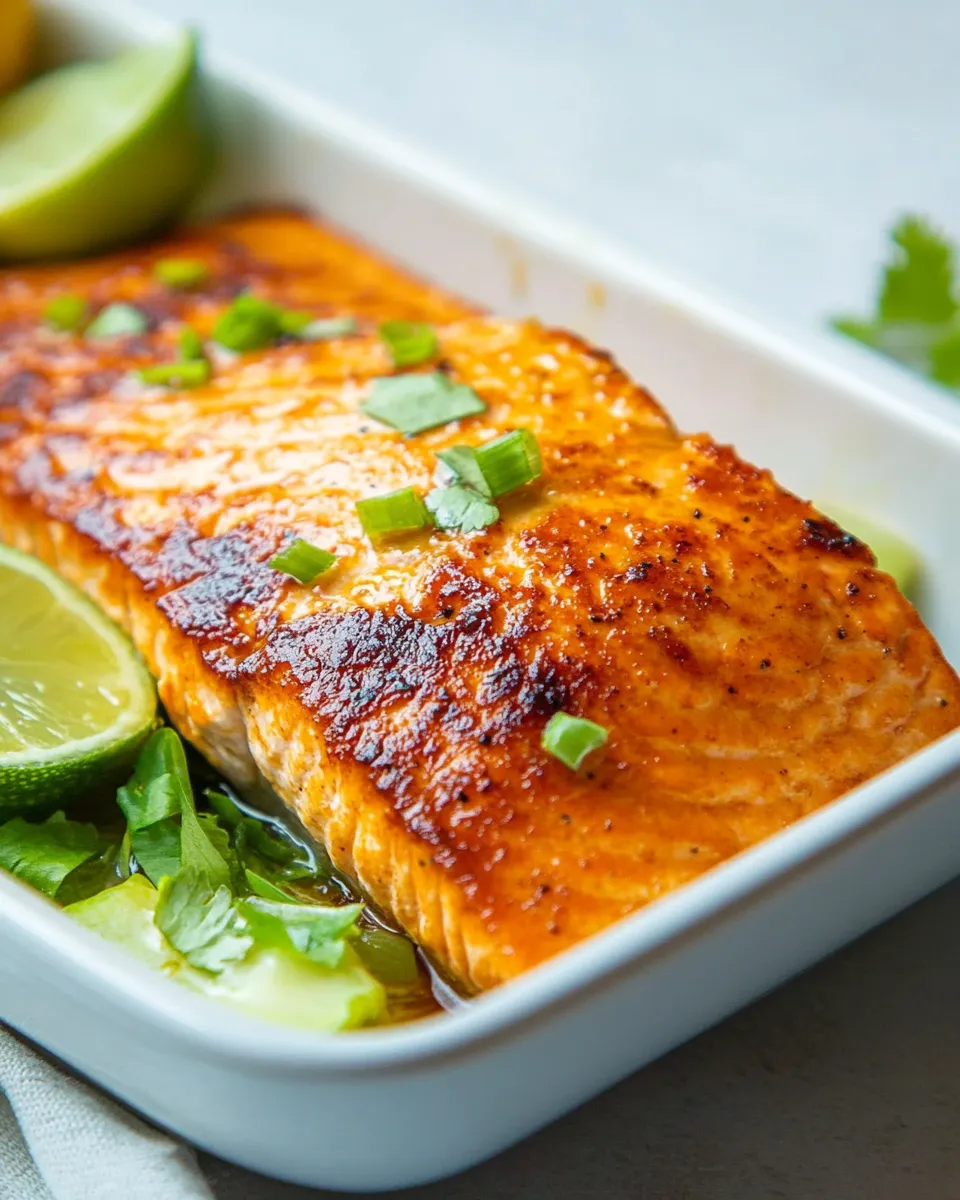
Want to tweak something? Keep swaps minimal and purposeful so the glaze still behaves the same in the oven.
- Oil: Avocado oil or olive oil both work. Avocado oil tolerates heat well and has a neutral flavor; olive oil adds a touch of fruitiness. Use what’s on hand.
- Sauce: Liquid aminos and soy sauce are interchangeable here. If you prefer lower sodium, choose a low-sodium soy sauce but reduce additional salt accordingly.
- Sweetness: The recipe is written for honey. If you feel you must substitute, test small batches—different sweeteners caramelize differently and can change timing and flavor.
- Fish cuts: If you buy whole fillets, cut them into individual portions for even cooking. Skin-on fillets go skin-side down and cook beautifully under this method.
Equipment Breakdown
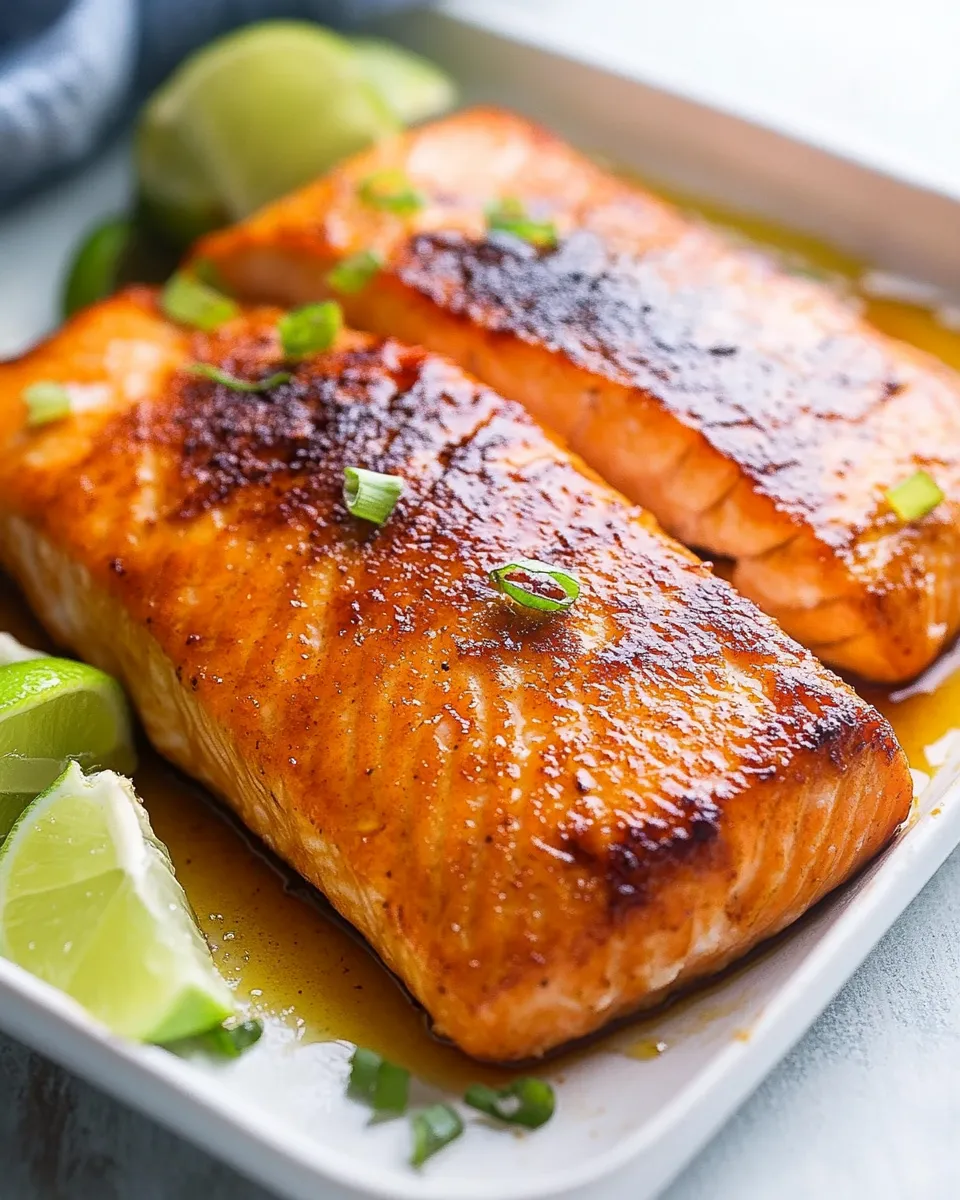
Nothing fancy is required. These are the tools that make the process smoother.
- Oven with a broil setting — essential for the finishing caramelization.
- Baking sheet or shallow casserole dish — a rimmed baking sheet is easiest for even heat and cleanup.
- Small mixing bowl — for the honey and soy mixture.
- Basting brush or spoon — to apply glaze evenly.
- Measuring spoons/cups — precise amounts matter with the glaze balance.
- Instant-read thermometer (optional) — helpful if you prefer precise doneness; aim for 120–125°F for medium-rare to 130–135°F for medium, depending on preference.
Pitfalls & How to Prevent Them
There are a few predictable missteps, and they’re easy to avoid.
- Burnt glaze: Honey burns quickly. When broiling, watch the fish closely and keep the broiler rack a safe distance so the glaze caramelizes instead of blackening.
- Uneven cooking: Fillets of different thicknesses will finish at different times. Trim or group similar-thickness pieces together so everything finishes evenly.
- Undercooked center: If you skip the initial bake or shorten it too much, the center may remain raw. Follow the bake-then-broil sequence for reliable doneness.
- Too salty: If you use a salty soy sauce, adjust the added sea salt down. Taste the glaze before applying if you’re unsure.
Holiday & Seasonal Touches
This dish plays nicely on special tables. For holidays, double the batch and arrange fillets on a platter with a few simple garnishes. A sprinkle of toasted sesame seeds or thinly sliced green onions adds contrast and a finished look.
Seasonally, serve it alongside lightly dressed greens in spring or roasted root vegetables in winter. The rich glaze pairs well with bright, acidic sides and helps the salmon stand up to bolder accompaniments.
What Could Go Wrong
Here are things I’ve seen more than once and how I’d fix them.
- Glaze too thin: If your honey is runny, you’ll still get a glaze, but it may drip more on the sheet. Use a bit less when brushing for the first application, and watch the broil closely.
- Gummy texture: Overbaking then broiling for too long can produce a dry, gummy fish. Keep the initial bake short and rely on the broiler for color.
- Schedule mishap: If you need to delay serving after broiling, pull the salmon slightly earlier and tent loosely with foil. It will carry through without suffering too much.
Make Ahead Like a Pro
Make-ahead options make this recipe even more practical.
- Glaze: Mix the honey and soy/liquid aminos up to 24 hours ahead. Store covered in the fridge. Bring it to room temperature or warm briefly before using if the honey crystallizes.
- Seasoning: You can oil and season the salmon and refrigerate it for up to an hour before baking. Avoid applying the glaze in advance; honey will draw moisture out and can prevent proper browning.
- Leftovers: Store leftover cooked salmon in an airtight container for up to 2 days. Gently rewarm in a low oven to preserve texture rather than microwaving.
Popular Questions
Can I use frozen salmon? Yes, but thaw it completely first. Pat it dry before seasoning so the glaze adheres.
Can I grill this instead? You can, but grilling requires care because sugar in the glaze can burn quickly. Grill over medium heat and watch closely.
How do I know when the salmon is done? It should flake easily with a fork and feel firm but still moist. If you use an instant-read thermometer, 120–130°F yields a slightly translucent, tender center; 130–135°F is a more well-done, flakier texture.
Is liquid aminos the same as soy sauce? They are similar in flavor and function here. Liquid aminos is an alternative with a slightly different salt profile; both bring umami to the glaze.
Ready, Set, Cook
This recipe is straightforward: make a simple honey-soy glaze, season and oil the salmon, bake to cook through, broil to finish, then glaze twice for that shiny, caramelized top. The method gives you control and reliable, repeatable results.
Start by gathering the ingredients and preheating your oven. Follow the steps as written, keep an eye on the broiler, and you’ll have a fast, elegant dinner on the table. Serve with a crisp salad or steamed rice and enjoy the kind of home-cooked meal that feels special without fuss.
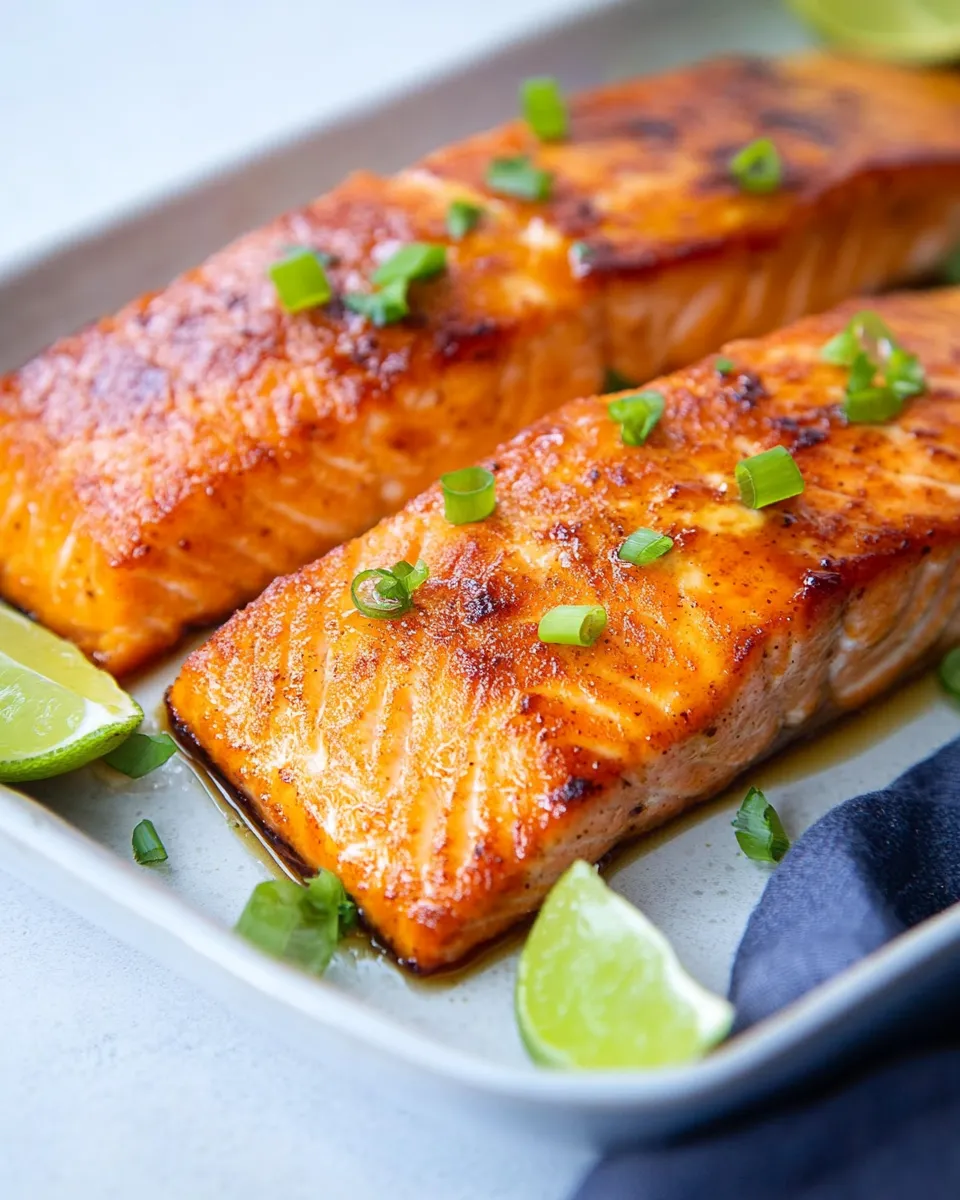
Soy Honey Salmon
Equipment
- Oven
- Baking Sheet
- Small Bowl
Ingredients
Ingredients
- 1 Tbspavocado oil or olive oil
- 1 1/2 to 2 lbsfresh salmoncut into individual filets
- 1 1/2 tspsea saltto taste
- 2 tspgarlic powder
- 1 tsppaprika
- 1/4 cuphoney
- 2 Tbspliquid aminos or soy sauce
Instructions
Instructions
- In a small bowl, stir together 1/4 cup honey and 2 Tbsp liquid aminos or soy sauce until combined. If the honey is hard or crystallized, microwave the honey (or the combined mixture) for 10–20 seconds, or until it softens enough to stir. Set the glaze aside.
- Preheat the oven to 400°F (200°C). Place an oven rack in the lower third of the oven (about the second closest to the bottom). Lightly spray a baking sheet or casserole dish with cooking oil.
- Arrange the 1 1/2 to 2 lbs salmon, cut into individual filets, in a single layer on the prepared baking sheet (place skin-side down if the fillets have skin).
- Drizzle or brush the 1 Tbsp avocado oil or olive oil over the salmon so each fillet has a light, even coating.
- Evenly sprinkle the salmon with 1 1/2 tsp sea salt (or to taste), 2 tsp garlic powder, and 1 tsp paprika.
- Bake on the lower oven shelf for 10 minutes.
- Move an oven rack to the upper third of the oven (second from the top if available) and change the oven setting to Broil (High). Broil the salmon for 4–6 minutes, watching closely, until the tops are nicely browned and crisp.
- Remove the salmon from the oven and drizzle or brush half of the prepared glaze evenly over the fillets. Return the salmon to the broiler and broil 1–2 minutes more, until the glaze is slightly bubbly and caramelized. Watch carefully to avoid burning.
- Remove the salmon from the oven and let it rest at least 5 minutes. Drizzle the remaining glaze over the fillets just before serving.
Notes
Salmon is considered fully cooked when it reaches an internal temperature of 145 degrees Fahrenheit. To check the temperature, insert a meat thermometer into the thickest part of the salmon and wait until the numbers stop moving to get your accurate read. The total bake time will vary depending on the thickness of the fish and the temperature of the salmon before it goes into the oven.