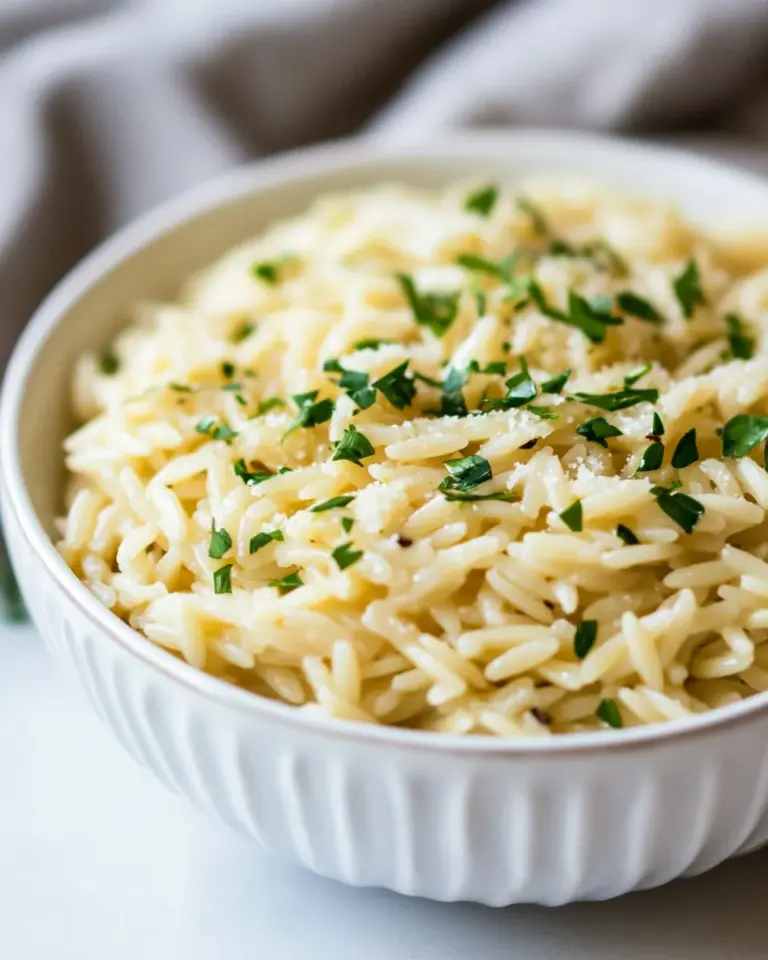
I fell for this dish the first time I tasted it — simple ingredients, immediate comfort. It’s the kind of recipe that reminds you why pantry cooking works: humble components, gentle technique, and a result that sings. No heavy sauce. No fuss. Just pasta threaded with flavored oil, slivers of garlic, a kiss of heat, and a bright hit of parsley.
I write this because Pasta Aglio E Olio is worth making well. It’s forgiving, fast, and endlessly adaptable, but a couple of small details separate good from great: how you treat the garlic, the temperature of the oil, and a bit of reserved pasta water to bring everything together. Follow those small moves and this becomes more than a weeknight fallback — it becomes something you’d choose to serve friends.
If you’re new to this recipe, read through the steps once before you start. Timing is short. Prep is minimal. The payoff is immediate: a glossy, fragrant bowl of pasta that tastes like more effort than it actually requires.
Ingredients at a Glance
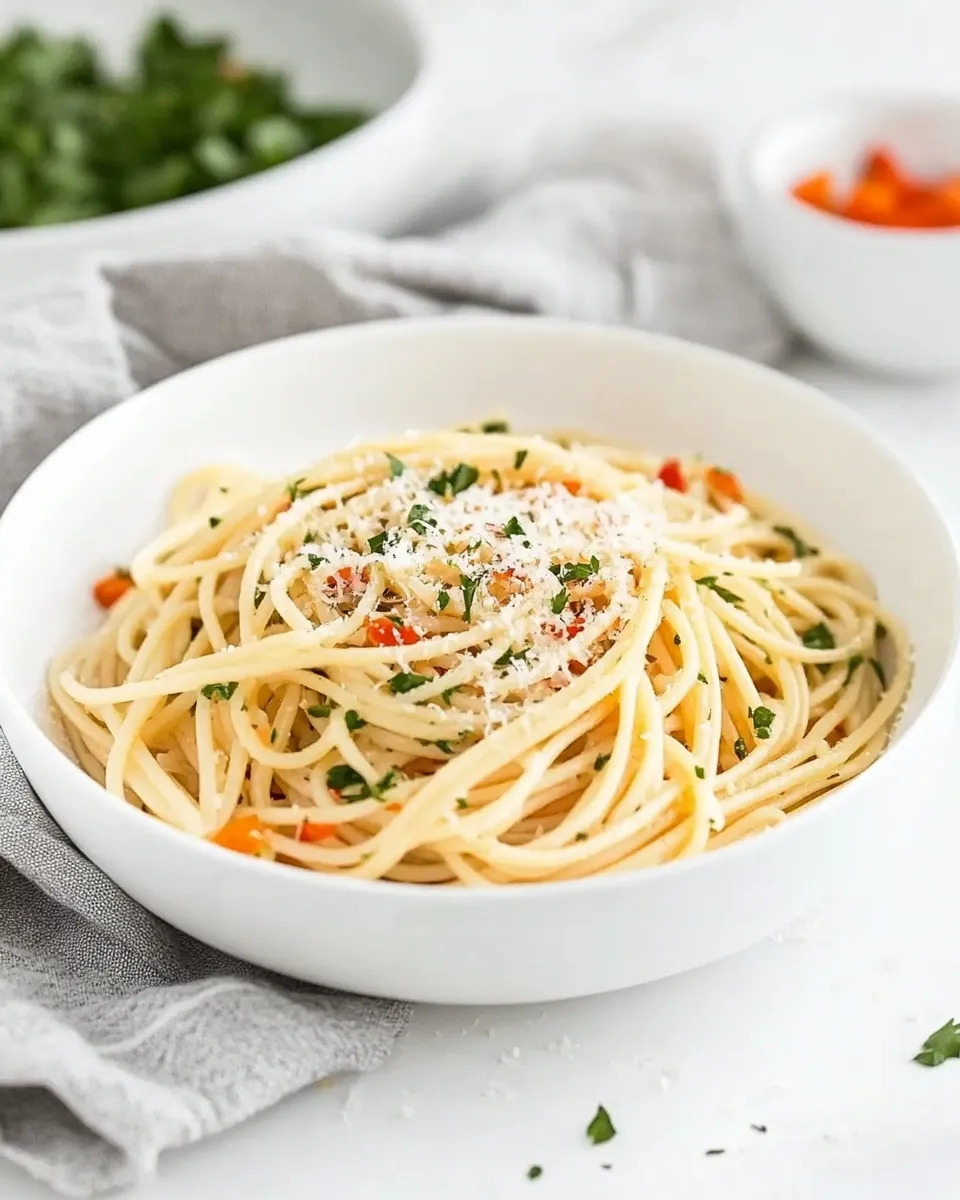
- ½ cup extra virgin olive oil — the sauce base; choose a fruity oil you enjoy because its flavor carries through.
- 3 finely sliced garlic cloves — aroma and savory backbone; thin slices soften in the oil without burning when handled gently.
- 1 seeded and thinly sliced spicy red pepper — adds heat and color; seeding controls the spice level.
- 4 ounces hot pasta water — emulsifies the oil into a silky sauce and helps it cling to the pasta.
- 8 ounces fresh spaghetti pasta — cooks quickly and carries the sauce beautifully; aim for al dente.
- 1 tablespoon chopped fresh flat leaf parsley — brightens and balances the richness; fold in at the end.
- salt to taste — seasons both the cooking water and the finished dish; add gradually and adjust.
Pasta Aglio E Olio: Step-by-Step Guide
- Bring a large pot of salted water to a boil and cook the 8 ounces fresh spaghetti pasta according to the package until al dente. Before draining, reserve 4 ounces hot pasta water, then drain the pasta.
- While the pasta cooks, heat ½ cup extra virgin olive oil in a sauté pan over medium-low heat for about 1 minute until the oil is warm.
- Add the 3 finely sliced garlic cloves to the warm oil and cook, stirring, about 1 minute until fragrant and just tender, taking care not to let the garlic brown.
- Add the 1 seeded and thinly sliced spicy red pepper and cook, stirring, about 1 minute until slightly softened.
- Remove the pan from the heat and immediately pour in the reserved 4 ounces hot pasta water to stop the cooking and loosen the sauce.
- Add the drained spaghetti to the pan and toss or stir with a spatula until the pasta is evenly coated with the oil, garlic, and pepper mixture.
- Sprinkle in the 1 tablespoon chopped fresh flat-leaf parsley and salt to taste; toss once more to combine.
- Transfer to plates and serve immediately.
Why I Love This Recipe
It’s astonishing how a handful of ingredients can deliver so much satisfaction. The technique amplifies each element: garlic macerated in warm oil becomes sweet and mellow; pasta water turns oil into a glossy, clingy sauce that coats every strand. There’s a real elegance to the restraint — no heavy creams or long simmers, just attention to heat and timing.
This recipe is fast but not careless. You pay attention for a few minutes and are rewarded with complex flavor. It’s reliable when you want something impressive without spending an evening in the kitchen. It’s also forgiving: even when your timing isn’t perfect, a squeeze of lemon or extra parsley will tidy things right up.
It’s a dish that translates across seasons and mealtimes: lunch, late-night dinner, or a starter before something larger. Serve it with a simple green salad and good bread and you have a complete, satisfying meal.
Swap Guide
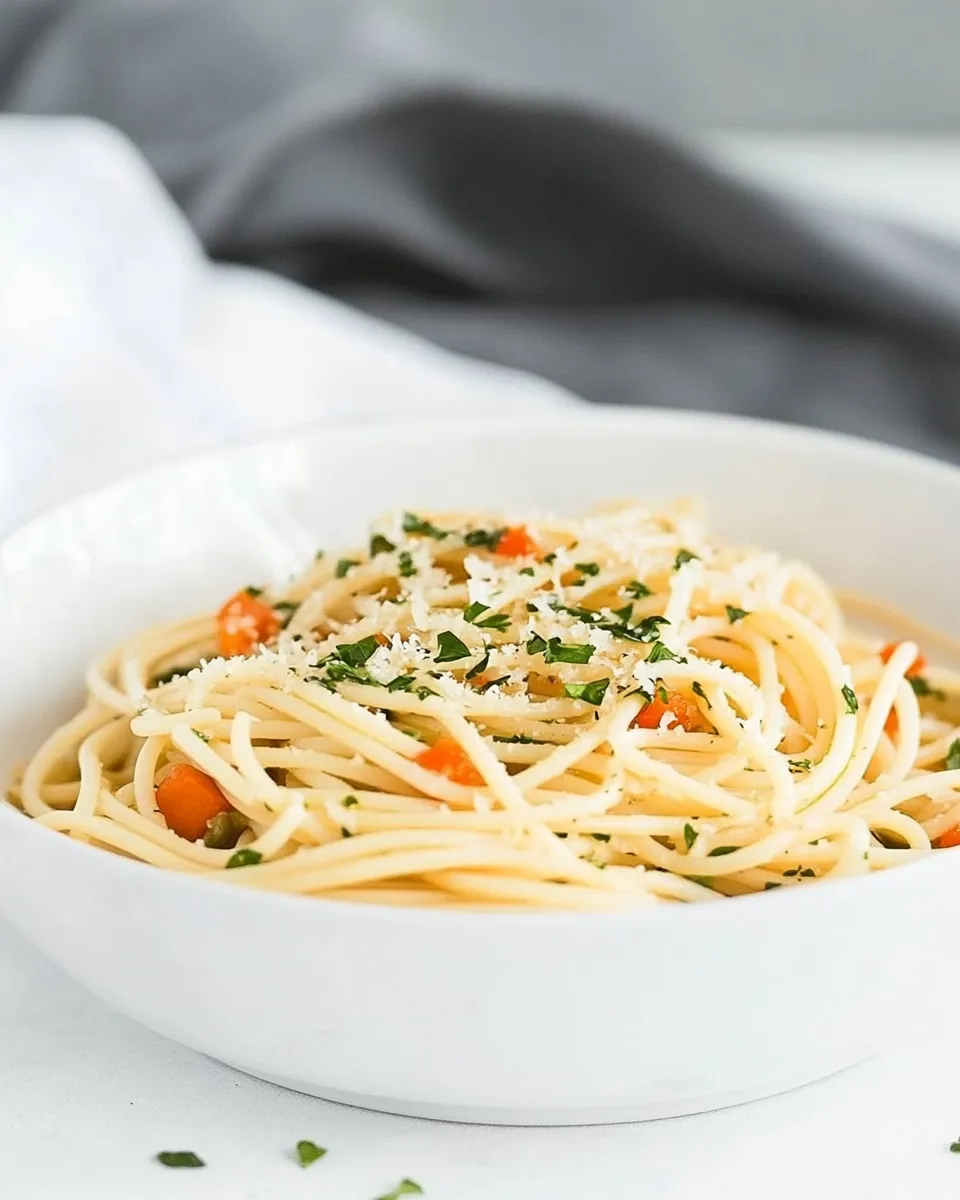
- Spicy red pepper — adjust the heat by using fewer slices or keep the seeds if you want more intensity.
- Garlic form — if you prefer a subtler garlic lift, slice slightly thicker or drop in whole lightly crushed cloves and remove before serving.
- Olive oil — extra virgin gives the most flavor. If it’s too assertive for you, use a milder olive oil but keep the same amount to ensure the sauce emulsifies properly.
- Parsley — if you’re out of fresh parsley, increase salt slightly and finish with a small extra pinch of citrus zest if available; the parsley’s role is brightness, so mimic that with what you already have.
- Fresh pasta — if you don’t have fresh spaghetti, cook dried spaghetti to al dente and proceed the same way; reserve the same 4 ounces hot pasta water.
Before You Start: Equipment
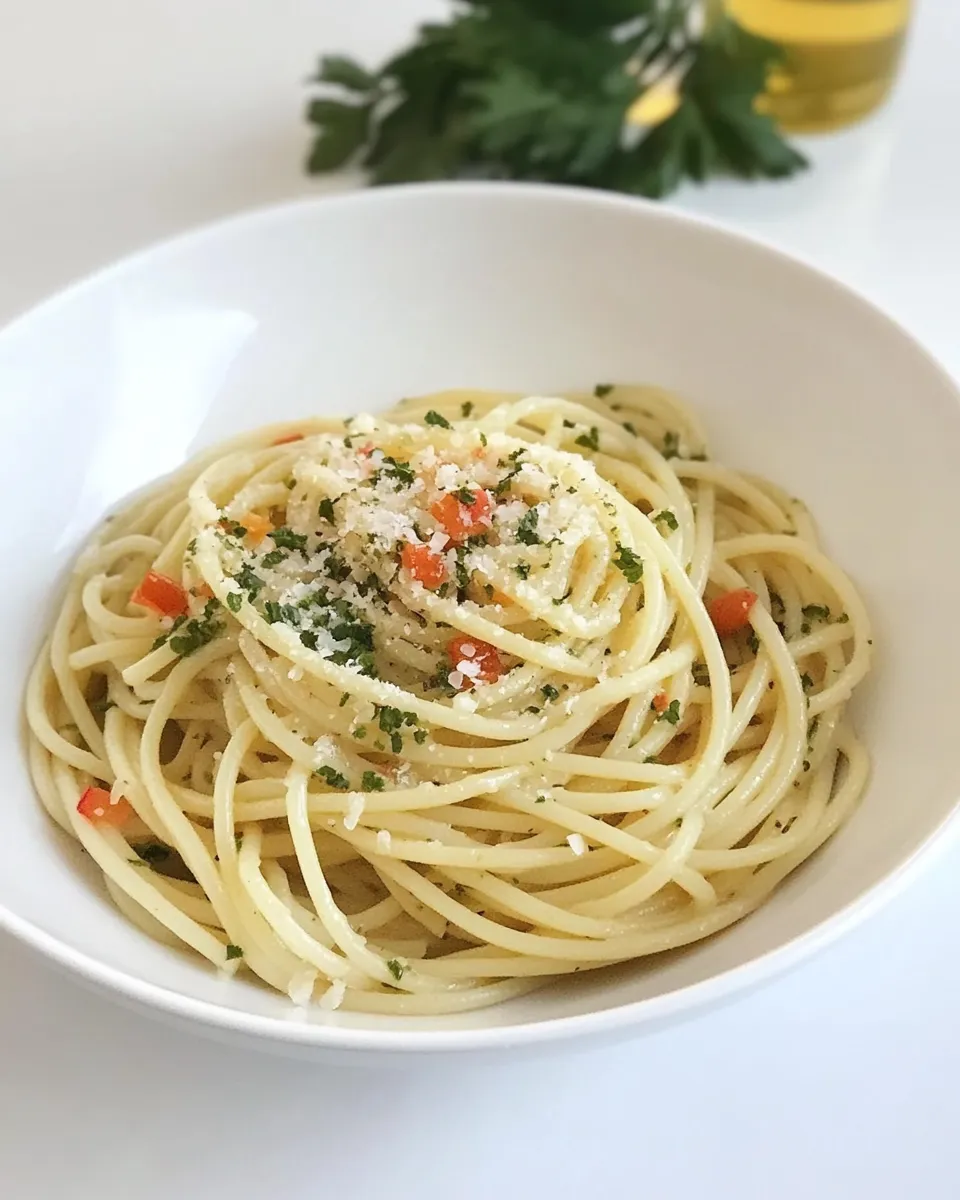
- Large pot for boiling pasta — wide enough so the spaghetti can move freely.
- Slotted spoon or tongs — helpful for lifting pasta and checking doneness.
- Sauté pan (medium to large) — use one with a wide surface so the pasta can be tossed evenly in the sauce.
- Measuring tools — to measure the ½ cup oil and 4 ounces reserved pasta water precisely.
- Sharp knife and cutting board — for slicing the garlic and red pepper thinly and chopping the parsley.
- Ladle or large measuring cup — to reserve exactly 4 ounces of pasta water before draining.
Don’t Do This
- Don’t let the garlic brown. Brown means bitter. Keep the oil at medium-low and watch the garlic closely; remove the pan from the heat when following the recipe sequence.
- Don’t skip reserving the pasta water. That hot water is the emulsifier that turns oil into a silky sauce — without it the oil will pool instead of clinging to the pasta.
- Don’t overcrowd the pan when tossing. Work in a pan large enough to move the pasta so every strand gets an even coat.
- Don’t over-salt at the end. Season incrementally and taste. The pasta and reserved water should carry enough seasoning if the boiling water was properly salted.
Seasonal Ingredient Swaps
- Early spring — if you have tender greens (like chard or baby spinach), lightly wilt a handful into the pan just after adding the pasta for color and texture.
- Summer — add chopped ripe tomatoes off the heat at the end for freshness and a touch of sweetness to balance the heat.
- Autumn/Winter — fold in a small handful of toasted breadcrumbs briefly at the end for crunch and an almost nutty counterpoint to the oil.
Author’s Commentary
I make this when I want food that feels thoughtful but doesn’t demand hours. The trick is intention: warm the oil rather than heat it aggressively; slice garlic thin so it softens quickly; remove from the heat before adding water. Those are small choices that keep the flavors bright and the texture right.
When friends ask for a quick dinner, this is my go-to. It’s forgiving enough to scale and tweak, but it rewards accuracy. A good extra virgin olive oil will shine through, so I don’t skimp there. And when I have it right, the dish feels luxurious — a reminder that simplicity done well is a kind of culinary luxury.
Storage & Reheat Guide
- Short-term storage — transfer cooled leftovers to an airtight container and refrigerate for up to 24 hours. The texture changes fairly quickly because the oil can congeal and the pasta will absorb sauce.
- Reheating — warm gently in a skillet over low heat with a splash of water (or up to 1–2 tablespoons of reserved hot pasta water if you saved some) to loosen the sauce. Toss until just heated through; avoid high heat which dries the pasta.
- Do not freeze — freezing alters the texture of fresh pasta and the oil emulsion, so I don’t recommend it.
Popular Questions
- Can I use dried spaghetti instead of fresh? Yes. Cook dried spaghetti to al dente per package directions. Reserve the same 4 ounces of hot pasta water and follow the recipe. Timing for fresh vs. dried will differ, but technique is the same.
- What if I don’t have spicy red pepper? Use less of a spicy pepper you have on hand and seed it to control heat. If you have only mild peppers, increase quantity slightly to maintain the flavor presence.
- How do I stop the garlic from becoming bitter? Keep the oil at medium-low and remove the pan from the heat when instructed. Garlic browns quickly; once it starts to color, it will develop a bitter edge.
- Why reserve pasta water? The starchy hot water creates an emulsion with oil, turning it into a glossy sauce that clings to the pasta instead of pooling at the bottom of the plate.
- Can I add cheese? Traditional Aglio e Olio is typically served without cheese, but a light grating of hard cheese can be added if you like. If you do, toss quickly with a splash of hot pasta water to help it incorporate.
Bring It to the Table
This dish arrives best hot and simple. Plate immediately after tossing so the sauce stays glossy. If you’re serving guests, have bowls warmed and a small bowl of extra olive oil or crushed pepper on the table for anyone who wants to adjust heat. A plain green salad and crusty bread make excellent companions.
Final practical note: taste as you go. Salt the pasta water well at the start, watch the garlic, and add the reserved pasta water to unite the sauce. Those three moves are all you need to turn basic pantry items into a dish that feels like a little celebration. Enjoy.
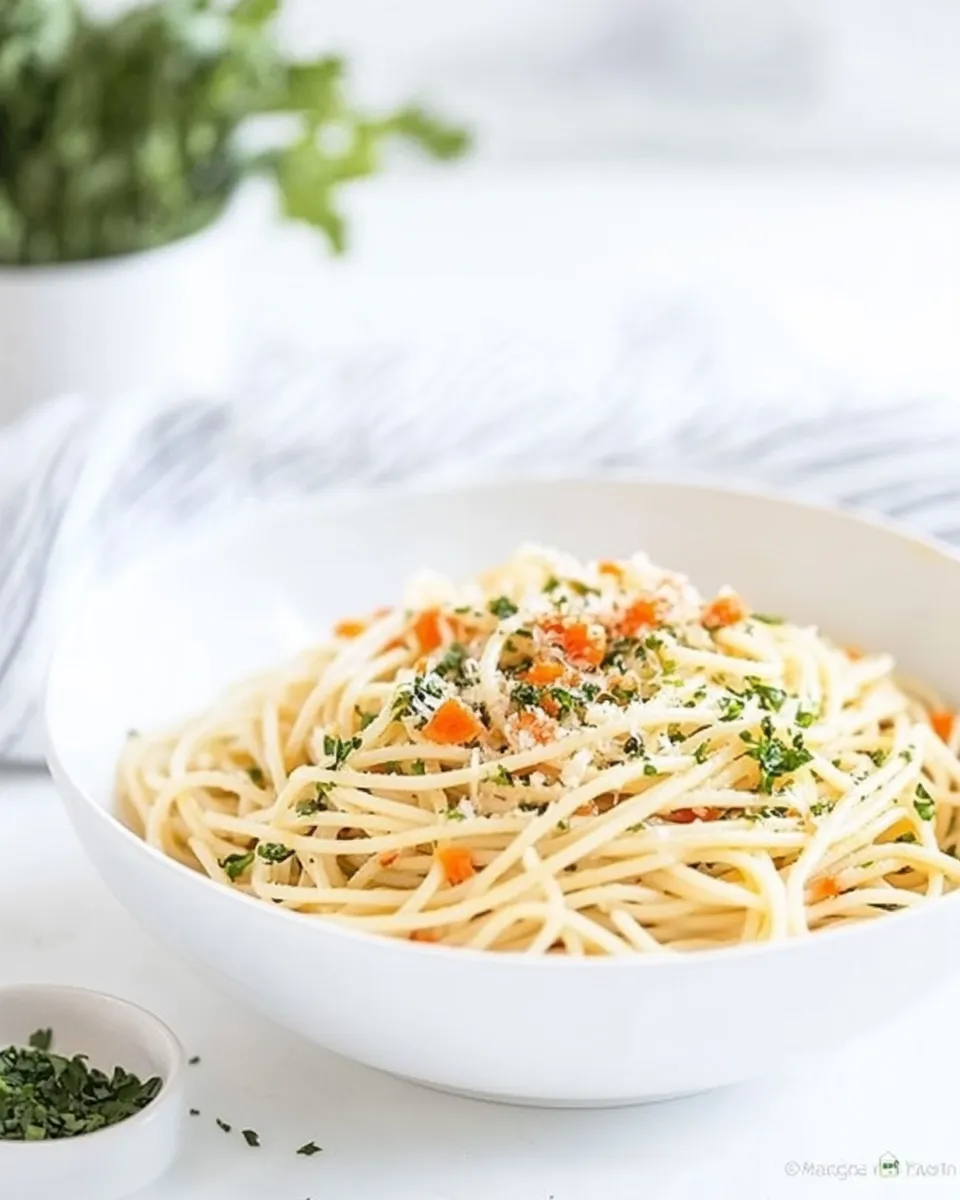
Pasta Aglio E Olio Recipe
Equipment
- Large Pot
- Sauté pan
- Colander
- Spatula
Ingredients
Ingredients
- 1/2 cupextra virgin olive oil
- 3 finely sliced garlic cloves
- 1 seeded and thinly sliced spicy red pepper
- 4 ounceshot pasta water
- 8 ouncesfresh spaghetti pasta
- 1 tablespoonschopped fresh flat leaf parsley
- salt to taste
Instructions
Instructions
- Bring a large pot of salted water to a boil and cook the 8 ounces fresh spaghetti pasta according to the package until al dente. Before draining, reserve 4 ounces hot pasta water, then drain the pasta.
- While the pasta cooks, heat ½ cup extra virgin olive oil in a sauté pan over medium-low heat for about 1 minute until the oil is warm.
- Add the 3 finely sliced garlic cloves to the warm oil and cook, stirring, about 1 minute until fragrant and just tender, taking care not to let the garlic brown.
- Add the 1 seeded and thinly sliced spicy red pepper and cook, stirring, about 1 minute until slightly softened.
- Remove the pan from the heat and immediately pour in the reserved 4 ounces hot pasta water to stop the cooking and loosen the sauce.
- Add the drained spaghetti to the pan and toss or stir with a spatula until the pasta is evenly coated with the oil, garlic, and pepper mixture.
- Sprinkle in the 1 tablespoon chopped fresh flat-leaf parsley and salt to taste; toss once more to combine.
- Transfer to plates and serve immediately.
Notes
Make-Ahead:
This recipe is meant to be served as soon as it is done cooking.
How to Store:
Cover and keep in the refrigerator for up to 3 days. This will not freeze well.
How to Reheat:
Add the desired amount of pasta to a medium-size pan over low heat along with ¼ cup of water and heat until creamy and hot.
You should
use
Fresh Pasta Dough Recipe
, but if not, you can easily swap out for dried pasta.
If you
do not have access to a fresh pepper substitute with a ½ teaspoon of crushed red pepper flakes
You may
need more pasta water so ensure it stays creamy and the pasta noodles don’t suck up too much of the sauce.