There are recipes that comfort you like an old sweater and ones that feel like a warm hug from the inside out. This Fettuccine Alfredo is both — a simple, luxurious pasta made with just a handful of high-quality ingredients that come together into a silky, clinging sauce. It’s creamy without being heavy, brightened by a whisper of lemon zest and a touch of nutmeg for depth. The technique matters as much as the ingredients, so read through once, then cook with confidence.
Why this version works
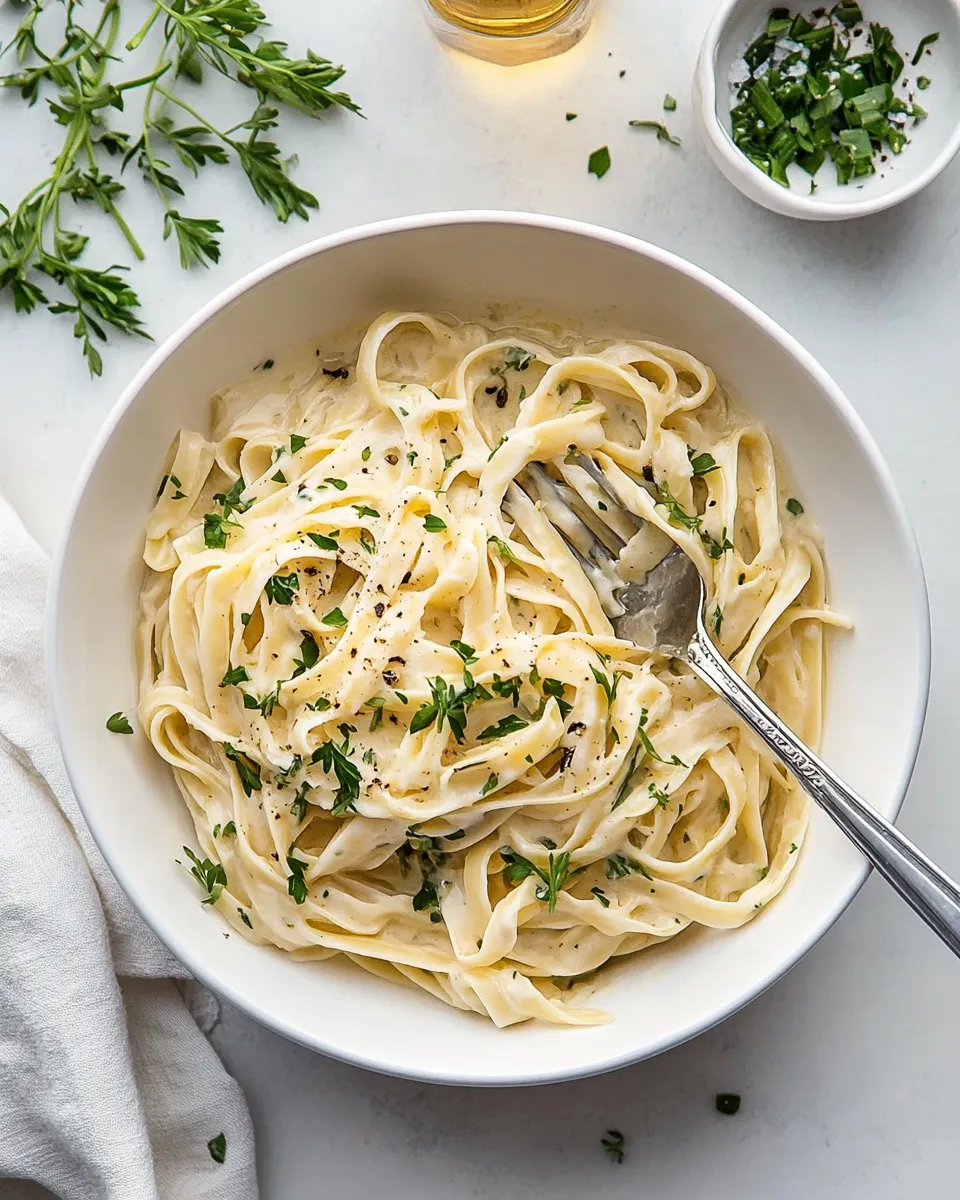
With only 9 ounces fresh fettuccine, 5 tablespoons unsalted butter, 1 1/4 cups heavy cream, 2 large egg yolks, and a cup of freshly grated Parmigiano-Reggiano, this dish relies on excellent ingredients and precise timing. The key is to have the pasta come off the boil exactly when the sauce is ready and to reserve 1/4 cup of the starchy pasta water before draining — that small amount is magic for adjusting sauce consistency and helping it cling. Minced garlic is gently cooked in butter for fragrance without becoming sharp, while the egg yolks enrich and slightly thicken the cream to create a glossy coating for the noodles. A teaspoon of lemon zest lightly lifts the dish, and a small pinch of freshly grated nutmeg adds warmth. Finish with 1/4 teaspoon salt — already calibrated so the cheese and pasta water can do most of the seasoning work.
Ingredients
- 9 ounces fresh fettuccine, cooked al dente in lightly salted water with a little olive oil and timed to be ready just as the sauce is done. Reserve 1/4 cup of the pasta water.
- 5 tablespoons quality unsalted butter
- 2 cloves garlic, minced
- 1 1/4 cups heavy cream
- 2 large egg yolks
- 1 cup freshly grated quality Parmigiano-Reggiano
- 1 teaspoon finely grated lemon zest
- Small pinch of freshly grated nutmeg
- 1/4 teaspoon salt
Equipment you’ll want
- Large pot for boiling pasta
- Large skillet or sauté pan with a wide surface
- Heatproof bowl for whisking egg yolks and cheese
- Tongs for tossing pasta
- Fine grater for cheese and nutmeg
- Measuring spoons and cups
Prep and timing
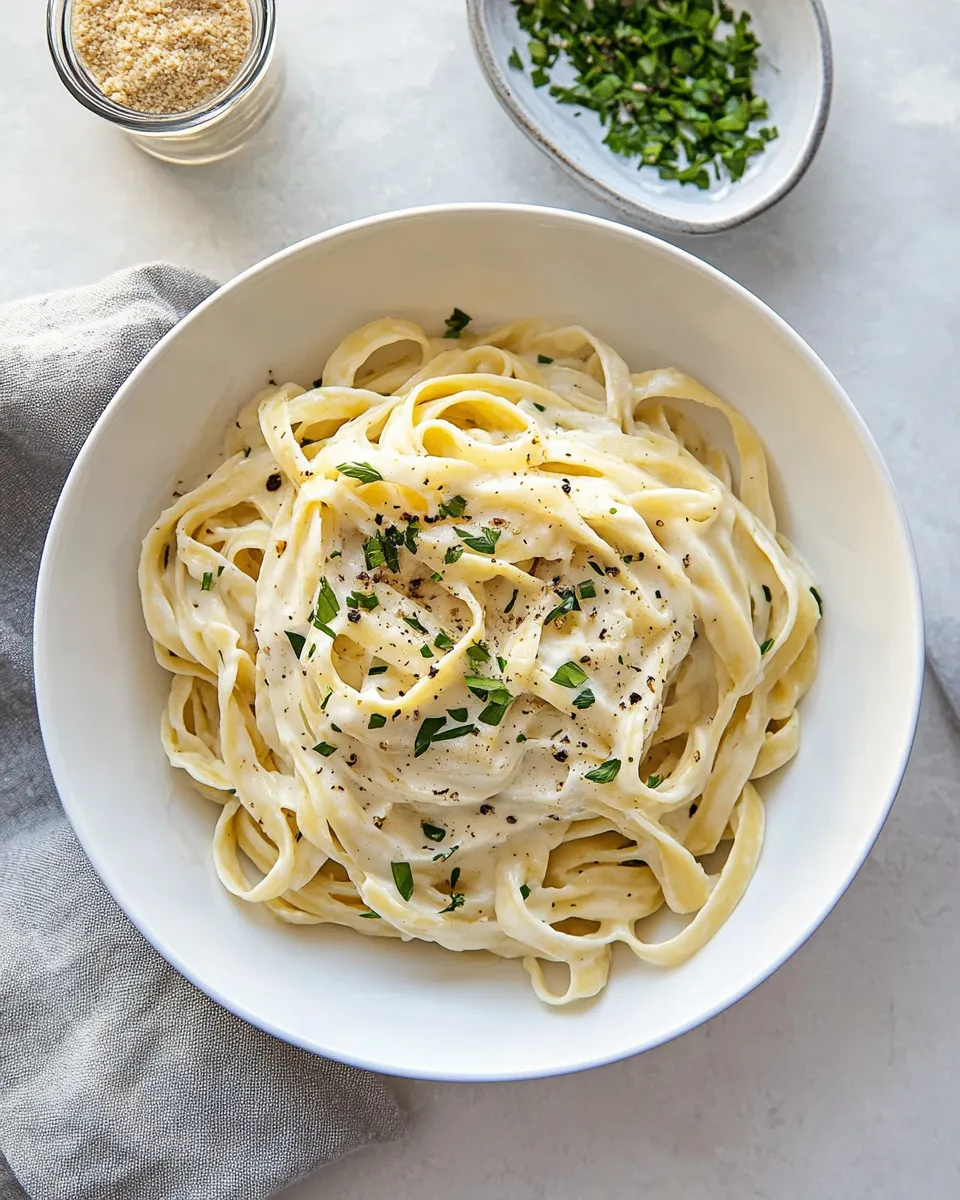
Because the pasta is fresh, it cooks quickly. Start the sauce when the water comes to a simmer so the fettuccine finishes exactly as the sauce reaches its silky peak. Have your cheese freshly grated and your egg yolks whisked in a bowl before you begin the sauce so that everything moves swiftly at the end — the few seconds after draining the pasta are crucial for emulsifying the sauce and avoiding scrambled eggs.
Step-by-step instructions
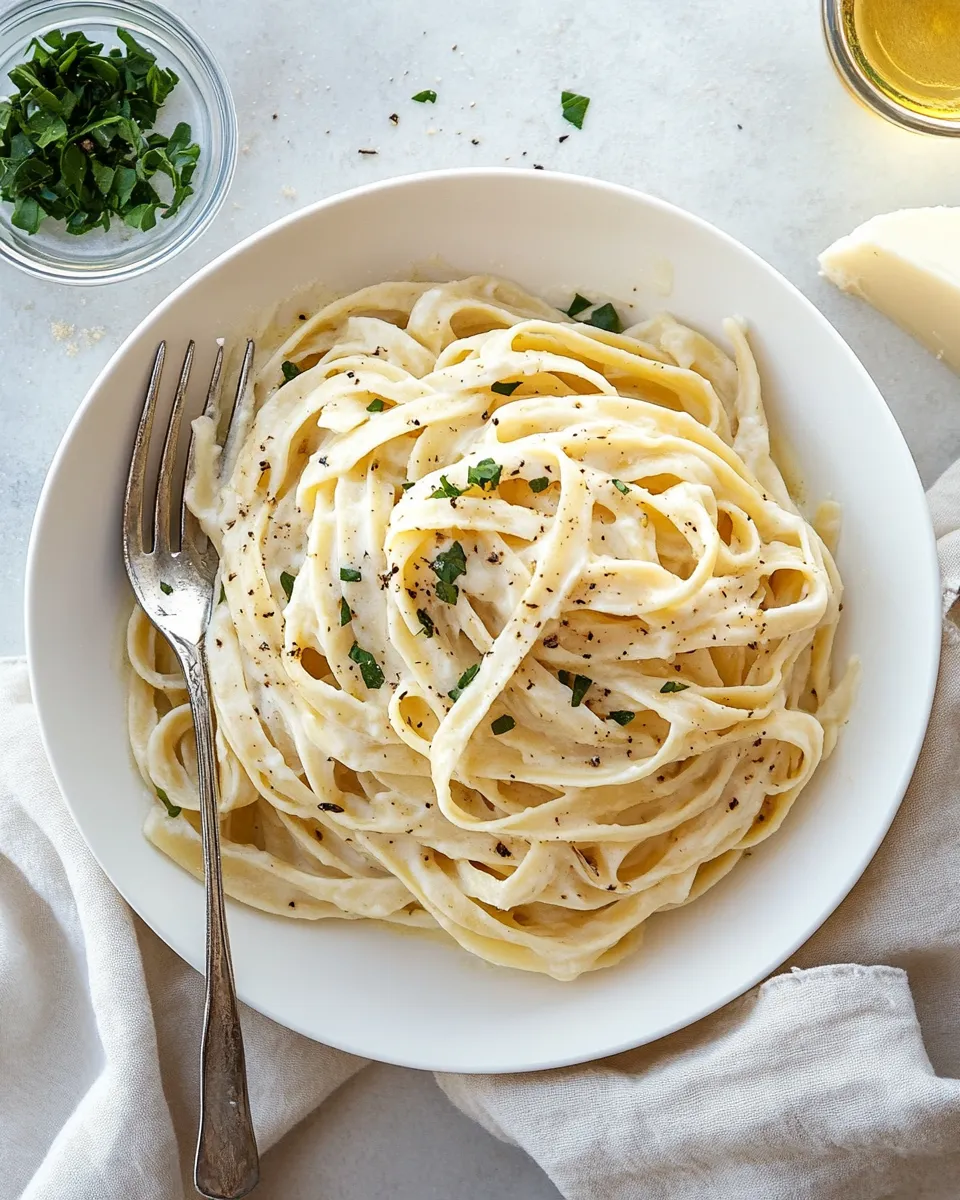
- Fill a large pot with water and bring it to a rolling boil over high heat. Add a pinch of salt to the water and a little olive oil to keep the fresh fettuccine from sticking. Keep the pot covered until the water returns to a boil.
- When the water is boiling, add the 9 ounces fresh fettuccine and cook until al dente according to the package timing for fresh pasta. Watch closely — fresh fettuccine cooks quickly. Before draining, reserve exactly 1/4 cup of the starchy pasta cooking water, then drain the pasta. Do not rinse.
- Meanwhile, while the pasta is cooking, place a large skillet over medium-low heat and add 5 tablespoons quality unsalted butter. Allow the butter to melt slowly so it doesn’t brown.
- Once the butter is melted and shimmering, add 2 cloves garlic, minced. Sauté the garlic gently for about 30 to 45 seconds, stirring constantly, until it is fragrant but not colored. Reduce the heat if the garlic begins to sizzle too vigorously to prevent burning.
- Pour 1 1/4 cups heavy cream into the skillet with the butter and garlic. Raise the heat to medium and bring the cream to a very gentle simmer, stirring occasionally. Let it cook for about 2 to 3 minutes so it warms through and the flavors meld. Do not allow the cream to boil hard.
- In a heatproof bowl, whisk together 2 large egg yolks until smooth. Add 1 cup freshly grated quality Parmigiano-Reggiano to the yolks and whisk until combined into a thick, slightly grainy paste. This step readies the yolks and cheese so they will incorporate smoothly into the warm cream.
- Remove the skillet with the cream from the heat for a moment and temper the egg/cheese mixture: slowly whisk in a few spoonfuls of the hot cream into the egg and cheese bowl to gently raise the temperature. Continue adding hot cream in small increments until the bowl mixture feels warm to the touch, whisking constantly. This avoids scrambling the yolks when they return to the pan.
- Return the warmed skillet with the cream to low heat. Stir the tempered egg and cheese mixture into the skillet, whisking constantly until the sauce becomes glossy and slightly thickened. Keep the heat low so the sauce thickens through gentle residual heat rather than direct high heat.
- Add the reserved 1/4 cup pasta water a little at a time, whisking to combine, until the sauce reaches a smooth, velvety consistency that will coat the pasta. You may not need every drop; use just enough to loosen the sauce so it clings to the noodles without becoming thin.
- Stir in 1 teaspoon finely grated lemon zest and a small pinch of freshly grated nutmeg. Taste the sauce and add 1/4 teaspoon salt, adjusting carefully since the Parmigiano-Reggiano already contributes saltiness.
- Add the drained 9 ounces fresh fettuccine directly into the skillet with the sauce. Using tongs, toss the pasta gently and continuously in the sauce over low heat for 30 to 60 seconds so every strand is coated. The sauce will finish thickening and adhere to the pasta during this time. If the sauce needs loosening, add a tablespoon of the reserved pasta water at a time.
- Once the noodles are evenly coated and glossy, remove the pan from heat and transfer the Fettuccine Alfredo to warmed bowls or a large serving platter. Finish with an extra sprinkle of freshly grated Parmigiano-Reggiano if you like, and serve immediately.
Troubleshooting and tips
- If the sauce looks grainy after adding the cheese and eggs, keep whisking over very low heat and add a splash more reserved pasta water; gentle agitation and a bit of liquid help it come together.
- Never let the cream boil fiercely after adding the egg yolk mixture. High heat can scramble the yolks and separate the sauce.
- Freshly grate your Parmigiano-Reggiano rather than using pre-grated cheese — it melts better and gives the sauce the smoothest texture.
- Reserve the pasta water before draining — that 1/4 cup is essential. If you find you need more, you can always add additional hot pasta water in small amounts, but start with the reserved amount and add gradually.
- Serve this dish immediately. The sauce is best when warm and freshly emulsified; it can thicken as it cools.
Serving suggestions
This Fettuccine Alfredo is a star on its own, but you can pair it with a crisp green salad dressed simply with lemon and olive oil to cut through the richness, or serve alongside roasted vegetables for contrast. For a celebratory touch, add a scattering of chopped fresh parsley or cracked black pepper when plating. The sauce’s pure flavor also pairs beautifully with simply seared vegetables or a lemon-accented side.
Storage and reheating
Leftovers keep in an airtight container in the refrigerator for up to 2 days. The sauce will firm up when chilled. To reheat, gently warm the pasta in a skillet over low heat with a splash of hot water or cream, tossing until the sauce loosens and becomes creamy again. Avoid the microwave if possible, since rapid heating tends to make the sauce separate.
Notes on ingredients
Quality ingredients make a noticeable difference in this recipe. Fresh fettuccine cooks quickly and soaks up the sauce beautifully; the best unsalted butter and freshly grated Parmigiano-Reggiano provide deep, layered flavor. The lemon zest is just a bright whisper — finely grated so it disperses evenly — and the nutmeg is a tiny warming note, not an overt spice. The salt measurement is modest because the cheese already brings salinity.
Final thoughts
Fettuccine Alfredo is comfort in its most elegant form: simple components handled with a little attention to technique. The balance of butter, cream, egg yolk, and Parmigiano-Reggiano creates a sauce that’s luscious yet light on the palate when made correctly. Keep the heat gentle, have everything prepped, and time the fresh pasta so it finishes just as the sauce reaches that perfect, velvety sheen. The result is indulgent, satisfying, and endlessly comforting — a dish you’ll return to again and again.
Enjoy your meal and the quietly luxurious pleasure of freshly made Fettuccine Alfredo.
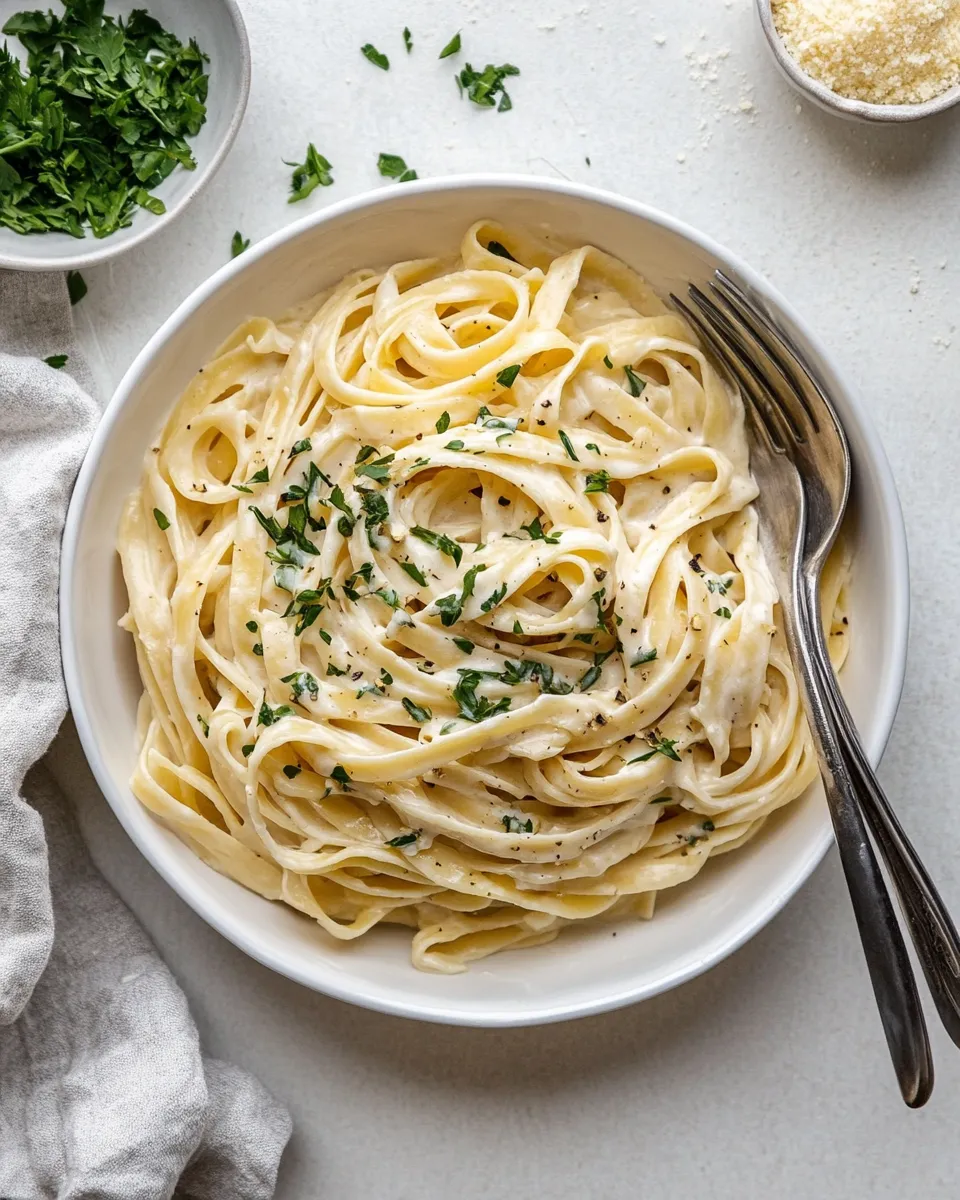
Fettuccine Alfredo
Equipment
- Medium Saucepan
- Large Pot
- pasta tongs or slotted spoon
- Small Bowl
- Whisk
Ingredients
- 9 ounces fresh fettuccine cooked al dente in lightly salted water with a little olive oil; reserve 1/4 cup pasta water
- 5 tablespoons unsalted butter quality
- 2 cloves garlic minced
- 1 1/4 cups heavy cream
- 2 large egg yolks
- 1 cup Parmigiano-Reggiano freshly grated, quality
- 1 teaspoon lemon zest finely grated
- small pinch nutmeg freshly grated
- 1/4 teaspoon salt
Instructions
- Bring a large pot of lightly salted water to a boil and cook the fresh fettuccine until al dente; stir in a little olive oil and reserve 1/4 cup of the pasta cooking water before draining.
- Melt the butter in a medium saucepan over medium-high heat, add the minced garlic, and cook for 2–3 minutes until fragrant but not browned.
- Pour in the heavy cream and bring the mixture to a gentle simmer.
- Whisk the egg yolks in a small bowl, then slowly whisk in 1/4 cup of the hot cream to temper the yolks.
- Whisk the tempered yolk mixture back into the saucepan and cook, whisking constantly, until the sauce is lightly thickened, about 2 minutes.
- Stir the freshly grated Parmigiano-Reggiano into the sauce until melted and smooth, then add the lemon zest, salt, freshly grated nutmeg, and 2 tablespoons of the reserved pasta water.
- Transfer the hot, drained fettuccine directly into the sauce and toss with tongs until evenly coated, adding more reserved pasta water as needed to achieve a silky consistency.
- Serve immediately for best texture.
Notes
- Reserve pasta water to adjust sauce consistency.
- Do not overcook the garlic to avoid bitterness.
- Temper the yolks to prevent scrambling.
- Use freshly grated cheese for best melt and flavor.