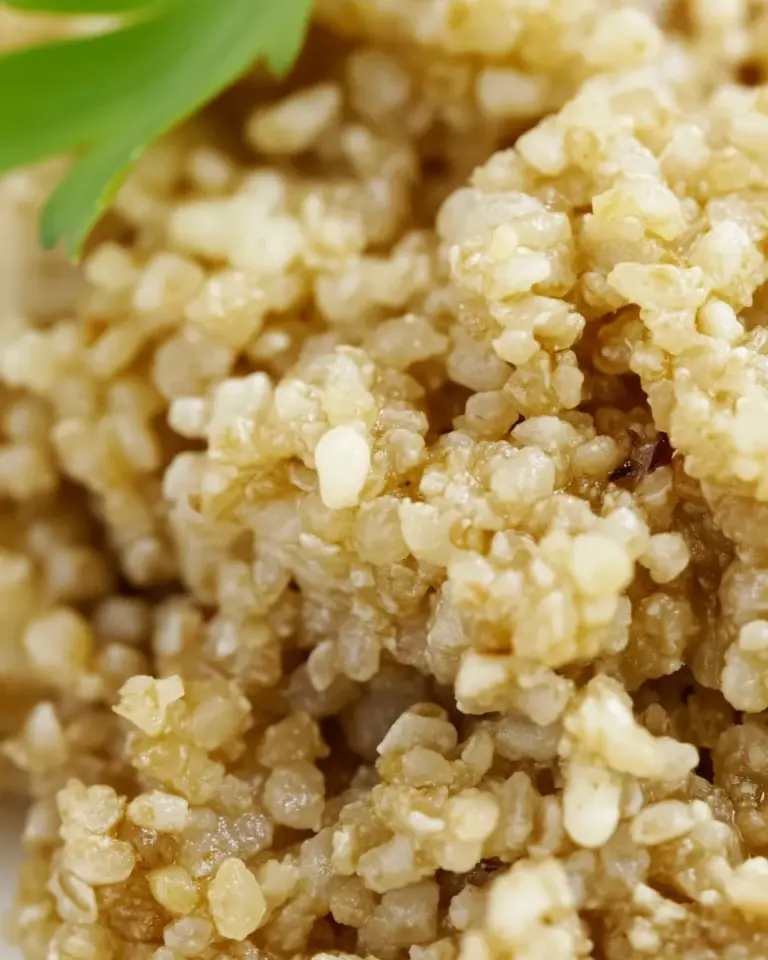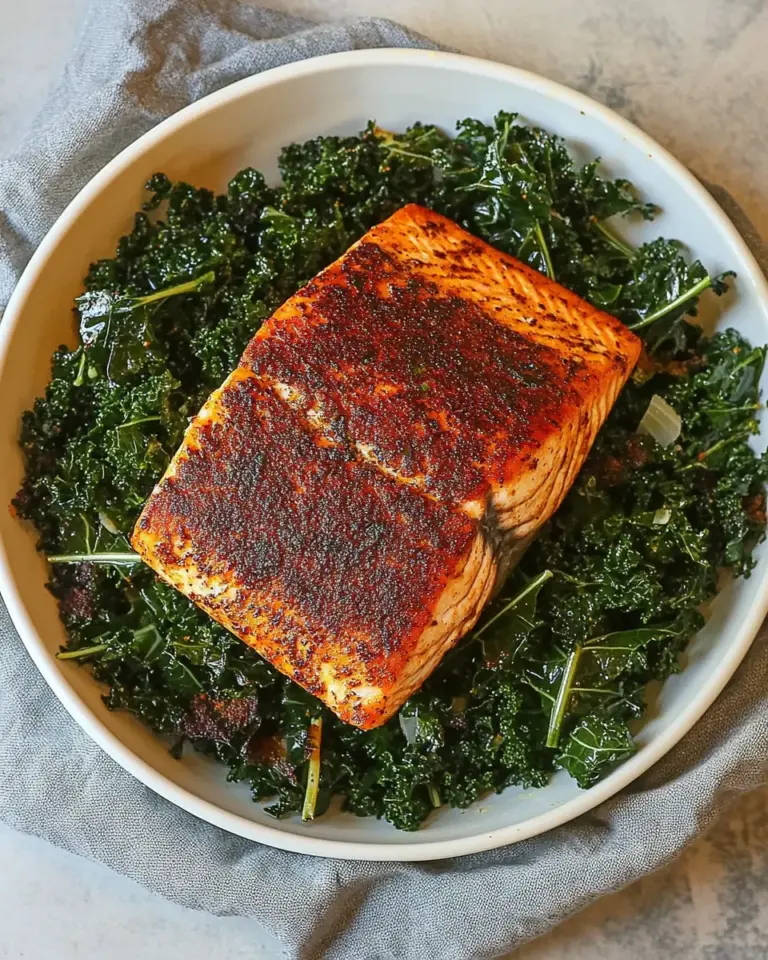
Bright, simple, and endlessly versatile, this Canned Salmon Salad is the kind of recipe you’ll come back to again and again. It’s built from pantry-friendly 26-ounce cans of wild salmon and a few fresh additions that transform canned fish into a creamy, herb-scented salad you can spoon onto greens, tuck into wraps, or pile onto toasted bread. The flavor is fresh but unfussy: lemon for lift, Dijon for a little tang, and plenty of dill to keep things lively. Ready in minutes, this salad is perfect for busy weeknights, easy lunches, or an impressive picnic spread.
Why this recipe works
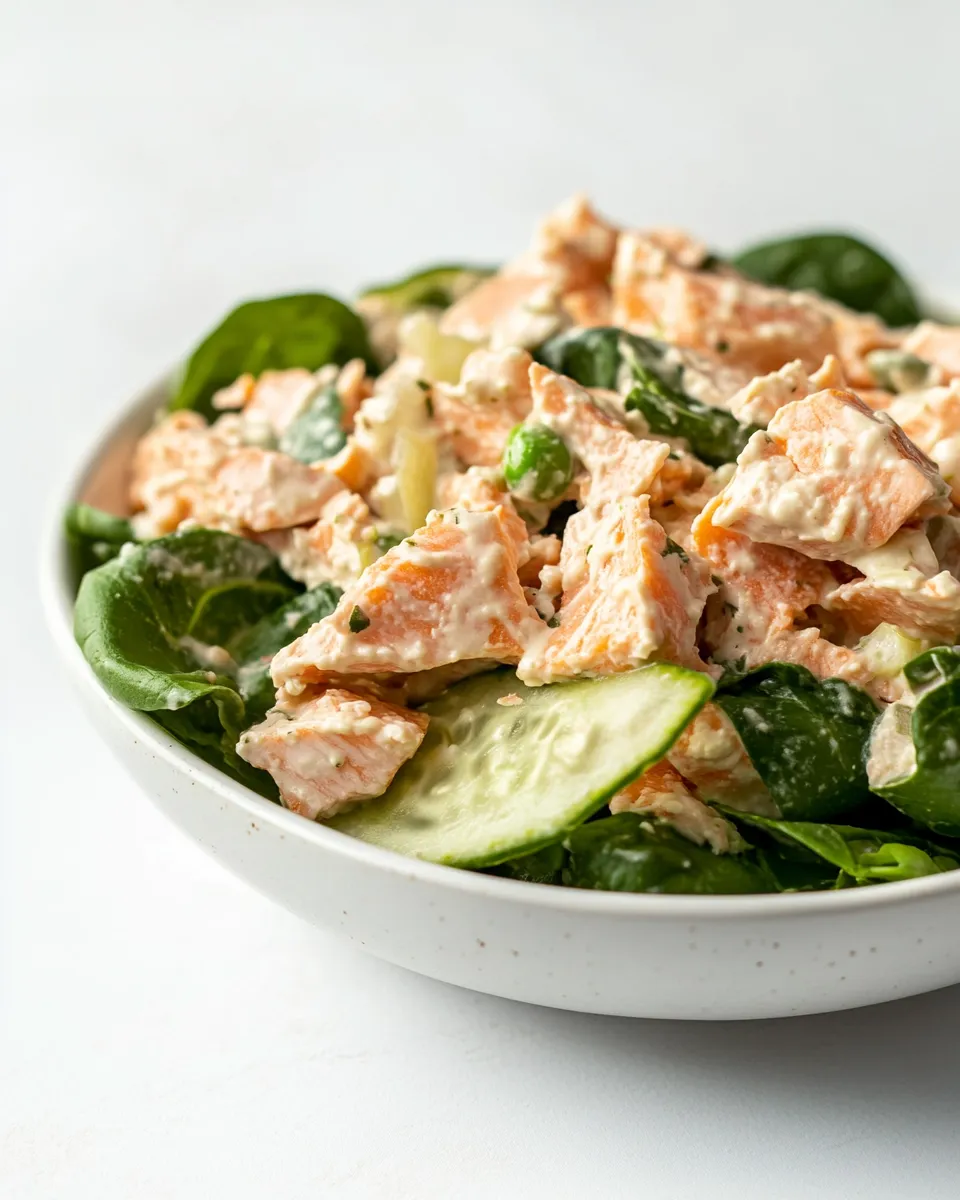
There’s a reason canned salmon recipes are kitchen staples. Using 26-ounce cans of wild salmon gives you meaty, flavorful flakes with virtually no prep required. Replacing heavier mayonnaise with 1/4 cup plain Greek yogurt keeps the texture creamy while adding protein and a pleasant tang. The combination of 1/4 cup finely chopped celery and 2 tablespoons finely chopped red onion provides crunch and a hint of sharpness, while 1 tablespoon fresh dill pulls the flavors together with a delicate herbaceous note. A splash of 1 tablespoon lemon juice brightens everything, and just a pinch of 1/4 teaspoon black pepper and 1/4 teaspoon sea salt finishes the balance.
Ingredients
- 26-ounce cans wild salmon, drained
- 1/4 cup plain Greek yogurt
- 1/4 cup celery, finely chopped
- 2 tablespoons red onion, finely chopped
- 1 tablespoon fresh dill, chopped
- 1 tablespoon Dijon mustard
- 1 tablespoon lemon juice
- 1/4 teaspoon black pepper
- 1/4 teaspoon sea salt
Tools you’ll need
- Can opener
- Large mixing bowl
- Fork or spatula for flaking
- Chef’s knife and cutting board
- Measuring spoons and cup
- Spoon for mixing
Texture and taste notes
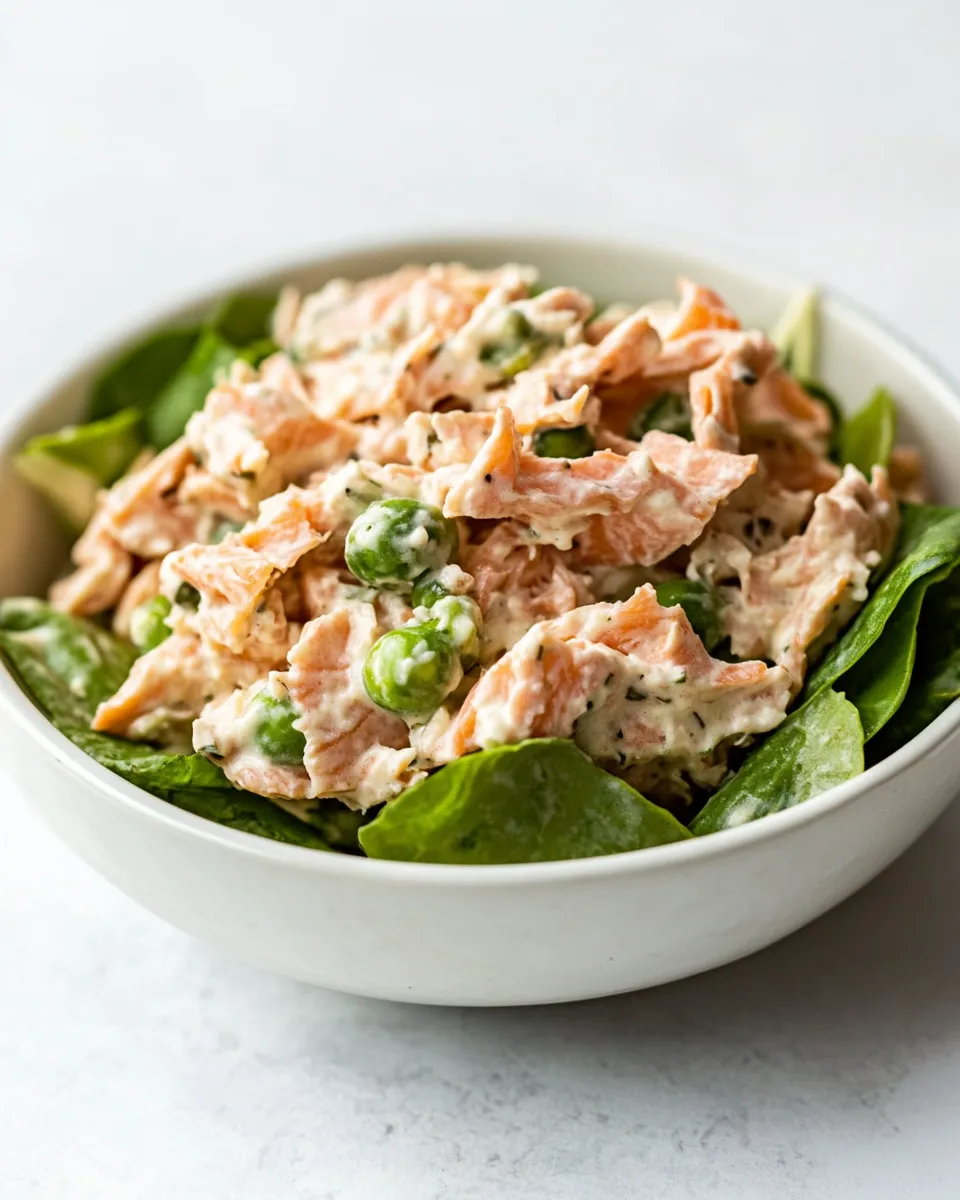
This version of Canned Salmon Salad favors a creamy-but-textured finish. The yogurt keeps the mixture smooth, while the celery gives a bright crunch and the onion adds subtle bite. If you prefer a chunkier salad, gently fold the salmon to leave larger flakes. For a smoother spread, mash the salmon a bit more thoroughly with a fork before mixing. The dill and Dijon deliver an herby, slightly zesty profile that pairs beautifully with simple accompaniments like cucumber slices, crackers, or whole-grain toast.
Step-by-step instructions
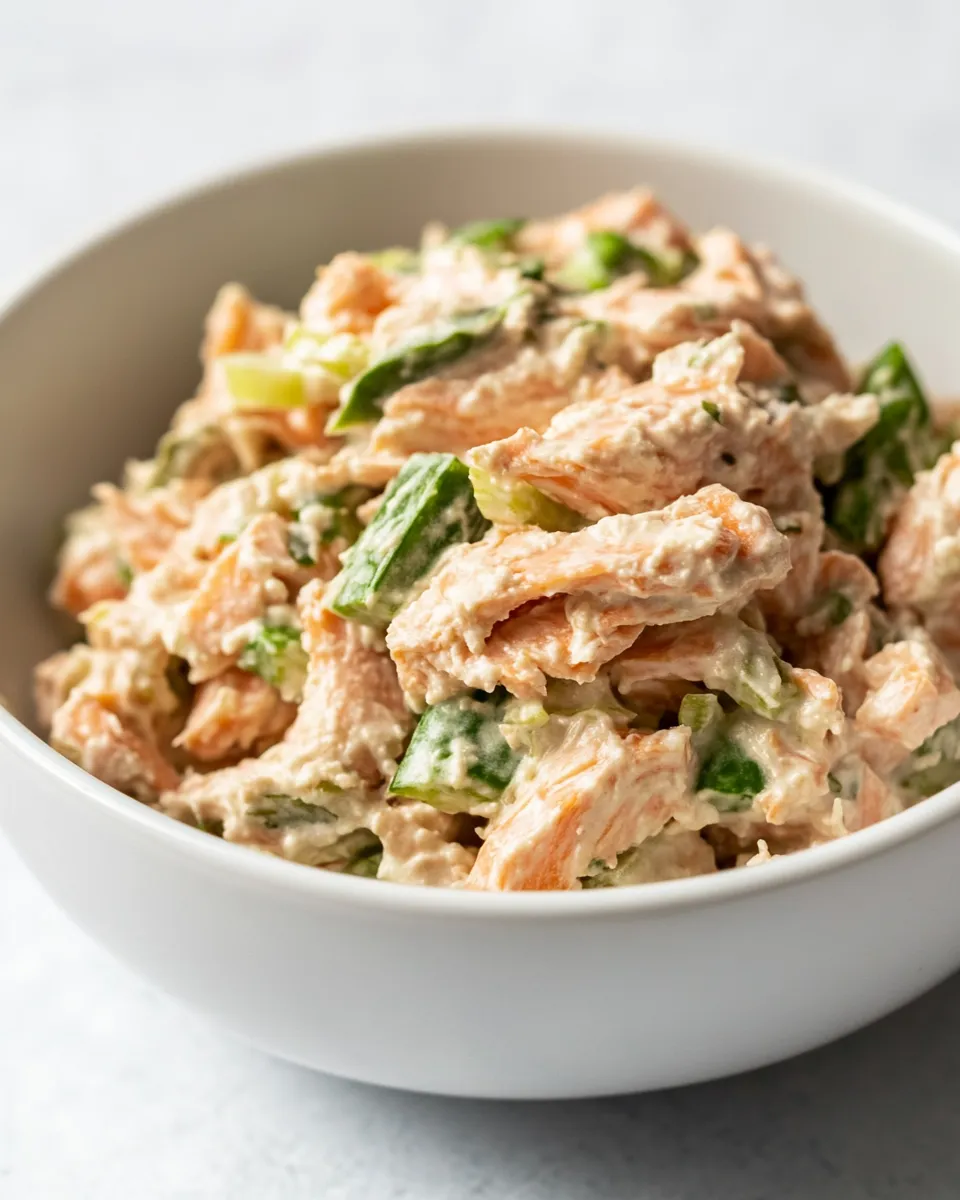
Below are the clarified, step-by-step directions for making this Canned Salmon Salad. The order mirrors the original recipe structure and preserves all ingredient amounts.
- Open the 26-ounce cans of wild salmon and drain them well. Transfer the drained salmon to a large mixing bowl.
- Using a fork or a spatula, break the salmon into your desired flake size. Aim for bite-sized pieces that will mix well with the other ingredients.
- Add 1/4 cup plain Greek yogurt to the bowl with the flaked salmon. This will form the creamy base of the salad.
- Stir in 1/4 cup finely chopped celery and 2 tablespoons finely chopped red onion. Mix gently so the celery and onion are evenly distributed without overworking the salmon.
- Add 1 tablespoon chopped fresh dill to the mixture. Fold it in so the herb is evenly spread through the salad.
- Combine 1 tablespoon Dijon mustard and 1 tablespoon lemon juice in a small bowl or measure them directly into the salad. Stir these into the mixture until the dressing coats the salmon and vegetables uniformly.
- Season the salad with 1/4 teaspoon black pepper and 1/4 teaspoon sea salt. Taste and adjust lightly if needed, but keep the original amounts as written for a balanced result.
- Give the salad a final gentle stir to ensure everything is evenly mixed. Cover and chill for at least 15 minutes if time allows; this helps the flavors meld. Serve chilled or at room temperature.
Serving suggestions
This Canned Salmon Salad is extremely flexible. Here are a few easy ways to enjoy it:
- Spoon over a bed of mixed greens with a drizzle of extra lemon juice for a bright salad.
- Spread between slices of toasted whole-grain bread or on a croissant for a satisfying sandwich.
- Serve with crisp vegetables—cucumber rounds, carrot sticks, and bell pepper strips—for a light, refreshing snack.
- Scoop onto crispy crackers for quick appetizers at gatherings.
- Stuff into pita pockets with sliced tomatoes and lettuce for a handheld lunch.
Make-ahead and storage
This salad stores well. Transfer to an airtight container and refrigerate for up to 3 days. The yogurt base may separate slightly over time; simply stir to recombine before serving. If you plan to make the salad more than a day in advance, consider leaving the celery or onion out and adding them just before serving to preserve crunch.
Variations and swaps
Want to change it up? These substitutions keep the recipe balanced while introducing new flavors:
- Herbs: Swap the fresh dill for chopped parsley or chives if you prefer a different herb note.
- Heat: Add a pinch of cayenne or a few drops of hot sauce to the dressing for a spicy kick.
- Crunch: Stir in 2 tablespoons of finely chopped pickles or a tablespoon of capers for a briny twist.
- Richer: Replace the yogurt with mayonnaise for a creamier, richer texture; note that the salad will become more indulgent without changing the other amounts.
- Low-sodium: Use low-sodium canned salmon or reduce the additional sea salt to suit your taste.
Nutrition snapshot
This Canned Salmon Salad is a protein-forward option, thanks to the salmon and Greek yogurt. It supplies healthy omega-3 fats from the salmon, calcium and protein from the yogurt, and fiber from the celery. It’s a satisfying, balanced choice for a quick meal or hearty snack.
Troubleshooting
- If the salad tastes flat: Check the lemon juice and Dijon mustard—both brighten the overall flavor. Add a little more lemon juice a teaspoon at a time, if needed.
- If it’s too wet: Drain the salmon thoroughly and make sure to pat it lightly before flaking. Use less yogurt if you prefer a firmer texture.
- If the texture is too chunky: Mash the salmon with a fork a bit more before combining with the other ingredients.
Quick tips from the kitchen
- Use high-quality canned salmon labeled wild for better flavor and texture.
- Finely chopping the celery and red onion ensures every bite has a balanced texture and flavor.
- Fresh lemon juice always brightens the dish more effectively than bottled, but bottled works in a pinch.
- Chilling the salad for a short time before serving helps the flavors fuse and improves the overall taste.
Why canned salmon is a pantry hero
Canned salmon is shelf-stable, economical, and nutrient-dense. It’s an excellent way to add high-quality protein and essential fats to quick meals without the need for cooking. When mixed with a few fresh, simple ingredients like in this Canned Salmon Salad, it becomes a fresh-tasting, satisfying dish that can be adapted for any mealtime.
Final thoughts
This Canned Salmon Salad proves that pantry ingredients can become something special with a few bright additions. It’s reliable, adaptable, and fast—perfect for when you want a wholesome meal without fuss. Keep the ingredients on hand, and you’ll always have a smart, tasty option ready for lunch, dinner, or entertaining. Happy mixing!
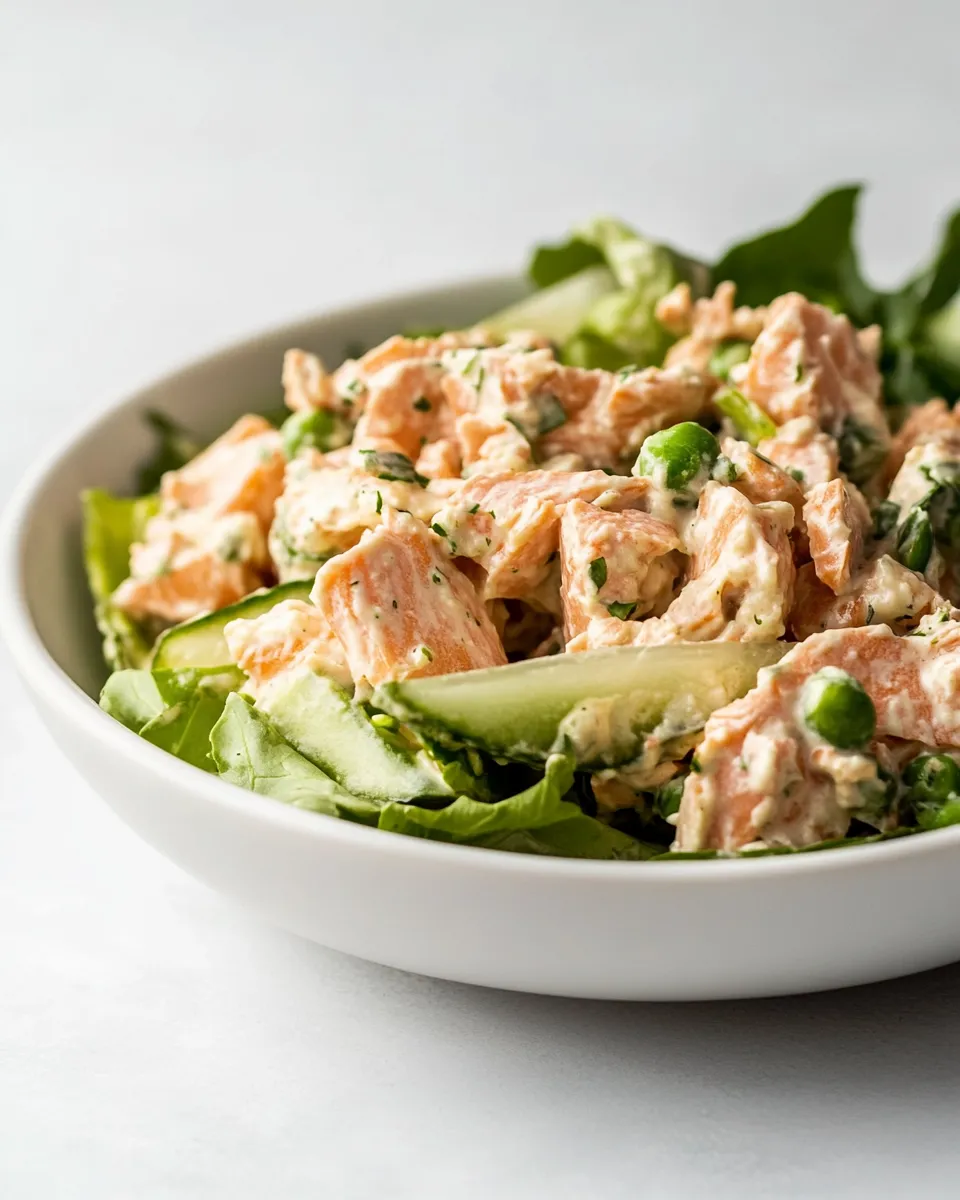
Canned Salmon Salad
Equipment
- Mixing Bowl
- Can opener
- Measuring Spoons
- Measuring cup
- spoon or fork for mixing
Ingredients
- 26 ounce wild salmon (canned), drained
- 1/4 cup plain Greek yogurt
- 1/4 cup celery, finely chopped
- 2 tablespoons red onion, finely chopped
- 1 tablespoon fresh dill, chopped
- 1 tablespoon Dijon mustard
- 1 tablespoon lemon juice
- 1/4 teaspoon black pepper
- 1/4 teaspoon sea salt
Instructions
- Open the cans of salmon and drain any liquid; transfer the salmon to a large mixing bowl and flake it with a fork to break up large pieces.
- Add the Greek yogurt, chopped celery, chopped red onion, chopped dill, Dijon mustard, and lemon juice to the bowl.
- Season with the black pepper and sea salt.
- Mix thoroughly until all ingredients are evenly combined and the salmon is distributed throughout.
- Serve on whole-grain bread for sandwiches, over a bed of greens, or enjoy as-is.
Notes
- This salad keeps well refrigerated for up to 2 days.
- Adjust lemon and mustard to taste for more tang.
- Use low-fat or full-fat Greek yogurt based on preference.