Bright, silky slices of salmon cured with a sweet-salty cure, paired with crisp cucumber, jewel-toned beetroot, tiny tender quail eggs, and juicy orange — this dish is the kind of recipe that feels special but is totally manageable to make at home. It’s inspired by minimalist flavor combinations and simple, fresh ingredients, the kind of thing you might find on a sunny weekend brunch table or served as a pretty starter for guests. The cured salmon is fragrant with citrus zest and cracked pepper, and the crisp cucumber and sweet orange slices add pleasing contrast. Quail eggs bring richness in miniature form and make each bite feel indulgent.
Why you’ll love this
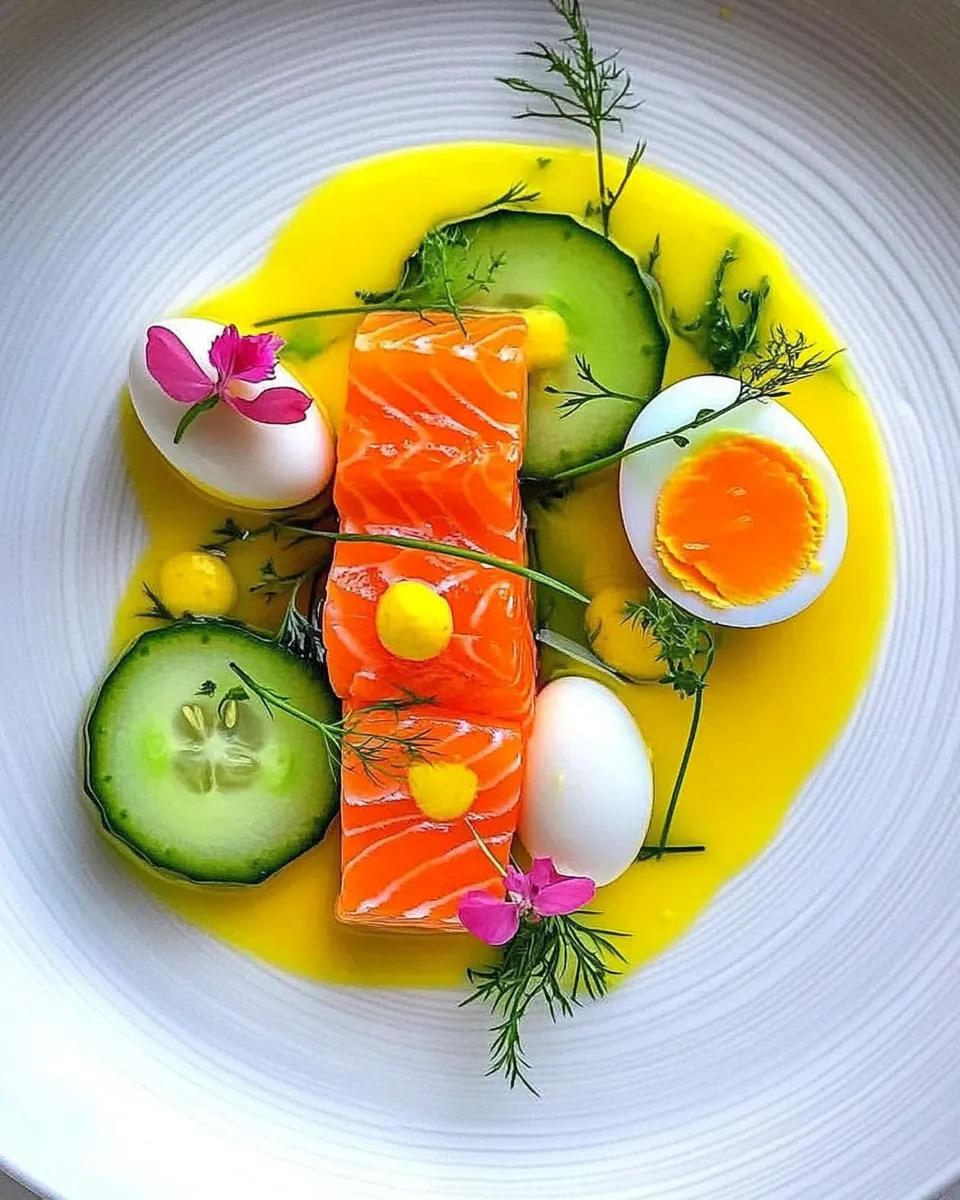
This recipe balances texture and flavor: the silky cured fish, crunchy cucumber, earthy beetroot, bright citrus, and creamy quail egg. It’s elegant, visually striking, and straightforward to prepare. The cure is traditional in spirit but simple — sugar, salt, citrus zest, and pepper — and the resting time does the work for you, transforming raw salmon into a luscious, ready-to-slice gravlax.
Ingredients
- 100 g salmon x 2 (two pieces, 100 grams each)
- 300 g sugar
- 300 g salt
- 1 orange zestor lemon, or lime
- dwelling herbs
- black pepper
- 1 cup beetroot
- 1 cucumber small dices
- 1 orange
- 2 quail eggs
- lemon juice
Notes on ingredients: Use two 100 g pieces of salmon for the cure. The recipe calls for a generous sugar and salt cure (300 g of each); that large ratio ensures the fish cures properly. “1 orange zestor lemon, or lime” is interpreted as using the zest of 1 orange (or lemon or lime if you prefer), combined with citrus brightness in the final assembly through fresh orange slices and lemon juice. “Dwelling herbs” refers to a small bunch of aromatic herbs—use a mix such as dill, parsley, and chives. If any item needs substitution for dietary reasons, pick a comparable, permissible alternative that maintains the overall flavor.
Equipment
- Shallow dish or tray large enough to hold both salmon pieces
- Plastic wrap or a clean kitchen towel
- Weights (a small baking tray or cans) to press the salmon while it cures
- Sharp knife for slicing the salmon thinly
- Small pot for boiling quail eggs
- Bowl for mixing the cure and dressing
Prep and timing
Total time: about 24–48 hours including curing time. Hands-on time: 30 minutes. Most of the work is waiting while the salmon cures, which is perfect for planning ahead. The final assembly takes only minutes.
Step-by-step directions
- Make the cure mixture: In a bowl, combine 300 g sugar and 300 g salt. Add the zest of 1 orange (or lemon or lime if you prefer) and a generous amount of freshly cracked black pepper. Finely chop your dwelling herbs (dill, parsley, and chives or a similar mix) and stir them into the salt and sugar mixture. This aromatic cure will both season and lightly flavor the salmon.
- Prepare the salmon: Pat both 100 g salmon pieces dry with paper towels. Place them skin-side down in a shallow dish. If either fillet has bones, remove them with tweezers. Taste the flesh to verify freshness — it should smell clean and slightly briny, not fishy.
- Apply the cure: Sprinkle a generous layer of the salt-sugar-herb mixture evenly over the flesh of both salmon pieces, pressing it gently so it makes good contact with the fish. Use all of the cure mixture so the fish is well coated. The cure should cover every exposed surface of the salmon flesh.
- Press and wrap: Cover the dish tightly with plastic wrap, or use a clean kitchen towel and plastic to create a seal. Place a weight on top of the wrapped salmon (a small baking tray or a couple of cans work well). The weight helps press out moisture and ensures an even cure.
- Refrigerate to cure: Transfer the weighted, wrapped salmon to the refrigerator. Let it cure for 24 to 48 hours depending on how firm and cured you like the fish. For a slightly firmer, more fully-cured texture, aim for the full 48 hours. Flip the salmon gently once halfway through the curing time so both pieces cure evenly. When time is up, unwrap the salmon and rinse off the cure under cold running water to remove excess salt and sugar. Pat dry with paper towels.
- Prepare the beetroot and cucumber: While the salmon cures or shortly before serving, cook and prepare the beetroot. If using raw beetroot, boil or roast until tender, cool, then dice or slice into 1 cup worth of pieces. Peel and dice the cucumber into small dice to yield about 1 cup; set aside in a bowl.
- Boil the quail eggs: Place 2 quail eggs in a small pot of cold water. Bring to a gentle boil, then reduce heat and simmer for 2 to 3 minutes for soft-set yolks or 4 minutes for fully set yolks. Immediately transfer the eggs to an ice bath to stop cooking, peel carefully, and set aside.
- Slice the cured salmon: Using a very sharp knife, remove the skin from each piece of cured salmon if it remains. Slice the salmon thinly at a slight angle, creating long, delicate ribbons. Thin slices highlight the silky texture achieved by curing.
- Segment the orange and make the dressing: Peel and segment 1 orange, reserving the juice that collects while you work. If you prefer, slice the orange into thin rounds for a more graphic presentation. In a small bowl, combine a splash of the reserved orange juice with a little lemon juice to taste to make a light vinaigrette. Season the dressing with a pinch of black pepper. Taste and adjust acidity with lemon juice as needed.
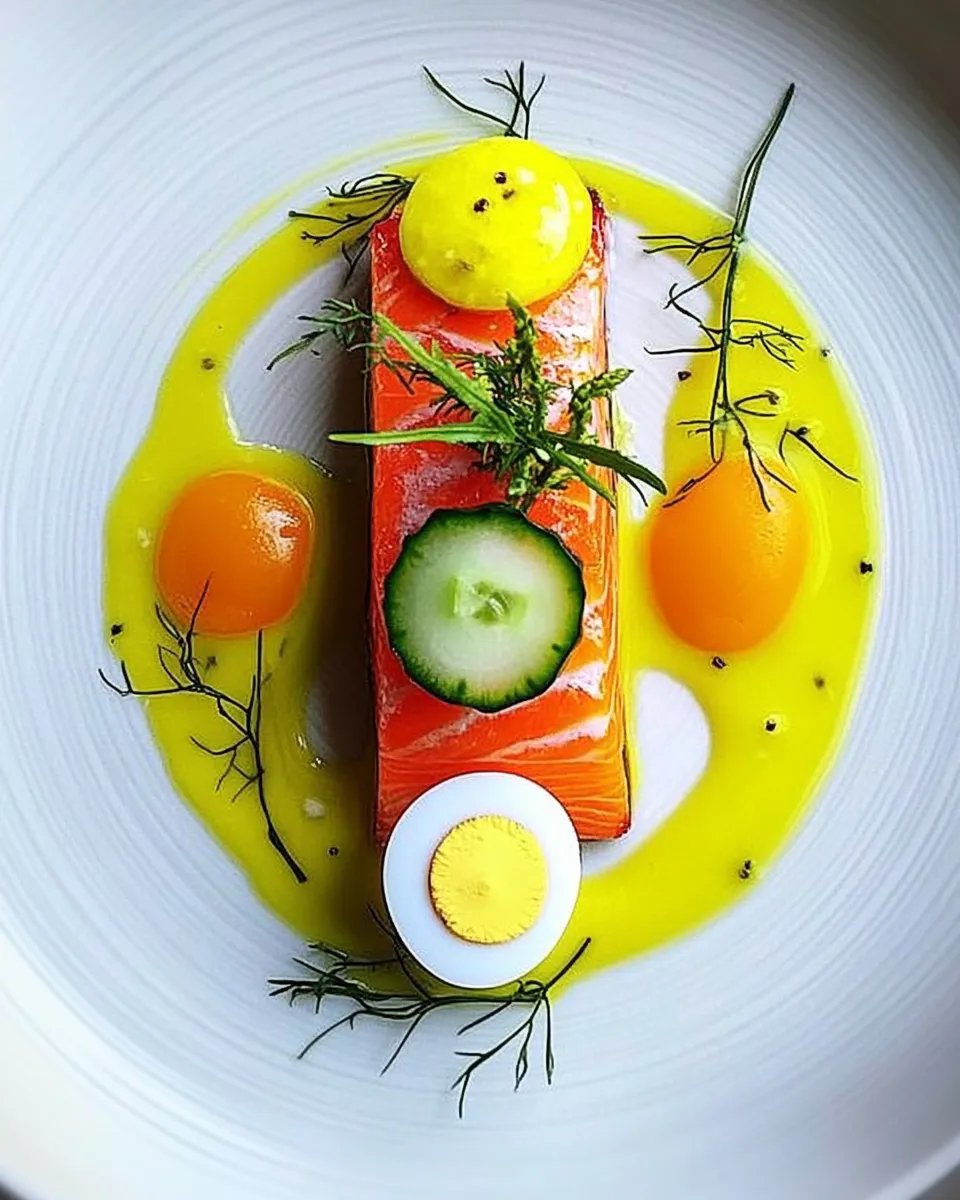
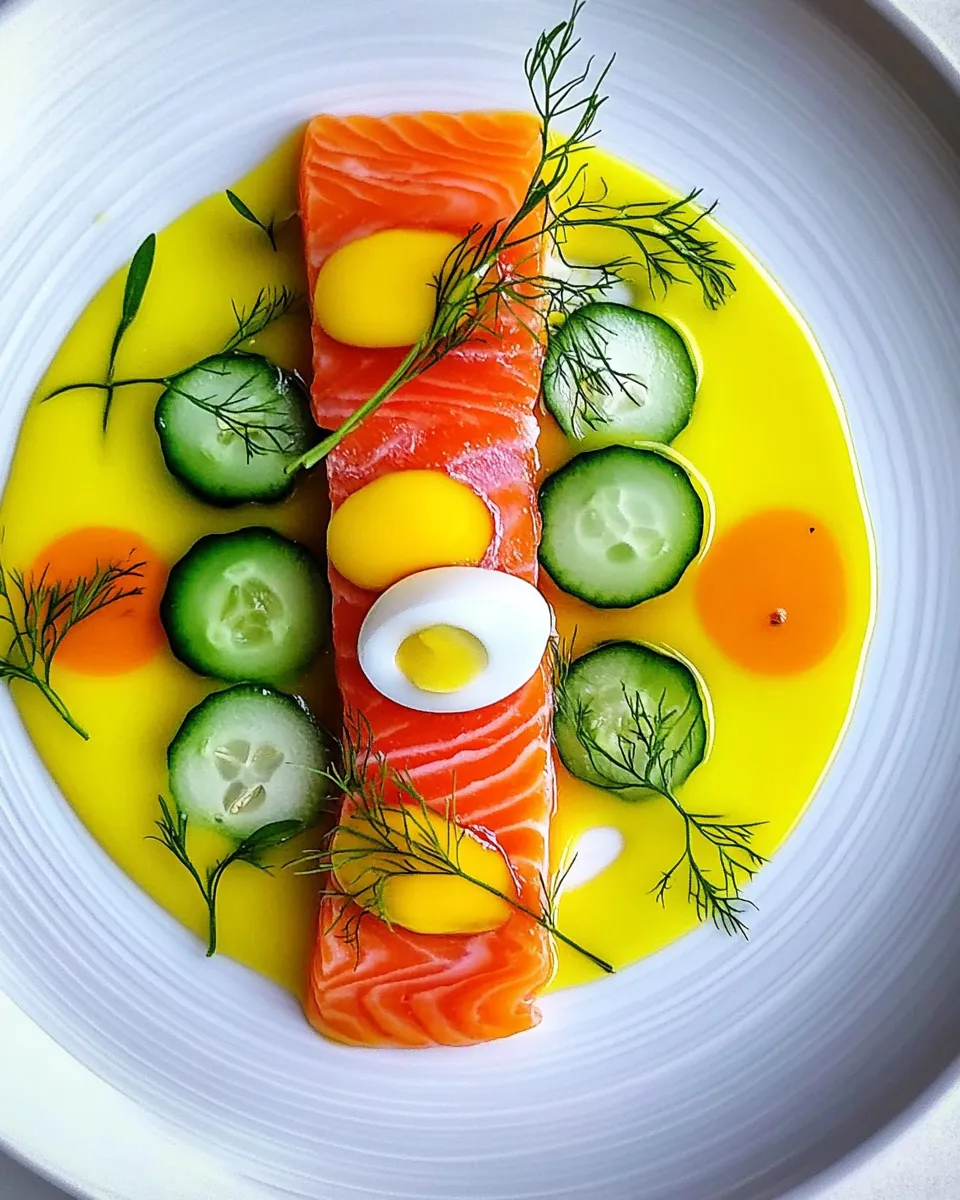
- Assemble the plate: On a serving plate, lay down ribbons of the sliced salmon. Scatter the small diced cucumber around and sprinkle the 1 cup of prepared beetroot pieces for color and earthiness. Add the orange segments or slices to the plate for brightness. Halve the peeled quail eggs and nestle them into the arrangement. Spoon the citrus dressing lightly over the salmon and vegetables, and finish with a few additional chopped dwelling herbs and a final crack of black pepper.
- Serve and enjoy: Serve the dish chilled or at cool room temperature. Guests can place salmon and toppings on small toasts, crackers, or simply enjoy it alone. Leftover cured salmon stores well, wrapped tightly in the refrigerator for a few days — use it on salads, in sandwiches, or as a quick appetizer.
Serving suggestions and variations
If you like a more textured contrast, serve the salmon on thin toasted bread rubbed lightly with lemon. Add a smear of plain yogurt or a thin sliver of mild cream cheese for creaminess. For a sharper contrast, mix a spoonful of finely diced shallot or red onion into the cucumber dice. If beetroot’s color is important for presentation, try thin ribbons instead of cubes for a refined look.
For extra citrus brightness, finish each plate with a little extra lemon juice just before serving. If you prefer a slightly herbier note, scatter extra dill or chopped chives over the top. If you want more heat, a light pinch of red pepper flakes or a few drops of hot sauce can be drizzled into the dressing — taste carefully so it doesn’t overpower the delicate cured salmon.
Storage and make-ahead tips
- Cured salmon keeps well when wrapped tightly in plastic wrap and stored in the refrigerator for up to 3 days. Keep it chilled and slice it only when you’re ready to serve for the best texture.
- Prepare the beetroot and cucumber ahead of time and store separately in airtight containers. Boiled quail eggs can be cooked a day ahead and kept refrigerated, peeled or unpeeled.
- If you want to scale this recipe up, maintain the same 300 g sugar to 300 g salt ratio for every two 100 g salmon pieces if you’re curing multiple batches, and keep the herbs and zest proportionate for flavor balance.
Troubleshooting
If the salmon tastes too salty after curing, a quick rinse under cold water and patting dry will remove excess surface salt. If the flesh feels too soft after a short cure, extend the curing time up to the recommended 48 hours for a firmer texture. If the quail eggs are overcooked and the yolk is chalky, reduce simmering time slightly next time — 2 to 3 minutes yields a soft yolk, 4 minutes yields fully set yolks.
Final notes
This Salmon Gravlax with Cucumber, Quail Egg and Oranges recipe is a lovely balance of simple components that let each ingredient shine. The curing process transforms ordinary salmon into something silkier and more refined, while the cucumber, beetroot, orange, and quail eggs create a colorful, textural plate. Make it a day ahead for stress-free hosting or prepare just before guests arrive for a bright, fresh starter. Enjoy the interplay of sweet, salty, tangy, and creamy — it’s proof that a few thoughtful ingredients are all you need for an impressive dish.
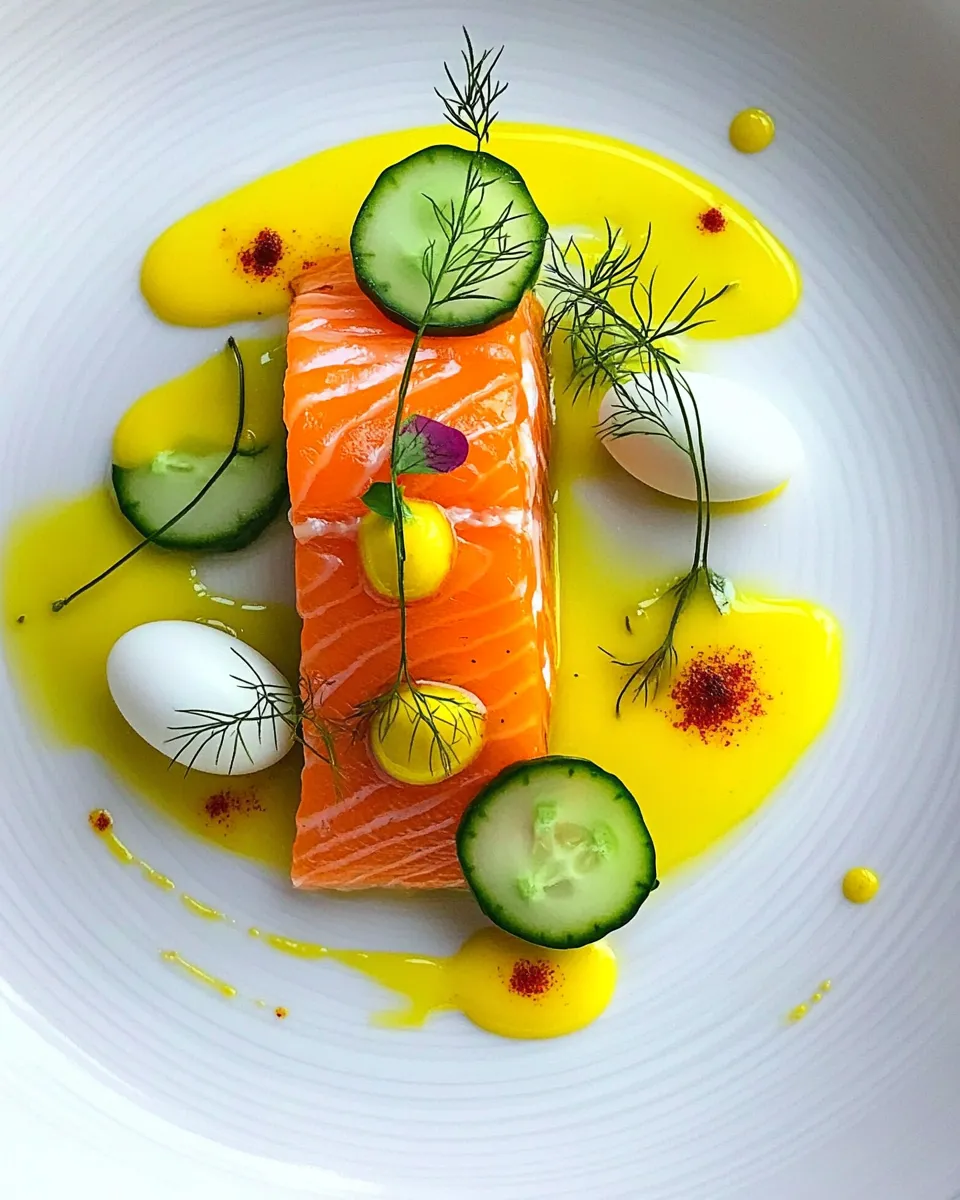
Salmon Gravlax with Cucumber, Quail Egg and Oranges
Equipment
- Mixing Bowl
- Baking dish or shallow container
- Sharp Knife
- Saucepan
- Slotted Spoon
- Cutting Board
- Peeler or paring knife
Ingredients
- 100 g salmon (two pieces) total 100 g each
- 300 g sugar
- 300 g salt
- 1 orange zest or lemon/lime zest zest of 1 orange, or lemon or lime
- dill or other fresh herbs herbs for curing (dwelling interpreted as dill)
- black pepper to taste
- 1 cup beetroot grated or finely chopped to add color
- 1 cucumber small, peeled and diced; remove watery center
- 1 orange for segments and juice
- 2 quail eggs
- lemon juice to taste for dressing/glaze
- olive oil a little for finishing the orange glaze and dressing
- vinegar for cucumber dressing (small amount)
- salt to season cucumber and glaze as needed
- pepper to season cucumber and plate
Instructions
- Combine the sugar and salt in a mixing bowl until evenly mixed.
- Stir in the orange zest, chopped fresh dill (or the herbs you have), a few grinds of black pepper and the grated beetroot; mix thoroughly.
- Pack the curing mixture over both salmon pieces so they are completely covered, then place the fish in a shallow container and weigh it down with a plate or similar to ensure contact.
- Cover and refrigerate for 24 to 48 hours depending on how cured you want the salmon (24 hours for lightly cured, up to 48 hours for firmer cure).
- Remove the salmon from the cure and rinse thoroughly under cold running water to remove all salt and sugar, then pat dry with paper towels.
- Thinly slice the salmon across the grain into serving slices and set aside.
- Peel the cucumber, remove the watery center, and dice into small pieces; toss with a little chopped dill, a splash of vinegar, olive oil, salt and pepper.
- Using a sharp knife, peel and segment the orange, removing all membrane, and reserve any remaining juice in a small saucepan.
- Bring a small pot of water to a boil and gently add the quail eggs; cook for about 45 to 60 seconds for very soft centers, then transfer to an ice bath to cool.
- While the eggs cook, simmer the reserved orange juice to reduce to a glaze, then season with a pinch of salt, a squeeze of lemon juice and finish with a little olive oil.
- Peel the cooled quail eggs and halve or leave whole as desired.
- Arrange the sliced gravlax on plates, top with the dressed cucumber, orange segments, quail eggs and a few sprigs of fresh dill; drizzle the orange glaze alongside to serve.
Notes
- Use dill as the intended herb for 'dwelling'.
- Remove cucumber center to avoid excess wateriness.
- Rinse cured salmon well to avoid over-salty fish.
- Reduce orange juice to a glaze before seasoning.
- Cook quail eggs very briefly for soft centers.