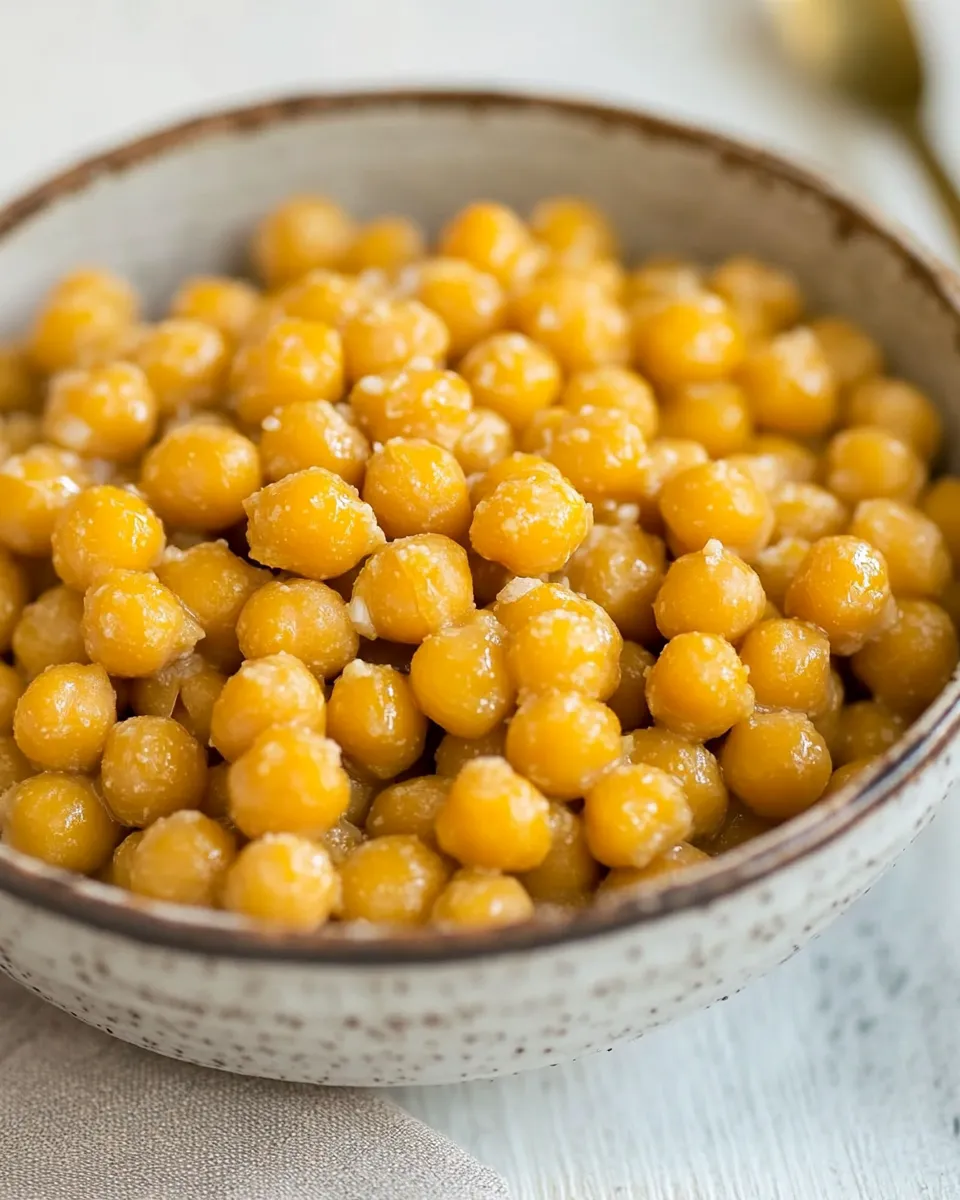
There’s something undeniably satisfying about transforming tiny, hard dried chickpeas into tender, creamy legumes that sing in salads, soups, stews, and spreads. Whether you’re making a big batch for weekly meal prep or prepping for a single recipe, knowing how to cook dried chickpeas well will give you better texture, better flavor, and a fresher pantry staple than canned ever can. Below I’ll walk you through the simple ingredients, the technique, and a handful of tips so your chickpeas come out perfectly every time.
Why start with dried chickpeas?
Dried chickpeas have a few advantages: they’re economical, they store for months, and you control the salt, texture, and cooking liquid. When you cook them from dried, you can make them as firm or as soft as you like, infusing them with aromatics during cooking or keeping them neutral for versatile use. Plus, a little patience up front pays off with multiple meals later.
Ingredients
- 2 cups dried chickpeas, approximately 1 pound
- 2 tablespoons kosher salt, divided
- 1 teaspoon baking soda
- water
Before you start: tools and timing
You’ll need a large mixing bowl for soaking (if you choose to soak), a large heavy-bottomed pot or Dutch oven for simmering, a slotted spoon, and a colander. Cooking times vary depending on whether you soak the chickpeas and how soft you want them. Soaked chickpeas cook faster and more evenly. Unsoaked chickpeas will take longer but still turn out tender when cooked properly.
How to Cook Dried Chickpeas — Step-by-step
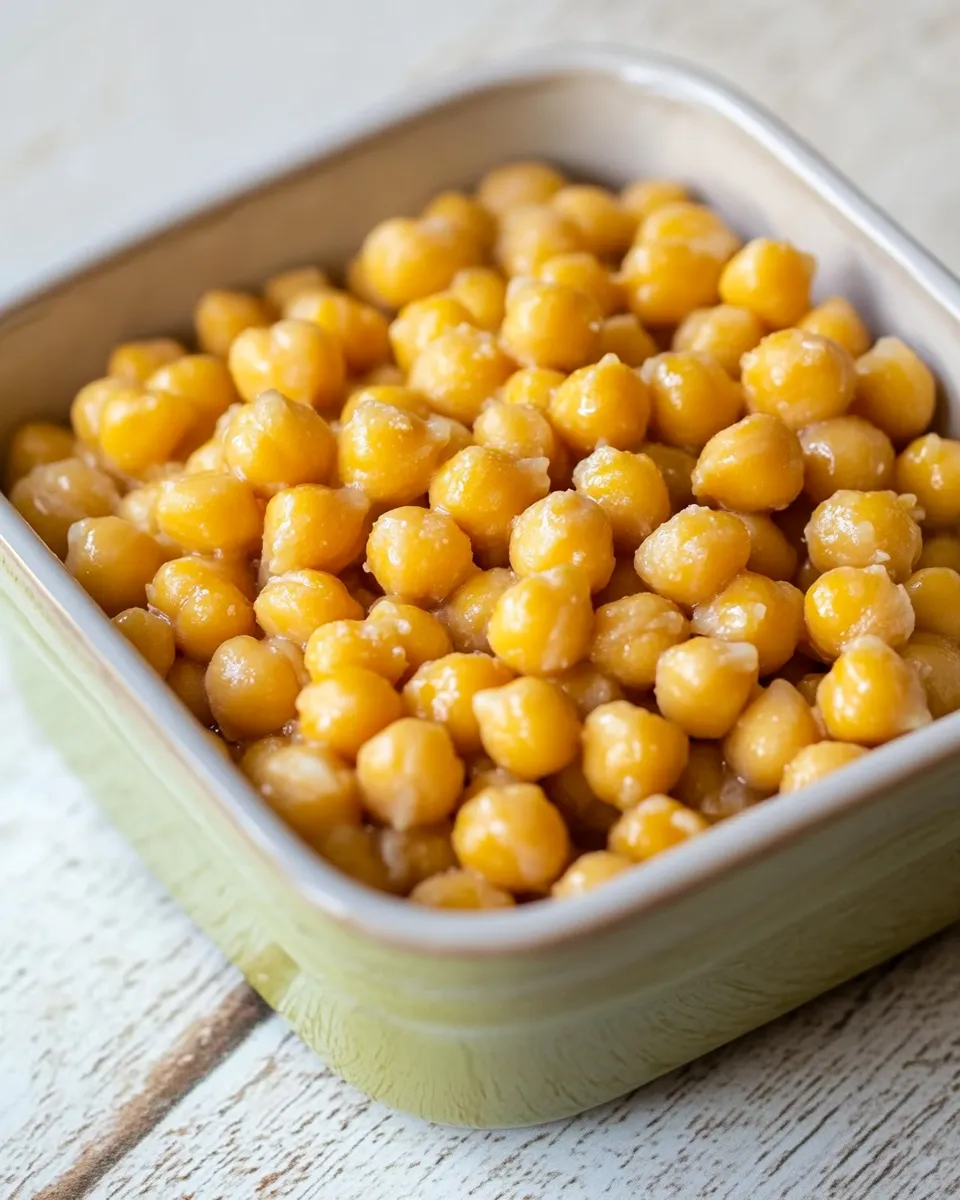
Follow these clear, step-by-step instructions to make perfectly cooked chickpeas. This method respects the ingredient amounts listed above and keeps the process straightforward.
- Sort and rinse. Spread the 2 cups dried chickpeas on a clean surface and pick through them to remove any small stones or debris. Transfer the chickpeas to a colander and rinse thoroughly under cool running water until the water runs clear.
- Soak (optional but recommended). Place the rinsed chickpeas in a large bowl and cover with cold water by at least 3 inches—the chickpeas will swell as they absorb water. Let them soak for 8 to 12 hours or overnight. If you’re short on time, you can use the quick-soak method described in the next step and skip the long soak.
- Quick soak alternative. If you didn’t soak overnight, put the rinsed chickpeas in your pot and cover with cold water by 3 inches. Add 1 teaspoon baking soda and bring to a vigorous boil for 2 minutes. Remove the pot from heat, cover, and let the chickpeas sit for 1 hour. Drain and rinse before proceeding.
- Drain and combine for cooking. Whether you used the long soak or the quick soak, drain the soaking water and give the chickpeas another rinse. Return them to the large pot or Dutch oven and add fresh water to cover by about 2 inches.
- Add baking soda for tenderness. Sprinkle 1 teaspoon baking soda into the pot with the chickpeas and water. Gently stir to dissolve. Baking soda raises the pH of the cooking water, which helps soften the chickpea skins and speeds up the breakdown of pectin in the beans, giving you creamier results.
- Bring to a simmer. Place the pot over medium-high heat and slowly bring the water to a gentle simmer. Keep an eye on it so it doesn’t boil over. Once it reaches a simmer, reduce the heat to maintain a gentle simmer—small bubbles should rise to the surface steadily but not vigorously.
- Skim foam and adjust heat. As the chickpeas begin simmering, you’ll notice some foam collecting on the surface. Use a slotted spoon to skim off the foam and discard it. Lower the heat as needed to keep the simmer gentle; a rolling boil can break the skins and make the beans mushy.
- Simmer until tender. Cook the chickpeas, partially covered, until they reach your desired tenderness. Soaked chickpeas typically take 45 minutes to 1 hour. If you used the quick-soak method, plan for about 1 to 1½ hours. Start checking for doneness at about 30 minutes by tasting a chickpea: it should be tender all the way through and mash easily between your fingers or on the roof of your mouth. Cooking time varies with the age of the chickpeas and your altitude.
- Add salt near the end of cooking. When the chickpeas are nearly done—about 10 minutes before you expect them to be tender—stir in 1½ tablespoons of the kosher salt. Reserve the remaining ½ tablespoon to adjust seasoning after cooking, if needed. Adding salt too early can sometimes lengthen cooking time and affect the beans’ texture; adding it toward the end seasons them well without compromising tenderness.
- Test and season. Taste a few chickpeas to confirm they are fully tender and seasoned to your liking. If they need more salt, sprinkle in the remaining ½ tablespoon and stir. If the chickpeas are reaching tenderness but still have slightly firm centers, continue simmering and test every 5–10 minutes.
- Drain and cool. Once the chickpeas are done, remove the pot from the heat and drain them in a colander. If you plan to use them in salads or recipes where you want them firmer, rinse briefly with cool water to stop the cooking. For hummus or mashable uses where creaminess is desired, you can use them warm or cool them slightly.
- Store or use immediately. Transfer cooked chickpeas to an airtight container and refrigerate for up to 5 days, or freeze in portioned bags for up to 3 months. If freezing, spread them on a baking sheet to flash-freeze for 30–60 minutes before transferring to freezer bags to keep them from clumping.
Notes on the ingredients
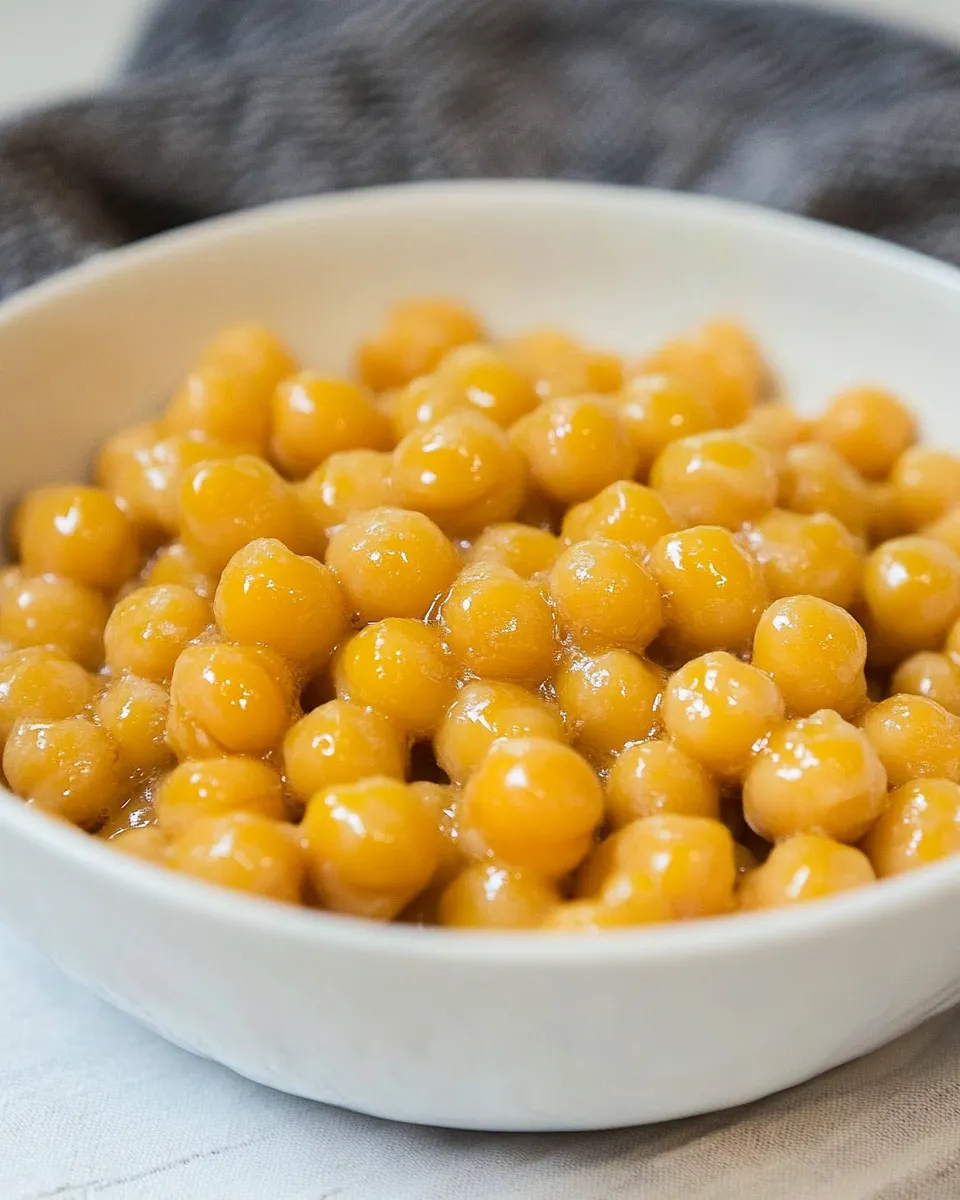
This recipe uses only a few simple ingredients: dried chickpeas, kosher salt, baking soda, and water. Kosher salt gives clean seasoning, and baking soda helps produce a tender texture more quickly. There’s nothing in the ingredient list that conflicts with the steps above, so the amounts and names are followed precisely. If a recipe calls for other seasonings later, add them after cooking so you can control the final flavor.
Tips for perfect chickpeas every time
- Age matters. Older dried chickpeas can take significantly longer to soften. If your chickpeas stay stubbornly firm, keep simmering and test every 10 minutes. In extreme cases, replacing the cooking water once during the simmer can help.
- Salt timing. Adding most of the salt toward the end of cooking prevents the outer skins from toughening while still seasoning fully.
- Use the cooking liquid. The starchy, flavored cooking liquid is excellent to use in place of water in soups or to thin hummus for an extra-rich texture. Save some in the fridge for up to 3 days.
- Flavor additions. If you want to infuse flavor, add whole garlic cloves, a halved onion, bay leaves, or a sprig of rosemary to the pot while simmering. Remove them before storing or using the chickpeas if you don’t want strong bites of those aromatics.
- Freeze smartly. Freeze cooked chickpeas in measured portions so they’re ready for soups, salads, or dips without thawing too much at once.
Common problems and fixes
If your chickpeas are still hard after a long simmer, try these troubleshooting tips:
- Keep simmering. Some chickpeas require extra time—another 30 to 60 minutes may be all that’s needed.
- Check your water. Hard water can slow the softening; a pinch more baking soda or using filtered water for cooking can help.
- Discard old beans. Very old chickpeas can remain hard no matter what; consider replacing the bag and testing a small batch before cooking large amounts.
What to do with cooked chickpeas
Once you’ve mastered how to cook dried chickpeas, the culinary possibilities multiply. Here are a few easy ideas:
- Classic hummus: Blend warm chickpeas with tahini, lemon juice, garlic, olive oil, and a little of the cooking liquid for ultra-creamy texture.
- Roasted snacks: Toss well-drained chickpeas with olive oil and spices, then roast until crispy for a healthy, crunchy snack.
- Hearty salads: Add chilled chickpeas to grain bowls, Greek-style salads, or chickpea-tomato salads for protein and bite.
- Soups and stews: Stir chickpeas into tomato-based stews, curries, or brothy soups toward the end of simmering.
- Mashes and spreads: Smash with olive oil and lemon for a rustic spread, or fold into mashed root vegetables for added texture.
Yield and storage
Two cups of dried chickpeas (about 1 pound) yield roughly 6 to 7 cups cooked, depending on how much water they absorb and how long you cook them. Store cooked chickpeas in the refrigerator for up to 5 days in an airtight container. For longer storage, freeze portions for up to 3 months and thaw in the refrigerator overnight before use.
Final thoughts
Learning how to cook dried chickpeas unlocks endless options in the kitchen. With a little planning—soaking when possible, using a pinch of baking soda for tenderness, and adding most of the salt toward the end—you’ll get chickpeas that are evenly tender, flavorful, and ready to star in countless dishes. This straightforward method respects ingredient amounts and keeps the steps easy to follow, so you can make a big batch and reap the benefits all week long.
Happy cooking — and enjoy the satisfaction of turning humble dried chickpeas into something delicious.
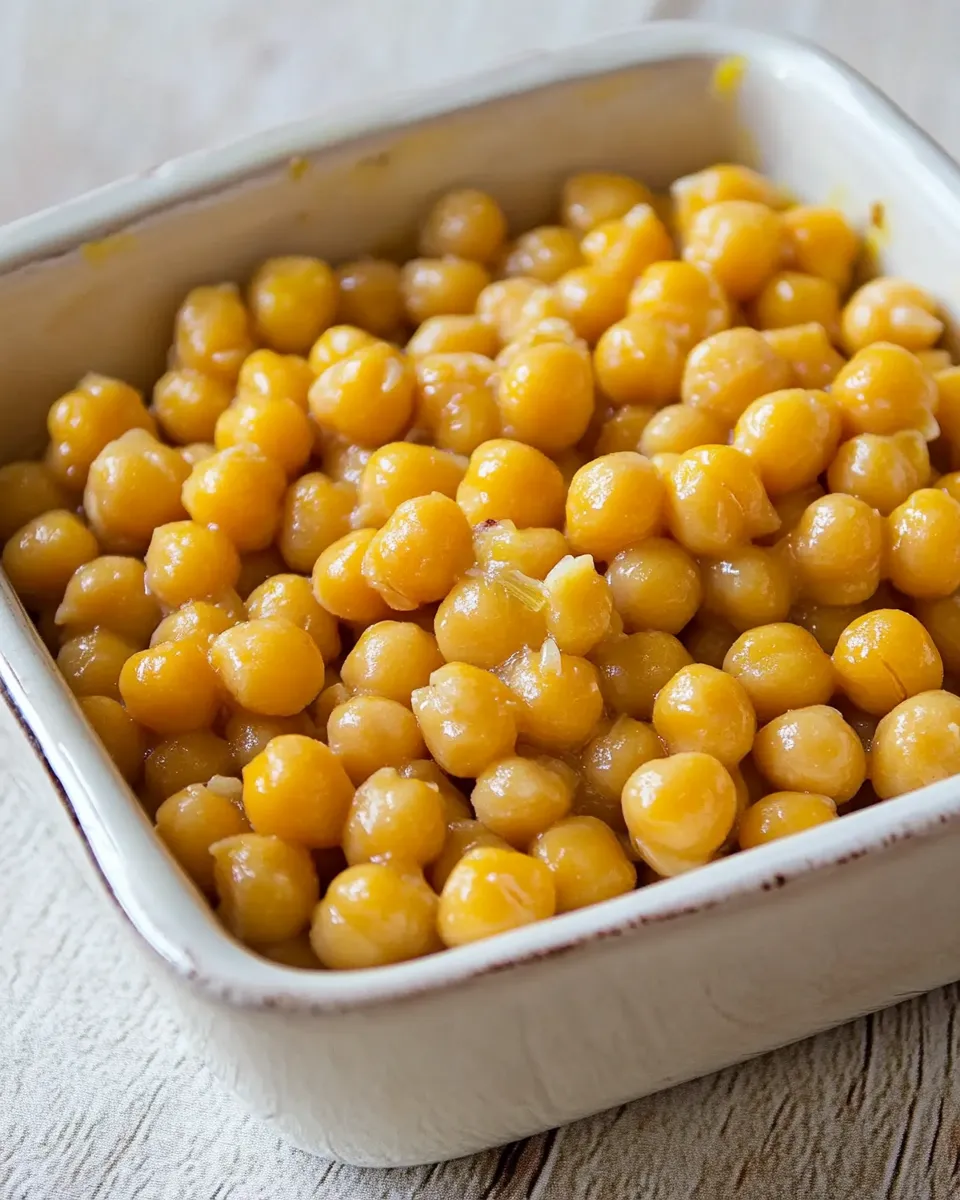
How to Cook Dried Chickpeas
Equipment
- Large Bowl
- Colander
- Large Pot or Dutch Oven
- Instant Pot (optional)
- slow cooker (optional)
- Measuring Spoons
Ingredients
- 2 cups dried chickpeas approximately 1 pound
- 2 tablespoons kosher salt divided
- 1 teaspoon baking soda
- water for soaking and cooking
Instructions
- Place the dried chickpeas in a large bowl and cover with about 6 cups of water.
- Stir in 1 1/2 tablespoons of the kosher salt and the baking soda, then soak the chickpeas for at least 12 hours and up to 24 hours, preferably overnight.
- After soaking, drain and rinse the chickpeas well.
- Stovetop method: Place the drained chickpeas in a large pot or Dutch oven and cover with 3–4 inches of fresh water. Add 1/2 tablespoon kosher salt, bring to a boil over high heat, then reduce to a simmer, cover partially, and cook about 2 hours until tender, skimming any foam from the surface.
- Instant Pot method: Put the drained chickpeas in the Instant Pot with about 6 cups of water and 1/2 tablespoon kosher salt. Seal the lid and pressure cook on high for 20 minutes, then allow a natural release for 10–15 minutes before opening.
- Slow cooker method: Add the drained chickpeas to the slow cooker with about 8 cups of water and 1/2 tablespoon kosher salt. Cook on high for about 4 hours or low for about 8 hours, until the chickpeas reach your desired tenderness.
- Let the cooked chickpeas cool in their cooking liquid, then transfer them with some liquid to airtight containers and refrigerate for up to 4–5 days or freeze for longer storage.
Notes
- Soaking softens chickpeas and reduces cooking time.
- Use the reserved cooking liquid for soups or thinning hummus.
- Skim foam while boiling to keep the liquid clear.
- Adjust salt to taste after cooking if needed.