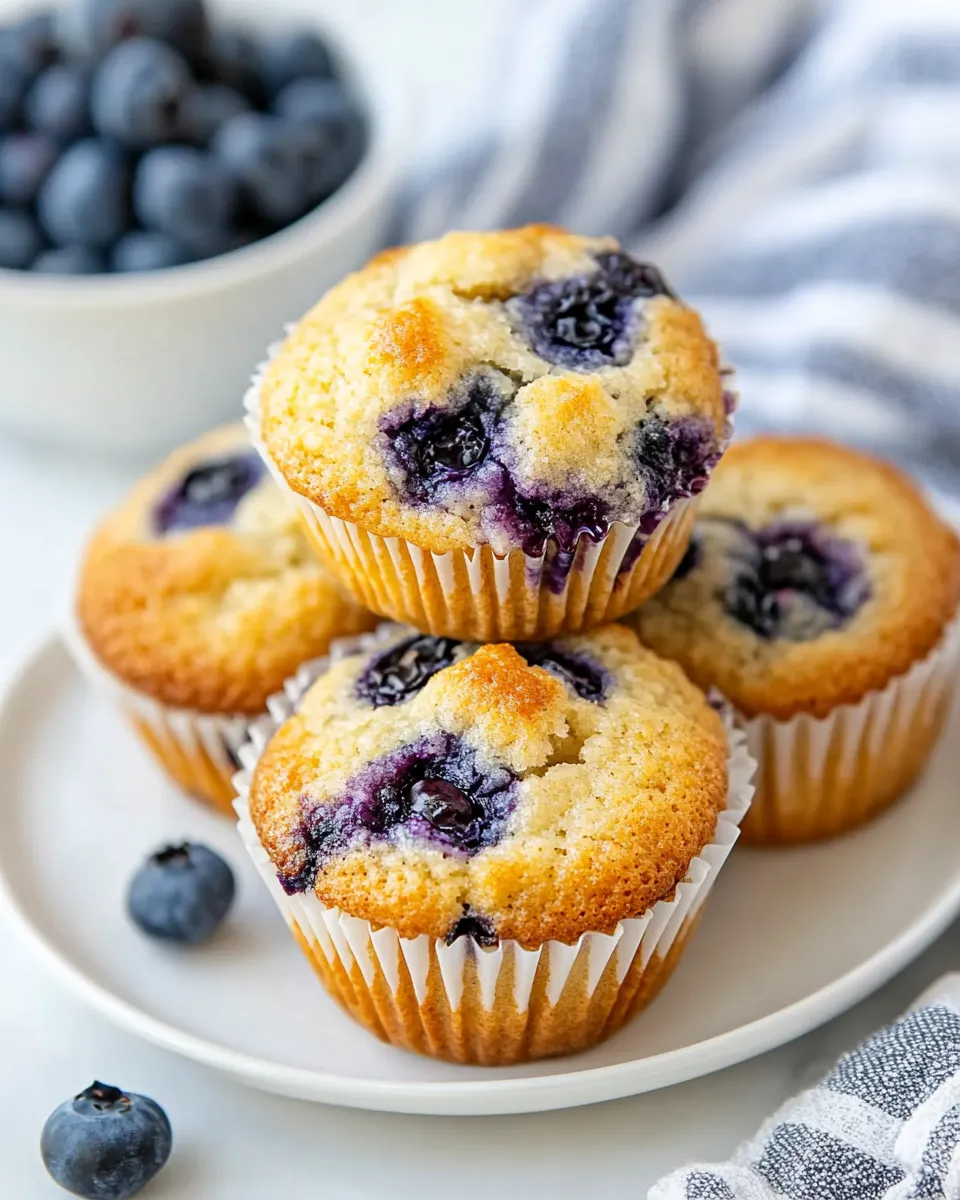
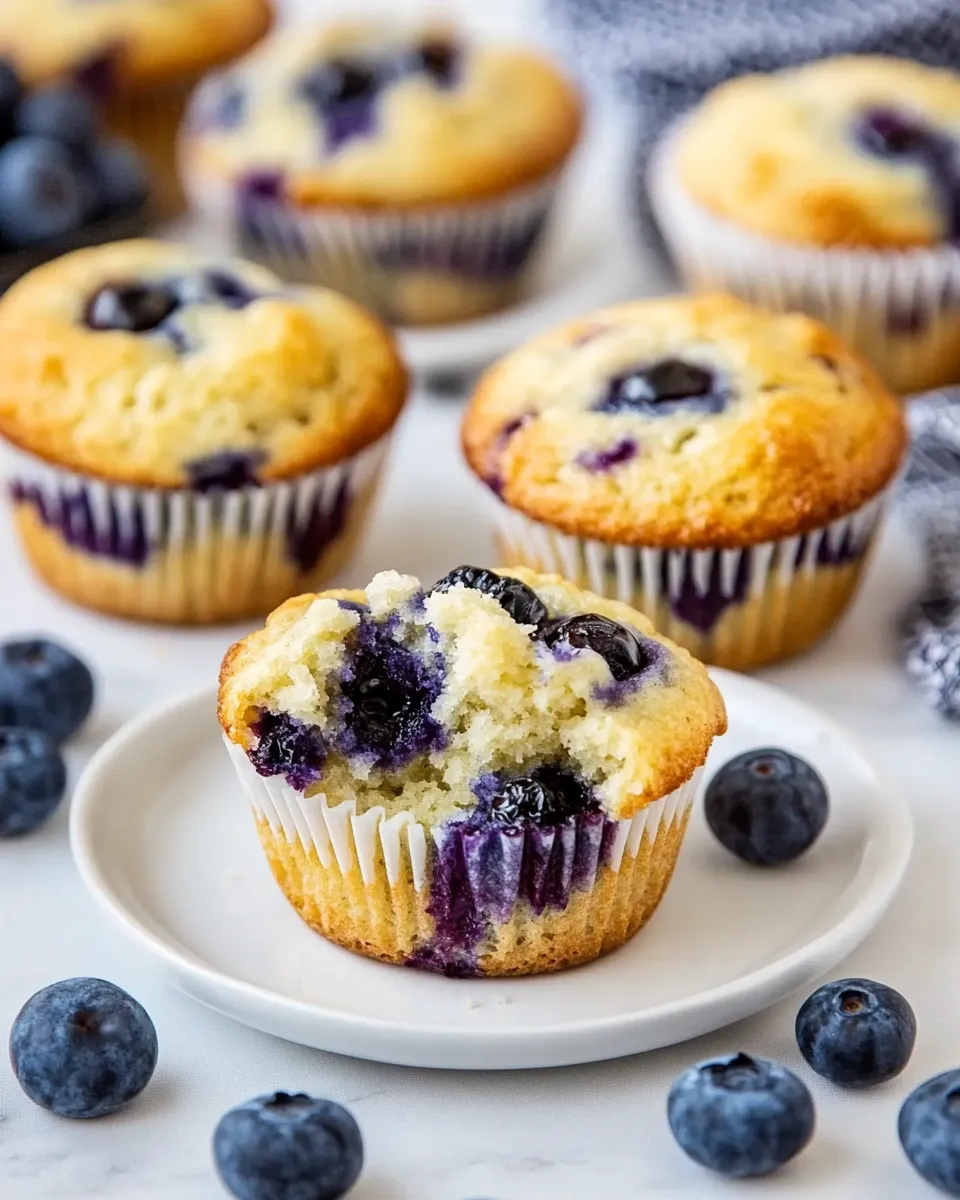
I make these muffins on mornings when I want something that feels indulgent without a complicated list of steps. They bake up tender, slightly golden, and studded with juicy blueberries. The almond flour keeps the crumb moist and has a gentle, nutty flavor that pairs beautifully with maple and a hint of lemon zest.
They’re forgiving to mix and you can have batter ready in under ten minutes. I love that they freeze well, travel nicely, and come together with pantry-friendly ingredients. If you’re new to almond-flour baking, these are a warm, practical starting point.
Below you’ll find the ingredient list, exact step-by-step directions (I follow the order here), and the little troubleshooting notes I wish someone had handed me when I first tried gluten-free muffins. Let’s get to it.
Ingredient List
- 3 eggs — provide structure and moisture; whisk until slightly frothy for a lighter crumb.
- ½ cup pure maple syrup — sweetener and adds a subtle caramel note; keeps muffins tender.
- 1 teaspoon pure vanilla extract — rounds and deepens flavor without overpowering.
- 2 cups almond flour — the base of the batter; gives a moist, tender texture and nutty taste.
- ½ cup tapioca flour — adds lightness and helps bind the batter; reserve 1 tablespoon for the blueberries.
- 1 teaspoon baking powder — leavening agent to give lift and a gentle rise.
- 1 teaspoon sea salt* — balances sweetness and enhances flavor; a little goes a long way.
- 1 ½ cups fresh blueberries — the star fruit; toss with reserved tapioca flour so they don’t sink.
- Zest of 1 lemon — optional: brightens the batter and complements the blueberries.
Blueberry Almond Flour Muffins, Made Easy
- Preheat the oven to 350 degrees Fahrenheit and place a rack in the center position. Line a muffin tin with paper liners (or lightly grease the cups). This recipe makes 8 larger or 10 smaller muffins.
- In a large bowl, whisk together 3 eggs, ½ cup pure maple syrup, and 1 teaspoon pure vanilla extract until combined and slightly frothy. If using, add the zest of 1 lemon to the wet mixture now.
- In a separate bowl, measure ½ cup tapioca flour and set aside 1 tablespoon of it for the blueberries. To the remaining tapioca flour add 2 cups almond flour, 1 teaspoon baking powder, and 1 teaspoon sea salt; stir to combine and break up any clumps.
- Pour the dry ingredients into the bowl with the wet ingredients and stir gently until a thick, uniform batter forms. Stir just until combined to avoid overmixing.
- Toss 1 ½ cups fresh blueberries with the reserved 1 tablespoon of tapioca flour (this helps prevent them from sinking). Gently fold the coated blueberries into the batter, taking care not to crush them.
- Divide the batter among the prepared muffin cups, filling each liner most of the way up. If you like, place a few extra blueberries on top of each muffin.
- Bake on the center rack for 28 to 35 minutes, or until the tops are golden and a toothpick inserted in the center comes out clean. If using an instant-read thermometer, the muffins are done when the internal temperature reaches 190 to 200 degrees Fahrenheit.
- Remove the muffins from the oven and let them cool in the pan for about 5 minutes, then transfer them to a wire rack to cool further before serving.
Why It Deserves a Spot
These muffins strike a rare balance: simple ingredients, straightforward technique, and a result that feels special. Almond flour delivers a tender crumb that keeps the muffins moist for days. Maple syrup provides natural sweetness and a subtle depth that brown sugar can’t match. Fresh blueberries add bursts of juice that contrast the nutty base.
They’re versatile. Serve them warm with a smear of butter, pack one in a lunchbox, or keep them in the freezer for mornings when you need something fast and satisfying. For busy households, a batch makes weekday breakfasts more interesting without much extra effort.
Finally, the recipe is forgiving. It doesn’t require any exotic binders. If you watch the bake time and don’t overmix, you’ll get consistent results even on your first try.
Easy Ingredient Swaps
When you need flexibility, small swaps can work, but keep proportions and functionality in mind.
- Almond flour — if you must swap for another nut flour (like cashew), expect a slightly different flavor and possibly a moister crumb; measure by volume as written.
- Tapioca flour — potato starch or arrowroot can sometimes stand in for tapioca in a pinch; they behave similarly as lightening starches, though results may vary.
- Maple syrup — honey can be used, but flavor will shift; reduce other liquids slightly if the batter seems too loose.
- Fresh blueberries — frozen blueberries work, but fold them in straight from the freezer and add an extra minute or two of bake time; toss them in the reserved starch the same way to prevent bleeding and sinking.
Tools & Equipment Needed
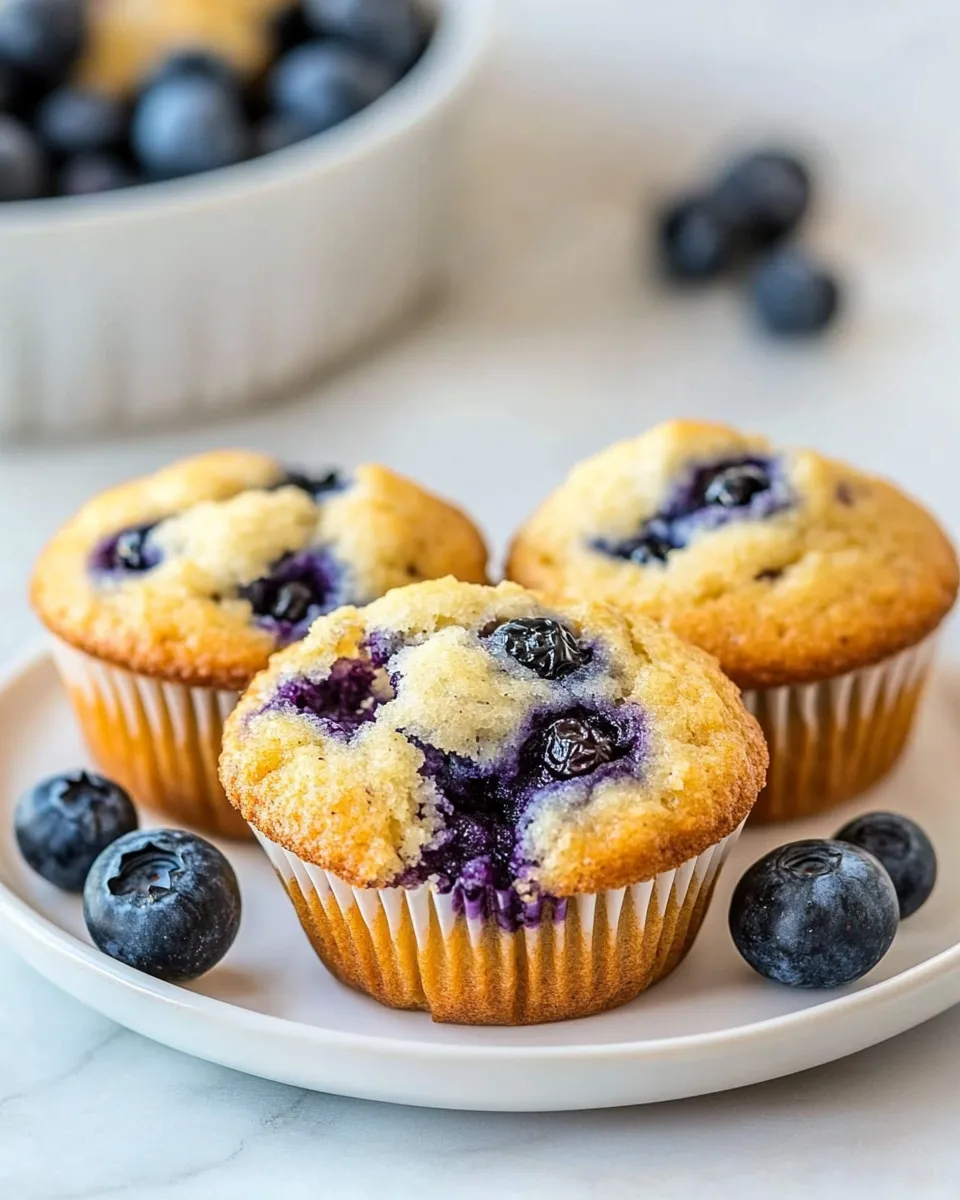
You don’t need fancy gear. A few reliable tools make the process smooth and predictable.
- Muffin tin (makes 8 large or 10 small muffins)
- Paper liners or a brush for greasing the cups
- Two mixing bowls (one for wet, one for dry)
- Whisk and a rubber spatula for folding
- Measuring cups and spoons calibrated to your usual standards
- Wire rack for cooling
Missteps & Fixes
Too Dense or Gummy
If your muffins come out too dense or slightly gummy in the center, the most common causes are overmixing or underbaking. Almond flour batters are forgiving, but they don’t benefit from vigorous mixing. Stir just until combined. If the centers look wet but the recommended bake time has passed, give them a few more minutes and check again.
Blueberries Sink
If berries sink to the bottom, it often means they weren’t coated with starch. Be sure to reserve 1 tablespoon of the tapioca flour and toss the blueberries in it before folding them into the batter. This creates a thin coating that helps suspend them.
Browned Too Quickly
If tops brown fast before the centers set, reduce the oven temperature by 10–15 degrees and bake a little longer, or move the rack down one position. Ovens vary; aim for golden tops and a clean toothpick.
Muffins Stick to Liners
Sticking can happen with low-fat batters or cheap liners. Lightly grease the cups or use higher-quality parchment liners. Let the muffins cool at least 5 minutes in the pan before transferring to a wire rack.
Better-for-You Options
These muffins are already on the lighter side because of almond flour and maple syrup. If you want to adjust further:
- Use less maple syrup for fewer calories; reduce by a tablespoon or two and taste the batter—sweetness is personal.
- Add a tablespoon of ground flaxseed for fiber; it will slightly change texture but adds nutrients.
- Swap some of the blueberries for chopped nuts if you want more protein and crunch.
Remember, changing sweeteners or adding dry mix-ins can affect moisture and structure, so small tweaks are safer than big ones.
If You’re Curious
Why does tapioca flour help the berries? The starch creates a light barrier that absorbs surface moisture, slowing the berries’ tendency to sink. Almond flour on its own is denser than wheat flour, so the tapioca lightens the batter and improves the mouthfeel.
Can you use dried blueberries? You can, but they’re concentrated and chewy—rehydrating briefly in warm water or folding them in sparingly will give a better texture. Fresh berries give the best burst of juice.
Prep Ahead & Store
You can prepare the batter and keep it chilled for a short time, but for best lift, bake shortly after mixing. If you need to prep ahead:
- Make the batter and hold it in the refrigerator for up to 24 hours. Bring it to room temperature before baking and give a gentle stir if it has settled.
- Baked muffins: cool completely, then store in an airtight container at room temperature for up to 3 days.
- Freeze: wrap cooled muffins individually or store in a freezer bag for up to 3 months. Thaw at room temperature or warm briefly in a low oven or microwave.
Quick Q&A
- Can I use a convection oven? — Yes. Reduce the oven temperature by about 15–20 degrees and check a few minutes earlier.
- Why measure flours by volume here? — The recipe was written with these measurements. If you prefer weight, note that almond flour can compact; spoon into the cup and level for consistency.
- Are these gluten-free? — Yes, assuming your ingredients (like baking powder) are certified gluten-free.
- Can I make mini muffins? — Yes. Reduce bake time and check early; they’ll take less time due to smaller size.
- Can I add cinnamon or spices? — Yes. A quarter to half teaspoon of cinnamon or a pinch of cardamom works well without overpowering the blueberries.
- My muffins collapsed after cooling—why? — Likely underbaked or the oven temperature fluctuated. Check doneness with a toothpick or internal temp (190–200°F).
The Last Word
These Blueberry Almond Flour Muffins are a reliable, tasty option when you want something homemade without fuss. Stick to the ingredient list and the step order, watch your bake time, and they’ll reward you with moist, flavorful muffins that travel well and keep their charm even after a day or two.
Make a double batch if you want to freeze extras. Keep one warm for guests, one in the freezer for rushed mornings, and you’ll always have a sensible, delicious option on hand.
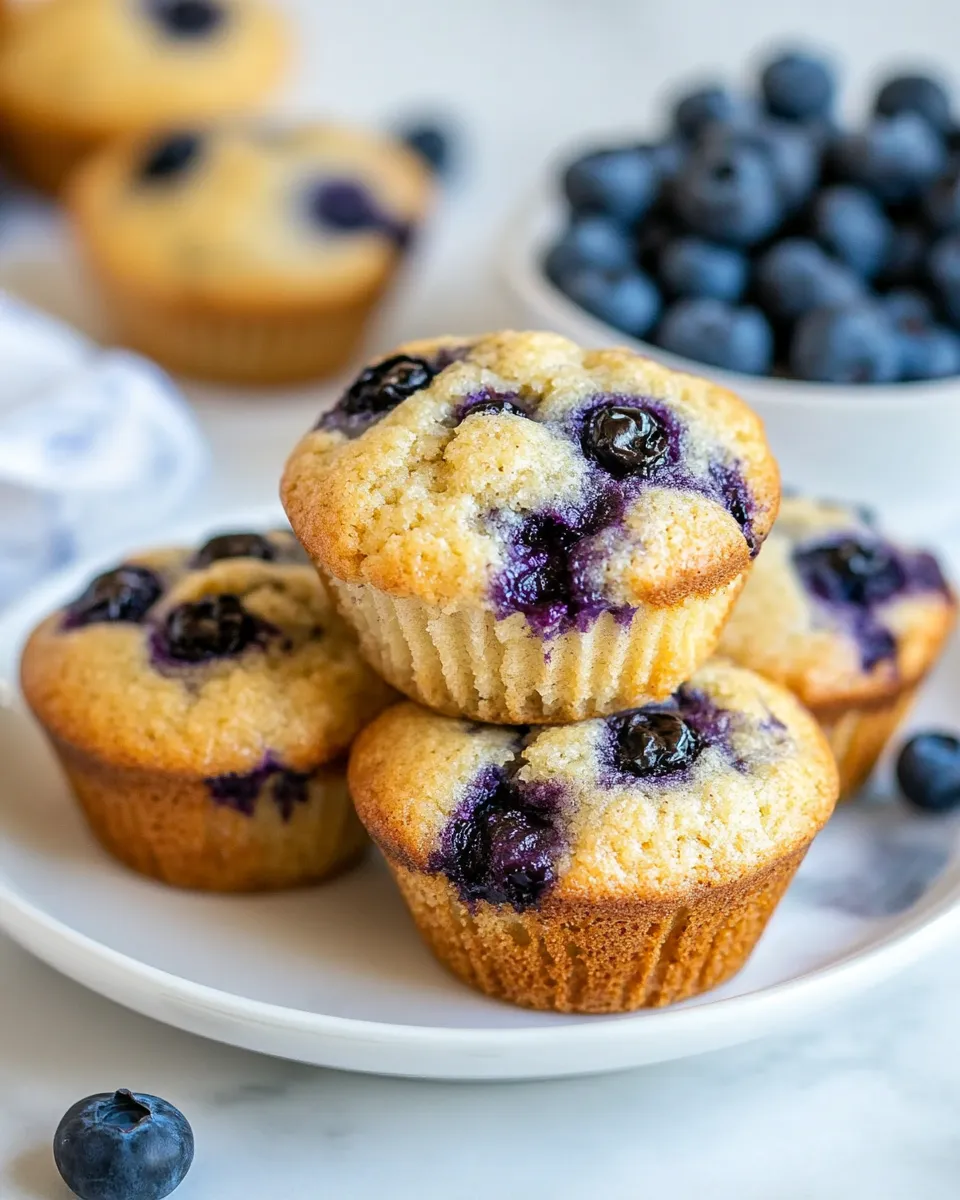
Blueberry Almond Flour Muffins
Equipment
- Muffin Tin
- Paper liners
- Mixing Bowls
- Wire Rack
- Instant Read Thermometer
Ingredients
Ingredients
- 3 eggs
- 1/2 cuppure maple syrup
- 1 teaspoonpure vanilla extract
- 2 cupsalmond flour
- 1/2 cuptapioca flour
- 1 teaspoonbaking powder
- 1 teaspoonsea salt*
- 1 1/2 cupsfresh blueberries
- Zest of 1 lemonoptional
Instructions
Instructions
- Preheat the oven to 350 degrees Fahrenheit and place a rack in the center position. Line a muffin tin with paper liners (or lightly grease the cups). This recipe makes 8 larger or 10 smaller muffins.
- In a large bowl, whisk together 3 eggs, ½ cup pure maple syrup, and 1 teaspoon pure vanilla extract until combined and slightly frothy. If using, add the zest of 1 lemon to the wet mixture now.
- In a separate bowl, measure ½ cup tapioca flour and set aside 1 tablespoon of it for the blueberries. To the remaining tapioca flour add 2 cups almond flour, 1 teaspoon baking powder, and 1 teaspoon sea salt; stir to combine and break up any clumps.
- Pour the dry ingredients into the bowl with the wet ingredients and stir gently until a thick, uniform batter forms. Stir just until combined to avoid overmixing.
- Toss 1 ½ cups fresh blueberries with the reserved 1 tablespoon of tapioca flour (this helps prevent them from sinking). Gently fold the coated blueberries into the batter, taking care not to crush them.
- Divide the batter among the prepared muffin cups, filling each liner most of the way up. If you like, place a few extra blueberries on top of each muffin.
- Bake on the center rack for 28 to 35 minutes, or until the tops are golden and a toothpick inserted in the center comes out clean. If using an instant-read thermometer, the muffins are done when the internal temperature reaches 190 to 200 degrees Fahrenheit.
- Remove the muffins from the oven and let them cool in the pan for about 5 minutes, then transfer them to a wire rack to cool further before serving.
Notes
Store muffins in an airtight container in the refrigerator for up to 1 week. You can also freeze leftover muffins in a large zip lock bag or freezer bag for up to 3 months.