I make cauliflower couscous every week when I want a light, adaptable base that actually feels like a treat. It’s one of those recipes that rewards a little attention: a few pulses or a careful grating, a quick steam, and you have a grain-like side that soaks up sauces and flavors without stealing the show. I lean on it when I want something faster than rice and lower in carbs, but still comforting.
This post gives a straightforward method and practical tips so you can get consistent results the first time. I’ll cover the exact steps, the reason behind them, and sensible swaps so you can make this work with what’s in your kitchen. No fancy gear required — just a head of cauliflower (or florets), a pot, and a fork.
Think of this as a template: the core technique is simple and reliable. Once you’ve steamed and seasoned your cauliflower couscous, you can dress it up or keep it plain as a smart, neutral base for bigger flavors.
What You’ll Need
Ingredients
- 1-2 heads cauliflower (one large head or two small), totaling about 3 lbs., or 2 lbs. cauliflower florets — the main ingredient; choose whole heads for the freshest texture or pre-cut florets to save prep time.
- 1/2 cup water — used to create steam in the pot so the cauliflower cooks gently without boiling.
- Salt and black pepper — essential for seasoning; add to taste after steaming so you can adjust.
- 1 1/2 tablespoons butter or margarine — adds richness and mouthfeel; use margarine to keep it dairy-free if needed.
- 1 tablespoon olive oil — helps coat the grains and adds a clean flavor; use it alone or with the butter/margarine.
- Parmesan cheese, sauteed vegetables, dried fruits, spices or other add-ins — optional mix-ins to customize texture and flavor; keep these on hand if you plan to dress the couscous.
Stepwise Method: Cauliflower Couscous
- Remove the stem and leaves from the bottom of the cauliflower. If using whole head(s), cut into large, manageable pieces (about 4–6 pieces per head) and rinse to remove any debris. If using 2 lbs. cauliflower florets, rinse them.
- Choose a grating method:
- By hand: use the large holes of a box or cheese grater and grate the cauliflower pieces into rice-sized bits.
- Food processor: cut cauliflower into large florets, work in batches, and pulse until the pieces resemble small couscous-like granules. Do not over-process; keep some texture. Remove any oversized pieces and reprocess them. Transfer the processed cauliflower to a bowl.
- Place a medium pot on the stovetop, add 1/2 cup water, and bring it to a boil over medium-high heat.
- Spread the processed cauliflower in an even layer on top of the boiling water. Cover the pot.
- Steam the cauliflower, keeping the heat at medium-high, for 5–7 minutes, stirring once with a fork halfway through, until it reaches your desired tenderness. Watch carefully so it does not scorch, since there is little liquid.
- Remove the pot from the heat and fluff the cauliflower with a fork. Most or all of the liquid should be absorbed.
- Season with salt and black pepper to taste. Stir in 1 1/2 tablespoons butter or margarine and 1 tablespoon olive oil (use either or both as you prefer) until melted and evenly distributed.
- Serve plain as a base for sauces, curries, or tagines, or add optional mix-ins such as Parmesan cheese, sautéed vegetables, dried fruits, spices, or other add-ins.
Top Reasons to Make Cauliflower Couscous
- Speed: It comes together quickly. From grating to plate in 10–15 minutes when you’re organized.
- Low-carb, high-versatility: It substitutes for grains without stealing the spotlight, working with bold sauces or a light vinaigrette.
- Neutral base: The mild cauliflower flavor lets whatever you serve on top shine — stews, roasted vegetables, or a quick sauté.
- Easy texture control: You decide how tender you want it by steaming a little less or a little more.
- Minimal clean-up: One pot and a grater or food processor. That’s a weeknight winner.
Budget & Availability Swaps
When cauliflower is pricier or out of season, small choices help keep costs down and make this recipe work for you. Use the pre-cut cauliflower florets if they’re on sale — they save prep time. If you want to stretch flavor without buying extras, lean on the butter or olive oil you already have; a little Parmesan (if you have it) goes a long way for richness.
If you need to scale down, use half a head and cut the water proportionally; the steaming time will be similar but keep an eye on texture. For a dairy-free finish, choose margarine instead of butter — both are listed in the ingredients, so swap freely based on budget or preference.
Toolbox for This Recipe
- Box grater (large holes) — for a no-tech approach that gives lovely variation in texture.
- Food processor with a chopping blade — the fastest method; pulse in short bursts to avoid mush.
- Medium pot with lid — choose one that gives a flat surface so the cauliflower spreads evenly for steaming.
- Fork — for the halfway stir and final fluffing; it preserves a light texture.
- Measuring spoons and a 1/2-cup measure — to get the water and fats right without guessing.
Troubleshooting Tips
- Too wet or soggy: You may have added too much water or over-steamed. Reduce steam time by a minute or two next time, and check that most of the 1/2 cup water has been absorbed before removing from heat.
- Mushy texture from over-processing: If you used a food processor, work in very short pulses and stop while small, distinct granules remain. If it becomes mushy, try drying it briefly in a warm skillet to firm it up.
- Scorched bottom: Because there’s little liquid, keep the heat at medium-high and stir once halfway through. If your pot runs hot, reduce to medium and extend the steaming time slightly.
- Undercooked or too crunchy: Steam at the higher end of the time range (6–7 minutes) and ensure the cauliflower layer sits evenly over the boiling water so steam reaches all pieces.
- Flavor seems flat: Finish with the butter or margarine and olive oil as directed. A small sprinkle of salt after steaming brightens the whole dish.
Variations by Season
This recipe’s base is intentionally neutral so you can adapt it to what’s available. In cooler months, think hearty: keep the couscous plain as a bed for winter stews or simmered braises. In warmer months, serve it slightly cooler and top with quick, sautéed vegetables or a sprinkle of Parmesan to keep things light.
Because the optional mix-ins in the ingredient list are open-ended, rotate them with the seasons. Use sautéed vegetables or spices when they’re fresh and abundant. In drier months, dried fruits listed in the ingredients add a concentrated sweet note without extra work.
Cook’s Notes
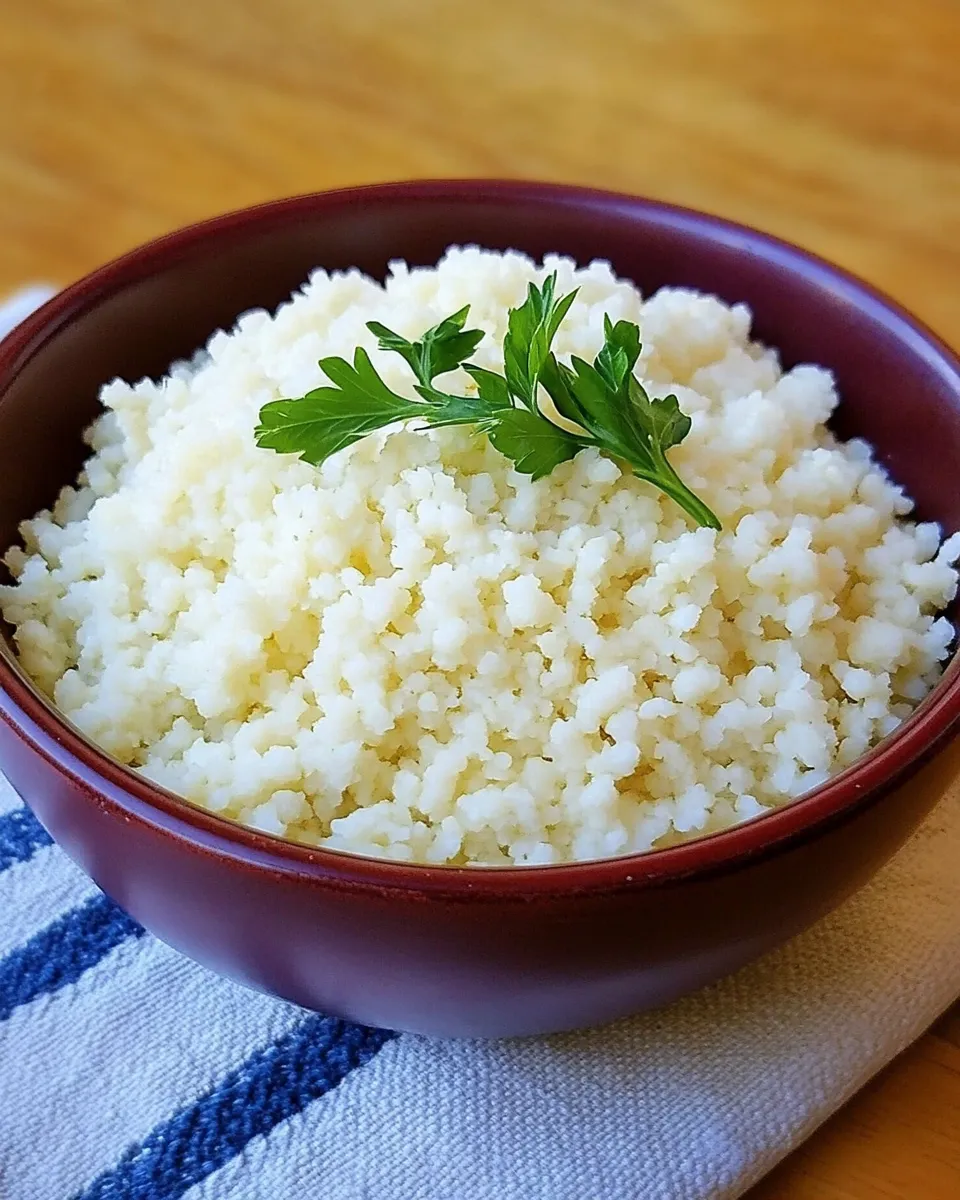
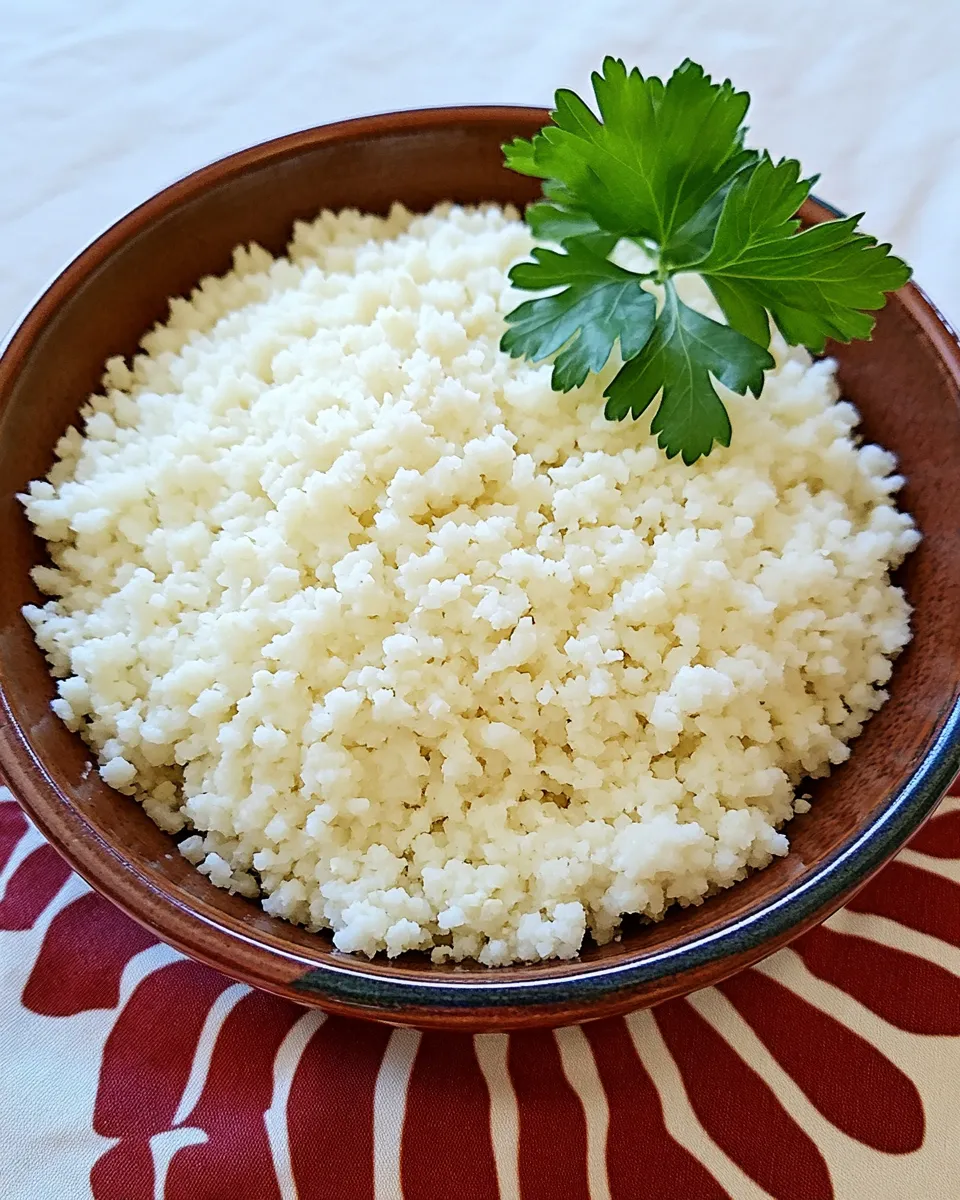
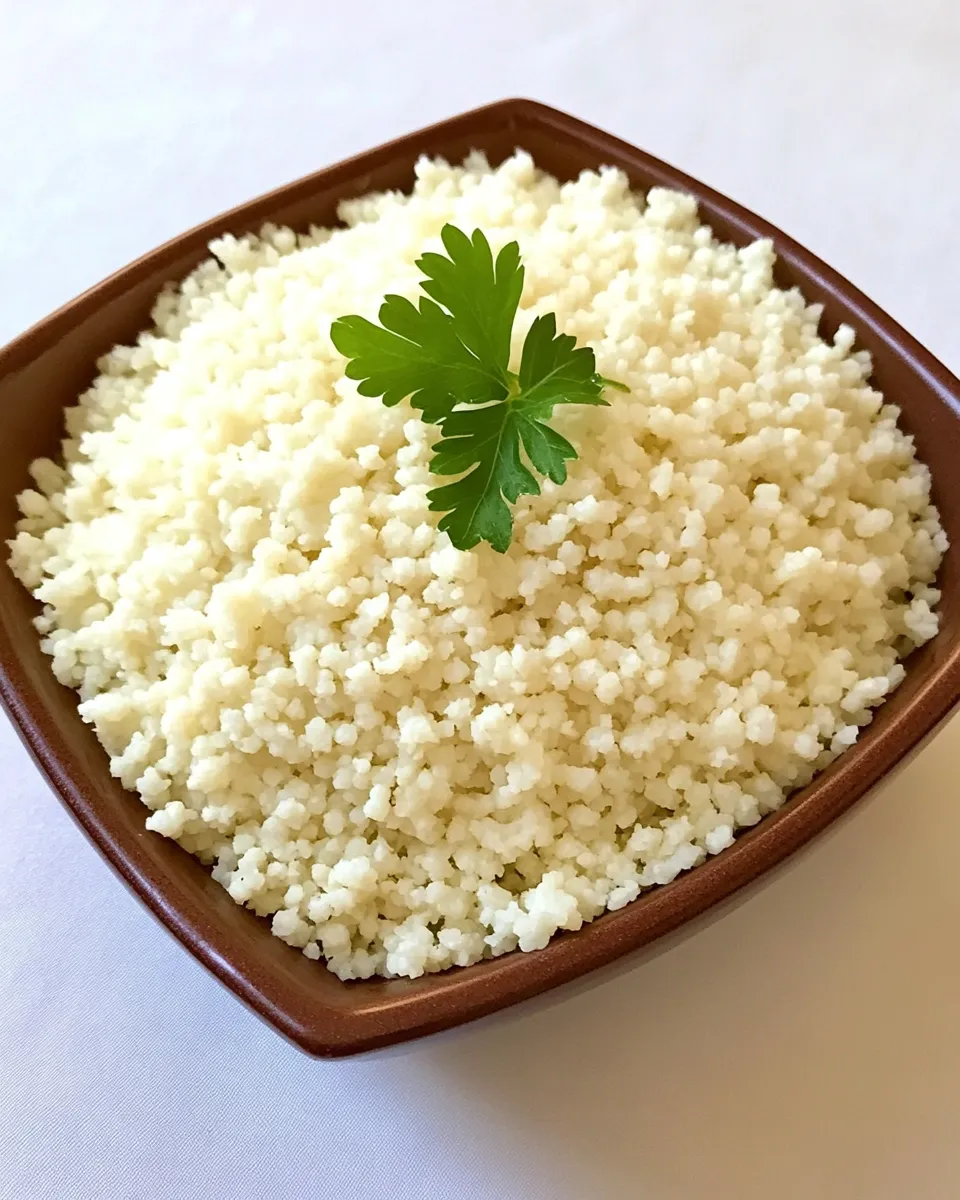
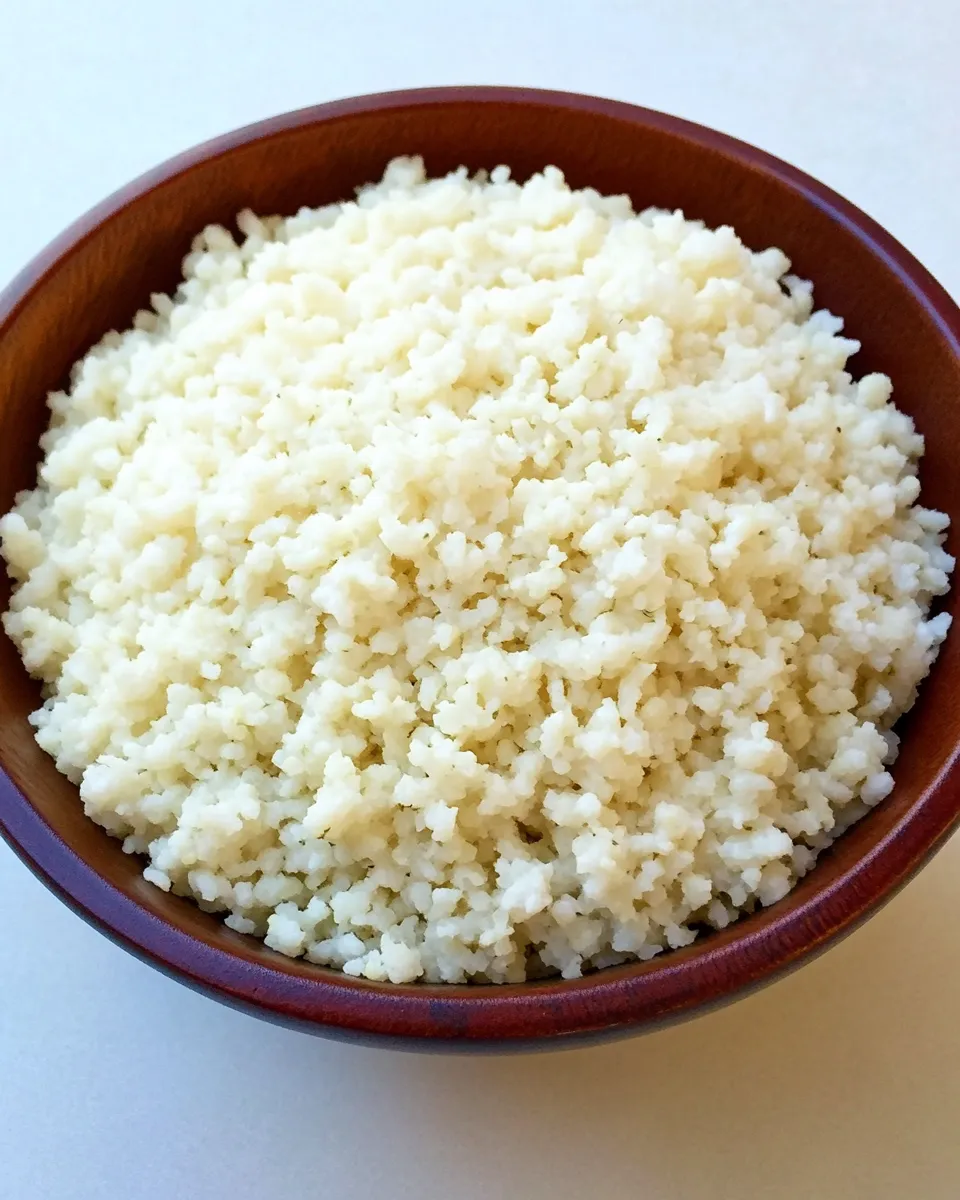
Texture matters here. The goal is small, grain-like pieces rather than a purée. Whether you grate by hand or pulse in a food processor, stop when the cauliflower resembles couscous. Steaming is gentle and keeps the bits separate; boiling or adding too much liquid will make the result soggy.
Season at the end so you can taste and adjust. The fat (butter/margarine and olive oil) does more than add richness; it helps each granule feel satisfying on the tongue. If you like a creamier finish, use all butter or margarine. For a brighter, lighter finish, favor olive oil.
Storage & Reheat Guide
Refrigerate cooled cauliflower couscous in an airtight container for up to 4 days. Keep any add-ins (like cheese or sauced toppings) separate if possible; they maintain texture better that way.
To reheat, warm it gently on the stovetop in a non-stick skillet over medium-low heat. Add a splash of water or a small drizzle of olive oil and toss until warmed through. Microwave reheats fine for a quick option — cover lightly and use short intervals, stirring between them so it heats evenly.
If the couscous seems dry after storage, a small pat of butter or a teaspoon of olive oil stirred in while reheating brings it back to life.
Quick Q&A
- Can I make this ahead? Yes. Steam and cool, then refrigerate up to 4 days. Reheat as noted above.
- Do I have to use a food processor? No. A box grater works well and gives a slightly more varied texture.
- Should I salt before or after steaming? After. Salting at the end lets you control seasoning without drawing out excess moisture during cooking.
- What if I only have florets? The recipe accounts for 2 lbs. of florets; rinse and process them the same way you would a whole head cut into pieces.
Next Steps
Make a batch this week and treat it like a kitchen canvas: keep a jar of grated Parmesan handy and experiment with one add-in at a time. Note how much you like it seasoned and how long you prefer it steamed. Once you have your preferred technique, cauliflower couscous will become your go-to base for fast dinners and smart meal prep.
If you try a twist you love, come back and note what worked — I always enjoy hearing how readers personalize these simple, reliable recipes.
Cauliflower Couscous
Equipment
- Box grater or cheese grater
- Food Processor
- Medium pot
- Fork
Ingredients
Ingredients
- 1-2 headscauliflower one large head or two small, totaling about 3 lbs., or 2 lbs. cauliflower florets
- 1/2 cupwater
- Salt and black pepper
- 1 1/2 tablespoonsbutter or margarine
- 1 tablespoonolive oil
- Parmesan cheese sauteed vegetables, dried fruits, spices or other add-ins
Instructions
Instructions
- Remove the stem and leaves from the bottom of the cauliflower. If using whole head(s), cut into large, manageable pieces (about 4–6 pieces per head) and rinse to remove any debris. If using 2 lbs. cauliflower florets, rinse them.
- Choose a grating method: - By hand: use the large holes of a box or cheese grater and grate the cauliflower pieces into rice-sized bits. - Food processor: cut cauliflower into large florets, work in batches, and pulse until the pieces resemble small couscous-like granules. Do not over-process; keep some texture. Remove any oversized pieces and reprocess them. Transfer the processed cauliflower to a bowl.
- Place a medium pot on the stovetop, add 1/2 cup water, and bring it to a boil over medium-high heat.
- Spread the processed cauliflower in an even layer on top of the boiling water. Cover the pot.
- Steam the cauliflower, keeping the heat at medium-high, for 5–7 minutes, stirring once with a fork halfway through, until it reaches your desired tenderness. Watch carefully so it does not scorch, since there is little liquid.
- Remove the pot from the heat and fluff the cauliflower with a fork. Most or all of the liquid should be absorbed.
- Season with salt and black pepper to taste. Stir in 1 1/2 tablespoons butter or margarine and 1 tablespoon olive oil (use either or both as you prefer) until melted and evenly distributed.
- Serve plain as a base for sauces, curries, or tagines, or add optional mix-ins such as Parmesan cheese, sautéed vegetables, dried fruits, spices, or other add-ins.
Notes
You will also need: Food processor or hand grater, medium pot with lid
This recipe makes 5-6 cups of cooked cauliflower couscous.