I fell in love with coconut water the first time I cracked open a young coconut on a humid, sticky afternoon. It was simple, cool, and so surprisingly bright that it cleared the day like a reset button. No fuss. No complicated prep. Just clean, hydrating liquid that did what it promised: refreshed.
As a blogger, I get asked about making coconut water at home often. People expect fancy steps or secret tricks. The truth is, it’s straightforward. The method I use keeps flavor clear and fresh and avoids the pitfalls that make homemade coconut water taste flat or overly sweet.
Below you’ll find a short ingredient list, a step-by-step method I follow exactly, and practical notes from my kitchen. I’ll also cover equipment, storage, common traps, and answers to questions readers actually ask. If you want coconut water for hydration, for a recipe, or just because you like it chilled and simple, this is the approach I reach for every time.
The Essentials
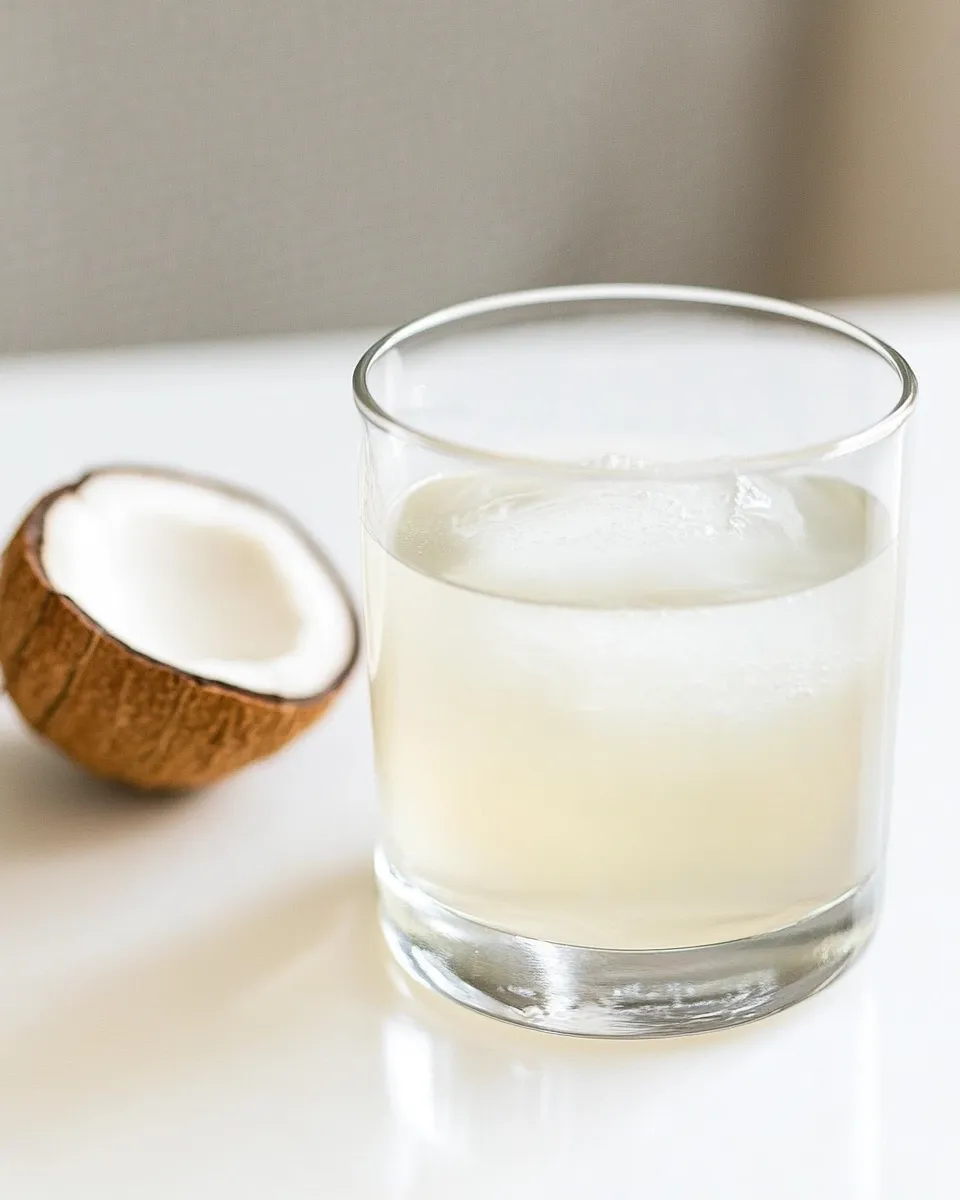
Coconut water is the clear liquid inside a young coconut. It’s naturally low in calories, mildly sweet, and contains electrolytes that help replenish after activity or heat. When you make it at home, the goal is to keep that delicate balance intact: a little salt to enhance flavor, a touch of sweetener only if you want it, and chilling it well.
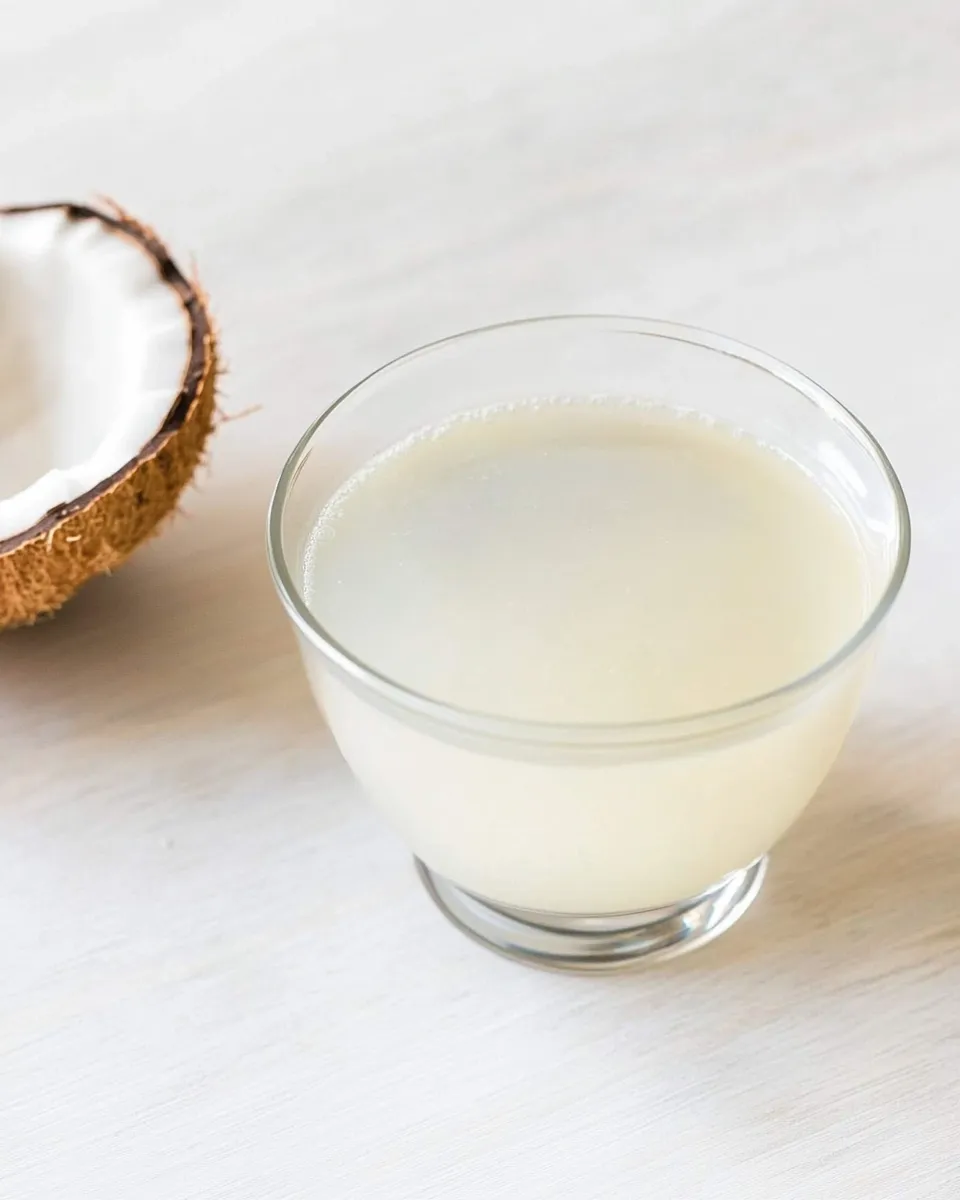
This homemade version combines distilled water with the water from a coconut, a pinch of sea salt, and an optional sweetener. The hot step dissolves the salt and any sweetener so everything blends evenly. It’s a neutral base that tastes like the coconut itself—clean, light, and ready for drinking straight from the pitcher.
Ingredients
- 1 quart water — we use distilled.
- 2 tablespoons honey or pure maple syrup — optional; adds a touch of sweetness if desired.
- 1/2 teaspoon sea salt — balances flavor and replaces lost electrolytes.
- water of one coconut — see the video below.
Make Coconut Water: A Simple Method
- Measure 1 quart distilled water. Pour 1/2 cup of this water into a small saucepan and set the remaining water aside in a 1/2-gallon pitcher.
- Heat the 1/2 cup of water in the saucepan until it comes to a gentle boil, then remove it from the heat.
- Add 2 tablespoons honey or pure maple syrup (optional) and 1/2 teaspoon sea salt to the hot water; stir until fully dissolved.
- Add the water of one coconut to the pitcher with the remaining water.
- Pour the hot honey–salt mixture into the pitcher and stir until everything is evenly combined.
- Refrigerate until chilled. Stir before serving.
Why It’s My Go-To
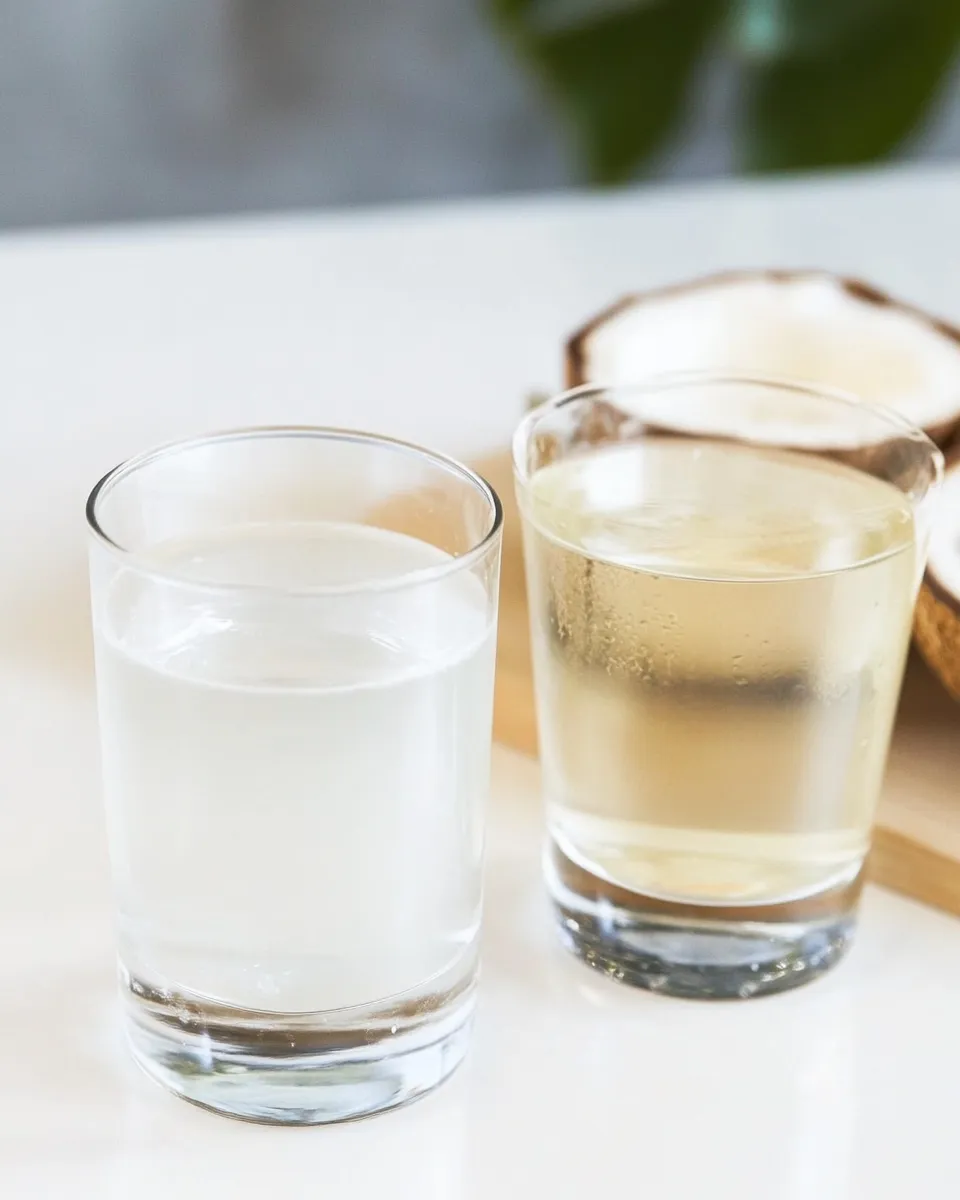
It’s predictable and clean. If I want something bright and simple to sip after a run, this is what I reach for. If I need a neutral liquid for a smoothie or a light cocktail, this is my base. The method preserves the coconut’s natural flavor without overpowering it with sugar or additives.
I also appreciate the control. Store-bought coconut water labels can be confusing: added sugars, preservatives, and concentrated reconstituted juice show up more often than you’d expect. Making it at home lets you decide exactly how it tastes and what goes into it.
And the final reason? It’s economical when you can source fresh coconuts, and it reconnects you with something elemental in cooking: moving from whole ingredient to finished drink with a couple of small, thoughtful steps.
Dairy-Free/Gluten-Free Swaps
Good news: this recipe is naturally dairy-free and gluten-free as written. There’s no dairy ingredient, and nothing gluten-containing either. If you’re serving someone with dietary restrictions, this version is already safe.
If you choose to add a sweetener, stick with the options listed in the ingredients. Avoid processed syrups with additives if you need to keep things strict for allergies or sensitivities.
Before You Start: Equipment
Must-haves
- A 1/2-gallon pitcher — for mixing and chilling.
- A small saucepan — to heat the 1/2 cup of water and dissolve salt and sweetener.
- A measuring cup and spoons — for accuracy with water, sweetener, and salt.
- A reliable coconut opener or a sturdy knife and towel — to access the water from the coconut.
Nice-to-have
- A strainer — if you prefer to remove any small husk or shell particles after opening the coconut.
- A funnel — helpful when transferring coconut water into the pitcher without spilling.
Avoid These Traps
- Don’t over-sweeten. The natural coconut water has delicate flavor; add the optional sweetener sparingly and taste before adding more.
- Don’t skip the hot water step. Dissolving salt and sweetener in hot water ensures even distribution; skipping it can leave gritty salt or undissolved syrup pockets.
- Avoid using tap water with strong flavors or chlorine. The recipe specifies distilled water because it’s neutral. Using flavored tap water will change the final taste.
- Don’t store it at room temperature. Chill promptly. Left too long at room temperature, even water-based drinks can develop off-flavors.
Better Choices & Swaps
Choose the freshest coconut water you can get if you’re opening a coconut yourself. Young, green coconuts yield sweeter, clearer water. Older coconuts develop a heavier, more coconut-ty flavor which can be great for certain uses but changes the profile here.
If you buy bottled coconut water for convenience, read labels and select varieties without added sugars or preservatives. Look for “100% coconut water” and minimal ingredient lists. That keeps the taste close to what you’d get from a fresh coconut.
When it comes to sweeteners, the recipe gives you two options. Use them sparingly and only if the natural coconut water is too mild for your palate. The salt is not a swap; it stabilizes taste and enhances the natural sweetness.
Recipe Notes & Chef’s Commentary
Small details matter. The reason I measure out 1/2 cup of the quart of water to heat is control. Heating just a bit of water keeps the process quick and avoids unnecessarily warming the whole pitcher. It also makes sure the salt dissolves fully and distributes evenly when you combine everything.
Stirring before serving is an easy but overlooked step. Even with dissolved salt and syrup, separation can occur once the mixture cools. A quick stir brings everything back to balance and ensures the taste is consistent with every glass.
About the optional sweetener: I keep it optional because many fresh coconuts have enough natural sweetness on their own. I add the sweetener only when I want a slightly more rounded, dessert-like profile for a drink or a mocktail. If you prefer zero added sugars, omit it entirely—this recipe still hydrates and refreshes perfectly.
One practical tip: if you’re making coconut water for a group, scale ingredients carefully but keep the ratios the same. The tiny amount of hot water step can be multiplied proportionally; just make sure the salt and sweetener dissolve completely before combining.
Keep It Fresh: Storage Guide
Store the coconut water in the refrigerator in a covered pitcher or in sealed bottles. Use it within 48–72 hours for the best flavor. After three days the brightness fades and the liquid can develop a slightly fermented or off taste.
Freeze in ice cube trays if you want longer storage or to use the cubes in smoothies. Frozen coconut water works well in blended drinks and gives you a convenient stash. Thaw in the refrigerator before using for sipping.
If you notice any unusual smell, cloudiness beyond the normal, or fizz, discard it. Those are signs of fermentation, which happens when natural sugars start to break down over time.
Handy Q&A
Q: Can I use tap water instead of distilled?
A: You can, but distilled water ensures a neutral base. If your tap water has a strong taste, it will affect the final flavor. Use filtered water if distilled isn’t available.
Q: Is the honey or maple syrup necessary?
A: No. It’s optional. Add it only if the coconut water is too mild for your taste or if you want a slightly sweeter drink.
Q: Why add salt?
A: The small amount of sea salt balances flavors and replaces electrolytes lost through sweat. It also brings out the coconut’s natural sweetness without making the drink taste salty.
Q: Can I make this without heating any water?
A: The hot water step is helpful to dissolve the salt and sweetener. If you skip it, expect inconsistencies unless you use liquid sweeteners that dissolve easily and fine, pre-dissolved salt.
Q: How do I get the water out of a coconut?
A: There are many methods. A coconut opener or a clean, sturdy screwdriver and hammer to punch a hole in the eyes work. Strain if you see any shell or husk particles. The ingredient note mentions a video for visual help—consult that if you need a hands-on demonstration.
Next Steps
Make a single quart batch to start. Taste as you go. Learn how your coconut tastes and whether you prefer the optional sweetener. Keep a small notebook note on how each coconut behaves—some are brighter, some are earthier.
If you like what you make, scale up thoughtfully and keep the ratios consistent. Serve chilled, stir before pouring, and enjoy the uncomplicated refreshment. It’s one of those simple recipes that rewards care: slight attention, honest ingredients, and a cold glass on a hot afternoon.

Coconut Water
Equipment
- Small saucepan
- pitcher
- Measuring cup
Ingredients
Ingredients
- 1 quartwaterwe use distilled
- 2 tablespoonshoney or pure maple syrupoptional
- 1/2 teaspoonsea salt
- water of one coconutsee the video below
Instructions
Instructions
- Measure 1 quart distilled water. Pour 1/2 cup of this water into a small saucepan and set the remaining water aside in a 1/2-gallon pitcher.
- Heat the 1/2 cup of water in the saucepan until it comes to a gentle boil, then remove it from the heat.
- Add 2 tablespoons honey or pure maple syrup (optional) and 1/2 teaspoon sea salt to the hot water; stir until fully dissolved.
- Add the water of one coconut to the pitcher with the remaining water.
- Pour the hot honey–salt mixture into the pitcher and stir until everything is evenly combined.
- Refrigerate until chilled. Stir before serving.