I keep this beef stir-fry in heavy rotation because it hits a lot of weeknight needs: fast, forgiving, and reliably flavorful. It comes together in under 30 minutes if you have the beef sliced and the vegetables prepped, and it scales easily for two or six without an identity crisis. No fuss, honest results.
This version leans on sesame oil for that toasty aroma, ginger and garlic for snap, and a quick BBQ-soy-honey pan sauce that clings to meat and vegetables without getting syrupy. The technique is straightforward: high heat, short cooking times, and a small bit of patience when you rest the cooked beef so it stays tender.
Below you’ll find clear ingredient notes, the step-by-step source recipe, sensible swaps, gear pointers, and a few chef-style explanations so you know why each step matters. Read the notes once and you’ll stop overthinking the skillet and start enjoying dinner.
Ingredient Notes
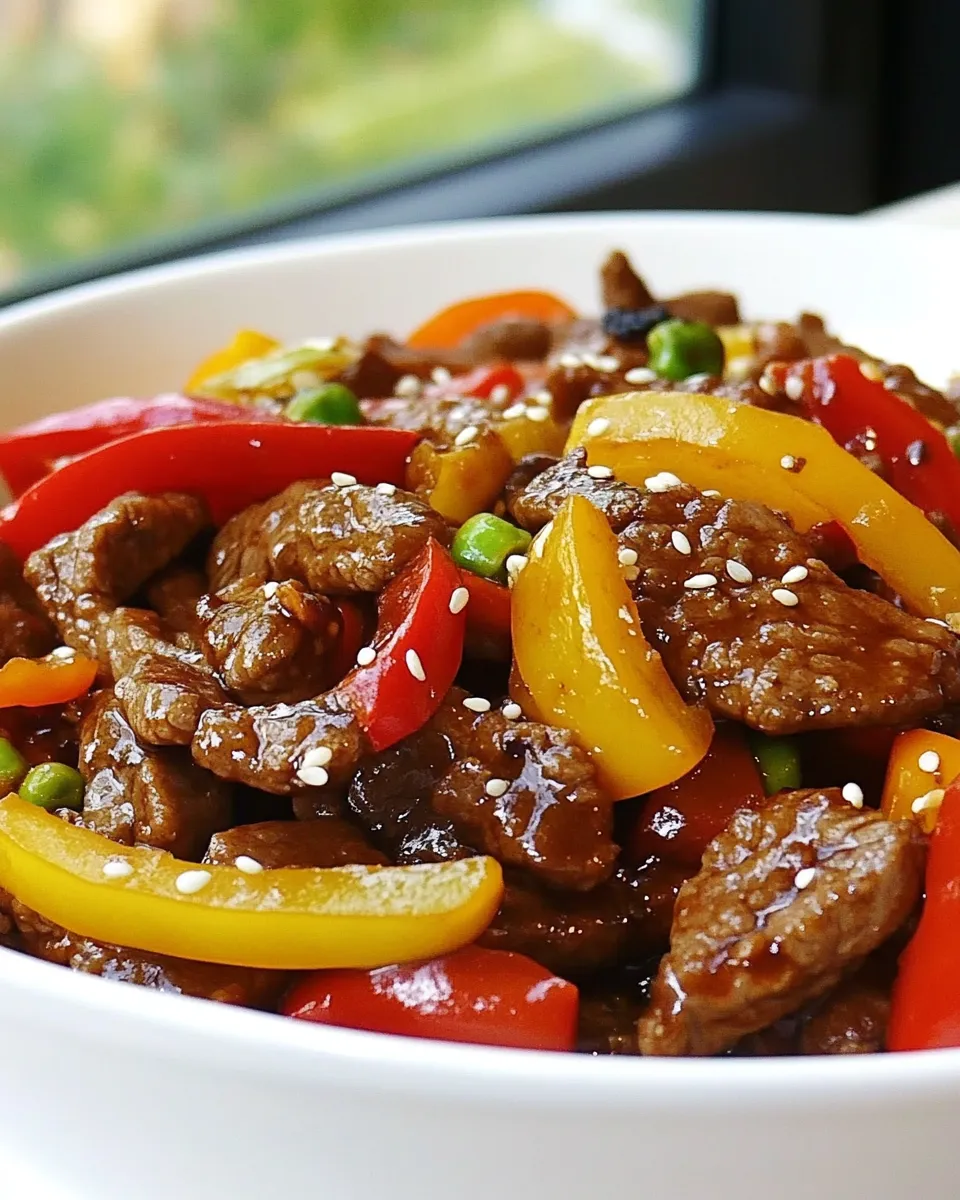
Before you heat the pan, a couple of practical notes will make the whole thing cleaner and faster. Work with a dry surface on the beef so it browns instead of stewing. Slice everything to similar thickness so vegetables finish at the same time. Sesame oil gives the dish much of its character, so use the specified amount instead of a neutral oil if you want the intended flavor.
Ingredients
- 2 tablespoons sesame oil, divided — brings nutty aroma; divided so some flavors stay bright when vegetables hit the pan.
- 1 pound lean sirloin steak, sliced into thin strips — lean, quick-cooking cut; slice thin against the grain for tenderness.
- 1 teaspoon kosher salt — seasons the beef up front for even flavor.
- 1/2 teaspoon ground black pepper — straightforward seasoning; freshly ground works best.
- 1 yellow squash, small, sliced into thin half moons — cooks fast; slice thin so it becomes crisp-tender with other veg.
- 1 yellow onion, medium, sliced into thin strips — provides sweet backbone and caramelization.
- 1 red bell pepper, sliced into thin strips — adds sweetness and color contrast.
- 1 cup shiitake mushrooms, sliced thin — woody umami; thin slices speed cooking and distribution.
- 1 tablespoon ginger, fresh, minced — bright heat; add late to preserve freshness.
- 3 garlic cloves, minced — aromatic foundation; add with ginger for immediate fragrance.
- 1/4 cup BBQ sauce (no sugar added) — provides depth and tang in the pan sauce.
- 2 tablespoons honey — balances the BBQ tang and gives a light glaze.
- 2 tablespoons soy sauce, low-sodium — salt and umami in the finishing sauce.
Beef Stir-Fry Made Stepwise
- Pat the sliced beef dry with paper towels, then toss with 1 teaspoon kosher salt and 1/2 teaspoon ground black pepper.
- Heat 1 tablespoon sesame oil in a large skillet or wok over high heat until the oil is very hot and shimmering. Add the beef in a single layer and stir or toss constantly until browned and cooked through, about 3–5 minutes. Remove the beef to a plate, cover or tent to keep warm.
- Pour off any excess liquid from the skillet, leaving any browned bits. Add the remaining 1 tablespoon sesame oil and return the skillet to high heat until the oil is very hot and shimmering.
- Add the sliced yellow onion, sliced red bell pepper, sliced yellow squash, and sliced shiitake mushrooms to the skillet. Stir-fry, tossing constantly, until the vegetables are crisp-tender, about 3–5 minutes.
- Add the minced ginger and minced garlic to the vegetables and stir continuously for about 30–45 seconds, until fragrant.
- Return the cooked beef to the skillet and stir to combine, cooking just until the beef is reheated, about 1–2 minutes.
- Meanwhile, in a small saucepan combine the 1/4 cup BBQ sauce (no sugar added), 2 tablespoons honey, and 2 tablespoons low-sodium soy sauce. Bring to a boil, then reduce heat and simmer for 1 minute.
- Pour the sauce over the beef and vegetables in the skillet. Stir constantly until everything is coated and the sauce is heated through and slightly thickened, about 1–2 minutes.
- Remove from heat and serve immediately with brown rice or quinoa.
Why This Beef Stir-Fry Stands Out
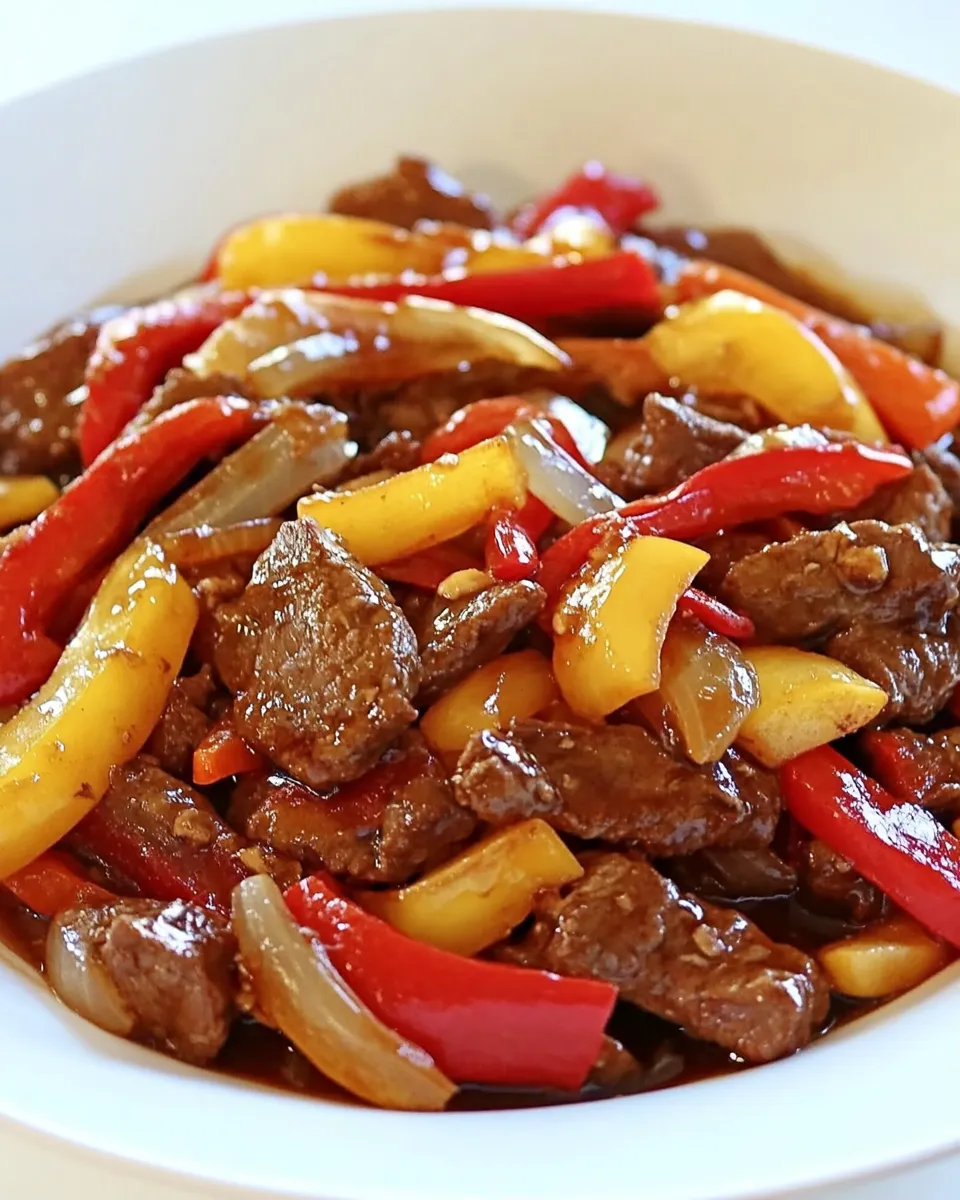
This version is built around contrast: the quick sear on the beef gives caramelized flavor, while the snappy vegetables keep texture. The simple sauce is the clincher — a 1-minute simmer concentrates flavors and lets honey and BBQ sauce marry with soy. No cornstarch slurry, no long marinating, just fast, bold balancing.
It’s also forgiving. The lean sirloin cooks quickly, and removing the beef to rest prevents overcooking. Pouring off excess liquid after the first sear keeps the second vegetable stage from steaming and losing its snap. Those small technique choices are why the dish performs consistently.
Healthier Substitutions
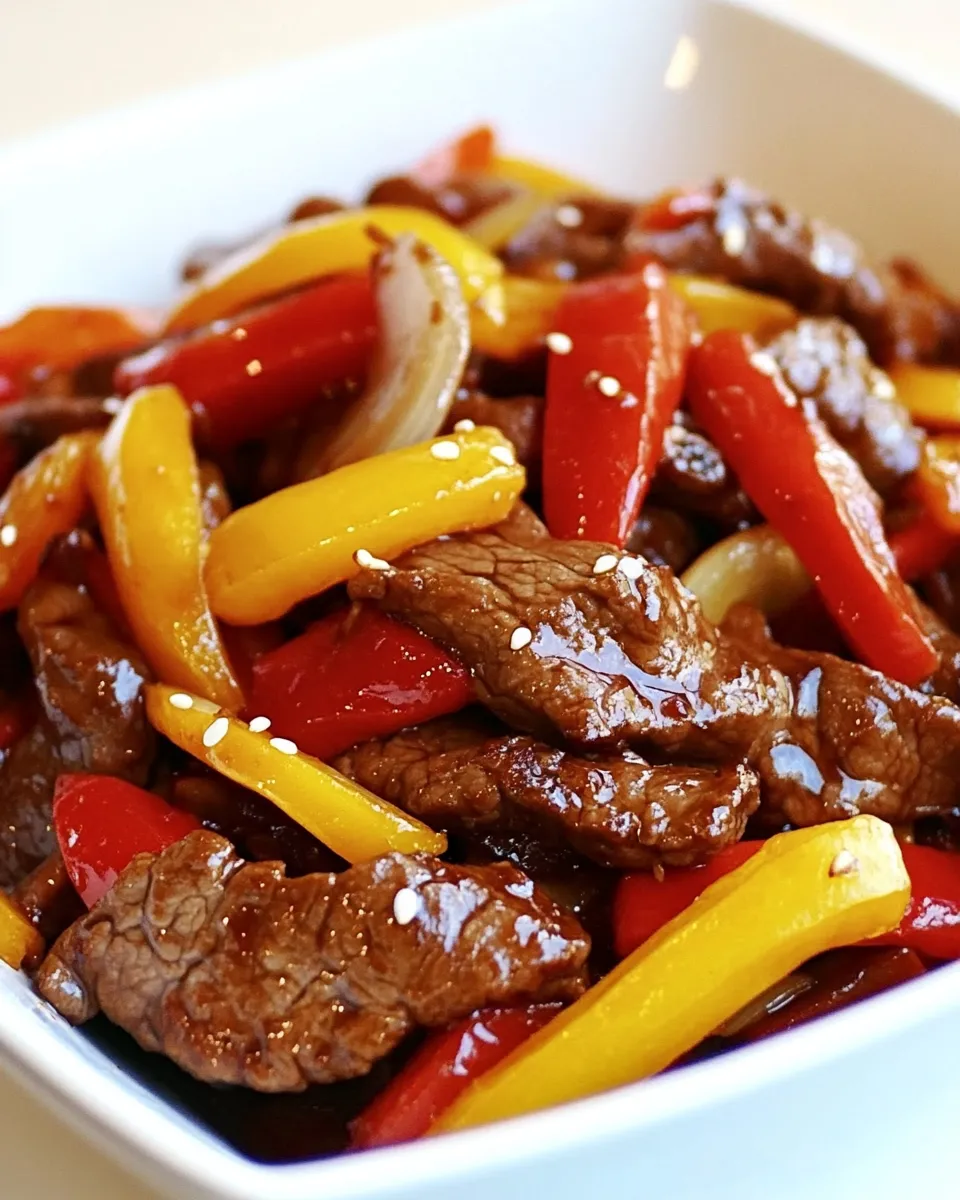
If you want to trim calories or sugar without losing the spirit of the dish, try these adjustments:
- Cut the honey to 1 tablespoon or omit it and add a splash of rice vinegar for brightness — this reduces sugar while keeping balance.
- Use an oil spray for the second oil addition if you want to reduce total fat; keep at least a tablespoon of sesame oil for flavor.
- Bulk up with more vegetables and reduce the beef portion slightly; the veg will keep the plate satisfying while lowering per-serving calories.
- Choose leaner cuts (the recipe already uses lean sirloin) or trim visible fat to keep saturated fat lower.
What’s in the Gear List
- Large skillet or wok — a roomy pan lets you stir-fry in a single layer for even browning.
- Small saucepan — required to bring the sauce briefly to a boil and simmer.
- Sharp knife and cutting board — fast, uniform slicing makes the timing predictable.
- Paper towels — for patting the beef dry (this matters more than you might think).
- Tongs or a wide spatula — for tossing the beef and vegetables quickly and safely at high heat.
- Measuring spoons and cups — the sauce ratios are small enough that accuracy improves consistency.
Slip-Ups to Skip
Here are the mistakes that most often sabotage a stir-fry and how to avoid them.
- Overcrowding the pan — if you add too much beef or veg at once, the pan cools and everything steams instead of browning. Work in batches if your pan isn’t big enough.
- Skipping the drying step — wet beef won’t brown. Pat dry with paper towels until the surface feels tack-free.
- Adding ginger or garlic too early — they can burn and turn bitter. Follow the timing in the recipe and add them just before you finish stir-frying the vegetables.
- Not pouring off excess liquid after searing the meat — that liquid dilutes flavor and prevents crisp edges.
- Leaving sauce to simmer too long — a quick 1-minute simmer concentrates the flavors; over-reducing makes it too thick and syrupy.
Substitutions by Diet
Need to adapt this recipe for a specific diet? Here are practical swaps that keep the dish enjoyable.
- Vegetarian/Vegan: Replace beef with firm tofu (pressed, sliced, and pan-seared until golden) or tempeh. Swap honey for maple syrup and use a vegan BBQ sauce.
- Gluten-Free: Use tamari or a certified gluten-free soy sauce in place of the low-sodium soy sauce. Check the BBQ sauce label to ensure it’s gluten-free.
- Lower Carb: Serve over cauliflower rice or a bed of leafy greens instead of brown rice or quinoa.
- Lower Sodium: Use a reduced amount of the low-sodium soy sauce or rinse and blot the cooked beef briefly to remove excess surface salt; increase aromatic herbs or acid (a squeeze of lemon or splash of rice vinegar) to compensate.
Chef’s Rationale
I structure the cook sequence to protect texture and flavor. Patting the beef dry and searing it first creates those browned, savory bits that give the whole dish depth. Removing the beef prevents overcooking while you finish the vegetables.
Next, pouring off excess liquid keeps the second stage from turning into a braise. Vegetables stir-fried in hot oil develop color and stay crisp-tender — you get both contrast and a clean mouthfeel. The short sauce simmer concentrates flavors without evaporating so much that it becomes cloying. Finally, tossing everything together at the end ensures the sauce glosses every strip and slice without overcooking anything.
Storage Pro Tips
Leftovers will keep for 3–4 days in the refrigerator when stored in an airtight container. Cool to room temperature (no more than two hours out of the pan) before sealing to protect texture and food safety.
To reheat: warm a skillet over medium-high heat, add a teaspoon of oil, and toss the leftovers just until heated through to avoid soggy vegetables. If you microwave, heat in short bursts and stir between cycles so the beef doesn’t become tough.
Freezing is possible but not ideal for texture — vegetables like squash and bell pepper become softer after thawing. If you plan to freeze, separate sauce from solids when possible and accept a change in texture upon thawing and reheating.
Questions People Ask
Q: Can I use a different cut of beef?
A: Yes. Flank or skirt steak work well if sliced thinly against the grain. Those cuts are slightly more fibrous, so thin slices and quick cooking are even more important.
Q: Do I need to marinate the beef?
A: Not for this recipe. The quick salt and pepper toss and fast sear preserve the beef’s natural flavor and tenderness. Marinating adds time and changes the final texture.
Q: My sauce isn’t thickening — what happened?
A: The sauce here is meant to be slightly thickened after a short simmer. If you prefer a thicker glaze, simmer a bit longer or whisk in a tiny slurry of cornstarch and water (start with 1 teaspoon cornstarch mixed with 1 tablespoon cold water).
Q: Can I prep ahead?
A: Yes. Slice the beef and vegetables the day before and store them separately in airtight containers in the fridge. Pat the beef dry right before cooking for best browning.
Bring It to the Table
Serve this Beef Stir-Fry straight from the skillet onto a bed of brown rice or quinoa for a complete meal. The dish benefits from a simple, warm bowl presentation: rice on the bottom, stir-fry on top. The glossy sauce clings to both the beef and the grain.
If you want to finish the dish with a tiny flourish, a light sprinkle of toasted sesame seeds or thinly sliced green onion is lovely — but they’re optional. The core flavors are strong and balanced enough to stand on their own. Put the pan on the table if you like the casual family-style vibe; it keeps the food warm and invites seconds.
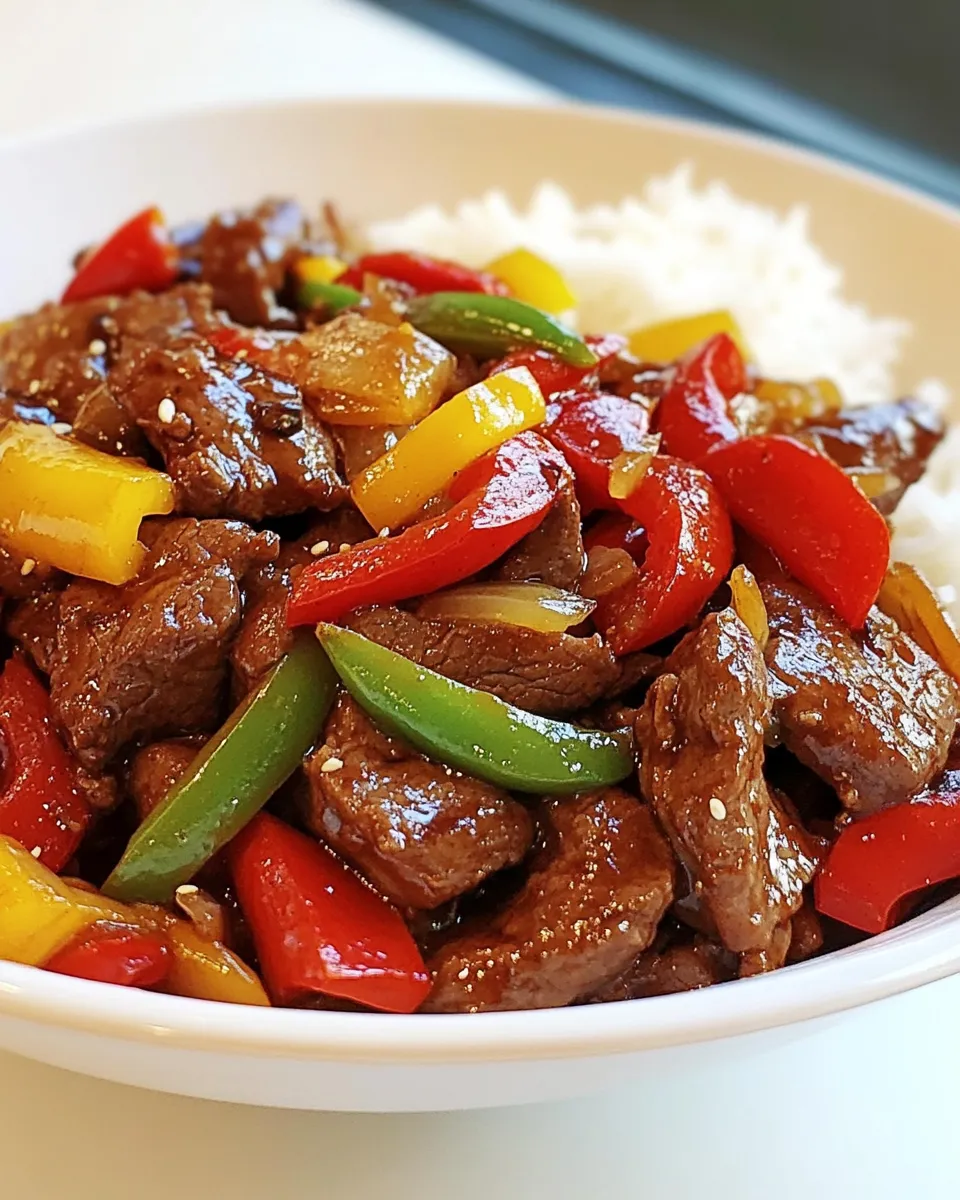
Easy Beef Stir-Fry
Equipment
- Paper Towels
- Large Skillet or Wok
- Small saucepan
Ingredients
Ingredients
- 2 tablespoonssesame oildivided
- 1 poundlean sirloin steaksliced into thin strips
- 1 teaspoonkosher salt
- 1/2 teaspoonground black pepper
- 1 yellow squashsmall sliced into thin half moons
- 1 yellow onionmedium sliced into thin strips
- 1 red bell peppersliced into thin strips
- 1 cupshiitake mushroomssliced thin
- 1 tablespoongingerfresh minced
- 3 garlic clovesminced
- 1/4 cupBBQ sauceno sugar added
- 2 tablespoonshoney
- 2 tablespoonssoy saucelow-sodium
Instructions
Instructions
- Pat the sliced beef dry with paper towels, then toss with 1 teaspoon kosher salt and 1/2 teaspoon ground black pepper.
- Heat 1 tablespoon sesame oil in a large skillet or wok over high heat until the oil is very hot and shimmering. Add the beef in a single layer and stir or toss constantly until browned and cooked through, about 3–5 minutes. Remove the beef to a plate, cover or tent to keep warm.
- Pour off any excess liquid from the skillet, leaving any browned bits. Add the remaining 1 tablespoon sesame oil and return the skillet to high heat until the oil is very hot and shimmering.
- Add the sliced yellow onion, sliced red bell pepper, sliced yellow squash, and sliced shiitake mushrooms to the skillet. Stir-fry, tossing constantly, until the vegetables are crisp-tender, about 3–5 minutes.
- Add the minced ginger and minced garlic to the vegetables and stir continuously for about 30–45 seconds, until fragrant.
- Return the cooked beef to the skillet and stir to combine, cooking just until the beef is reheated, about 1–2 minutes.
- Meanwhile, in a small saucepan combine the 1/4 cup BBQ sauce (no sugar added), 2 tablespoons honey, and 2 tablespoons low-sodium soy sauce. Bring to a boil, then reduce heat and simmer for 1 minute.
- Pour the sauce over the beef and vegetables in the skillet. Stir constantly until everything is coated and the sauce is heated through and slightly thickened, about 1–2 minutes.
- Remove from heat and serve immediately with brown rice or quinoa.