These peanut butter muffins are the kind of recipe I reach for when I want something comforting, fast, and fail-proof. They come together in one bowl for the wet ingredients, and they bake up tender, slightly crumbly, and unmistakably peanut-buttery. No exotic pantry items. No long rests. Just straightforward baking with a tasty result.
I like them for breakfast on busy mornings, for a quick snack with coffee, or wrapped and sent with a child’s lunch. The method keeps mixing to a minimum so the crumb stays tender and the muffin tops rise neatly. You can make them with regular peanut butter and a handful of peanut butter chips for pockets of extra flavor.
Below I’ll walk you through the ingredients, the exact step-by-step method, why this version works, easy swaps for dietary needs, and what to avoid so you get consistent muffins every time.
Ingredient Notes
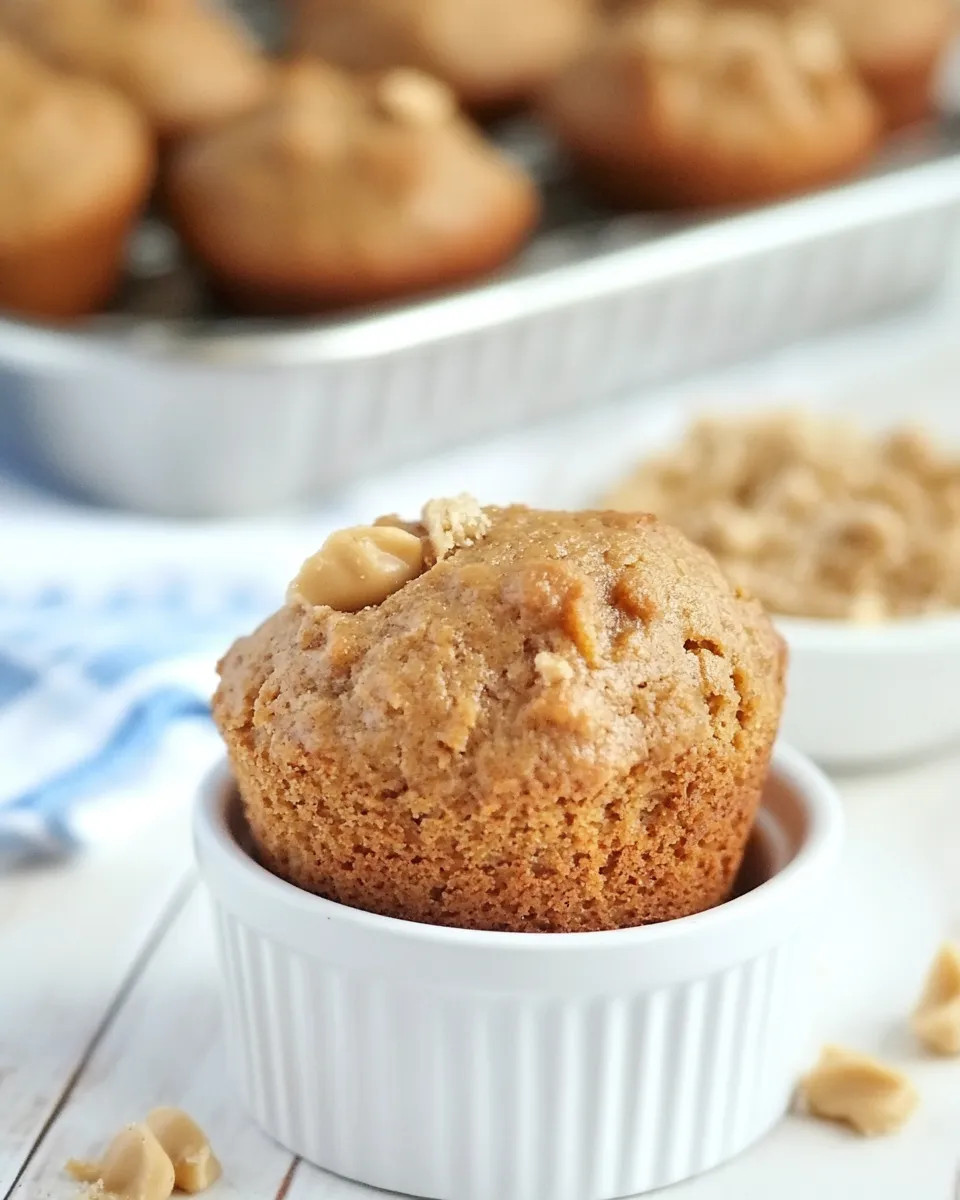
Ingredients
- 1/2 c. sugar — Sweetens the muffins and helps with browning; keep this amount for balance with the peanut butter.
- 2 Tbsp butter (room temperature) — Adds richness and tenderness; soften to room temperature so it creams easily with the sugar.
- 2 eggs — Provide structure and moisture. Beat them in one at a time so they incorporate smoothly.
- 1/2 c. peanut butter — The primary flavor. Use creamy for a uniform batter; natural styles may separate, so stir well before measuring.
- 1 c. milk — Adds moisture and thins the batter to the right consistency; whole milk gives a slightly richer muffin.
- 2 c. all-purpose flour — The structure-building ingredient; measure by spooning into the cup and leveling for accuracy.
- 1 Tbsp baking powder — The leavener that gives lift; make sure it’s fresh for reliable rise.
- 1/2 tsp salt — Balances sweetness and brightens the peanut flavor; don’t skip it.
- 1/2 c. peanut butter chips — Small bursts of peanut flavor and texture; fold them in last to keep them from sinking.
Peanut Butter Muffins Made Stepwise
- Preheat oven to 400°F (200°C). Prepare a muffin tin by lining with paper liners or greasing each cup.
- In a large bowl, cream together 1/2 c. sugar and 2 Tbsp butter (room temperature) until light and fluffy.
- Add 2 eggs to the butter-sugar mixture one at a time, beating until each is just incorporated.
- Stir in 1/2 c. peanut butter and 1 c. milk until the mixture is smooth and combined.
- In a separate bowl, sift together 2 c. all-purpose flour, 1 Tbsp baking powder, and 1/2 tsp salt.
- Add the dry ingredients to the wet mixture and stir gently until just combined; do not overmix.
- Fold in 1/2 c. peanut butter chips until evenly distributed.
- Divide the batter evenly among the prepared muffin cups, filling each about 2/3 full.
- Bake at 400°F for 15–17 minutes, or until a toothpick inserted in the center comes out clean or with a few moist crumbs.
- Let the muffins cool in the pan for about 5 minutes, then transfer to a wire rack to cool completely.
Why This Recipe Works
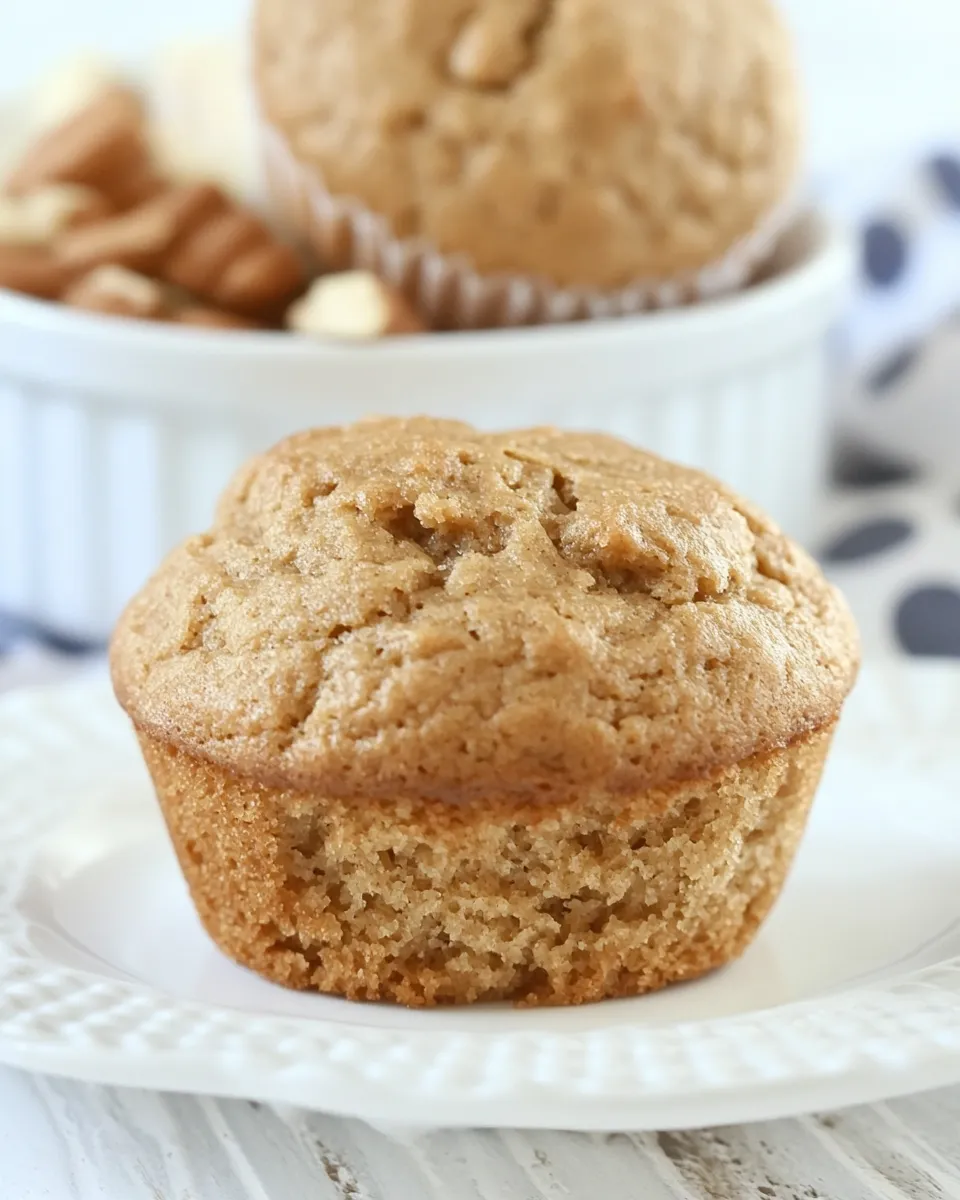
The balance between fat, sugar, and liquid is deliberate. Butter and peanut butter provide both flavor and tenderness; the eggs give structure without drying the crumb; and the milk thins the batter to the right consistency so the muffins rise evenly. Baking powder is the single leavener here, pushing the muffins up quickly at a relatively high oven temperature for a nice domed top.
Mixing technique matters. Creaming the butter and sugar incorporates air, helping a lighter texture. But once the dry ingredients are added, minimal stirring prevents gluten from tightening up, which would lead to dense muffins. Folding in the peanut butter chips last ensures they stay dispersed rather than sinking to the bottom.
International Equivalents
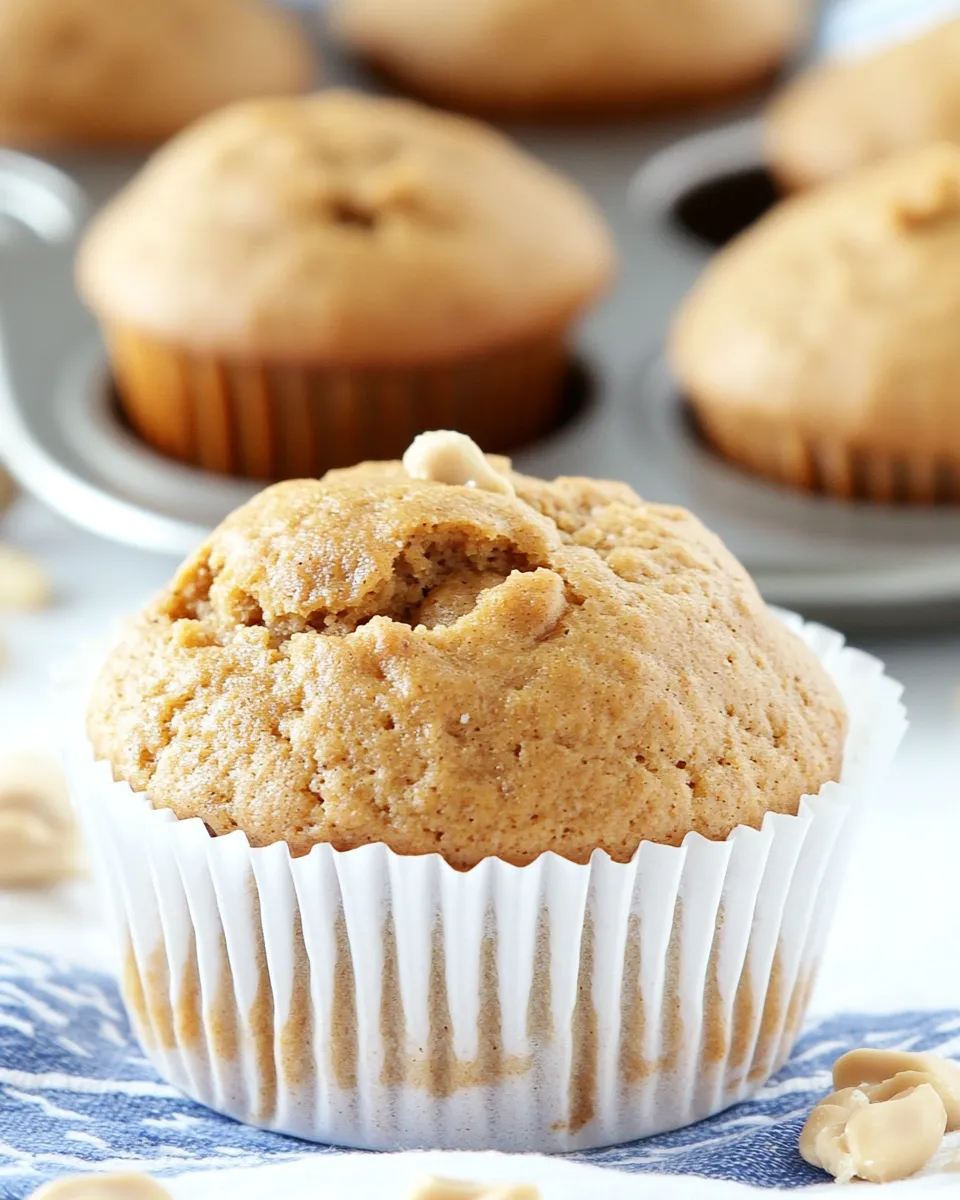
If you’re baking with different measuring systems, keep these equivalents in mind. A standard US cup is about 240 mL; 1/2 cup is roughly 120 mL. One tablespoon equals about 15 mL and one teaspoon about 5 mL. The oven temperature 400°F corresponds to 200°C, which is already noted in the steps.
Peanut butter itself varies by country—some are saltier, some sweeter. Taste your peanut butter first; if it’s already very sweet, you might prefer a slightly less sweet spread or one labeled “unsweetened” to keep flavor balance. All-purpose flour is commonly called plain flour in some regions; use that as the equivalent. If a metric scale is available, weighing ingredients will improve consistency across kitchens.
Hardware & Gadgets
- Standard 12-cup muffin tin — Holds batter portions and yields consistent bake times.
- Paper liners or nonstick spray — Paper liners make cleanup easier; grease works if you prefer no liners.
- Mixing bowls — One large for wet ingredients and one for dry keeps things tidy.
- Sifter or fine mesh sieve — Helpful for aerating the flour and removing lumps from the baking powder.
- Wire rack — Allows muffins to cool evenly without becoming soggy on the bottom.
- Toothpick or cake tester — For checking doneness in the center of a muffin.
Steer Clear of These
- Overmixing the batter — Stir until the dry ingredients are just incorporated. Overmixing creates a tough, dense muffin.
- Using cold butter — If the butter isn’t softened, you can’t properly cream it with the sugar; that affects texture and rise.
- Skipping the cooling time — Removing muffins from the pan immediately can cause them to break apart; five minutes in the pan is enough to set them.
- Ignoring the oven temperature — An oven that’s too cool yields flat muffins; too hot and they’ll brown too quickly without cooking through. Use an oven thermometer if you’re unsure.
- Overfilling the cups — Fill about 2/3 full to prevent spillover and uneven baking.
Dietary Swaps & Alternatives
Below are practical swaps to adapt the muffins for common dietary needs. I keep these swaps simple so they’re easy to test without changing the overall method.
Gluten-free
Replace the all-purpose flour with a cup-for-cup gluten-free blend that contains xanthan gum. The baking powder and other steps stay the same. Expect a slightly different crumb but similar flavor.
Dairy-free
Use a dairy-free butter substitute in place of the butter, and swap the milk for an unsweetened plant milk such as soy or oat. Choose a plant-based spread that performs well at room temperature so it creams properly with the sugar.
Egg-free
If you need to avoid eggs, try a commercial egg replacer formulated for baking or a flax “egg” (ground flaxseed mixed with water) — but be aware this will alter texture and may require a little testing for best lift. Because the original recipe uses two eggs for structure, expect a denser result with egg-free substitutes unless you compensate with an additional binder or a small increase in leavening.
Notes from the Test Kitchen
When I first tested this formula I cranked the oven up slightly to 400°F and was rewarded with nicely domed tops and a tender crumb. The peanut butter chips help keep the peanut flavor throughout the muffin—without them, the peanut butter alone can settle into the batter and leave pockets. Folding them in last avoids that issue.
Another observation: if your peanut butter is the natural kind that separates, stir it well before measuring. If it’s very stiff, microwave it for a few seconds to loosen it, but don’t overheat. Room-temperature butter makes a real difference in how quickly you can cream it with sugar and get the right texture.
Prep Ahead & Store
You can prepare the batter and store it, covered, in the refrigerator for up to 24 hours. Give it a gentle stir before portioning into the muffin cups. Baked muffins keep well at room temperature in an airtight container for 2–3 days. For longer storage, freeze cooled muffins in a sealed freezer bag for up to 2 months. Thaw at room temperature or warm briefly in a low oven.
If you want to assemble ahead, line the muffin tin with liners and portion the batter into the cups. Keep the pan covered in the refrigerator and bake within 24 hours; add a minute or two to baking time if the batter goes in chilled.
Top Questions & Answers
- Can I use crunchy peanut butter? — Yes. Crunchy PB adds texture from peanut bits; it will change the batter slightly but not the method.
- Can I reduce the sugar? — You can, but the muffins will be less sweet and slightly less browned. I don’t recommend halving the sugar without testing, since it balances the peanut butter’s saltiness.
- Can I make mini muffins? — Yes. Reduce the baking time; start checking at about 8–10 minutes since smaller muffins bake much faster.
- Why are my muffins dense? — Likely overmixing or expired baking powder. Mix just until combined and confirm your baking powder is fresh.
- Can I add chocolate chips? — Yes. Chocolate pairs well with peanut butter. Fold them in with the peanut butter chips or swap half of the peanut butter chips for chocolate chips.
Final Bite
These peanut butter muffins are forgiving, fast, and genuinely satisfying. They’re a reliable recipe when you want something homemade without a lot of fuss. Follow the steps, mind the mixing, and use good peanut butter. You’ll get tender muffins with a clear peanut flavor and just the right amount of sweetness.
Make a batch, taste one warm from the oven, and decide whether you want to leave them plain or drizzle a little honey on top. Either way, they store and freeze well, which makes them a smart option for weekday breakfasts and easy snack packs.
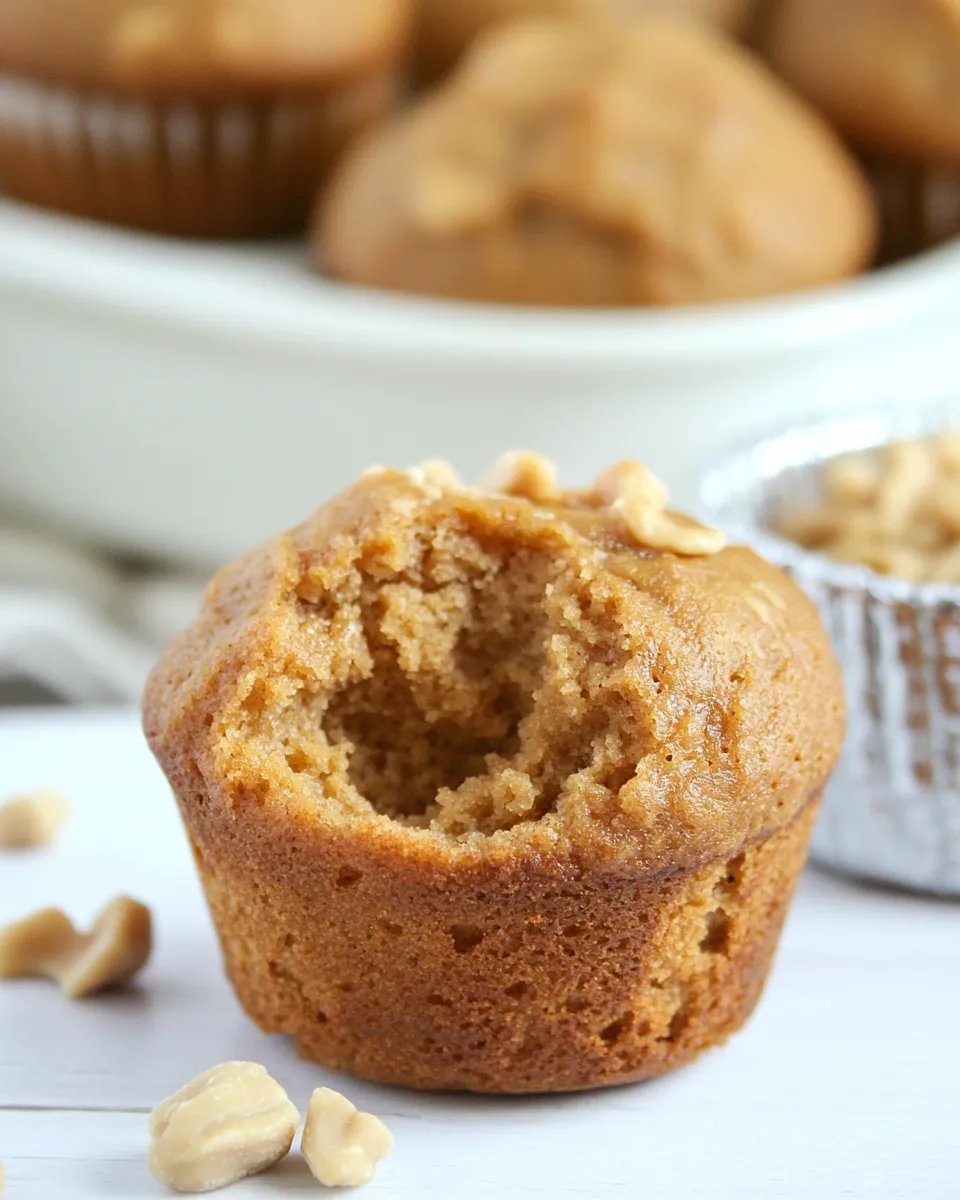
Easy Peanut Butter Muffins
Equipment
- Muffin Tin
- Paper liners
- Large Bowl
- Sifter
- Wire Rack
Ingredients
Ingredients
- 1/2 c.sugar
- 2 Tbspbutterroom temperature
- 2 eggs
- 1/2 c.peanut butter
- 1 c.milk
- 2 c.all-purpose flour
- 1 Tbspbaking powder
- 1/2 tspsalt
- 1/2 c.peanut butter chips
Instructions
Instructions
- Preheat oven to 400°F (200°C). Prepare a muffin tin by lining with paper liners or greasing each cup.
- In a large bowl, cream together 1/2 c. sugar and 2 Tbsp butter (room temperature) until light and fluffy.
- Add 2 eggs to the butter-sugar mixture one at a time, beating until each is just incorporated.
- Stir in 1/2 c. peanut butter and 1 c. milk until the mixture is smooth and combined.
- In a separate bowl, sift together 2 c. all-purpose flour, 1 Tbsp baking powder, and 1/2 tsp salt.
- Add the dry ingredients to the wet mixture and stir gently until just combined; do not overmix.
- Fold in 1/2 c. peanut butter chips until evenly distributed.
- Divide the batter evenly among the prepared muffin cups, filling each about 2/3 full.
- Bake at 400°F for 15–17 minutes, or until a toothpick inserted in the center comes out clean or with a few moist crumbs.
- Let the muffins cool in the pan for about 5 minutes, then transfer to a wire rack to cool completely.