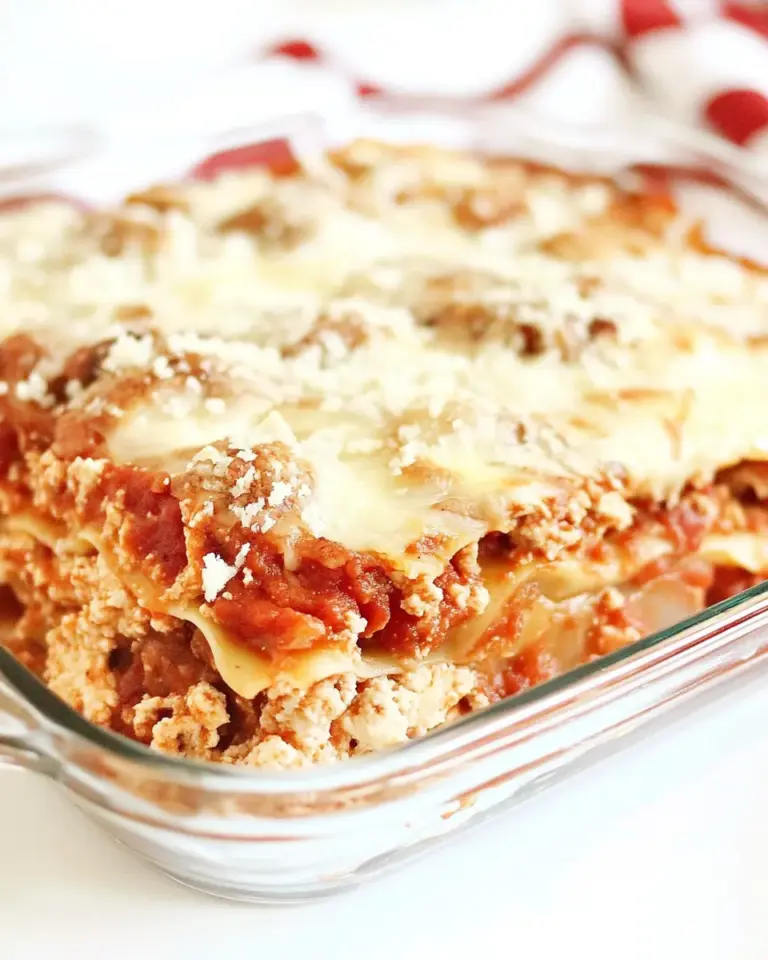
I love a breakfast that feels like comfort without a lot of fuss. This casserole hits that sweet spot: hearty sausage, melty cheddar, custardy egg, and bread that soaks up everything. It bakes up golden and forgiving, and it’s one of those dishes that makes mornings feel organized instead of frenzied.
Make it the night before for a no-stress morning, or pull it together quickly if you decide to bake right away. Either way, the result is a crowd-pleasing breakfast that travels well and reheats beautifully. No complicated techniques. No fancy tools. Just reliable steps and a solid payoff.
Below I’ve broken the recipe down so you can scan what’s needed, follow the step-by-step guide exactly, and troubleshoot common hiccups. There are also smart swaps for low-carb diets, storage tips, and ideas for each season. Let’s get to it.
What’s in the Bowl

A quick look at the components helps you shop and prep. This casserole is a layered savory custard built on a bed of sliced bread. The main players are standard breakfast sausage, cheddar, and a simple egg-and-cream custard. Dijon and Worcestershire add a subtle savory lift, while a touch of nutmeg rounds the flavor.
It’s forgiving: the bread soaks up the custard and the sausage provides the salt and texture. If you brown the sausage well and press the bread into the custard, you’ll get a set center and a nicely browned top. That’s the technique behind most successful strata-style casseroles.
Ingredients
- 6 slices bread, trimmed — forms the base; trim crusts if you prefer a uniform texture.
- 16 ounces sausage (such as Jimmy Dean) — provides the main savory flavor and texture; brown thoroughly.
- 1 cup shredded cheddar cheese — melts into pockets of flavor; use a sharp or mild cheddar based on preference.
- 3 large eggs, slightly beaten — binds and creates the custard; beat lightly to combine yolks and whites.
- 1¼ cups milk — thins the custard; whole milk gives richer flavor.
- ¾ cup half and half cream — adds creaminess; cut with milk if you want a lighter custard.
- 1 teaspoon Dijon mustard — brightens the custard; a small amount goes a long way.
- 1 teaspoon Worcestershire sauce — deepens the savory notes; adds umami.
- ½ teaspoon salt — seasons the custard; adjust if your sausage is very salty.
- dash of pepper — subtle heat; freshly ground is best.
- dash of ground nutmeg — warms the custard and balances savory flavors.
Sausage Breakfast Casserole: Step-by-Step Guide
- If you will bake immediately, preheat the oven to 350°F and spray a 9×13-inch casserole dish with cooking spray. If you are making this ahead, spray the dish now but do not preheat the oven.
- Trim the crusts (if desired) and arrange the 6 slices of bread in a single layer in the prepared dish, cutting pieces to fit so the bottom is covered.
- In a large skillet over medium heat, brown the 16 ounces of sausage, breaking it into crumbles as it cooks. Spoon off and discard any accumulated fat.
- Evenly sprinkle the cooked sausage over the bread layer, then sprinkle the 1 cup shredded cheddar cheese evenly over the sausage.
- In a medium bowl, whisk together the 3 slightly beaten large eggs, 1¼ cups milk, ¾ cup half and half, 1 teaspoon Dijon mustard, 1 teaspoon Worcestershire sauce, ½ teaspoon salt, a dash of pepper, and a dash of ground nutmeg until combined.
- Pour the egg mixture evenly over the sausage and cheese layers. Press down gently on the bread so it soaks up the custard.
- If making ahead, cover the dish tightly with plastic wrap and refrigerate for several hours or overnight. If baking now, proceed to step 8.
- When ready to bake: remove the casserole from the refrigerator (if chilled), remove the plastic wrap, and let stand about 30 minutes to come toward room temperature. Preheat the oven to 350°F if you have not already.
- Bake the uncovered casserole at 350°F for 30 to 35 minutes, until the center is set and the top is nicely browned. Let the casserole rest a few minutes before serving.
Why This Recipe Works

This is a classic strata-style build: bread acts as a sponge, eggs create a custard, and sausage plus cheese provide flavor and texture. The ratios are important—enough liquid to soak the bread but not so much that the casserole becomes soggy. The combination of milk and half-and-half yields a creamy custard with enough structure to set in the oven.
Dijon and Worcestershire are small additions but they anchor the flavor profile. Mustard adds brightness; Worcestershire brings umami complexity. Pressing the bread into the custard ensures even absorption, and resting (especially if chilled) helps the flavors meld and the custard settle.
Low-Carb/Keto Alternatives

- Swap the bread for cubed low-carb bread or thin slices of cooked cauliflower “steaks” for a grain-free base.
- Use full-fat dairy only (replace milk with additional half and half or heavy cream) to boost fat and reduce carbs. That will make the custard richer and more ketogenic.
- Choose a lower-carb sausage or one made without added sugars. Check labels for fillers and sweeteners.
Must-Have Equipment
- 9×13-inch casserole dish — fits the recipe size and bakes evenly.
- Large skillet — for browning and breaking up the sausage.
- Mixing bowl and whisk — for combining the custard.
- Measuring cups and spoons — to keep the liquid-to-bread ratio right.
- Plastic wrap — if you plan to refrigerate the assembled casserole overnight.
Problems & Prevention
Here are the common pitfalls and how to avoid them.
- Too soggy center: That usually means too much liquid or uneven absorption. Press the bread down and let the assembled dish rest in the fridge so the bread fully soaks up the custard before baking.
- Top browns too fast: Tent loosely with foil if the top is getting too dark before the center sets.
- Underseasoned: Taste your cooked sausage before adding. If it’s mild, the recommended ½ teaspoon salt in the custard is appropriate. If the sausage is very salty, reduce the added salt.
- Greasy casserole: Spoon off excess fat after browning the sausage. That prevents a greasy finished dish.
Spring–Summer–Fall–Winter Ideas
Small seasonal tweaks keep this breakfast feeling fresh all year.
- Spring: Fold in blanched asparagus tips or thinly sliced green onions before baking for color and brightness.
- Summer: Add diced tomatoes (drained) or roasted peppers on top for freshness. Serve with a simple herb salad.
- Fall: Mix in sautéed apples and caramelized onions for a sweet-savory twist, or add a pinch of smoked paprika for warmth.
- Winter: Stir in chopped roasted root vegetables or top with a handful of fresh herbs like parsley to brighten the rich flavors.
Notes on Ingredients

Stick to the ingredient list for the classic result, but here are some notes to help you adapt without guessing quantities.
- Sausage: The recipe calls for 16 ounces. That’s roughly one standard package. Use a breakfast sausage you like; turkey or chicken sausage can work but check seasoning.
- Bread: Any sandwich bread works. If using very dense or very thin bread, the custard absorption will change; thicker, slightly stale bread tends to yield the best texture.
- Cheese: One cup shredded cheddar melts well. You can swap half for a milder melting cheese if desired, but stick to the 1 cup total.
- Milk & Cream: The balance of 1¼ cups milk and ¾ cup half and half gives a creamy, but not overly heavy, custard. If you only have whole milk, you can use 2 cups whole milk, though the texture will be a touch less rich.
- Seasonings: Dijon and Worcestershire are measured at 1 teaspoon each. They’re subtle—don’t skip them, but don’t overdo them either.
Store, Freeze & Reheat
Storage is straightforward and makes this recipe very practical for meal prep.
- Refrigerate: Cover leftover slices tightly and store in the fridge for 3–4 days. Reheat gently in a 350°F oven until warmed through to keep texture best.
- Freeze: Cut into portions and wrap tightly in plastic and foil or store in freezer-safe containers. Freeze up to 2 months. Thaw overnight in the fridge before reheating.
- Reheat: Reheat in a preheated 350°F oven for 10–20 minutes depending on portion size, or microwave in short bursts if time is tight—cover to retain moisture.
Troubleshooting Q&A
Quick answers to the most common questions I get when readers try this casserole.
- Q: The center is still jiggly after 35 minutes. A: Bake 5–10 minutes longer and check again. If the top is browning too much, tent with foil.
- Q: My sausage released a lot of fat. A: Spoon off excess fat after browning so the casserole isn’t greasy.
- Q: Can I use different bread? A: Yes, but use a bread that will absorb liquid—sturdy sandwich bread or slight day-old bread works best.
- Q: Do I have to refrigerate overnight? A: No. You can bake immediately, but chilling helps everything meld and gives a cleaner slice.
Bring It to the Table
This casserole is built for serving: slice into squares and place on a platter. It pairs nicely with a simple fruit salad, whole-grain toast, or a green side to balance the richness. A dollop of sour cream or a drizzle of hot sauce works if you like a tangy or spicy contrast.
If you’re bringing it to a brunch potluck, bake it and keep it warm in a low oven or insulated carrier. If you’re transporting it cold, reheat on-site for the best texture. The dish looks homey and intentional—no fancy plating required. Just cut, serve, and let people help themselves.
Make it ahead on a busy morning. It’s the kind of recipe that rewards a little prep with a big, satisfying payoff—comfort, flavor, and the tiny luxury of sitting down to breakfast without scrambling.

Easy Sausage Breakfast Casserole
Equipment
- 9x13-inch Casserole Dish
- Large Skillet
- Medium Bowl
- Whisk
- Oven
- Plastic Wrap
Ingredients
Ingredients
- 6 slicesbread trimmed
- 16 ouncessausage such as Jimmy Dean
- 1 cupshredded cheddar cheese
- 3 largeeggs slightly beaten
- 1 1/4 cupsmilk
- 3/4 cuphalf and half cream
- 1 teaspoonDijon mustard
- 1 teaspoonworcestershire sauce
- 1/2 teaspoonsalt
- dash of pepper
- dash of ground nutmeg
Instructions
Instructions
- If you will bake immediately, preheat the oven to 350°F and spray a 9x13-inch casserole dish with cooking spray. If you are making this ahead, spray the dish now but do not preheat the oven.
- Trim the crusts (if desired) and arrange the 6 slices of bread in a single layer in the prepared dish, cutting pieces to fit so the bottom is covered.
- In a large skillet over medium heat, brown the 16 ounces of sausage, breaking it into crumbles as it cooks. Spoon off and discard any accumulated fat.
- Evenly sprinkle the cooked sausage over the bread layer, then sprinkle the 1 cup shredded cheddar cheese evenly over the sausage.
- In a medium bowl, whisk together the 3 slightly beaten large eggs, 1¼ cups milk, ¾ cup half and half, 1 teaspoon Dijon mustard, 1 teaspoon Worcestershire sauce, ½ teaspoon salt, a dash of pepper, and a dash of ground nutmeg until combined.
- Pour the egg mixture evenly over the sausage and cheese layers. Press down gently on the bread so it soaks up the custard.
- If making ahead, cover the dish tightly with plastic wrap and refrigerate for several hours or overnight. If baking now, proceed to step 8.
- When ready to bake: remove the casserole from the refrigerator (if chilled), remove the plastic wrap, and let stand about 30 minutes to come toward room temperature. Preheat the oven to 350°F if you have not already.
- Bake the uncovered casserole at 350°F for 30 to 35 minutes, until the center is set and the top is nicely browned. Let the casserole rest a few minutes before serving.