Fajita seasoning is one of those tiny miracles that turns plain chicken, beef, or veggies into something electric and ready for a warm tortilla. It’s dependable, fast, and kinder on your wallet than bottled blends — and it keeps your pantry free of mystery stabilizers and extra sodium when you make it at home. I keep a jar within arm’s reach and use it more often than I expected.
This version is straightforward: a small handful of pantry spices measured and mixed. No special tools, no hunting for obscure items. The flavor balances smoky and earthy, with a subtle heat finish. It’s perfect when you want a reliable, restaurant-style fajita flavor without the fuss.
In the post below I’ll walk you through the exact ingredients and the method, explain why this mix is consistent, show how to store it, and give practical ideas for using it beyond fajitas. Let’s make your next weeknight dinner faster and tastier.
Ingredients
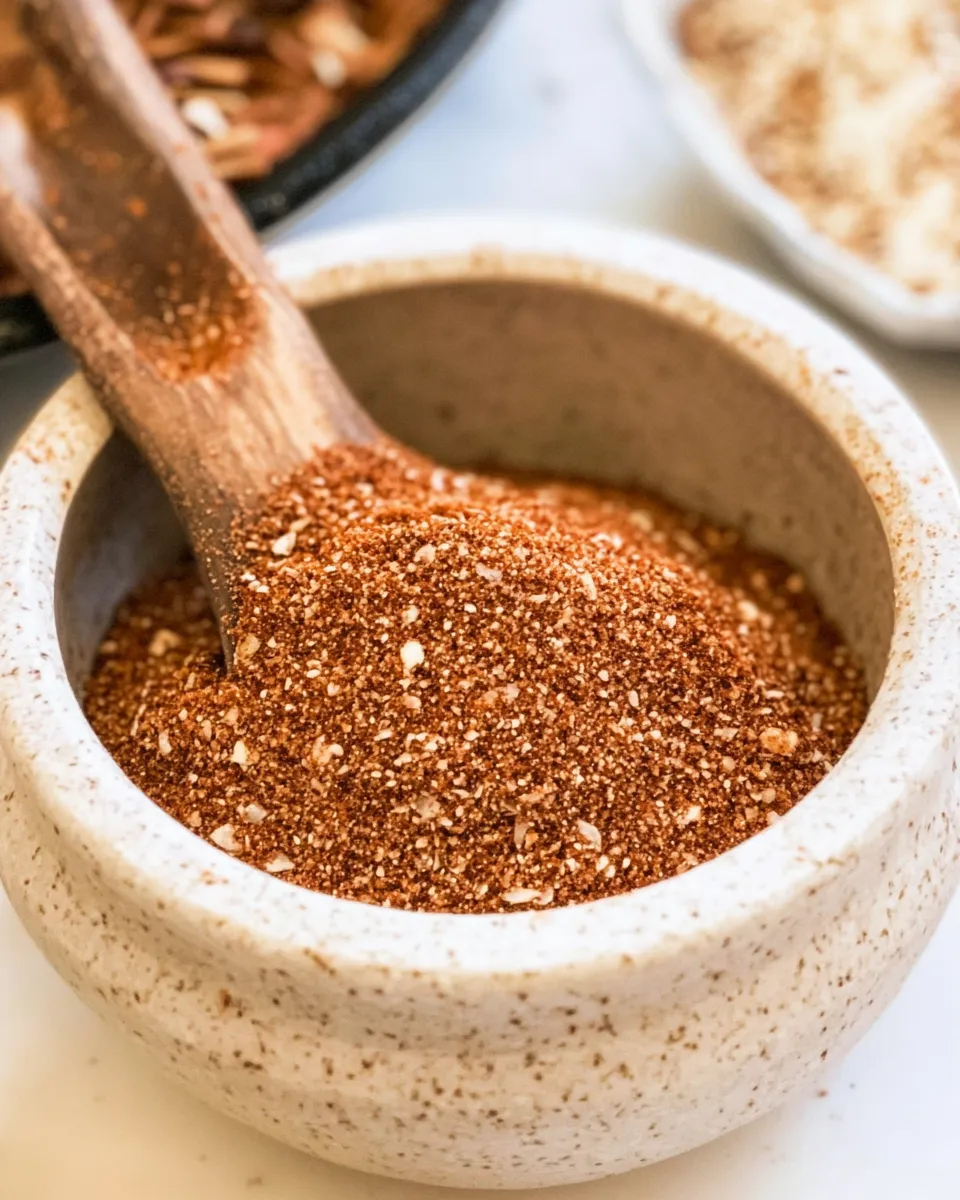
- 1 tablespoon chili powder — the base flavor: earthy, slightly sweet, and gives the blend its classic fajita color.
- 1 teaspoon cumin (ground) — adds warm, nutty depth and that signature Southwestern aroma.
- 1 teaspoon paprika (I used smoked) — offers mild sweetness; smoked paprika adds a gentle smokiness if you prefer that note.
- ¼ teaspoon cayenne pepper — provides controlled heat; adjust at the cooking stage if you want milder or spicier.
- 1 teaspoon salt — balances and brings out the spice flavors; you can reduce if you’re watching sodium.
- 1 teaspoon ground black pepper — brightens the mix and sharpens the finish.
The Essentials
Make this once and you’ll see how handy a small jar of fajita seasoning can be. The recipe yields about 2 1/2 tablespoons — enough for a couple of meals for two when seasoning proteins or vegetables. Keep a labeled jar in the cabinet near your other spices so grabbing it becomes second nature.
Measure carefully and whisk thoroughly. That’s it. The right ratio keeps the chili and cumin prominent without letting cayenne dominate. If you use smoked paprika, the mix will have a pleasant campfire whisper; if you use regular paprika, the blend will skew a bit sweeter and milder.
The Method for Fajita Seasoning
- Measure into a small bowl: 1 tablespoon chili powder, 1 teaspoon ground cumin, 1 teaspoon paprika (smoked if you used smoked), 1/4 teaspoon cayenne pepper, 1 teaspoon salt, and 1 teaspoon ground black pepper.
- Stir or whisk the spices together until evenly combined and no dry pockets remain.
- Transfer the mixed seasoning to a clean, dry spice jar or airtight container.
- Label the jar (optional) and store it in your spice cabinet.
- Yield: about 2 1/2 tablespoons.
Why This Recipe Is Reliable
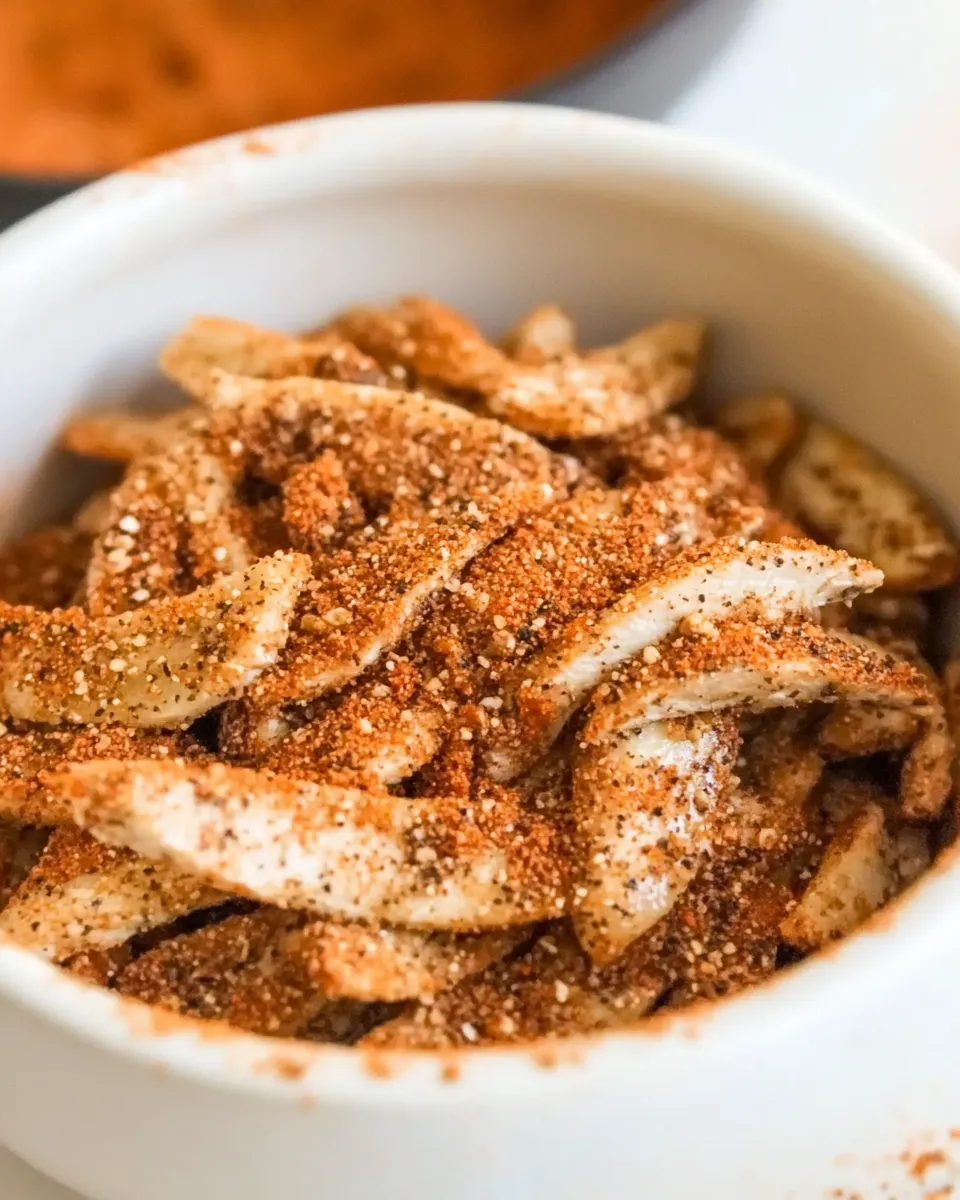
The reliability comes from simplicity and proportion. Each ingredient plays a clear role, so even small deviations won’t break the blend. Chili powder is the backbone and provides depth; cumin rounds the profile with earthiness; paprika softens and adds color; cayenne gives predictable heat in a small dose; salt and black pepper finish the seasoning so it performs well with protein and veggies.
Because the recipe uses whole, ground spices rather than extracts or blends with fillers, the flavor stays consistent if you store it properly. When you measure and combine once, you eliminate the guesswork you face when reaching for a commercial mix and wondering about hidden sugars or preservatives.
Finally, the method is repeatable. Whisking until there are no dry pockets ensures distribution. That small step matters. An uneven mix gives you hot pockets of cayenne or flat bites with too much paprika. Even distribution equals predictability in the pan.
No-Store Runs Needed
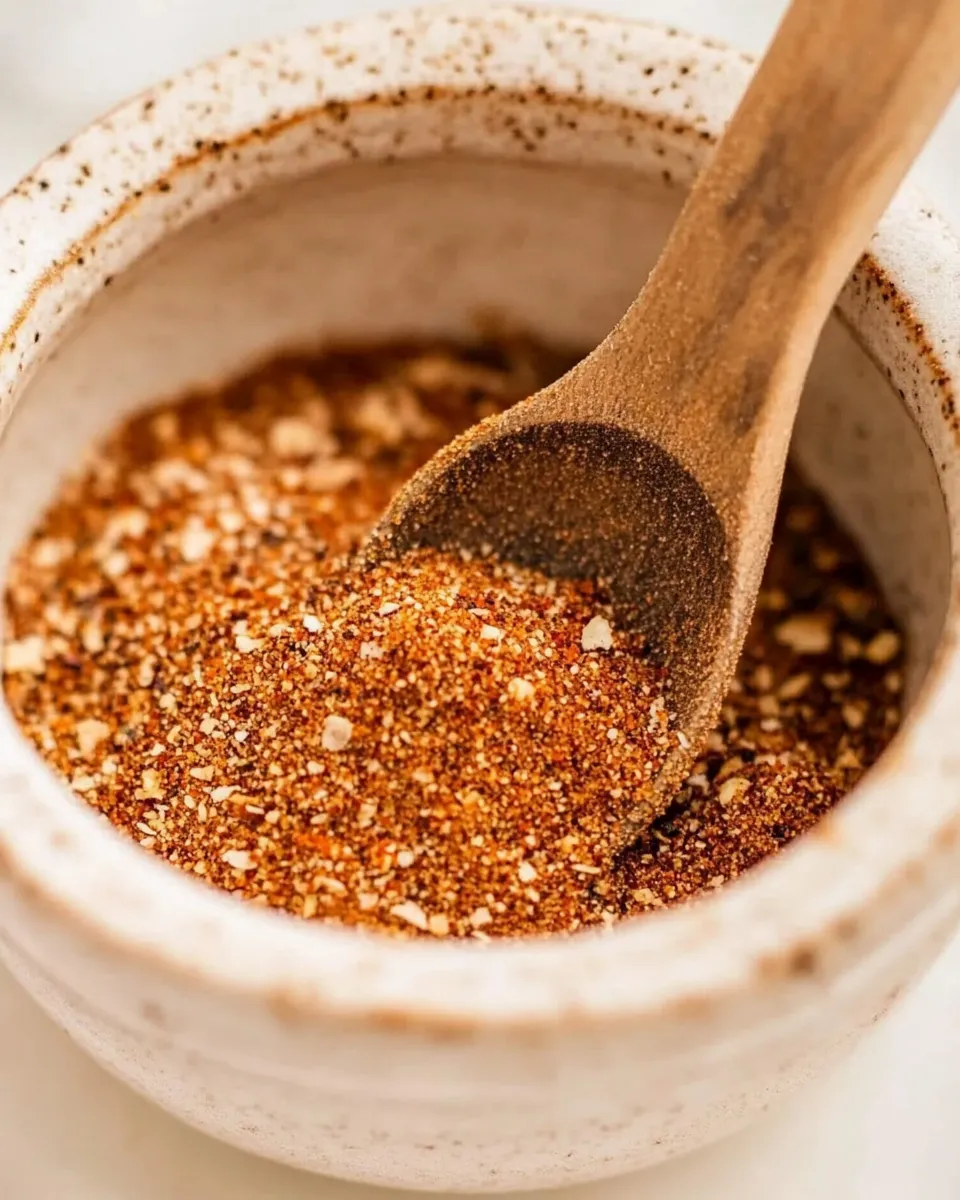
You probably already have everything for this in your cabinet: chili powder, cumin, paprika, cayenne, salt, and black pepper. If you don’t, buy the smallest jars of what you’re missing; these spices don’t go bad quickly, and you’ll use them in many dishes.
If you discover you’re missing smoked paprika and don’t want to run out, use regular paprika and add a whisper of liquid smoke later when cooking (just a drop goes a long way). But this is optional — the base mix works perfectly as written.
Cook’s Kit
Tools you’ll use:
- Small bowl — to measure and mix the spices.
- Measuring spoons — accuracy matters for balance.
- Whisk or spoon — to blend evenly.
- Clean, dry spice jar or airtight container — for storage and freshness.
- Label or masking tape and pen — optional, but helpful if you make several blends.
Don’t Do This
Don’t skip the whisking. I’ve grabbed a handful of pre-mixed blends that were uneven; one bite set my mouth on fire, the next was bland. Stir until you can’t see separate specks of the individual spices.
Don’t store the jar above the stove or in direct sunlight. Heat and light fade spices. Keep the jar in a cool, dark part of your spice cabinet for best shelf life and flavor.
Don’t double the batch in a flimsy container if you plan to use it slowly. Larger volumes need proper airtight jars to stay fresh. If you make more than you’ll use in a few months, divide into two jars — one for daily use and one stored away for longer-term freshness.
Seasonal Serving Ideas
Fajita seasoning is surprisingly versatile across seasons. Here are practical, no-fuss ideas you can rotate through the year.
Spring
- Lightly season grilled asparagus and toss with lemon before serving. The spice adds backbone without overpowering the fresh veg.
- Sprinkle on shrimp for quick skewers; add a squeeze of lime when they come off the grill.
Summer
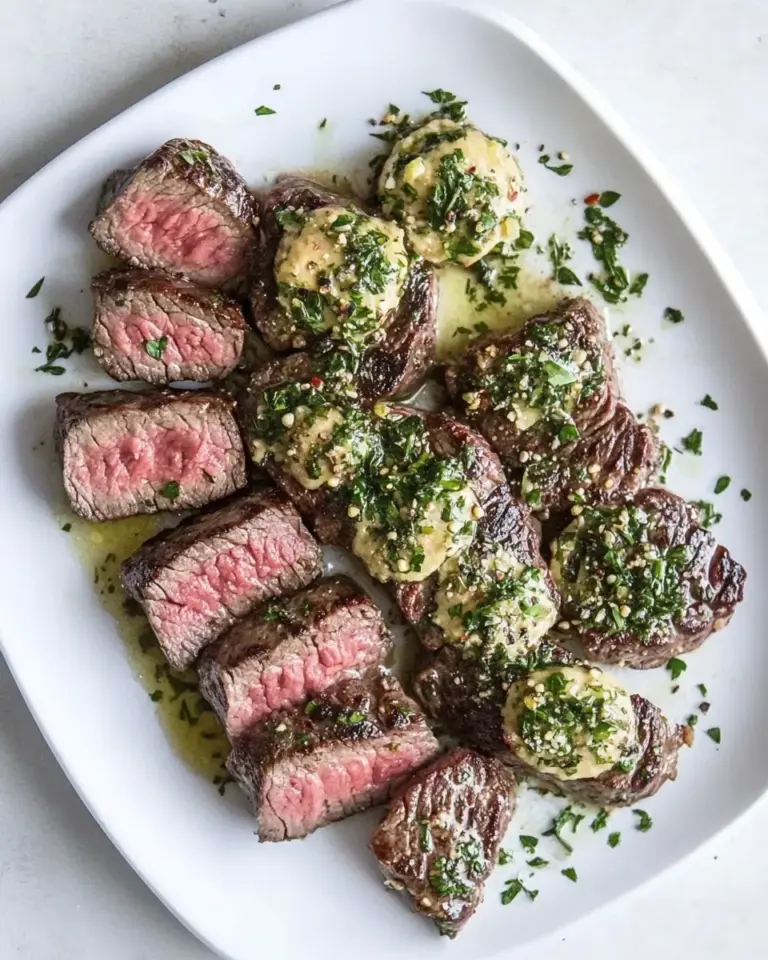
- Use on chicken or steak for backyard fajitas. Sear on high heat and let the spices caramelize against the meat for the best texture and layered flavor.
- Dust on corn on the cob for a smoky-tangy edge. Finish with a little butter or mayonnaise and a lime wedge.
Fall & Winter
- Season roasted root vegetables — sweet potatoes, carrots, parsnips — before they go into the oven. The chili and cumin add warmth that pairs well with the inherent sweetness.
- Stir into black beans or chili as it simmers for a straightforward flavor boost.
If You’re Curious
If you wonder about tweaking, a few small experiments keep the essence intact. Reduce the cayenne slightly if you cook for kids or people sensitive to spice. Swap smoked paprika for sweet paprika if you want a gentler, less smoky profile. If you favor more earth, increase cumin by a pinch; if you love brightness, add a small squeeze of lime to the cooked dish instead of changing the dry mix.
And if you want more complex smoky notes without smoked paprika, sear your meat in a cast-iron pan until a thin char forms; the pan’s flavor will marry with the seasoning beautifully.
Save It for Later
Labeling is a kind friend. Mark the jar with the name and date you mixed it. The blend will keep strong for several months; after about six months the flavor starts to fade. If you use the blend regularly, you’ll notice when it loses vibrancy, then make a fresh jar.
For gifting, scoop the mix into a small jar, attach a note with suggested uses, and include a date. It’s a thoughtful, homemade present that’s both practical and personal.
Questions People Ask
How much seasoning per pound of meat? I typically use about 1 to 2 teaspoons per pound of protein while cooking. Start with less; you can always add more to taste.
Can I double the recipe? Yes. If you make a larger batch, store it in an airtight container away from heat and light. That preserves freshness.
Will this work for tacos? Absolutely. The flavors are compatible with tacos, burritos, and many Tex-Mex dishes. It’s an all-around savory mix rather than a single-use spice.
Is this gluten-free? Yes, when made with the spices listed here, it’s gluten-free. If you buy pre-ground spices or blends, check labels to ensure there are no additives or cross-contamination warnings.
Time to Try It
Ready to make a jar? Measure, mix, and label. Keep one jar near your cooking station and another in the pantry for backup. Use it on proteins, vegetables, even roasted nuts if you’re feeling bold.
Once you try this simple homemade fajita seasoning, you’ll wonder why you ever reached for the bottle at the grocery store. It’s fresher, cleaner, and far more satisfying to know exactly what’s in it. Make a batch this week — it’s quick, and the payoff on weeknight dinners is immediate.
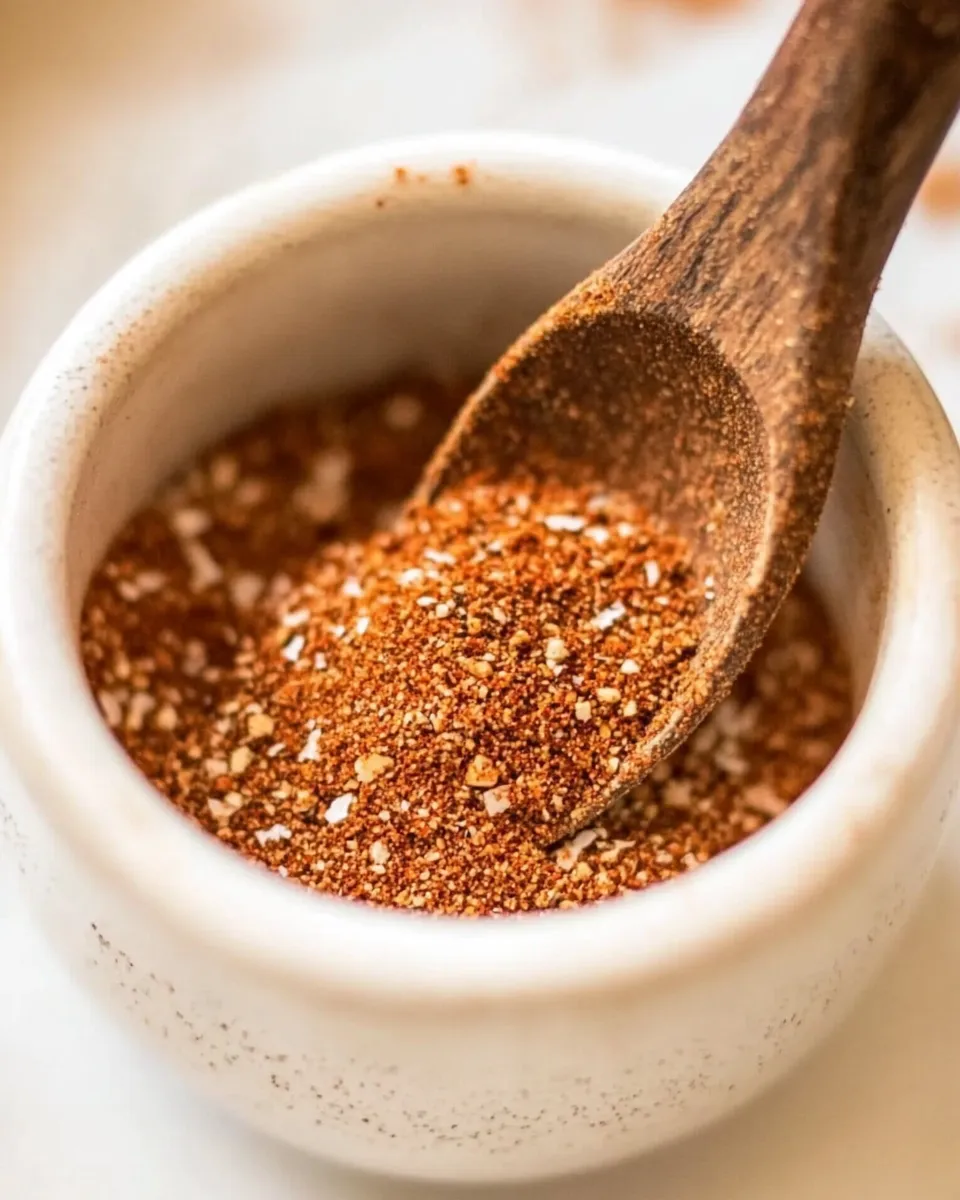
Fajita Seasoning
Equipment
- Small Bowl
- Whisk
- spice jar or airtight container
Ingredients
Ingredients
- 1 tablespoonchili powder
- 1 teaspooncumin ground
- 1 teaspoonpaprika (I used smoked)
- 1/4 teaspooncayenne pepper
- 1 teaspoonsalt
- 1 teaspoonground black pepper
Instructions
Instructions
- Measure into a small bowl: 1 tablespoon chili powder, 1 teaspoon ground cumin, 1 teaspoon paprika (smoked if you used smoked), 1/4 teaspoon cayenne pepper, 1 teaspoon salt, and 1 teaspoon ground black pepper.
- Stir or whisk the spices together until evenly combined and no dry pockets remain.
- Transfer the mixed seasoning to a clean, dry spice jar or airtight container.
- Label the jar (optional) and store it in your spice cabinet.
- Yield: about 2 1/2 tablespoons.
Notes
To tell if your spices are still fresh, just look at their color and if the color has faded, their flavor probably has faded as well.
Nutritional information is for¼tsp of fajita seasoning.