This is the kind of recipe I turn to when I want something bright, simple, and reliably refreshing. Fresh mint tea is forgiving: it takes minutes to make, works hot or cold, and brightens a heavy meal or a quiet afternoon. I use this exact method when I want a clean, fresh mint flavor without bitterness or muddiness.
Below you’ll find the exact ingredient list and the step-by-step directions I follow in the test kitchen. I also include practical substitutions, the tools I reach for, common mistakes to avoid, and quick storage tips. Read straight through for the method, or jump to the section you need—this post is built to be a useful, usable reference.
If you grow mint, this becomes a weeknight staple: quick to make, easy to scale, and forgiving if you tweak steeping time for your taste. If you don’t grow it, a small bunch from the market will still yield several batches. Let’s get into it.
What You’ll Need

Ingredients
- 1/2 cup fresh mint leaves — from a good handful, about 1 ounce, lightly packed into the measuring cup; plus more mint for garnish.
- 4 cups water — the base for steeping; use fresh, cold water for the cleanest flavor.
Fresh Mint Tea in Steps
- Rinse the mint leaves, strip them from the stems, and lightly pack them into a 1/2 cup measuring cup (about 1 ounce). Set the measured mint aside, reserving extra leaves if you want to garnish.
- Pour 4 cups water into a medium saucepan and bring to a boil over high heat.
- Remove the saucepan from the heat. Add the measured mint leaves to the hot water and stir to submerge them.
- Cover the pan and let the mint steep for 5–10 minutes, depending on how strong you want the tea.
- Strain the tea through a fine-mesh strainer. For hot tea, strain directly into mugs and serve; for iced tea, strain into a heatproof pitcher.
- If making iced tea, let the strained tea cool slightly, then chill in the refrigerator until cold or pour over ice in glasses. Garnish with additional fresh mint and serve.
Serving notes
For hot tea, serve immediately after straining to enjoy the full aroma. For iced tea, cool it briefly at room temperature, then chill or pour over plenty of ice—dilution matters, so use a generous ice-to-tea ratio. A sprig of fresh mint as garnish brightens the aroma right before sipping.
Why It Works Every Time
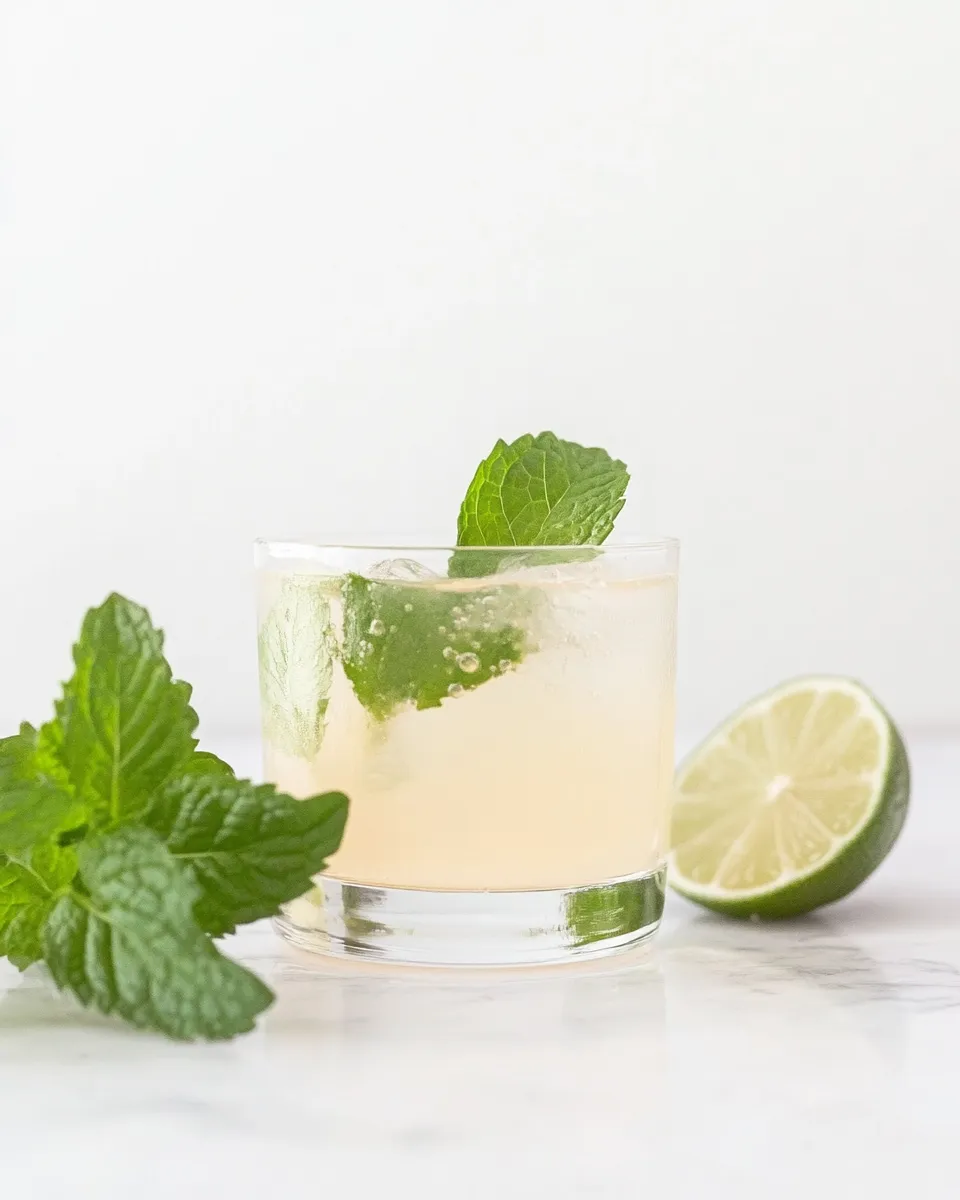
This method focuses on three reliable principles: fresh herbs, hot water off the boil, and controlled steeping time. Using fresh mint leaves (not crushed) preserves essential oils that give mint its bright, sweet character. Adding the mint after you remove the pan from the heat prevents scorchy, bitter notes that come when leaves are exposed to rolling boil.
Covering the pan during steeping traps aromatic steam and encourages gentle extraction of flavor without over-extracting tannins. The 5–10 minute range gives you intentional control: shorter for a light, tea-like hint of mint; longer for a more robust infusion that works well chilled. Straining through a fine-mesh strainer removes leaf fragments so the liquid stays clear whether you serve it hot or over ice.
Smart Substitutions
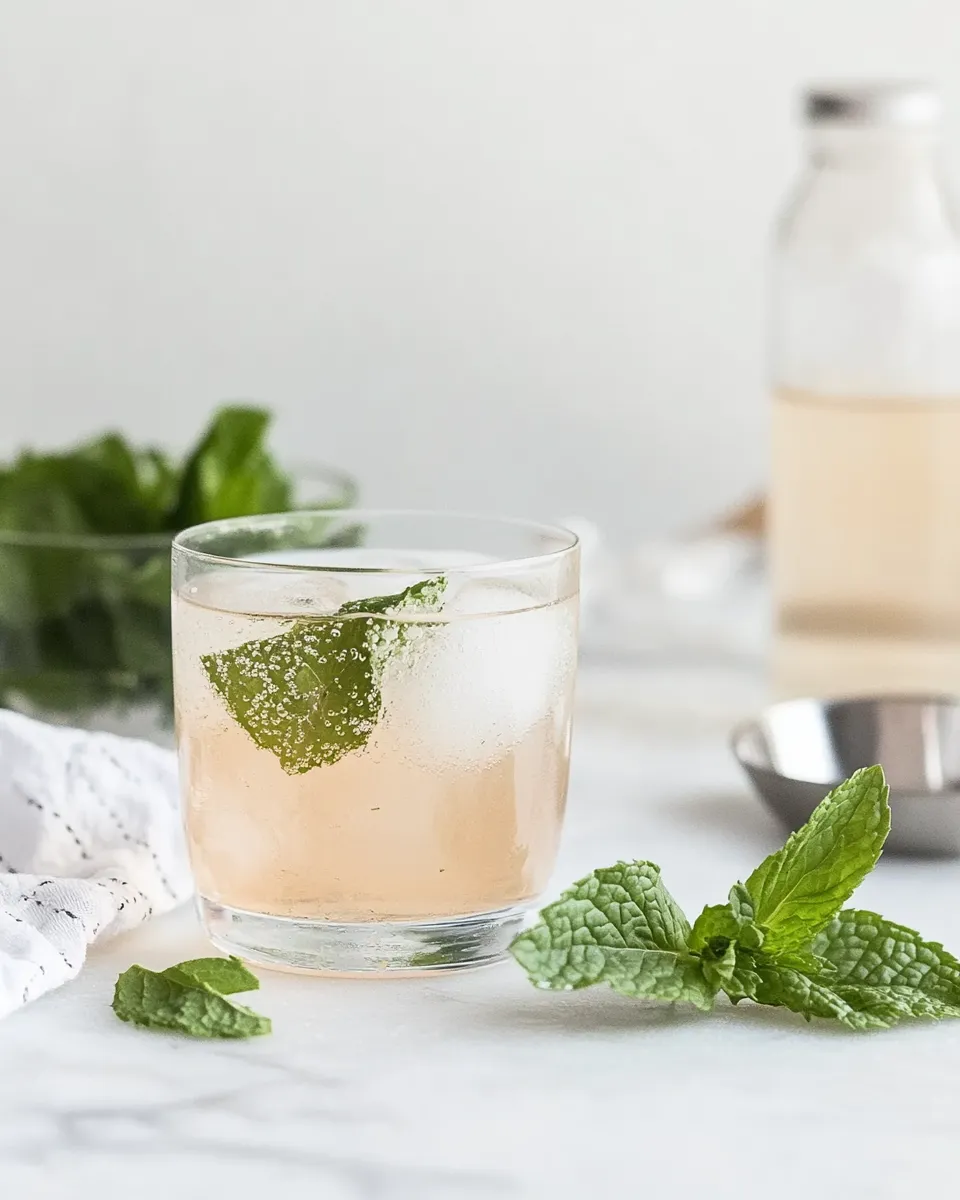
- Mint variety — If you only have peppermint or spearmint, either will work. Peppermint gives a cooler, menthol edge; spearmint is sweeter and milder.
- Added tea base — For a hybrid, steep a green tea bag with the mint for the last 1–2 minutes (remove the bag before the mint goes in). This gives body without overpowering the mint.
- Sweeteners — If you prefer sweet, simple syrup dissolves quickly in both hot and cold tea. Honey blends best in hot tea; stir it in while still warm.
- Floral lift — A few slices of cucumber or a thin strip of lemon peel can complement the mint without changing the core method.
- Concentrated iced tea — Double the mint and halve the water to make a concentrate that’s diluted with cold water or poured over large ice cubes.
Gear Checklist
- Medium saucepan — for bringing the water to a boil and steeping the mint.
- Measuring cup (1/2 cup) — to measure the lightly packed mint leaves.
- Fine-mesh strainer — essential for a clear, leaf-free tea.
- Heatproof pitcher — if you’re making iced tea, strain into this to cool and chill.
- Mugs or glasses — for serving hot or iced.
- Ice — for the iced version; consider large cubes to slow dilution.
Frequent Missteps to Avoid
- Using stems instead of leaves: Stems can add a grassy, astringent flavor. Strip the leaves from the stems and measure the leaves only.
- Steeping in boiling water: Don’t add mint while the water is still at a rolling boil; remove from heat first to keep the flavor bright.
- Over-steeping: Leaving the mint covered for much longer than 10 minutes can produce an herbal bitterness. Taste at 5 minutes and decide if you want more intensity.
- Skipping the strainer: Fine leaf particles will cloud the tea and continue to extract if left in the serving vessel—strain thoroughly.
- Undersweetening (when desired): If you like sweet iced tea, use a simple syrup so sweetness distributes evenly without clumping on cold ice.
Health-Conscious Tweaks
- Zero-calorie option: Make the tea plain—mint and water only—and enjoy the naturally refreshing flavor without any sweetener.
- Low-sugar iced tea: Use a small amount of pureed fruit (like a light peach puree) to add mouthfeel without refined sugar.
- Digestive aid: Mint is traditionally used to soothe digestion. Sip slowly after a heavy meal for calming effects.
- Hydration boost: For extra electrolytes, add a small pinch of sea salt and a splash of citrus; this is more of a sports-style adaptation and optional.
Notes from the Test Kitchen
I test this recipe at different steep times and temperatures to dial in the most consistent, fresh flavor. Five minutes gives a delicate, water-forward brew that’s ideal for those who want a subtle scent of mint. At 10 minutes you get a fuller herbal profile that stands up well to ice and a touch of sweetener. When chilling, I find that letting the tea cool at room temperature for 15–20 minutes before refrigerating preserves the aromatics better than shocking it with cold.
When I make iced mint tea for guests, I steep toward the stronger end of the range and chill in a tall pitcher. Large ice cubes are a small but meaningful detail—they reduce dilution and keep the tea balanced as it cools. If you’re making hot tea, taste immediately after straining; if it needs brightness, a thin strip of lemon peel added to the cup adds lift without changing the mint character.
Best Ways to Store
- Refrigerate in a sealed pitcher — Keeps well for up to 48 hours. Beyond that the flavor fades and may develop an off-note.
- Store hot tea briefly — If you have leftover hot tea, cool it and refrigerate. Don’t leave it at room temperature more than two hours.
- Freeze ice cubes — Freeze some tea in an ice tray for iced drinks; this prevents dilution as the cubes melt.
- Garnish separately — Keep extra mint for garnish in a glass of water in the fridge to maintain freshness until serving.
Common Questions
How strong should the mint flavor be? That’s personal. Start at 5 minutes for a gentle note. If you want a pronounced mint presence, steep toward 10 minutes. The measured 1/2 cup of lightly packed leaves is a good baseline.
Can I reuse the mint leaves? You can briefly re-steep the same leaves once for a lighter second cup, but the best flavor is from the first steep.
Is fresh mint absolutely necessary? Fresh mint provides the cleanest, brightest flavor. Dried mint can work in a pinch, but it won’t match the aroma or freshness; increase the quantity and adjust steeping time if you must use dried.
Can I add green or black tea bags? Yes. If you add tea bags, steep them briefly and remove before adding mint to avoid over-extraction. Green tea pairs especially well for a lighter, more delicate drink.
How do I avoid cloudy iced tea? Strain well and let hot tea cool slightly before placing it in the refrigerator—rapid cooling can cause cloudiness. Also, use a fine-mesh strainer to remove tiny leaf fragments.
Save & Share
If this method becomes a habit, save the page or jot down “5–10 minutes” next to your measuring cup so you can replicate it without thinking. Share the recipe with friends who enjoy simple, garden-driven drinks; mint is a forgiving herb and this tea is a great first project for someone new to working with fresh herbs.
When you make it, I’d love to know which mint you used and whether you preferred hot or iced. Tag a friend, write a quick note, or drop a comment—these are the small things that help me keep practical, tested recipes coming your way.
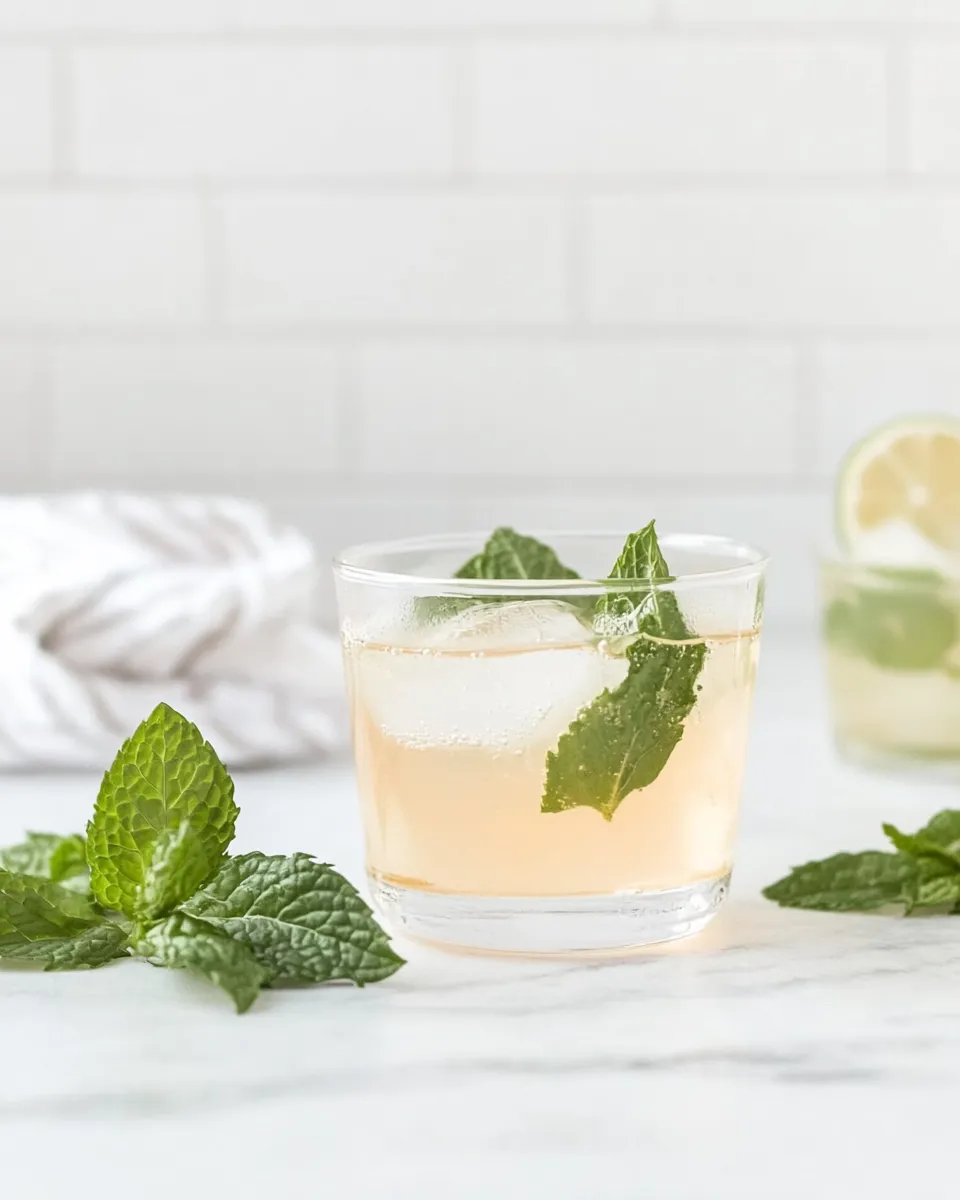
Fresh Mint Tea Recipe (Hot or Iced)
Equipment
- 1 fine mesh strainer
Ingredients
Ingredients
- 1/2 cupfresh mint leaves from a good handful, about 1 ounce, lightly packed into the measuring cup; plus more mint for garnish
- 4 cupswater
Instructions
Instructions
- Rinse the mint leaves, strip them from the stems, and lightly pack them into a 1/2 cup measuring cup (about 1 ounce). Set the measured mint aside, reserving extra leaves if you want to garnish.
- Pour 4 cups water into a medium saucepan and bring to a boil over high heat.
- Remove the saucepan from the heat. Add the measured mint leaves to the hot water and stir to submerge them.
- Cover the pan and let the mint steep for 5–10 minutes, depending on how strong you want the tea.
- Strain the tea through a fine-mesh strainer. For hot tea, strain directly into mugs and serve; for iced tea, strain into a heatproof pitcher.
- If making iced tea, let the strained tea cool slightly, then chill in the refrigerator until cold or pour over ice in glasses. Garnish with additional fresh mint and serve.
Notes
Stir in a little honey, sugar, or agave nectar if you prefer a sweeter tea.
Some people like to gently crush or tear the mint leaves to release the oils. I find that the process of stripping the leaves off of their stems and pressing them into the measuring cup is enough to release the oils.
Store any leftovers in an airtight container in the refrigerator for up to 3 days. Serve leftovers over ice or heat back up on the stove or in the microwave.