Blanching cauliflower is one of those basic kitchen moves that pays off all week. It brightens the color, softens the texture just enough, and locks in flavor so the florets stay ready for salads, sautés, or quick roasting. You don’t need a chef’s degree—just a pot, ice, and a little attention.
I use this technique when I want cauliflower that’s predictable. Two pounds of florets, a rolling boil, and an ice bath take raw, slightly bitter florets and turn them into tender-crisp bites that hold up in reheating and look gorgeous on the plate. It’s fast, forgiving, and separates the cooking from the finishing so you can focus on flavor later.
Below I’ll walk you through exactly what goes into a successful blanch, the step-by-step build, and practical tips to avoid common slip-ups. Read through the Q&A if you have a specific situation (frozen cauliflower, whole heads, or meal prep plans). Let’s get to it—this is a small technique with big returns.
What Goes Into Blanch Cauliflower
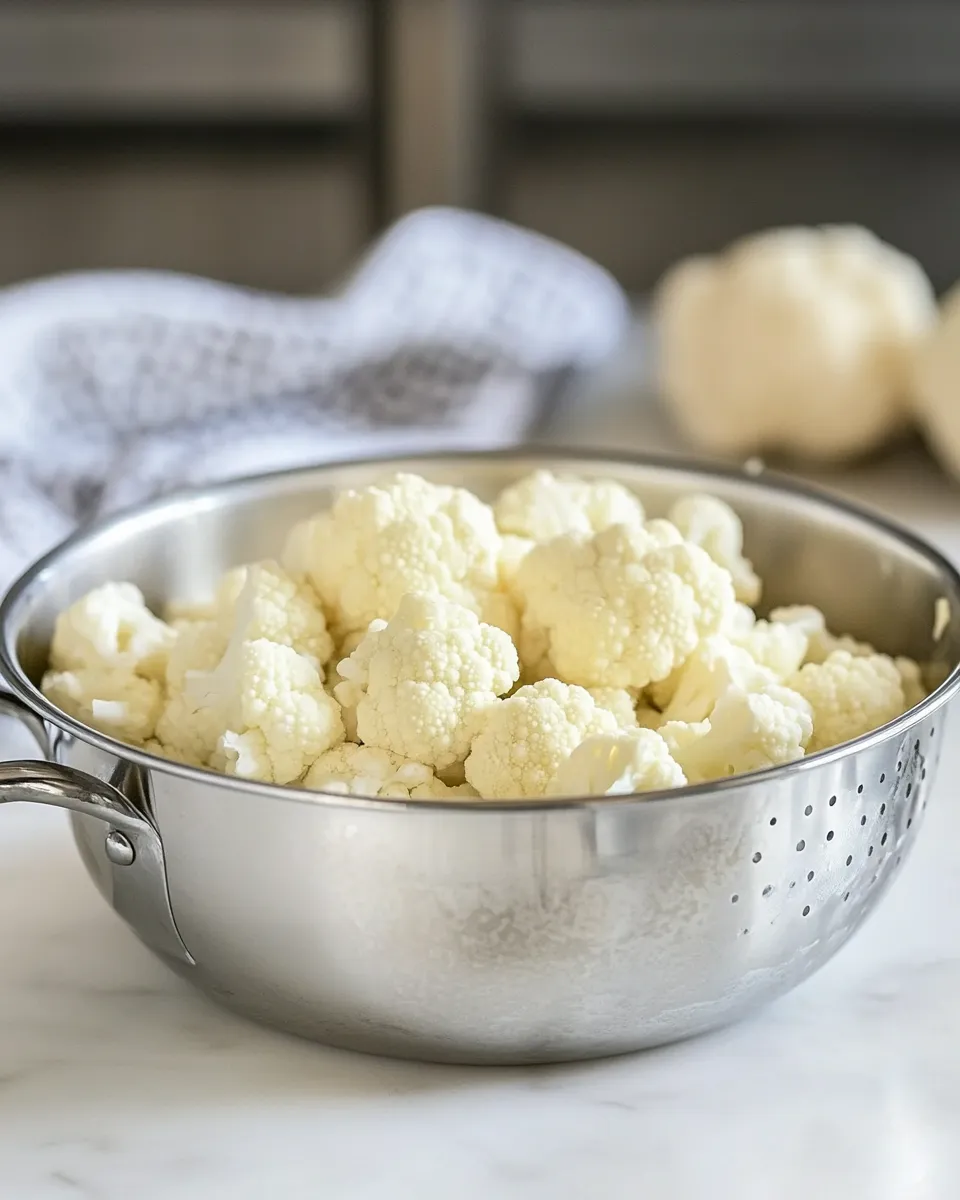
- 2 pounds cauliflower florets — Use evenly sized florets for uniform cooking; trim into bite-size pieces if needed.
- 2 teaspoons salt (optional) — Enhances flavor and helps the cauliflower hold its color; optional if you need to limit sodium.
Build Blanch Cauliflower Step by Step
- Pour about 4 quarts of water into a large pot, add 2 teaspoons salt (optional), and bring to a rapid boil.
- While the water heats, fill a large bowl with cold water and plenty of ice to make an ice bath.
- Carefully lower the 2 pounds cauliflower florets into the boiling water. Cook for 2 to 3 minutes, until the florets are just barely tender when pierced with a fork.
- Using a slotted spoon, immediately transfer the cauliflower from the boiling water into the ice bath to stop the cooking.
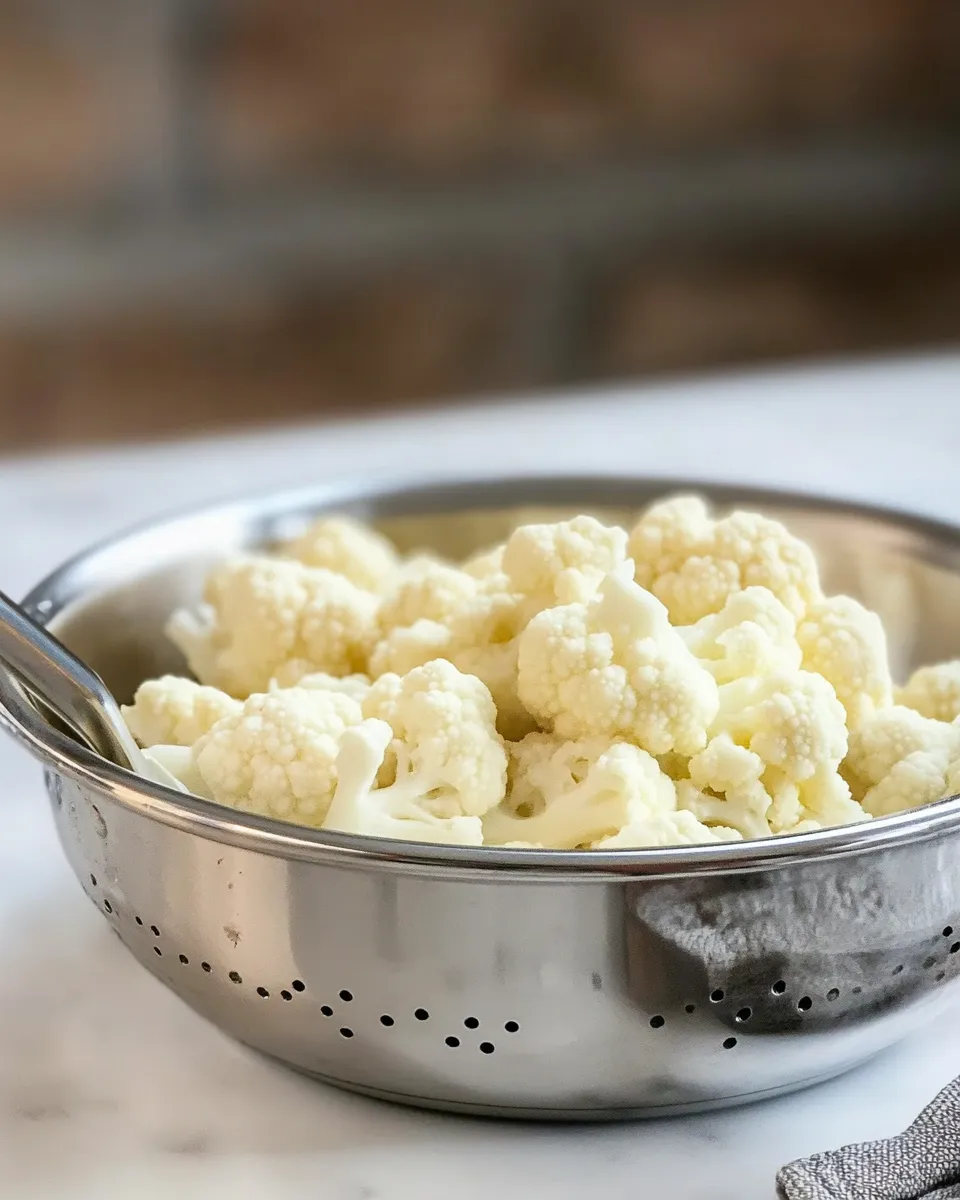
- When the cauliflower is completely cool, drain it in a strainer and pat dry with paper towels.
What You’ll Love About This Recipe
Simple. Fast. Reliable. Blanching transforms raw cauliflower quickly and predictably. The color brightens and the texture becomes tender but not mushy. That makes these florets a neutral canvas—perfect for finishing in many ways without the risk of overcooking during the final step.
Blanched cauliflower is also meal-prep friendly. Cook it on the weekend, then finish throughout the week: char it in a hot pan, toss it into a curry, or flash-roast it to add a toasty note. Because blanching stops enzymatic reactions, the cauliflower maintains its fresh flavor and color better than raw when stored.
Dairy-Free/Gluten-Free Swaps
Good news: blanching itself is inherently dairy-free and gluten-free—water and salt are all you need. That makes the technique universally useful for dietary needs. When you later finish the cauliflower, choose gluten-free sauces and dairy-free fats if you need to keep the dish free from gluten or dairy. Simple oils (olive, avocado) or nut-free dairy alternatives will complement blanched cauliflower without changing the technique.
Hardware & Gadgets
- Large pot — big enough for about 4 quarts of water so the cauliflower can move freely.
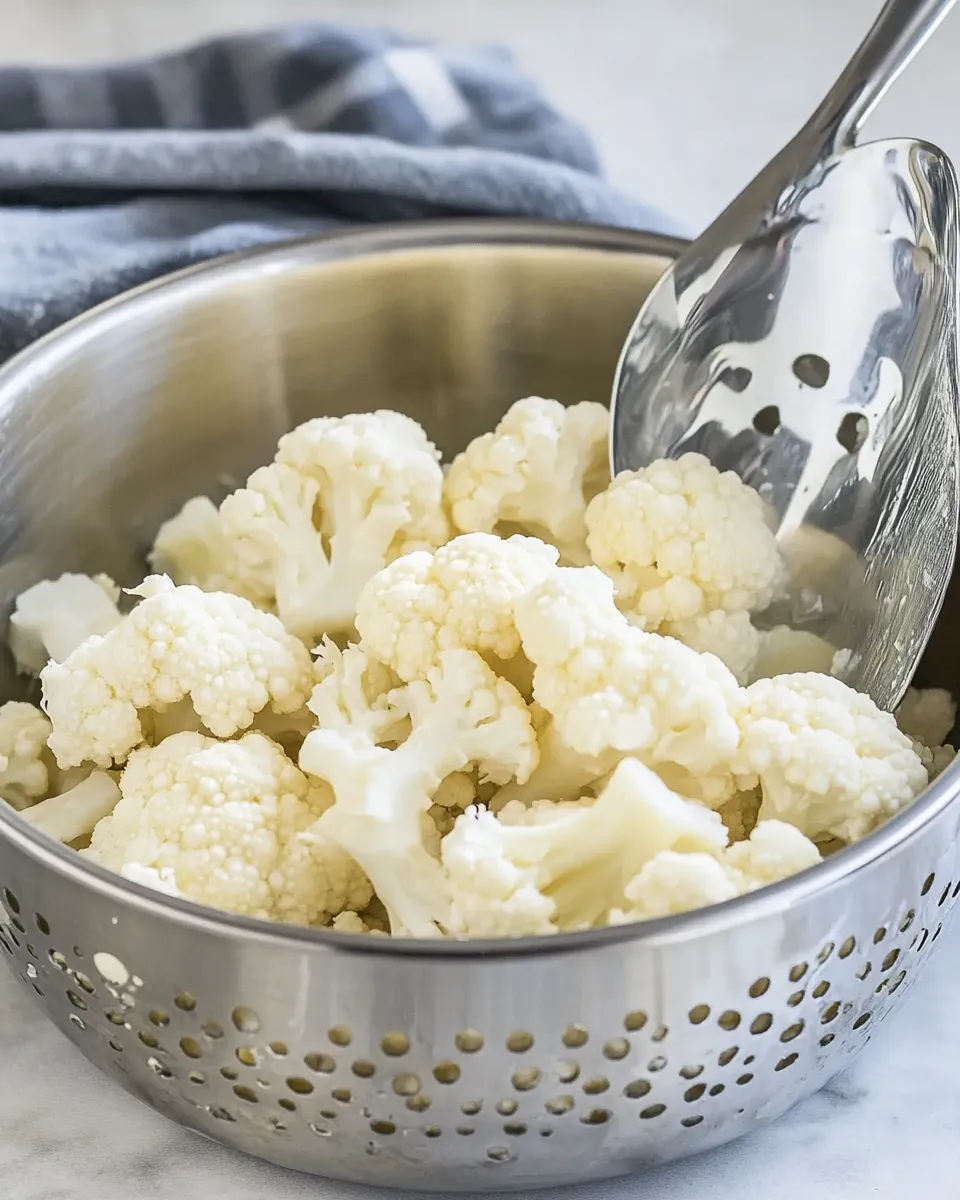
- Slotted spoon — so you can lift florets cleanly out of boiling water.
- Large bowl for ice bath — a wide bowl makes it easy to submerge florets quickly.
- Ice or very cold water — to stop cooking immediately and preserve texture and color.
- Fine-mesh strainer or colander — for draining the cooled florets.
- Paper towels or a clean kitchen towel — to dry the cauliflower before storage or finishing.
Slip-Ups to Skip
Don’t crowd the pot. If you add too many florets at once the water temperature will drop and the cauliflower will cook unevenly. Work in batches if needed.
Don’t skip the ice bath. The whole point of blanching is controlled, short cooking followed by an immediate stop. Without the ice bath the cauliflower will keep cooking from residual heat and quickly go soft.
Avoid oversized florets. If pieces are drastically different in size, some will be underdone while others will be overcooked. Aim for similar bite-sized pieces.
Tailor It to Your Diet
Low-sodium: omit the 2 teaspoons of salt when boiling. Blanching will still improve texture and color without salt; you can season later to taste.
Low-carb or keto: cauliflower is already a smart choice. Blanching keeps the texture clean and neutral so you can finish with high-fat, low-carb dressings or sauces.
Vegetarian/vegan: fully compatible—blanch first, then finish with olive oil, herbs, or plant-based sauces.
Flavor Logic
Blanching targets three kitchen goals: color, texture, and enzyme control. The hot water briefly breaks down cell walls just enough to soften the vegetable without collapsing it. Then the ice bath halts that process instantly, preserving a bright, appealing appearance.
Salt in the boiling water is optional but useful. It seasons the cauliflower quickly and helps preserve the white color by stabilizing the cell structure. If you’re watching sodium, leave it out and add seasoning later.
Because blanching is neutral, the florets are ready to absorb other flavors easily. Think of blanching as moving cauliflower from “raw” to “ready”—from there you can add bold finishes like spices, roasting sugars, sauces, or gentle dressings.
Keep It Fresh: Storage Guide
Refrigerator
After draining and patting dry, store blanched cauliflower in an airtight container or reusable bag in the refrigerator. Use within 3–4 days for the best texture and flavor. If moisture accumulates, line the container with a paper towel to absorb excess water and keep the florets from getting soggy.
Freezer
To freeze, spread cooled, dried florets on a baking sheet in a single layer and freeze until firm. Transfer to a freezer-safe container or bag and store for up to 6 months. Frozen blanched cauliflower is excellent for soups, purees, and casseroles where texture is less critical.
Helpful Q&A
- Can I blanch a whole head of cauliflower? — You can, but it’s more reliable to cut it into uniform florets. A whole head will cook unevenly; outer parts may become too soft while the center remains underdone.
- How long should I blanch for if I want softer florets? — The source steps call for 2 to 3 minutes for just-barely-tender florets. If you prefer softer, increase the time by 30–60 seconds, but watch closely to avoid mushiness.
- Is the salt mandatory? — No. The 2 teaspoons salt in the boiling water are optional and help flavor and color. Omit for low-sodium diets and season later.
- What if I accidentally skip the ice bath? — Immediately run the cauliflower under very cold water to stop cooking as much as possible. It won’t be as effective as an ice bath, but it helps.
- Can I blanch frozen cauliflower? — If it’s already frozen raw cauliflower, blanching isn’t necessary. For frozen florets that have been thawed, blanching can help firm them up slightly, but texture will differ from fresh.
- How do I dry blanched cauliflower well? — Drain in a strainer, then spread on a clean towel or paper towels and press gently to remove surface water. Excess moisture promotes sogginess during storage or when roasting.
Hungry for More?
Blanched cauliflower is a starter for so many dishes. Toss with a warm vinaigrette and herbs for a quick salad, roast with a high heat finish to add color and caramel, or toss into a pan with aromatics and finish with lemon for a light side. Once you have the technique down, it becomes a fast shortcut in your weeknight cooking toolkit.
Try a batch on Sunday and finish them differently throughout the week: one night roasted with spices, another tossed into a creamy curry, and another sautéed with garlic and lemon. Small technique, big payoff.
How to Blanch Cauliflower
Equipment
- Large Pot
- Large Bowl
- Slotted Spoon
- Strainer
- Paper Towels
Ingredients
Ingredients
- 2 poundscauliflower florets
- 2 teaspoonssalt optional
Instructions
Instructions
- Pour about 4 quarts of water into a large pot, add 2 teaspoons salt (optional), and bring to a rapid boil.
- While the water heats, fill a large bowl with cold water and plenty of ice to make an ice bath.
- Carefully lower the 2 pounds cauliflower florets into the boiling water. Cook for 2 to 3 minutes, until the florets are just barely tender when pierced with a fork.
- Using a slotted spoon, immediately transfer the cauliflower from the boiling water into the ice bath to stop the cooking.
- When the cauliflower is completely cool, drain it in a strainer and pat dry with paper towels.
Notes
Buying:Choose bright white cauliflower that has a firm heading without brown spots. Cauliflower should feel heavy for its size.
Storing:Whole cauliflower should be stored in an open bag in the refrigerator. Use cauliflower within 3-4 days.
Yield:This recipe makes 6 servings (½ cup blanched cauliflower each). 1 pound cauliflower yields about 6 cups raw florets or 3 cups blanched florets.
Storage:Store leftovers covered in the refrigerator for up to 4 days.