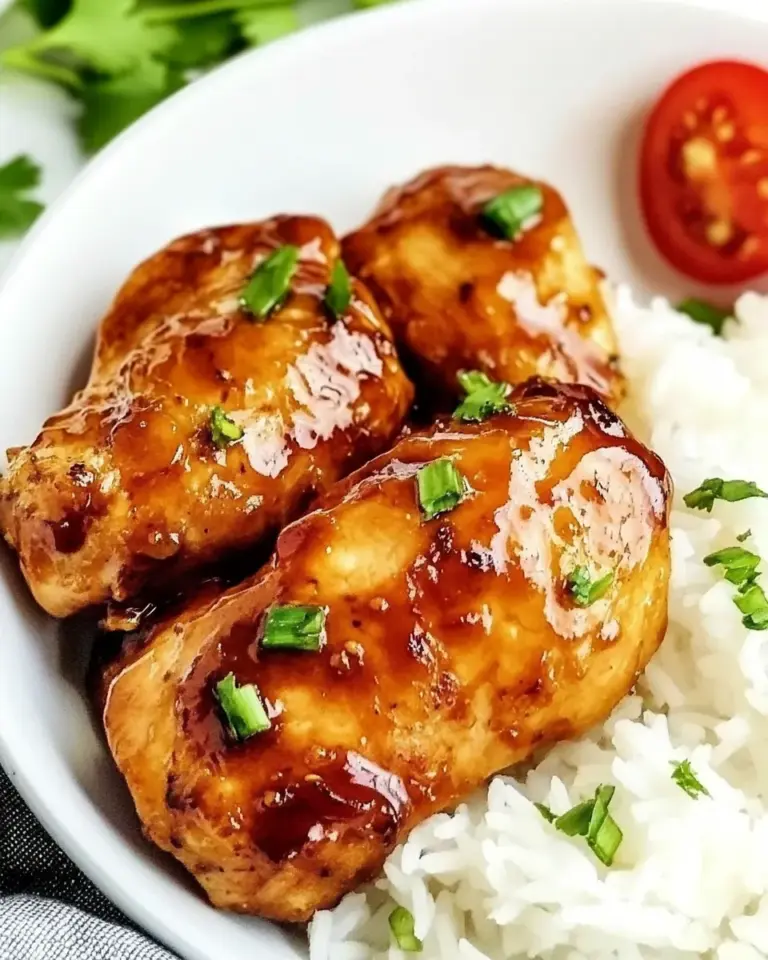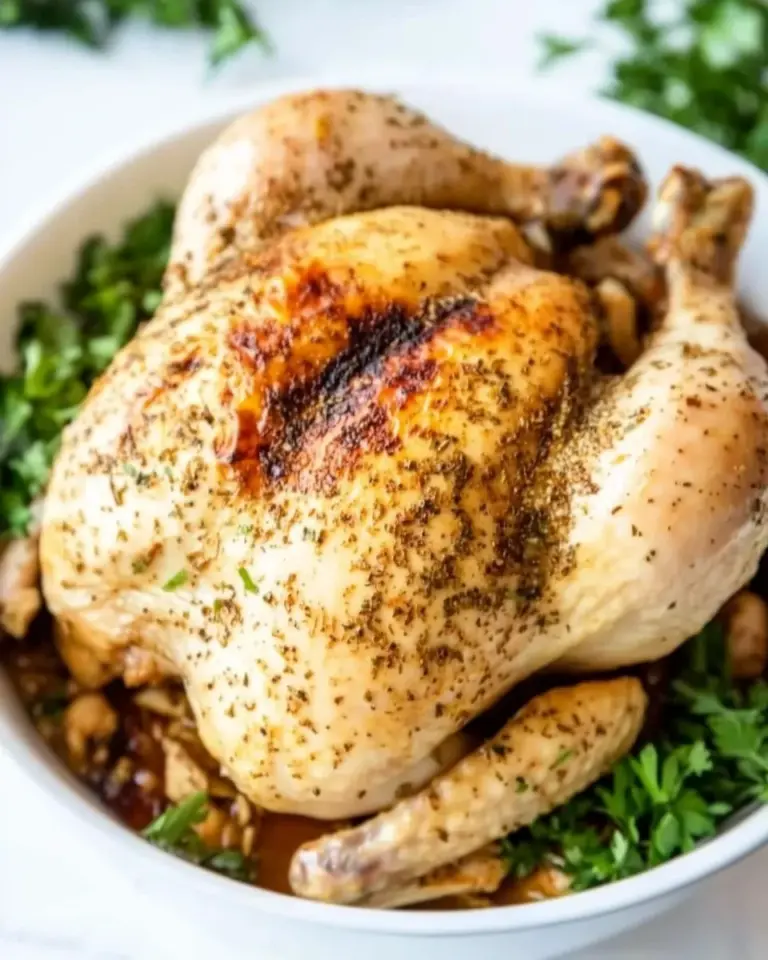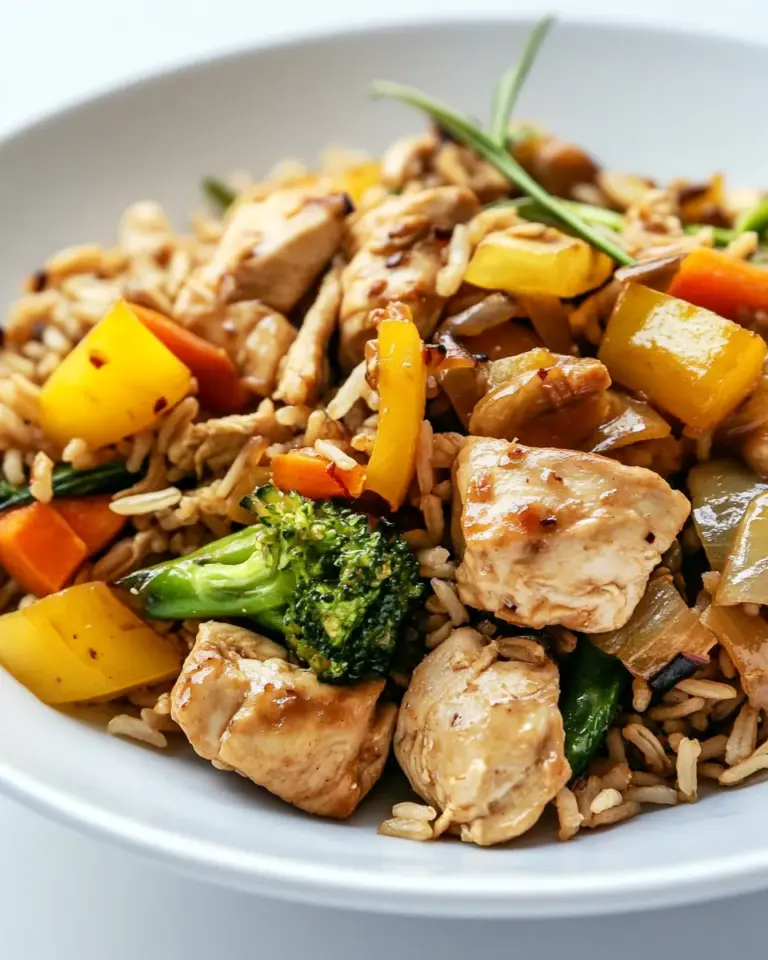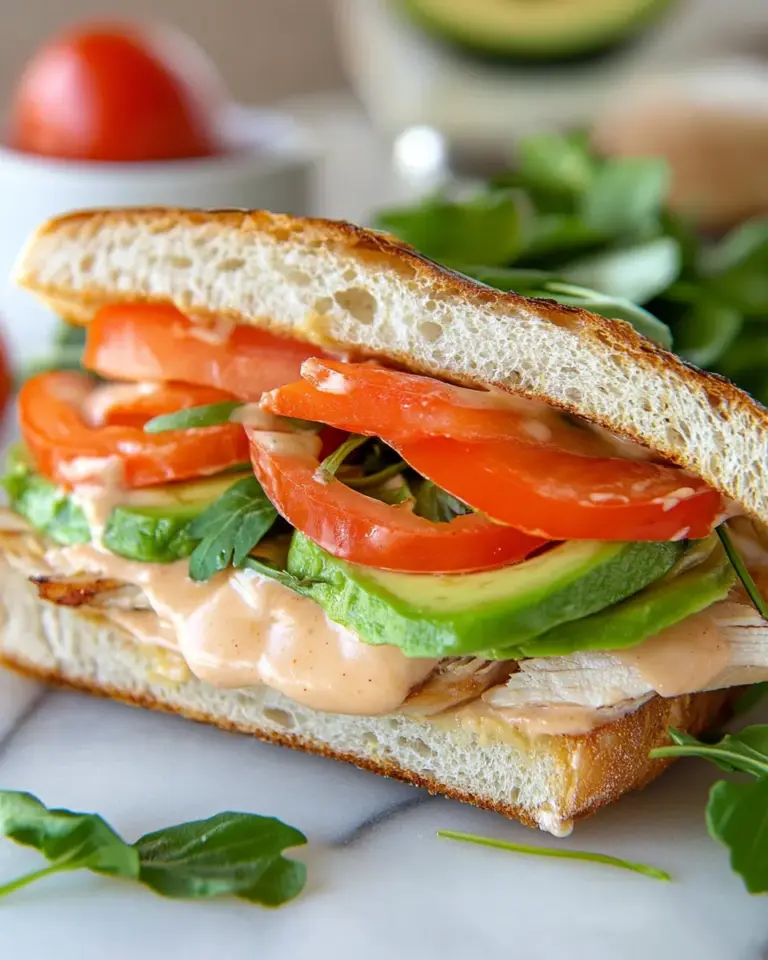
I love a good, simple marinade because it takes a plain piece of chicken and gives it personality. This recipe uses pantry staples—soy sauce, honey, rice vinegar, garlic, ginger, and sesame oil—to create a balanced, slightly sweet, umami-forward marinade that plays well with grilling, baking, or pan-searing. It’s straightforward, forgiving, and fast to put together.
Read through once, gather the ingredients, and whisk everything in a single bowl. The technique matters more than perfection here: fully dissolving the honey and letting the flavors mingle for at least 30 minutes will elevate the final dish. I’ll walk you through what each ingredient does, alternatives if you need them, common mistakes, and how to store the leftover marinade or chicken.
What We’re Using
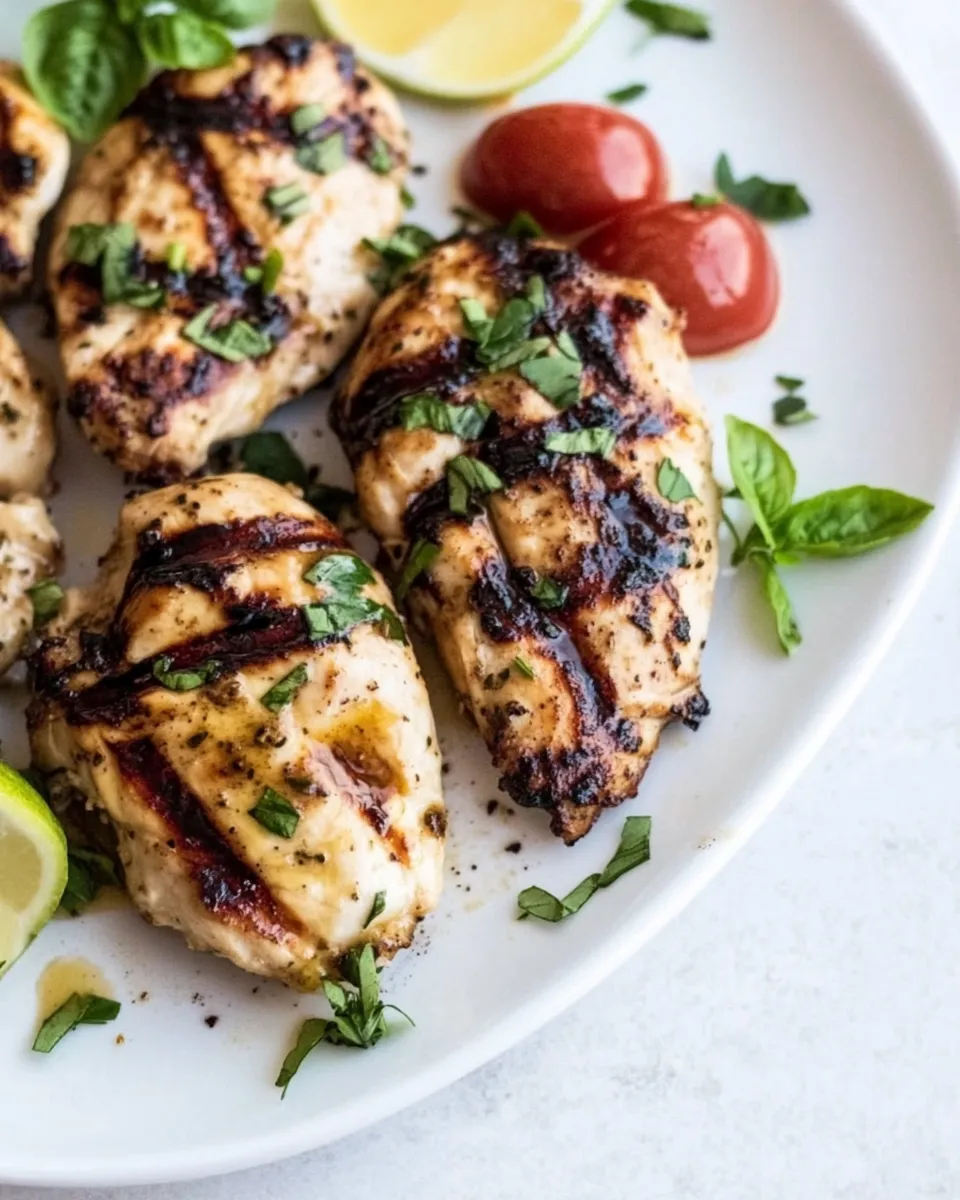
Ingredients
- 1/4 cup soy sauce — provides salty, savory umami and forms the salty backbone of the marinade.
- 2 tablespoons honey — adds sweetness, helps with caramelization during cooking.
- 1 tablespoon rice vinegar — gives gentle acidity to balance the sweet and salty.
- 2 cloves garlic, minced — fresh garlic brings aromatic sharpness and depth.
- 1 teaspoon ginger, grated — a bright, warm heat that cuts through richness.
- 1 tablespoon sesame oil — toasted sesame oil adds a toasty, nutty finish and aroma.
- Optional: sliced green onions for garnish — a fresh, oniony finish and a pop of color.
How to Prepare Chicken Marinade with Common Spices
- In a medium bowl, whisk together 1/4 cup soy sauce, 2 tablespoons honey, 1 tablespoon rice vinegar, 2 cloves minced garlic, 1 teaspoon grated ginger, and 1 tablespoon sesame oil until the honey is fully dissolved and the mixture is uniform.
- Place the chicken in a resealable plastic bag or a shallow dish large enough to hold it. Pour the prepared marinade over the chicken, then press out excess air and seal the bag or cover the dish. Ensure the chicken is fully coated and spread out in a single layer if possible.
- Refrigerate the sealed bag or covered dish for at least 30 minutes, or up to overnight for stronger flavor. If using a bag, gently massage the bag or turn the dish once or twice during marinating to redistribute the marinade.
- When ready to cook, remove the chicken from the refrigerator, take it out of the marinade, and discard any marinade that contacted the raw chicken.
- Cook the chicken by grilling, baking, or pan-searing until cooked through (no pink in the center and juices run clear).
- Transfer the cooked chicken to a serving plate, garnish with sliced green onions if desired, and serve.
Top Reasons to Make Chicken Marinade with Common Spices
Quick flavor upgrade. This marinade turns ordinary chicken into something much more interesting with only a few minutes of prep. The salty-sweet balance is immediately appealing and works for weeknight dinners.
Built from pantry staples. You don’t need specialty bottles or rare spices. If you keep soy sauce, honey, garlic, and a small bottle of sesame oil on hand, you can make this any night of the week.
Flexible cooking methods. The same marinade works for the grill, oven, or stovetop. That flexibility means you can adapt to weather, time, and equipment without changing the recipe.
Fast results, deep flavor. Even a brief 30-minute soak improves surface flavor and helps with browning. Overnight gives a deeper infusion without becoming overpowering.
What to Use Instead
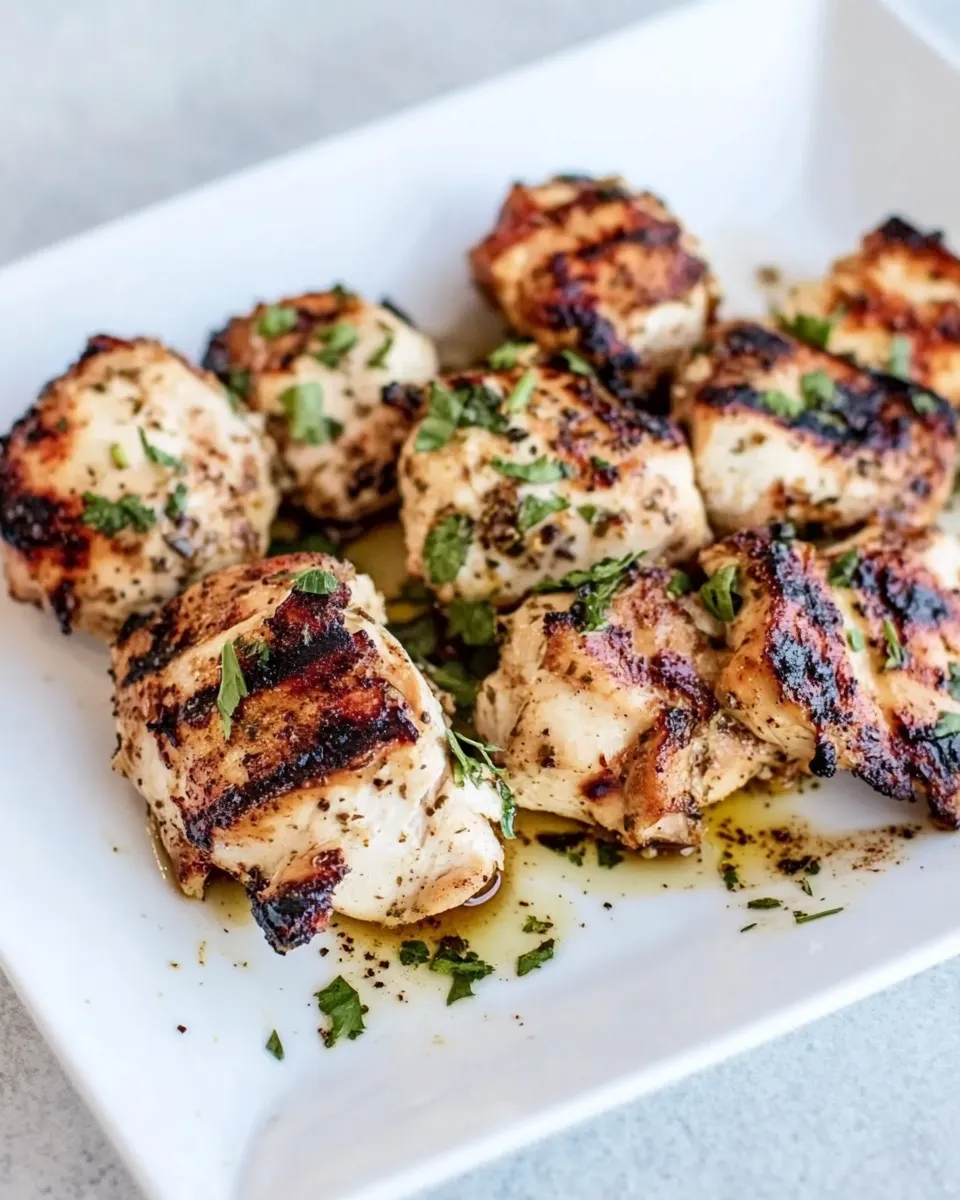
If you need to swap one component, here are straightforward, reliable alternatives that keep the spirit of the marinade intact.
- Soy sauce — use tamari for a gluten-free option, or coconut aminos if you need a soy-free substitute. Low-sodium soy sauce is fine if you watch salt intake.
- Honey — maple syrup or agave nectar can stand in for honey for a similar level of sweetness and caramelization.
- Rice vinegar — white wine vinegar or apple cider vinegar work in a pinch; use a touch less if they taste sharper.
- Garlic — garlic powder can be used if fresh isn’t available; use about 1/4 teaspoon per clove as a guide.
- Ginger — ground ginger is the backup, though fresh is brighter. Use about 1/4 teaspoon ground in place of 1 teaspoon fresh.
- Sesame oil — if you don’t have toasted sesame oil, neutral oil (like vegetable or canola) can be used for cooking, and a small splash of toasted sesame seeds at the end can bring some of that flavor back.
Recommended Tools
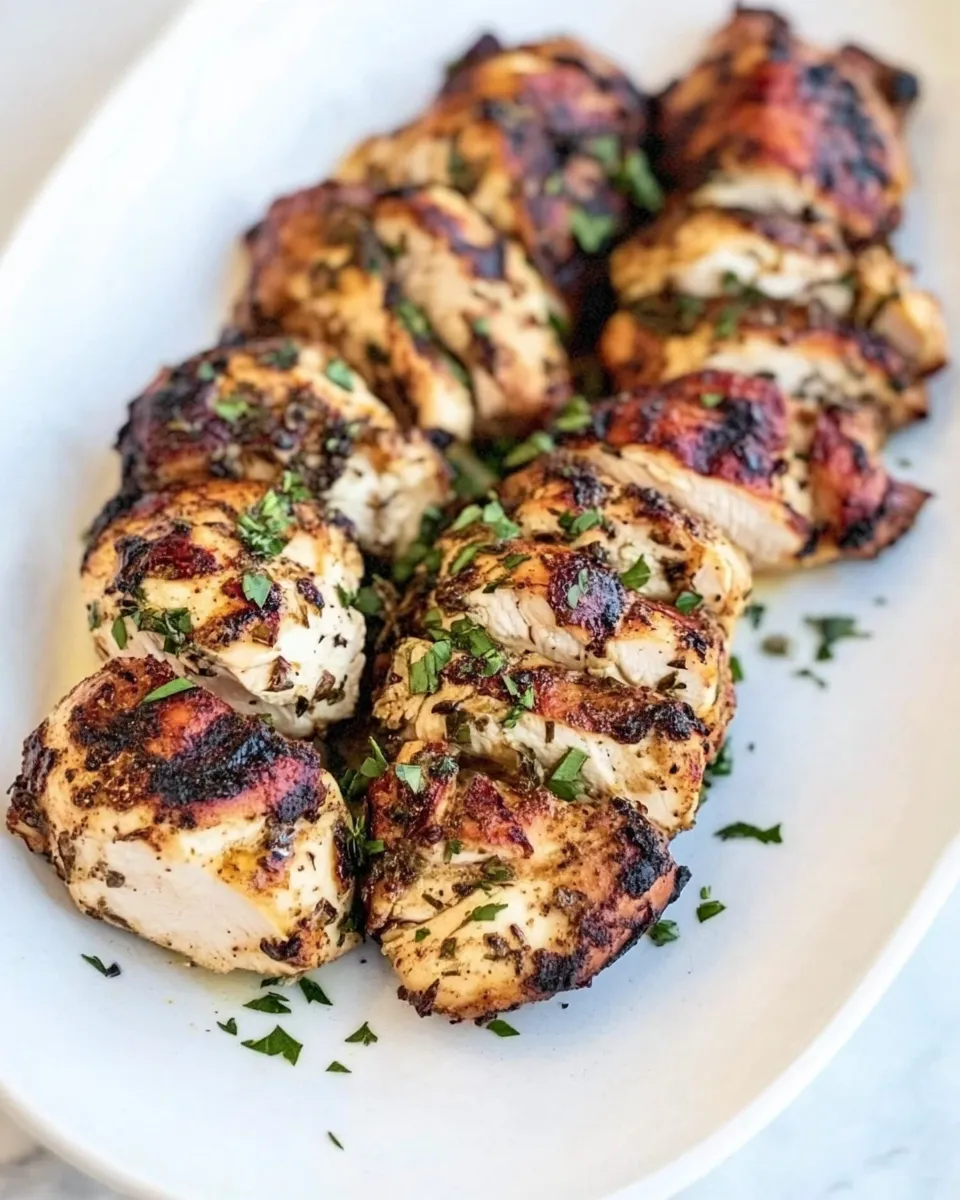
Keep it simple. A few reliable tools make the process quick and mess-free.
- Medium mixing bowl — for whisking the marinade until uniform.
- Whisk or fork — to fully dissolve the honey and emulsify the ingredients.
- Resealable plastic bag or shallow dish with a lid — for even marinating and easy cleanup.
- Tongs or a spatula — for removing chicken and handling while cooking.
- Instant-read thermometer — optional but recommended; it removes guesswork about doneness.
- Grill pan, skillet, or sheet pan — choose based on your cooking method.
Learn from These Mistakes
Too salty or too sweet? If you over-marinate in a salty soy-based mix, the surface can become overwhelmingly salty. Use low-sodium soy sauce if you plan to marinate overnight. Shorten the time for smaller pieces of chicken like cutlets.
Not dissolving the honey. If the honey isn’t fully dissolved, it can gather on the surface and cause uneven caramelization. Whisk until the mixture is uniform.
Using the marinade as sauce without cooking. The marinade that has touched raw chicken must be discarded or boiled for at least a few minutes before using as a sauce to eliminate bacteria. Don’t reuse it raw as a finishing sauce.
Overcooking. Because honey helps with browning, chicken can look done on the outside before the inside reaches a safe temperature. Check with an instant-read thermometer; 165°F (74°C) is the safe endpoint for poultry.
Seasonal Flavor Boosts
Spring: Add a splash of fresh citrus (lemon or lime) when serving to brighten the dish. A spoonful of thinly sliced green herbs like cilantro or chives at the end keeps the profile light.
Summer: Grill the marinated chicken and finish with a scattering of fresh green onions or a squeeze of lime for a char-forward, fresh result. The smokiness of the grill complements the sesame.
Autumn/Winter: Stir in a pinch of crushed red pepper or a dusting of five-spice if you want warmth. Serve with roasted root vegetables or a bowl of steamed rice for comfort.
Testing Timeline
Here’s a practical schedule so you can plan dinner without surprises.
- Quick boost (30–60 minutes): Mix the marinade and let it sit in the refrigerator for at least 30 minutes. This is perfect for weeknights when you need flavor fast.
- Best flavor (4–8 hours): A few hours gives a deeper, more integrated flavor without turning the texture mealy. Good for midday prep.
- Overnight (up to 24 hours): Safe for most cuts but stick to low-sodium soy if you go this long to avoid excessive salt penetration. Do not exceed 24 hours for thin cuts; for bone-in pieces, 24 hours is fine.
- Cooking times: Grilling/pan-searing for boneless breasts or thighs usually takes 6–8 minutes per side over medium-high heat; adjust as needed and use a thermometer.
Refrigerate, Freeze, Reheat
Storage basics:
- Marinating: Always marinate in the refrigerator. Do not leave raw chicken to marinate at room temperature.
- Leftover raw marinade: Discard any marinade that contacted raw chicken. If you want to use it as a sauce, bring it to a rolling boil for several minutes to kill bacteria.
- Cooked chicken: Store in an airtight container in the refrigerator for up to 3–4 days.
- Freezing: Cooked marinated chicken freezes well. Cool completely, then freeze in labeled airtight containers or heavy-duty freezer bags for up to 3 months. Thaw overnight in the refrigerator before reheating.
- Reheating: Reheat gently in a skillet over medium-low heat or in a 350°F (175°C) oven until warmed through. Avoid high heat which dries chicken quickly. A splash of water or a light brush of oil helps retain moisture during reheating.
Handy Q&A
Q: Can I marinate chicken at room temperature?
A: No. Always marinate in the refrigerator to prevent bacterial growth.
Q: Can I reuse leftover marinade as a sauce?
A: Only if you boil it vigorously for several minutes to destroy any bacteria from the raw chicken.
Q: Will the honey burn on the grill?
A: Honey can contribute to faster browning. Grill over medium-high heat and watch closely; move the chicken if flare-ups occur. A two-zone heat setup on the grill helps—sear over direct heat, finish over indirect.
Q: How can I tell when chicken is done?
A: Use an instant-read thermometer; 165°F (74°C) in the thickest part of the chicken indicates safe doneness.
Serve & Enjoy
Serve slices of the cooked chicken over steamed rice, tossed into a salad, or alongside roasted vegetables. Garnish with sliced green onions for freshness and color. The marinade delivers a balanced combination of sweet, salty, and umami, so keep side dishes relatively simple—think bright greens or mild grains—to let the chicken shine.
Make a double batch of the marinade (mix extra in a separate bowl) if you want a finishing drizzle: boil it for a few minutes to make it safe, then reduce slightly to concentrate the flavors. But don’t use the raw marinade that touched the chicken.
This is one of those recipes that becomes a go-to once you try it. It’s forgiving, fast, and delicious—perfect for busy evenings and weekend grilling alike. Enjoy the layered flavors, and don’t be afraid to adjust the marinating time to fit your schedule.
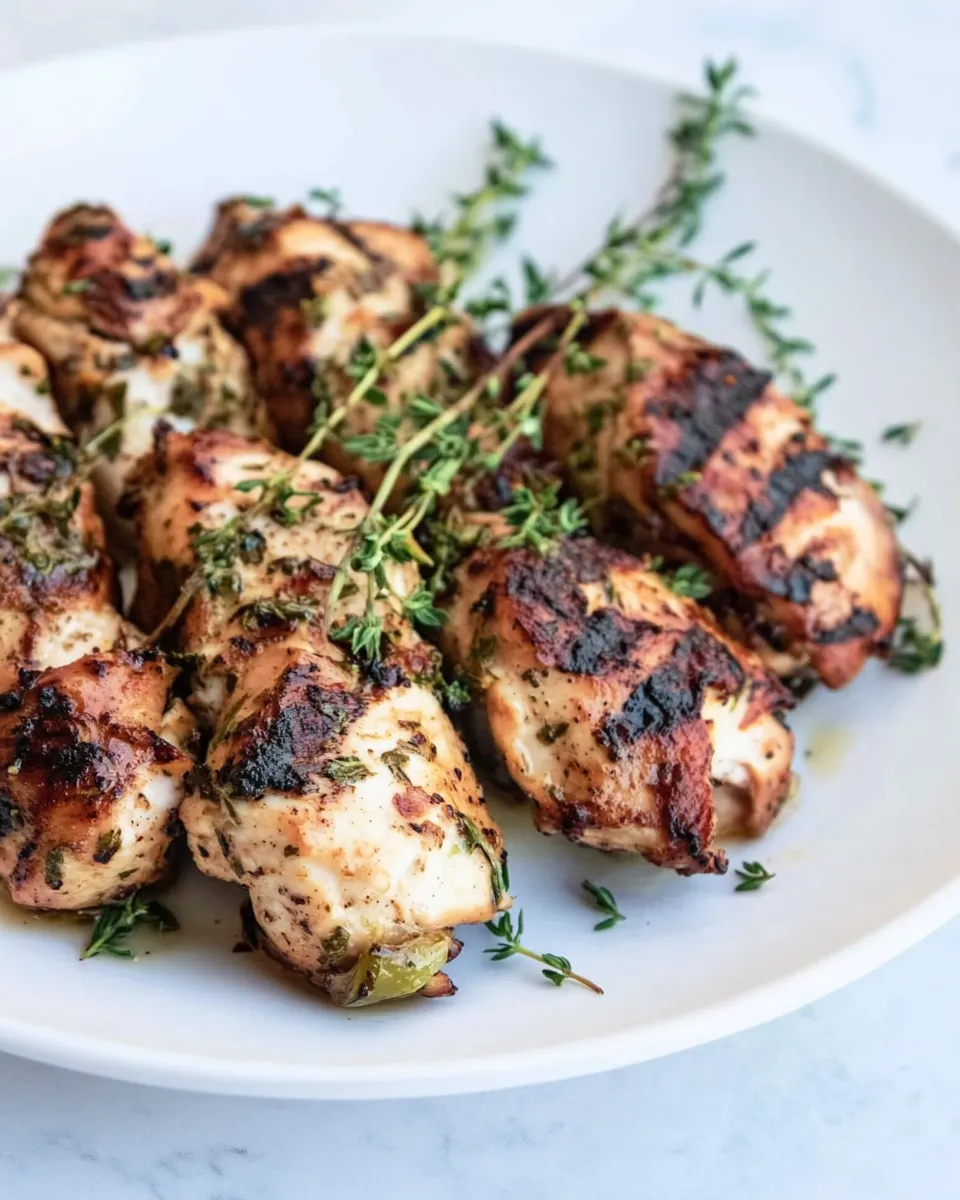
How to Make Chicken Marinade with Common Spices
Equipment
- Medium Bowl
- Whisk
- Resealable Plastic Bag
- Shallow Dish
- Refrigerator
- Grill
- Oven
- Skillet
- Serving plate
Ingredients
Ingredients
- 1/4 cup soy sauce
- 2 tablespoons honey
- 1 tablespoon rice vinegar
- 2 cloves garlic minced
- 1 teaspoon ginger grated
- 1 tablespoon sesame oil
- Optional: sliced green onions for garnish
Instructions
Instructions
- In a medium bowl, whisk together 1/4 cup soy sauce, 2 tablespoons honey, 1 tablespoon rice vinegar, 2 cloves minced garlic, 1 teaspoon grated ginger, and 1 tablespoon sesame oil until the honey is fully dissolved and the mixture is uniform.
- Place the chicken in a resealable plastic bag or a shallow dish large enough to hold it. Pour the prepared marinade over the chicken, then press out excess air and seal the bag or cover the dish. Ensure the chicken is fully coated and spread out in a single layer if possible.
- Refrigerate the sealed bag or covered dish for at least 30 minutes, or up to overnight for stronger flavor. If using a bag, gently massage the bag or turn the dish once or twice during marinating to redistribute the marinade.
- When ready to cook, remove the chicken from the refrigerator, take it out of the marinade, and discard any marinade that contacted the raw chicken.
- Cook the chicken by grilling, baking, or pan-searing until cooked through (no pink in the center and juices run clear).
- Transfer the cooked chicken to a serving plate, garnish with sliced green onions if desired, and serve.