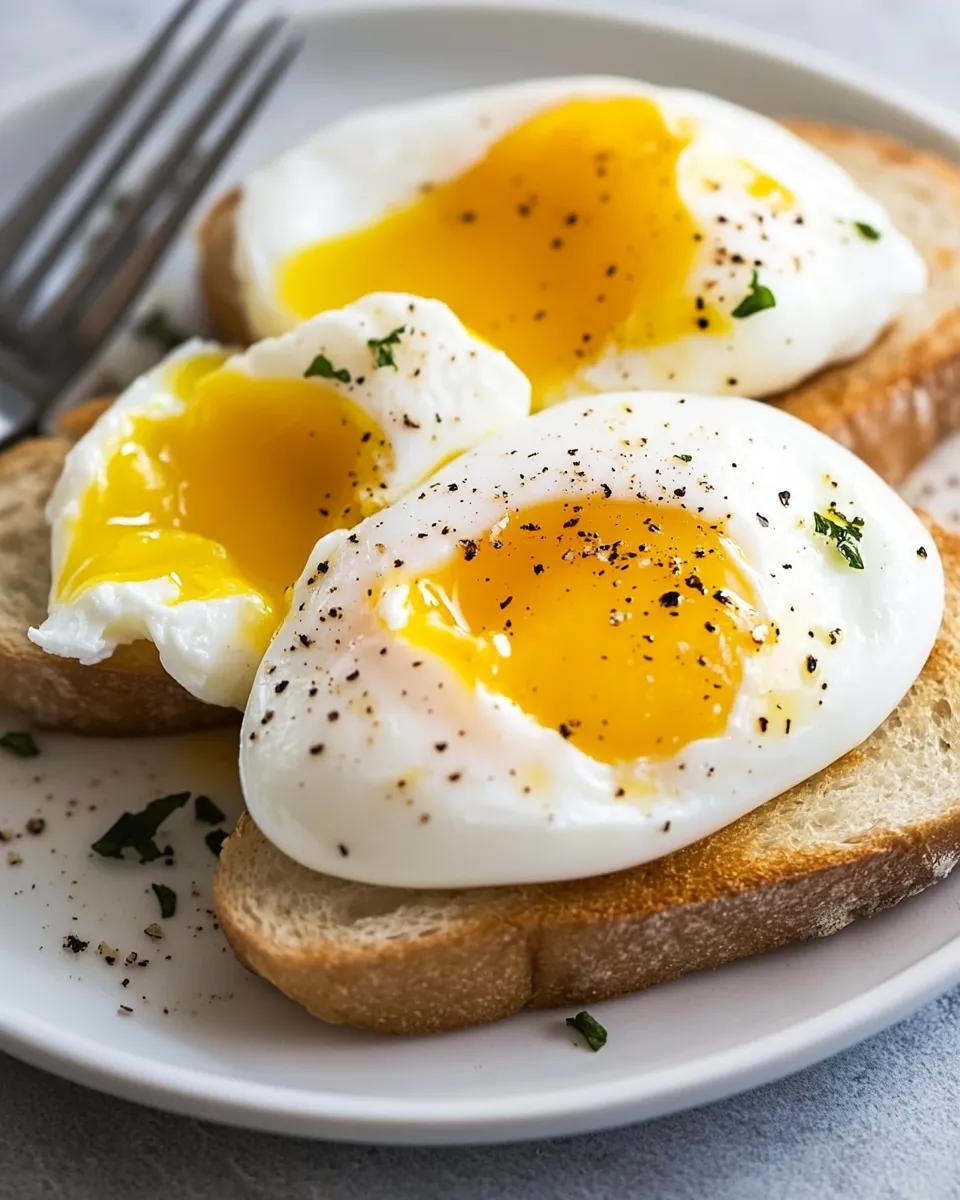
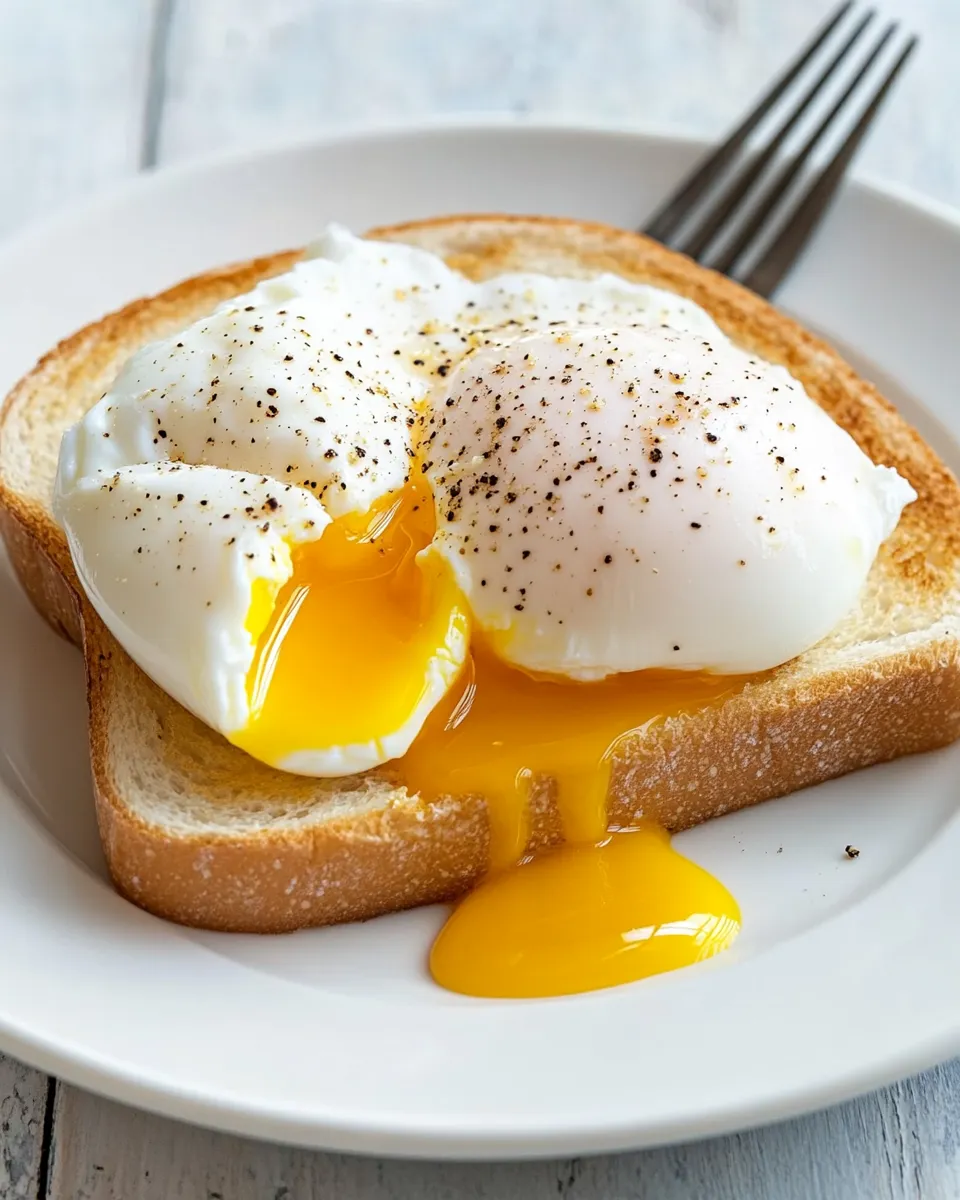
Poached eggs are a breakfast staple that can elevate any morning meal with their luscious, runny yolks and delicate textures. They are not only delicious but also versatile, perfect for topping on toast, salads, or even served with a side of fresh vegetables. Learning how to make poached eggs can seem daunting at first, but with the right technique and a few simple ingredients, you’ll find it’s easier than you think. Let’s dive into how to make poached eggs that are consistently perfect every time!
What Sets This Recipe Apart
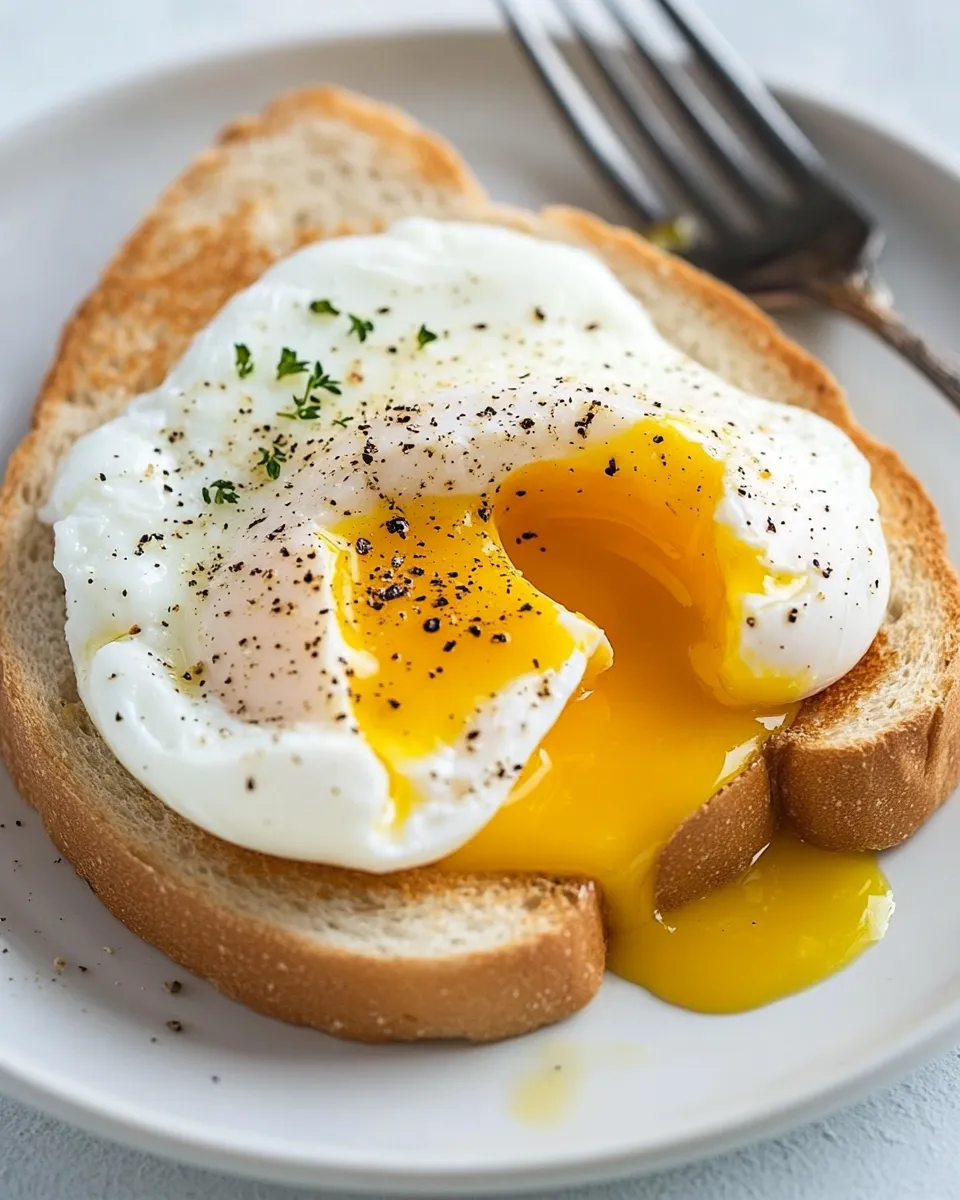
What makes this poached egg recipe stand out is its simplicity and the foolproof method that ensures your eggs turn out beautifully every time. The addition of distilled white vinegar helps to coagulate the egg whites faster, resulting in a tender, compact poached egg rather than a wispy one. This technique, combined with the right water temperature and timing, guarantees a perfectly poached egg with a runny yolk and a seamless appearance.
What to Buy
When preparing to make poached eggs, here’s what you’ll need:
- Eggs: Fresh eggs are essential for the best results. Look for eggs with intact shells and a recent sell-by date.
- Distilled white vinegar: This ingredient helps the egg whites set quickly, preventing them from spreading in the water.
- Salt: A pinch of salt enhances the flavor of the eggs.
- Freshly ground black pepper: For seasoning your finished poached eggs.
- Water: Fresh, clean water is necessary for poaching the eggs.
Recommended Tools
To make your poached eggs successfully, gather the following tools:
- Medium saucepan: A sturdy pot with a lid is ideal for poaching eggs.
- Slotted spoon: This will help you gently lift the poached eggs out of the water.
- Small bowl: For cracking the eggs before gently adding them to the water.
- Timer: To keep track of cooking time for perfectly poached eggs.
- Stirring spoon: A wooden or silicone spoon for creating a gentle whirlpool.
How to Make Poached Eggs Made Stepwise
Step 1: Prepare the Water
In a medium saucepan, bring 6 cups of water to a gentle simmer over medium heat. You want bubbles to form on the bottom of the pan, not a rolling boil.
Step 2: Add Vinegar
Once the water reaches a simmer, add 1 tablespoon of distilled white vinegar. This will help the egg whites set more quickly.
Step 3: Crack the Eggs
Crack 4 eggs into separate small bowls. This allows for easy transfer into the water and ensures no shell pieces make it into your poached eggs.
Step 4: Create a Whirlpool
Using a stirring spoon, create a gentle whirlpool in the simmering water. This technique helps to wrap the egg whites around the yolk, creating a more compact shape.
Step 5: Add the Eggs
Carefully slide one egg at a time into the center of the whirlpool. You can add multiple eggs, but ensure they are spaced out to prevent them from sticking together.
Step 6: Cook the Eggs
Allow the eggs to cook undisturbed for about 3-4 minutes. For a runny yolk, 3 minutes is perfect; for a firmer yolk, leave them in for closer to 4 minutes.
Step 7: Remove the Eggs
Using a slotted spoon, gently lift the poached eggs out of the water and let them drain briefly on a paper towel.
Step 8: Season and Serve
Season your poached eggs with salt and freshly ground black pepper to taste. Serve immediately over toast, salads, or your favorite breakfast dish!
Substitutions by Category

If you find yourself missing an ingredient, consider these substitutions:
- Eggs: You can use organic or free-range eggs for a different taste and texture.
- Vinegar: Lemon juice can be used instead of vinegar, although it may impart a slight citrus flavor.
- Salt: Sea salt or kosher salt can be used in lieu of regular table salt for a different flavor profile.
- Black pepper: White pepper can be substituted if you prefer a milder flavor.
Avoid These Traps
- Don’t let the water boil vigorously; it can break apart the eggs and create a messy outcome.
- Avoid using old eggs, as they tend to spread out in the water and do not hold their shape well.
- Don’t skip the vinegar! It’s crucial for achieving the perfect poached egg.
- Be mindful of cooking time; overcooking can lead to a chalky texture instead of the desired runny yolk.
Best Ways to Store
Poached eggs are best enjoyed fresh, but if you have leftovers, here’s how to store them:
- Refrigerate: Store poached eggs in an airtight container in the refrigerator for up to 2 days.
- Reheat: To reheat, gently warm them in simmering water for 1-2 minutes, just until heated through.
Ask & Learn
Can I poach eggs in advance?
Yes, you can poach eggs in advance and store them in the refrigerator for up to 2 days. Just reheat them gently in simmering water before serving.
What if my poached eggs fall apart?
If your poached eggs fall apart, it may be due to using older eggs or boiling the water too vigorously. Ensure you use fresh eggs and keep the water at a gentle simmer.
Can I add other flavors to the poaching water?
Yes! You can add herbs or spices to the poaching water, but it’s best to keep it simple to avoid altering the delicate flavor of the eggs too much.
How do I know when my poached eggs are done?
A poached egg is done when the whites are set, and the yolk is still jiggly. A quick poke with a finger can help you test doneness; it should feel soft but not liquid.
That’s a Wrap
Now that you know how to make poached eggs, you can enjoy them as a healthy and delicious addition to any meal. With practice, you’ll master this cooking technique and be able to impress your family and friends with perfectly poached eggs that are beautifully presented and packed with flavor. Whether served on toast, in a salad, or as part of an elaborate brunch, poached eggs are sure to be a crowd-pleaser. Happy cooking!
How to Make Poached Eggs
Equipment
- Medium Saucepan
- Slotted Spoon
- Small Bowl
- Timer
- Stirring spoon
Ingredients
- 4 Eggs fresh
- 1 tablespoon Distilled white vinegar
- Pinch Salt
- Freshly ground black pepper for seasoning
- 6 cups Water fresh, clean
Instructions
- In a medium saucepan, bring 6 cups of water to a gentle simmer over medium heat. Avoid a rolling boil.
- Once simmering, add 1 tablespoon of distilled white vinegar to help the egg whites set quickly.
- Crack 4 fresh eggs into separate small bowls for easy transfer and to ensure no shell pieces get in.
- Using a stirring spoon, create a gentle whirlpool in the simmering water to help the egg whites wrap around the yolks.
- Carefully slide each egg one at a time into the center of the whirlpool, spacing them out to prevent sticking.
- Allow the eggs to cook undisturbed for 3-4 minutes; 3 minutes for runny yolks or 4 minutes for firmer yolks.
- Use a slotted spoon to gently lift the poached eggs out of the water and let drain briefly on a paper towel.
- Season with salt and freshly ground black pepper to taste. Serve immediately over toast, salads, or your favorite dish.
Notes
- Use the freshest eggs possible for best shape and texture.
- Do not let the water boil vigorously to avoid breaking eggs.
- Vinegar is key for keeping the whites compact and neat.
- Leftover poached eggs can be refrigerated up to 2 days and reheated gently in simmering water.
- Try adding herbs or spices to poaching water for subtle flavor variations.