
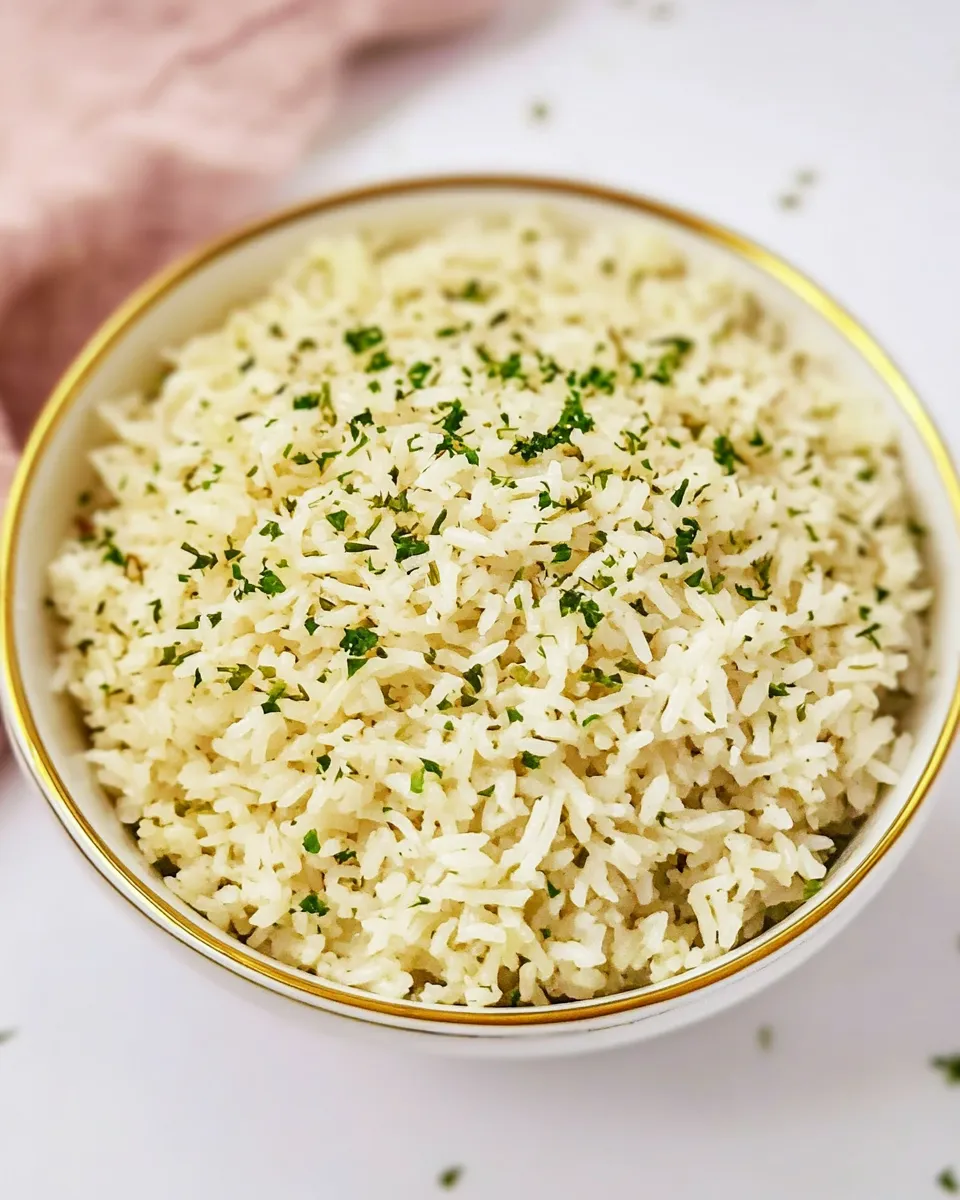
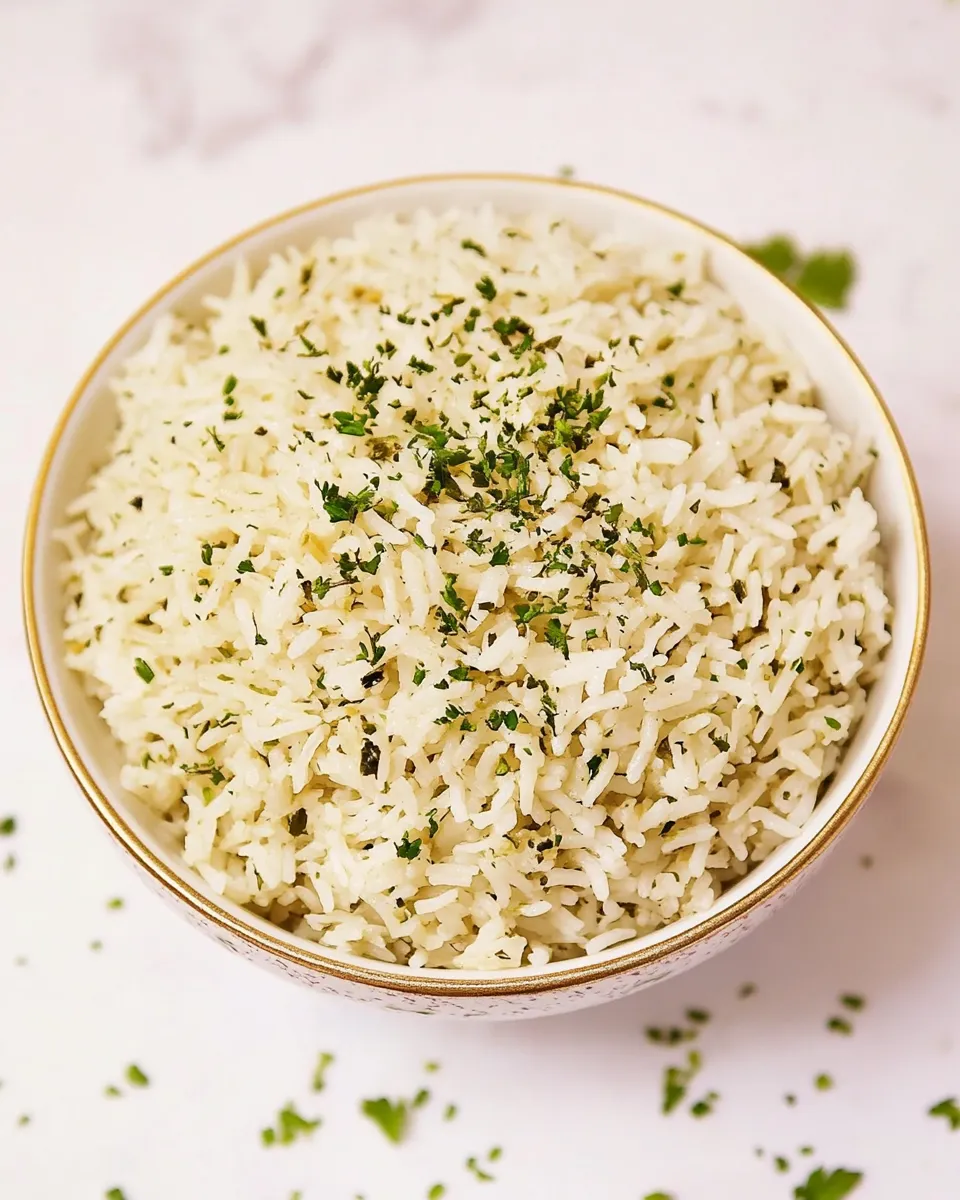
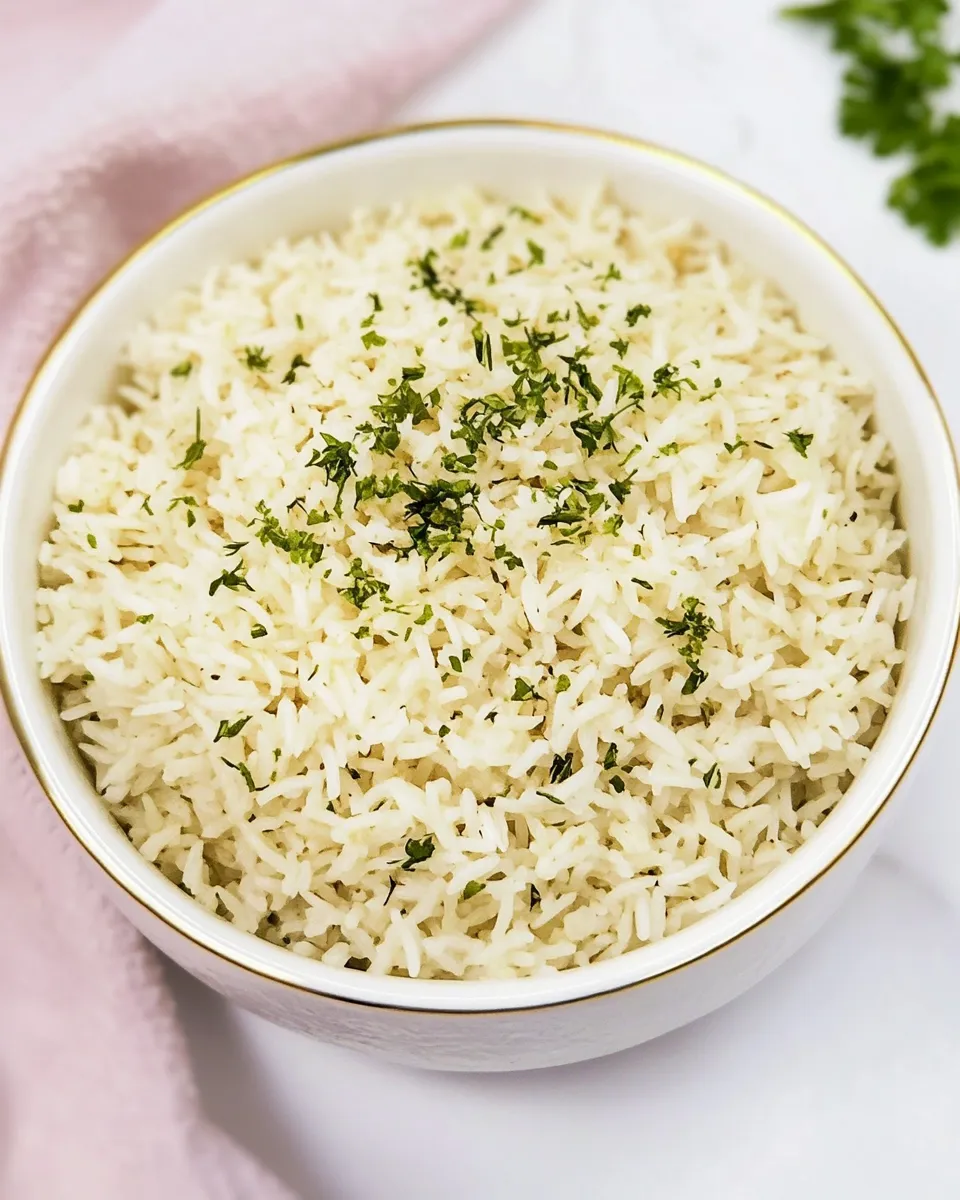
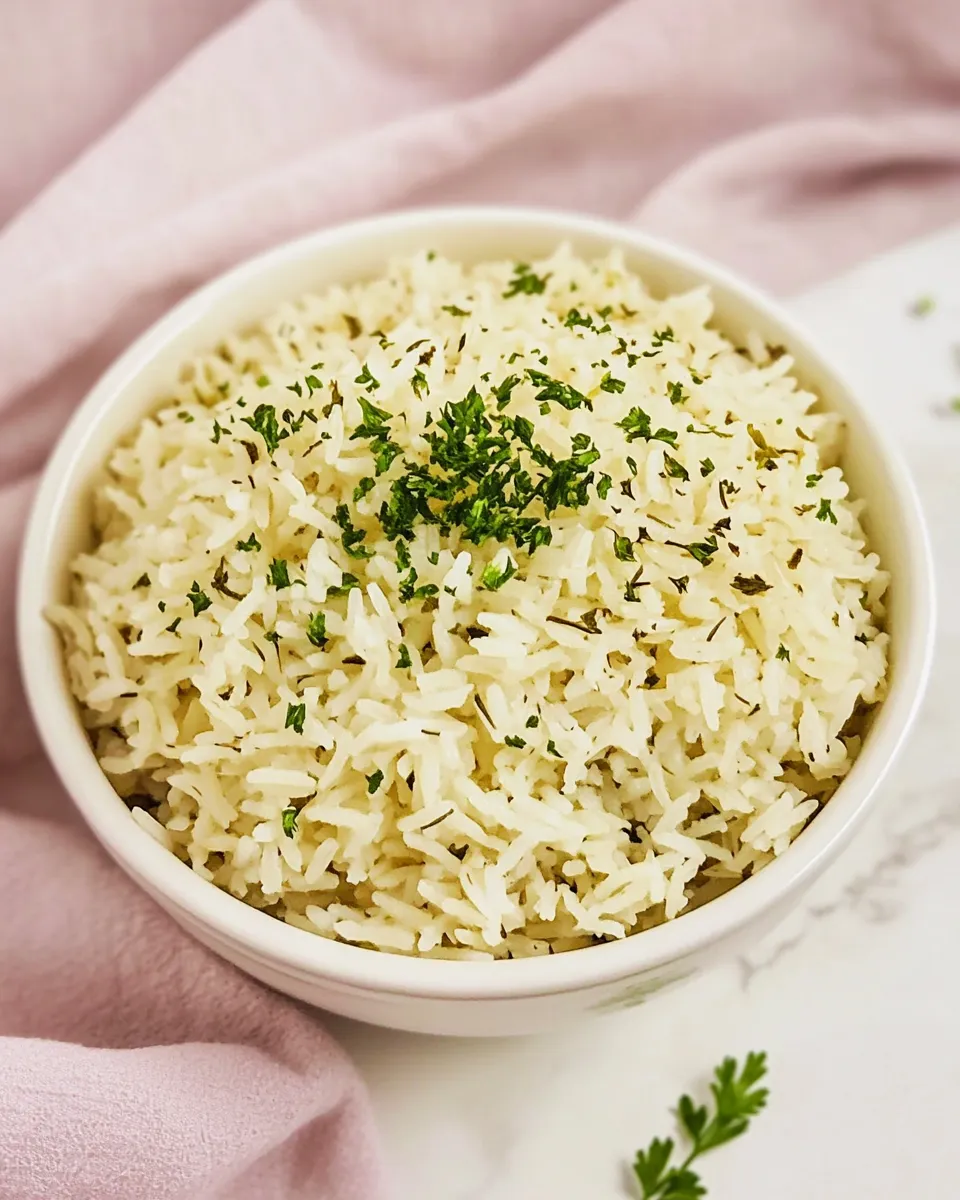
I make this Instant-Pot Rice Pilaf more than I care to admit. It’s one of those recipes that reliably delivers: tender, separate grains and a subtle herb note with almost zero babysitting. If you’re short on time but still want something that reads as intentional on the dinner table, this one is for you.
It’s built around a very small ingredient list and a short pressure-cook time, which means you get consistent results whether you’re feeding one or a crowd. The method is straightforward, and the Instant Pot does the heavy lifting—sauté, pressure, short natural release, fluff, serve.
I’ll walk you through the exact ingredient checklist, the step-by-step method the Instant Pot wants, sensible swaps, common mistakes to avoid, and a few practical storage and reheating tips so leftovers stay great. Let’s get to it.
Ingredient Checklist
- 2 tablespoons unsalted butter — provides richness and helps coat the rice for separate grains.
- 1 1/4 cups low-sodium chicken broth — the cooking liquid and main flavor; low-sodium helps you control salt later.
- 1 cup long-grain white rice, rinsed — rinsing removes surface starch for fluffier, non-sticky rice.
- 1 teaspoon dried parsley — a mild herb lift that keeps the pilaf bright without overpowering.
Instant-Pot Rice Pilaf Made Stepwise
- Select Sauté on the Instant Pot and add 2 tablespoons unsalted butter. Melt the butter, stirring once or twice, until it is fully melted but not browned.
- Pour in 1 1/4 cups low-sodium chicken broth. Add 1 cup rinsed long-grain white rice and spread the rice evenly across the liquid. Sprinkle 1 teaspoon dried parsley evenly over the rice.
- Press Cancel to stop Sauté. Secure the lid and set the steam release valve to Sealing. Select High Pressure (Manual/Pressure Cook) and set the cook time to 6 minutes.
- When the cooking cycle ends, allow the Instant Pot to naturally release pressure for 10 minutes without touching the valve.
- After 10 minutes, carefully move the steam release valve to Venting to quickly release any remaining pressure. Wait until the float valve drops before opening the lid.
- Open the lid away from your face, fluff the rice gently with a fork, and serve.
Why This Recipe Belongs in Your Rotation
This pilaf is rapid, forgiving, and versatile. The Instant Pot shortens the active time dramatically: once the pot is sealed, you’re free to handle other parts of the meal. The flavor profile is neutral enough to partner with roasted proteins, stews, or a crisp salad, and it’ll soak up sauces without turning gummy.
It’s also consistent. The 6-minute high-pressure cook with a 10-minute natural release is a reliable window for long-grain white rice. You don’t need to tweak times each week; the combination of rinse, sauté fat, and measured liquid produces predictable texture.
Finally, it’s minimal. Four ingredients, one pot, and predictable results—perfect for meal prep and weeknight dinners when you want comfort without fuss.
Budget & Availability Swaps
Keeping things affordable is part of why this pilaf is so practical. Use what’s on hand without risking the outcome.
- If low-sodium chicken broth is on sale, buy it; otherwise, any low-salt broth works. If you only have regular broth, taste the finished dish before adding salt to avoid over-salting.
- Unsalted butter can be swapped for a neutral oil if necessary; the texture will remain similar though the flavor changes slightly.
- Long-grain white rice is inexpensive and widely available. If a particular brand is out, choose another long-grain white rice—cooking behavior is similar across brands.
- Dried parsley is optional. If you don’t have it, skip it rather than substituting something strong that could dominate the gentle profile.
Prep & Cook Tools
- Instant Pot or similar electric pressure cooker with Sauté and Manual/Pressure Cook modes — required for the timing in this recipe.
- Measuring cups and spoons — accurate liquid-to-rice ratio matters for texture.
- Fine-mesh sieve — handy to rinse the rice and remove excess starch.
- Spoon or spatula to spread the rice evenly across the liquid before sealing the lid.
- Fork for fluffing — prevents compacting the grains when serving.
Errors to Dodge
These are the common things I see that change the outcome. Avoid them and you’ll get fluffy, separate grains every time.
- Don’t skip rinsing the rice. Leaving the surface starch intact increases stickiness and clumping.
- Do not brown the butter. The recipe calls for fully melted but not browned butter—browning changes both flavor and the cooking behavior.
- Avoid adding extra liquid. The recipe’s 1 1/4 cups broth for 1 cup rice is deliberate; more liquid risks mushy rice.
- Don’t open the lid immediately after pressure cooking. The 10-minute natural release helps finish the steam-mediated cooking and keeps the texture even.
- When you move the valve to Venting after the natural release, do so carefully and stand back—hot steam escapes quickly.
Variations for Dietary Needs
Small swaps expand the dish to different diets without changing the core method. None of these swaps require adjusting the Instant Pot timing.
- Vegetarian: Replace low-sodium chicken broth with an equal amount of vegetable broth or stock. The cooking time remains the same.
- Vegan: Use a plant-based butter or 1–2 tablespoons of neutral oil in place of the unsalted butter.
- Lower-sodium: Use water plus a splash of reduced-sodium broth concentrate or no-salt seasoning; finish with salt to taste on plated portions.
- Herb-forward: If you need an herbal boost, add finely chopped fresh herbs after cooking rather than during pressure so the fresh notes stay vibrant.
Chef’s Notes
Texture & Timing
Long-grain white rice benefits from a brief sauté in fat: it helps coat the grains so they separate better after cooking. The Instant Pot’s sealed environment shortens cooking time, so you’re relying on steam and carryover heat rather than prolonged simmering. The 10-minute natural release is not optional if you want consistent results—skip it and the rice may be underdone or uneven.
Seasoning Strategy
Because the broth is low-sodium, season after the rice is cooked if you find it needs salt. That lets you avoid over-salting at the start and keeps the pilaf flexible for pairing with saltier mains.
Serving Suggestions
Think of this pilaf as a neutral, slightly buttery bed for bolder mains—braised meats, curried vegetables, grilled fish, or a saucy stew. A sprinkle of fresh herbs, a squeeze of lemon, or some toasted nuts folded in at the end elevates it without fuss.
Refrigerate, Freeze, Reheat
Leftovers hold up well when stored and reheated properly.
- Refrigerate: Cool rice to room temperature within an hour, then transfer to an airtight container. Store up to 4 days.
- Freeze: For longer storage, portion into freezer-safe bags or containers and freeze for up to 2 months. Press out excess air if using bags to reduce freezer burn.
- Reheat (Stovetop): Add a splash of water or broth to a saucepan, add rice, cover, and warm over low heat, stirring occasionally until hot and fluffy.
- Reheat (Microwave): Sprinkle a little water over the rice, cover loosely with a microwave-safe lid or damp paper towel, and heat in 30–45 second bursts, stirring between intervals to restore moisture and separate grains.
Your Questions, Answered
Below are short answers to questions I get from readers trying this recipe for the first time.
- Can I double the recipe? Yes, but check your Instant Pot capacity and avoid overfilling. Keep the rice layer relatively even across the liquid so it cooks uniformly.
- What if my rice is still chewy after following the steps? Make sure you allowed the full 10-minute natural release. If it’s still undercooked, add a few tablespoons of hot broth or water, reseal, and pressure cook for 1–2 more minutes followed by a brief natural release.
- Can I use jasmine or basmati? This recipe is calibrated for standard long-grain white rice. Jasmine or basmati may cook similarly, but aromatic varieties can be substituted with careful rinsing; watch for slight differences in texture and aroma.
- Is the parsley necessary? No. It’s a mild flourish. Omit it if you prefer or if you don’t have it on hand.
Ready to Cook?
Set your Instant Pot to Sauté, measure the four ingredients, and follow the stepwise list above. This pilaf reliably produces tender, separate grains with a light herby note and minimal fuss. Make it tonight, and keep it on rotation for busy weeks—once you’ve tasted how easy it is to get consistent results, you’ll wonder why you didn’t start sooner.
Instant-Pot Rice Pilaf
Equipment
- Instant Pot
Ingredients
Ingredients
- 2 tablespoonsunsalted butter
- 1 1/4 cupslow-sodium chicken broth
- 1 cuplong-grain white ricerinsed
- 1 teaspoondried parsley
Instructions
Instructions
- Select Sauté on the Instant Pot and add 2 tablespoons unsalted butter. Melt the butter, stirring once or twice, until it is fully melted but not browned.
- Pour in 1 1/4 cups low-sodium chicken broth. Add 1 cup rinsed long-grain white rice and spread the rice evenly across the liquid. Sprinkle 1 teaspoon dried parsley evenly over the rice.
- Press Cancel to stop Sauté. Secure the lid and set the steam release valve to Sealing. Select High Pressure (Manual/Pressure Cook) and set the cook time to 6 minutes.
- When the cooking cycle ends, allow the Instant Pot to naturally release pressure for 10 minutes without touching the valve.
- After 10 minutes, carefully move the steam release valve to Venting to quickly release any remaining pressure. Wait until the float valve drops before opening the lid.
- Open the lid away from your face, fluff the rice gently with a fork, and serve.