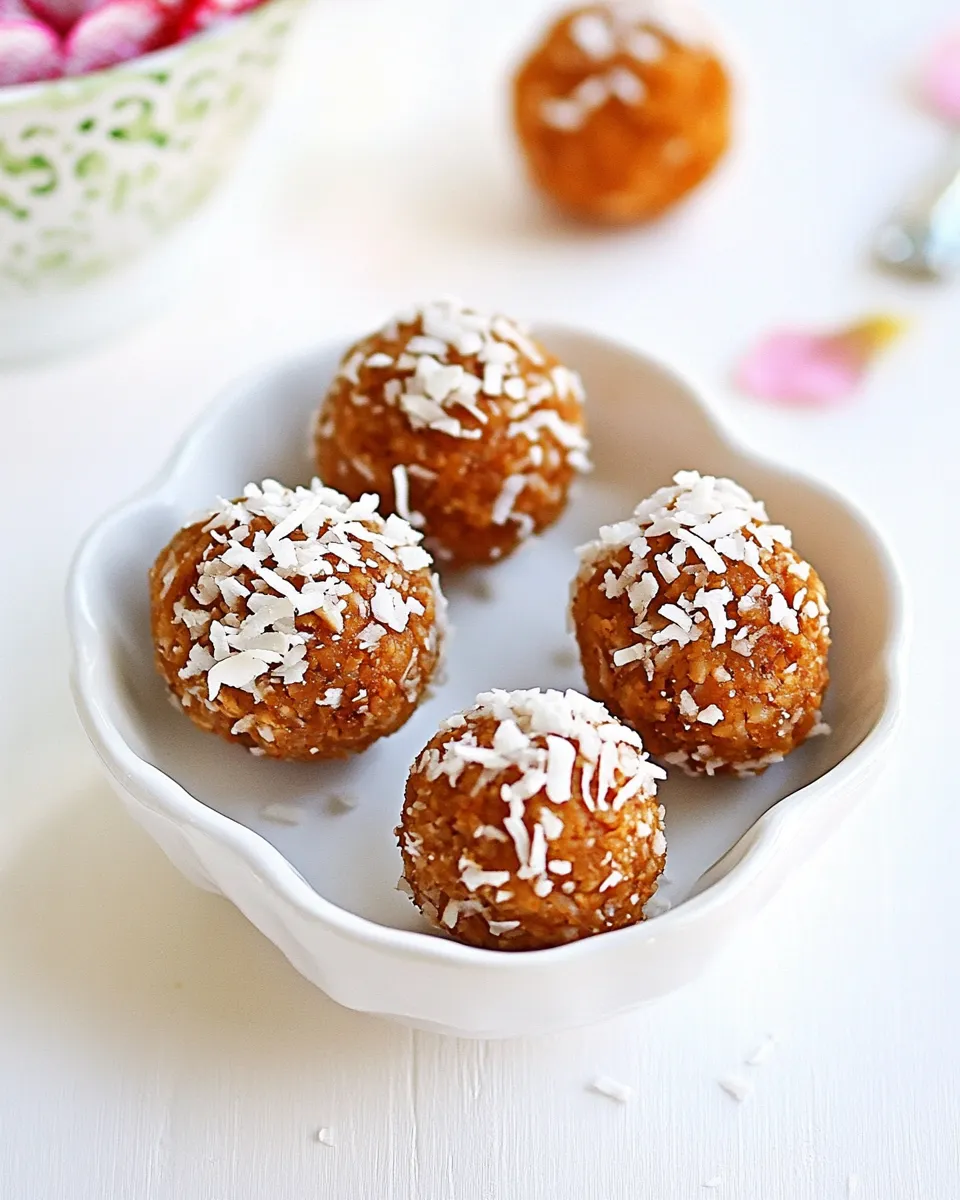
I grew up watching small trays of Jalao cool on my grandmother’s kitchen counter, the air sticky with honey and the bright whisper of fresh coconut. These little honey-and-coconut balls are a simple confection, but they reward attention: a short, hot cooking stage followed by careful shaping, and you have a sweet that holds its shape and sings with toasted sweetness.
There’s no baking, no complicated sugar work, and very few ingredients. That makes Jalao a perfect project for a weekday afternoon when you want something homemade but don’t want to spend hours. The key moments are the boil to the right color and working quickly while the mixture is still pliable enough to roll.
If you’re new to candy-making, this recipe is friendly. I’ll walk through the exact ingredients and steps, common mistakes, substitutions, and storage tips so your Jalao come out glossy, chewy, and balanced every time.
What Goes Into Jalao (Honey and Coconut Balls)
This section explains the role each element plays. The recipe is intentionally short: each ingredient matters.
Ingredients
- 1 tablespoon vegetable oil — to grease the tray and hands.
- 2 cups freshly-grated coconut flakes, divided — most go into the cooked mixture; reserve a small handful for garnish or coating.
- 2 cups honey — of dark color; provides sweetness, structure, and caramel notes. You may add a teaspoon of molasses to the honey (optional) for extra depth.
- 1 tablespoon finely grated ginger — adds warmth and a slight spicy lift to cut the sweetness.
How to Prepare Jalao (Honey and Coconut Balls)
- Lightly grease a tray with the 1 tablespoon vegetable oil; keep the remaining oil accessible to oil your hands later.
- Reserve a small handful of the 2 cups freshly-grated coconut flakes for garnish or coating; set it aside.
- In a medium saucepan, combine the 2 cups honey (add the optional 1 teaspoon molasses to the honey now if using), the remaining freshly-grated coconut flakes, and 1 tablespoon finely grated ginger. Stir to mix.
- Place the saucepan over medium heat and bring the mixture to a boil, stirring occasionally so it heats evenly.
- Once the mixture reaches a boil, stir continuously and vigorously for about 5 minutes, until the honey darkens to a very dark caramel color and the mixture thickens. Watch carefully to avoid burning.
- Remove the pan from the heat and immediately pour the hot mixture onto the greased tray, spreading it evenly so it will cool uniformly. Allow it to cool to room temperature and become firm enough to handle but still pliable.
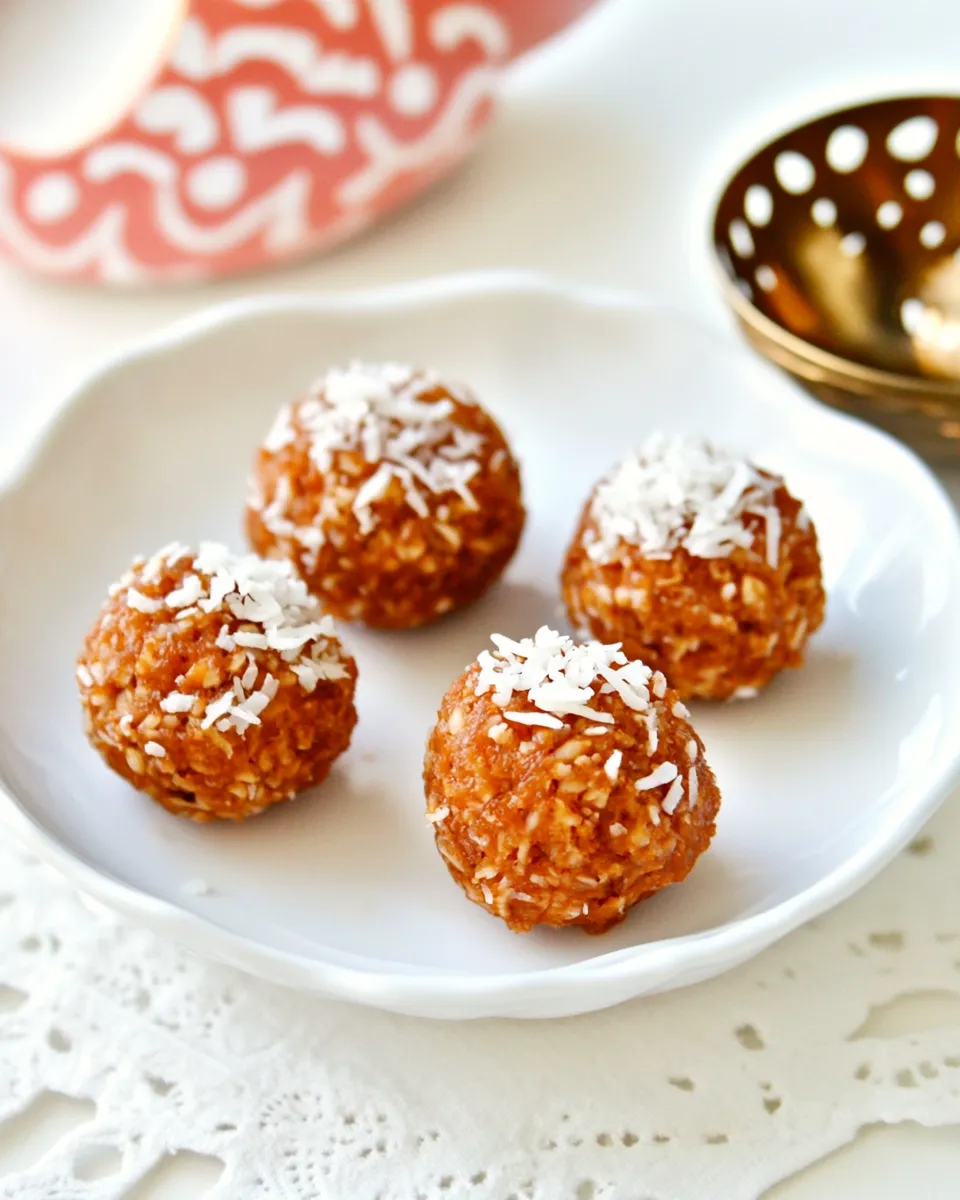
- Oil your hands lightly with the reserved vegetable oil. Take portions of the cooled coconut-honey mixture and roll into balls about 1.5 inches (4 cm) in diameter. Place the formed balls on the greased tray.
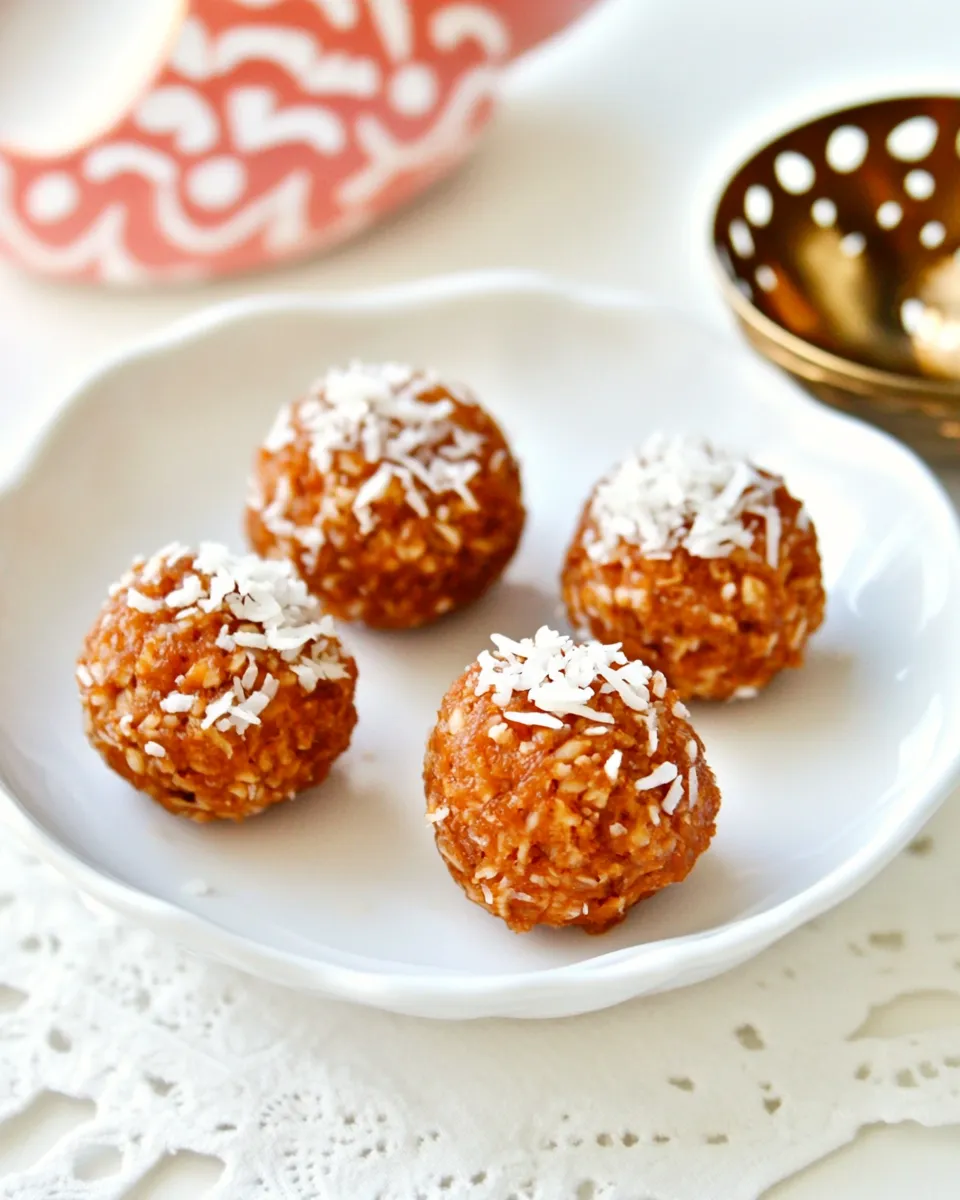
- If desired, sprinkle or roll the finished balls in the reserved coconut flakes for contrast.
- Store the balls in an airtight container at room temperature for a couple of days or in the refrigerator for up to a week. Always bring them to room temperature before serving, as they become very hard when cold.
Why This Recipe Works
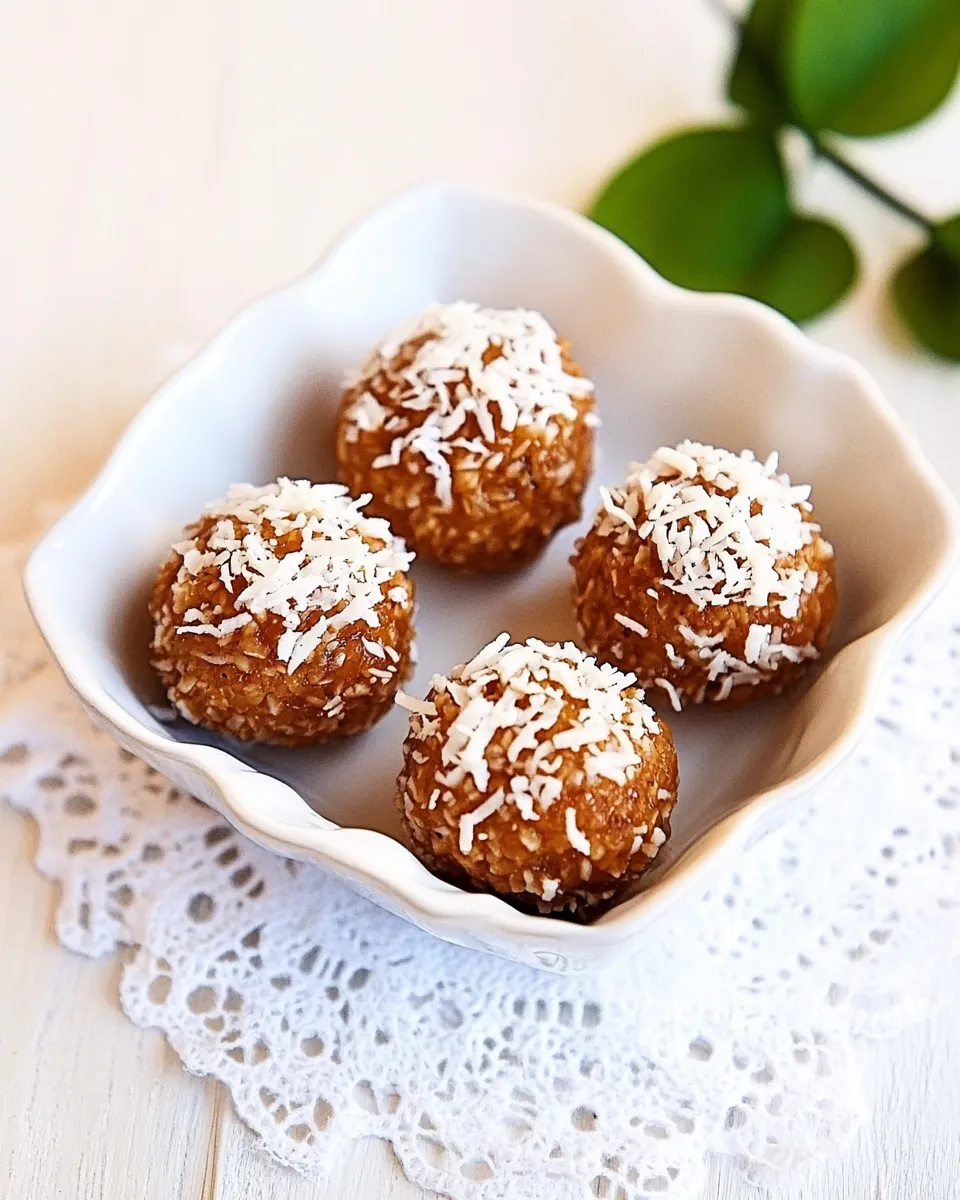
Jalao is a study in balance between honey’s sugars and fresh coconut’s texture. Heating the honey with coconut concentrates flavor and removes moisture, allowing the mixture to set into a firm but chewable ball. The finely grated ginger introduces a counterpoint to the sweetness—without it, the candy would feel cloying.
The technique is straightforward but decisive: when the honey reaches a very dark caramel color, flavor complexity appears. That five-minute vigorous stir after boiling is critical—it drives evaporation and polymerizes the sugars enough that the mixture will hold shape once cooled.
Greasing the tray and your hands prevents sticking without diluting flavor. The reserved coconut is purely for contrast and texture: it brightens the finish and gives you a way to tell one batch from another at a glance.
Substitutions by Category
Sugars and Sweeteners
Honey is central here because of its viscosity and flavor. If you must substitute, choose a thick, dark syrup (molasses or treacle) with the understanding texture and setting will change; you’ll likely end up with a softer final product. No quantities are supplied for substitutes—replace on an equal-volume basis and expect textural differences.
Coconut
Freshly-grated coconut gives moisture and texture that dried, toasted flakes cannot fully replicate. In a pinch, unsweetened desiccated coconut can work, though the final texture will be drier and denser. Use what you have, but label the outcome as a variation.
Flavors and Aromatics
Ginger lifts the sweetness. If you prefer a different flavor, citrus zest (lime or lemon) or a tiny pinch of sea salt can also add contrast. Adjust sparingly so you don’t overwhelm the simple profile.
Cook’s Kit
- Medium saucepan — wide enough to let the mixture spread and reduce evenly.
- Tray or rimmed baking sheet — greased with oil so the hot mixture spreads and cools uniformly.
- Grater or fine microplane — for the ginger and for freshly-grating coconut if you’re working from whole coconut.
- Spatula — to spread the hot mixture on the tray immediately after removing from heat.
- Oil for your hands — vegetable oil is called for; keep a small bowl nearby for ease of rolling.
Mistakes Even Pros Make
Timing mistakes are the most common. Under-cooking the honey mixture produces balls that won’t hold their shape; overcooking risks bitterness and a burnt flavor. The instruction to stir “continuously and vigorously for about 5 minutes” after boiling is deliberate—don’t shortchange this step.
Another frequent error is letting the mixture cool too much before shaping. If it firms up entirely, it becomes hard to shape and will crack. Conversely, rolling when it’s too hot is dangerous and will yield misshapen, sticky balls. The sweet spot is when the mixture is firm enough to handle but still pliable.
Finally, storing Jalao straight into the refrigerator without anticipating the hardness is a practical oversight. They do firm up considerably when cold; always bring them to room temperature before serving.
Adaptations for Special Diets
Gluten-free: This recipe is naturally gluten-free as written—no flour or gluten-containing ingredients.
Dairy-free and vegan: The recipe contains no dairy; however, honey is not vegan. If you need a vegan version, try a dark, thick agave or blackstrap molasses substitute, understanding the flavor and texture will differ noticeably. Test small batches and expect a softer chew.
Allergies: Coconut is a tree nut alternative in many places but is its own allergen category; if someone has a coconut allergy, this recipe is not suitable. For nut-free but coconut-free adaptations, you would need a completely different binder and set of ingredients—this recipe does not provide one.
Pro Perspective
As a baker and home candy-maker, I treat this as a temperature-and-timing recipe rather than a strict measuring exercise. The visual cue—the honey darkening to a deep caramel—and the texture cue—the mixture thickening and beginning to pull away from the pan—matter more than a minute on a clock. Use medium heat and watch closely.
Work clean and organized: have oil, the tray, and the reserved coconut ready before you bring the honey to a boil. Once the mixture is off the heat, you’ll move quickly. If you like a glossy finish, roll the balls while the mixture is still slightly warm and supple.
Save for Later: Storage Tips
Store Jalao in an airtight container. At room temperature they keep well for a couple of days—any longer and the honey may crystalize or the coconut will dry out. Refrigeration extends shelf life to up to a week, but expect them to become very hard when cold; plan to remove them from the fridge 20–30 minutes before serving so they soften.
If you want to freeze them, place single-layer on a tray to freeze solid, then transfer to a sealed container between layers of parchment. Thaw in the refrigerator before bringing to room temperature—note that freezing may change texture slightly, making them denser.
Quick Q&A
Why did my Jalao turn out too hard?
They were likely cooked past the point the recipe describes. The “very dark caramel color” is the target; going darker increases firmness and bitterness. Also, refrigeration makes them much harder—bring them back to room temperature before judging texture.
Why did the mixture stick to my hands when rolling?
You probably needed more oil on your hands or the mixture was still a touch warm and sticky. Lightly oil your hands between rolls; it prevents sticking without adding flavor.
Can I use dried coconut instead of freshly grated?
Yes, but expect a different texture: desiccated coconut will produce denser, less moist balls. Freshly-grated coconut provides moisture and a fresher flavor profile.
How do I prevent burning during the 5-minute stir?
Use medium heat, keep the mixture moving, and use a wide saucepan to give the heat room to evaporate moisture evenly. If you see smoke or smell burned sugar, remove from heat immediately and start over—the burned flavor is hard to mask.
Final Bite
Jalao is a small recipe that yields big rewards: just four ingredients and a focused cooking technique give you bright, chewy, coconut-forward candies with a honey backbone and a ginger kiss. Gather your workspace, watch the honey like a hawk, and roll while the mixture is still forgiving. In about an hour you’ll have a tray of homemade treats that are easy to share and even easier to love.
Jalao (Honey and Coconut Balls)
Equipment
- Saucepan
- tray
Ingredients
Ingredients
- 1 tablespoonvegetable oil to grease the tray and hands
- 2 cupfreshly-grated coconut flakes divided
- 2 cuphoney of dark color, or add a teaspoon of molasses to the honey (optional)
- 1 tablespoonof finely grated ginger
Instructions
Instructions
- Lightly grease a tray with the 1 tablespoon vegetable oil; keep the remaining oil accessible to oil your hands later.
- Reserve a small handful of the 2 cups freshly-grated coconut flakes for garnish or coating; set it aside.
- In a medium saucepan, combine the 2 cups honey (add the optional 1 teaspoon molasses to the honey now if using), the remaining freshly-grated coconut flakes, and 1 tablespoon finely grated ginger. Stir to mix.
- Place the saucepan over medium heat and bring the mixture to a boil, stirring occasionally so it heats evenly.
- Once the mixture reaches a boil, stir continuously and vigorously for about 5 minutes, until the honey darkens to a very dark caramel color and the mixture thickens. Watch carefully to avoid burning.
- Remove the pan from the heat and immediately pour the hot mixture onto the greased tray, spreading it evenly so it will cool uniformly. Allow it to cool to room temperature and become firm enough to handle but still pliable.
- Oil your hands lightly with the reserved vegetable oil. Take portions of the cooled coconut-honey mixture and roll into balls about 1.5 inches (4 cm) in diameter. Place the formed balls on the greased tray.
- If desired, sprinkle or roll the finished balls in the reserved coconut flakes for contrast.
- Store the balls in an airtight container at room temperature for a couple of days or in the refrigerator for up to a week. Always bring them to room temperature before serving, as they become very hard when cold.