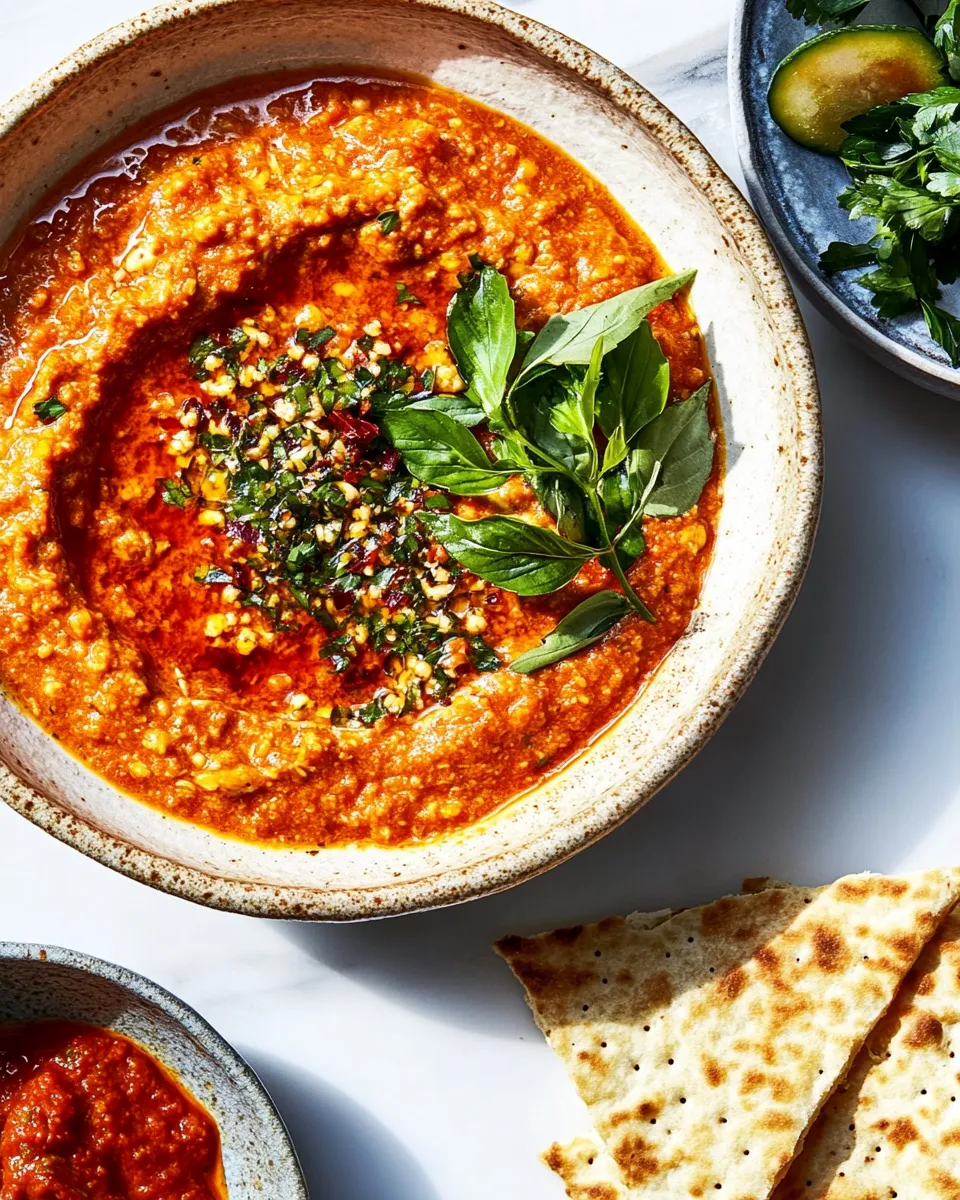
I fell in love with muhammara the first time I tasted its deep, smoky sweetness alongside warm pita and a glass of something cold and fizzy. It’s one of those dips that feels both rustic and deliberate — simple ingredients assembled with attention to texture and balance. You get the roasted pepper’s fruitiness, the crunch and body from walnuts and breadcrumbs, and a sharp, fruity tug from pomegranate molasses.
This version is straightforward and dependable. The recipe asks for roasted red bell peppers as its backbone, and a food processor does the heavy lifting. Little adjustments at the end — a grind more black pepper, a pinch more Aleppo or red pepper flakes, or an extra splash of lemon — make it sing. It’s great as an appetizer, a spread for sandwiches, or a meze plate staple.
Below I break down exactly what goes in, how to make it step by step, swaps if something is hard to find, common problems and how to prevent them, and my best serving ideas from spring to winter. No fluff. Just practical notes so your muhammara comes out every time with that rich, textured creaminess and a lively finish.
What Goes Into Muhammara
Ingredients
- 3 roasted red bell peppers — the heart of the dip; use roasted peppers for that smoky, sweet base. Remove stems and seeds, peel any loose skin before chopping.
- ½ cup bread crumbs, fresh or store-bought — adds body and helps thicken without being grainy; fresh crumbs give a softer texture.
- ½ cup walnuts — provide richness, a little bitterness, and structure; toast lightly if you want more depth.
- 2 tablespoons extra-virgin olive oil — rounds the texture and adds silk; use a good, fruity oil if you have it.
- 1½ tablespoons pomegranate molasses* — brings sweet-tart concentration; it’s the signature tang that sets muhammara apart.
- 1 garlic clove — adds a gentle savory bite; one clove keeps the garlic bright, not overpowering.
- 1 teaspoon fresh lemon juice — lifts the flavors and balances the molasses.
- 1 teaspoon Aleppo pepper or ½ teaspoon red pepper flakes — for warmth and a mild fruity heat; choose Aleppo if you can for authentic flavor.
- ½ teaspoon ground cumin — gives earthy warmth and a hint of smoke.
- Freshly ground black pepper — seasoning to taste; it adds aromatic bite and finishes the dip.
- Fresh mint, for garnish — optional but refreshing; use whole leaves or chiffonade for a bright contrast.
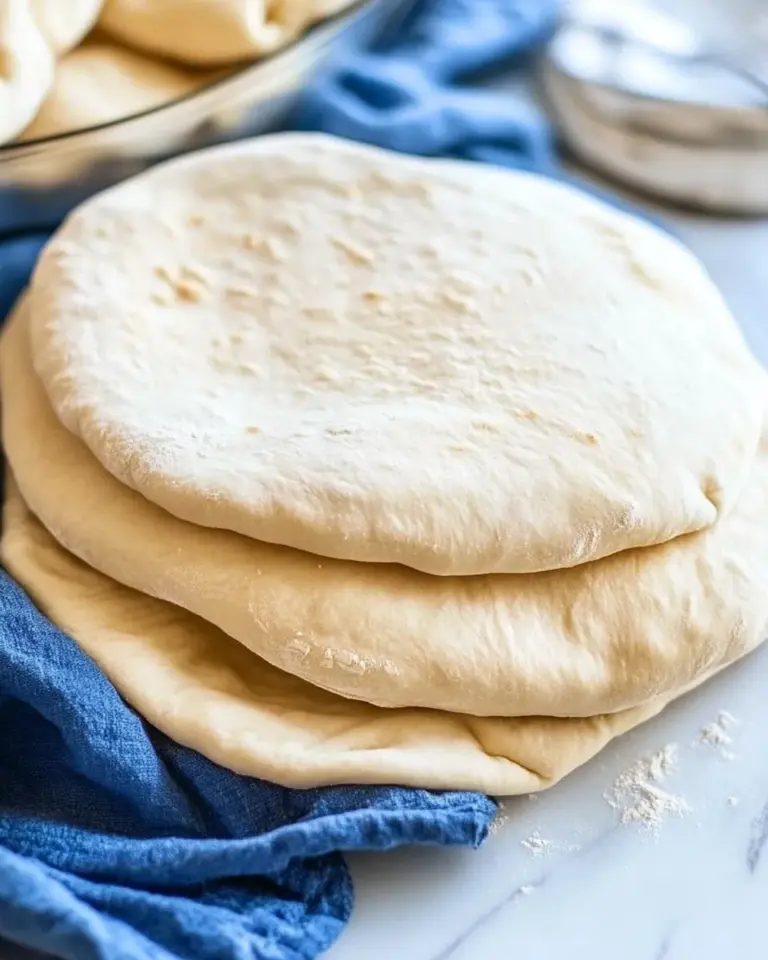
- Pita bread, for serving — warm or toasted, it’s the classic vehicle for scooping.
Muhammara: From Prep to Plate
- If the roasted red bell peppers are whole, remove stems and seeds, peel any loose skin, and roughly chop the peppers.
- In a food processor, add the 3 roasted red bell peppers, ½ cup bread crumbs, ½ cup walnuts, 2 tablespoons extra-virgin olive oil, 1½ tablespoons pomegranate molasses, 1 garlic clove (peeled), 1 teaspoon fresh lemon juice, 1 teaspoon Aleppo pepper or ½ teaspoon red pepper flakes, and ½ teaspoon ground cumin. Add several grinds of freshly ground black pepper.
- Pulse the mixture in short bursts until the ingredients are broken down, stopping once or twice to scrape down the sides of the bowl.
- Continue processing until the muhammara is creamy but still has some texture, scraping down the sides as needed. Taste and adjust seasoning with additional freshly ground black pepper if desired.
- Transfer the muhammara to a serving bowl.
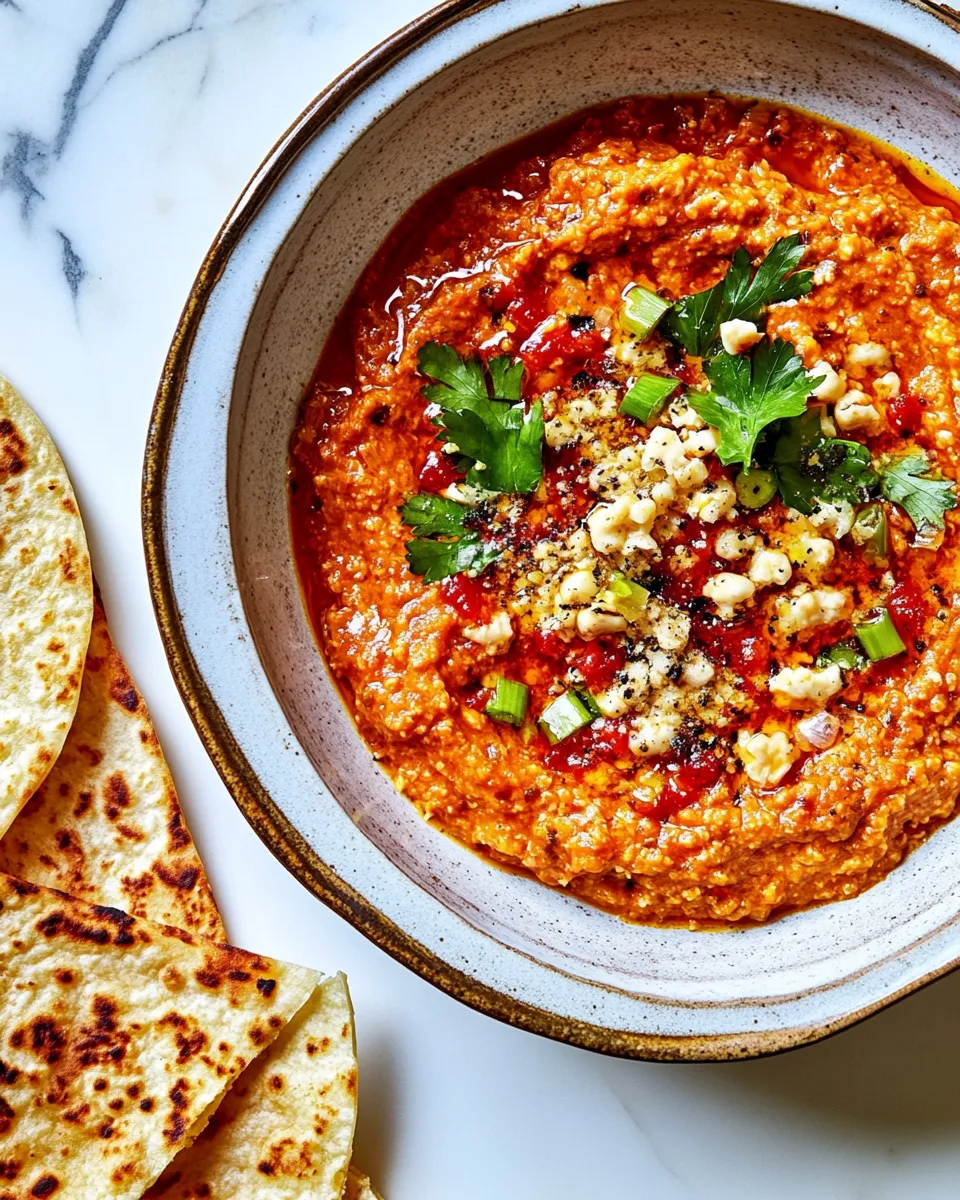
- Garnish with fresh mint and serve with pita bread.
Why This Recipe is a Keeper
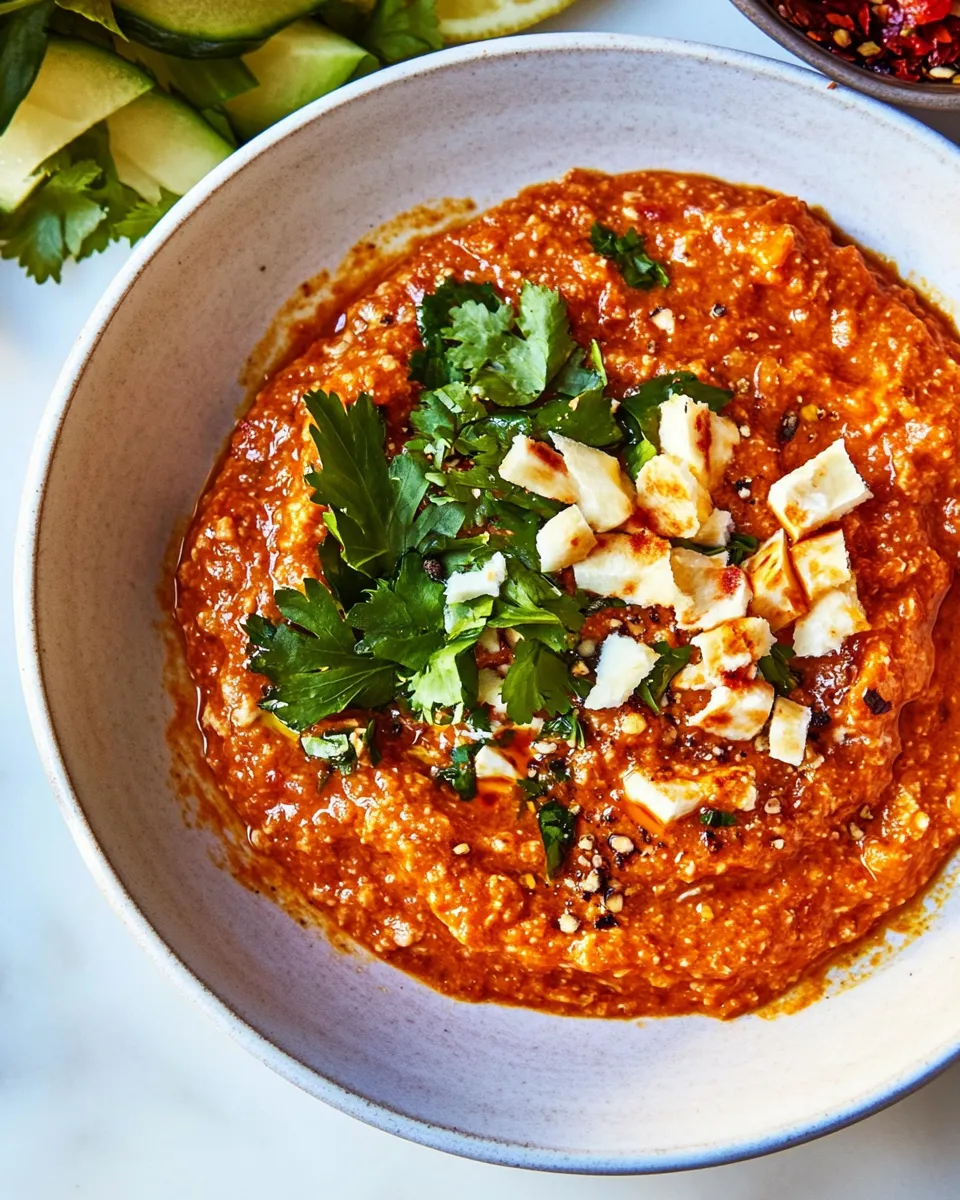
This muhammara balances three crucial elements: roasted pepper sweetness, nutty body, and fruity-tart molasses. Once you have those, the rest is fine-tuning. The breadcrumbs are a small but essential component — they thicken without heavy cream or cheese, keeping the texture light but substantial. Walnuts add fat and structure that make the dip feel satisfying on bread or as part of a spread.
It’s also forgiving. If your peppers are sweeter or more charred, a splash more lemon or molasses will re-balance. If it’s too thick, a teaspoon or two of water or olive oil loosens it. The recipe fits into a variety of meals: a weeknight starter, a weekend appetizer board, or part of a vegetarian centerpiece. I make a big batch and it disappears quickly.
Budget & Availability Swaps
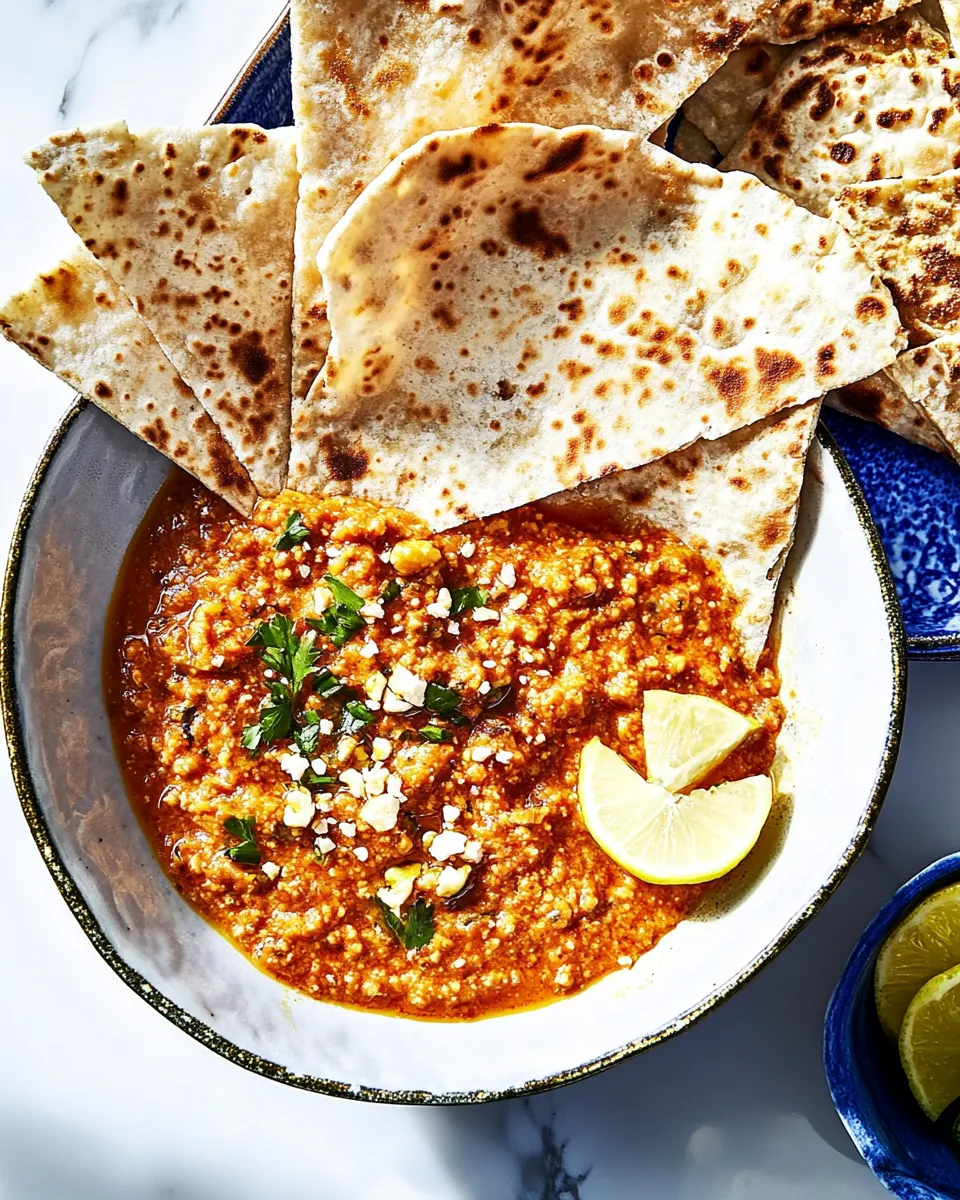
Walnuts are traditional, but if you can’t find them or need a swap, use toasted almonds or even hazelnuts for a different but still pleasant profile. The flavor will shift, but the texture will remain. If pomegranate molasses is unavailable, a concentrated reduction of pomegranate juice mixed with a teaspoon of balsamic can approximate the sweet-tart depth; use carefully and taste often.
Aleppo pepper offers a unique fruity heat; if you only have red pepper flakes, use ½ the amount and add cautiously. Breadcrumbs can be made from stale bread blitzed in the processor — waste-not and excellent for texture. Olive oil should be decent but doesn’t need to be your top-tier bottle; save the best for finishing salads.
What’s in the Gear List
- Food processor — essential for getting the right texture; a good pulse function makes a difference.
- Sharp knife — for trimming and roughly chopping the roasted peppers.
- Spatula — to scrape down the bowl while processing.
- Serving bowl and spoon — for presentation; a shallow bowl shows off the color and garnishes.
- Optional: toaster or oven — to warm or toast pita right before serving.
Problems & Prevention
Problem: Grainy or dry texture. Prevention: Use fresh or store-bought fine breadcrumbs and pulse slowly, adding the olive oil gradually. If it still feels dry, add another teaspoon of oil or a drop of water.
Problem: Too sweet or too tart. Prevention: Taste as you go. Pomegranate molasses is concentrated; if your peppers are very sweet, a bit more lemon juice will lift the acidity. If it’s too tart, a touch more olive oil or a small pinch of sugar can soften the edge.
Problem: Overly garlicky or overpowering spice. Prevention: One garlic clove is enough for subtle savory depth. If you’re sensitive to garlic, remove the germ or use half a clove. When switching to red pepper flakes, start with half the suggested amount and increase after tasting.
Spring to Winter: Ideas
Spring: Serve muhammara alongside a platter of fresh crudités — radishes, cucumber coins, blanched asparagus tips — with lemon wedges. The bright seasonal veg contrasts the dip’s smoky depth.
Summer: Use as a spread for grilled vegetable sandwiches. Layer grilled zucchini, eggplant, and halloumi on warm flatbread with a generous smear of muhammara. It stands up well to smoky grill flavors.
Fall: Add muhammara to a board with roasted root vegetables, marinated olives, and crisp apples. The dip’s sweetness plays nicely with savory roasted squash and sweet-tart apple slices.
Winter: Dollop muhammara on braised meats (lamb or beef) or use it as a companion to warm lentil stews. It brightens and cuts through richer winter dishes and brings a vibrant color to the plate.
Cook’s Commentary
I like my muhammara creamy but with visible flecks of walnut and pepper. It tells a story when you scoop it — you want texture, not a homogenized paste. Pulse slowly. Give your processor breaks and scrape the sides. Watch for the moment when the mixture holds together but still has a tactile bite.
Timing & Texture
If you’re in a rush, buy pre-roasted peppers in a jar — they work fine and speed up assembly. When I roast my own, I char the peppers on a gas flame or under a broiler until blackened, then trap them in a bowl covered with plastic wrap for 10–15 minutes. The steam loosens the skins nicely. For texture, fresh breadcrumbs produce a softer finish; toasted breadcrumbs add a bit more structure.
Best Ways to Store
Store cooked muhammara in an airtight container in the refrigerator for up to 5 days. A thin film of olive oil on the surface helps protect it from oxidation and keeps the top from drying out. Let it come to room temperature before serving; the flavors open up as it warms.
For longer storage, freeze muhammara in a freezer-safe container for up to 3 months. Leave a little headspace, or freeze in ice cube trays for single-serve portions, then transfer the frozen cubes to a labeled freezer bag. Thaw overnight in the refrigerator and stir in a splash of olive oil before serving if the texture seems tight.
Ask the Chef
Q: Can I make muhammara without a food processor?
A: Yes, but it requires more elbow grease. Finely chop the roasted peppers, crush the walnuts with a mortar and pestle or by pulsing in a blender, and combine with breadcrumbs, molasses, oil, and seasonings. The texture will be chunkier, which can be nice if you prefer a more rustic dip.
Q: How do I choose pomegranate molasses?
A: Look for pure pomegranate concentrate without too many additives. It should be thick and glossy, with a balance of sweet and tart. If brand options are limited, a small amount goes a long way — start with the recipe amount and adjust carefully.
Q: Can I make this nut-free?
A: The walnuts are central to the texture and flavor. For a nut-free version, try substituting toasted sunflower seeds or pumpkin seeds; the flavor will change, but the seeds provide similar body. Use equal weight and fine-texture breadcrumbs to help maintain the consistency.
Bring It Home
Serve muhammara as you would any good dip: at room temperature, brightened with fresh mint, and surrounded by warm pita and crunchy vegetables. It’s a reliable crowd-pleaser that compliments grilled meats, joins a mezze lineup, or stands alone as an easy appetizer. Make it ahead for gatherings — the flavors deepen after a few hours in the fridge, and it travels well if you’re taking it to a potluck.
Finally, taste and customize. A tiny tweak in lemon, black pepper, or Aleppo can make the recipe yours. Keep a jar in the fridge for lunches and impromptu snacks; it will become one of those pantry staples you reach for without thinking. Enjoy — and don’t forget the pita.
Muhammara
Equipment
- Food Processor
- Serving Bowl
Ingredients
Ingredients
- 3 roasted red bell peppers
- 1/2 cupbread crumbs fresh or store-bought
- 1/2 cupwalnuts
- 2 tablespoonsextra-virgin olive oil
- 1 1/2 tablespoonspomegranate molasses*
- 1 garlic clove
- 1 teaspoonfresh lemon juice
- 1 teaspoonAleppo pepper or 1/2 teaspoon red pepper flakes
- 1/2 teaspoonground cumin
- Freshly ground black pepper
- Fresh mint for garnish
- Pita bread for serving
Instructions
Instructions
- If the roasted red bell peppers are whole, remove stems and seeds, peel any loose skin, and roughly chop the peppers.
- In a food processor, add the 3 roasted red bell peppers, ½ cup bread crumbs, ½ cup walnuts, 2 tablespoons extra-virgin olive oil, 1½ tablespoons pomegranate molasses, 1 garlic clove (peeled), 1 teaspoon fresh lemon juice, 1 teaspoon Aleppo pepper or ½ teaspoon red pepper flakes, and ½ teaspoon ground cumin. Add several grinds of freshly ground black pepper.
- Pulse the mixture in short bursts until the ingredients are broken down, stopping once or twice to scrape down the sides of the bowl.
- Continue processing until the muhammara is creamy but still has some texture, scraping down the sides as needed. Taste and adjust seasoning with additional freshly ground black pepper if desired.
- Transfer the muhammara to a serving bowl.
- Garnish with fresh mint and serve with pita bread.
Notes
*If you don’t have pomegranate molasses, replace it with 2 teaspoons maple syrup and add an additional 2 teaspoons lemon juice.