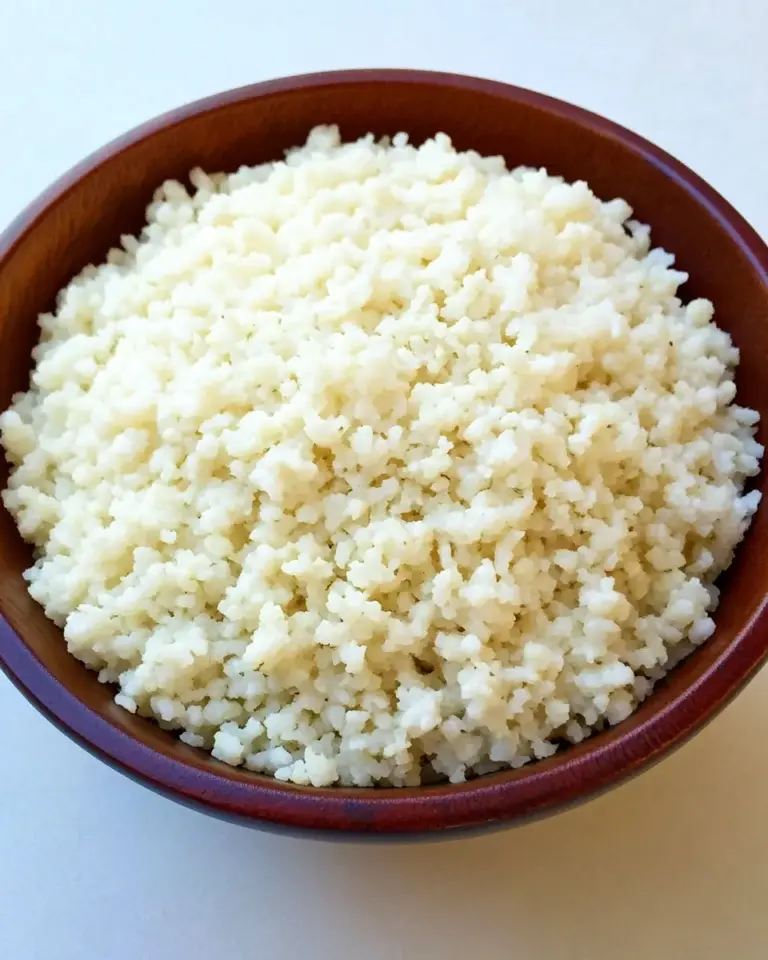
Poori is the kind of bread that makes a home smell like celebration. It’s simple: just a few pantry staples, some warm water, and a hot pan of oil. Yet when a poori puffs and turns a warm golden brown, it feels like something special — quick, satisfying, and perfectly paired with spicy potato curry, chana masala, or a bowl of yogurt.
In this post I’ll walk you step-by-step through the classic whole-wheat version made with atta and a touch of semolina. I keep the method straightforward so anyone can get consistent, puffy pooris at home — no deep knowledge of frying required, just attention to dough consistency and oil temperature.
Read through the shopping and equipment lists first, then follow the step-by-step frying instructions exactly. I’ve included practical fixes for common problems and tips to keep your pooris light and puffed. Let’s get frying.
Shopping List
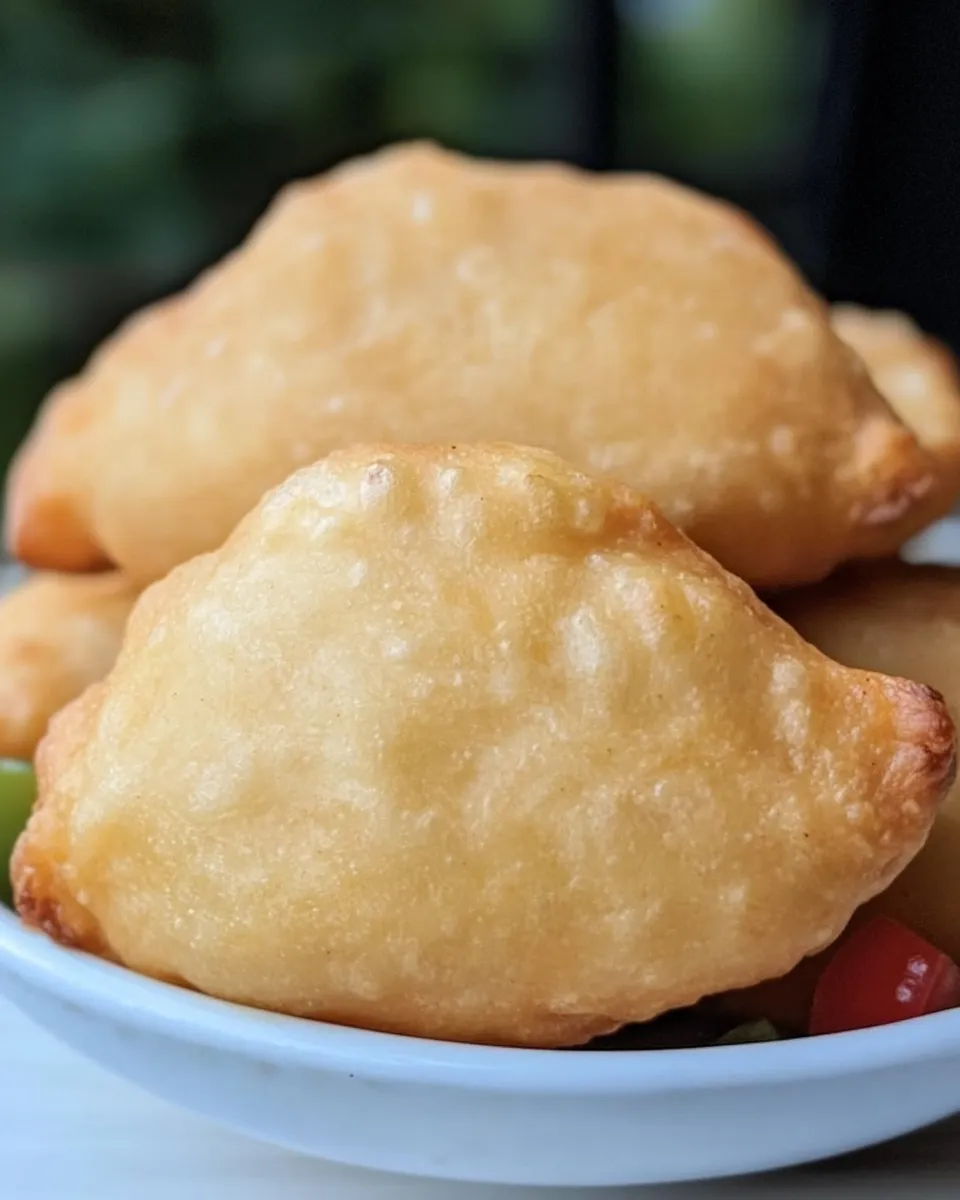
- 2 cups whole wheat flour (atta)
- 2 teaspoons semolina (sooji or rava, fine)
- ½ teaspoon salt
- 1 teaspoon oil (canola or vegetable), plus more for frying
- ¾ cup warm water (you may need a little more)
Ingredients
- 2 cups whole wheat flour (atta) — forms the dough’s body; use traditional atta for texture.
- 2 teaspoons semolina (sooji or rava, fine) — adds a little bite and helps the pooris puff.
- ½ teaspoon salt — balances flavor; add to taste if your flour is different.
- 1 teaspoon oil (canola or vegetable), plus more for frying — oil in the dough keeps it tender; use neutral oil for frying.
- ¾ cup water (warm, usually a little more than ¾ cup) — warm water helps hydrate the atta; add only enough to make a firm, smooth dough.
From Start to Finish: Poori (Puri)
- In a large, shallow bowl combine the 2 cups whole wheat flour (atta), 2 teaspoons semolina (sooji or rava, fine), and ½ teaspoon salt. Mix to distribute evenly.
- Add 1 teaspoon oil and rub it into the flour mixture with your fingertips until the mixture looks slightly crumbly.
- Gradually add the warm water (start with the ¾ cup listed, you may need a little more) and work the mixture with your hands until it forms a firm, smooth dough that is not sticky. Add only enough water to bring the dough together.
- Cover the dough with a kitchen towel and let it rest for 10 minutes (you may rest up to 1 hour if needed).
- While the dough rests, heat enough oil in a sturdy skillet so the oil comes about halfway up the sides. Heat over medium–high until the oil reaches about 350°F, or test by dropping a very small piece of dough into the oil — it should sizzle and turn golden in about 1 minute. If it browns much faster the oil is too hot; if it takes much longer the oil needs to be hotter.
- After resting, pinch off dough and roll each piece into a ball about the size of a golf ball. Place the balls on a plate and cover with the kitchen towel to keep them from drying out.
- Lightly grease a cool, clean work surface (or a small plate) and your palm with a little of the extra oil (use oil at room temperature). Place one dough ball on the greased surface, flatten slightly with your palm, then roll it out with a rolling pin to a circular disc about 1/8 inch thick (similar to a flour tortilla).
- Carefully slide the rolled poori into the hot oil. Immediately press it gently with a metal spatula or a spider for a few seconds to submerge it, then stop pressing so it can puff up.
- Use a spoon or small ladle to pour hot oil from the pan over the top of the poori to help it puff. Let it cook until the underside is golden (about 1–2 minutes), then flip and cook the other side about 1 minute until golden and cooked through.
- Remove the poori with a slotted spoon or spider and transfer to a paper towel–lined plate to drain. Keep cooked pooris covered with a towel if you want to keep them warm.
- Repeat steps 7–10 with the remaining dough balls, keeping an eye on oil temperature and adjusting heat to maintain roughly the same frying temperature. Serve pooris immediately.
Why I Love This Recipe
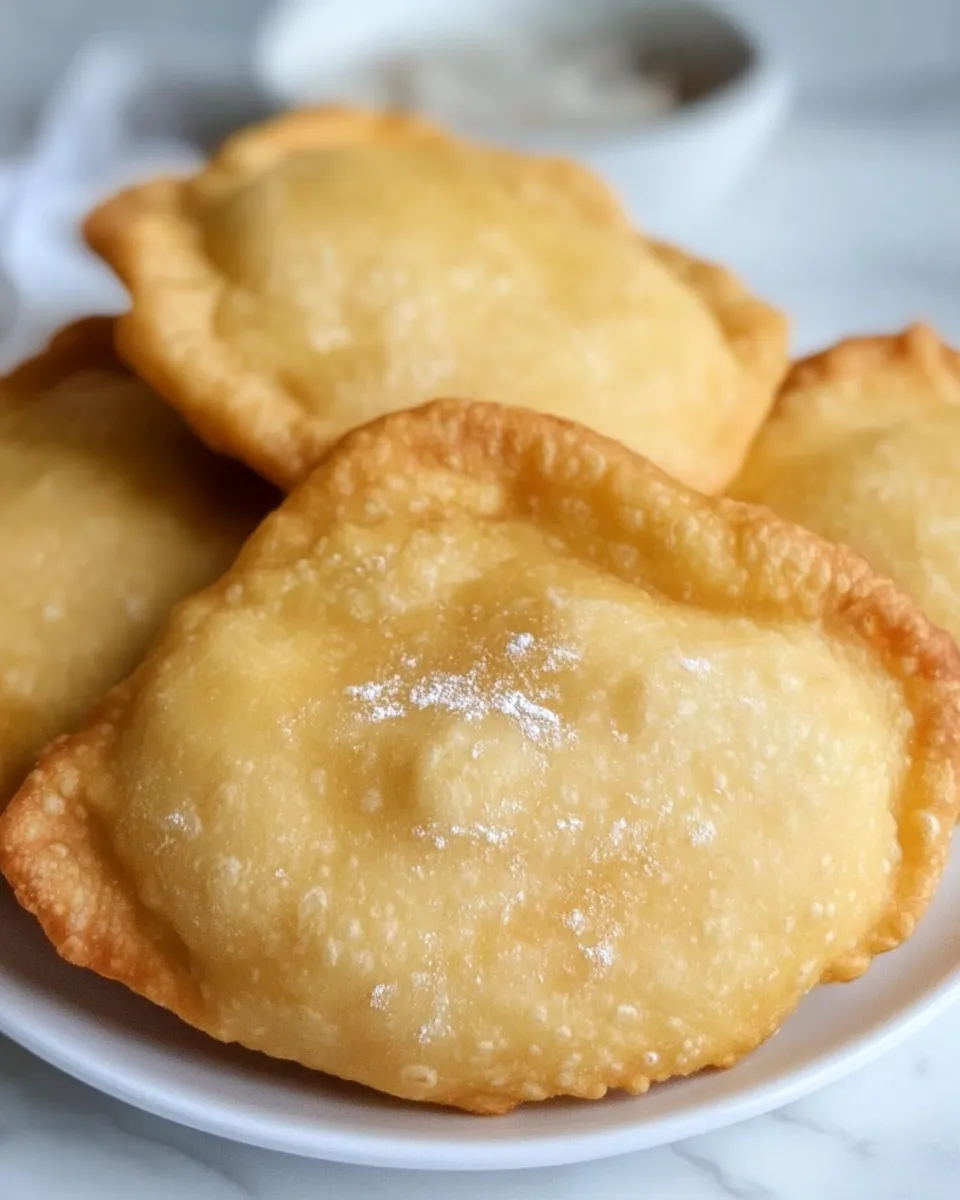
This version is honest and practical: whole-wheat atta gives the pooris a nutty flavor and better structure, the semolina encourages a light puff, and the small amount of oil in the dough keeps them tender. It’s a recipe you can make from memory after a couple of tries.
It’s fast once the dough is set — the resting time is short, and frying takes just minutes. Poori is also endlessly comforting: crisp edges, pillowy pockets, and a warm center that pairs with so many dishes. On busy mornings or for weekend brunch, pooris feel festive without a lot of fuss.
Quick Replacement Ideas

- Use either canola or vegetable oil (both are included in the ingredients list) — both fry cleanly and tolerate higher heat.
- If you prefer a slightly crisper texture, keep the discs a hair thinner than 1/8 inch; if you want a softer interior, roll a touch thicker.
- If you only have one of the listed semolina options, use the fine variety specified; the recipe expects fine semolina for texture.
Equipment & Tools
- Large, shallow mixing bowl — for combining and resting the dough.
- Rolling pin — to roll discs about 1/8 inch thick.
- Sturdy skillet or kadhai — deep enough for oil to reach about halfway up the sides.
- Thermometer (optional) — useful to confirm oil reaches ~350°F, but testing with a tiny dough scrap works too.
- Slotted spoon or spider — to remove pooris safely from hot oil.
- Paper towels and a plate — to drain excess oil and keep the pooris warm under a kitchen towel.
Common Errors (and Fixes)
Dough is sticky
- Fix: Add a touch more whole wheat flour, a teaspoon at a time, and knead until the dough is firm and smooth but not tacky. Atta can absorb different amounts of water depending on humidity.
Pooris don’t puff
- Fix: Check rolling thickness — aim for about 1/8 inch and even thickness. Make sure the oil is hot enough (test with a small scrap); when you slide the poori in, press for a few seconds to submerge it, then stop pressing so it can expand.
Oil browns too fast or too slow
- Fix: Adjust heat immediately. If the small dough piece browns in under a minute, lower the heat a bit. If it takes several minutes to color, raise the heat slightly. Maintain an even medium–high so each poori cooks in roughly the same time.
Pooris are greasy
- Fix: Let the oil come to the right temperature; if it’s too cool the poori will absorb more oil. Drain on paper towels and don’t overcrowd the pan — overcrowding reduces oil temperature.
How to Make It Lighter
To keep pooris lighter without changing ingredients, focus on technique. Roll discs to consistent thickness — uneven thickness gives dense spots. Keep the oil temperature steady so the pooris puff quickly, sealing the interior and minimizing oil absorption. Drain immediately on paper towels and serve right away; sitting pooris will soften and become heavier.
You can also slightly increase the semolina by a scant ½ teaspoon if your flour is very fine — this can help with crispness. Don’t add extra oil to the dough beyond the 1 teaspoon called for; that oil helps tenderness but adding more will make the final breads heavier.
Behind-the-Scenes Notes
Whole-wheat atta behaves differently from all-purpose flour because of bran and coarser particles. It needs careful hydration and a short rest to relax the gluten so rolling is easy. The semolina is a classic trick — even a small amount gives the dough a little tooth and encourages the steam pockets that make pooris puff.
Frying is a balance between steam generation inside the disc and rapid sealing of the outer layer. That’s why oil temperature and that initial press after the poori enters the oil matter so much. Too hot and the outside burns before the inside cooks; too cool and the oil soaks in.
Prep Ahead & Store
Prepare the dough up to 1 hour ahead and keep it covered at room temperature — the recipe’s resting window supports this. For longer storage, you can refrigerate the dough for a day; let it come back to room temperature before rolling.
Pooris are best served hot and fresh. If you must store them, keep them in an airtight container at room temperature for a few hours and reheat briefly in a hot skillet to revive some crispness. Fried breads don’t freeze well — the texture changes on thawing.
Reader Questions
- Can I use a different flour? The recipe is written for whole wheat atta. Different flours will change hydration and texture — if you use another flour, adjust water carefully and expect different results.
- How do I know the oil is at the right temperature? A thermometer reading near 350°F is ideal. If you don’t have one, drop a tiny scrap of dough in the oil: it should sizzle and turn golden in about a minute.
- What if my pooris brown on the outside but stay doughy inside? That usually means the oil is too hot. Lower the heat so the outside browns more slowly and the interior cooks through.
Wrap-Up
Poori-making is one of those small kitchen wins that always lifts a meal. Follow the dough proportions, mind the oil temperature, roll evenly, and you’ll get those satisfying puffs. Serve them fresh, paired with a spiced potato sabzi, chana, or yogurt, and you’ve got a meal that’s simple, comforting, and full of homey flavor.
Try a batch this weekend. Keep notes on your oil temperature and rolling thickness — small tweaks make a big difference. Enjoy the warm, golden rounds straight from the pan.
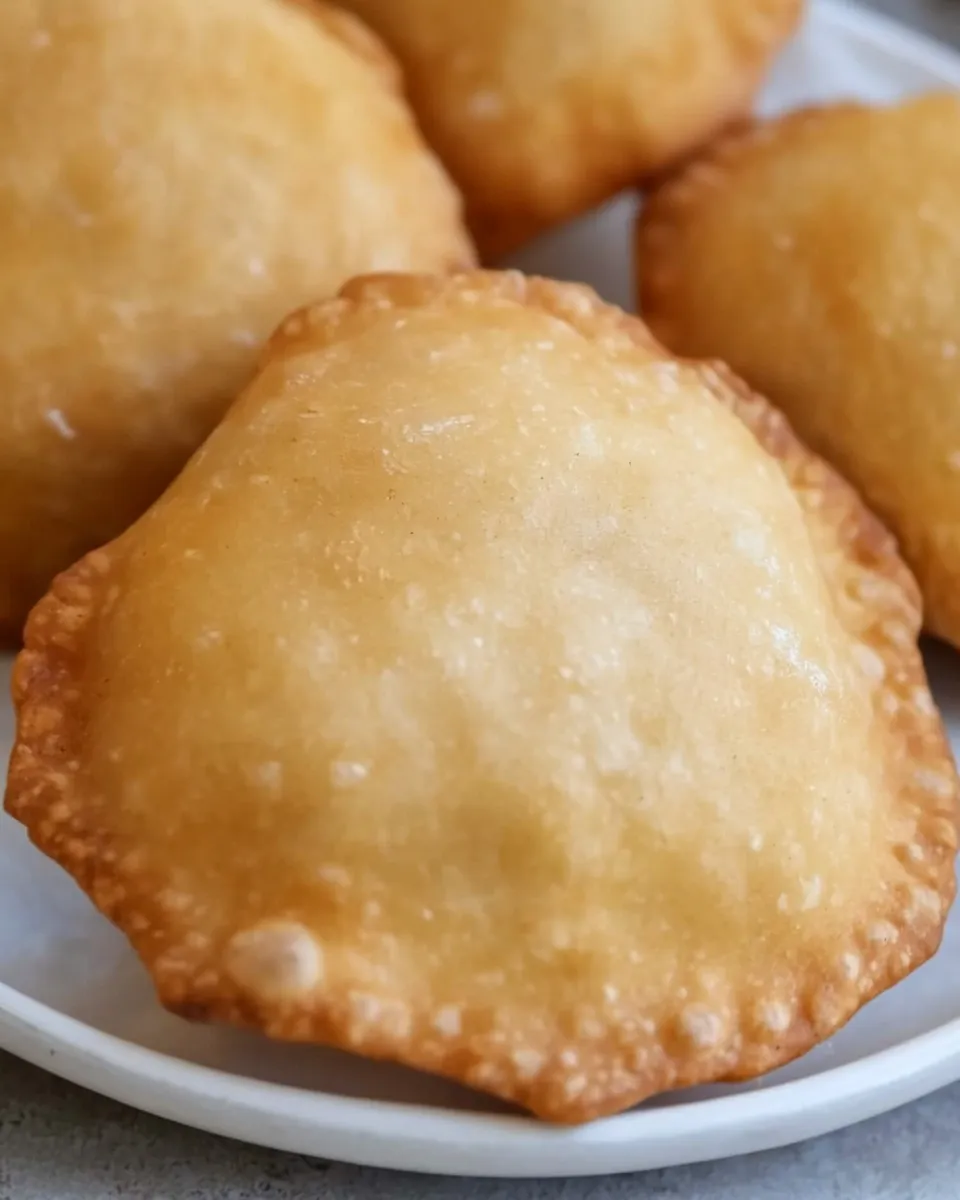
Poori (Puri) Indian Deep-Fried Bread
Equipment
- ▢1 Sturdy skilletfor frying the bread
Ingredients
Ingredients
- 2 cupswhole wheat flouratta
- 2 teaspoonsemolinasooji or rava fine
- 1/2 teaspoonsalt
- 1 teaspoonoilcanola or vegetable plus more for frying
- 3/4 cupwaterwarm usually a little more than 3/4 cup
Instructions
Instructions
- In a large, shallow bowl combine the 2 cups whole wheat flour (atta), 2 teaspoons semolina (sooji or rava, fine), and ½ teaspoon salt. Mix to distribute evenly.
- Add 1 teaspoon oil and rub it into the flour mixture with your fingertips until the mixture looks slightly crumbly.
- Gradually add the warm water (start with the ¾ cup listed, you may need a little more) and work the mixture with your hands until it forms a firm, smooth dough that is not sticky. Add only enough water to bring the dough together.
- Cover the dough with a kitchen towel and let it rest for 10 minutes (you may rest up to 1 hour if needed).
- While the dough rests, heat enough oil in a sturdy skillet so the oil comes about halfway up the sides. Heat over medium–high until the oil reaches about 350°F, or test by dropping a very small piece of dough into the oil — it should sizzle and turn golden in about 1 minute. If it browns much faster the oil is too hot; if it takes much longer the oil needs to be hotter.
- After resting, pinch off dough and roll each piece into a ball about the size of a golf ball. Place the balls on a plate and cover with the kitchen towel to keep them from drying out.
- Lightly grease a cool, clean work surface (or a small plate) and your palm with a little of the extra oil (use oil at room temperature). Place one dough ball on the greased surface, flatten slightly with your palm, then roll it out with a rolling pin to a circular disc about 1/8 inch thick (similar to a flour tortilla).
- Carefully slide the rolled poori into the hot oil. Immediately press it gently with a metal spatula or a spider for a few seconds to submerge it, then stop pressing so it can puff up.
- Use a spoon or small ladle to pour hot oil from the pan over the top of the poori to help it puff. Let it cook until the underside is golden (about 1–2 minutes), then flip and cook the other side about 1 minute until golden and cooked through.
- Remove the poori with a slotted spoon or spider and transfer to a paper towel–lined plate to drain. Keep cooked pooris covered with a towel if you want to keep them warm.
- Repeat steps 7–10 with the remaining dough balls, keeping an eye on oil temperature and adjusting heat to maintain roughly the same frying temperature. Serve pooris immediately.
Notes
See the video near the top of the blog post for visual guidance. If you liked the video, please
subscribe to our YouTube channe
l
.
The dough can be flattened into discs (slightly oil) and stacked between parchment paper or wax paper and covered for several hours, if desired.
Poori will keep in a container or baggie on the counter for up to 4 or 5 days. They can easily be reheated in the microwave.