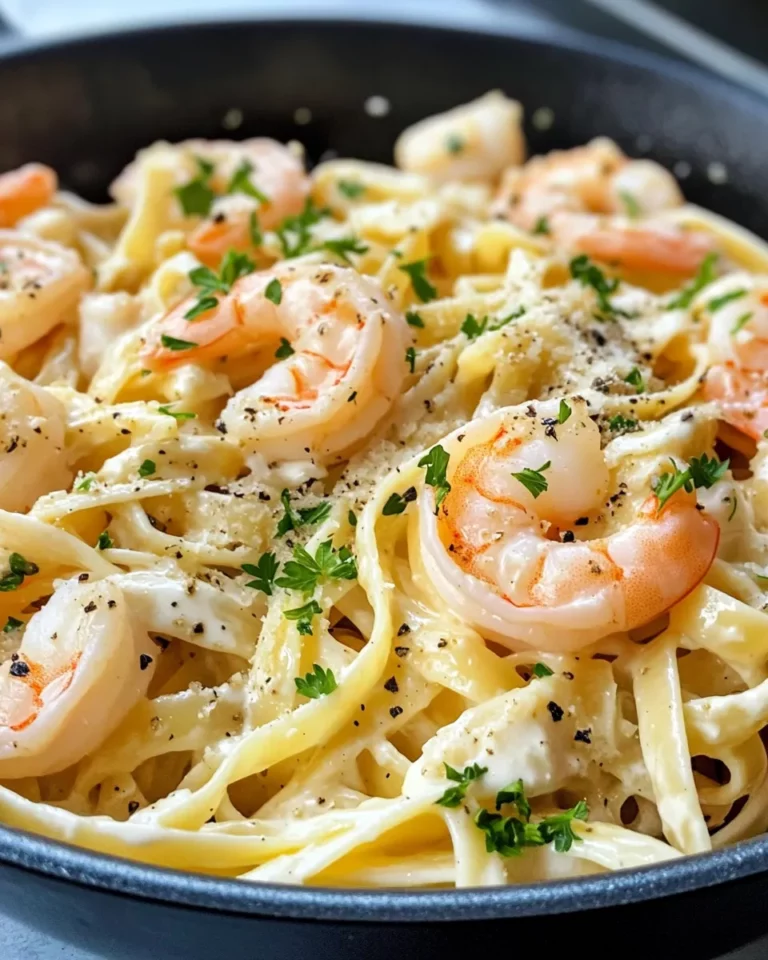
I love recipes that feel like a small celebration on the weeknight table. This Salmon Spaghetti with Lemon Garlic Sauce is exactly that: bright, savory, and built on simple building blocks that come together quickly. It’s the kind of dinner that looks and tastes like you fussed all evening, when in reality most of the work is assembly and timing.
The sauce is vivid and silky thanks to lemon, garlic, and toasted walnuts blended with Parmesan and olive oil. It clings to spaghetti and creates a glossy coating without heaviness. Crisped capers and crunchy sourdough cubes add contrast to the tender, fork-flaky salmon and peppery watercress.
You’ll find practical notes here — what I changed while testing, the little traps to avoid, and how to swap or store components. Read through, gather the ingredients, and you’ll have a bright, satisfying meal on the table in under an hour.
The Ingredient Lineup
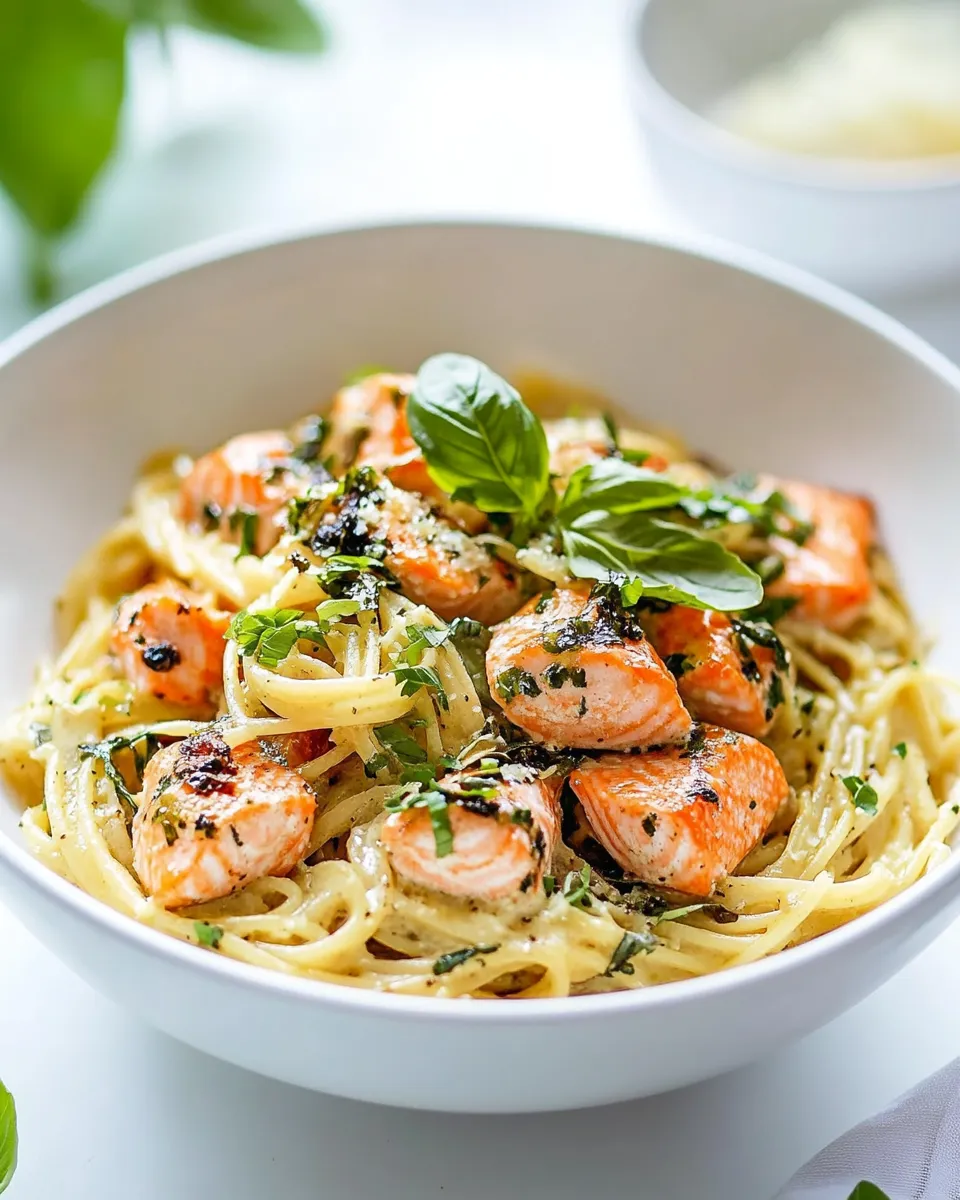
Everything you need for balance is included: acid, fat, umami, texture, and protein. Below I list each ingredient exactly as written in the recipe source, followed by a short note about its role or how to handle it for best results.
Ingredients
- 2 lemons, squeeze out lemon juice and zest — Brightness and aromatic lift; zest before juicing so you don’t lose the oils.
- 1 clove garlic, minced — Provides depth and savory aroma; mince finely so it blends smoothly into the sauce.
- 2 ounces toasted walnuts — Adds body and a slightly bitter, toasty note; toasting concentrates flavor and blends into a creamy sauce when pureed.
- 1/3 cup grated Parmesan cheese — Umami and salt; stirs into the sauce for richness and a silky finish.
- 13 ounces spaghetti — The pasta base; choose good-quality spaghetti so texture shines through.
- 1/3 cup olive oil — Emulsifies the sauce and keeps it glossy; use extra-virgin for flavor.
- 2 tablespoons baby capers — Salty, tangy pops of contrast; crisping them concentrates their flavor and texture.
- 2 slices sourdough bread, cut into bite-sized cubes — Becomes crunchy croutons for texture contrast; slightly stale bread toasts more evenly.
- 1 pound skinless salmon fillets, cut into 1-inch thick bite-sized pieces, season with salt and ground black pepper — The main protein; cutting into pieces shortens cook time and makes it easy to fold into the pasta.
- 2 3/4 tablespoons unsalted butter — Seals and browns the salmon and adds a round mouthfeel; keep it unsalted so you control seasoning.
- 2 ounces watercress leaves — Peppery green that wilts slightly into the warm pasta; adds freshness and balance.
Salmon Spaghetti with Lemon Garlic Sauce: From Prep to Plate
- Make the lemon-garlic sauce: in a blender combine the juice and zest of both lemons, the minced garlic, and the toasted walnuts. Blend on high until smooth, about 30 seconds. Add the grated Parmesan and 3 tablespoons of the olive oil and blend again until well combined. Transfer the sauce to a small bowl and set aside.
- Bring a large pot of salted water to a boil. Add the spaghetti and cook according to package instructions until al dente. Before draining, scoop out and reserve 1 cup of the pasta cooking water. Drain the pasta and set it aside.
- Heat a skillet over medium-high heat and add about 1 tablespoon of the olive oil. Add the baby capers and cook, stirring occasionally, until they are crisp, about 2–3 minutes. Use a slotted spoon to transfer the capers to a plate lined with paper towels to drain.
- In the same skillet, add about 1 tablespoon more of the olive oil and reduce the heat to medium. Add the sourdough bread cubes and cook, stirring or tossing occasionally, until golden brown and crisp, about 2–3 minutes. Transfer the toasted bread cubes to the same plate as the capers.
- Pat the seasoned salmon pieces dry with paper towels. In a clean skillet, melt the unsalted butter over medium-high heat. Add the salmon pieces in a single layer (work in batches if needed) and cook until opaque and fork-tender, about 3–5 minutes total. Remove the salmon from the skillet and set aside.
- Return the skillet (wipe out first if very browned) to medium heat. Add the prepared lemon-garlic sauce, the drained pasta, and up to 1 cup of the reserved pasta water. Toss or use tongs to coat the spaghetti with the sauce, adding only as much pasta water as needed to reach a smooth, glossy consistency (usually all or most of the reserved cup), about 1–2 minutes.
- Gently fold the cooked salmon pieces and the watercress leaves into the sauced pasta, tossing carefully so the salmon stays in pieces and the watercress wilts slightly, about 30–60 seconds.
- Divide the pasta among plates or a serving bowl and top with the crispy capers, toasted sourdough cubes, and any remaining watercress. Serve immediately.
Why You’ll Love This Recipe
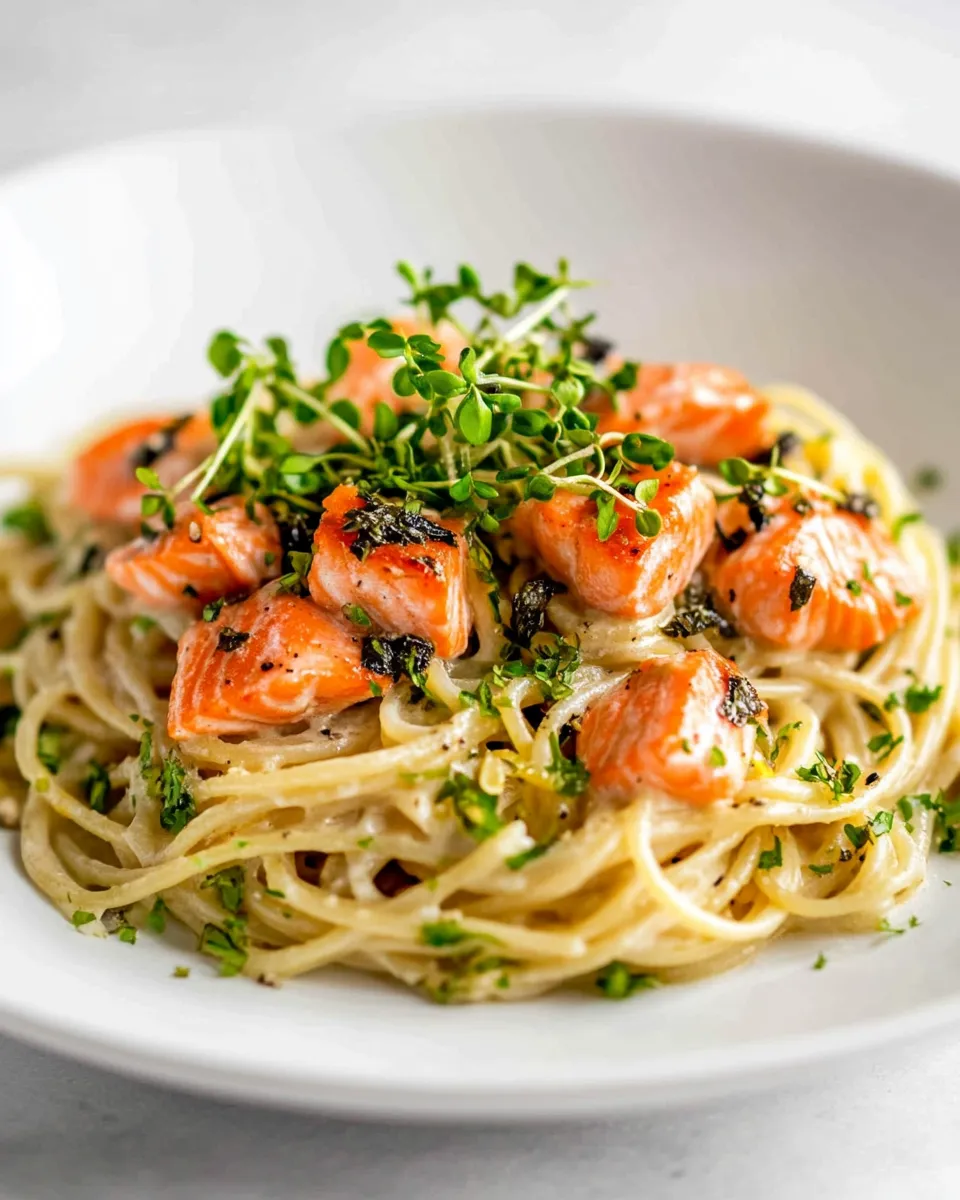
This dish hits a satisfying range of flavors and textures: the lemon-garlic-walnut sauce is vibrant but not acidic, Parmesan rounds the edges, and olive oil keeps everything lush. The salmon cooks quickly and stays tender when treated in bite-sized pieces. Crisp capers and toasted sourdough cubes give each forkful a crunch that contrasts beautifully with the silky sauce and soft pasta.
It’s also forgiving. The sauce can be adjusted with the reserved pasta water to reach the right consistency — a trick that saves many pasta dinners. If you need to break the prep across two pans or a short time window, the components rejoin gracefully at the end.
Texture-Safe Substitutions
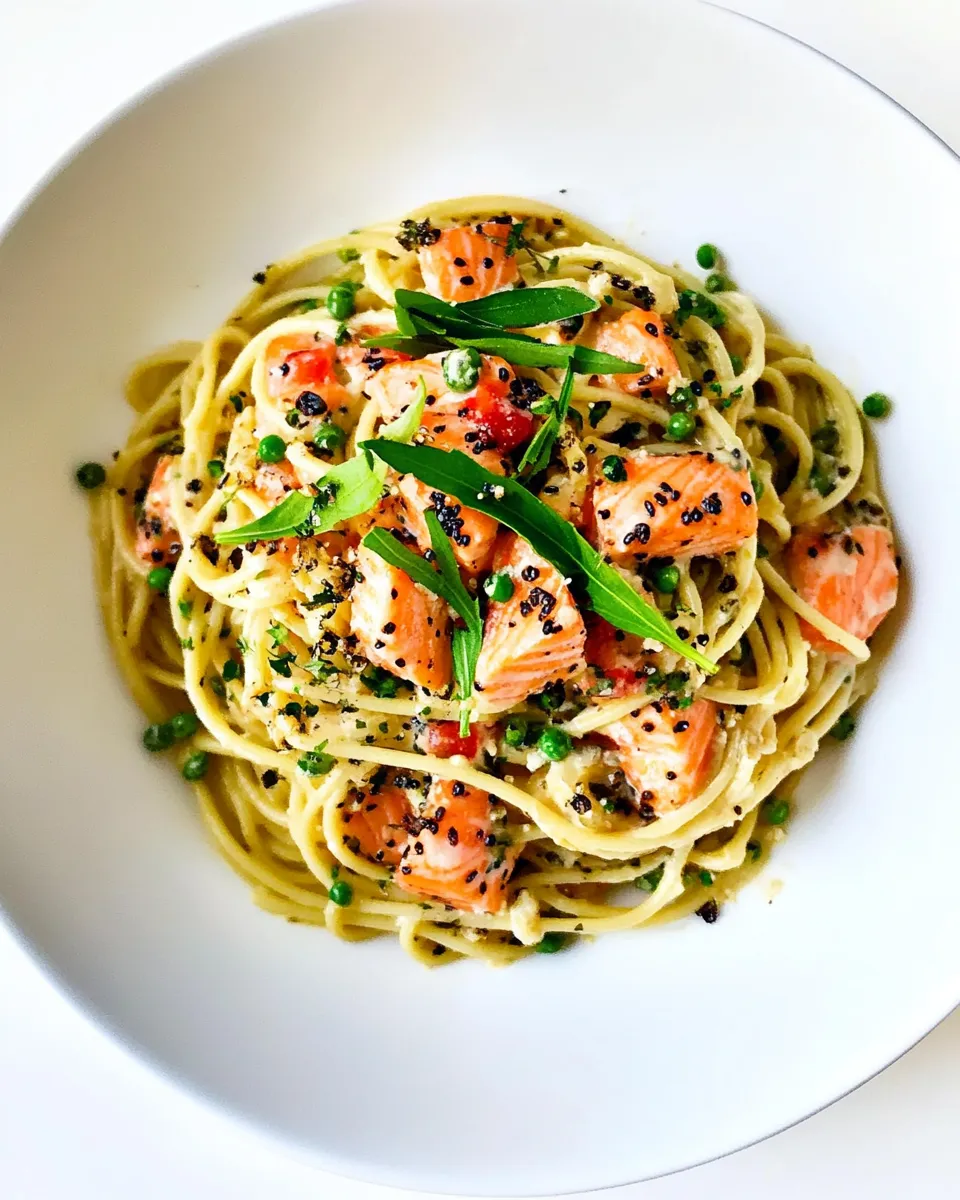
Allergies or pantry gaps happen. Here are swaps that keep the overall mouthfeel consistent:
- Nut swap: If walnuts are off the table, use another toasted nut (like almonds) or a small handful of toasted seeds for a nut-free option. Toasting is the key step to replicate the depth.
- Crunch swap: If you don’t have sourdough, any rustic bread will toast up nicely; for a gluten-free option, crisped polenta cubes or roasted chickpeas bring the crunch.
- Green swap: Watercress offers pepperiness; arugula or baby spinach can be used instead — arugula retains a similar bite, spinach will be milder but still fresh when wilted.
- Capers: If capers are too intense, rinse them briefly or reduce the amount; chopped green olives can provide a milder briny note with less pop.
What You’ll Need (Gear)
- Large pot for boiling pasta — big enough so the spaghetti can move freely.
- Blender — for the lemon-garlic-walnut sauce to get smooth and emulsified.
- Two skillets — one for crisping capers and toasting bread, one for cooking salmon; the second can be the same used after wiping out.
- Slotted spoon — to transfer crisped capers without oil.
- Tongs — the easiest tool for tossing pasta with sauce and folding in salmon.
- Paper towels and a plate — for draining and resting crisped components.
What Not to Do
- Don’t skip reserving the pasta water. That starchy liquid is what creates a glossy, clingy sauce. Without it you risk a dry finish or a sauce that won’t adhere.
- Don’t overcrowd the salmon in the skillet. If the pieces touch too much they steam instead of sear, and you lose color and texture.
- Don’t add all the pasta water at once. Add a little, toss, and then add more as needed to reach a smooth consistency.
- Don’t let the capers sit in the oil for too long. Crisp them until just crunchy; burned capers will taste bitter.
- Don’t toss the salmon too aggressively. Fold gently so the fish remains in tender pieces instead of turning into flakes.
In-Season Swaps
Use seasonal produce to keep the plate vibrant. In spring, swap or supplement watercress with thinly sliced radishes for pepper and crunch; toss in blanched asparagus tips for a vegetal note. In summer, a handful of halved cherry tomatoes adds acidity and color (toss them in at the very end so they stay fresh). In fall, roasted beets or shaved fennel bring sweetness and texture contrast.
What I Learned Testing
First run-through I under-toasted the walnuts and the sauce tasted flat. Toasting them for an extra minute or two in a dry pan took the sauce from “nice” to “memorable.” Second, the timing of the capers and bread matters: crisp them in the same pan back-to-back so you only clean one pan and keep the aroma consistent. Third, the reserved pasta water is not optional — it’s the secret to emulsifying the olive oil and Parmesan into a silky coating.
I also found that cutting the salmon into uniform 1-inch pieces (as written) ensured even cooking. When pieces are uneven, some overcook while others are still translucent. Finally, use a light hand folding the salmon and watercress into the sauce; the salad-like greens wilt fast and the fish deserves gentle treatment.
Storing Tips & Timelines
Leftovers keep well if you split components thoughtfully:
- Refrigerator: Store the sauced pasta with salmon in an airtight container for up to 2 days. The texture of the toasted bread cubes and capers will soften; store them separately if you want to preserve the crunch.
- Reheating: Reheat gently on the stovetop over low heat with a splash of water or a drizzle of olive oil to loosen the sauce. High heat will make the salmon dry.
- Freezing: I don’t recommend freezing this finished dish — the texture of cooked salmon and watercress suffers. If you must, freeze only the sauce (without Parmesan) in a sealed container for up to 1 month, then thaw and finish with freshly grated Parmesan and pasta.
FAQ
- Can I use whole-wheat spaghetti? Yes. Cooking time will vary; follow package instructions and test for al dente before draining.
- Is the sauce vegetarian without the salmon? The lemon-garlic-walnut sauce itself is vegetarian. Omit salmon and add roasted vegetables or sautéed mushrooms for a satisfying meatless meal.
- Can I make the sauce ahead? Absolutely. Make the sauce up to 24 hours ahead and keep chilled. Bring it to room temperature and whisk in a little additional olive oil or a spoon of reserved pasta water to refresh before tossing with pasta.
- How do I know when the salmon is done? Cook until opaque and fork-tender; pieces that flake easily and no longer look translucent in the center are done. Since they’re bite-sized, the process is quick — about 3–5 minutes total.
Ready to Cook?
This Salmon Spaghetti with Lemon Garlic Sauce is straightforward, bright, and designed to make weeknight cooking feel intentional. Follow the steps in order: make the sauce, reserve the pasta water, crisp the capers and breadcrumbs, cook the salmon, then bring everything together with gentle hands. The result is layered, balanced, and easy to serve family-style or plated up for guests.
Gather the ingredients, warm your skillet, and put on a favorite playlist. You’ll have a restaurant-worthy dinner ready before you know it — and a few happy people at the table to prove it.
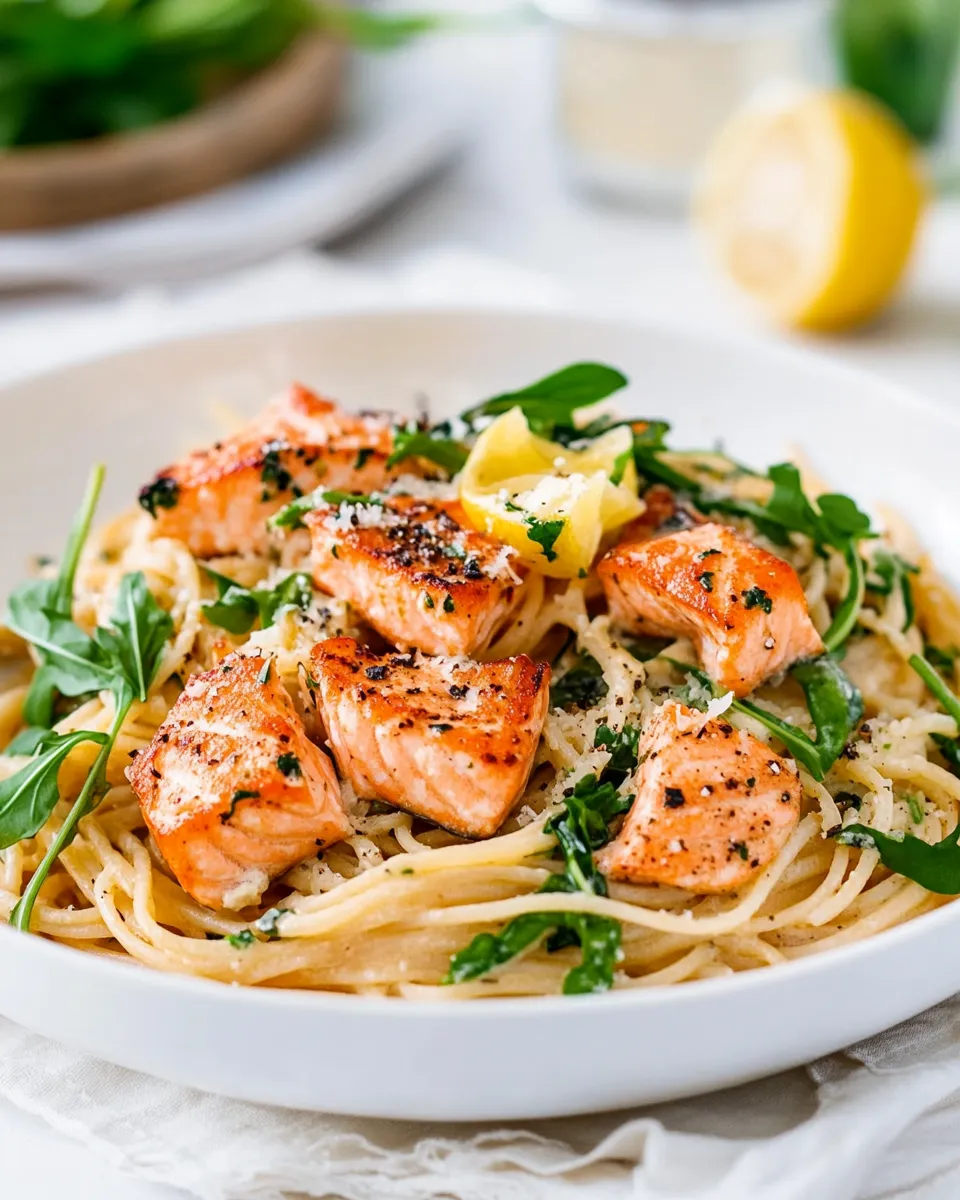
Salmon Spaghetti with Lemon Garlic Sauce
Equipment
- Blender
- Large Pot
- Skillet
- Slotted Spoon
- Tongs
- Plate
- Paper Towels
Ingredients
Ingredients
- 2 lemons squeeze out lemon juice and zest
- 1 clovegarlic minced
- 2 ouncestoasted walnuts
- 1/3 cupgrated parmesan cheese
- 13 ouncesspaghetti
- 1/3 cupolive oil
- 2 tablespoonsbaby capers
- 2 slicessourdough bread cut into bite-sized cubes
- 1 poundskinless salmon fillets cut into 1-inch thick bite-sized pieces, season with salt and ground black pepper
- 2 3/4 tablespoonsunsalted butter
- 2 ounceswatercress leaves
Instructions
Instructions
- Make the lemon-garlic sauce: in a blender combine the juice and zest of both lemons, the minced garlic, and the toasted walnuts. Blend on high until smooth, about 30 seconds. Add the grated Parmesan and 3 tablespoons of the olive oil and blend again until well combined. Transfer the sauce to a small bowl and set aside.
- Bring a large pot of salted water to a boil. Add the spaghetti and cook according to package instructions until al dente. Before draining, scoop out and reserve 1 cup of the pasta cooking water. Drain the pasta and set it aside.
- Heat a skillet over medium-high heat and add about 1 tablespoon of the olive oil. Add the baby capers and cook, stirring occasionally, until they are crisp, about 2–3 minutes. Use a slotted spoon to transfer the capers to a plate lined with paper towels to drain.
- In the same skillet, add about 1 tablespoon more of the olive oil and reduce the heat to medium. Add the sourdough bread cubes and cook, stirring or tossing occasionally, until golden brown and crisp, about 2–3 minutes. Transfer the toasted bread cubes to the same plate as the capers.
- Pat the seasoned salmon pieces dry with paper towels. In a clean skillet, melt the unsalted butter over medium-high heat. Add the salmon pieces in a single layer (work in batches if needed) and cook until opaque and fork-tender, about 3–5 minutes total. Remove the salmon from the skillet and set aside.
- Return the skillet (wipe out first if very browned) to medium heat. Add the prepared lemon-garlic sauce, the drained pasta, and up to 1 cup of the reserved pasta water. Toss or use tongs to coat the spaghetti with the sauce, adding only as much pasta water as needed to reach a smooth, glossy consistency (usually all or most of the reserved cup), about 1–2 minutes.
- Gently fold the cooked salmon pieces and the watercress leaves into the sauced pasta, tossing carefully so the salmon stays in pieces and the watercress wilts slightly, about 30–60 seconds.
- Divide the pasta among plates or a serving bowl and top with the crispy capers, toasted sourdough cubes, and any remaining watercress. Serve immediately.
Notes
Do not overcook the salmon. You may cook the salmon fillet in one piece or cut it into smaller pieces to reduce cooking time. Cook the salmon until the color changes from translucent to opaque pink, and when the meat becomes fork tender, please remove it from the heat immediately.
When making the lemon and garlic sauce, you may certainly adjust the sourness by adding less lemon juice to the blender to suit your taste.