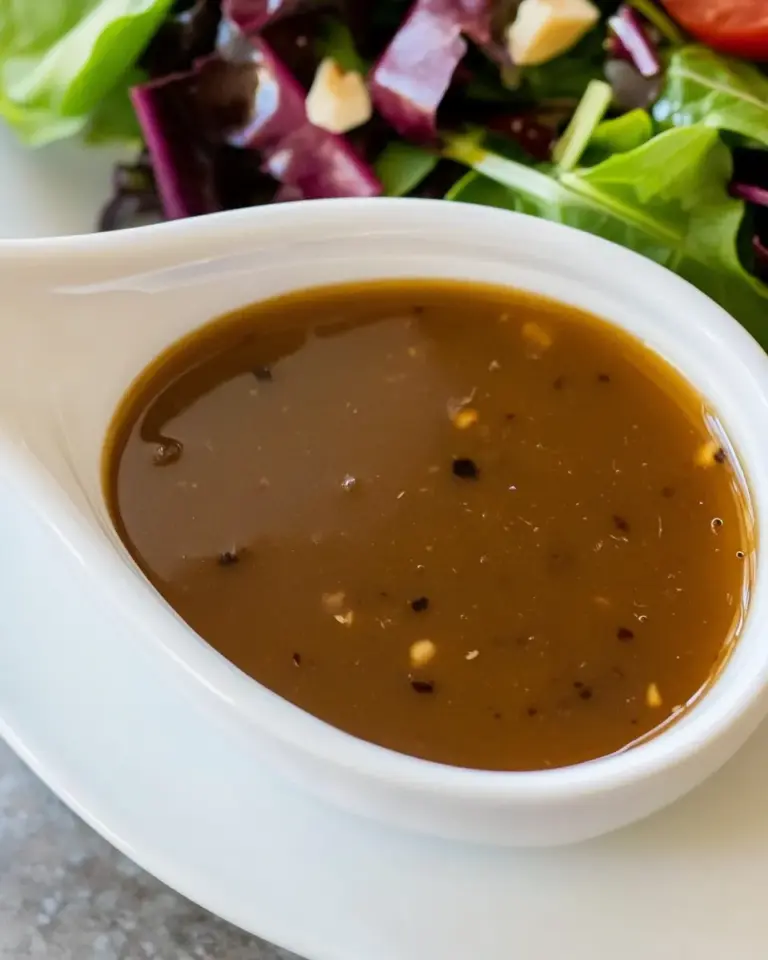
I fell in love with this dressing the first time I shook it up in a mason jar and tasted that bright hit of lemon against the warm, toasty sesame. It’s the kind of vinaigrette that wakes up a bowl of greens, lifts cold noodles, and gives roasted vegetables a clean, savory finish. No special equipment, no long prep—just bold flavor from a few thoughtful ingredients.
I keep a jar in the fridge and use it most days. It’s quick to make and forgiving if you want to tweak it, but it’s also precise enough to deliver the same result each time if you follow the measurements. The dressing emulsifies with a vigorous shake and holds together well for a couple of days.
Below you’ll find the ingredient breakdown, the exact method I follow, sensible swaps for texture or flavor, and practical troubleshooting so your vinaigrette comes out right every time.
Ingredient Breakdown
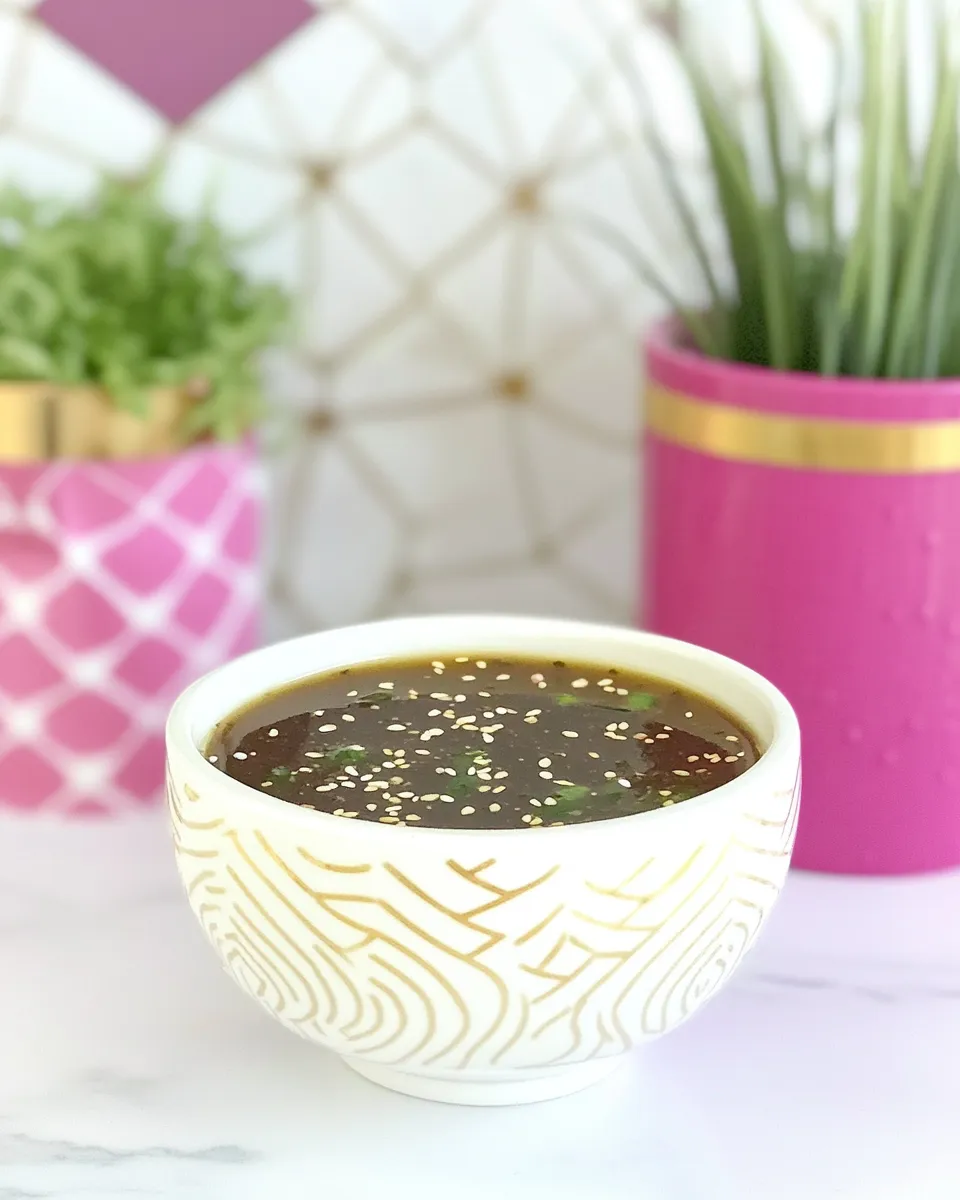
Ingredients
- 1 tablespoon freshly squeezed lemon juice — provides bright acidity and a fresh citrus lift.
- 2 teaspoons low-sodium soy sauce — adds savory umami without making the dressing overly salty.
- 3 tablespoons grapeseed oil — neutral-flavored oil that lets sesame and ginger shine.
- 1 teaspoon grated fresh ginger — gives a peppery, aromatic backbone; use fresh for best zing.
- 1 clove garlic (minced) — brings savory depth; mince finely so it disperses evenly.
- 1 tablespoon sesame seeds — adds texture and a toasty note; leave them whole for crunch or grind for a smoother feel.
- 1/2 teaspoon toasted sesame oil — concentrated sesame flavor; a little goes a long way.
The Method for Sesame-Ginger Vinaigrette
- Measure and add 1 tablespoon freshly squeezed lemon juice, 2 teaspoons low-sodium soy sauce, 3 tablespoons grapeseed oil, and 1/2 teaspoon toasted sesame oil to a clean Mason jar (or a small jar with a tight-fitting lid).
- Add 1 teaspoon grated fresh ginger, 1 clove garlic (minced), and 1 tablespoon sesame seeds to the jar.
- Close the jar tightly with the lid.
- Shake the jar vigorously for about 30 seconds, until the oils and liquids are well combined and the vinaigrette looks emulsified.
- Taste and, if desired, shake again briefly to ensure everything is evenly mixed.
- Refrigerate the vinaigrette promptly and use within 2–4 days; shake well before each use.
Why This Sesame-Ginger Vinaigrette Stands Out
It’s balanced. The lemon juice gives bright acidity while low-sodium soy sauce supplies savory depth without overwhelming saltiness. Grapeseed oil carries flavors cleanly and lets the toasted sesame oil and seeds deliver that unmistakable sesame character. Fresh ginger adds a warm, peppery lift that cuts through oil and rounds the profile.
The technique matters: emulsifying by shaking creates a silky mouthfeel that clings to leaves and noodles. Toasted sesame oil is potent — used sparingly, it provides aroma more than fat. Toasted sesame seeds add both fragrance and texture; they also release more flavor when lightly warmed or crushed.
Texture-Safe Substitutions
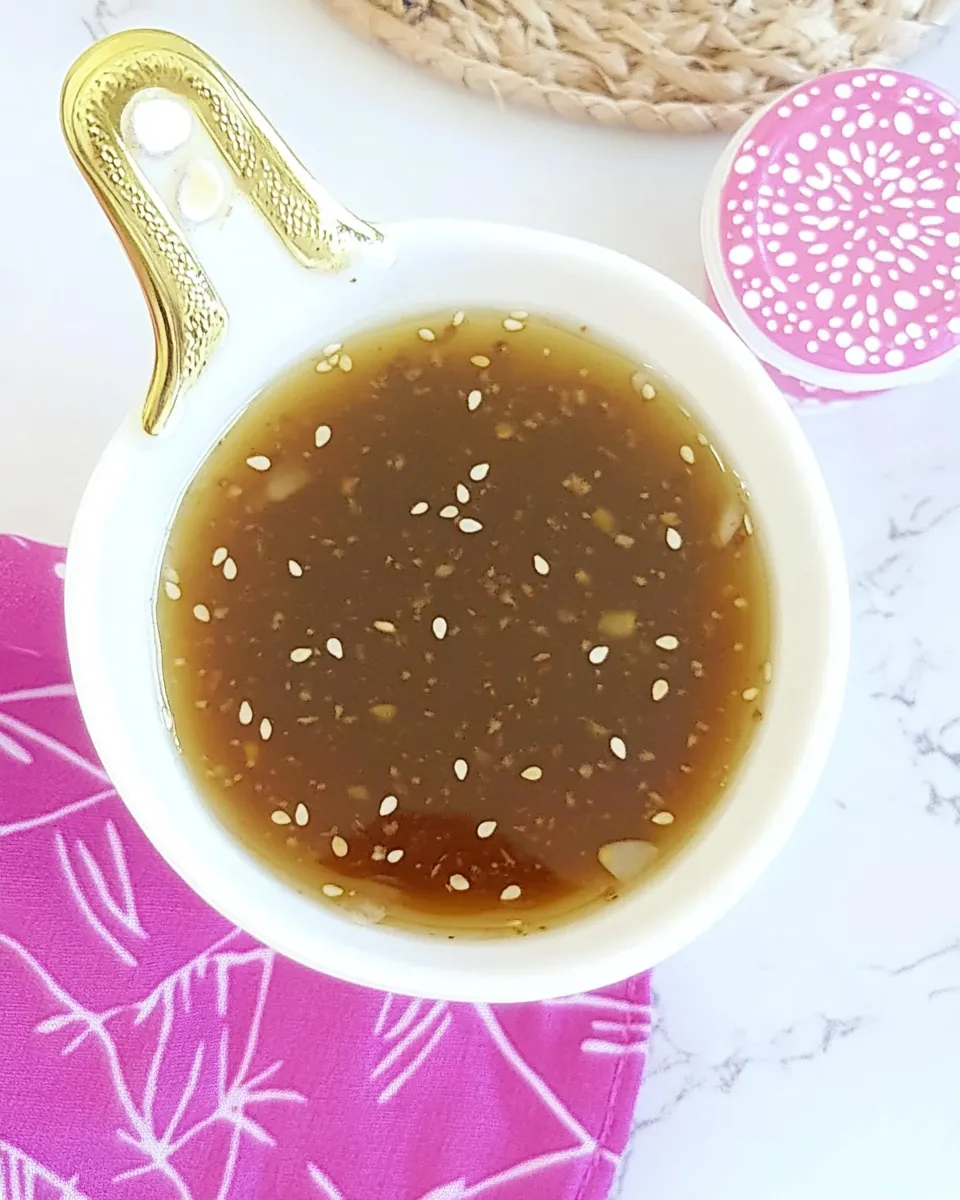
If you need swaps for texture or pantry limits, choose options that maintain mouthfeel and balance.
- Oil alternative: If you don’t have grapeseed oil, use another neutral oil such as canola or light sunflower oil. Avoid strong-flavored oils like extra-virgin olive oil unless you want a pepperier finish.
- Sesame flavor: If you prefer a smoother dressing without seed crunch, grind the sesame seeds briefly in a mortar and pestle or pulse them in a spice grinder before adding.
- Ginger substitute: If fresh ginger isn’t available, use a small pinch of ground ginger as a last resort, but note that powdered ginger lacks the juiciness and bright bite of fresh.
- Soy sauce: If you need gluten-free, swap low-sodium soy sauce for tamari. The measure remains the same, but taste and adjust for saltiness.
Equipment & Tools
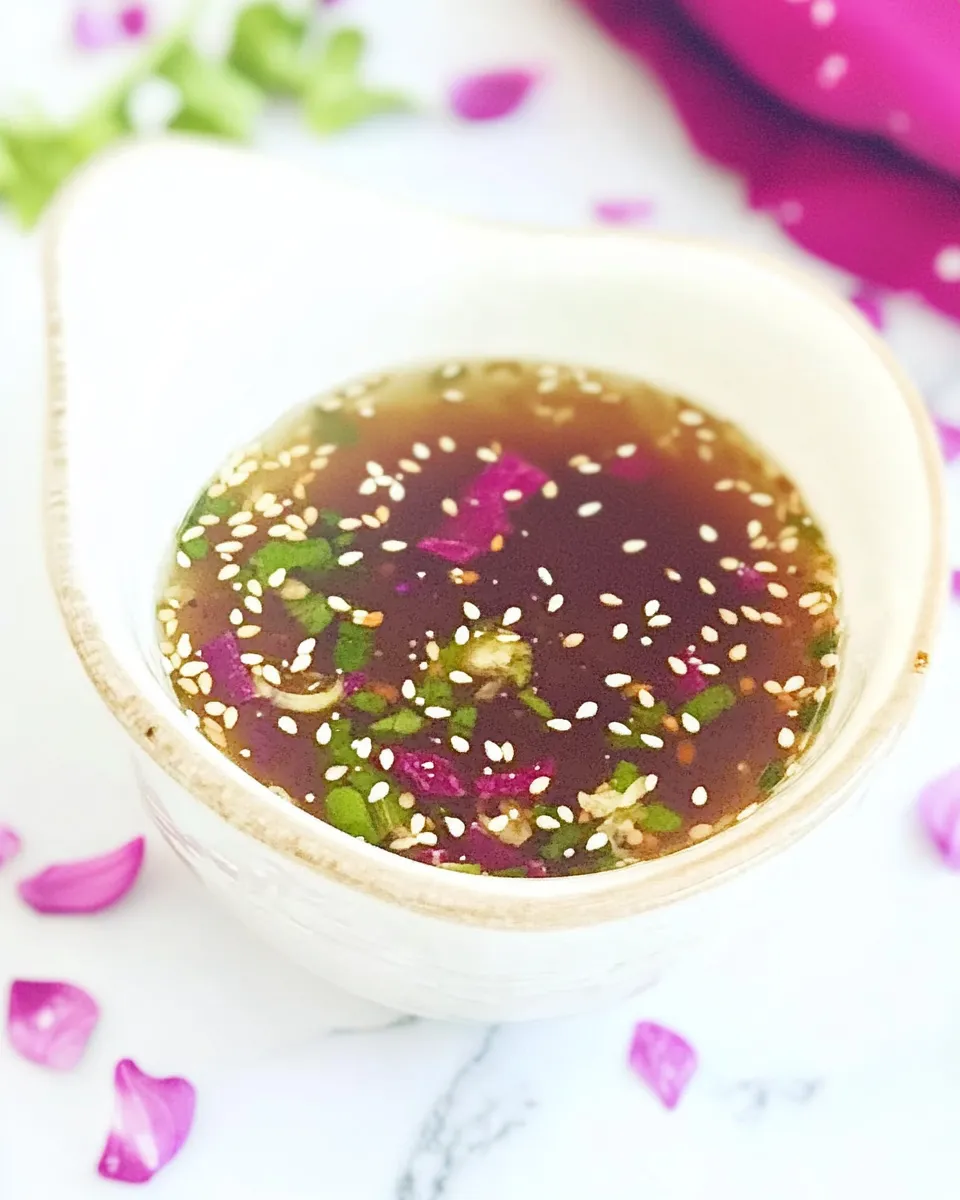
You don’t need fancy gear. Here’s what makes the process easiest:
- Clean Mason jar or small jar with a tight-fitting lid — doubles as mixing and storage vessel.
- Measuring spoons — for accurate lemon, soy, sesame oil, and ginger quantities.
- Microplane or fine grater — for finely grating fresh ginger so it disperses evenly.
- Small knife and cutting board — to mince the garlic clove.
- Optional: small skillet — to toast sesame seeds briefly for extra aroma.
Watch Outs & How to Fix
Here are common issues and quick fixes so you don’t waste ingredients.
Too salty
If the vinaigrette tastes too salty, dilute it by adding a little more grapeseed oil, or a splash of water or extra lemon juice to rebalance. Start with a small amount and taste as you go.
Too sharp or acidic
If the lemon is overpowering, add a touch more oil to mellow it and shake again. A tiny pinch of sugar or honey can also soften acidity, but add sparingly and taste after each addition.
Separation or oily mouthfeel
Separation is normal; shake vigorously before use. If the dressing feels too oily, reduce the amount used on a salad or add a little more lemon juice and soy sauce to rebalance when making a fresh batch.
Garlic too pronounced
Raw garlic can be strong. If you find it too sharp, let the vinaigrette sit in the fridge for a few hours to mellow or use roasted garlic next time.
Make It Your Way
This vinaigrette is built to be versatile. Here are tasteful variations you can try without changing the core technique.
- Green salads: Add a splash more lemon for salads with bitter greens like arugula or dandelion.
- Noodle salad: Double the recipe to dress cold soba or rice noodles; toss with sliced scallions and cucumber.
- Marinade: Use as a quick marinade for thinly sliced chicken or tofu; keep marinade time short (30–60 minutes) because of the lemon juice.
- Warm veggies: Toss hot roasted vegetables with a tablespoon of vinaigrette right after they come out of the oven for a glossy finish.
Little Things that Matter
These small details improve the final dressing more than you might expect.
- Fresh ginger beats powdered every time. Grate it finely so it blends and doesn’t clump.
- Use freshly squeezed lemon juice instead of bottled for brightness and cleaner flavor.
- Measure toasted sesame oil carefully; it’s concentrated and can dominate if overused.
- Toast sesame seeds briefly in a dry skillet over medium heat until fragrant, watching closely so they don’t burn.
- Shake the jar vigorously. Emulsification by hand is simple and gives a pleasing texture that coats ingredients well.
Shelf Life & Storage
Refrigerate promptly after making. This dressing keeps well for 2–4 days in the fridge; follow that window to enjoy peak flavor and to ensure food safety. Always shake well before each use because some separation will naturally occur.
If you’d like to store longer, separate the garlic and ginger and add them fresh when you plan to use the dressing — this reduces the chance of off-flavors and preserves brightness. Also, allow refrigerated dressing to come to a near-room temperature for a few minutes before serving so the oils become more fluid, then shake and use.
Helpful Q&A
Can I use a blender instead of a jar?
Yes, a blender or immersion blender will emulsify quickly and create a slightly smoother dressing. For this small batch, a jar and a good shake are the simplest and easiest option.
Is it okay to omit sesame seeds?
Yes. The flavor profile will change slightly—less texture and toasted nuttiness—but the core vinaigrette will still be tasty. Consider adding a pinch more toasted sesame oil if you want to compensate for that missing sesame aroma.
Can I make this vegan? Gluten-free?
This recipe is vegan as written. For gluten-free, swap low-sodium soy sauce for tamari. Taste and adjust since tamari can be saltier or have a different profile.
How much dressing does this make?
This recipe makes a small batch—enough for dressing several salads or a couple servings of noodles. If you need more, double or triple the recipe, and store in the fridge as instructed.
The Last Word
This Sesame-Ginger Vinaigrette is a small but powerful pantry formula: bright lemon, warm ginger, umami soy, and fragrant sesame. It’s easy to make, quick to adapt, and reliably lifts everyday meals. Keep the measurements for the base the first few times so you learn the balance, then tweak to your taste. Shake, taste, and make it yours.
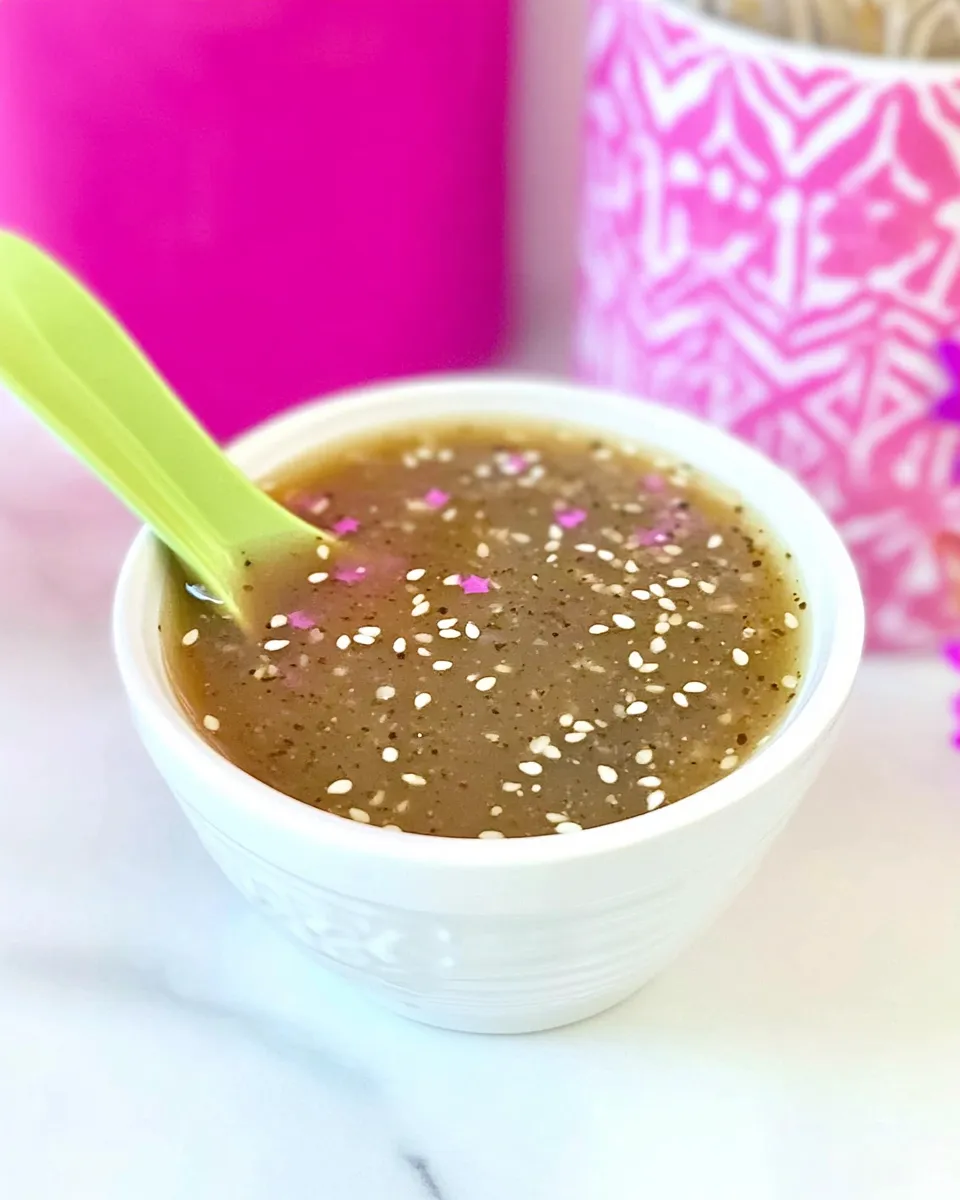
Sesame-Ginger Vinaigrette
Equipment
- Mason jar or small jar with a tight-fitting lid
Ingredients
Ingredients
- 1 tablespoonfreshly squeezed lemon juice
- 2 teaspoonslow-sodium soy sauce
- 3 tablespoonsgrapeseed oil
- 1 teaspoongrated fresh ginger
- 1 clovegarlicminced
- 1 tablespoonsesame seeds
- 1/2 teaspoontoasted sesame oil
Instructions
Instructions
- Measure and add 1 tablespoon freshly squeezed lemon juice, 2 teaspoons low-sodium soy sauce, 3 tablespoons grapeseed oil, and 1/2 teaspoon toasted sesame oil to a clean Mason jar (or a small jar with a tight-fitting lid).
- Add 1 teaspoon grated fresh ginger, 1 clove garlic (minced), and 1 tablespoon sesame seeds to the jar.
- Close the jar tightly with the lid.
- Shake the jar vigorously for about 30 seconds, until the oils and liquids are well combined and the vinaigrette looks emulsified.
- Taste and, if desired, shake again briefly to ensure everything is evenly mixed.
- Refrigerate the vinaigrette promptly and use within 2–4 days; shake well before each use.