I fell in love with this version of cauliflower rice the first time I browned a pan of onions until they caramelized and tossed in frozen cauliflower. It’s humble, quick, and the sort of side dish that behaves like comfort food while being light enough for a weeknight. A generous sprinkle of sumac at the end gives it a bright, slightly tangy finish that reads as “spicy” in the way a crack of black pepper does — lively and attention-getting without overpowering the dish.
This recipe is practical. It uses pantry staples, a couple of frozen bags of cauliflower rice, and a skillet. The technique is straightforward: brown the onions, break up the frozen rice, sear everything over high heat until the water cooks off, season, and finish with sumac. No fancy tools, no long prep, and the timing is forgiving.
Read through the whole post for tips on texture, storage, and small tweaks that take it from a side to a weeknight main. If you like bold, fast, and clean-tasting food, this cauliflower rice will slot into your rotation quickly.
What Goes In
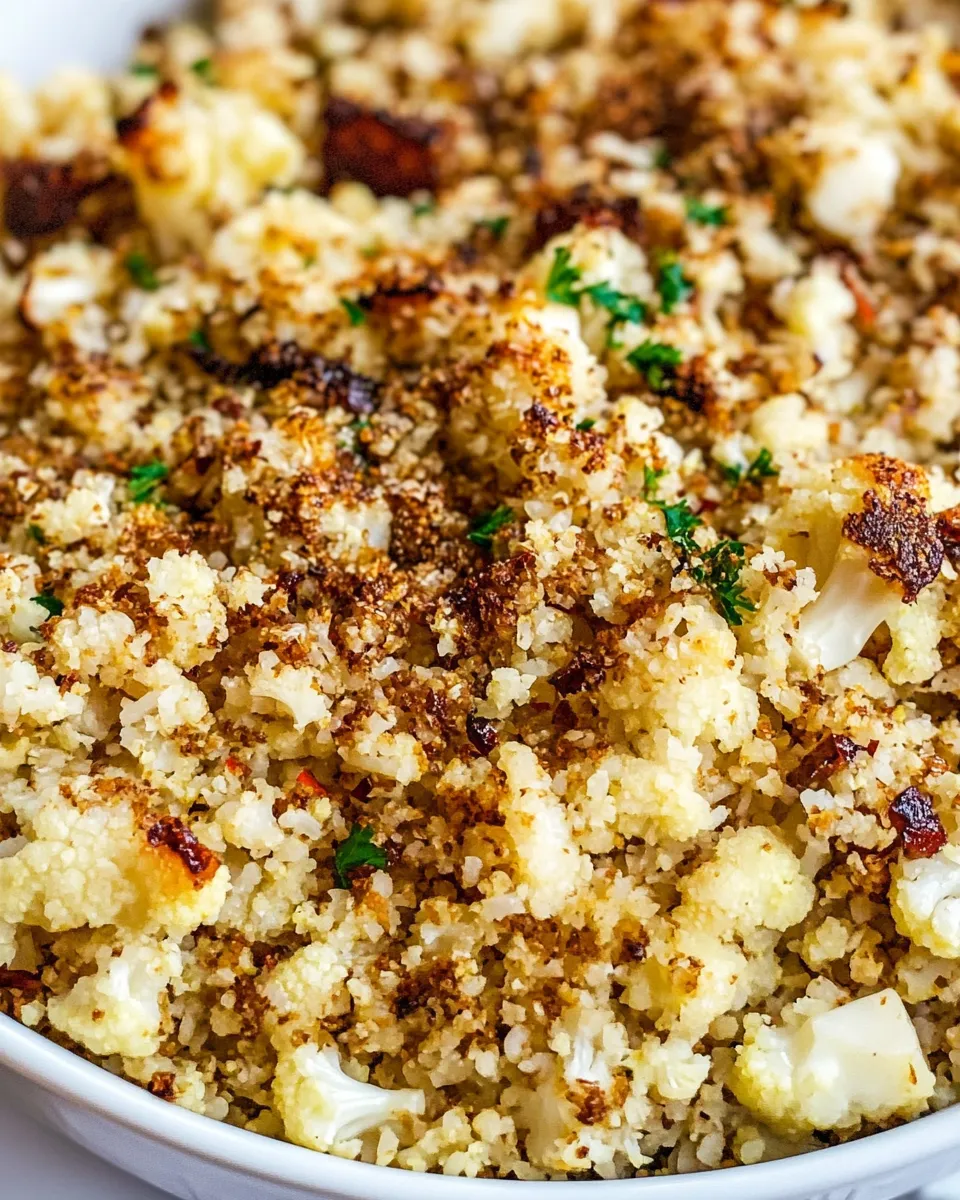
- 3 T olive oil, divided — used for sautéing and finishing; dividing helps build flavor and control browning.
- 2 small onions, diced — the base flavor, caramelizes to give sweetness and depth.
- two 12 oz. pkg. frozen cauliflower rice (see notes) — the main body of the dish; frozen makes this fast and consistent.
- salt and fresh ground black pepper to taste — essential seasoning; salt brings out the cauliflower’s sweetness, pepper adds bite.
- generous amount of Sumac for seasoning (or see notes above for other options) — finishing spice; adds bright, lemony tang and a touch of complexity.
Spicy Cauliflower Rice, Made Easy
- Dice the 2 small onions.
- Heat 2 T olive oil in a large skillet over medium-high heat.
- Add the diced onions and cook, stirring occasionally, until nicely browned, about 10 minutes (adjust heat as needed to prevent burning).
- While the onions cook, break apart the frozen cauliflower rice (both 12 oz. packages) inside their bags or in a bowl so there are no large clumps.
- When the onions are browned, add the cauliflower rice and the remaining 1 T olive oil to the skillet. Season generously with salt and fresh ground black pepper to taste and increase heat to high.
- Cook, stirring or turning often, until the liquid has cooked off and the cauliflower is lightly browned and cooked to your liking, about 8–9 minutes.
- Remove from heat, sprinkle generously with Sumac, and serve hot.
Top Reasons to Make Spicy Cauliflower Rice
- Speed: From freezer to plate in under 30 minutes. You’ll appreciate that on busy nights.
- Low effort, high payoff: A couple of ingredients and one pan create something satisfying and flavorful.
- Versatility: It pairs with grilled proteins, soft eggs, or a leafy salad and can anchor a bowl or plate without stealing the show.
- Light but comforting: The caramelized onions give it a cozy mouthfeel while the cauliflower keeps it light.
- Diet-friendly: Naturally lower in carbs than rice and adaptable to many eating styles.
Dairy-Free/Gluten-Free Swaps
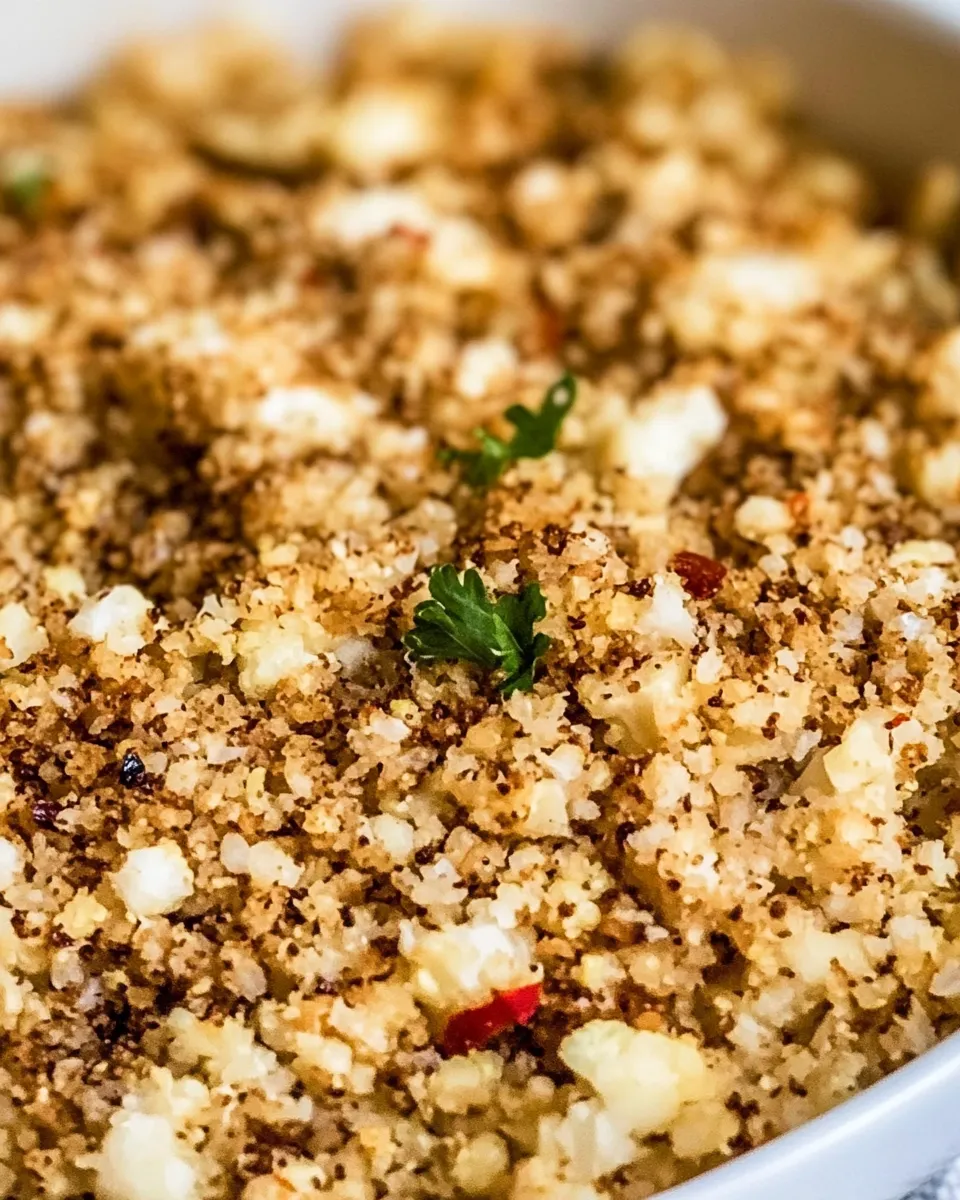
Good news: this recipe is already both dairy-free and gluten-free as written. The core ingredients—olive oil, onions, frozen cauliflower rice, salt, pepper, and sumac—are naturally free of dairy and gluten.
If someone at your table has sensitivities to a specific seasoning, keep the finishing approach the same: use a clean, free-from alternative or simply finish with extra black pepper and a squeeze of something acidic if available. The technique won’t change—the flavor can be adjusted at the end without altering the method.
Tools & Equipment Needed
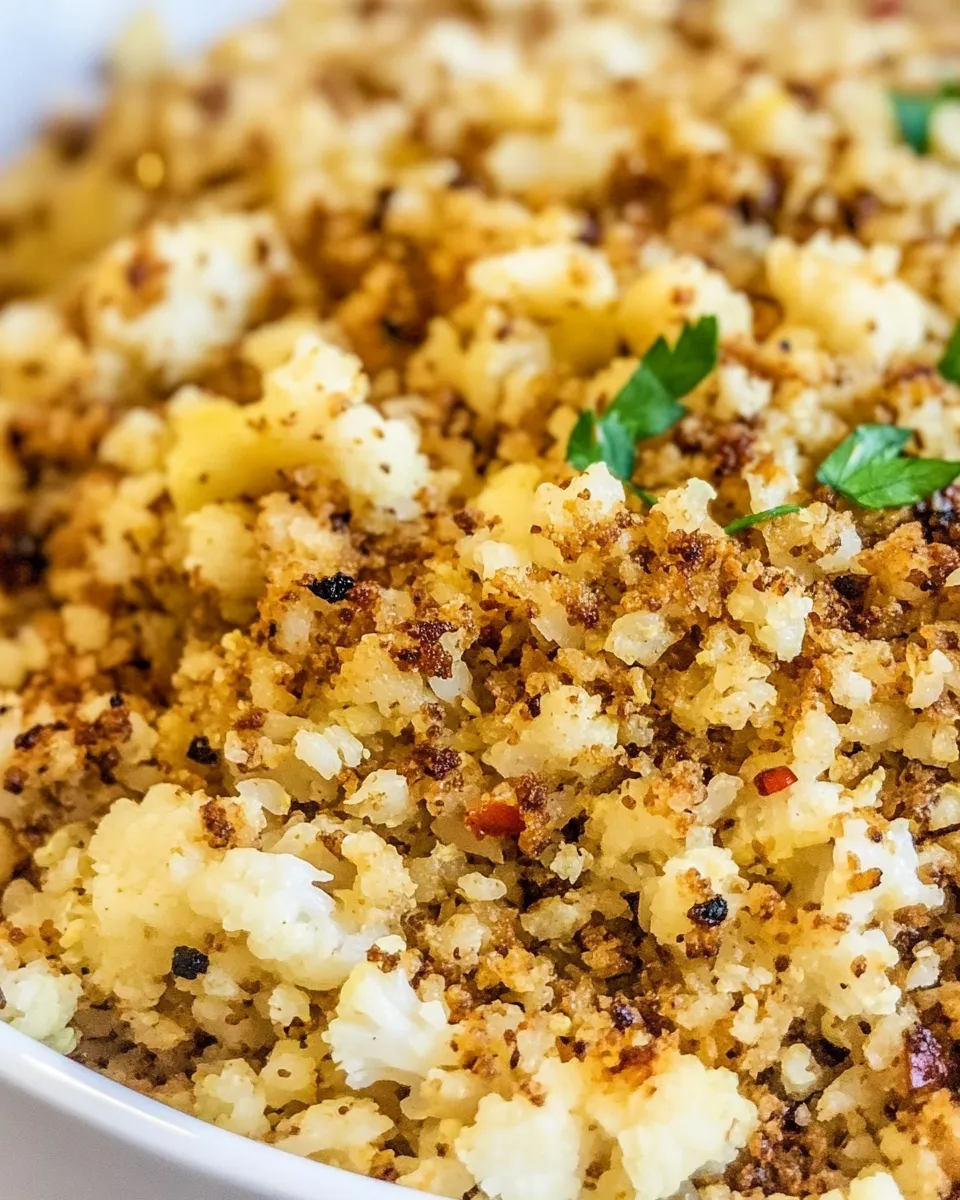
- Large skillet (a 10–12 inch skillet works best) — gives enough surface area for evaporation and browning.
- Heatproof spatula or flat turner — for turning and stirring the cauliflower and onions.
- Sharp knife and cutting board — for dicing the onions evenly.
- Measuring spoons — to portion the olive oil accurately.
- Optional: a large bowl or the opened bags to separate frozen cauliflower clumps before cooking.
Steer Clear of These
- Overcrowding the pan — if the skillet is packed, the cauliflower will steam rather than brown. Use a wide pan and spread the rice out as much as possible.
- Turning the heat too low too early — high heat at the end is what drives off moisture and creates those lightly browned bits that add texture.
- Failing to break up frozen clumps — large clumps remain soggy in the center. Break them apart before they hit the pan.
- Adding sumac too early — it’s a finishing flavor. Add it after you remove the pan from heat so its brightness stays intact.
Make It Your Way
This recipe is a reliable canvas. Keep the base technique and alter the role it plays on the plate:
- Turn it into a main: toss in a pre-cooked protein and a handful of greens at the end so they wilt slightly from residual heat.
- Change the texture: cook a minute or two longer if you like chewier, caramelized pieces; pull it off sooner for a softer, rice-like bite.
- Adjust the finish: use more or less sumac depending on how bright or tangy you want the final dish. Freshly ground black pepper is already in the ingredients for heat control.
- Make it saucy: fold in a spoonful of a preferred sauce or dressing right before serving to add moisture and flavor without changing the main method.
Chef’s Rationale
There are deliberate choices in this simple method. First, start with onions and let them brown because that maillard flavor is the backbone of the dish. Two tablespoons of oil is used to get that caramelization going without making the pan greasy. Breaking the frozen cauliflower apart before cooking prevents steaming in big clumps and encourages even contact with the hot pan.
Adding the remaining tablespoon of oil with the cauliflower aids in both browning and flavor distribution. Once you bump the heat to high, the goal is rapid evaporation of the moisture released from the frozen rice. That quick finish creates texture — lightly browned bits that add chew and interest. Sumac belongs at the end: it brings a fresh, lemony counterpoint that lifts the whole dish.
Prep Ahead & Store
Make it ahead: You can cook the full recipe and refrigerate it in an airtight container for up to 3–4 days. Reheat gently in a skillet over medium heat with a splash of oil, stirring until warmed through. High heat will dry it out or burn it if you’re not careful when reheating from cold.
Freeze: Cooked cauliflower rice can be frozen, but texture softens with freeze-thaw cycles. If you plan to freeze, portion it into shallow containers so it thaws quickly and reheats more evenly.
To keep the finish bright: hold off on the sumac until serving. The seasoning is at its best when freshly added.
Ask the Chef
Q: Can I use fresh cauliflower instead of frozen cauliflower rice?
A: Yes. If you’re using a head of fresh cauliflower, pulse florets in a food processor until rice-sized, then pat them dry to remove excess moisture. You’ll likely need to cook a touch longer to evaporate moisture, and watch for steaming rather than searing.
Q: My cauliflower rice is watery. What did I do wrong?
A: The usual issue is either overcrowding the pan (which traps steam) or not breaking apart frozen clumps before cooking. Increase the heat toward the end and spread the rice into a thinner layer so moisture can evaporate. Also make sure the onions are well browned first — that step adds dry surface area and flavor.
Q: How spicy is this dish?
A: The recipe relies on black pepper and the brightness of sumac rather than heat from chiles. “Spicy” in the name refers to its lively, tangy character. You control the punch by how much pepper and sumac you add at the end.
Q: Can I batch-cook this for meal prep?
A: Absolutely. Cook it fully, cool it quickly, and store in airtight containers for up to four days. Reheat in a skillet rather than a microwave for best texture.
The Takeaway
This Spicy Cauliflower Rice is a small set of reliable moves that produce a consistent, flavorful result. Brown the onions, separate the frozen rice, crank up the heat, and finish with sumac. That’s it. It’s fast, adaptable, and holds up well in weekly meal planning. Keep the technique in your back pocket and tweak the finish to match whatever else you’re serving. You’ll reach for it when you want something quick, bright, and satisfying without fuss.
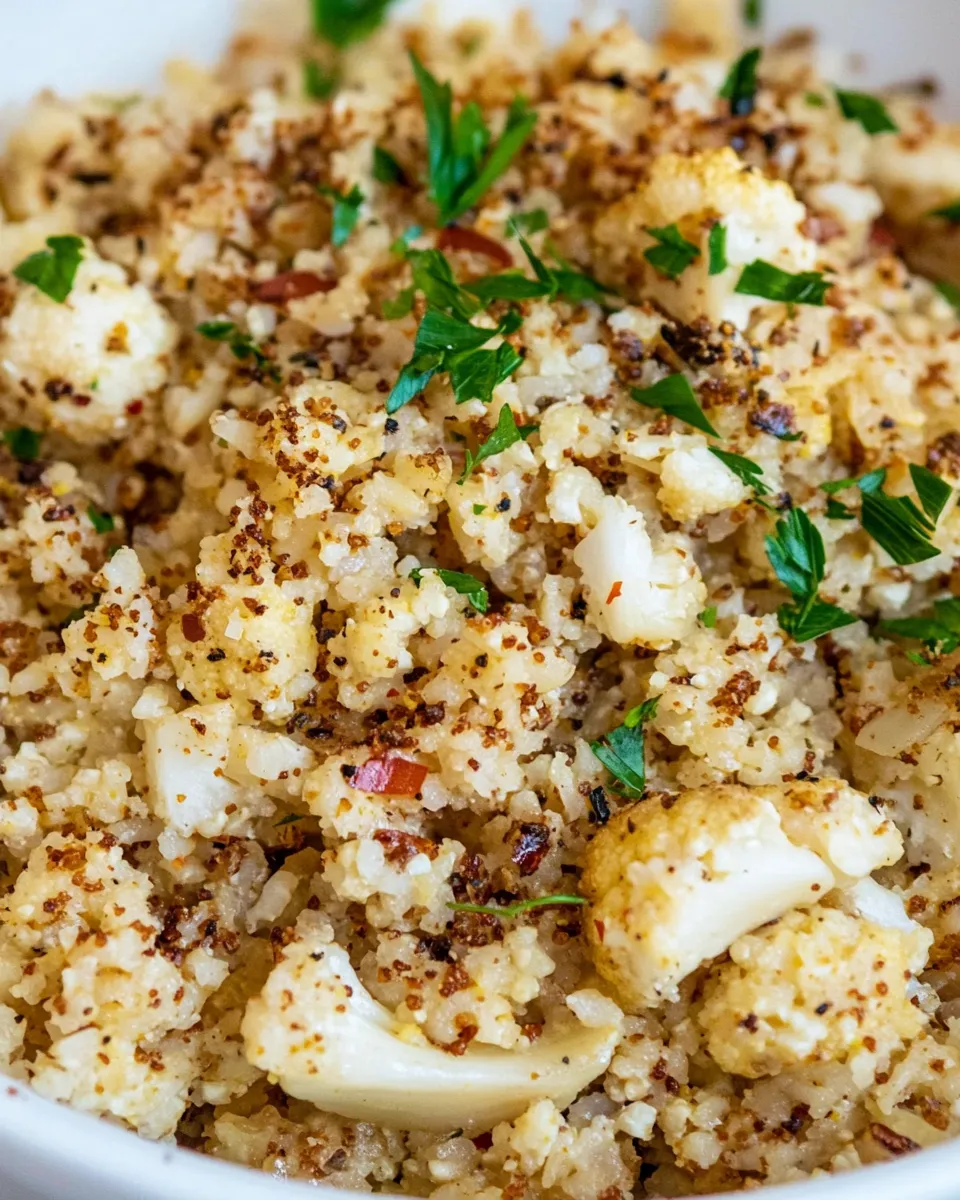
Spicy Cauliflower Rice
Equipment
- Large Skillet
- Bowl
Ingredients
Ingredients
- 3 T olive oil divided
- 2 small onions diced
- two 12 oz. pkg. frozen cauliflower rice see notes
- salt and fresh ground black pepper to taste
- generous amount of Sumac for seasoning or see notes above for other options
Instructions
Instructions
- Dice the 2 small onions.
- Heat 2 T olive oil in a large skillet over medium-high heat.
- Add the diced onions and cook, stirring occasionally, until nicely browned, about 10 minutes (adjust heat as needed to prevent burning).
- While the onions cook, break apart the frozen cauliflower rice (both 12 oz. packages) inside their bags or in a bowl so there are no large clumps.
- When the onions are browned, add the cauliflower rice and the remaining 1 T olive oil to the skillet. Season generously with salt and fresh ground black pepper to taste and increase heat to high.
- Cook, stirring or turning often, until the liquid has cooked off and the cauliflower is lightly browned and cooked to your liking, about 8–9 minutes.
- Remove from heat, sprinkle generously with Sumac, and serve hot.