I love a good dry rub for quick weeknight grilling or a lazy weekend smoker session. This Spicy Dry Rub Recipe is exactly the kind of blend I reach for when I want bold color, balanced heat, and a hint of sweetness that caramelizes on the outside of chicken, pork, or vegetables. It’s straightforward to mix, forgiving to apply, and keeps well so you can make a jar and reach for it all season.
This post is practical and hands-on: what to buy, how to mix it properly, useful swaps, and the little details that turn a decent rub into one you make again and again. No frills, just real tips from my kitchen that save time and avoid common mistakes.
If you like smoky, slightly sweet, and noticeably spicy, you’ll like this rub. It’s written so you can read it in the grocery aisle or follow the steps right at your counter. Let’s get to it.
What to Buy
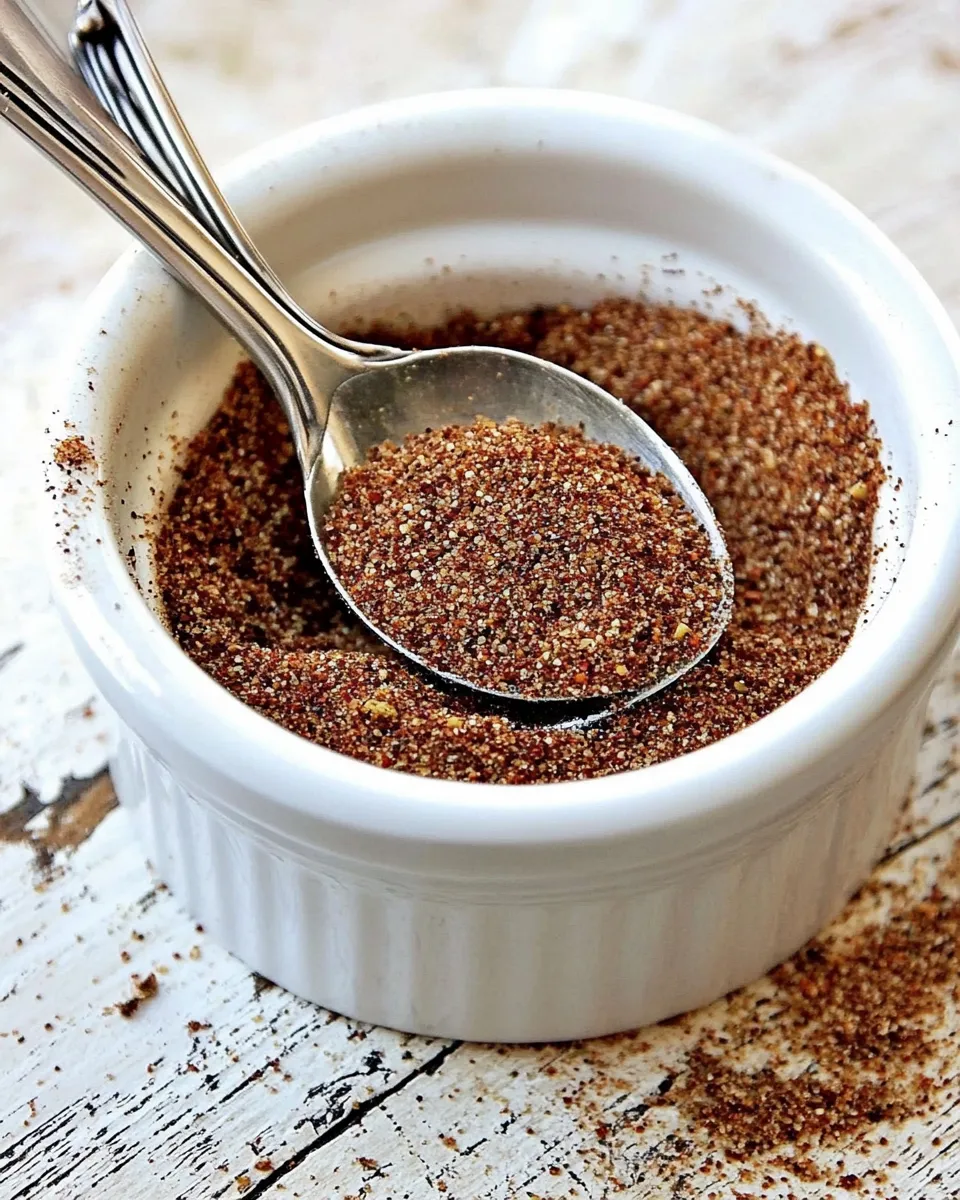
Buy fresh spices. The difference between a flat rub and a lively one is freshness; ground spices lose volatile oils quickly. If you can, pick smoked paprika in a sealed container and check the “best by” date on chili powder and cumin. Brown sugar should be packed in the bag or tin so it stays soft. Sea salt gives a cleaner finish than iodized salt for rubs, and coarse salt will take longer to dissolve — but the recipe calls for a tablespoon of sea salt, which I like for flavor balance.
Also grab an airtight jar or tin to store the rub. Keeping light and air out preserves both aroma and heat. If you want labels, write the mix name and date you made it — you’ll thank yourself later.
Ingredients
- 1/4 cup smoked paprika — provides smoky color and a mild, rounded pepper flavor.
- 2 teaspoons chili powder — builds heat and a layered chili flavor.
- 1 tablespoon ground cumin — adds warm, earthy warmth and depth.
- 1 pinch cayenne pepper — concentrated heat; adjust sparingly if you’re heat-sensitive.
- 3 tablespoons packed brown sugar — sweetens and helps form a sticky, caramelized crust.
- 2 tablespoons granulated sugar — boosts sweetness and aids browning without clumping like some brown sugars can.
- 1 tablespoon sea salt — seasons and balances; dissolves into proteins during resting.
- 1 tablespoon ground black pepper — sharp, aromatic bite to finish the blend.
Cook Spicy Dry Rub Recipe Like This
- Measure the following into a medium bowl: 1/4 cup smoked paprika, 2 teaspoons chili powder, 1 tablespoon ground cumin, 1 pinch cayenne pepper, 3 tablespoons packed brown sugar, 2 tablespoons granulated sugar, 1 tablespoon sea salt, and 1 teaspoon ground black pepper.
- Use a whisk or spoon to stir the ingredients together until the color and texture are uniform. Press and rub any brown sugar clumps against the side of the bowl with the back of the spoon or a fork to break them up.
- Continue mixing for 30–60 seconds, checking for any remaining lumps and ensuring the spices are evenly distributed.
- Transfer the rub to an airtight spice jar or tin, wipe the rim clean, and seal tightly.
- Store the sealed jar in a cool, dry place away from direct sunlight.
The Upside of Spicy Dry Rub Recipe
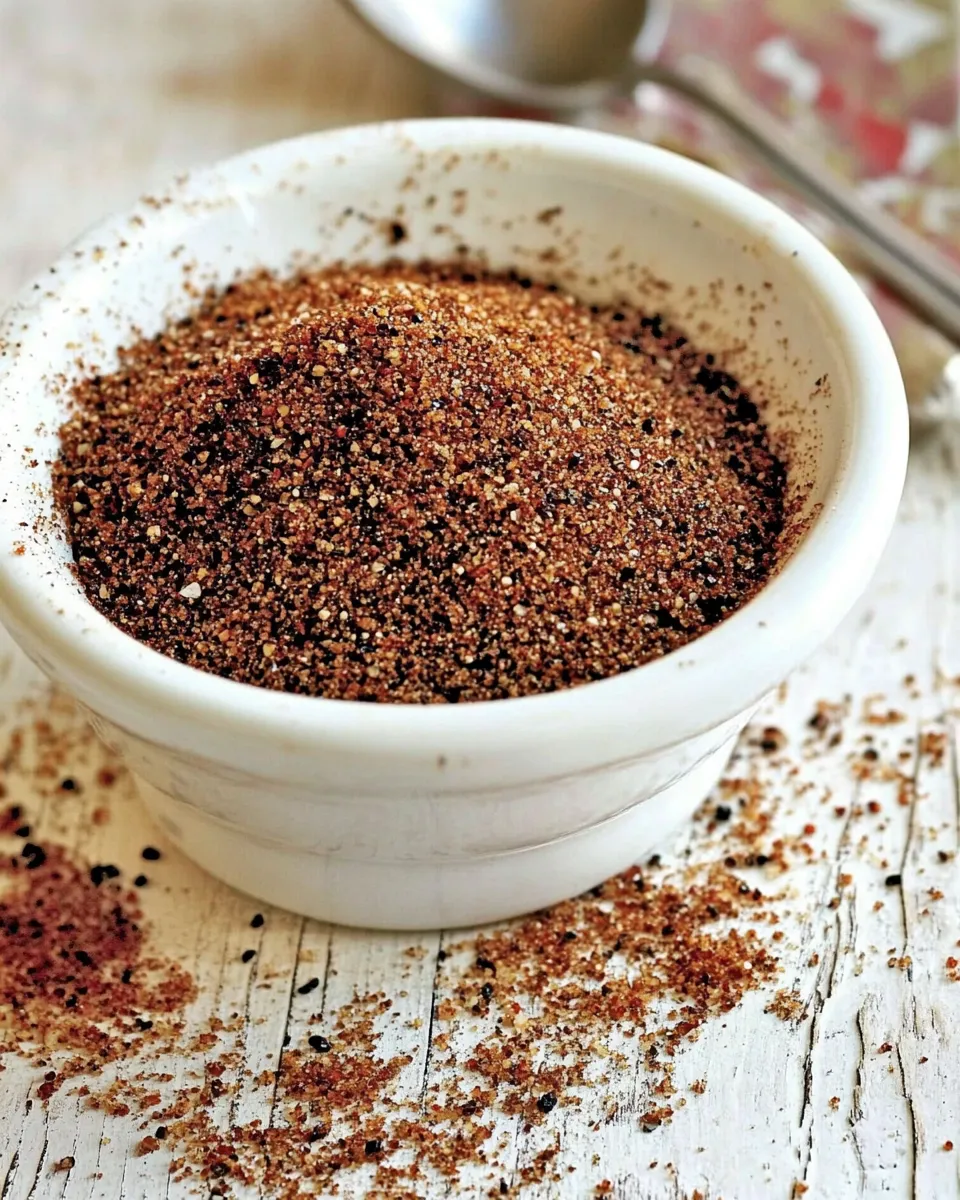
This rub is fast to make and applies to almost anything that benefits from a crunchy exterior and layered flavor. The smoked paprika gives the impression of grill smoke even when you’re using a skillet or oven. Brown sugar and granulated sugar work together to encourage caramelization; the brown sugar keeps the crust sticky while the granulated sugar helps with even browning. The cumin and chili powder create savory depth so the rub isn’t one-note hot. You get color, crunch, and a balanced heat profile within minutes.
Because the blend stores well, you can batch-make a jar and save time on future cooks. It’s a great pantry staple when you want to transform plain chicken thighs, pork chops, roasted sweet potatoes, or tofu with minimal effort.
Ingredient Swaps & Substitutions
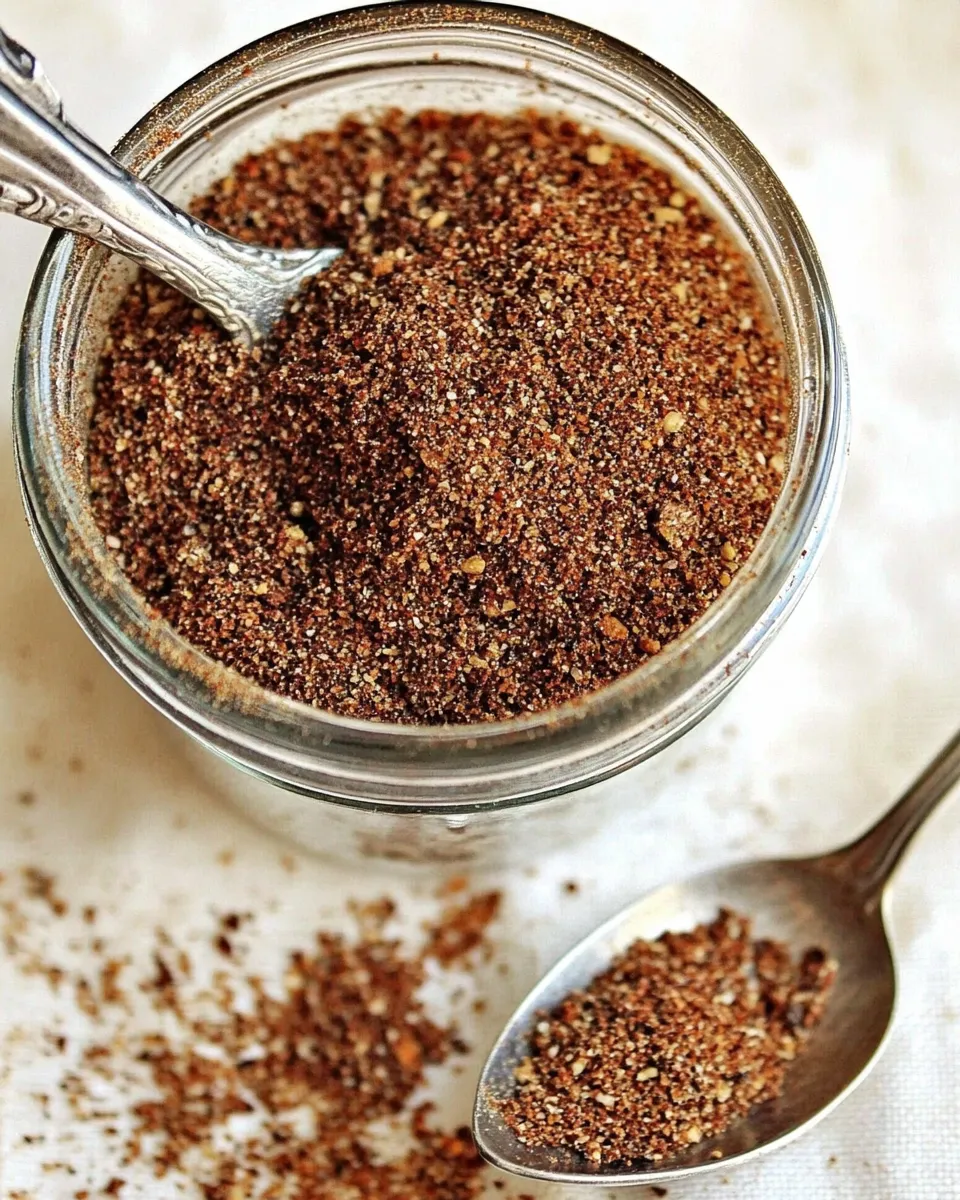
Not every pantry is identical. Here are safe swaps when you’re missing something:
- If you don’t have smoked paprika, a mix of regular sweet paprika plus a small pinch of smoked or liquid smoke can work; expect a slightly different profile.
- If chili powder runs out, use extra cumin plus a tiny bit more paprika for a similar warm tone, though the chili tang will be milder.
- Cumin is integral to the rub’s earthiness; if you absolutely must skip it, add a touch more black pepper and a whisper of coriander if you have it, but expect a less robust base.
- For brown sugar: packed brown sugar brings moisture and molasses notes. If you prefer less sweetness, reduce it by a tablespoon or swap for coconut sugar for a deeper caramel flavor (note: coconut sugar will change color).
- Sea salt can be swapped with kosher salt, but use a little more when switching from table sea salt to kosher since crystal sizes vary. When in doubt, taste as you go with small test batches.
Toolbox for This Recipe
You don’t need fancy gear. Here’s what I use and recommend:
- A medium mixing bowl — roomy enough to whisk without spilling.
- A whisk or sturdy spoon — for even blending and breaking sugar clumps.
- A small sieve or fork — handy if brown sugar packs up; press clumps against the bowl’s side.
- An airtight jar or tin — keeps the rub fresh and prevents moisture from creeping in.
- A label or Sharpie — date the jar so you know when you mixed it.
Slip-Ups to Skip
Common mistakes are easy to avoid:
- Don’t store the rub near the stove or any heat source. Heat degrades volatile oils in spices quickly.
- Don’t leave the jar open for long when you’re done — moisture will clump sugars and salt.
- Don’t overdo the cayenne. One pinch adds lift; a teaspoon would overpower everything. Start conservative — you can always add more to a single batch on the fly.
- Don’t skip mixing long enough. Uneven distribution of salt or sugar will create pockets of salty or overly sweet bites.
Health-Conscious Tweaks
You can easily adjust this rub to fit dietary goals:
- Reduce the sugars: cut the brown sugar and granulated sugar by half for less caramelization and less added sugar on your finished dish.
- Lower the sodium: halve the sea salt and finish the cooked protein with a finishing sprinkle of salt if needed — this keeps overall intake down while preserving flavor control.
- For lower spice: omit the pinch of cayenne and reduce chili powder to 1 teaspoon for a milder profile.
- To keep it whole-foods oriented: use organic brown sugar or unrefined sugar options, but know that different sugars behave slightly differently when browning.
Little Things that Matter
Small details elevate the rub from good to great. Always wipe the rim of your jar before sealing — leftover sugar or spice on the rim invites moisture and stickiness. Store the jar in a dark cabinet, not above the stove. When applying the rub, pat the meat dry first; the rub sticks and forms a better crust on dry surfaces. If you need the rub to stick better, very lightly oil the protein before applying the rub — a neutral oil or a thin smear of mustard works well and won’t interfere with flavor.
When using on vegetables, consider tossing the veg with a teaspoon of oil first so the rub adheres and the sugars can caramelize without burning or falling off during cooking.
Save It for Later
Proper storage matters for shelf life and flavor. This rub will stay fragrant for at least 3–4 months if kept in an airtight jar in a cool, dark place. After that, flavors gradually fade though it’s still safe to use. Avoid the fridge; humidity will clump the sugars and salt.
Label the jar with the date you mixed it. If you notice the rub smells flat or stale, it’s time to make a fresh batch. For longer-term storage, you can split the blend into small jars for gifts or to reduce how often you open the main jar.
Frequently Asked Questions
How much rub should I use per pound of meat?
A good rule of thumb is 1–2 tablespoons per pound for a full, visible crust. For lighter seasoning or delicate proteins, use 1/2–1 tablespoon per pound.
Can I use this rub on fish?
Yes, but be lighter-handed—fish is delicate. Use less rub and apply it shortly before cooking to avoid overpowering the fish’s natural flavors.
Will the sugar burn on a hot grill?
Sugar can darken quickly at high heat. If you grill directly over a very hot flame, sear briefly then move to indirect heat to finish. Alternatively, use a lower direct heat or a two-zone fire to prevent burning while still achieving caramelization.
Can I double the recipe?
Yes. Multiply the ingredients proportionally, mix well in a larger bowl, and store in an appropriately sized airtight container.
Bring It to the Table
Use this rub liberally on chicken thighs, pork shoulder, ribs, or a robust vegetable like sweet potatoes or cauliflower. For chicken, rub under and over the skin where possible and let rest refrigerated for 30 minutes to an hour for deeper flavor; for thicker cuts or pork, you can let it sit overnight wrapped in plastic. When cooking, look for a deep mahogany crust — that’s the sugars and spices doing their job.
Serve simply. This rub pairs with tangy sauces like a bright vinegar-based slaw, or with a cooling yogurt dip to temper the heat. For sides, I like grilled corn, roasted potatoes, or a crisp green salad to cut through the richness. Leftovers with this rub reheat well and maintain flavor, so make enough to enjoy throughout the week.
Practical, bold, and dependable — that’s the promise of this Spicy Dry Rub Recipe. Make a jar, note the date, and keep it easy: it’s one of those simple staples that frees you to focus on cooking, not fussing. Happy cooking.
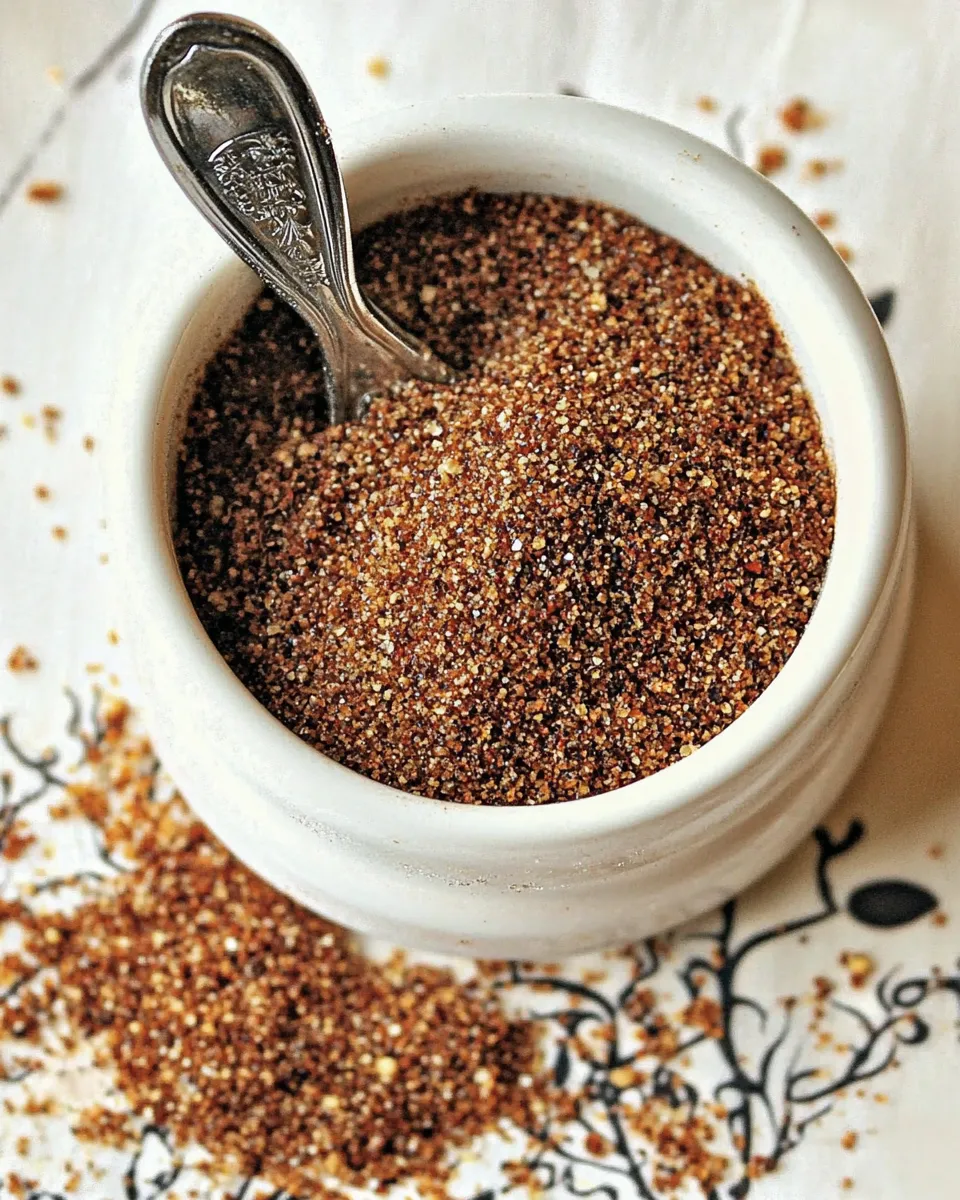
Spicy Dry Rub Recipe
Equipment
- Medium Bowl
- Whisk
- Spoon
- Fork
- airtight spice jar or tin
Ingredients
Ingredients
- 1/4 cupsmoked paprika
- 2 teaspoonschili powder
- 1 tablespoonground cumin
- 1 pinchcayenne pepper
- 3 tablespoonspacked brown sugar
- 2 tablespoonsgranulated sugar
- 1 tablespoonsea salt
- 1 tablespoonground black pepper
Instructions
Instructions
- Measure the following into a medium bowl: 1/4 cup smoked paprika, 2 teaspoons chili powder, 1 tablespoon ground cumin, 1 pinch cayenne pepper, 3 tablespoons packed brown sugar, 2 tablespoons granulated sugar, 1 tablespoon sea salt, and 1 teaspoon ground black pepper.
- Use a whisk or spoon to stir the ingredients together until the color and texture are uniform. Press and rub any brown sugar clumps against the side of the bowl with the back of the spoon or a fork to break them up.
- Continue mixing for 30–60 seconds, checking for any remaining lumps and ensuring the spices are evenly distributed.
- Transfer the rub to an airtight spice jar or tin, wipe the rim clean, and seal tightly.
- Store the sealed jar in a cool, dry place away from direct sunlight.
Notes
Nutrition information for 1 tablespoon.