This is one of those weeknight meals I turn to when I want something comforting that doesn’t demand much thought. It comes together fast, uses pantry-friendly cans and staples, and finishes with a creamy, bright tomato sauce that clings to every noodle. No long simmering, no complicated steps—just straightforward technique and dependable results.
I test recipes so you don’t have to. Over several trials I focused on timing, sauce texture, and seasoning so you can get a rich sauce without babysitting a pot all night. The payoff is a silky, tomato-forward dish that feels indulgent but is honest and simple to make.
Below you’ll find the exact ingredients, step-by-step directions, troubleshooting tips, swap ideas for dietary needs, and how I tested and refined the recipe. Read the quick notes, follow the steps, and dinner will be on the table in about 20–25 minutes.
Gather These Ingredients
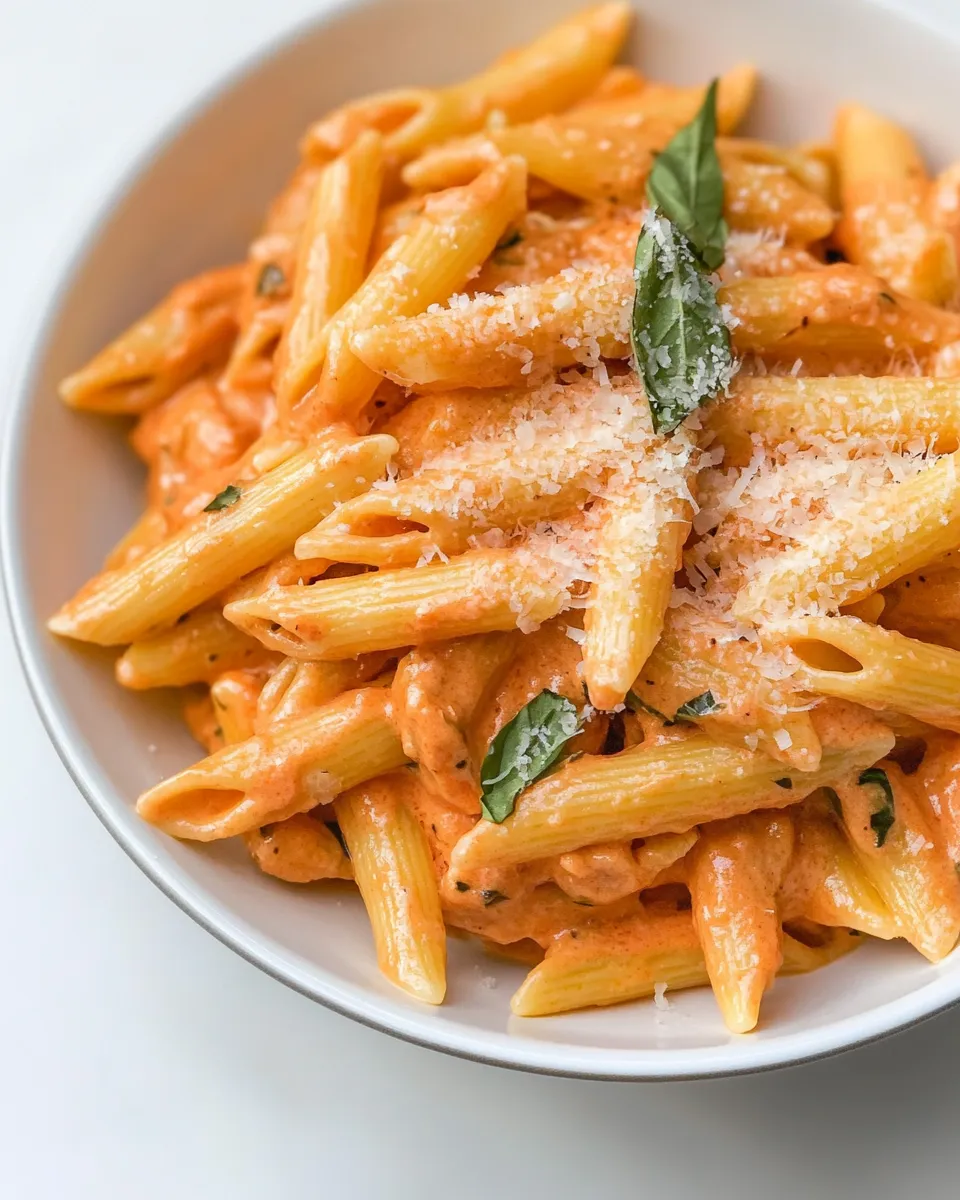
- 8 ounces uncooked pasta — the starch that carries the sauce; any short pasta like penne, rigatoni, or fusilli works well.
- 2 tablespoons butter — for sautéing the garlic and adding creamy flavor to the sauce.
- 2-3 cloves garlic, minced — aromatics; adjust the amount if you love garlic or prefer a milder flavor.
- 2 tablespoons tomato paste — concentrates tomato flavor and adds depth quickly.
- 1 (14 ounce) can tomato sauce — the base of the sauce; smooth and simple so the cream blends easily.
- 3/4 cup heavy/whipping cream — gives the sauce its silky, creamy texture and balances acidity.
- 1/4 teaspoon Italian seasoning — a quick herb mix for background flavor; you can increase slightly if you like more herbs.
- Salt & pepper to taste — essential for bringing out flavors; salt the pasta water and adjust seasoning at the end.
- Freshly grated Parmesan cheese for serving, to taste — finishing touch that adds savory umami and a slightly nutty note.
Directions: Creamy Tomato Pasta
- Bring a large pot of salted water to a boil. Add 8 ounces pasta and cook according to package directions until al dente.
- While the pasta cooks, heat a skillet over medium heat and add 2 tablespoons butter. When the butter has melted, add 2–3 cloves minced garlic and sauté, stirring constantly, for about 30 seconds to 1 minute, until fragrant.
- Add 2 tablespoons tomato paste to the skillet and cook, stirring, for 1–2 minutes to deepen the flavor.
- Pour in the 14-ounce can tomato sauce, add 3/4 cup heavy/whipping cream and 1/4 teaspoon Italian seasoning. Stir until smooth, bring to a gentle simmer, and cook about 4–5 minutes, stirring occasionally, until the sauce thickens slightly. Reduce heat if it starts to bubble vigorously.
- Taste the sauce and season with salt and pepper to taste.
- When the pasta is done, reserve about 1/2 cup of the hot pasta cooking water, then drain the pasta.
- Add the drained pasta to the skillet with the sauce (or return the sauce to the pot) and toss to combine. Add a splash or two of the reserved pasta water as needed to loosen the sauce and achieve the desired consistency.
- Serve immediately topped with freshly grated Parmesan cheese to taste.
Why This Recipe Is Reliable
There are three reasons this version of Creamy Tomato Pasta works every time: simple ingredients, clear technique, and a built-in fix for texture. The ingredient list is short and common; there’s nothing fussy. Tomato paste and canned tomato sauce supply concentrated tomato flavor without long cooking. Heavy cream smooths acidity immediately and gives the sauce body without requiring reduction for half an hour.
The method focuses on timing—garlic only until fragrant, tomato paste cooked briefly to remove raw edges, then a short simmer to marry flavors. The pasta water step is the key safety net: a splash loosens the sauce while the starch helps it adhere to the pasta, preventing a dry or overly thick final dish.
Finally, seasoning is done at the end so you can taste against the finished dish. That prevents under- or over-salting as the sauce reduces slightly during the brief simmer.
What to Use Instead
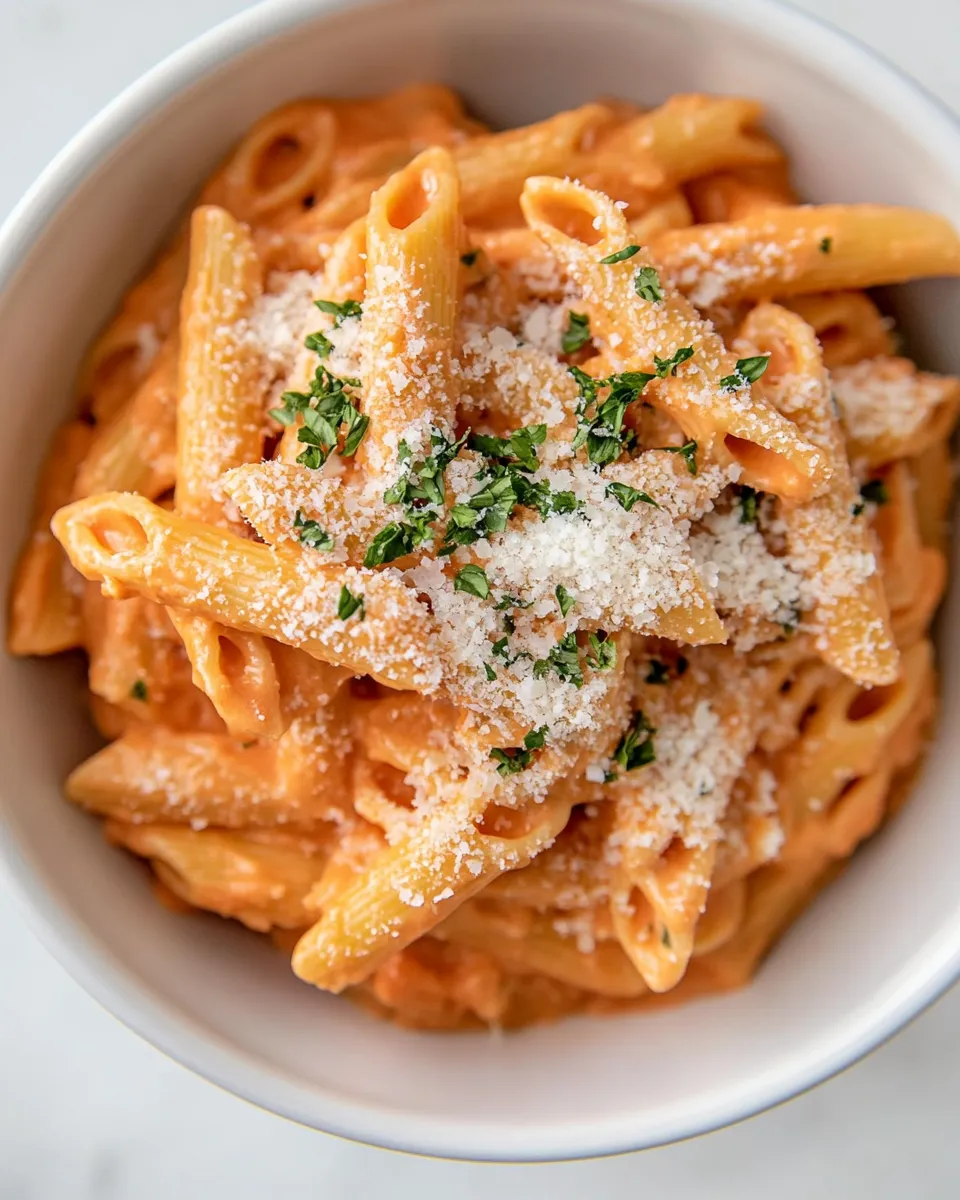
Substitutions I recommend depend on the reason you’re swapping. For shape, any medium-short pasta like penne, farfalle, or ziti will perform similarly—the sauce clings well to ridged shapes. If you don’t have tomato paste, a little extra tomato sauce plus a small spoon of tomato concentrate (if available) can help, but the flavor won’t be as intense.
If you want less butter, use 1 tablespoon oil plus 1 tablespoon butter, or skip the butter and sauté garlic in olive oil. For the cream element, see the Dietary Customizations section for dairy-free and lighter options.
Prep & Cook Tools
- Large pot — for boiling the pasta.
- Skillet or sauté pan (medium-large) — wide surface helps the sauce reduce a bit and makes tossing easier.
- Wooden spoon or spatula — for stirring the sauce without scratching pans.
- Colander — to drain the pasta.
- Measuring spoons and cup — for consistent results with butter, cream, and seasonings.
- Box grater — for freshly grated Parmesan, which melts and tastes better than pre-grated.
- Tongs — handy for transferring and tossing pasta with the sauce.
Troubles You Can Avoid
Here are common issues and the simple fixes I relied on while testing:
Burnt garlic
Garlic cooks fast. If it browns before you add tomato paste, the flavor turns bitter. Keep the heat at medium and stir constantly; remove pan from heat briefly if the butter is foaming too much.
Sauce too thin
If the sauce feels watery after adding cream and sauce, simmer gently a minute or two longer to reduce. You can also add a bit more tomato paste (a teaspoon at a time) to help thicken and boost tomato flavor.
Sauce too thick
Add reserved pasta water a splash at a time. The starchy water both thins and helps the sauce cling—don’t skip reserving it.
Curdled or split sauce
High heat + cream can separate. Keep the simmer gentle and remove from direct high heat if the sauce begins to bubble fiercely. Stir consistently while warming the cream into the tomato base.
Underseasoned results
Taste and adjust at the end. The final flavor depends on the salt in your pasta water and your specific can of tomato sauce, which can vary. Don’t rely only on the salt added to the boiling water.
Dietary Customizations
Want to adapt Creamy Tomato Pasta for dietary needs? Here are tested options that keep the spirit of the dish:
- Lower-fat version — swap the heavy cream for half-and-half or a 1:1 mix of milk and Greek yogurt tempered into the sauce off heat (stir a small amount of hot sauce into the yogurt first to avoid curdling).
- Dairy-free / Vegan — use a plant-based cream (oat cream or full-fat coconut cream for richness). Replace butter with olive oil. Finish with nutritional yeast in place of Parmesan for a cheesy note.
- Gluten-free — use a trusted gluten-free pasta cooked to al dente per package directions; reserve cooking water the same way to adjust the sauce.
- Add protein — toss in cooked shredded rotisserie chicken, sautéed shrimp, or browned Italian sausage for a heartier meal; add cooked protein to the sauce in the final toss so it warms through.
What I Learned Testing
When I first tested this, the big lessons were about balance and timing. Tomato paste needs that brief cook time to lose rawness and develop a caramelized edge. Skipping that step leaves the sauce flatter. Also, the amount of cream is enough to soften the tomatoes without masking them; overdoing the cream makes the dish bland and heavy.
I also learned to always reserve pasta water. It’s a small step that completely changes the texture: from clumpy and dry to cohesive and silky. Lastly, fresh Parmesan at the end is not optional for me—its salt and umami sharpen the final bite.
Storing Tips & Timelines
Store leftovers in an airtight container in the refrigerator for up to 3–4 days. The sauce will thicken in the fridge; loosen with a splash of water, milk, or reserved pasta water when reheating.
To reheat, warm gently on the stovetop over low heat, stirring and adding liquid as needed. Microwaving works for a quick single portion—heat in short bursts, stirring between intervals.
Freezing is possible but not ideal because the cream can change texture. If you want to freeze, omit the cream during initial cooking, cool and freeze the sauced pasta, and add fresh cream when reheating.
Reader Q&A
- Can I use crushed tomatoes instead of tomato sauce? Yes. Use crushed tomatoes for more texture; taste and adjust seasoning and simmer a little longer if they seem watery.
- Can I make this spicy? Absolutely. Add red pepper flakes with the garlic or a pinch of cayenne to the sauce when you add the tomato sauce.
- What pasta shape is best? Any short, ridged pasta holds the sauce nicely—penne, rigatoni, and fusilli are all great choices.
- Is the cream necessary? The cream gives the signature silky texture and balances acidity. For a lighter version, try half-and-half or a milk+Greek yogurt tempering trick as described above.
- Can I double the recipe? Yes. Use a wider skillet or a shallow saucepan for the sauce so it can simmer briefly without crowding; increase seasoning proportionally and taste as you go.
Hungry for More?
If you loved how fast and satisfying this Creamy Tomato Pasta is, try adding quick extras next time: a handful of baby spinach stirred in at the end, a scoop of pesto for herbal lift, or a sprinkle of toasted breadcrumbs for crunch. Keep experimenting with the simple base—this is a recipe that rewards small, confident tweaks.
Make it once, note what worked for your palate, then use that as your blueprint. Simple recipes like this one are designed to be reminders: good food doesn’t need to be complicated. It just needs the right steps done well.
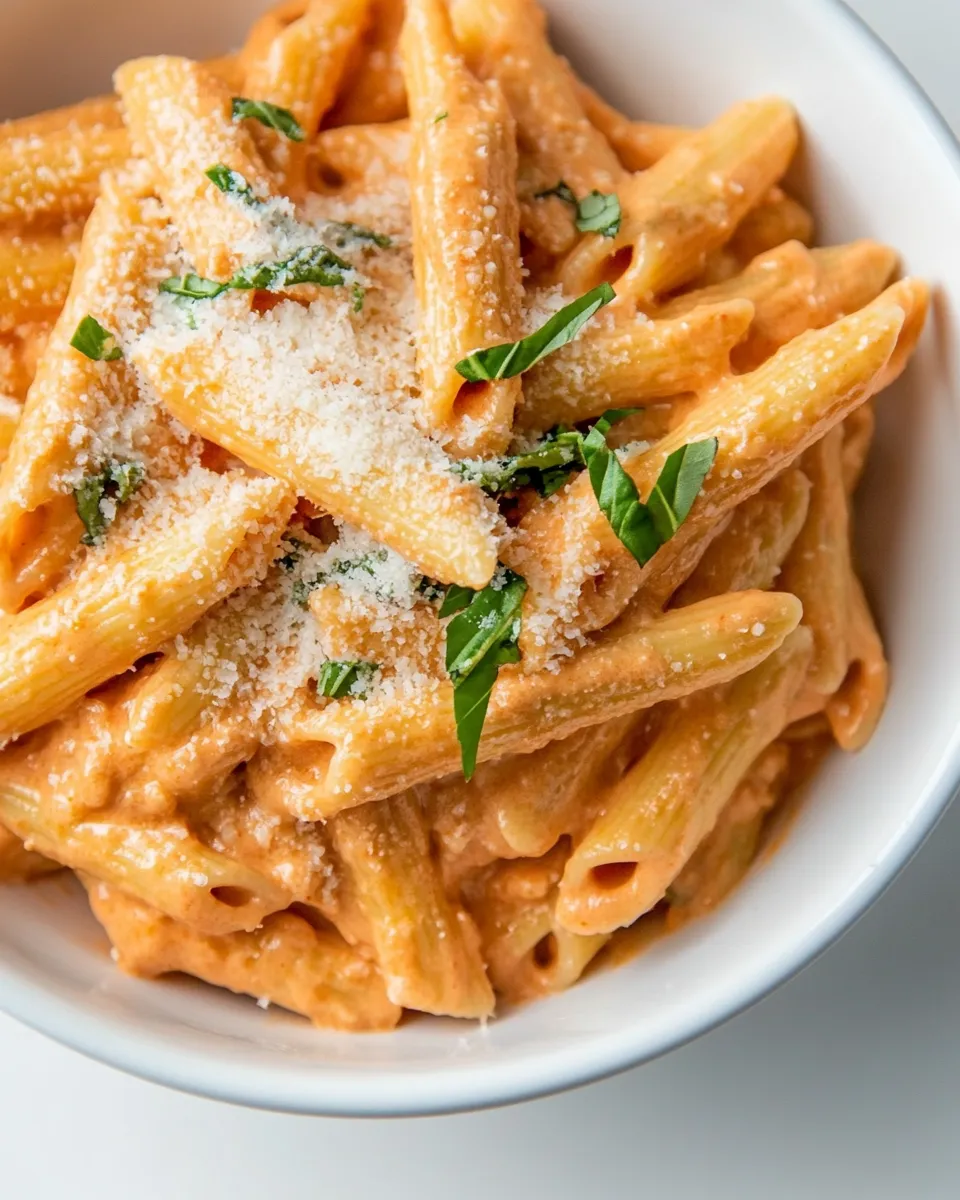
Super Easy Creamy Tomato Pasta
Equipment
- Large Pot
- Skillet
- Colander
Ingredients
Ingredients
- 8 ouncesuncooked pasta
- 2 tablespoonsbutter
- 2-3 clovesgarlicminced
- 2 tablespoonstomato paste
- 1 14 ounce cantomato sauce
- 3/4 cupheavy/whipping cream
- 1/4 teaspoonItalian seasoning
- Salt & pepper to taste
- Freshly grated parmesan cheesefor serving to taste
Instructions
Instructions
- Bring a large pot of salted water to a boil. Add 8 ounces pasta and cook according to package directions until al dente.
- While the pasta cooks, heat a skillet over medium heat and add 2 tablespoons butter. When the butter has melted, add 2–3 cloves minced garlic and sauté, stirring constantly, for about 30 seconds to 1 minute, until fragrant.
- Add 2 tablespoons tomato paste to the skillet and cook, stirring, for 1–2 minutes to deepen the flavor.
- Pour in the 14-ounce can tomato sauce, add 3/4 cup heavy/whipping cream and 1/4 teaspoon Italian seasoning. Stir until smooth, bring to a gentle simmer, and cook about 4–5 minutes, stirring occasionally, until the sauce thickens slightly. Reduce heat if it starts to bubble vigorously.
- Taste the sauce and season with salt and pepper to taste.
- When the pasta is done, reserve about 1/2 cup of the hot pasta cooking water, then drain the pasta.
- Add the drained pasta to the skillet with the sauce (or return the sauce to the pot) and toss to combine. Add a splash or two of the reserved pasta water as needed to loosen the sauce and achieve the desired consistency.
- Serve immediately topped with freshly grated Parmesan cheese to taste.
Notes
This recipe can also be found in theSalt & Lavender: Everyday Essentialshardcovercookbook.