I make whipped cottage cheese at least once a week. It’s clever in its simplicity: two ingredients, a few seconds of blending, and you have a versatile, creamy base that brightens breakfasts, snacks, and even light dinners. No fuss. No special skills. Just a good cottage cheese and a touch of honey if you want sweetness.
This version is straightforward because it should be. You’ll get a smooth, spreadable texture that’s miles away from the lumpy spoonfuls you might be used to. It collapses the line between yogurt, ricotta, and a mild dessert. Use it as a dip, a spread, or a topping — and it keeps well in the fridge for a few days.
Below I’ll walk through what matters with the ingredients, the exact method (followed as written), small troubleshooting tips, and ways to adapt it to your cupboard. Practical advice, no fluff. Let’s get that blender out.
Ingredient Notes
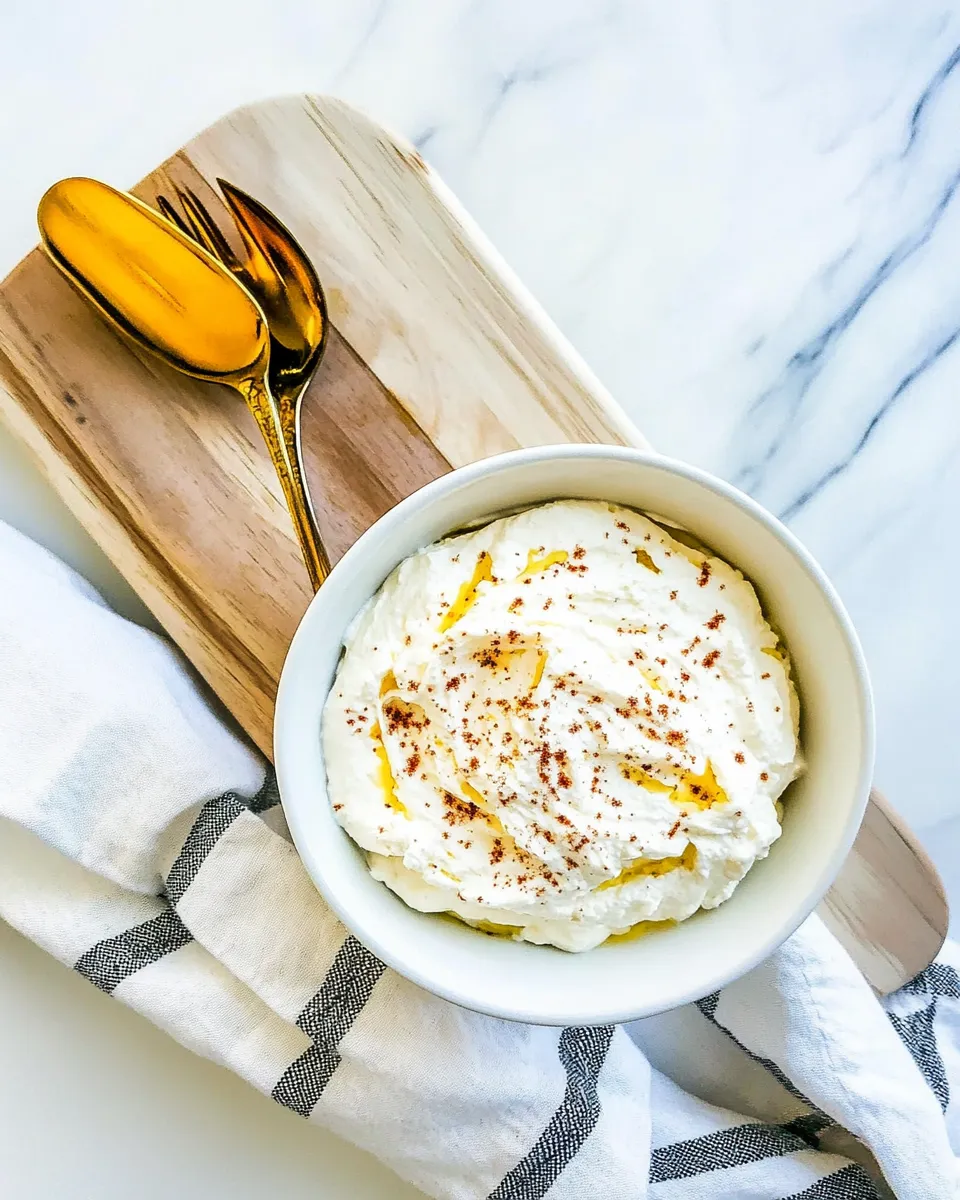
Start with your cottage cheese. Texture and moisture content change the final result. Full-fat will deliver a richer, silkier finish. Low-fat versions blend up fine too but can read a touch thinner. If your cottage cheese is very wet, the whipped result will be lighter and more spreadable; if it’s drier, you’ll get a denser spread.
Honey plays two roles here: it rounds flavor and helps the whipped mix come together with a glossy finish. If you want a neutral, savory spread, you can omit the honey — the method still gives you a luxuriously smooth base. Temperature matters as well: room-temperature cottage cheese blends more uniformly and reduces splattering in the blender.
Ingredients
- 250 grams cottage cheese — the base; choose full-fat for richness or low-fat for a lighter finish.
- 2 Tablespoons honey — adds sweetness and sheen; omit or reduce for savory uses.
The Method for Whipped Cottage Cheese
- Place 250 grams cottage cheese into a food processor or blender and secure the lid.
- Blend on medium-high for 30 seconds to 1 minute, stopping if needed to check texture.
- Remove the lid and use a spatula to scrape down the sides and bring any remaining curds to the center.
- Add 2 Tablespoons honey, replace the lid, and blend until the honey is fully combined and the mixture is smooth (about 10–30 seconds).
- Transfer the whipped cottage cheese to a bowl and enjoy.
That’s the exact sequence that works reliably. If you stop and check between steps, you’ll learn how your particular cottage cheese behaves: some brands require the full minute, others only 30 seconds. After the final blend, taste and adjust. If it’s too tart, add a little more honey in 1/2 teaspoon increments. If it’s too thick, stir in a teaspoon of milk or water and re-blend briefly.
Why This Recipe is a Keeper
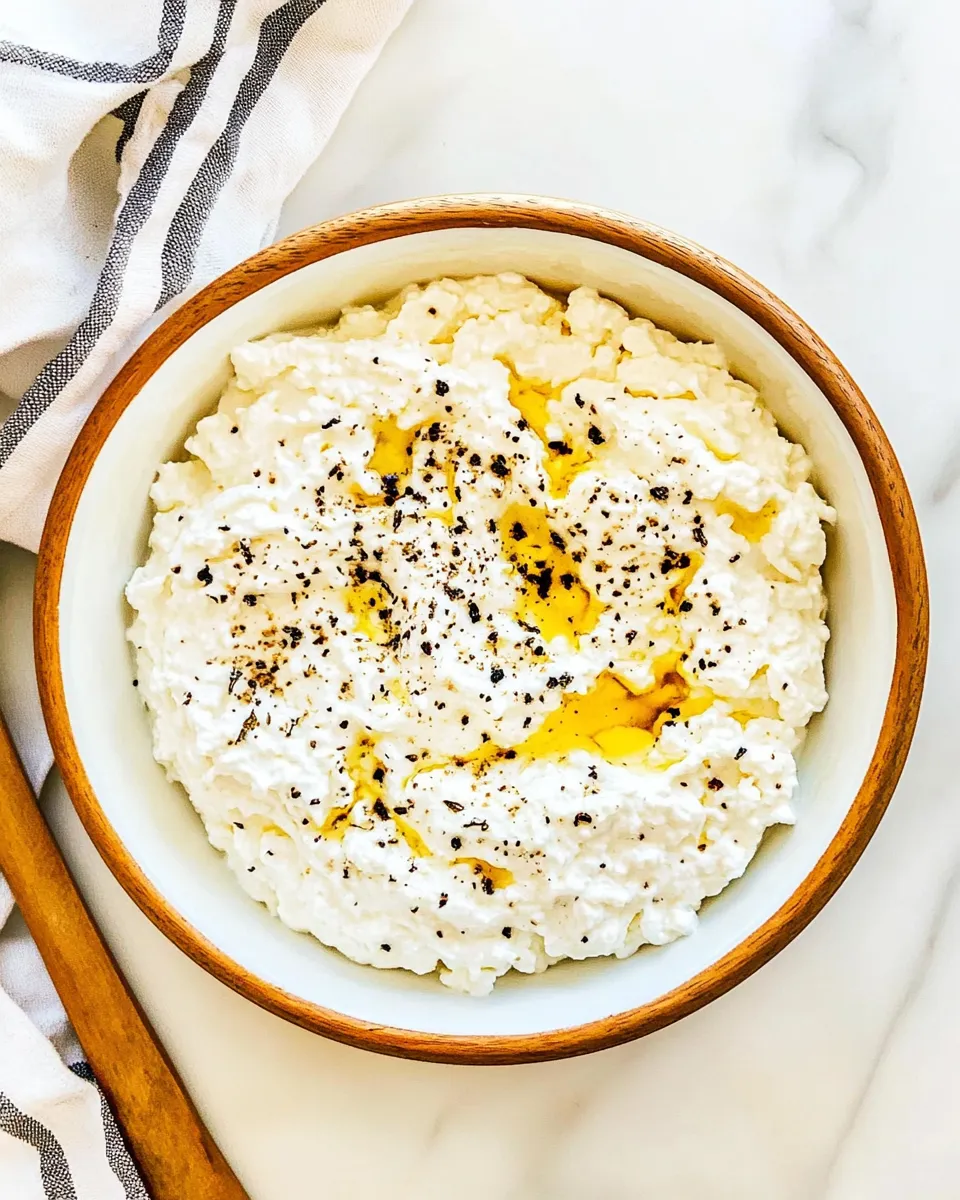
It’s fast. From fridge to bowl in under five minutes. That alone makes it a staple for busy mornings and last-minute entertaining. The texture is what converts people: the blender turns curds into something silky and luxe without the churn of making fresh cheese. You get the nutrition and tang of cottage cheese with a smooth mouthfeel that spreads like cream cheese.
It’s also wildly versatile. Sweetened with honey, it’s a breakfast topper for toast, pancakes, or fruit. Left unsweetened, it transforms into a savory dip with herbs, smoked paprika, or lemon. It’s protein-rich and plays well with both sweet and savory flavors, which makes it useful across meals and snacks.
Healthier Substitutions

Want to keep the protein and cut sugar or fat? Small swaps make a difference without losing what you love about this recipe.
- Lower the honey to 1 teaspoon for less added sugar, or skip it entirely for a neutral base you can season with herbs or spices.
- Use a low-fat cottage cheese to reduce calories. Expect a slightly less creamy mouthfeel but still very good when whipped.
- For lactose sensitivity, look for lactose-free cottage cheese varieties; they blend the same way and keep the protein punch.
- For keto-style needs, replace honey with a monk fruit or erythritol syrup sparingly. Keep an eye on taste because levels differ from sugar-based sweeteners.
Prep & Cook Tools
- Food processor or blender — either works; a high-speed blender gets the smoothest cream.
- Rubber spatula — essential for scraping down sides between blends.
- Measuring spoons — for the 2 Tablespoons honey and tiny adjustments.
- Mixing bowl — to transfer and serve; a shallow bowl cools and sets the texture well.
- Optional: fine-mesh strainer — if your cottage cheese is very wet and you want a denser result, drain briefly before blending.
Avoid These Traps
Over-blending can warm the cottage cheese and make the texture gummy. Stop and check at the lower end of the time window (30 seconds) and only extend if needed. Under-blending leaves obvious curds. If you see larger lumps, scrape the sides and run the blender again for a few seconds.
Adding too much honey at once will make the mixture overly sweet and sticky. Add the honey after an initial blend and incorporate slowly. Finally, blending a very cold, refrigerator-hard block of cottage cheese can create splatter and strain your blender. Let it sit for 5–10 minutes at room temperature if it’s stone cold.
Adaptations for Special Diets
With minimal tweaks, this recipe can suit a variety of dietary needs.
- Vegetarian: This recipe is naturally vegetarian-friendly when using standard cottage cheese.
- Low-sugar: Reduce or omit the honey. Use fresh berries or a sprinkle of cinnamon for perception of sweetness without added sugar.
- Lactose-free: Use lactose-free cottage cheese if you’re sensitive to lactose; the texture and flavor are similar once whipped.
- Gluten-free: The recipe is inherently gluten-free. Use gluten-free crackers or toast for serving.
- Vegan: Traditional cottage cheese isn’t vegan. For a plant-based analogue, use a silken tofu base or store-bought vegan cottage-cheese alternative, then blend with maple syrup or agave to taste. Note: texture and flavor will differ from dairy cottage cheese.
Cook’s Notes
Timing is flexible. The initial blend creates a smoother base and exposes flavor, so don’t rush step 2. If you have a powerful blender, 30 seconds may be enough; a food processor with a standard motor may need the full minute. After scraping and adding honey, short 10–30 second bursts usually do the job.
For savory uses, leave out the honey and add a pinch of fine sea salt, a squeeze of lemon juice, and a tablespoon of finely chopped herbs like chives or dill. For a sweeter, dessert-style spread, fold in a small handful of mashed fresh fruit or a sprinkle of vanilla extract after whipping.
Storage Pro Tips
Store whipped cottage cheese in an airtight container in the refrigerator. It keeps well for 3–4 days. Stir before serving; separation is natural and easily reincorporated with a quick stir or a brief re-blend.
Freezing isn’t recommended. The texture changes after thawing and becomes grainy or watery. If you must freeze, do so only in portioned containers and expect some separation on thaw. Thawed whipped cottage cheese is best used in cooked dishes or blended smoothies rather than as a fresh spread.
Popular Questions
- Can I use low-fat cottage cheese? Yes. It whips well but will be slightly less rich. If you want more creaminess, add a teaspoon of olive oil or a bit of full-fat yogurt.
- Is a blender better than a food processor? A high-speed blender yields the smoothest result, but a food processor works fine. The key is scraping the sides and checking texture.
- Can I add flavors? Absolutely. Stir in cinnamon, vanilla, or cocoa for sweets. For savory, mix in herbs, spices, or zest.
- How long does it take? Active time is under five minutes. Most of that is blending and a quick scrape down.
Let’s Eat
Serve this whipped cottage cheese on toasted sourdough with sliced peaches and a drizzle of extra honey for breakfast. Dollop it on roasted vegetables as a cooling contrast. Or spread it over warm pancakes instead of butter. It’s also lovely on a charcuterie board next to olives and roasted nuts — a fresh, tangy counterpoint.
Make a batch and keep it front-and-center in your fridge. It’s reliable, fast, and surprisingly transformative. If you try a variation you love, save the details — I’ll gladly swap ideas. Now whip some up and taste the difference a few seconds in a blender can make.
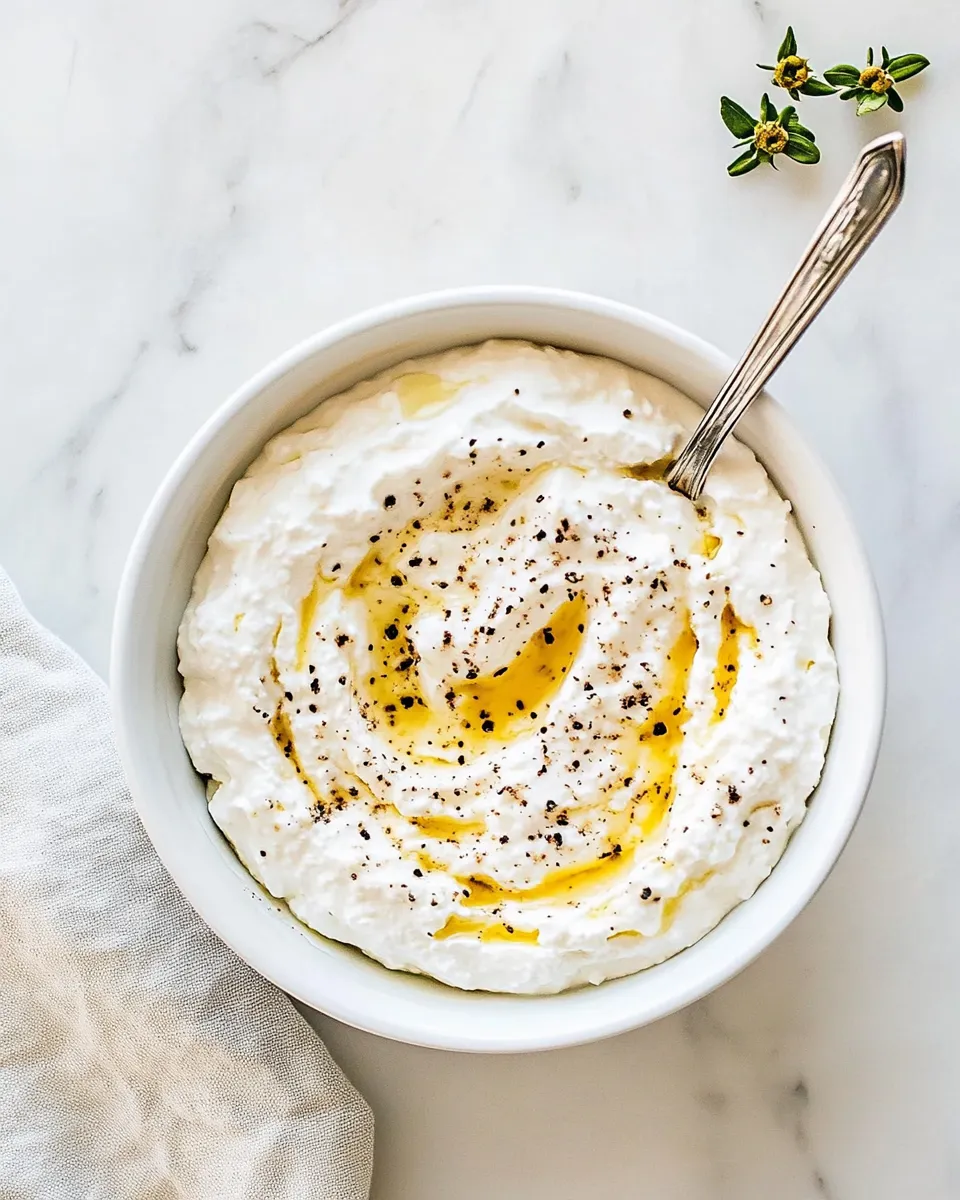
Whipped Cottage Cheese
Equipment
- Food processor or blender
- Spatula
- Bowl
Ingredients
Ingredients
- ?250 gramscottage cheese
- ?2 Tablespoonshoney
Instructions
Instructions
- Place 250 grams cottage cheese into a food processor or blender and secure the lid.
- Blend on medium-high for 30 seconds to 1 minute, stopping if needed to check texture.
- Remove the lid and use a spatula to scrape down the sides and bring any remaining curds to the center.
- Add 2 Tablespoons honey, replace the lid, and blend until the honey is fully combined and the mixture is smooth (about 10–30 seconds).
- Transfer the whipped cottage cheese to a bowl and enjoy.
Notes
You can also flavor your whipped cottage cheese with vanilla extract or cinnamon,
Make a dessert by layering it with berries. Raspberries, strawberries and blueberries all taste nice with it.
I will often top it with an extra drizzle of honey and some chopped nuts or a few chocolate chips to make it even more tempting for my kids.
Store your whipped cottage cheese dip in an airtight container in the fridge for up to four days.
When I make this I find my blender gives a smoother more velvety texture than my food processor, although the food processor is quicker.
Cottage cheese:I find full-fat cottage cheese makes a much more delicious dip. You could use ricotta, but because you blend the cheese you end up with a similar result, cottage cheese is higher in protein and more economical.
Honey*:Any sweetener will work, I have used both maple syrup and stevia in the post both to great success.