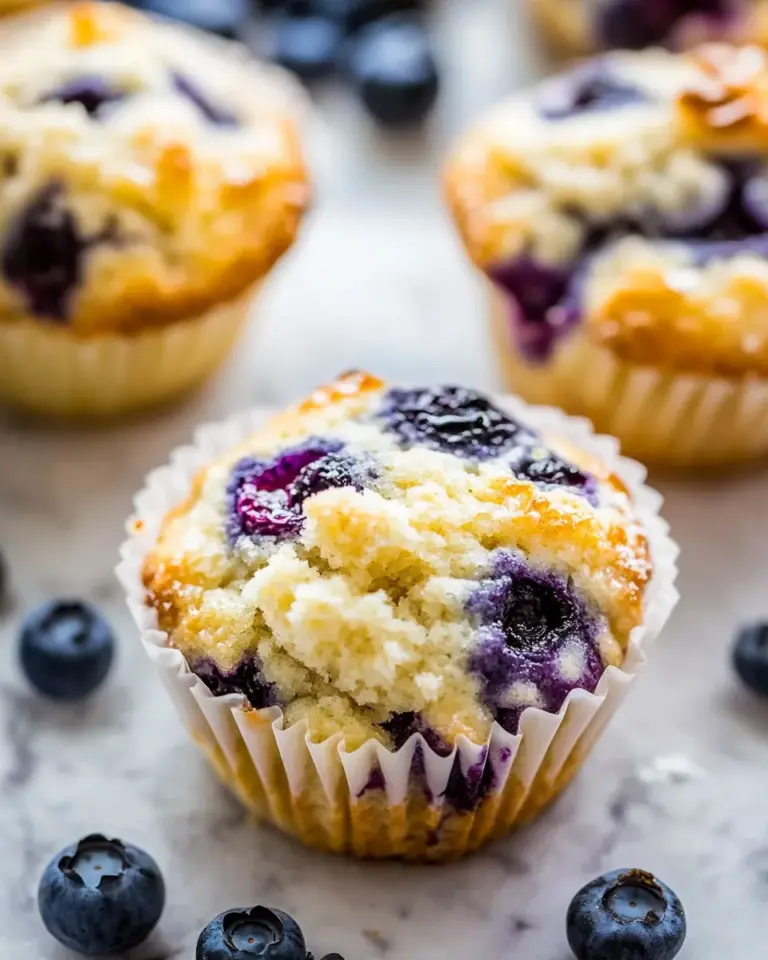
I make banana bread so often that my kitchen always smells faintly of caramelized fruit and butter. It’s the kind of recipe that fits a hurried morning, a lazy afternoon, or a last-minute bake sale contribution. This version is straightforward, forgiving, and built on techniques that keep the crumb tender without being gummy.
The steps below are practical and exact — measure where it matters, mix where it should be gentle, and give it the minute or two it needs to finish cooling before slicing. I like this loaf because it hits a sweet, buttery balance and doesn’t demand exotic ingredients.
Read through the ingredient notes and the method first, then follow the baking steps as written. I include swaps, equipment tips, common mistakes, and storage notes so you can adapt with confidence.
Ingredient Rundown
Ingredients
- 1¾cups all-purpose flour, spooned into measuring cup and leveled-off — provides the loaf’s structure; spoon and level to avoid a dense result.
- 1 teaspoon baking soda — reacts with the batter to give lift and a fine crumb.
- 1 teaspoon baking powder — adds additional lift and keeps the center from collapsing.
- ½ teaspoon salt — balances sweetness and enhances flavor.
- ½ cup (1 stick) unsalted butter, softened — creamed with sugar to create a tender, evenly textured loaf.
- ¾ cups sugar — sweetens and helps with browning; cream with butter for aeration.
- 2 large eggs — bind and enrich the batter.
- 1 cup mashed very ripe bananas, from 2 to 3 large bananas — the primary flavor; very ripe bananas are sweeter and more aromatic.
- 2 tablespoons fresh lemon juice, from 1 lemon — brightens the banana flavor and prevents discoloration.
- 1½ teaspoons vanilla extract — rounds and deepens the overall flavor.
Cook Banana Bread Like This
- Preheat the oven to 350°F (175°C). Butter and flour a 9 x 5-inch (23 x 13-cm) metal loaf pan.
- In a medium bowl, whisk together 1 3/4 cups all-purpose flour (spooned into the measuring cup and leveled off), 1 teaspoon baking soda, 1 teaspoon baking powder, and 1/2 teaspoon salt.
- In a small bowl, mash very ripe bananas until relatively smooth and measure out 1 cup mashed bananas (this will be from 2 to 3 large bananas). Stir in 2 tablespoons fresh lemon juice.
- In the bowl of an electric mixer, beat 1/2 cup (1 stick) unsalted butter, softened, and 3/4 cup sugar on medium speed until light and fluffy, about 2 minutes.
- Add the 2 large eggs one at a time, beating well after each addition.
- Add the mashed banana and lemon juice mixture and 1 1/2 teaspoons vanilla extract to the mixer and mix until combined. The batter may look a little curdled—this is normal.
- With the mixer on low speed, add the flour mixture and beat only until just incorporated. Do not overmix.
- Pour the batter into the prepared loaf pan and smooth the top with a spatula.
- Bake in the preheated oven 40 to 45 minutes, or until a tester inserted into the center comes out clean.
- Let the loaf cool in the pan for about 10 minutes, then turn it out onto a wire rack to cool completely.
The Upside of Banana Bread
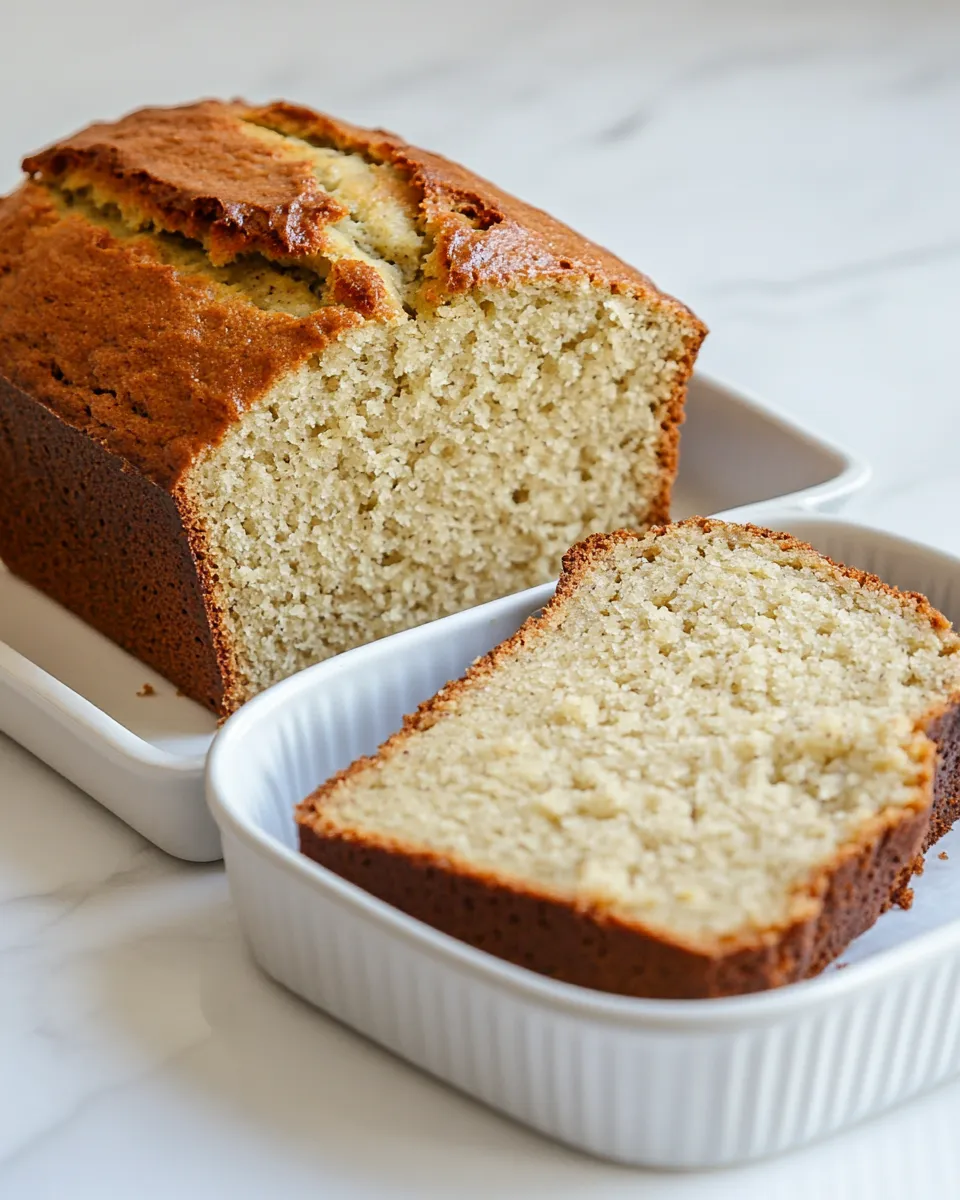
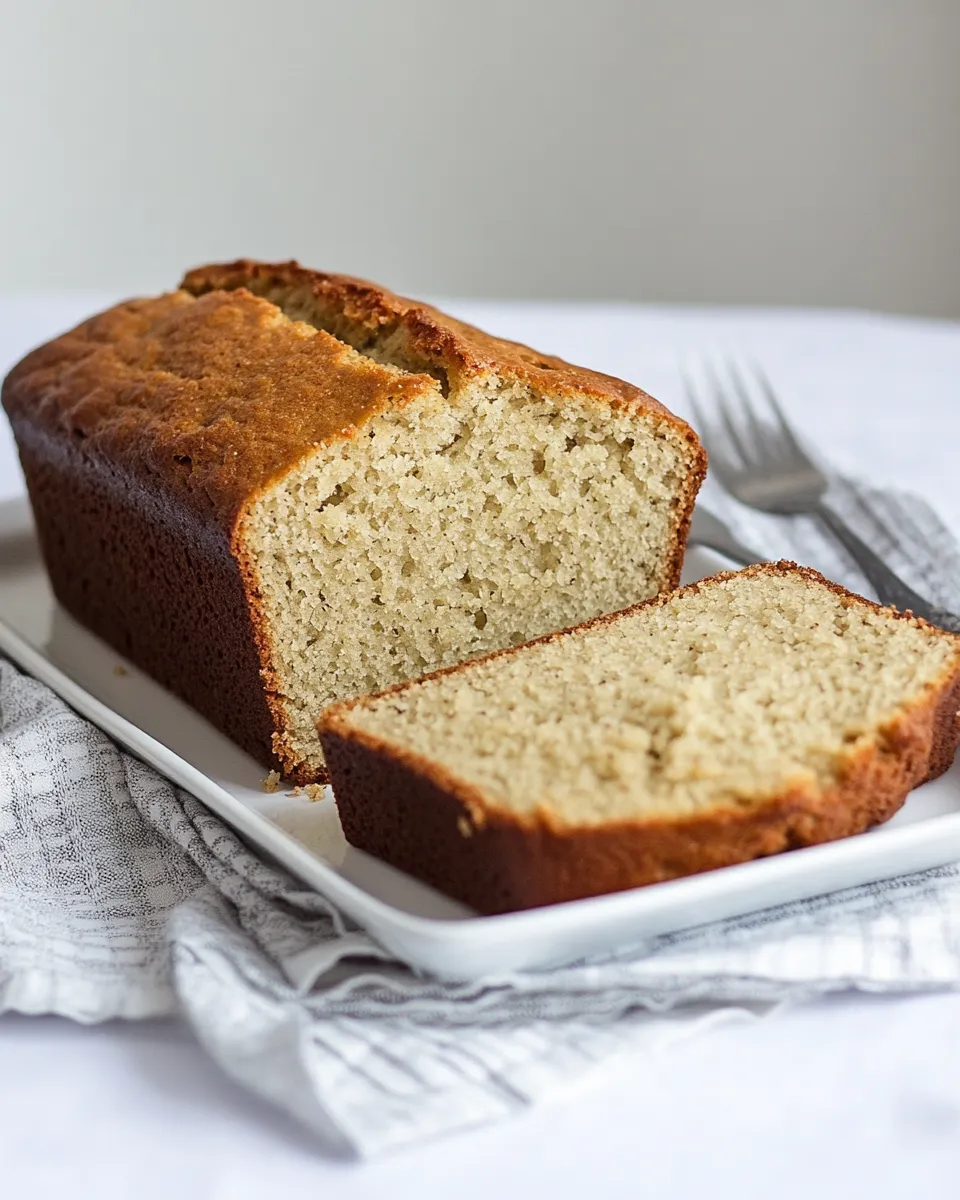
This Banana Bread is an everyday winner: modest ingredients, minimal fuss, and big flavor. It takes advantage of overripe bananas you might otherwise toss, and the lemon juice keeps the banana taste bright rather than cloying. Texture-wise, the combination of creamed butter and sugar with minimal flour mixing creates a tender crumb without collapsing or becoming gummy.
It’s very forgiving. Small timing or temperature variances are usually fine, and the loaf freezes well. Serve it warm with a smear of butter for breakfast, cubed as a snack, or toasted lightly for a day-old slice. Adaptations are easy — add-ins or swaps (below) let you pivot from simple to festive in minutes.
Easy Ingredient Swaps
- Butter: swap with an equal volume of neutral vegetable oil (like canola) for a moister crumb; expect a slightly different mouthfeel.
- Sugar: use brown sugar (light or dark) one-for-one to add caramel notes and deeper color.
- Eggs: for an egg-free version, use commercial egg replacer or about 1/4 cup applesauce per egg; note texture will be slightly denser.
- Flour: for a slightly heartier loaf, substitute up to half the all-purpose flour with whole wheat; don’t exceed 50% without adjusting liquid.
- Add-ins: fold in 1/2 to 1 cup chopped nuts, chocolate chips, or dried fruit at the end of mixing for texture and interest.
Setup & Equipment
Gather these before you start to keep the process smooth.
- 9 x 5-inch (23 x 13-cm) metal loaf pan — metal heats more evenly and promotes a nicely browned crust.
- Electric mixer or sturdy hand mixer — helpful for creaming butter and sugar to the right texture.
- Medium and small mixing bowls — one for dry ingredients, one for mashed bananas and lemon juice.
- Measuring cups and spoons — spoon the flour into the cup and level it; accurate measuring makes the biggest difference.
- Spatula and whisk — for folding and smoothing the batter into the pan.
- Wire cooling rack — prevents soggy bottoms by allowing air to circulate as the loaf cools.
Mistakes That Ruin Banana Bread
Banana bread is forgiving, but several errors will cost you texture or flavor. Here are the ones I see most often and how to avoid them.
- Overmeasuring flour — scooping flour directly with the measuring cup compacts it. Spoon into the cup and level off to avoid a dry, dense loaf.
- Overmixing the batter — once the flour is in, mix only until just incorporated. Overworking develops gluten and leads to a tough crumb.
- Using underripe bananas — they lack sugar and banana flavor. Very ripe, spotty bananas are what you want.
- Incorrect oven temperature — ovens vary. If yours runs hot, reduce temp slightly and check earlier; underbaked centers result from too-low heat or overly full pans.
- Rushing cooling — cutting too soon can make the loaf fall apart; give it time to set after baking.
Warm & Cool Weather Spins
Quick adjustments for the seasons keep the loaf enjoyable year-round.
Warm Weather
- Store slices in the fridge to prevent spoilage, especially if you add perishable mix-ins like cream cheese swirls or fresh fruit.
- Lighten the loaf by swapping half the butter for applesauce and cutting back sugar slightly; it feels fresher when it’s warm outside.
Cool Weather
- Double down on cozy flavors: stir in 1 teaspoon cinnamon or a pinch of nutmeg, or add toasted pecans for warmth and crunch.
- Serve warm with butter or a thin maple glaze for a comforting treat after a chilly day.
Chef’s Rationale
Every step in this recipe has a reason. Creaming butter and sugar introduces air and creates a tender crumb. The combination of baking soda and baking powder ensures immediate lift (from the soda reacting with the acidic banana and lemon) and sustained rise from the powder. The lemon juice is intentional: it brightens the banana flavor, helps preserve color, and reacts slightly with the leavening to give a reliable rise.
Mixing the flour in at low speed and only until incorporated prevents gluten overdevelopment. The relatively short bake time at a moderate temperature gives a golden crust while keeping the center moist. Letting the loaf rest briefly in the pan before turning it out prevents tearing and keeps the top intact.
Cooling, Storing & Rewarming
Proper cooling and storage preserve texture and flavor.
- Cooling: follow the recipe—cool in the pan about 10 minutes, then turn the loaf out onto a wire rack to cool completely. Ten minutes lets the loaf firm enough to remove without breaking.
- Room temperature storage: wrap cooled banana bread tightly in plastic wrap or store in a loaf container for 2 to 3 days. Keep away from direct sunlight and heat.
- Refrigeration: if your kitchen is warm or you’ve added perishable ingredients, refrigerate in an airtight container for up to 5 days. Bring slices to room temperature or warm gently before serving.
- Freezing: wrap slices individually in plastic and store in a freezer bag for up to 3 months. Thaw at room temperature or pop into a toaster/toaster oven for a quick reheat.
- Rewarming: for a fresh-baked feel, warm slices in a 300°F oven for 8–10 minutes or microwave a single slice for 12–20 seconds, depending on power.
Reader Q&A
Here are short answers to common questions I get from readers who bake this loaf at home.
- Can I substitute oil for butter? Yes. Use a neutral oil one-for-one. The texture will be slightly different—moister and less fluffy—but still very good.
- What if I only have brown sugar? Brown sugar works well one-for-one and adds warm, caramel notes.
- How do I know when it’s done? A tester inserted into the center should come out clean or with a few moist crumbs, not wet batter. The top should be golden and spring back slightly to the touch.
- Can I double the recipe? Yes, but split the batter into two pans rather than a single larger pan to maintain correct baking time and interior doneness.
- My loaf sank in the middle—why? Common causes: underbaking, too much leavening, or opening the oven door early. Check oven temp with an oven thermometer and follow mixing/mid-bake handling guidance.
In Closing
Banana Bread is both a comfort food and a small daily victory. This recipe is intentionally simple and predictable — ripe bananas, careful measuring, gentle mixing, and a short rest after baking. Follow the steps, respect the little techniques, and you’ll get a reliable loaf every time.
Try it as written first. Once you know the base, swap and add as you like. Then experiment with nuts, chocolate, spices, or glazes. And if you have questions or a tweak that worked well for you, I’d love to hear about it — swap notes and make the loaf your own.
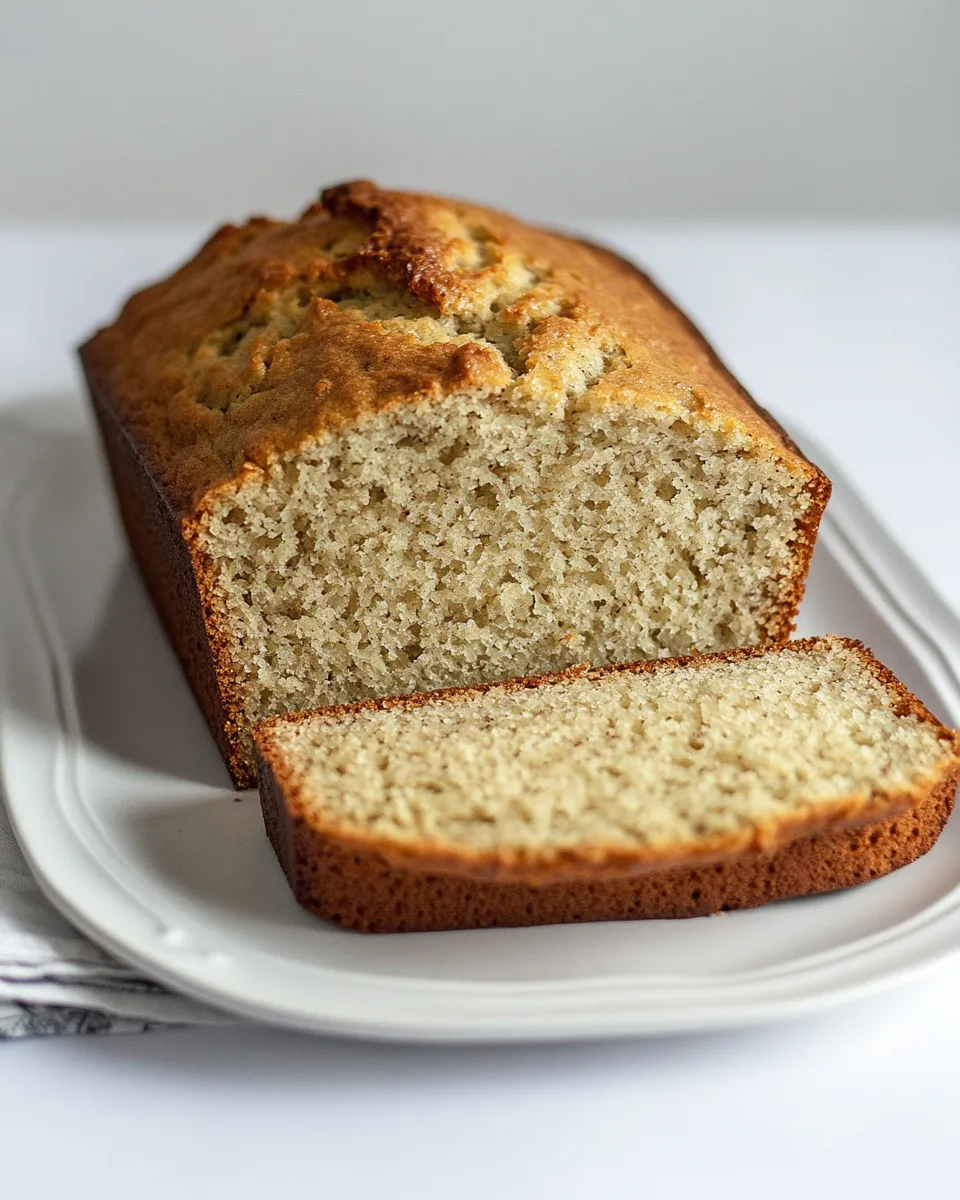
Banana Bread
Equipment
- Oven
- 9 x 5-inch (23 x 13 cm) metal loaf pan
- Medium Bowl
- Small Bowl
- Electric Mixer
- Measuring cup
- Spatula
- Wire Rack
Ingredients
Ingredients
- 1 3/4 cupsall-purpose flour spooned into measuring cup and leveled-off
- 1 teaspoonbaking soda
- 1 teaspoonbaking powder
- 1/2 teaspoonsalt
- 1/2 cup 1 stickunsalted butter, softened
- 3/4 cupsugar
- 2 large eggs
- 1 cupmashed very ripe bananas from 2 to 3 large bananas
- 2 tablespoonsfresh lemon juice from 1 lemon
- 1 1/2 teaspoonsvanilla extract
Instructions
Instructions
- Preheat the oven to 350°F (175°C). Butter and flour a 9 x 5-inch (23 x 13-cm) metal loaf pan.
- In a medium bowl, whisk together 1 3/4 cups all-purpose flour (spooned into the measuring cup and leveled off), 1 teaspoon baking soda, 1 teaspoon baking powder, and 1/2 teaspoon salt.
- In a small bowl, mash very ripe bananas until relatively smooth and measure out 1 cup mashed bananas (this will be from 2 to 3 large bananas). Stir in 2 tablespoons fresh lemon juice.
- In the bowl of an electric mixer, beat 1/2 cup (1 stick) unsalted butter, softened, and 3/4 cup sugar on medium speed until light and fluffy, about 2 minutes.
- Add the 2 large eggs one at a time, beating well after each addition.
- Add the mashed banana and lemon juice mixture and 1 1/2 teaspoons vanilla extract to the mixer and mix until combined. The batter may look a little curdled—this is normal.
- With the mixer on low speed, add the flour mixture and beat only until just incorporated. Do not overmix.
- Pour the batter into the prepared loaf pan and smooth the top with a spatula.
- Bake in the preheated oven 40 to 45 minutes, or until a tester inserted into the center comes out clean.
- Let the loaf cool in the pan for about 10 minutes, then turn it out onto a wire rack to cool completely.
Notes
Freezer-Friendly Instructions:
The bread can be frozen for up to 3 months. After it is completely cooled, wrap it securely in aluminum foil, freezer wrap, or place in a freezer bag. Thaw overnight on the countertop before serving.