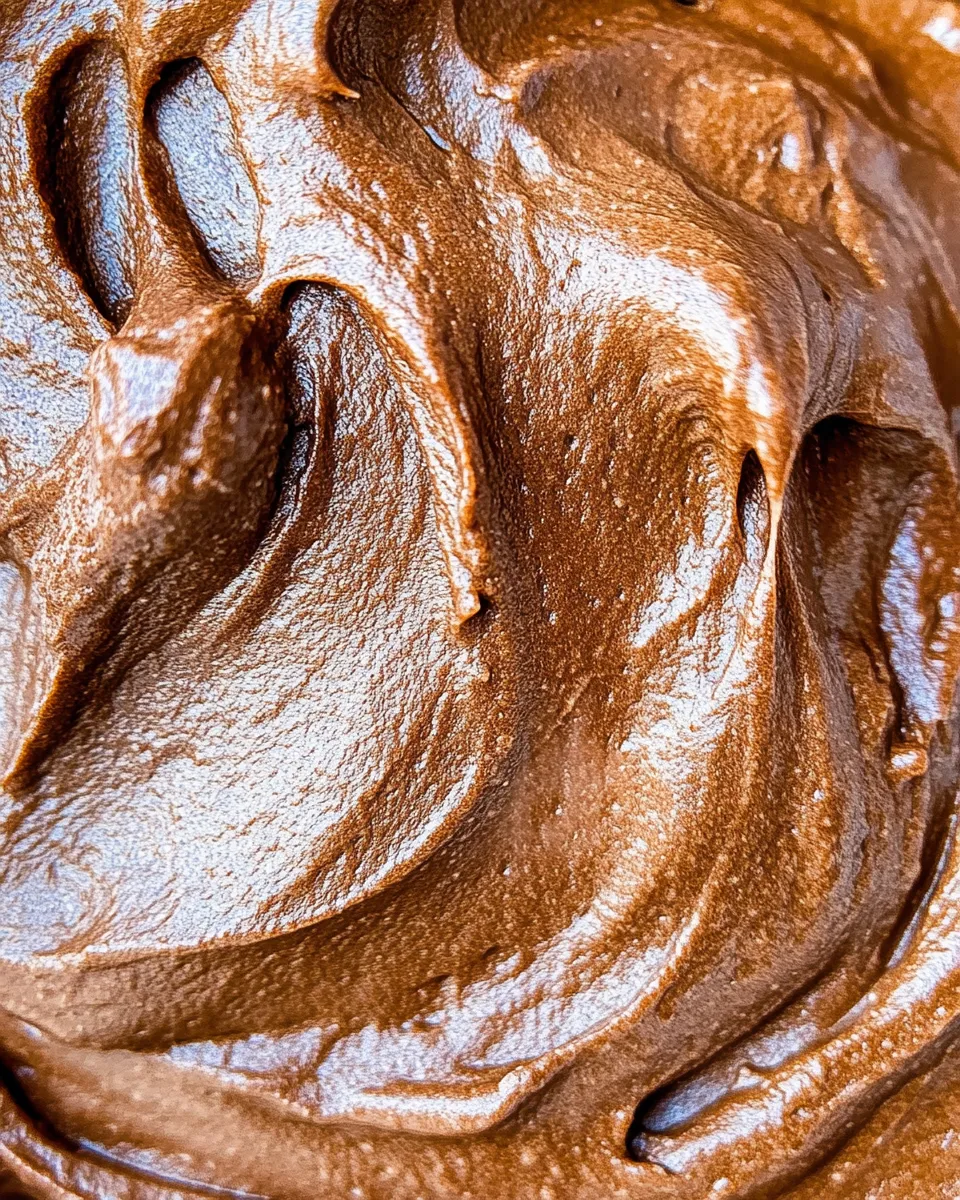
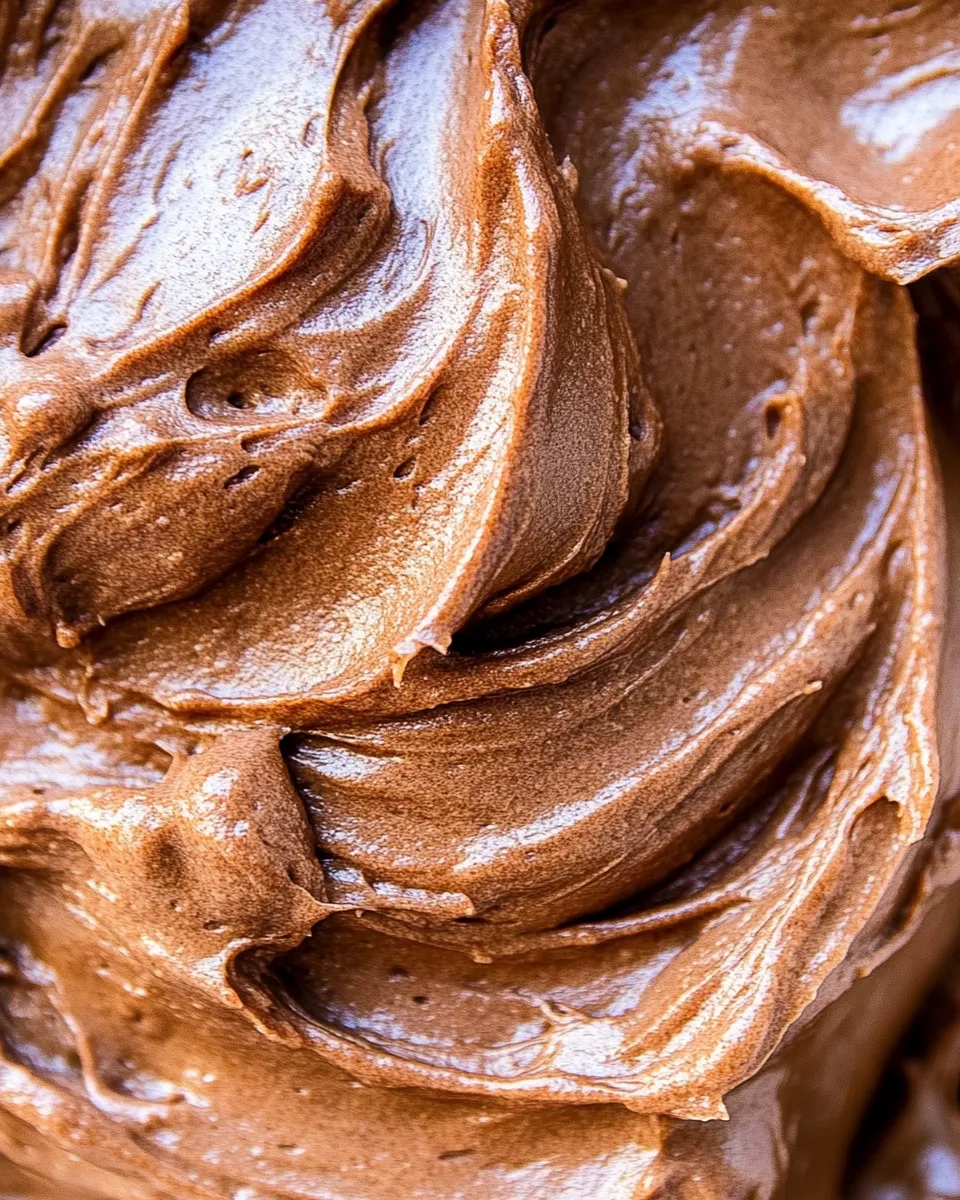
This is a dependable, no-surprises chocolate fudge frosting that does exactly what a great frosting should do: it tastes like chocolate, spreads smoothly, and holds up on cupcakes and layer cakes. I use it when I want a glossy, rich finish without a long, fussy process. The technique is straightforward and forgiving if you follow a couple of simple rules.
You’ll melt butter with unsweetened chocolate, fold that into powdered sugar with a splash of milk and vanilla, and finish with salt to keep the sweetness honest. The result thickens at room temperature into a spreadable, fudgy frosting that pipes nicely when you chill it briefly.
Below you’ll find the ingredients (exact as written), a precise cooking guide that follows the recipe steps, and practical notes: why it works, common problems and fixes, and storage tips so you can make this tonight and have reliable results.
What Goes Into Chocolate Fudge Frosting
Ingredients
- ½ cup unsalted butter (113 grams / 1 stick) — provides fat and smooth mouthfeel; use unsalted so you control seasoning.
- 1 ounce unsweetened chocolate — gives concentrated chocolate flavor and structure; melt it gently to avoid burning.
- 16 ounces powdered sugar — the bulk of the texture and sweetness; adds body and stability.
- ½ teaspoon pure vanilla extract — flavor enhancer; keeps the chocolate bright.
- ¼ cup milk — controls consistency; add a teaspoon at a time if you need it looser.
- ¼ teaspoon kosher salt — balances sweetness and deepens chocolate flavor.
Chocolate Fudge Frosting Cooking Guide
- Place ½ cup (113 g) unsalted butter and 1 ounce (28 g) unsweetened chocolate in a small saucepan and melt over low heat, stirring constantly until smooth. (Or microwave in short bursts, stirring between, until melted.) Remove from heat and let cool until lukewarm and still pourable.
- In a large mixing bowl combine 16 ounces (454 g) powdered sugar, ½ teaspoon (2 g) pure vanilla extract, ¼ cup (57 g) milk, and ¼ teaspoon kosher salt. Using a hand mixer or stand mixer on medium-low speed, beat until the sugar is mostly incorporated and the mixture is smooth.
- With the mixer on low speed, slowly add the cooled melted butter and chocolate to the powdered sugar mixture. Continue beating on low until fully incorporated and smooth, scraping down the bowl as needed.
- If the frosting is too thick to spread, add additional milk 1 teaspoon at a time, beating briefly after each addition, until you reach the desired consistency.
- Cover the bowl and set the frosting aside at room temperature until it thickens to a spreadable consistency.
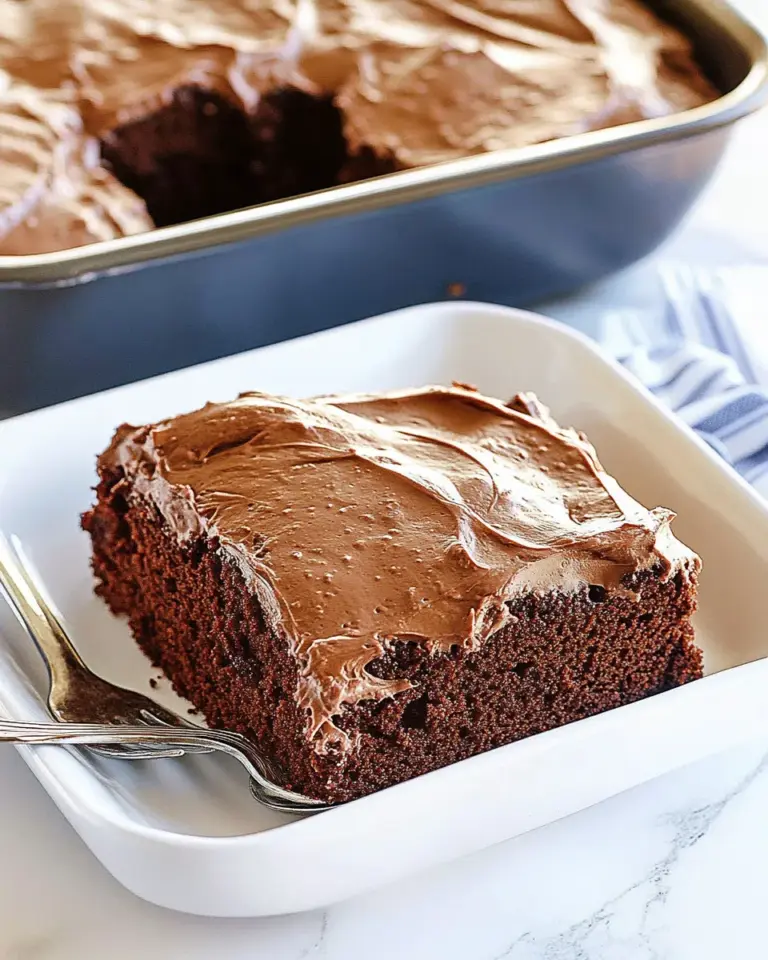
- Use a knife or piping bag to frost cakes or cupcakes.
Why This Recipe Works
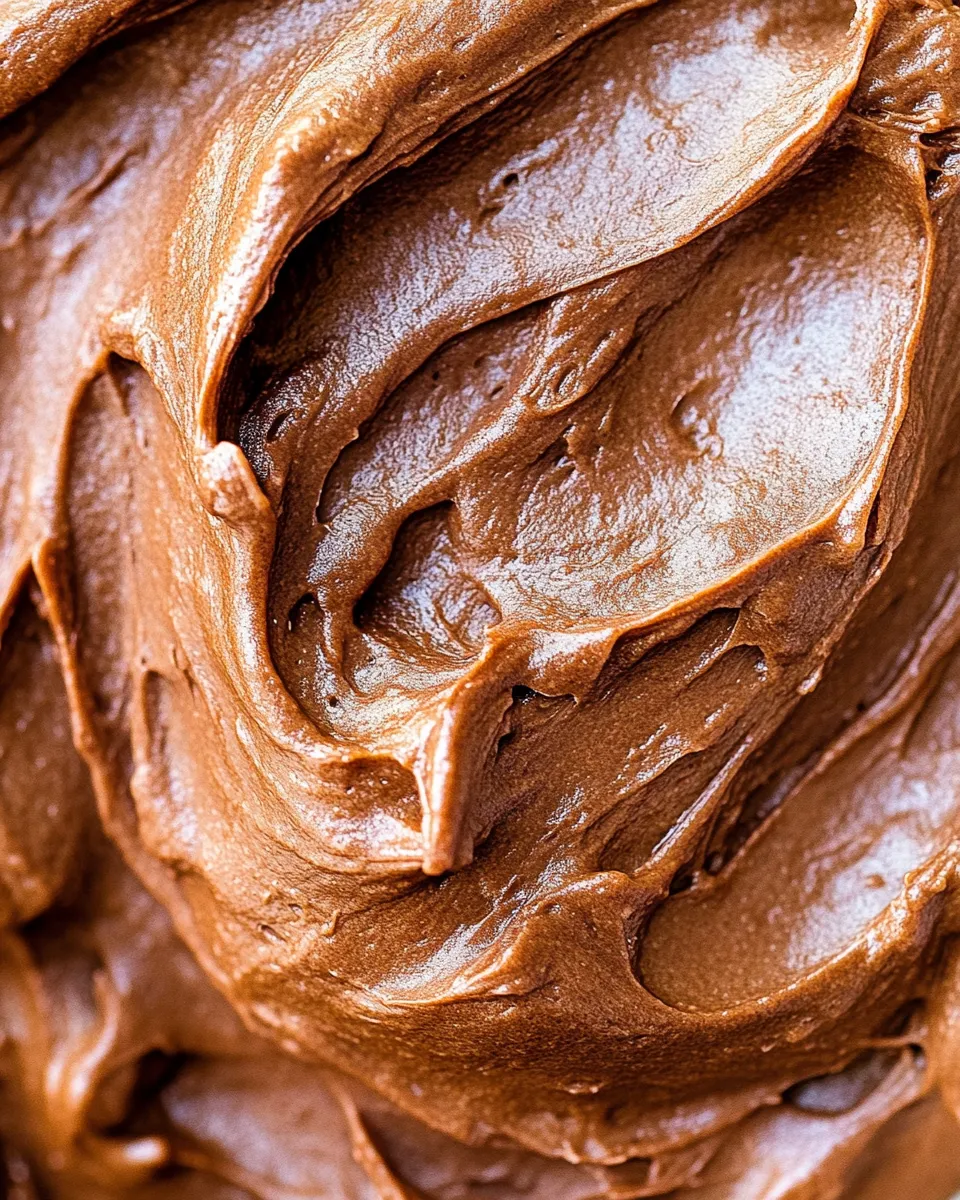
This frosting is essentially a candy-like emulsion made stable by powdered sugar and fat. The melted unsalted butter and unsweetened chocolate supply saturated fat and cocoa solids, which create that dense, fudge-like body. Powdered sugar brings not only sweetness but also structure because of the tiny starch particles that absorb moisture and firm up the mixture.
The technique matters: melting the butter and chocolate together lets the two fats marry, forming a smooth base. Cooling them to lukewarm before you add them prevents the powdered sugar from melting and becoming grainy. Adding milk gives you control over texture — a little thins it while more will make it softer — and the salt and vanilla round out the chocolate so it never tastes flat or cloying.
International Equivalents
Depending on where you are, names differ but the concept is familiar: a thick, butter-based chocolate icing or fudge-style buttercream. In the UK you’ll often see similar finishes called chocolate icing or fudge icing; in other places it may be described simply as chocolate buttercream with a fudgy texture. The technique—melting chocolate into fat, then combining with icing sugar and a liquid—translates across cuisines, even if the exact terminology changes.
Cook’s Kit
- Small saucepan — for gently melting butter and unsweetened chocolate.
- Heatproof bowl (optional) — useful if you prefer a double-boiler.
- Hand mixer or stand mixer — speeds up incorporation and gives a smoother finish.
- Spatula — for scraping down the bowl and folding ingredients.
- Measuring cups and spoons or a scale — the recipe lists both; accuracy helps the texture.
- Knife or piping bag — for applying the frosting.
What Not to Do
- Do not pour piping-hot butter and chocolate into the powdered sugar. If the fat is too hot it can melt the sugar and make the frosting runny or grainy. Let it cool to lukewarm and still pourable.
- Do not add large amounts of milk at once to thin the frosting. Add 1 teaspoon at a time and mix briefly — small additions give control and prevent over-thinning.
- Do not skip scraping the bowl while mixing. Powdered sugar can cling to the sides; scraping ensures an even texture.
- Do not substitute salted butter without adjusting salt elsewhere; this recipe specifies unsalted to balance sweetness properly.
Holiday-Friendly Variations
You can get festive without changing the base ingredients. For a deeper chocolate finish, stir in an extra ounce of melted unsweetened chocolate if you have it; that intensifies the cocoa without changing technique. If you want a lighter, whipped texture for towering layer cakes, let the frosting cool until thicker, then beat briefly on medium speed to incorporate a little air. To change the finish: thin with a teaspoon of milk for a glossier glaze, or chill slightly and pipe for clean decorative edges.
What Could Go Wrong
Common problems are simple to diagnose and fix.
- Grainy texture — usually caused by adding melted fat that’s too hot or not mixing thoroughly. Fix: beat a little longer once cooled, or add 1–2 teaspoons of milk and beat to smooth; if that fails, a short blitz in a food processor can help, then re-chill and re-whip.
- Too thin/runny — you added too much milk or the butter was hot. Fix: add a few tablespoons of powdered sugar to thicken, then let the frosting rest until it firms up, or refrigerate briefly and then re-whip.
- Too stiff — it cooled and set too much. Fix: beat in milk 1 teaspoon at a time until spreadable.
- Greasy separation — caused by overheating the chocolate or overbeating after the fat has separated. Fix: chill briefly, then beat gently to reincorporate; if separation persists, add a small amount of powdered sugar to absorb excess oil.
Best Ways to Store
Short term: keep the frosting in an airtight container at room temperature for up to 24–48 hours if your kitchen is cool. Long term: refrigerate in a sealed container for up to one week. When you take it out of the fridge, let it come to room temperature, then stir or beat briefly to restore spreadability.
If you need to freeze: seal in an airtight container for up to a few months. Thaw overnight in the refrigerator, then bring to room temperature and beat until smooth before using. Refrigerated or frozen frosting benefits from a short re-whip to regain its original texture.
Top Questions & Answers
- Can I use salted butter? — You can, but expect the final frosting to be slightly saltier. Reduce or omit the added ¼ teaspoon kosher salt to compensate.
- Will this pipe well? — Yes. If you want crisp piped shapes, chill the frosting slightly until it firms a bit; if you want softer rosettes, keep it at room temperature and pipe immediately.
- Why is my frosting grainy? — Usually because the melted butter and chocolate were too hot when added to the powdered sugar or because the sugar wasn’t fully incorporated. Let the melted mixture cool to lukewarm and beat thoroughly.
- How do I get a glossier finish? — Thin the frosting with milk, 1 teaspoon at a time, until it loosens to a spreadable glaze, then spread quickly for a shiny look.
Make It Tonight
If you want this on a cake or cupcakes tonight, plan a simple timeline: melt the butter and chocolate first and let it cool while you measure and combine the powdered sugar, vanilla, milk, and salt in a large bowl. Beat to mostly combine, then stream in the cooled butter and chocolate. Adjust with milk teaspoon by teaspoon if needed. Let the frosting sit at room temperature until it firms to the consistency you need for spreading or piping — usually 10–20 minutes depending on room temperature.
Use a knife for a rustic finish or a piping bag for decorations. If you need to speed things up, refrigerate the frosting briefly to firm it, but watch carefully so it doesn’t get too hard — then bring it back to room temperature and beat gently before applying.
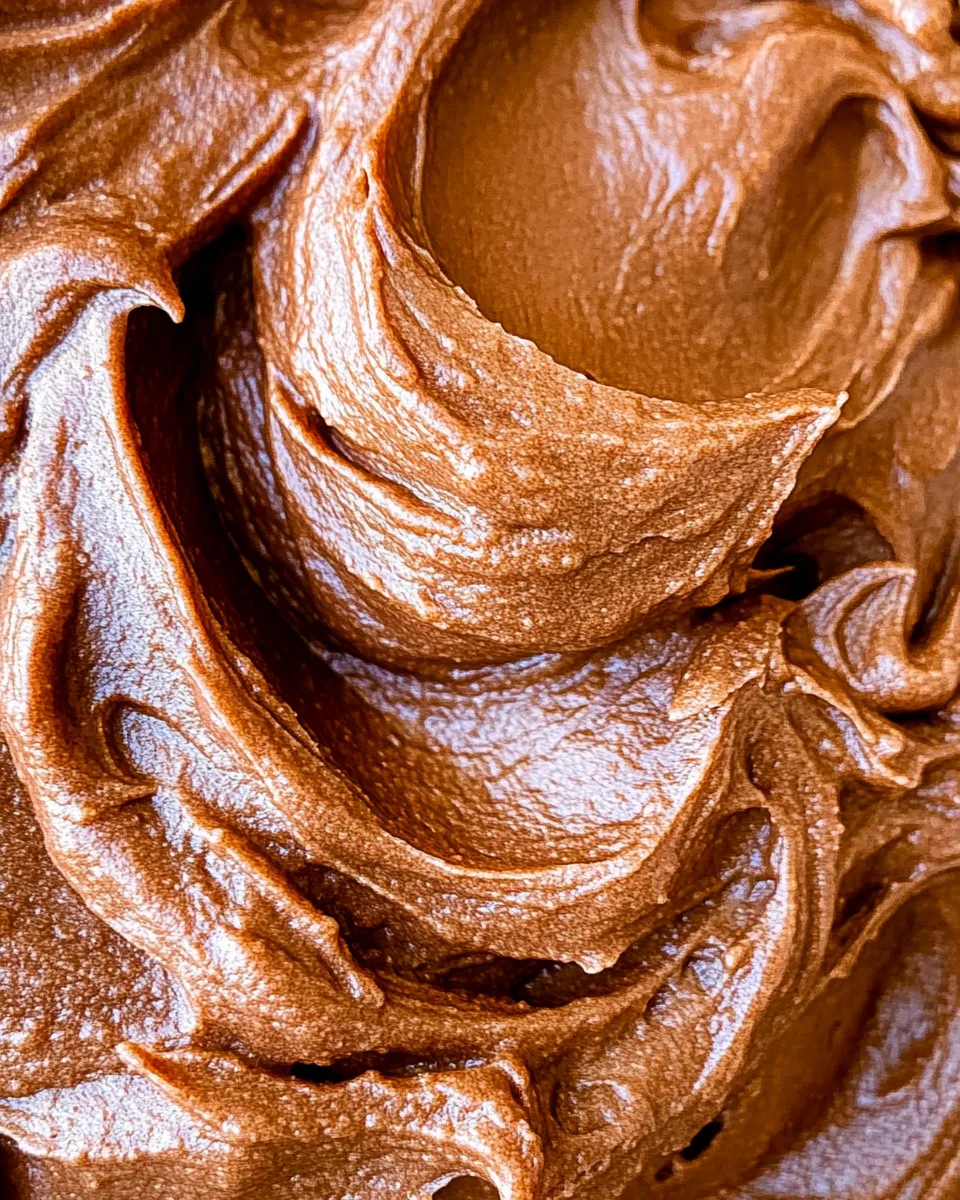
Chocolate Fudge Frosting
Equipment
- Kitchen Scale(optional)
- Hand MixerOR
- Stand mixer
- Piping Tip Set(optional)
Ingredients
Ingredients
- 1/2 cupunsalted butter113 grams 1 stick
- 1 ounceunsweetened chocolate28 grams
- 16 ouncespowdered sugar454 grams 1 pound
- 1/2 teaspoonpure vanilla extract2 grams
- 1/4 cupmilk57 grams plus extra to thin the frosting as needed
- 1/4 teaspoonkosher salt
Instructions
Instructions
- Place ½ cup (113 g) unsalted butter and 1 ounce (28 g) unsweetened chocolate in a small saucepan and melt over low heat, stirring constantly until smooth. (Or microwave in short bursts, stirring between, until melted.) Remove from heat and let cool until lukewarm and still pourable.
- In a large mixing bowl combine 16 ounces (454 g) powdered sugar, ½ teaspoon (2 g) pure vanilla extract, ¼ cup (57 g) milk, and ¼ teaspoon kosher salt. Using a hand mixer or stand mixer on medium-low speed, beat until the sugar is mostly incorporated and the mixture is smooth.
- With the mixer on low speed, slowly add the cooled melted butter and chocolate to the powdered sugar mixture. Continue beating on low until fully incorporated and smooth, scraping down the bowl as needed.
- If the frosting is too thick to spread, add additional milk 1 teaspoon at a time, beating briefly after each addition, until you reach the desired consistency.
- Cover the bowl and set the frosting aside at room temperature until it thickens to a spreadable consistency.
- Use a knife or piping bag to frost cakes or cupcakes.
Notes
Yield:
This chocolate fudge frosting recipe makes enough frosting for 24 cupcakes, one 2-layer (8-inch) cake, or a single-layer 9×13-inch cake.
Storage:
Store chocolate fudge frosting in an airtight container in the refrigerator for up to 1 week.