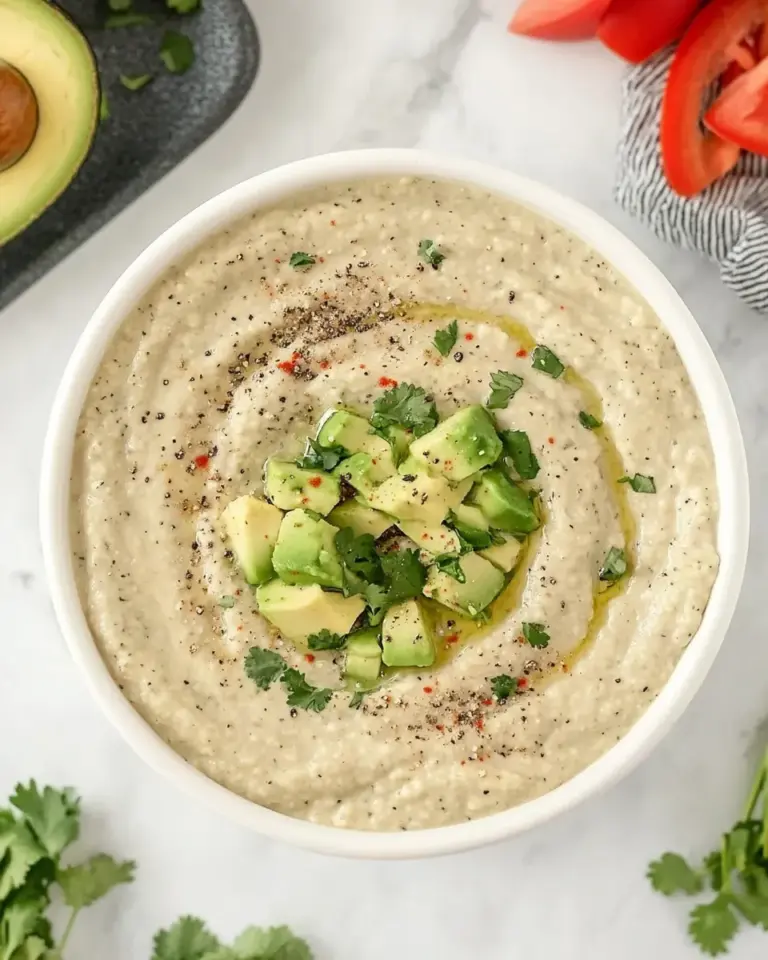
I make hummus a lot, but when I want the same creamy, tangy result without tahini, this version is my go-to. It uses cashew butter to deliver richness and a velvety mouthfeel, brightened with lemon and garlic. The toppings—parsley, pomegranate, and toasted pine nuts—bring texture and a bit of drama to a simple bowl.
This recipe is straightforward and forgiving. You can make it in a food processor in under 10 minutes if your ingredients are ready. It’s great for afternoon snacks, weekend mezze spreads, or an easy weekday dinner where hummus stands in for a sauce or dip.
Below you’ll find clear ingredient notes, the exact steps, troubleshooting tips, and ways to adapt the dip for different diets. Follow the process, taste as you go, and don’t be shy with the olive oil and lemon if you want it brighter or silkier.
Ingredient Notes
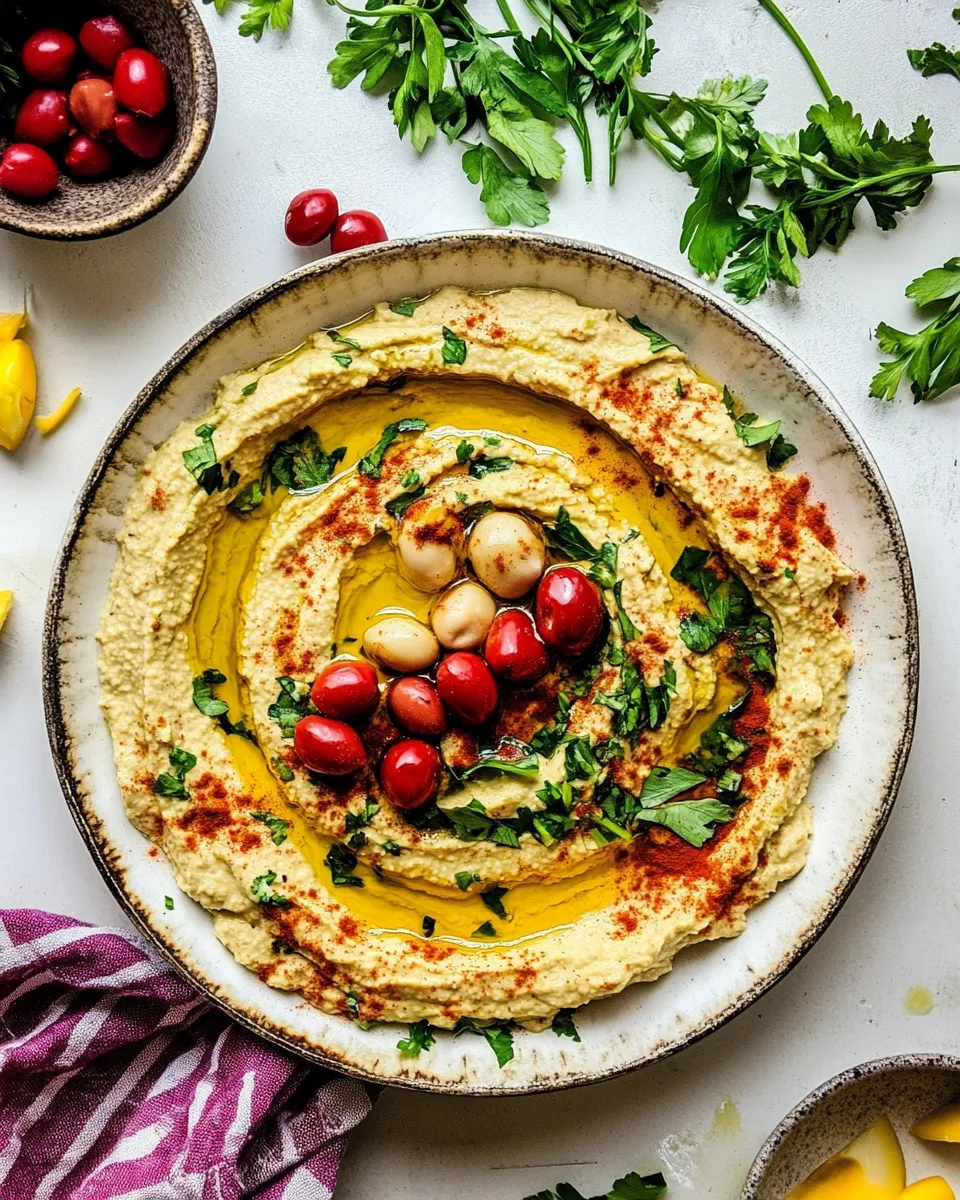
Ingredients
- 115 ounce can chickpeas, drained and rinsed — the base of the hummus; rinse to remove canning liquid for a cleaner flavor and smoother texture.
- 2 cloves garlic, minced — adds a sharp, savory foundation; mince finely so it blends evenly.
- 1 lemon, zested — lemon zest gives fresh citrus aromatics without adding more liquid.
- 1 lemon, juiced — provides acidity and brightness; add more later if you want it tangier.
- 1/4 cup cashew butter — replaces tahini here, giving creaminess and a subtle nutty flavor; use unsweetened, unsalted if possible.
- 2 tablespoons water — helps loosen the mixture for blending; add more in small amounts if needed.
- 2 tablespoons olive oil, more for topping — olive oil contributes richness and helps emulsify; reserve a little for drizzling when serving.
- Kosher salt, to taste — essential for bringing out flavor; add gradually and taste as you blend.
- Minced fresh parsley, for topping — bright, herbaceous garnish that cuts richness and adds color.
- Pomegranate seeds, for topping — optional but lovely: they add sweet-tart pops and visual contrast.
- Toasted pine nuts, for topping — crunchy, buttery finish that pairs well with cashew butter’s creaminess.
Hummus without Tahini: How It’s Done
- Zest one lemon, then juice one lemon. Mince 2 cloves garlic. Drain and rinse the 115 ounce can chickpeas.
- Add the drained chickpeas, minced garlic, lemon zest, lemon juice, 1/4 cup cashew butter, 2 tablespoons water, 2 tablespoons olive oil, and kosher salt to a food processor.
- Blend until mostly smooth, stopping once or twice to scrape down the sides with a spatula and to ensure even blending.
- If the hummus is too thick or not smooth enough, add a little more olive oil or a small squeeze of lemon juice and blend again; you may also add a bit more water a little at a time until you reach your desired consistency.
- Taste and add more kosher salt if needed; blend briefly to incorporate any added salt.
- Transfer the hummus to a serving bowl, drizzle with additional olive oil (as desired), and top with minced fresh parsley, pomegranate seeds, and toasted pine nuts.
Why You’ll Love This Recipe
This hummus keeps the elements you want: creamy texture, bright lemon, and garlicky depth—without tahini. Cashew butter mimics tahini’s richness while being a little milder and silkier. The result is approachable for people who avoid sesame or simply don’t have tahini on hand.
It’s fast, adaptable, and forgiving. If your chickpeas are a little old, or your cashew butter is on the thicker side, the step to adjust with olive oil, lemon juice, or a splash of water ensures a perfect consistency. Finally, the toppings make this bowl feel special—great for guests or a weekday treat.
If You’re Out Of…
If you don’t have a specific item listed, here are quick swaps that still respect the recipe’s intent.
- Cashew butter — almond butter or sunflower seed butter can work, but flavor shifts slightly; choose unsweetened and unsalted.
- Fresh lemon — bottled lemon juice works in a pinch, but start with less and add to taste.
- Olive oil — a neutral oil like grapeseed will emulsify but won’t add the fruity notes; use if necessary.
- Pomegranate seeds — dried cranberries or a quick drizzle of pomegranate molasses can mimic the sweet-tart element, though texture will differ.
- Pine nuts — toasted chopped almonds or walnuts give crunch and a nutty finish.
Tools & Equipment Needed
You don’t need much. Keep things simple and efficient.
- Food processor — required to achieve the smooth, emulsified texture this recipe aims for.
- Microplane or grater — for zesting the lemon cleanly.
- Citrus juicer (optional) — makes juicing faster and less messy.
- Spatula — to scrape the sides during blending so everything purees evenly.
- Small skillet — for toasting pine nuts briefly; watch them closely so they don’t burn.
Learn from These Mistakes
Here are common missteps and how to avoid them so the hummus turns out as intended.
- Not rinsing the chickpeas — the canning liquid carries a tinny flavor and can make the hummus less clean-tasting; always rinse thoroughly.
- Adding too much liquid too fast — if you thin it excessively, it can become runny; add water, oil, or lemon in small increments until you reach the texture you want.
- Not scraping the processor bowl — pockets of chickpea or cashew butter can leave the blend uneven; pause once or twice and scrape for a consistent finish.
- Skipping the zest — zest adds concentrated lemon fragrance without diluting the dip; it makes a big difference for brightness.
Make It Diet-Friendly
This hummus already fits several dietary needs, and with small tweaks you can make it fit others.
- Vegan — the recipe is vegan as written. Use plant-based cashew butter and olive oil, and avoid honey or dairy toppings.
- Nut-free — substitute tahini if sesame is acceptable, or use a seed butter like sunflower seed butter if avoiding tree nuts; note the original uses cashew butter, so swapping changes flavor and texture.
- Low-fat — reduce the olive oil and cashew butter slightly and add warm water while blending to maintain creaminess; the texture will be less rich but still satisfying.
- Low-sodium — omit added kosher salt and rely on lemon and garnishes; add a pinch of salt only at the end if needed.
What Could Go Wrong
Hummus complications are usually simple to fix. Here’s what to watch for.
- Grainy texture — often from under-blending or too-thick cashew butter; blend longer and add small amounts of warm water or olive oil until silky.
- Bitter or off flavors — overzealous lemon or old garlic can dominate; balance with a touch more oil or a bit more chickpea to mellow the sharpness.
- Separation — if left long, some oil can sit on top; stir it back in when serving. For longer storage, a surface film is normal—stir before using.
- Burned pine nuts — they toast very quickly; remove from heat as soon as they’re golden and fragrant.
Storage & Reheat Guide
Hummus keeps well and is easy to plan ahead with.
- Refrigerator — store in an airtight container for up to 5 days. Press a piece of plastic wrap directly onto the surface to minimize air contact and slow discoloration.
- Freezer — you can freeze hummus for up to 1 month. Thaw overnight in the fridge and stir vigorously; you may need to add a splash of water or olive oil to return to a creamy consistency.
- Reheating — hummus is typically served at room temperature. If you prefer it warmed, gently stir and microwave in short bursts (15–20 seconds), stirring between, or warm in a small saucepan over low heat while stirring.
- Serving after storage — freshen with a squeeze of lemon and a drizzle of olive oil; a quick chop of parsley brightens the bowl.
Quick Questions
Here are concise answers to the questions I get most often.
- Does cashew butter make it taste like cashews? — A little, yes, but it’s subtle once combined with lemon, garlic, and chickpeas. The overall flavor is pleasantly nutty without overwhelming the hummus.
- Can I use dried chickpeas? — Yes. Cook them until very tender, then proceed. Save some of the cooking liquid as a tool to thin the hummus if you prefer.
- How do I make it extra smooth? — Peel the chickpeas for an ultra-silky texture (rubbing them between your fingers or pinching to slip skins off), or blend longer while adding small amounts of warm water or oil.
- Is this safe for people allergic to sesame? — Yes, it avoids tahini. But confirm the cashew butter is safe for those with nut allergies.
Bring It Home
This hummus without tahini is one of those recipes I keep in rotation because it’s simple, fast, and crowd-pleasing. The cashew butter delivers the creaminess you expect from traditional hummus but with a slightly gentler nut flavor. Bright lemon, garlic, and a drizzle of olive oil do the rest.
Make a batch, plate it up with a drizzle of oil, fresh parsley, pomegranate seeds for color and brightness, and toasted pine nuts for crunch. Serve with warm pita, crisp vegetables, or as a sandwich spread. It’s flexible, forgiving, and delicious—exactly what I want from a kitchen standby.
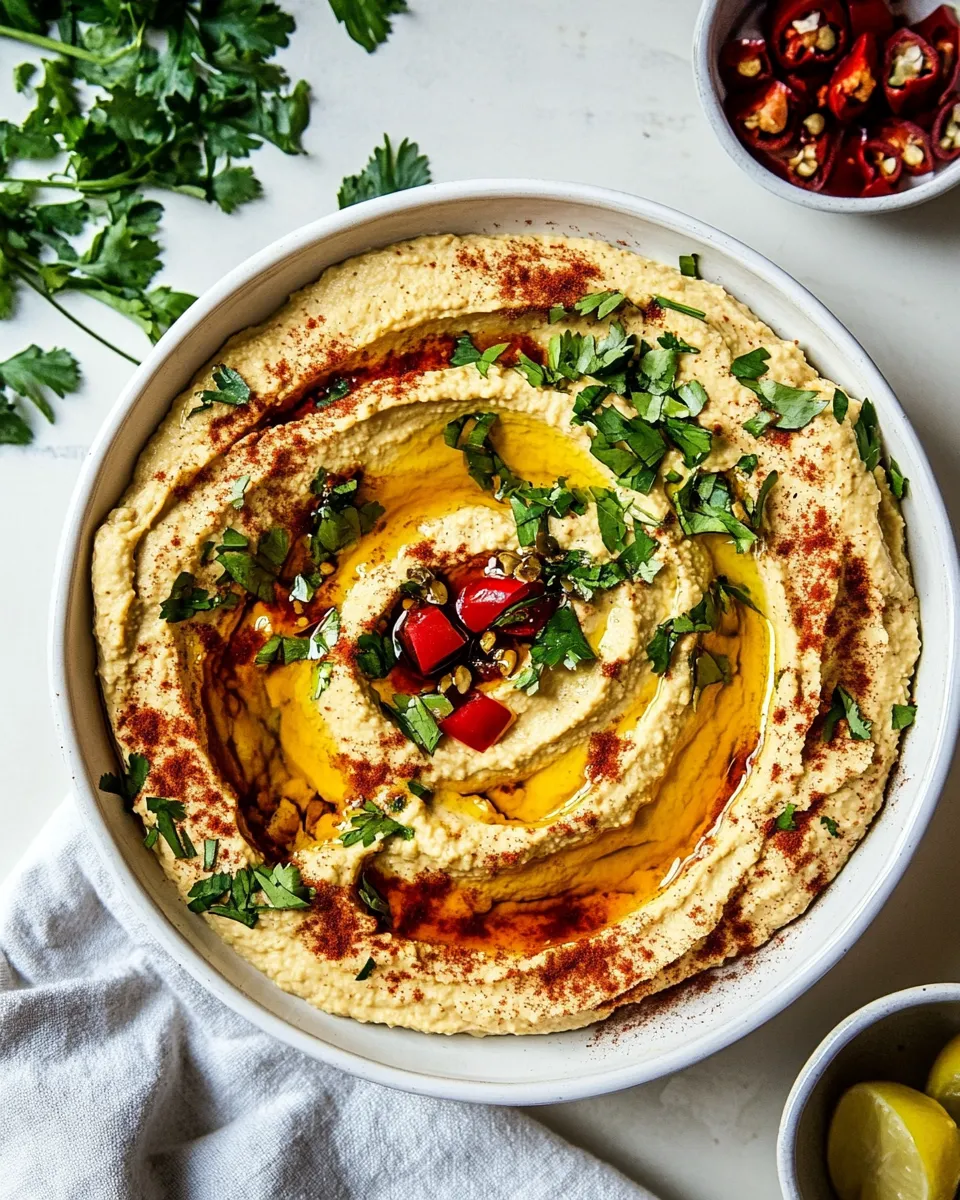
Hummus without Tahini
Equipment
- Extra Virgin Olive Oil
- Cashew Butter
- Canned Chickpeas
Ingredients
Ingredients
- 115 ounce can chickpeas drained and rinsed
- 2 clovesgarlic minced
- 1 lemon zested
- 1 lemon juiced
- 1/4 cupcashew butter
- 2 tablespoonswater
- 2 tablespoonsolive oil more for topping
- Kosher salt to taste
- Minced fresh parsley for topping
- Pomegranate seeds for topping
- Toasted pine nuts for topping
Instructions
Instructions
- Zest one lemon, then juice one lemon. Mince 2 cloves garlic. Drain and rinse the 115 ounce can chickpeas.
- Add the drained chickpeas, minced garlic, lemon zest, lemon juice, 1/4 cup cashew butter, 2 tablespoons water, 2 tablespoons olive oil, and kosher salt to a food processor.
- Blend until mostly smooth, stopping once or twice to scrape down the sides with a spatula and to ensure even blending.
- If the hummus is too thick or not smooth enough, add a little more olive oil or a small squeeze of lemon juice and blend again; you may also add a bit more water a little at a time until you reach your desired consistency.
- Taste and add more kosher salt if needed; blend briefly to incorporate any added salt.
- Transfer the hummus to a serving bowl, drizzle with additional olive oil (as desired), and top with minced fresh parsley, pomegranate seeds, and toasted pine nuts.