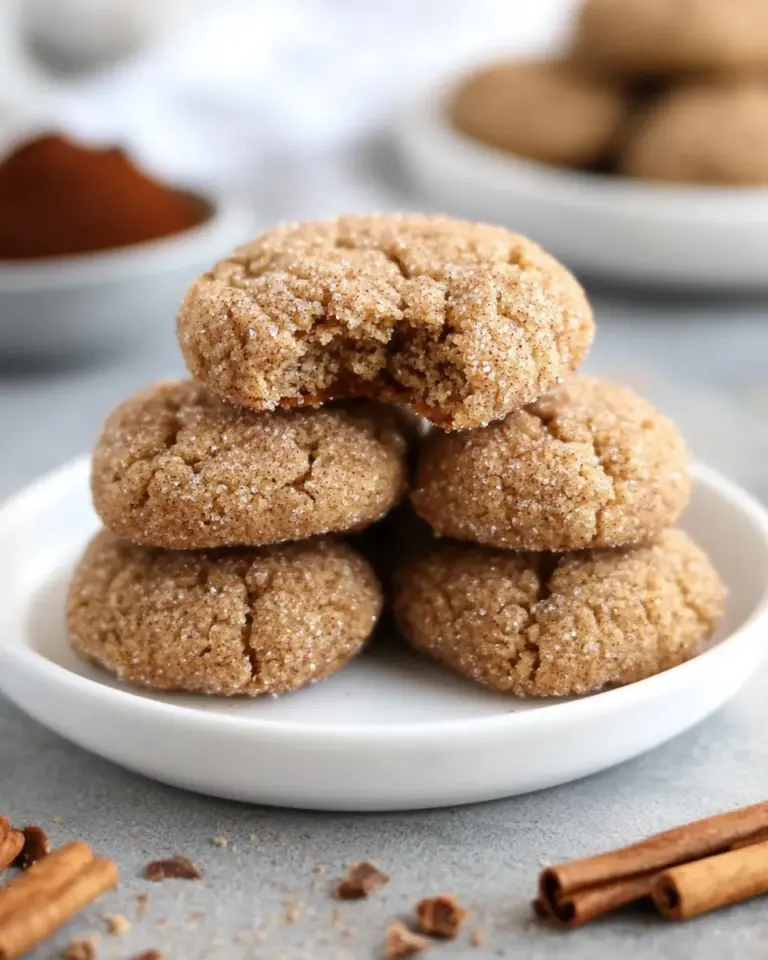
These broas are a small, rustic Portuguese cookie made with roasted sweet potato, ground almonds and shredded coconut. They have a tender, slightly dense interior and a lightly browned, mottled top that makes them instantly approachable — perfect with coffee or a late-afternoon tea. I love how the orange zest and coconut lift the sweetness without masking the potato’s natural flavor.
They take a little patience because the cooked sweet potato needs to be cooled and the dough should chill before shaping, but the steps are straightforward and forgiving. You can make the potatoes ahead, let the batter rest overnight, and shape and bake when you have time. The end result is a batch of cookies with a soft, fragrant crumb and a handmade look.
Below you’ll find a clear ingredients list (used exactly as provided), the source-of-truth directions reproduced step by step, shopping tips, troubleshooting and storage advice so your first batch — and the next — come out beautifully.
Ingredients
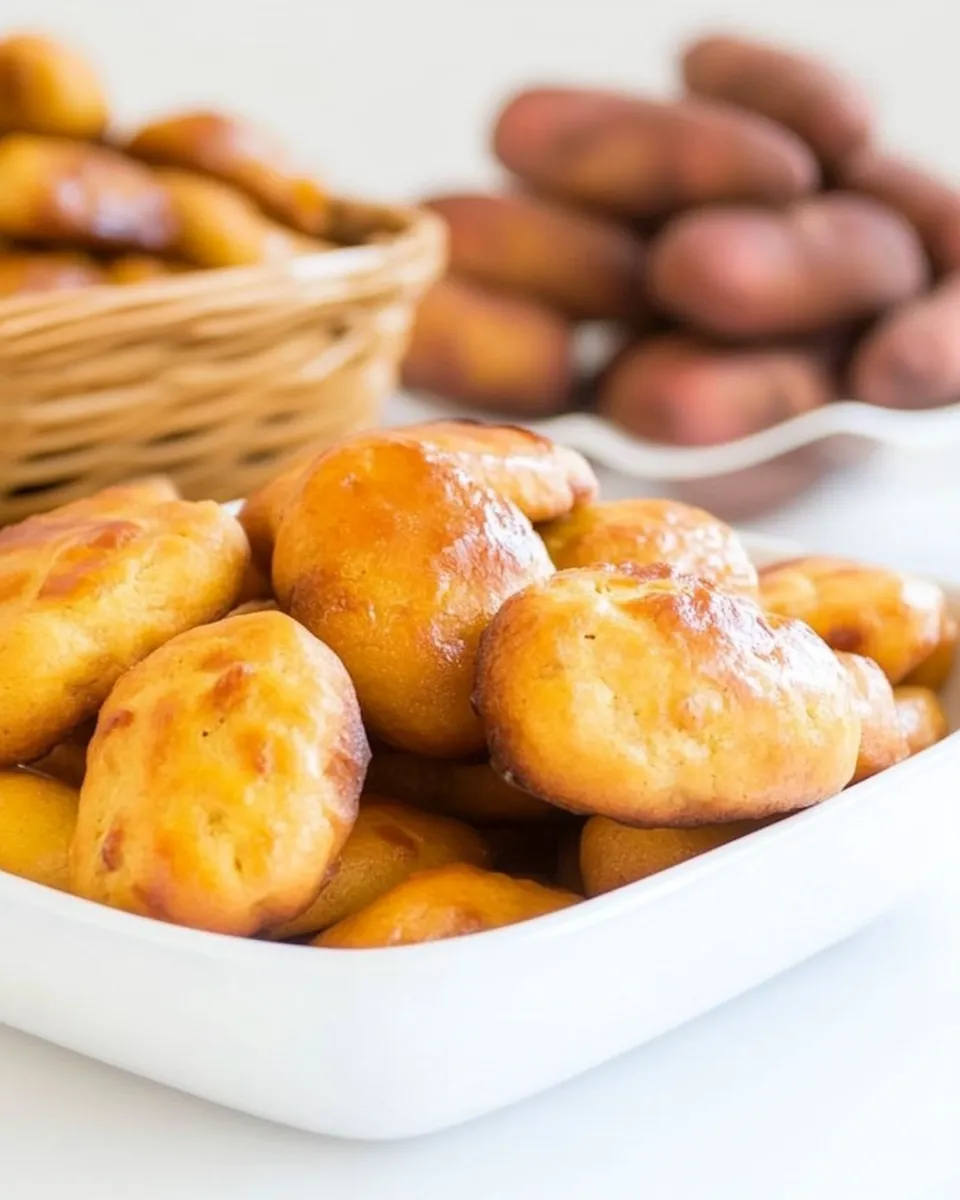
- 1 lb sweet potatoes — the base of the batter; roast with skins on to retain moisture and flavor.
- 3 ½ cups granulated sugar — split into two stages in the recipe, it sweetens and helps thicken the cooked potato.
- 1 orange, zested — adds brightness and lifts the sweetness.
- 1 cup shredded, dried coconut — adds texture and a toasty, nutty background flavor.
- 1 ½ cups ground almonds — brings richness and structure; almond flavor complements sweet potato well.
- 3/4 cup cornmeal, finely ground — gives a little bite and absorbs moisture so broas hold their shape.
- 1/2 cup all-purpose flour — binds the mixture and keeps the texture tender.
- 1/4 tsp salt — balances sweetness and enhances other flavors.
- 3 eggs — provide structure and moisture; they are mixed into the warm potato mixture.
- 1 large egg yolk (for brushing) — creates a glossy, lightly colored top when baked.
Your Shopping Guide
Choose sweet potatoes that are firm, without soft spots or excessive blemishes. Similar-sized tubers roast at the same rate, so aim for uniformity if you can. If your store labels them as “yams,” double-check — the recipe is written for the sweet potato variety often labeled as such in many markets.
Buy ground almonds (almond meal) that are finely ground so they blend smoothly into the batter; if yours is coarser, the cookies will be a bit more textured. For cornmeal, use a finely ground product — regular polenta-style kernels are too coarse and will make the batter gritty.
Get shredded dried coconut (unsweetened unless you prefer extra sweetness). The orange should be firm and fragrant for the best zest. Eggs should be large and at room temperature when you use them in the recipe.
Directions: Broas Castelares
- Preheat the oven to 400°F (200°C).
- Wash the sweet potatoes; leave the skins on. Prick them a few times with a fork and place on a baking tray.
- Roast the sweet potatoes in the preheated oven for about 45 minutes, turning once halfway through, until they are soft when pierced.
- Remove the potatoes from the oven and cool until they are safe to handle.
- Scoop the flesh from the skins and pass it through a potato ricer or mash thoroughly by hand (do not use a blender). Place the cooked sweet potato flesh in a saucepan.
- Add half of the granulated sugar to the saucepan with the sweet potato. Heat over medium–high and cook, stirring continuously, for about 5 minutes until fragrant and the mixture has thickened slightly. Remove from heat and let cool briefly.
- In a small bowl, lightly beat the 3 eggs. Stir the beaten eggs into the warm (but not piping hot) sweet potato mixture until evenly incorporated.
- Add the remaining granulated sugar, ground almonds, shredded dried coconut, orange zest, all-purpose flour, finely ground cornmeal, and salt to the potato mixture. Stir until you have a thick, sticky, smooth batter.
- Let the batter cool completely. Wrap it tightly in cling film and refrigerate for at least a couple of hours or overnight to firm up.
- When ready to bake, bring the chilled dough back to room temperature and preheat the oven to 400°F (200°C). Grease a baking tray or line it with parchment paper.
- Prepare for shaping: keep a small bowl of water at hand and dip or wet your fingers as needed to prevent sticking. Take about 1 tablespoon of dough and shape it into an elongated oval (broa) and place it on the prepared tray. Repeat, spacing the broas apart to allow for slight spreading.
- Lightly beat the large egg yolk and brush each broa with the yolk.
- Bake the broas for 15–20 minutes, or until lightly browned on top. The surface may be mottled; this is normal.
- Remove the broas from the oven and transfer them to a rack to cool. Serve once cooled to your preference.
What You’ll Love About This Recipe
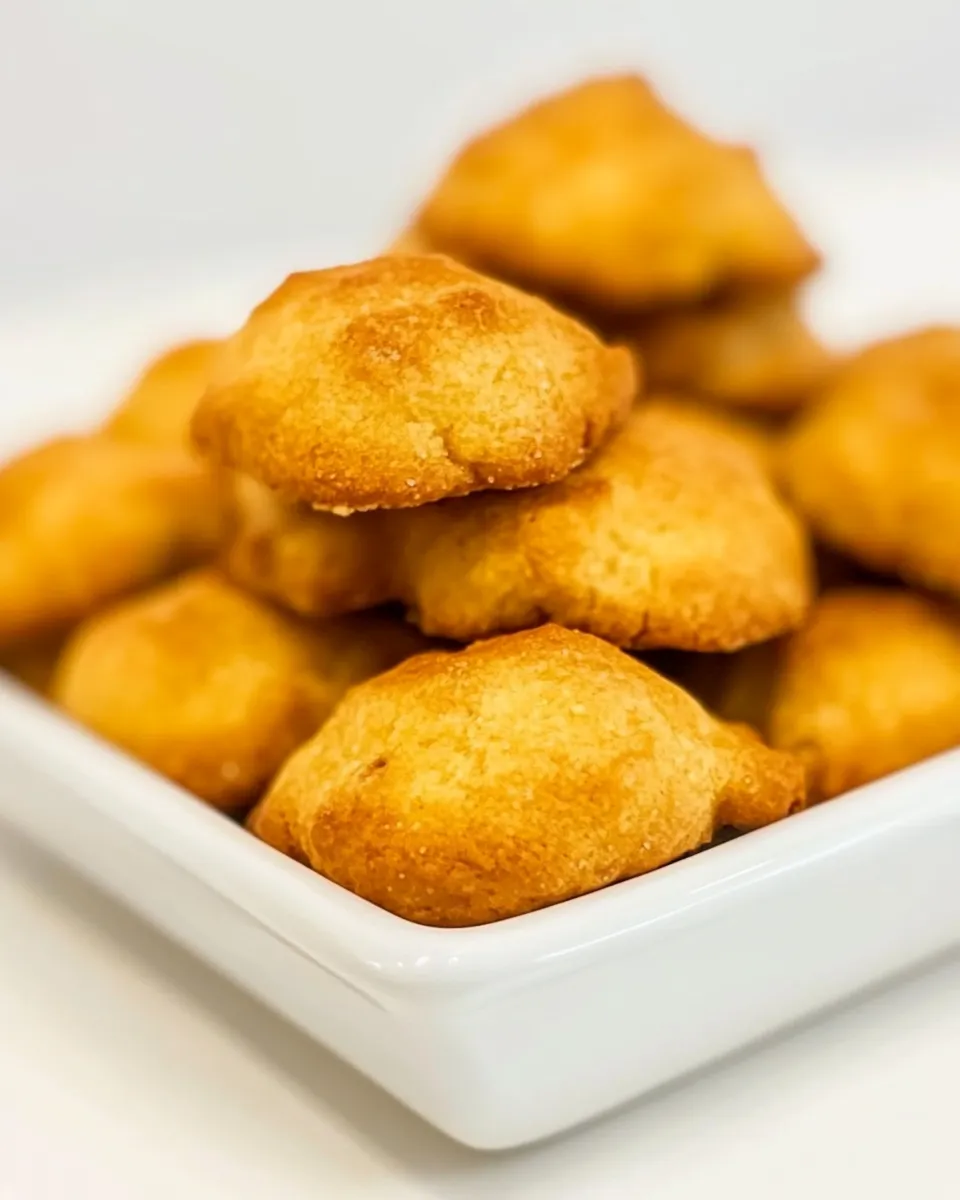
These broas are richly flavored but not heavy. Roasting concentrates the sweet potato and deepens the flavor profile — you get caramelized notes that pair beautifully with orange zest and coconut.
The texture hits a sweet spot: tender and moist from the potato and eggs, with gentle tooth from the finely ground cornmeal and shredded coconut. Ground almonds give a buttery, nutty backbone without making the cookies dense.
They’re make-ahead friendly. The batter benefits from chilling, which concentrates flavors and makes shaping easier. You can easily prepare the sweet potato and batter a day ahead, then shape and bake when convenient.
International Equivalents
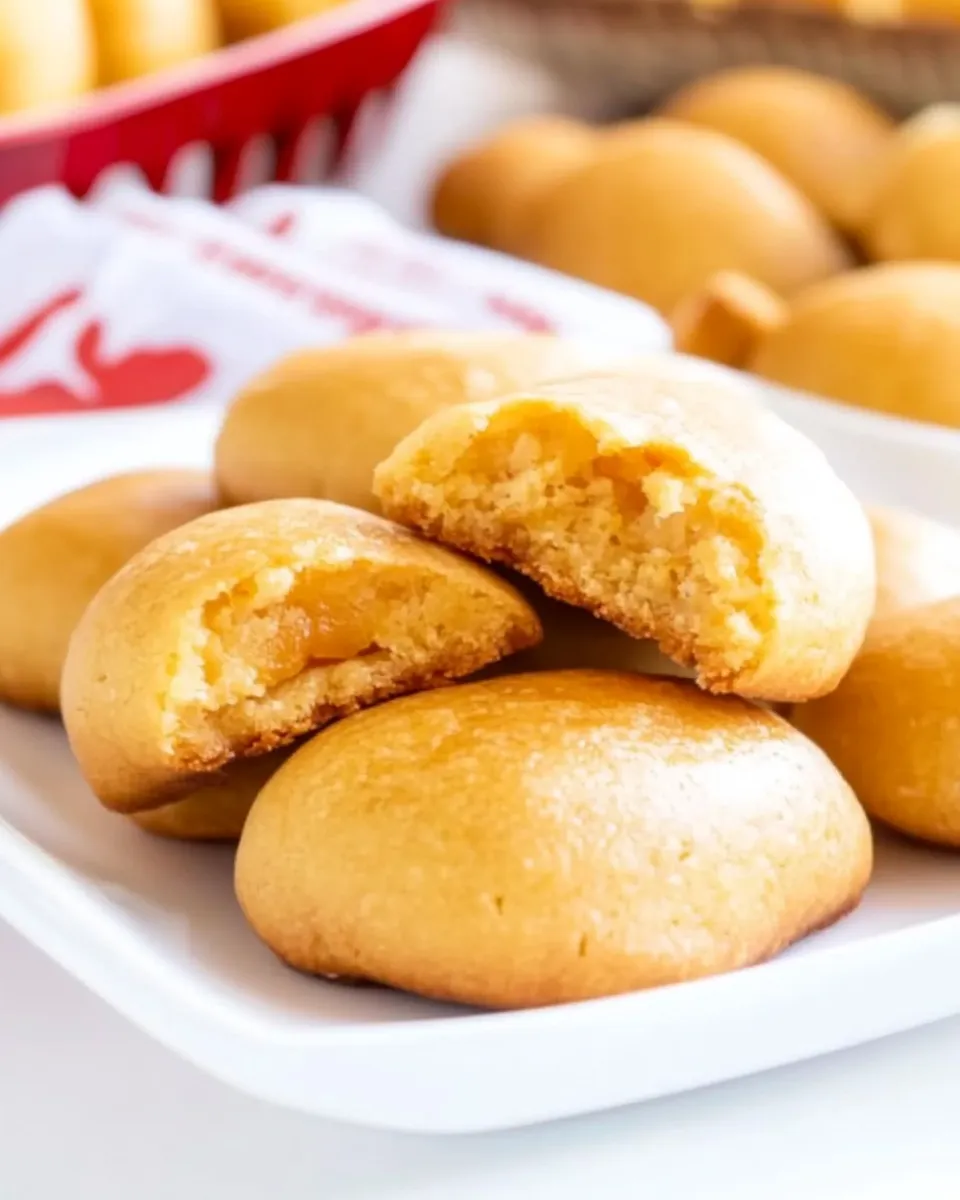
Broas Castelares are a Portuguese-style sweet potato cookie; similar treats exist across Europe and Latin America where root vegetables and nuts are used to make small, lightly sweetened cakes or cookies. The use of ground almonds and orange zest recalls many Mediterranean and Iberian baked goods.
If you can’t find finely ground cornmeal, a finely ground polenta or medium-fine semolina can offer a similar bite, but expect a slight textural difference. Ground almonds are equivalent to almond meal; coconut can be adjusted to personal taste or regional availability.
Must-Have Equipment
- Oven capable of holding 400°F (200°C).
- Baking tray(s) and parchment paper or a well-greased sheet.
- Potato ricer or masher (do not use a blender).
- Medium saucepan for cooking the sweet potato and sugar.
- Mixing bowls and a sturdy spoon or spatula for a thick batter.
- Small bowl of water for shaping and a pastry brush for the egg yolk.
- Cooling rack to cool the broas after baking.
Things That Go Wrong
Problem: The dough is too sticky to shape. Fix: Chilling is essential. If the batter hasn’t been refrigerated long enough, wrap it and chill longer. Wet your fingers or dip them in water to prevent sticking while shaping, and take only about 1 tablespoon at a time.
Problem: Broas spread too thin or become flat. Fix: Make sure the batter is fully chilled before shaping. Also, keep them spaced properly on the baking tray and don’t flatten them when shaping — make elongated ovals with a slight height.
Problem: Dry, crumbly finished cookies. Fix: Overbaking or too much flour/almond/cornmeal relative to the sweet potato will cause dryness. Follow the recipe quantities closely and bake until just lightly browned; oven times can vary, so start checking at the earlier end of the time range.
Customize for Your Needs
Want more citrus? Add another half teaspoon of orange zest in the batter for a brighter aroma. Prefer a nuttier cookie? Toast the ground almonds lightly before adding to the mixture — do this carefully to avoid burning.
If you want to skip coconut, omit it and increase ground almonds slightly to maintain texture. For a less sweet version, reduce the sugar carefully, but note the original method uses a staged sugar addition to both flavor and thicken the potato — changes will affect texture.
For allergy swaps, ground almonds can be replaced with another finely ground nut meal if needed, but the texture and flavor will change. Always test a small batch when trying substitutions.
Cook’s Commentary
I make these broas when I have time to enjoy the rhythm of roasting, mashing and folding. The small effort of cooking the potato and letting the batter chill pays off — you’ll notice a depth of flavor you don’t get from raw or quickly mixed batters.
When beating the eggs into the warm potato mixture, the temperature matters: it should be warm, not piping hot. If too hot, the eggs may scramble. Mixing the eggs in gently creates a silky, cohesive batter.
The egg-yolk brush is optional but recommended; it gives the tops a gentle sheen and helps create the attractive light browning that makes broas look finished and inviting.
Storage Pro Tips
Once cooled, store broas in an airtight container at room temperature for 2–3 days. They hold well and their texture slightly mellows after a day, which many people prefer.
For longer storage, freeze the baked broas in a single layer on a tray until firm, then transfer to a freezer-safe bag or box with parchment between layers. Thaw at room temperature or briefly warm in a low oven (about 300°F / 150°C) for 5–10 minutes to refresh the surface.
If you’ve prepared the batter and want to bake later, keep the wrapped batter refrigerated for up to 48 hours or frozen for longer. Let refrigerated batter come to room temperature before shaping; frozen batter should thaw in the refrigerator overnight then come to room temperature.
Your Questions, Answered
Q: Can I use canned sweet potato? A: Freshly roasted sweet potato is best for texture and moisture control. Canned varieties often contain added liquids and can change the batter consistency.
Q: Why not use a blender to mash the potatoes? A: Blenders or food processors can turn the potato too smooth and gluey. A ricer or hand-mashing preserves the right texture and prevents overworking the starch.
Q: Can I make smaller or larger broas? A: Yes. If you change the size, adjust baking time and keep an eye on color; smaller cookies will bake faster, larger ones will need longer.
Q: Do I need to peel the sweet potatoes before roasting? A: The recipe instructs to roast with skins on and scoop the flesh afterward. The skins help retain moisture and flavor during roasting.
Ready to Cook?
Gather your sweet potatoes and a few simple pantry items, give the batter the chill it needs, and you’ll have broas with real depth and homemade charm. Follow the directions above exactly when it comes to steps and timings, and make notes as you go — small tweaks for your oven and local ingredients will help you perfect your next batch.
Happy baking — I can almost smell that orange and toasted coconut already. Let me know how your broas turn out and any twist you loved.
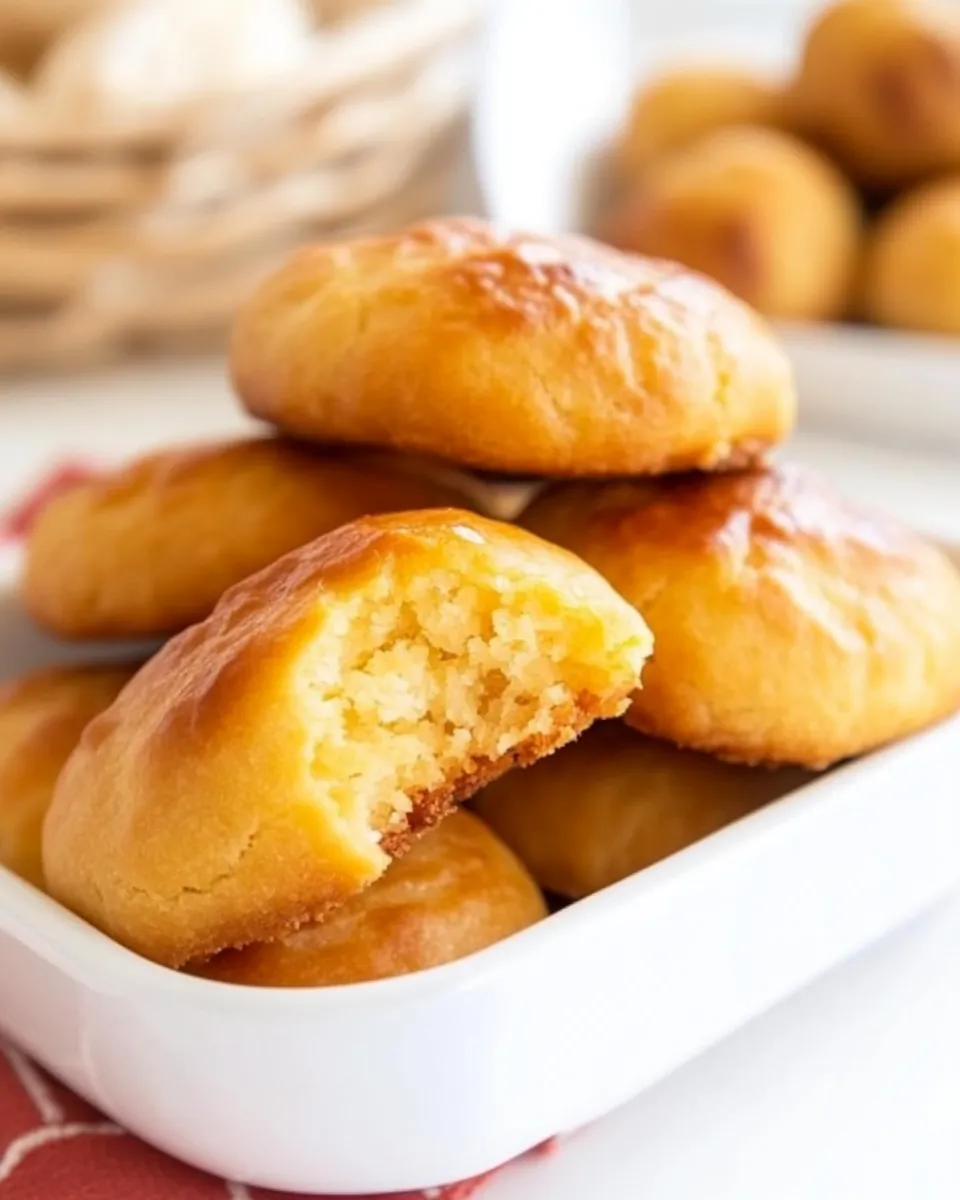
Broas Castelares (Portuguese Sweet Potato Cookies)
Equipment
- Oven
- Baking tray
- Saucepan
- potato ricer or masher
- Mixing Bowl
- Parchment Paper
- Pastry Brush
- rack
Ingredients
Ingredients
- 1 lbsweet potatoes
- 3 1/2 cupsgranulated sugar
- 1 orangezested
- 1 cupcoconutshredded dried
- 1 1/2 cupsground almonds
- 3/4 cupscornmealfinely ground
- 1/2 cupall purpose flour
- 1/4 tspsalt
- 3 eggs
- 1 large egg yolksfor brushing
Instructions
Instructions
- Preheat the oven to 400°F (200°C).
- Wash the sweet potatoes; leave the skins on. Prick them a few times with a fork and place on a baking tray.
- Roast the sweet potatoes in the preheated oven for about 45 minutes, turning once halfway through, until they are soft when pierced.
- Remove the potatoes from the oven and cool until they are safe to handle.
- Scoop the flesh from the skins and pass it through a potato ricer or mash thoroughly by hand (do not use a blender). Place the cooked sweet potato flesh in a saucepan.
- Add half of the granulated sugar to the saucepan with the sweet potato. Heat over medium–high and cook, stirring continuously, for about 5 minutes until fragrant and the mixture has thickened slightly. Remove from heat and let cool briefly.
- In a small bowl, lightly beat the 3 eggs. Stir the beaten eggs into the warm (but not piping hot) sweet potato mixture until evenly incorporated.
- Add the remaining granulated sugar, ground almonds, shredded dried coconut, orange zest, all-purpose flour, finely ground cornmeal, and salt to the potato mixture. Stir until you have a thick, sticky, smooth batter.
- Let the batter cool completely. Wrap it tightly in cling film and refrigerate for at least a couple of hours or overnight to firm up.
- When ready to bake, bring the chilled dough back to room temperature and preheat the oven to 400°F (200°C). Grease a baking tray or line it with parchment paper.
- Prepare for shaping: keep a small bowl of water at hand and dip or wet your fingers as needed to prevent sticking. Take about 1 tablespoon of dough and shape it into an elongated oval (broa) and place it on the prepared tray. Repeat, spacing the broas apart to allow for slight spreading.
- Lightly beat the large egg yolk and brush each broa with the yolk.
- Bake the broas for 15–20 minutes, or until lightly browned on top. The surface may be mottled; this is normal.
- Remove the broas from the oven and transfer them to a rack to cool. Serve once cooled to your preference.