I keep a bag of frozen onions in my freezer at all times. They are one of those tiny kitchen conveniences that repay you every week: faster dinners, less waste, and fewer tears at the cutting board. Freezing onions isn’t glamorous, but it is practical, and it genuinely changes how you cook on busy nights.
This guide walks you through the exact, no-nonsense method I use when I batch-freeze onions. I’ll cover the why, the how, common mistakes to avoid, sensible swaps, and storage tips so your onions stay useful and flavorful for months.
Follow the simple steps below and you’ll have ready-to-use onions for soups, sauces, stir-fries, and almost any savory dish that calls for them. Keep reading for tips that save space, reduce freezer burn, and make thawing painless.
Ingredient Breakdown
Ingredients
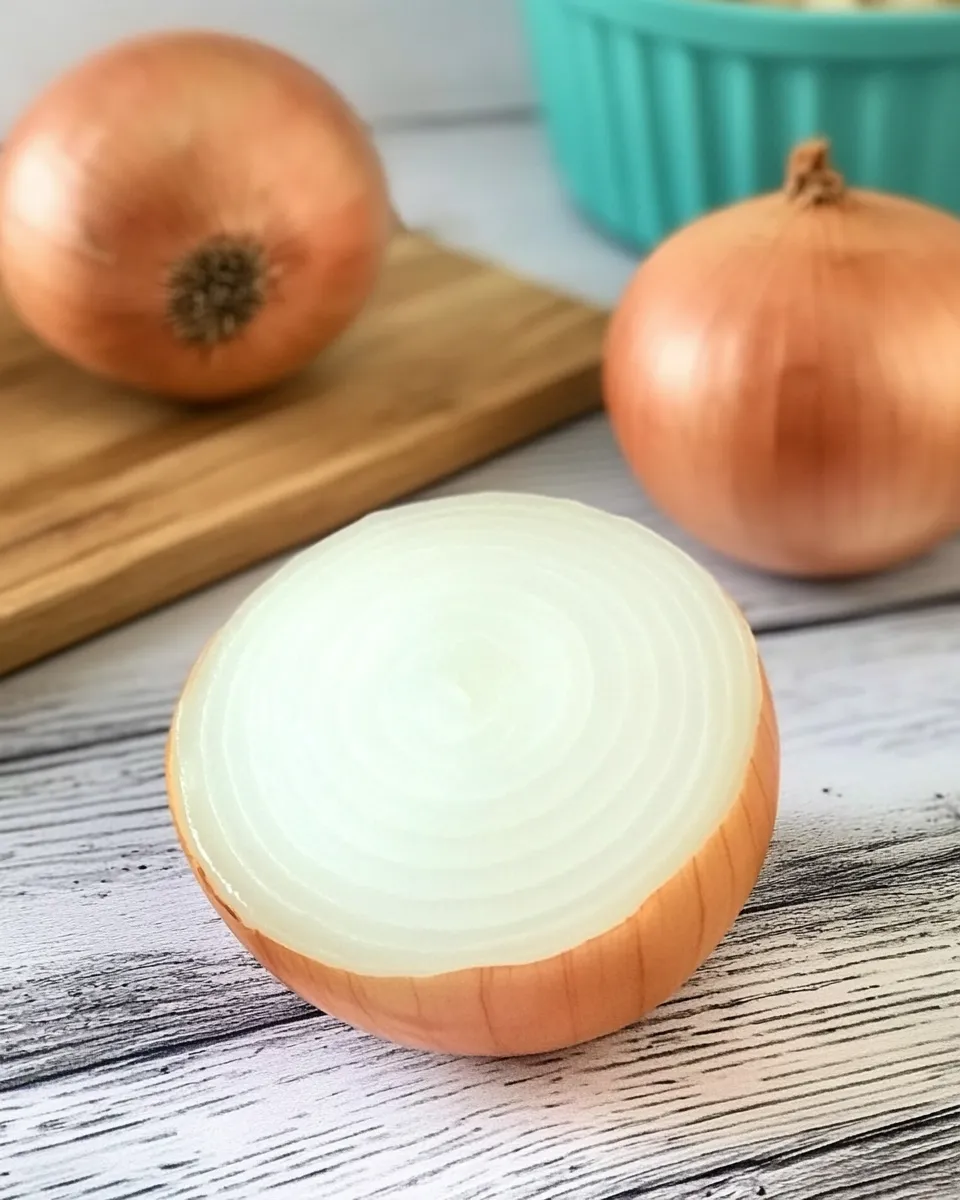
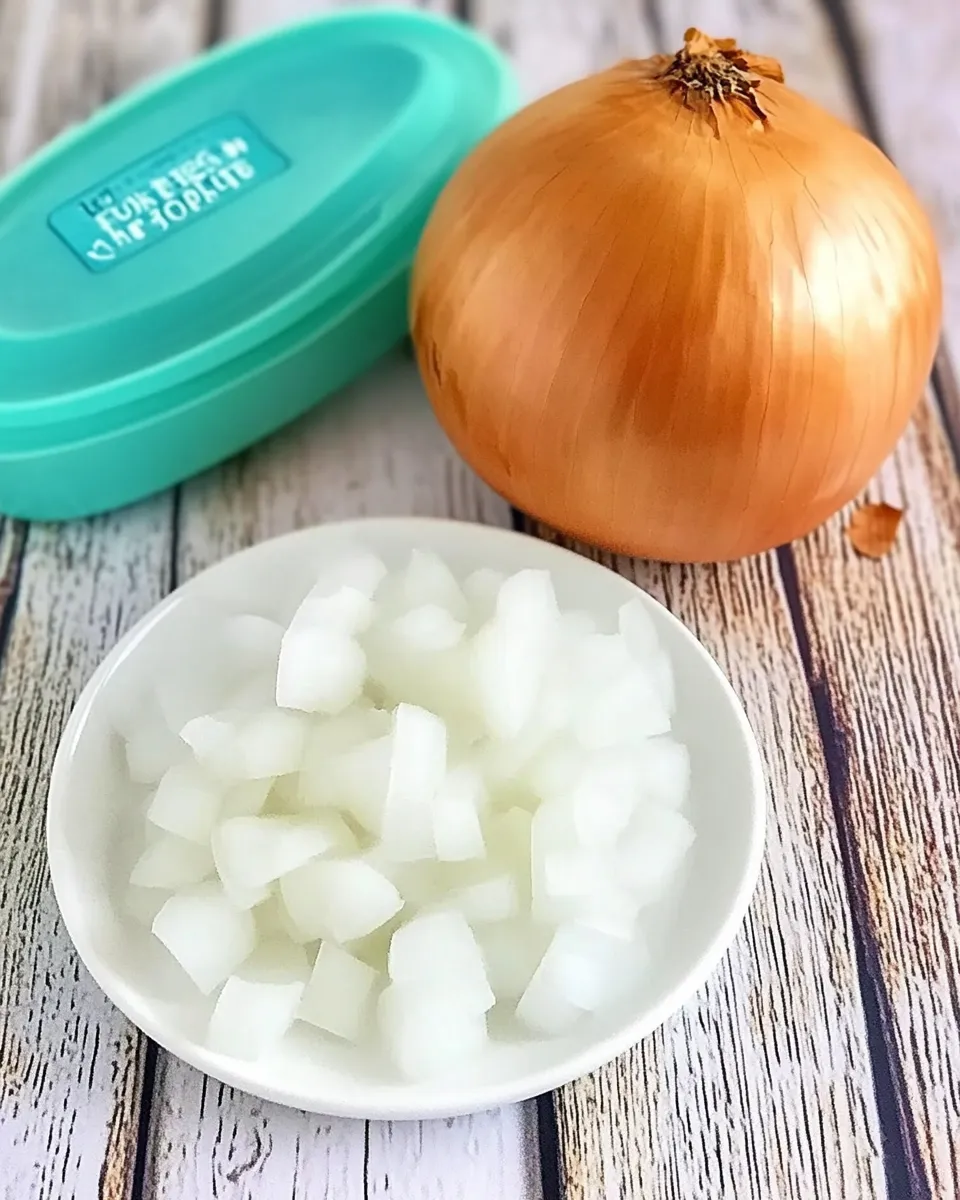
- 5poundschopped onions — the only ingredient you need; chopped to the size you want for later cooking so they’re ready to drop into recipes.
Freezing Onions: Step-by-Step Guide
- Begin with 5 pounds chopped onions (chopped to the size you want for later cooking).
- Spread the chopped onions in a single layer on one or more rimmed baking sheets. Do not overlap the pieces; try to keep them from touching so they freeze individually.
- If needed, use additional baking sheets so the onions remain in a single layer rather than piled.
- Optionally and loosely cover each tray with plastic wrap to reduce freezer odors—do not press the wrap into the onions.
- Place the baking sheet(s) in the freezer and freeze until the onions are completely solid (usually several hours or overnight).
- Remove the trays from the freezer. Break apart any clumps and divide the frozen onions into the portion sizes you prefer (for example, 1-cup or 2-cup portions).
- Pack the portions into small freezer-safe plastic bags, press out as much air as possible, seal, label with the date, and return to the freezer.
- Use the frozen onions within 3 to 4 months for best quality.
Why This Recipe Belongs in Your Rotation
Freezing onions is one of those small, high-impact kitchen habits. It reduces waste by saving onions that might otherwise sprout or go soft. It also speeds up preparation: frozen onions slide from the bag into a hot pan and soften quickly, which is priceless on weeknights.
Beyond convenience, frozen onions are predictable. You control the chop size and the portions, so you’re not wasting fresh produce or time. If you buy onions in bulk or grow them, freezing lets you lock in that harvest or sale produce without fretting about spoilage.
Allergy-Friendly Substitutes
- Shallots — milder and slightly sweeter; freeze using the same method if you like their flavor profile.
- Leeks — white and light-green parts work well; slice, rinse, and freeze in a single layer.
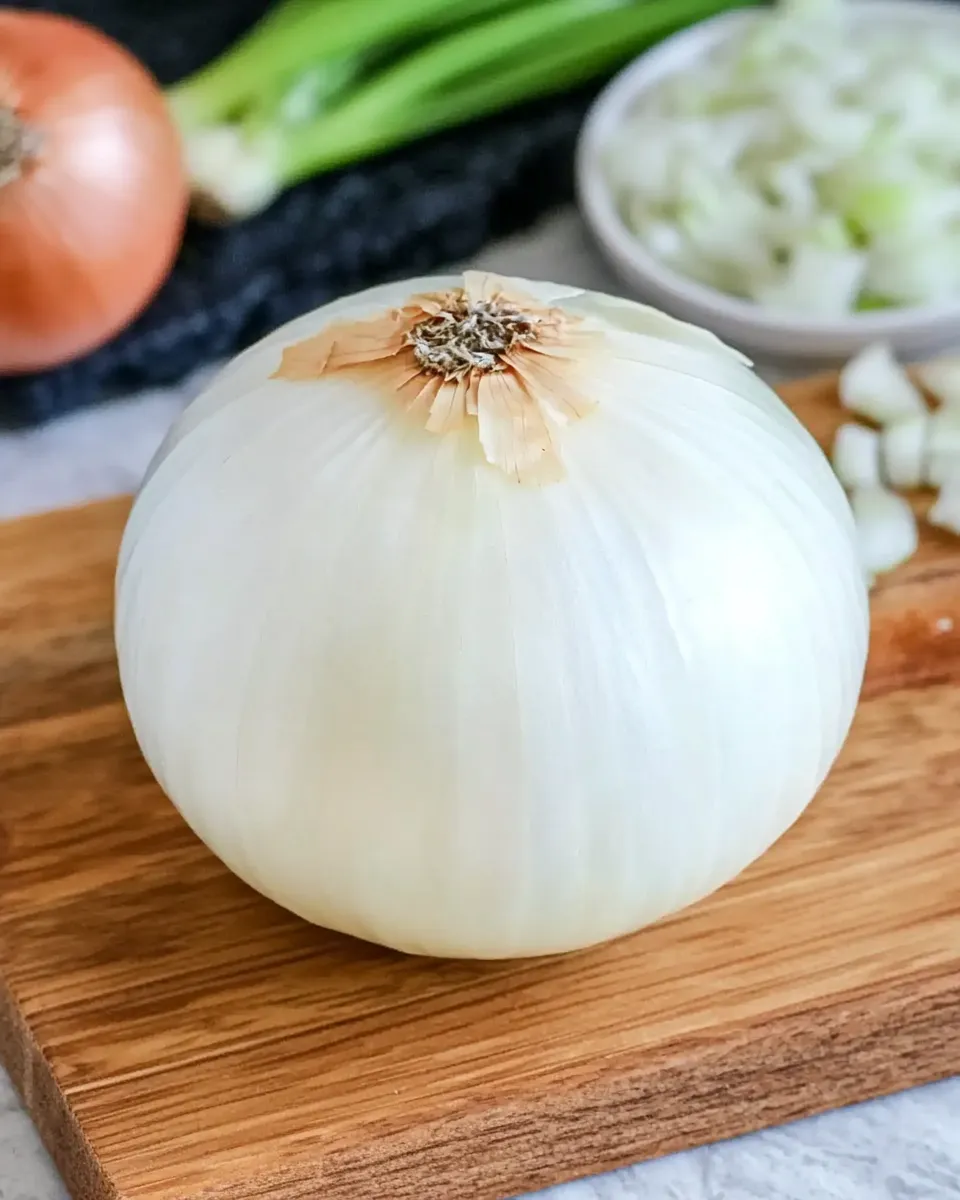
- Green onions (scallions) — freeze the white and light-green parts chopped; they work best cooked rather than raw after freezing.
- Onion powder — not a direct substitute for texture, but a pantry option when you need onion flavor without fresh produce.
Kitchen Gear Checklist
- Rimmed baking sheets — a must for the single-layer flash-freeze method.
- Sharp knife and stable cutting board — for consistent chop size; saves time later.
- Plastic wrap or a loose cover — optional to minimize freezer odors (do not press onto the onions).
- Freezer-safe bags — small, reusable or disposable; pick sizes that match how you cook (1 cup, 2 cups, etc.).
- Permanent marker and labels — write date and portion size so you use the oldest first.
- Spoon or spatula — to break apart onions on the tray if they clump after freezing.
What Not to Do
- Don’t pile the chopped onions on the sheet. If they touch and freeze together, you lose the convenience of separable portions.
- Don’t press plastic wrap into the onions. That creates wet spots and promotes clumping and freezer burn.
- Avoid putting warm onions into the freezer. They can create condensation and ice crystals that degrade texture.
- Don’t store them unlabeled. Without a date, you’ll lose track and might keep them past their best-quality window.
- Don’t expect frozen raw onions to be ideal for dishes where crisp, raw onion texture matters (like a fresh salad). They’re best cooked.
Make It Your Way
Portioning options
- 1-cup portions — great for single-skillet meals, omelets, or sauces for two.
- 2-cup portions — useful if you often make a family-sized soup or stew.
- Mixed-size bags — keep a few small and a few larger bags so you don’t over-defrost.
Prepared variations
- Sautéed and frozen — cook the onions first (softened and lightly browned), cool, then flash-freeze; they store and reheat well and have a sweeter profile.
- Caramelized — make a big batch, cool completely, and freeze in small portions for sauces and stews where deep flavor matters.
- Blended — if you use onions for sauces, you can puree after chopping and freeze in ice cube trays for tablespoon-sized portions.
Insider Tips
Here are small practices that make a big difference:
- Freeze on multiple trays. If you have a lot of onions, spreading them across trays prevents heat transfer and keeps pieces separate.
- Use parchment or silicone liners if your baking sheets are dark or sticky; it speeds cleanup and prevents sticking.
- If onions clump after freezing, gently knock the tray edge or use a spatula to pry pieces apart while they’re still cold—this keeps them from turning mushy on thaw.
- Flash-freezing preserves shape. The single-layer freeze ensures pieces don’t fuse, so you can pour the amount you need into the pan without defrosting an entire block.
- Label with both the date and suggested portion size. You’ll thank yourself when you’re cooking at 6 p.m. with no time to measure.
Storage Pro Tips
Frozen onions are convenient, but a little organization goes a long way. Store bags flat so they stack neatly and thaw quickly. If you have limited freezer space, stand thinner bags on their sides like file folders.
The directions end with a specific shelf-life: Use the frozen onions within 3 to 4 months for best quality. They’ll remain safe longer, but the texture and flavor decline over time. Rotate your stock so the oldest bags get used first.
To thaw: drop the quantity you need into a hot pan; cook from frozen for most savory dishes. For recipes that require softened onions first, let them thaw briefly in the refrigerator or microwave, then sauté. Avoid refreezing thawed onions; plan portions to match your recipe.
Ask the Chef
Q: Will frozen onions make my dish watery?
A: They can release more liquid than fresh when thawed, especially if they’re chopped very fine. That’s why I prefer to sauté them from frozen straight into a hot pan—most of the moisture cooks away quickly and you retain flavor without a soggy texture.
Q: Can I freeze onions with other vegetables?
A: It’s best to freeze onions alone. Different vegetables freeze at different rates and may have contrasting textures, so keep them separate for the most flexibility when cooking.
Q: Can frozen onions be used raw in salads?
A: Not recommended. Freezing breaks cell walls, so the crisp texture is gone. Use frozen onions in cooked dishes where softness is acceptable or desired.
Before You Go
Freezing onions is a tiny habit that saves you time, money, and frustration. It takes a bit of prep once or twice a month and then pays back in quicker dinners and less waste. Start with a single baking sheet and 5 pounds of chopped onions — you’ll be surprised how often you reach for that bag in the freezer.
If you try this method, tell me how you portion yours and which dishes benefited most. I collect smart kitchen shortcuts and I love hearing what works in real life. Happy freezing, and may your weeknight dinners be just a little easier.
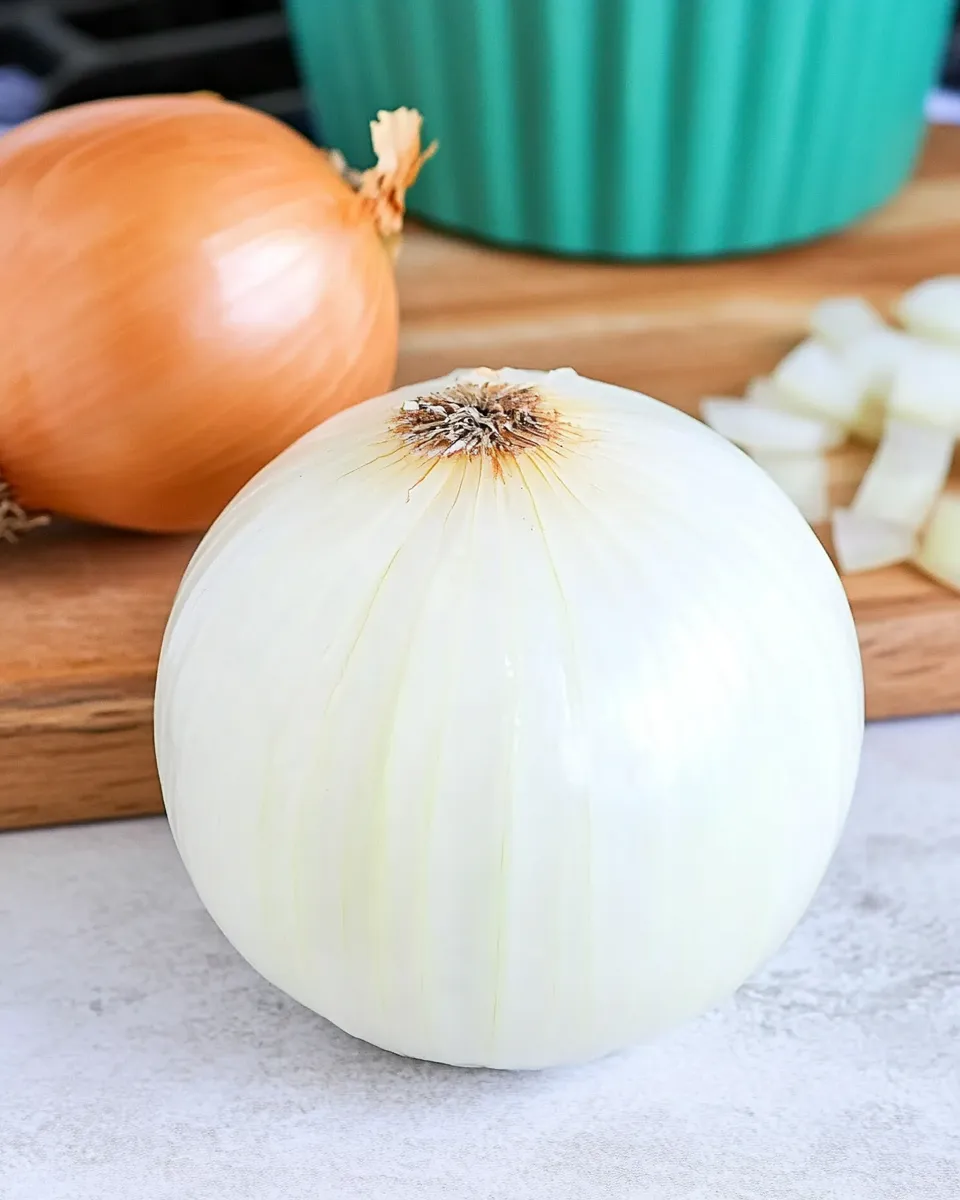
Can You Freeze Onions? The Complete Guide to Freezing Onions
Equipment
- Rimmed Baking Sheet
- Plastic Wrap
- Freezer
- freezer-safe plastic bags
Ingredients
Ingredients
- 5 poundschopped onions
Instructions
Instructions
- Begin with 5 pounds chopped onions (chopped to the size you want for later cooking).
- Spread the chopped onions in a single layer on one or more rimmed baking sheets. Do not overlap the pieces; try to keep them from touching so they freeze individually.
- If needed, use additional baking sheets so the onions remain in a single layer rather than piled.
- Optionally and loosely cover each tray with plastic wrap to reduce freezer odors—do not press the wrap into the onions.
- Place the baking sheet(s) in the freezer and freeze until the onions are completely solid (usually several hours or overnight).
- Remove the trays from the freezer. Break apart any clumps and divide the frozen onions into the portion sizes you prefer (for example, 1-cup or 2-cup portions).
- Pack the portions into small freezer-safe plastic bags, press out as much air as possible, seal, label with the date, and return to the freezer.
- Use the frozen onions within 3 to 4 months for best quality.