These sauteed mushrooms are my go-to for a weeknight side, a quick topping for toast, or a cozy addition to a pasta. They come together fast, pull together pantry-friendly ingredients, and deliver big, savory flavor with very little fuss. I like them browned and glossy, with a bright finish from a touch of rice vinegar and the herbaceous lift of fresh tarragon.
No tricks, no long marinades. You only need one hot pan and a bit of patience while the mushrooms develop a proper sear. The technique matters more than anything: don’t overcrowd the pan, and give the mushrooms space to brown. Finish with tamari and rice vinegar for depth and balance, and add garlic and fresh tarragon at the end for aroma.
I’ll walk you through the exact ingredients and steps I use, the equipment that makes the job easier, and quick swaps if you don’t have everything on hand. Expect practical tips and clear warnings for the common mistakes I see at home—so you’ll get perfectly browned mushrooms every time.
Ingredients
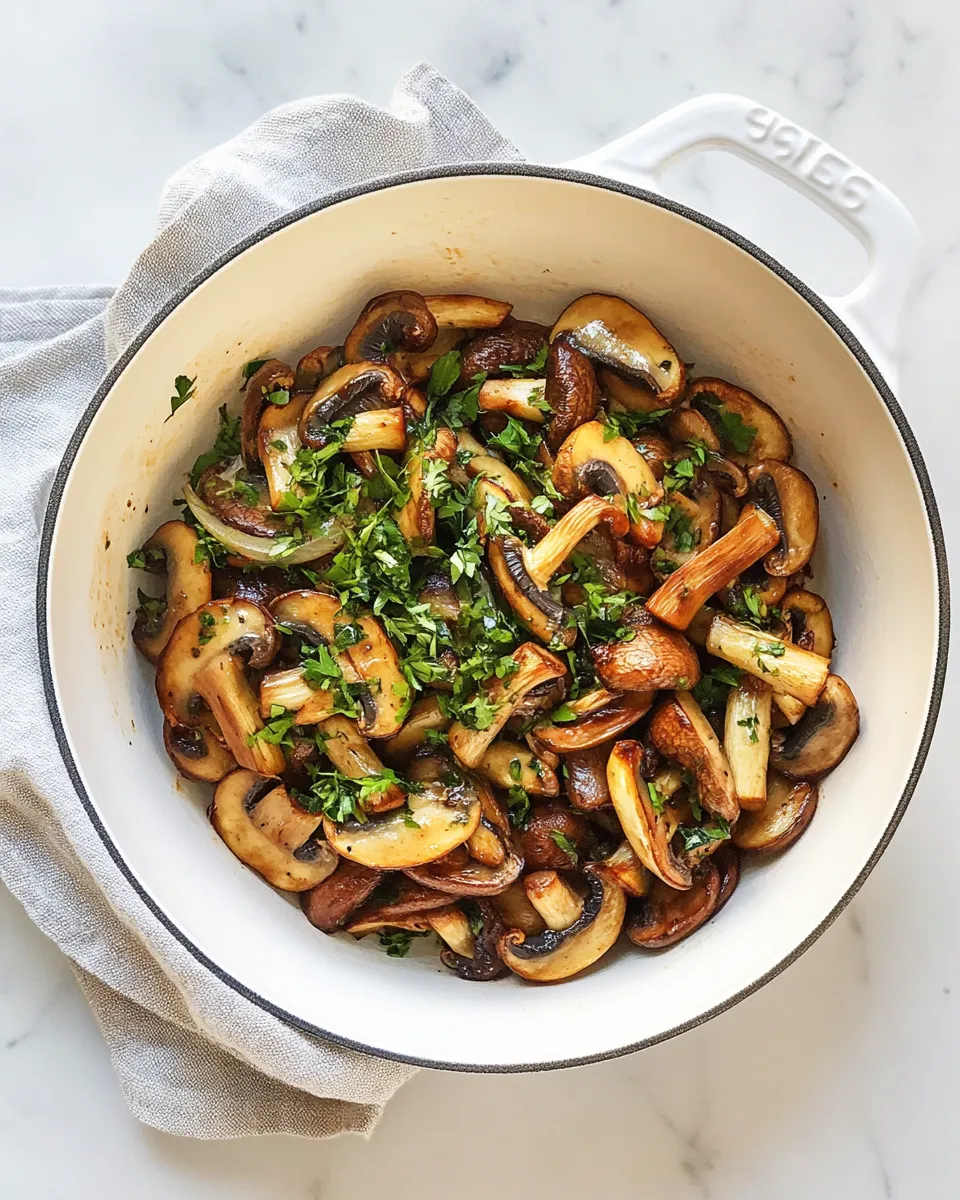
- 2 tablespoons extra-virgin olive oil — the fat that helps the mushrooms brown and builds flavor; use good oil but don’t overheat it.
- 16 ounces mixed mushrooms, sliced or chopped — mix sizes and varieties for texture and flavor contrast.
- Heaping ¼ teaspoon sea salt — seasons the mushrooms and draws out moisture; adjust to taste.
- 1 tablespoon rice vinegar — adds a subtle bright acidity to balance richness.
- 1 tablespoon tamari — provides umami and salty depth; offers a gluten-free option versus soy sauce.
- 1 garlic clove, minced or grated — a small punch of aromatics; add at the end to avoid burning.
- 1 tablespoon finely chopped fresh tarragon — fresh herb lift; stir in off the heat to preserve aroma.
- Freshly ground black pepper — to taste; finishes the dish with mild heat and complexity.
What You’ll Gather
Gather a bowl for your mushrooms, a sharp knife, and a paper towel for blotting if the mushrooms seem wet. The recipe is forgiving on exact varieties—button, cremini, oyster, shiitake, chanterelles, or a market blend all work. Aim for a mixture if you can; each type brings a different texture and flavor. Measure out your oil and seasonings so they’re ready when the pan is hot.
Have your garlic minced and tarragon chopped before you start. Sauteeing moves quickly once the pan is hot; last-minute prep makes the difference between evenly browned mushrooms and a pan of steamed, tired ones. A small spoon or spatula for occasional tossing is helpful, but avoid over-stirring.
Sauteed Mushrooms — Do This Next
- Heat a large cast-iron skillet over medium heat and add 2 tablespoons extra-virgin olive oil; heat until the oil shimmers.
- Add 16 ounces mixed mushrooms (sliced or chopped), a heaping ¼ teaspoon sea salt, and freshly ground black pepper (to taste). Toss to coat the mushrooms in the oil and seasonings.
- Let the mushrooms cook without stirring for 2 to 3 minutes to develop a golden-brown sear.
- Give the pan a good shake, then continue cooking over medium heat, stirring only occasionally, until the mushrooms are soft and well-browned, about 5 to 8 minutes more (depending on mushroom size).
- Reduce the heat to low and stir in 1 tablespoon rice vinegar, 1 tablespoon tamari, and 1 garlic clove (minced or grated).
- Turn off the heat, sprinkle with 1 tablespoon finely chopped fresh tarragon, and serve hot.
Why This Recipe Belongs in Your Rotation
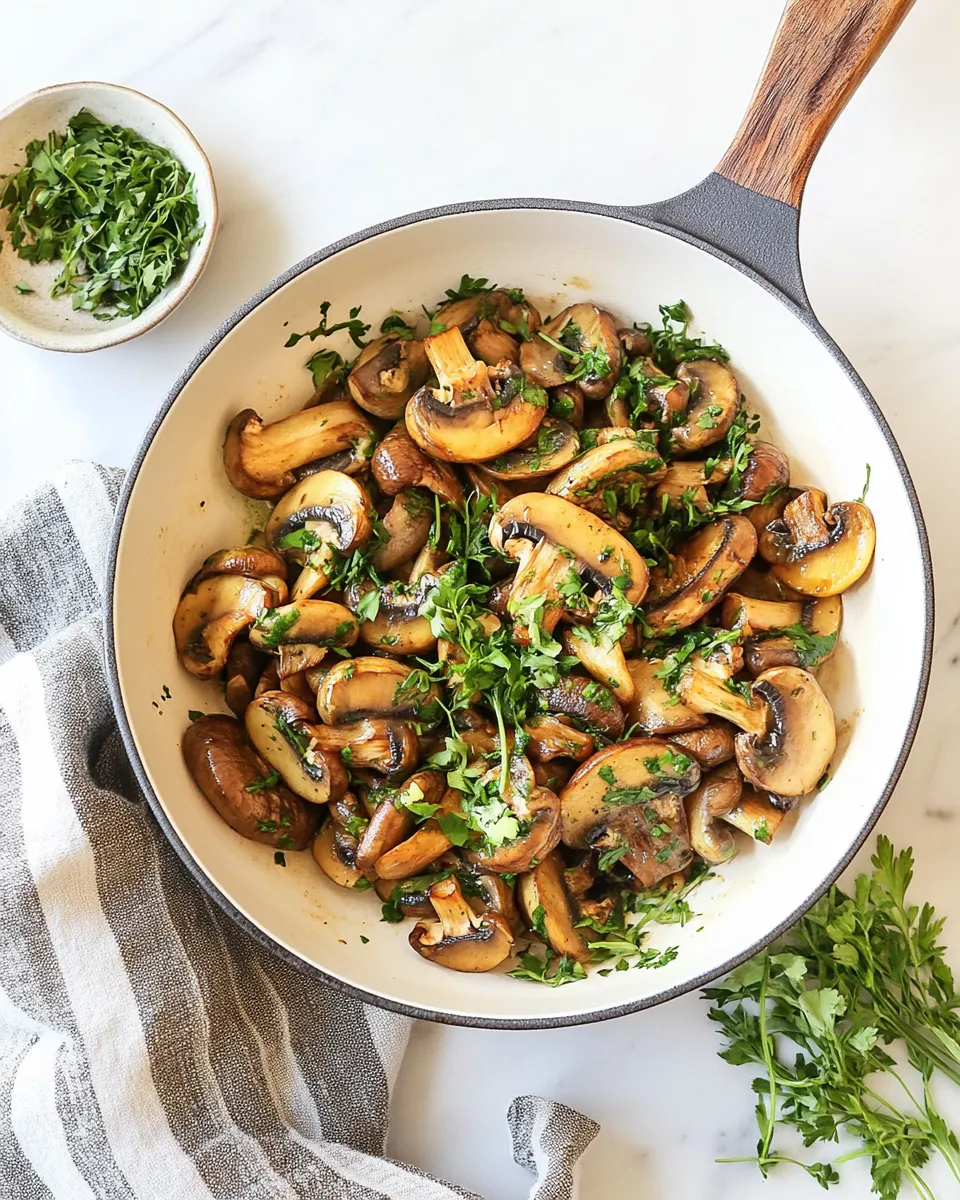
It’s fast. From hot pan to plate in under 15 minutes if your mushrooms are prepped. That speed makes these mushrooms useful for last-minute additions to bowls, grilled proteins, or scrambled eggs. They transform cheap or seasonal mushrooms into something that tastes like you spent more time and effort than you did.
It’s versatile. The base technique—hot pan, little oil, patient browning—works across many cuisines and recipes. The rice vinegar and tamari give a gentle tang and umami that pair with roasted meats, grain bowls, pasta, and even sandwiches. Keep this method in mind whenever you want an easy flavor boost.
It’s forgiving. Small variances in timing, mushroom size, or pan temperature won’t ruin the dish. The two-stage flavor finishing (vinegar + tamari, then garlic and tarragon off the heat) is designed to rescue texture and round out the taste even if your mushrooms release a bit more water than expected.
Swap Guide
No tamari? Use regular soy sauce (same amount) but be mindful of sodium. Prefer a different acid? A squeeze of lemon or a teaspoon of sherry vinegar will work in a pinch, though it will change the flavor profile slightly—rice vinegar is mild and clean.
Fresh tarragon is specific, but if you don’t have it, try parsley for brightness or chives for a mild onion note. If you’re out of extra-virgin olive oil, use a neutral oil with a splash of butter added at the end for richness. For a dairy-free finish, stick with plant oils only.
Mushroom-only substitutions: if you only have one type of mushroom, use it. Denser mushrooms like shiitake brown more slowly; delicate oyster mushrooms cook faster and may need less time in the pan. Adjust the 5–8 minute browning window as needed.
Must-Have Equipment
Cast-iron skillet — I use a large cast-iron skillet because it holds and distributes heat evenly. That gives mushrooms the steady searing surface they need. If you don’t have cast iron, a heavy stainless-steel pan works well.
Sharp knife — for clean slices so mushrooms cook evenly. A dull knife crushes them and releases excess moisture.
Heat source — medium heat is the sweet spot. Too low and you steam; too high and the oil will smoke before the mushrooms brown.
Wooden spoon or spatula — for occasional stirring and shaking. Don’t over-stir; the goal is to let surfaces caramelize between turns.
What Not to Do
Do not overcrowd the pan. If mushrooms are stacked tightly, they will steam rather than sear. Work in batches if necessary. A crowded pan is the most common reason for pale, soggy mushrooms.
Do not add garlic at the start. Garlic burns quickly and becomes bitter when exposed to high heat for too long. The recipe finishes garlic at low heat so it provides aroma without bitterness.
Do not salt only at the end. Salt early enough to draw moisture and season the mushroom flesh; the recipe calls for a heaping ¼ teaspoon at the start. That said, taste and adjust at the end if needed.
Year-Round Variations
Spring: mix chanterelles or morels with baby mushrooms when available. Finish with lemon zest and chopped chives for a bright, seasonal lift.
Summer: use tender oyster mushrooms with a splash of white wine instead of rice vinegar and finish with basil or parsley. Serve over grilled bread with a drizzle of olive oil.
Fall/Winter: use cremini and shiitake for earthier flavor. Add a small knob of butter at the end and finish with thyme instead of tarragon. This pairs beautifully with roasted root vegetables and richer proteins.
Holiday/Indulgent: fold in a spoonful of mascarpone or crème fraîche off the heat for a silky finish, and toss with toasted walnuts or hazelnuts for crunch.
What Could Go Wrong
Unbrowned, watery mushrooms: most likely the pan was crowded or not hot enough. Fix by cooking in smaller batches and ensuring the oil is shimmering before the mushrooms go in.
Mushrooms burned on the outside but raw inside: pan too hot or slices too thick. Lower the heat slightly and slice mushrooms more uniformly. Shake the pan and stir occasionally to brown evenly.
Bitter garlic: garlic added too early or cooked on too high heat. Add the garlic only after the vinegar and tamari have been added and the heat reduced, as the recipe instructs.
Over-salted final dish: tamari adds saltiness. If you accidentally add too much, toss with a neutral grain (rice or quinoa) or a mild starch (mashed potato) to spread the saltiness out, or quickly add a splash of acid (a little more rice vinegar) to balance.
Storing, Freezing & Reheating
Storage: Cool completely, then store in an airtight container in the refrigerator for up to 4 days. The texture will soften slightly, but flavor holds well.
Freezing: I don’t recommend freezing these mushrooms if you want the freshest texture; freezing makes them softer on thaw. If you must freeze, flash-cool, pack into a freezer-safe container, and use within 2 months. Thaw in the fridge before reheating.
Reheating: Reheat gently in a skillet over medium-low heat with a teaspoon of oil. This restores some surface crispness. Avoid nuking in the microwave if you want the best texture; the microwave steams them and makes them soggy.
Ask & Learn
Common questions
Q: Can I skip the tamari? A: Yes. Replace with equal soy sauce or omit and add a sprinkle of nutritional yeast for umami if you prefer a soy-free finish.
Q: Do I need to rinse mushrooms? A: Only if they’re very dirty. Quick wipe or brief rinse and immediate drying is fine. Excess water prevents browning.
Q: Can I use dried tarragon? A: Use about 1 teaspoon dried, added earlier in the heat so it has time to bloom. Fresh is preferred for its bright, anise-like lift.
Let’s Eat
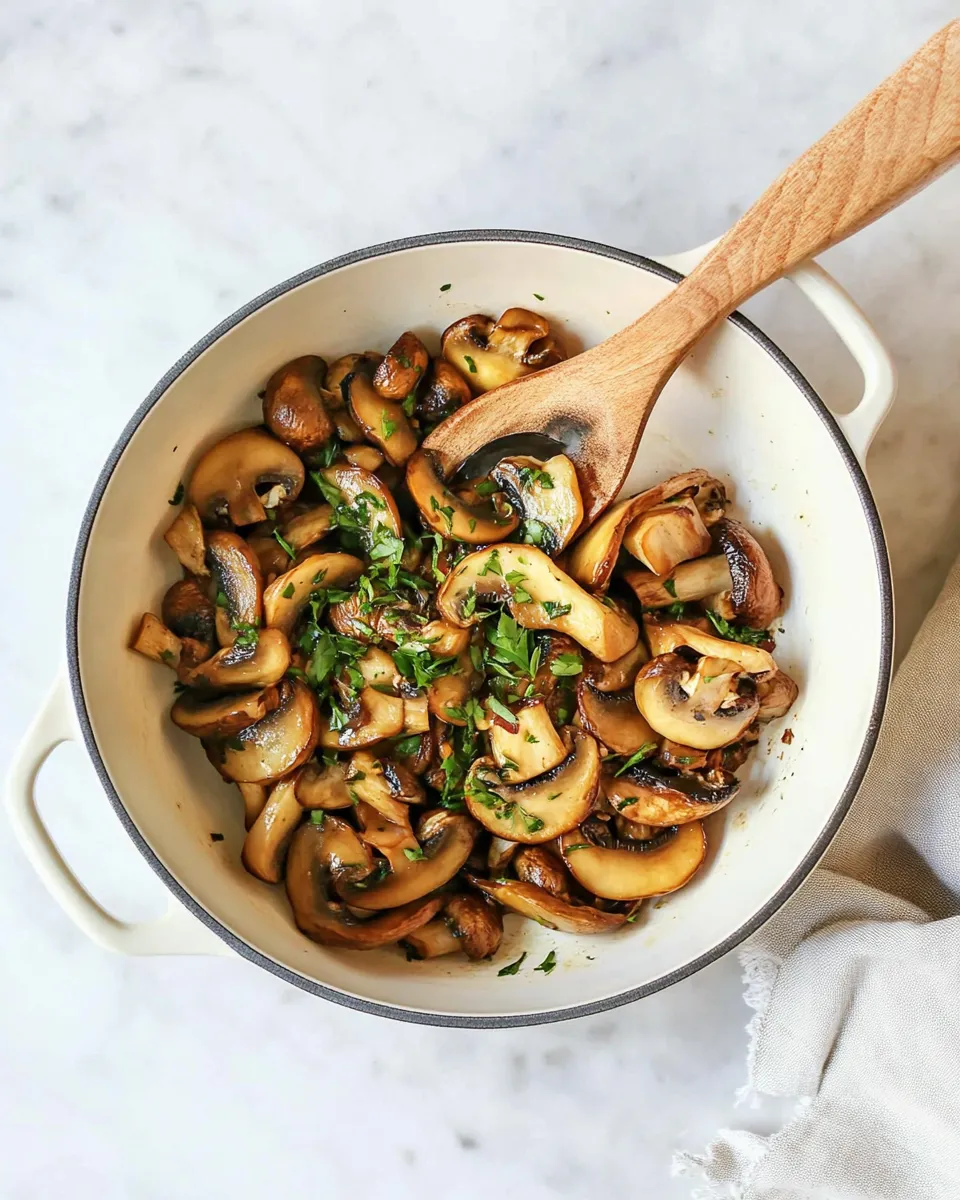
Serve these mushrooms straight from the pan while they’re hot and glistening. Spoon them over toasted sourdough with a smear of ricotta or goat cheese for a simple lunch. Add them to pasta with a splash of pasta cooking water and a handful of grated Parmesan. Stir them into grain bowls, top roasted chicken, or fold them into an omelet or scrambled eggs.
Leftovers make a wonderful quick sauce base: warm them and toss with a little cream or broth, then pour over baked fish or roasted vegetables. The balance of umami, acid, and fresh tarragon keeps their flavor lively even the next day.
This is the kind of recipe you’ll reach for over and over because it’s reliable, quick, and endlessly adaptable. Keep it in your back pocket, and you’ll always have a way to dress up a simple meal.
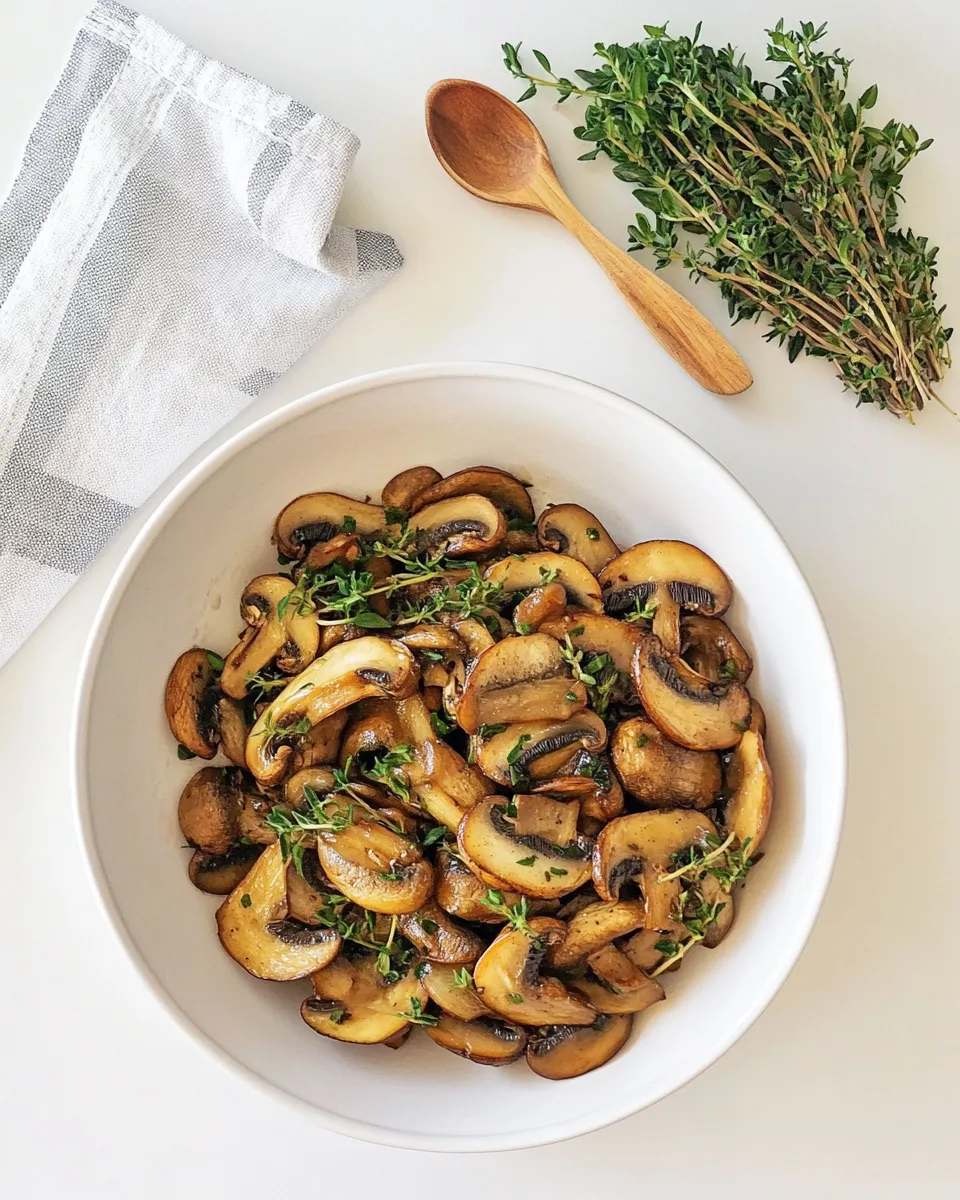
Sauteed Mushrooms
Equipment
- large cast-iron skillet
Ingredients
Ingredients
- 2 tablespoonsextra-virgin olive oil
- 16 ouncesmixed mushrooms sliced or chopped
- Heaping 1/4 teaspoonsea salt
- 1 tablespoonrice vinegar
- 1 tablespoontamari
- 1 garlic clove minced or grated
- 1 tablespoonfinely chopped fresh tarragon
- Freshly ground black pepper
Instructions
Instructions
- Heat a large cast-iron skillet over medium heat and add 2 tablespoons extra-virgin olive oil; heat until the oil shimmers.
- Add 16 ounces mixed mushrooms (sliced or chopped), a heaping ¼ teaspoon sea salt, and freshly ground black pepper (to taste). Toss to coat the mushrooms in the oil and seasonings.
- Let the mushrooms cook without stirring for 2 to 3 minutes to develop a golden-brown sear.
- Give the pan a good shake, then continue cooking over medium heat, stirring only occasionally, until the mushrooms are soft and well-browned, about 5 to 8 minutes more (depending on mushroom size).
- Reduce the heat to low and stir in 1 tablespoon rice vinegar, 1 tablespoon tamari, and 1 garlic clove (minced or grated).
- Turn off the heat, sprinkle with 1 tablespoon finely chopped fresh tarragon, and serve hot.