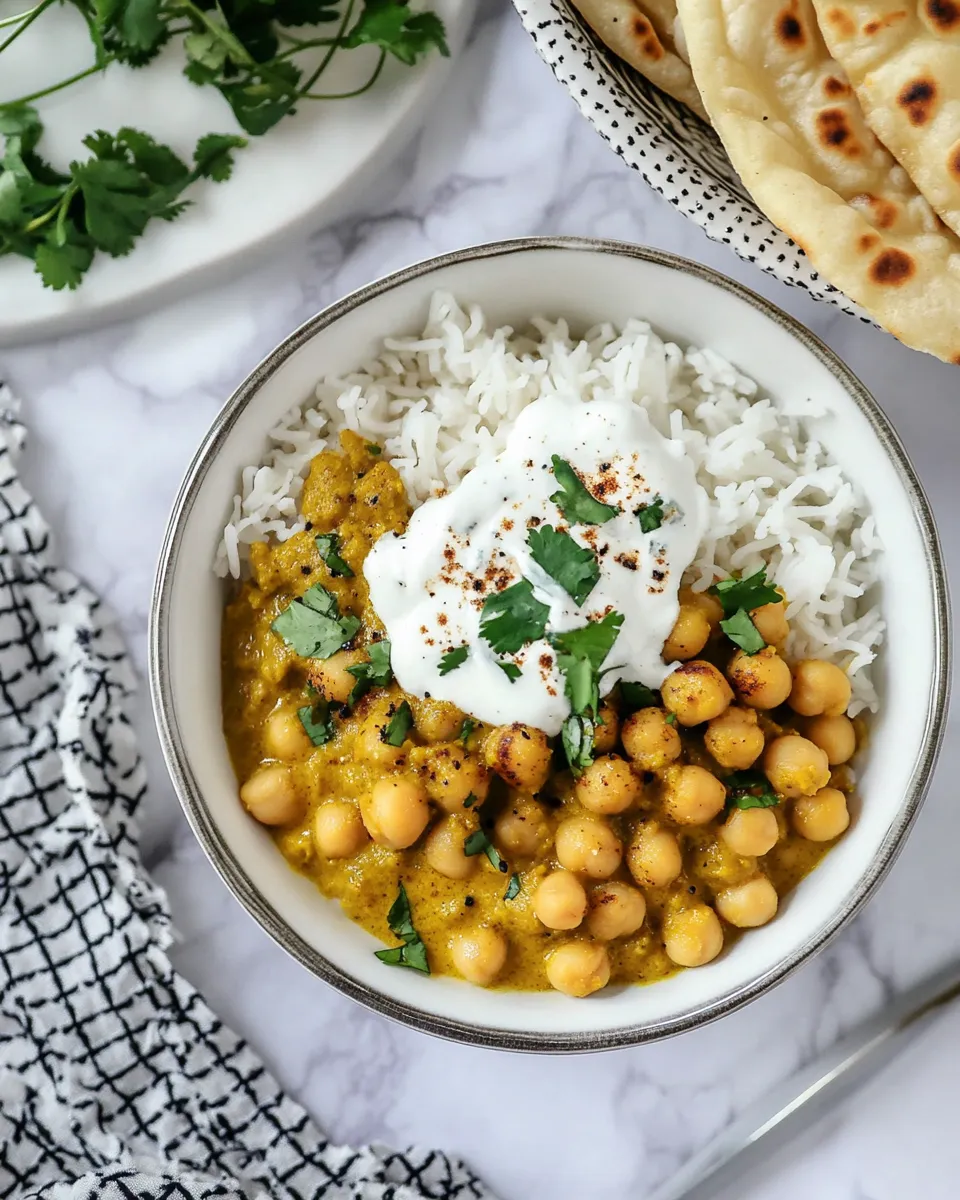
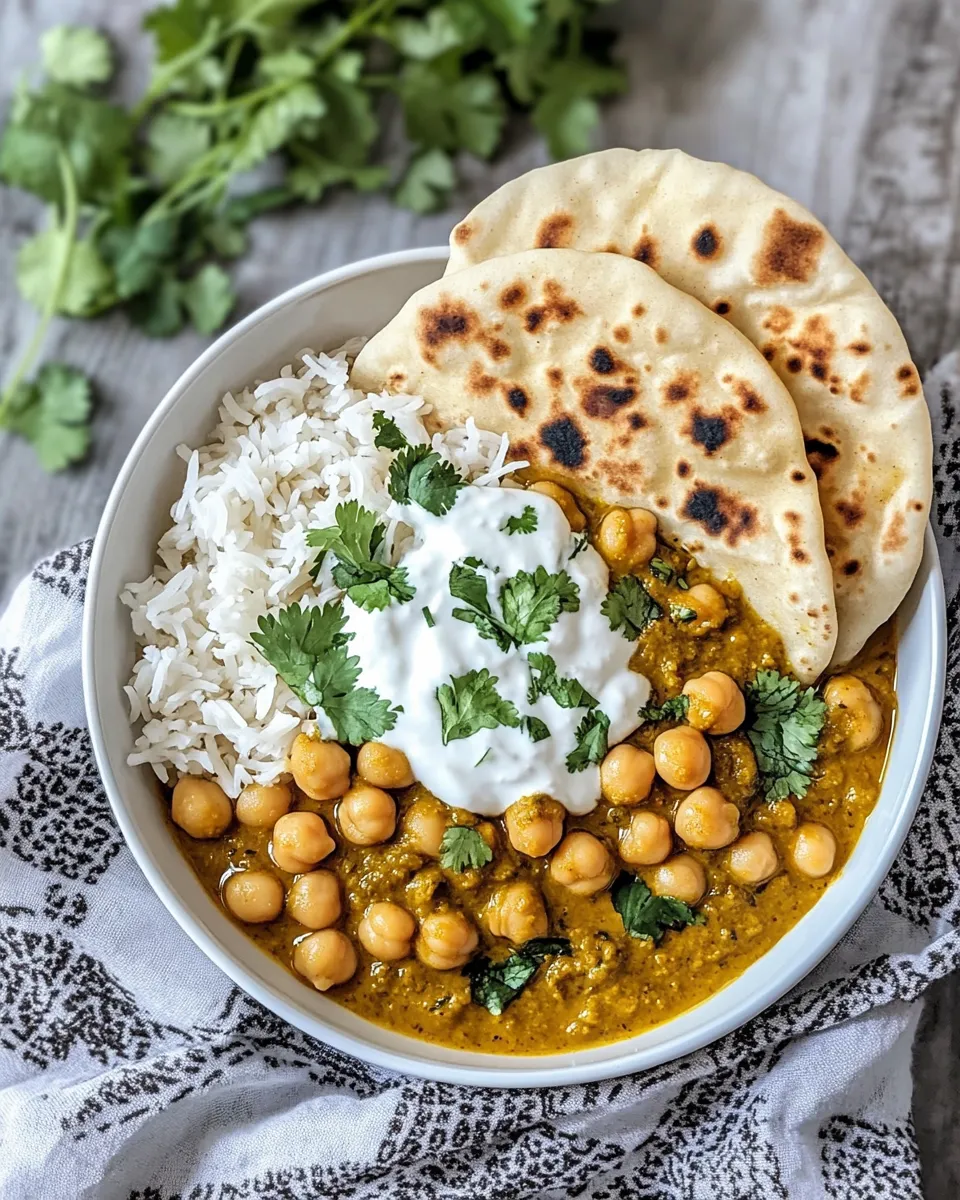
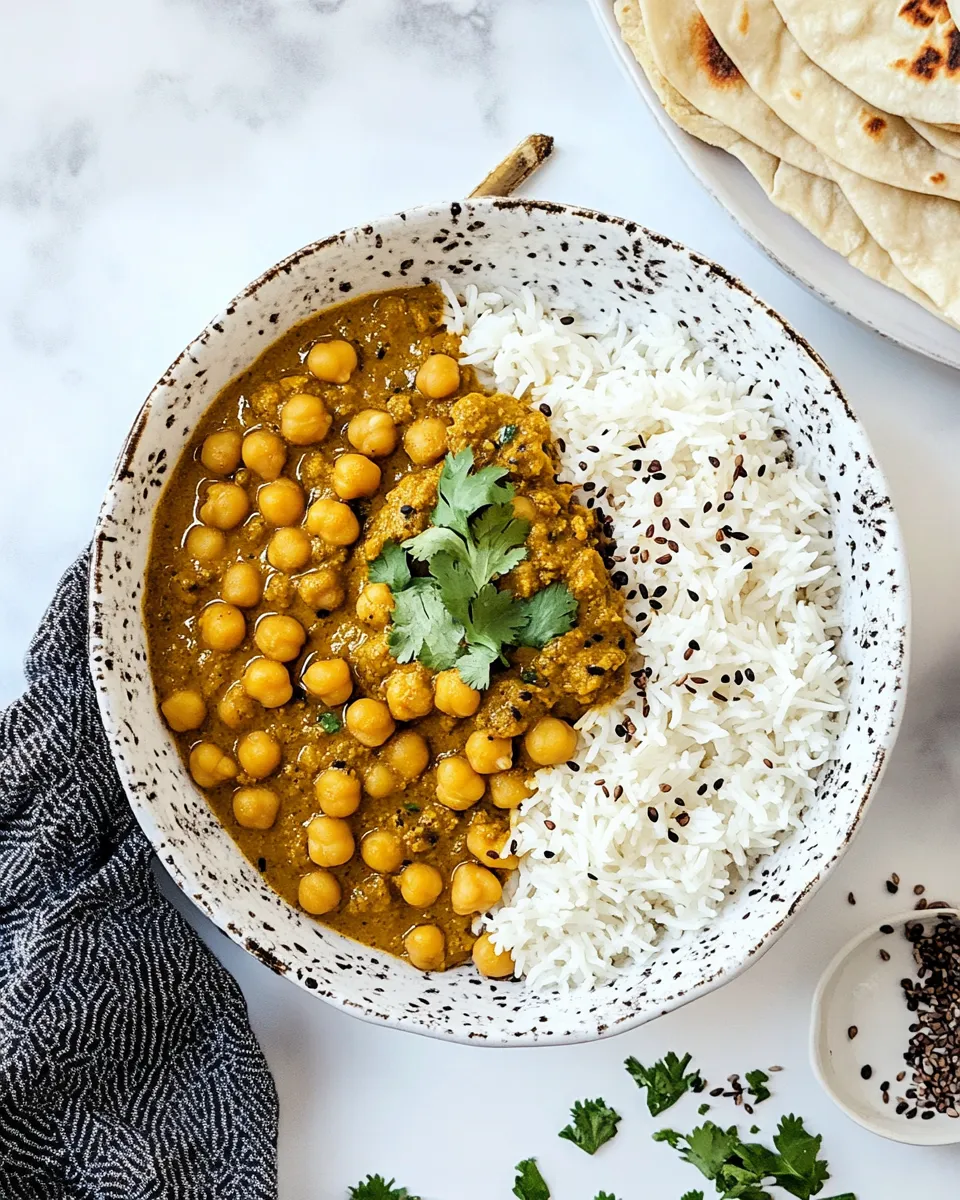
I make this Chickpea Korma on weeknights when I want comfort without fuss. It’s rich, slightly creamy, and fragrant from a compact spice mix — and it genuinely comes together in about 25 minutes. The coconut cream gives the sauce a silky body without needing dairy, and canned chickpeas keep the effort minimal.
The method is straightforward: sauté aromatics, bloom spices, add tomato paste and coconut cream, then warm the chickpeas through. You’ll get restaurant-worthy flavor with one pan and a few pantry staples. I keep a jar of garam masala and a can of coconut cream in my kitchen for days like this.
Below you’ll find the exact ingredients and the step-by-step timing I use, plus practical swaps, equipment notes, troubleshooting, and storage tips so you can confidently make it any night of the year.
Ingredients
- 1 Tbsp coconut oil — used for sautéing; adds a subtle tropical aroma and helps the spices bloom.
- 28 oz chickpeas (canned) — the main protein and texture; draining concentrates flavor, rinsing reduces sodium.
- 13.5 oz full-fat coconut cream (canned) — creates the rich korma sauce; stir before opening if solids separated.
- 1 Onion (medium) — sweet base flavor; finely chopped so it melts into the sauce quickly.
- 3 clove Garlic — minced for a quick fragrant lift; don’t cook too long or it will brown and taste bitter.
- 2 Tbsp Tomato paste — deepens umami and provides acidity to balance the creaminess.
- 1 tsp Garam masala — warm spice blend that defines the dish; add at the spice stage to bloom.
- 1 tsp Turmeric — color and gentle earthiness; a little goes a long way.
- 1 Bay leaves — subtle aromatic that deepens the sauce as it simmers.
- ½ tsp Ground cumin seeds — nutty, toasty base flavor.
- ½ tsp Salt — start here; you can adjust at the end after tasting.
- ¼ tsp Cloves ground — potent and sweet; small amount adds warmth without clove-forward flavor.
- ¼ tsp Ground coriander seeds — citrusy, brightens the spice mix.
- ¼ tsp Cinnamon — a whisper of sweetness and warmth.
- ¼ tsp Cardamom ground — floral top note that lifts the sauce.
Chickpea Korma — Do This Next
- Peel and finely chop 1 medium onion. Peel and mince 3 cloves garlic. Drain (and optionally rinse) the 28 oz canned chickpeas. Shake the 13.5 oz can of full-fat coconut cream or stir it in the can to recombine solids and liquid before opening.
- Preheat a frying pan or wok over medium heat. Add 1 Tbsp coconut oil and let it heat until shimmering.
- Add the chopped onion to the pan and sauté 3–4 minutes, stirring occasionally, until softened and translucent.
- Add the minced garlic and cook 1–2 minutes, stirring, until fragrant.
- Add the spices and salt: 1 tsp garam masala, 1 tsp turmeric, ½ tsp ground cumin, ¼ tsp ground cloves, ¼ tsp ground coriander, ¼ tsp cinnamon, ¼ tsp ground cardamom, 1 bay leaf, and ½ tsp salt. Stir constantly for 1–2 minutes to bloom the spices and release their aroma.
- Stir in 2 Tbsp tomato paste and cook 1 minute, mixing well to combine with the spices and onions.
- Pour in the 13.5 oz full-fat coconut cream and stir until the sauce is smooth. Bring the mixture to a gentle simmer (avoid a vigorous boil), about 2–3 minutes.
- Add the drained chickpeas, stir to coat them in the sauce, reduce the heat to medium-low, cover, and cook 5 minutes to heat the chickpeas through and let the flavors meld.
- Remove and discard the bay leaf. Taste and adjust seasoning if needed, then serve.
Why Cooks Rave About It
This recipe hits comforting, quick, and forgiving notes at once. The spice mix is compact but layered: turmeric for color, cumin and coriander for earthiness, and small amounts of cinnamon, cloves, and cardamom for warmth and complexity. Garam masala at the end brings a rounded aroma.
Working with canned chickpeas and coconut cream means you skip lengthy soaking, blending, or long braises. The technique — bloom spices in oil, add tomato paste, then cream — is a fast track to depth. It’s easy to tweak for personal taste, and it pairs with rice, flatbreads, or a simple salad to make a full meal.
Vegan & Vegetarian Swaps
- Make it lighter: Use light coconut milk instead of full‑fat coconut cream — the texture will be thinner but still tasty.
- Add veg: Fold in spinach or frozen peas in the last 2 minutes for color and nutrients.
- Boost protein variety: Swap half the chickpeas for cooked lentils or add pan-fried tofu cubes after step 8.
- Not coconut-friendly: Substitute a neutral unsweetened plant cream (like soy creamer) — flavor shifts but texture remains creamy.
Setup & Equipment
What I use
- 1 large frying pan or wok (10–12 inch) — wide surface encourages quick, even cooking.
- Spoon or spatula for stirring — silicone or wooden work best to scrape the pan.
- Can opener and cutting board/knife — have the onion and garlic prepped before heating the oil.
Why it matters
A wide, heavy-bottomed pan helps the onions soften evenly without scorching. If your pan is thin, lower the heat slightly and stir more frequently. A lid for the final step speeds heating but keep the simmer gentle to avoid splitting the coconut cream.
Watch Outs & How to Fix
- Burned spices/onion: If the spices darken too fast or the onions burn, remove the pan from heat, add a splash of water or a little extra coconut cream, and stir to loosen the fond. Start over from step 4 if flavors are bitter.
- Sauce too thin: Simmer uncovered a few minutes to reduce, or mash a few chickpeas against the pan to thicken naturally.
- Sauce too thick: Stir in a tablespoon or two of water or vegetable broth until you reach the desired consistency.
- Tastes flat: A squeeze of lemon, a pinch more salt, or a small dash of garam masala at the end brightens the flavors.
- Coconut flavor too strong: Add a splash of tomato vinegar or extra tomato paste to balance sweetness with acidity.
Fresh Takes Through the Year
- Spring: Stir in fresh peas and a handful of chopped cilantro at the end for brightness.
- Summer: Serve chilled on a bed of crisp cucumber salad for a cool, light plate.
- Autumn: Add roasted squash cubes to the pan in step 8 for seasonal sweetness and body.
- Winter: Double the spices slightly and serve with warm naan and pickled onions for a cozy meal.
Recipe Notes & Chef’s Commentary
I like to gently toast the spices in oil for just the time they release aroma — that’s where most of the depth comes from. Don’t rush the spice bloom; stirring constantly for the 1–2 minutes in step 5 makes a huge difference.
Tomato paste is an unsung hero here. It adds body and a background tang that balances the coconut cream. When you stir it in for a minute you’re letting it caramelize slightly with the onions and spices, which layers sweetness and umami without needing sugar.
For a smoother sauce, you can briefly blitz half the chickpeas with the coconut cream in a blender before returning to the pan, but that’s optional — the recipe as written keeps texture and is quicker.
Keep-It-Fresh Plan
- Refrigerate: Store in an airtight container for up to 4 days. Cool before sealing to avoid condensation.
- Freeze: Freeze up to 2 months in a freezer-safe container. Thaw overnight in the refrigerator before reheating gently on the stove.
- Reheating: Reheat over low heat, stirring and adding a tablespoon of water or coconut milk if the sauce has thickened too much.
Frequently Asked Questions
- Can I use coconut milk instead of coconut cream? Yes — canned full-fat coconut milk will work. Expect a slightly thinner sauce. Light coconut milk will be noticeably thinner but still tasty.
- Do I need to rinse the canned chickpeas? Rinsing reduces canned liquid’s sodium and can remove some of the metallic can flavor. The recipe allows optional rinsing; draining is essential.
- Is garam masala necessary? It’s important for aroma. If you don’t have it, increase ground cumin and coriander slightly and finish with a pinch of cinnamon and cardamom to mimic the profile.
- Can I double the recipe? Yes. Use a larger pan and keep an eye on even heating; you may need a longer gentle simmer to bring flavors together.
That’s a Wrap
This Chickpea Korma is my go-to when I want soulful food without a long cook. It’s forgiving, fast, and scales well for leftovers. The technique — sauté, bloom, mix, simmer — is a reliable pattern you’ll return to with other proteins and vegetables. Make it your own with the finishing touches you love: a squeeze of lemon, fresh herbs, or a side of rice. Enjoy the simplicity and comfort.
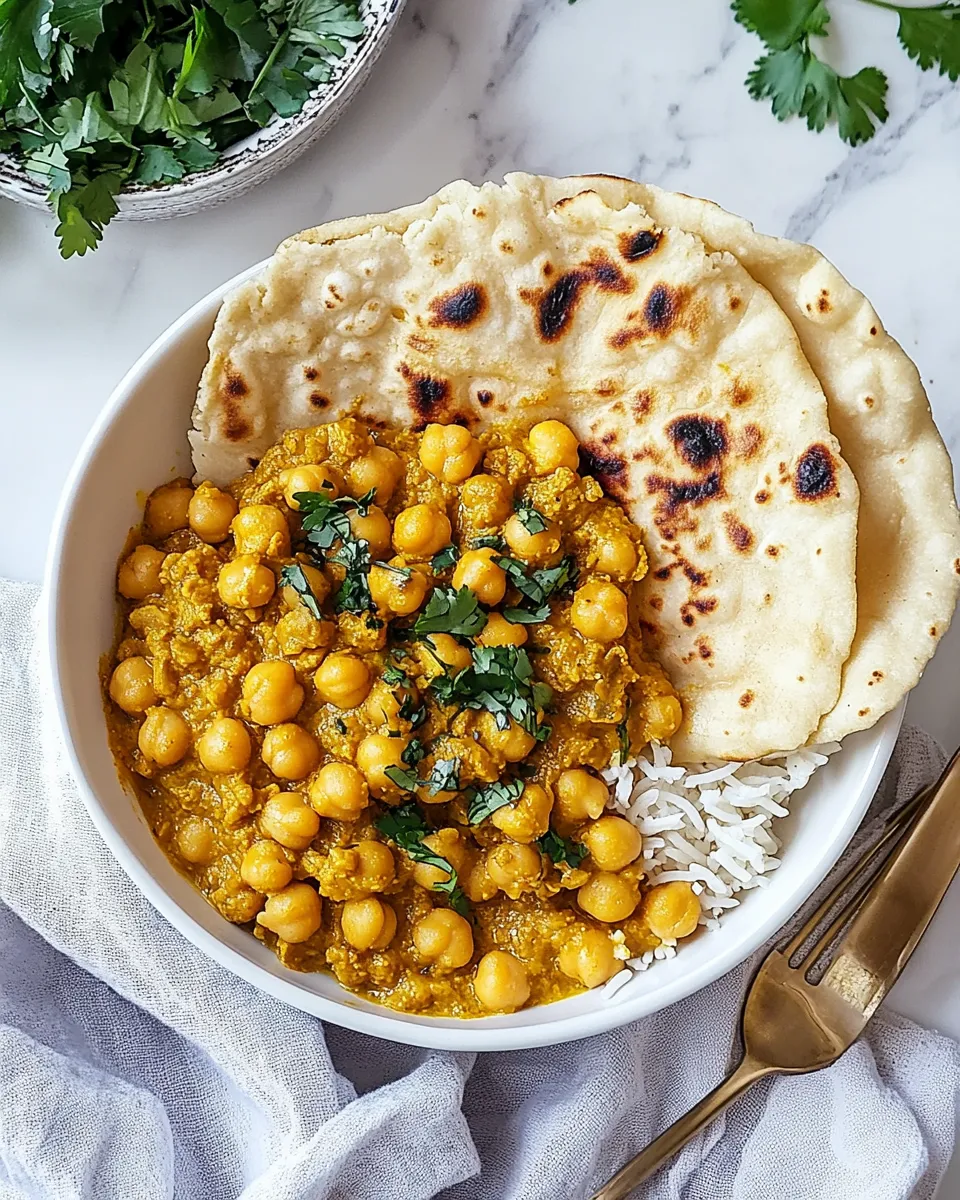
Chickpea Korma (in 25 mins)
Equipment
- Non-stick frying pan (10.5 inch / 26 cm)
- Wok
Ingredients
Ingredients
- 1 TbspCoconut oil
- 28 ozChickpeas canned
- 13.5 ozFull-fat coconut cream canned
- 1 Onion medium
- 3 cloveGarlic
- 2 TbspTomato paste
- 1 tspGaram masala
- 1 tspTurmeric
- 1 Bay leaves
- 1/2 tspGround cumin seeds
- 1/2 tspSalt
- 1/4 tspClovesground
- 1/4 tspGround coriander seeds
- 1/4 tspCinnamon
- 1/4 tspCardamomground
Instructions
Instructions
- Peel and finely chop 1 medium onion. Peel and mince 3 cloves garlic. Drain (and optionally rinse) the 28 oz canned chickpeas. Shake the 13.5 oz can of full-fat coconut cream or stir it in the can to recombine solids and liquid before opening.
- Preheat a frying pan or wok over medium heat. Add 1 Tbsp coconut oil and let it heat until shimmering.
- Add the chopped onion to the pan and sauté 3–4 minutes, stirring occasionally, until softened and translucent.
- Add the minced garlic and cook 1–2 minutes, stirring, until fragrant.
- Add the spices and salt: 1 tsp garam masala, 1 tsp turmeric, ½ tsp ground cumin, ¼ tsp ground cloves, ¼ tsp ground coriander, ¼ tsp cinnamon, ¼ tsp ground cardamom, 1 bay leaf, and ½ tsp salt. Stir constantly for 1–2 minutes to bloom the spices and release their aroma.
- Stir in 2 Tbsp tomato paste and cook 1 minute, mixing well to combine with the spices and onions.
- Pour in the 13.5 oz full-fat coconut cream and stir until the sauce is smooth. Bring the mixture to a gentle simmer (avoid a vigorous boil), about 2–3 minutes.
- Add the drained chickpeas, stir to coat them in the sauce, reduce the heat to medium-low, cover, and cook 5 minutes to heat the chickpeas through and let the flavors meld.
- Remove and discard the bay leaf. Taste and adjust seasoning if needed, then serve.
Notes
Riced veggieslike cauliflower rice orsweet potato rice
Noodleslike soba aka buckwheat noodles. If you need to eat gluten-free, please choose gluten-free noodles as soba noodles may contain wheat flour, which is not gluten-free.
Toppingslike sliced green onion or scallions or sprouts, or fresh cilantro.