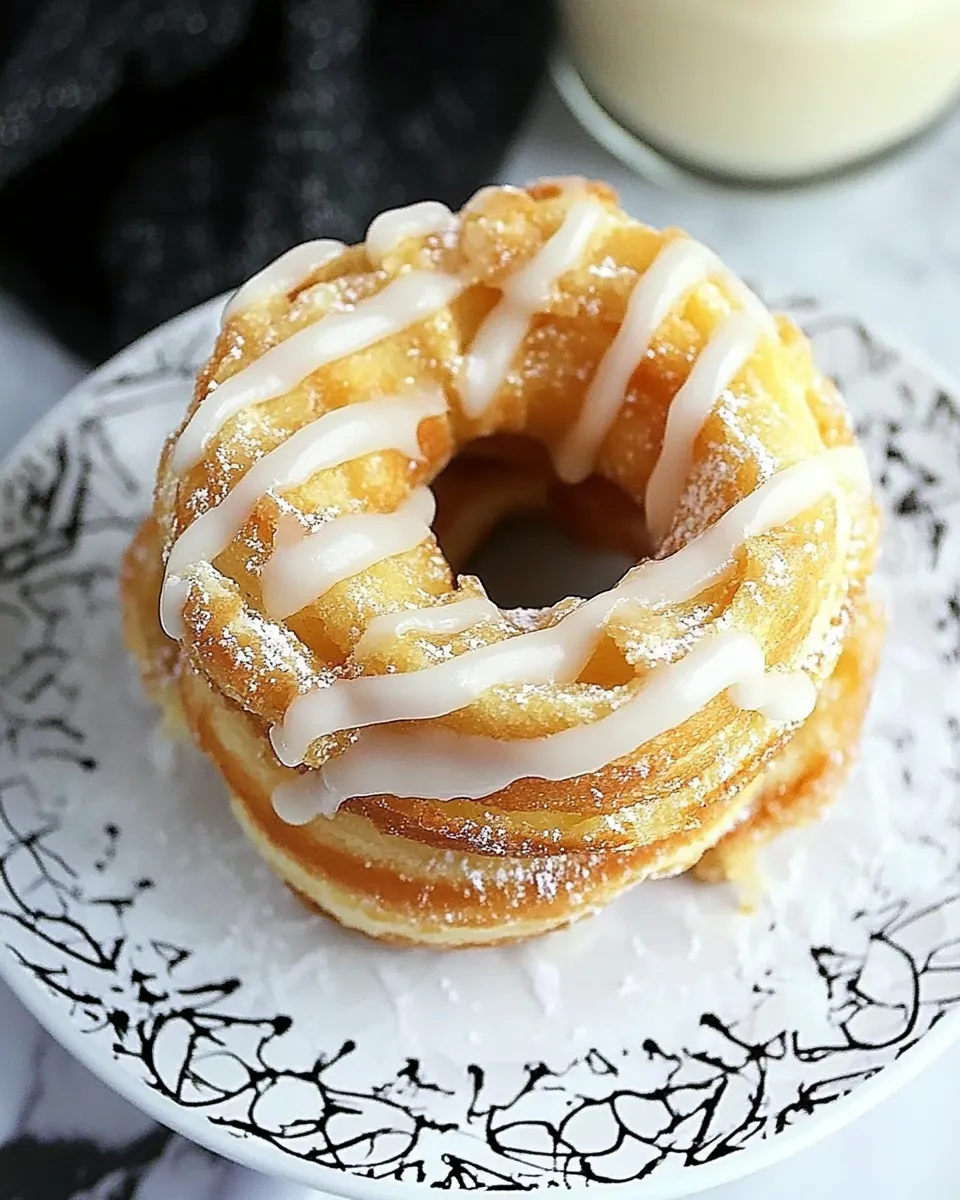
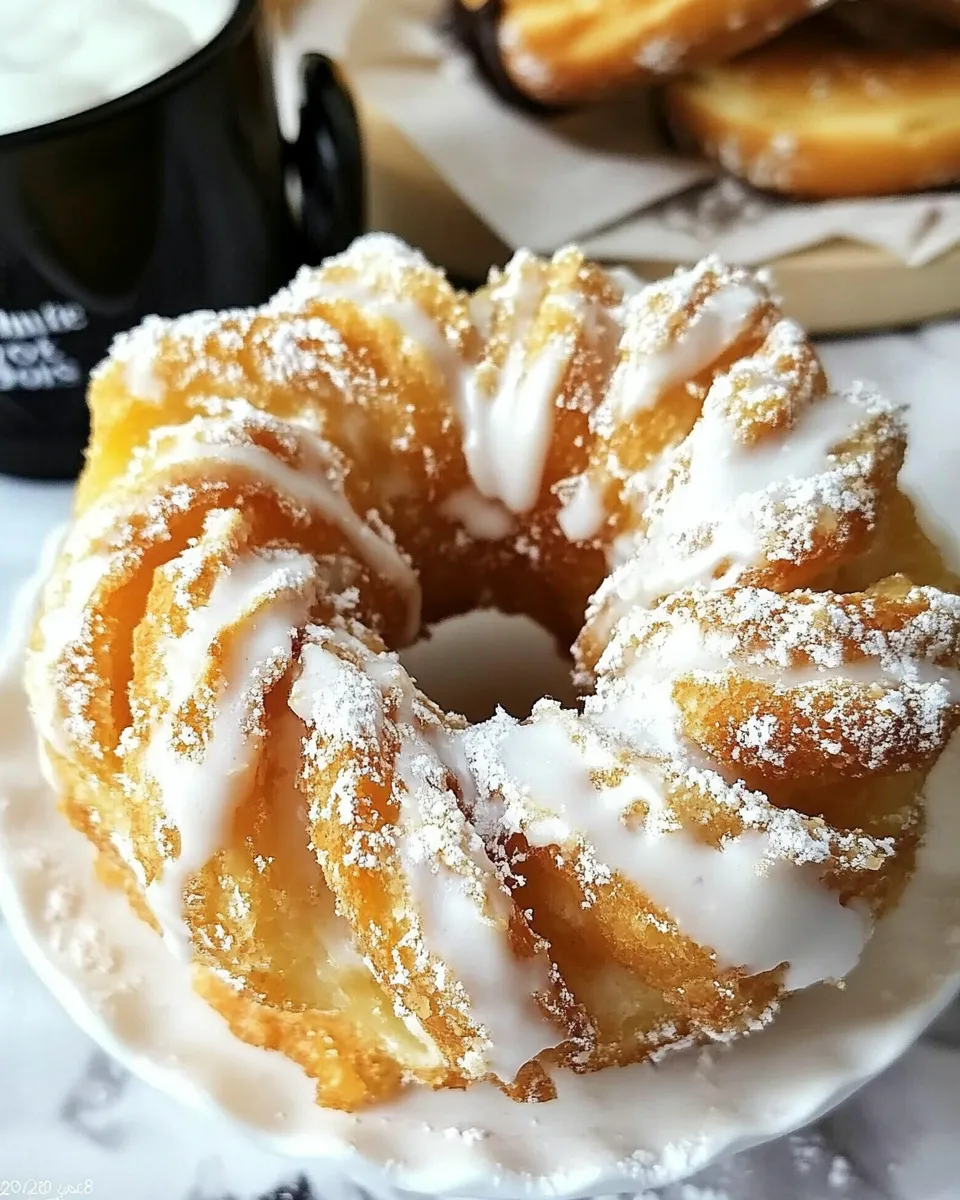
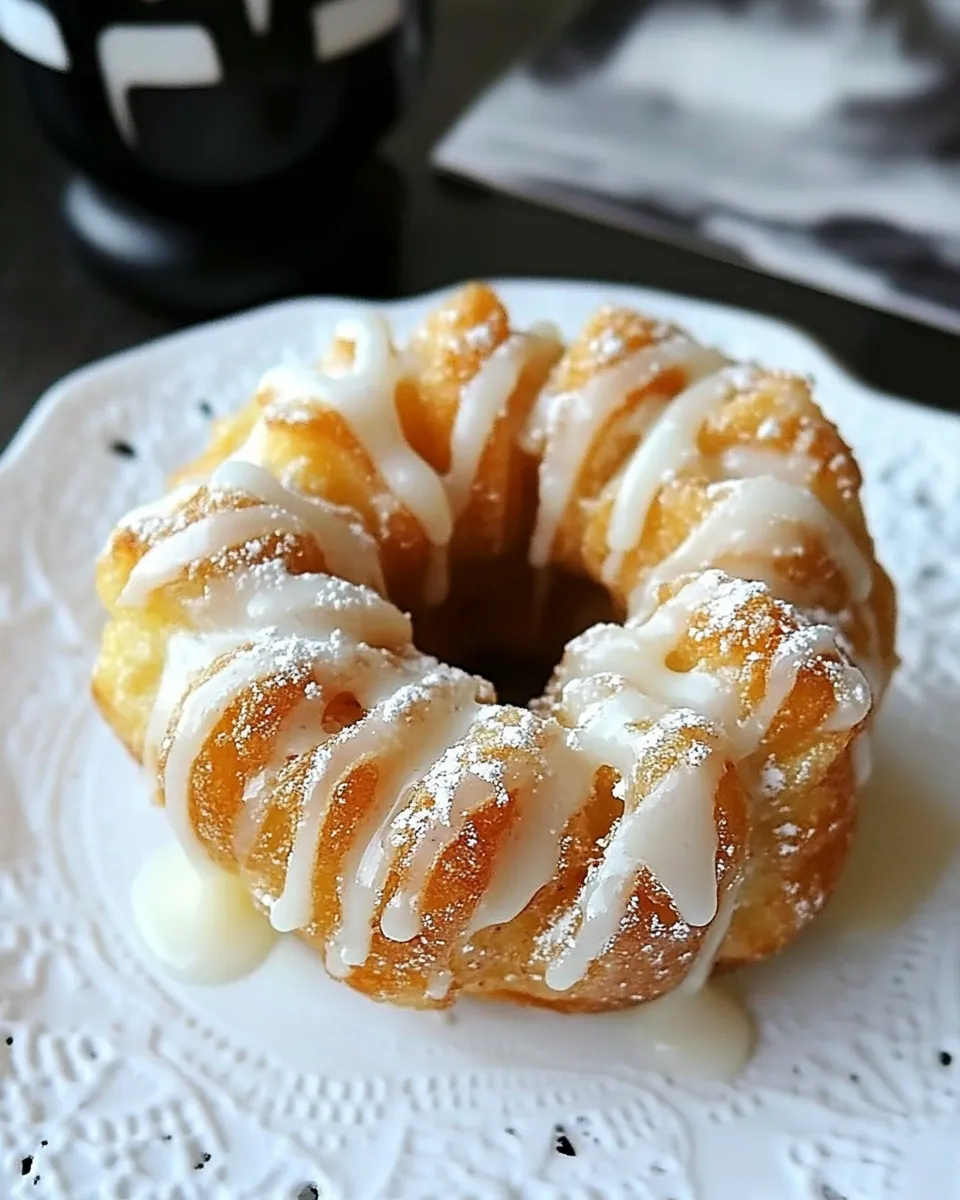
These crullers are airy, ridged, and glazed—the kind that vanish faster than you can make a second cup of coffee. I tested this batter and frying technique until the rings came out puffy, delicate, and glossy, very much like the ones from the chain. They’re choux-based, so the texture is feather-light inside with a crisp, golden exterior.
The recipe looks technical at first, but it follows a short list of steps and a tiny bit of attention to temperature. I’ll walk you through the exact sequence I use: make the dough, pipe the rings, fry carefully, and finish with a simple powdered sugar glaze. No complicated equipment, just some steady hands and a good thermometer.
Practical tips are sprinkled through the post. Read the ingredients and method once before you begin, assemble your tools, and you’ll avoid the common hiccups. If you’ve ever wanted a homemade version of a classic cruller, this copycat will get you there—crisp, tender, and glazed to perfection.
What Goes In
Ingredients
- 1cuphot water — hot water melts the butter and helps cook the flour into the choux base.
- 6tablespoonsunsalted butter85 grams, cut into cubes — fat for flavor and structure; cubed so it melts evenly.
- 1cupall-purpose flour — the foundation of the dough; measure by spooning into the cup then leveling.
- 1tablespoongranulated sugar — a touch of sweetness in the dough, not the glaze.
- pinchsalt — balances the flavor; don’t skip it.
- 3large eggsroom temperature — add structure and steam for lift; room temperature eggs incorporate more evenly.
- 2egg whitesroom temperature — extra protein for stability in the piping batter.
- vegetable oil for frying — neutral oil with a high smoke point is best for even frying.
- 1 1/2cuppowdered sugar — for the glaze; sift if lumpy.
- 2-3tablespoonsmilk — thins the glaze; use 3 tablespoons for a thinner, more translucent finish.
Make Dunkin Donuts French Cruller (Copycat): A Simple Method
- Cut 12 squares of parchment paper about the size of your palm. Arrange them on a baking sheet and lightly spray or grease each square. Set aside.
- Make the glaze: in a medium bowl whisk together 1 1/2 cups powdered sugar and 2–3 tablespoons milk until smooth and lump-free. The glaze should be thick but pourable; add the third tablespoon of milk for a thinner, more translucent glaze if desired. Set aside.
- In a medium saucepan over medium heat combine 1 cup hot water, 6 tablespoons (85 g) unsalted butter (cut into cubes), 1 tablespoon granulated sugar, and a pinch of salt. Stir until the butter is fully melted and the mixture comes to a boil.
- Remove the pan from the heat and immediately add 1 cup all-purpose flour all at once. Stir quickly and vigorously with a wooden spoon until the dough forms a smooth ball and pulls away from the sides of the pan.
- Return the pan to medium heat and cook the dough, stirring continuously, for 2 minutes to dry it out slightly.
- Transfer the dough to the bowl of a stand mixer fitted with the paddle attachment. Mix on medium–high for 1 minute to cool the dough slightly.
- Reduce the mixer speed to medium. Add the 3 large eggs one at a time, mixing fully after each addition. Then add the 2 egg whites and mix until the batter is smooth, glossy, and holds its shape well for piping.
- Fit a large pastry bag with a large star tip, fill it with the batter, and pipe donut rings onto the prepared parchment squares on the baking sheet.
- Pour 2–3 inches of vegetable oil into a heavy-bottomed saucepan and heat to 370°F (use a thermometer). Once the oil reaches 370°F, reduce the heat slightly and maintain the oil between about 350–370°F while frying.
- Fry the donuts in batches: using a spatula, gently lower a donut (parchment side up) into the oil. After a few seconds the parchment will loosen—use chopsticks to peel off and discard the parchment. Fry the donut about 1 minute per side, or until puffed and golden brown. Do not overcrowd the pan.
- Remove each donut with a slotted spoon and place on a cooling rack set over a sheet pan to drain. While still hot, spoon or dip the top of each donut into the prepared glaze so it adheres.
- Repeat frying and glazing with the remaining donuts. Let the glaze set for about 30 minutes before serving.
Why You’ll Love This Recipe
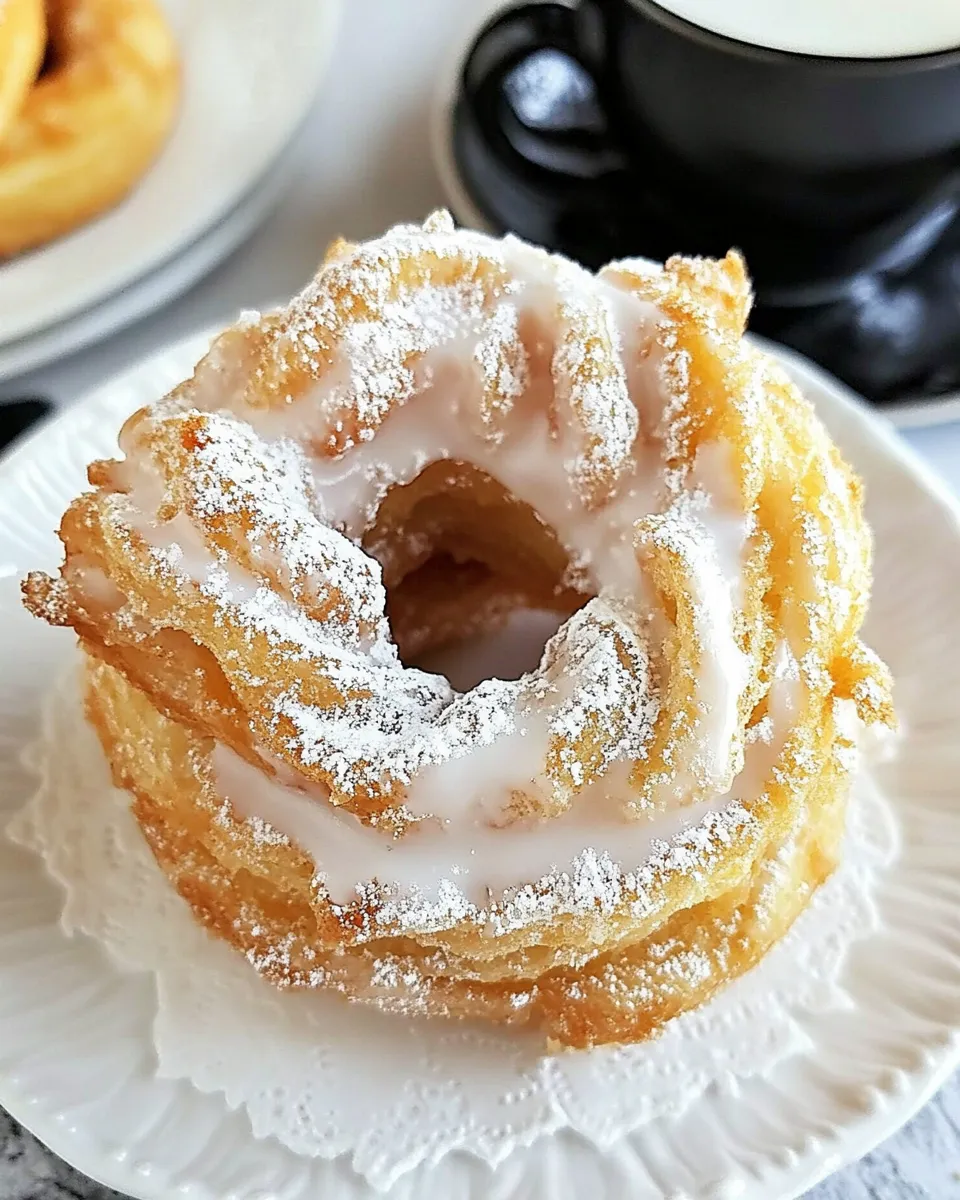
This recipe delivers that airy, ridged cruller texture thanks to choux pastry. The interior is light from the steam created by the high-moisture dough, while the exterior crisps up quickly in hot oil. The simple powdered-sugar glaze gives a sweet, glossy finish without overpowering the delicate pastry.
It’s also forgiving. The dough can sit briefly if you need to reheat oil, and the glaze is forgiving about thickness. You can pipe rings consistently once you get the rhythm, and frying in small batches keeps the oil temperature steady. In short: great texture, dependable results, and a classic finish you recognize from the coffee shop.
Substitutions by Category
Fats & Dairy
- Butter: You can use salted butter if that’s what you have—just omit the added pinch of salt or reduce it slightly.
- Milk for glaze: Any milk (dairy or unsweetened plant milk) works. Use the lower end (2 tablespoons) for a thicker glaze.
Eggs
- If you need to replace an egg, it’s tricky here because eggs provide steam and structure. Best to stick to the 3 whole eggs + 2 whites for reliable piping and rise.
Flour
- All-purpose flour is recommended for structure. Using a lighter flour like pastry flour will change the texture and could make the dough too soft for piping.
Frying Oil
- Use neutral oils like canola, vegetable, or sunflower. Olive oil and butter are not suitable for deep frying at 350–370°F.
Must-Have Equipment
Thermometer: The single most important tool. Keeping oil between 350–370°F ensures crisp, golden rings and prevents greasy, undercooked centers.
Stand mixer with paddle or a sturdy wooden spoon: The dough is warm and sticky—mixing by machine makes the egg incorporation smooth. If you don’t have a mixer, stir vigorously by hand.
Large star piping tip and pastry bag: Creates the classic ridged shape. You can improvise with a disposable bag and snipped tip, but the ridges are what make these crullers identifyable.
Heavy-bottomed saucepan: Holds temperature evenly for frying; avoid thin pans that fluctuate quickly.
Learn from These Mistakes
Oil too cool = greasy donuts. When the oil is below the target range, dough absorbs oil rather than puffing quickly. If your oil is too hot, the exterior will brown before the interior cooks. Keep a thermometer on hand and adjust heat in small increments.
Underdried dough before piping: If you don’t dry the dough slightly in the pan, the batter can be too loose and won’t hold the piped shape. The two minutes on the heat after adding flour matter.
Ripping the parchment too soon: Lower the donut parchment-side up. After a few seconds the parchment will loosen—use chopsticks to peel it off. Forcing it early can tear the ring and deflate the shape.
Nutrition-Minded Tweaks
To reduce sugar, cut the glaze amount or brush with a light syrup instead of a full dip; keep in mind this changes the classic look. For lower fat per serving, fry smaller rings and blot briefly on paper before glazing to remove excess oil.
Swapping two of the whole eggs for additional egg whites (as the recipe already does) helps reduce yolk fat while preserving structure. There’s no reliable baked shortcut for this exact texture—these are fried choux, so frying is part of the character.
Method to the Madness
Why boil water and butter together? That step gelatinizes the flour immediately when it’s added, which forms the choux matrix that traps steam. The quick return to heat after stirring dries the dough a bit, producing a batter that will puff rather than flatten.
Adding eggs one at a time ensures the dough emulsifies and reaches the correct consistency for piping. The extra two egg whites boost protein for stability without adding extra richness from yolks.
Piping onto parchment ensures you can transfer each ring into hot oil without reshaping. The brief contact of parchment in hot oil makes it peel away cleanly; if you try to remove it before it loosens naturally, the ring may stretch or collapse.
Keep-It-Fresh Plan
Store glazed crullers at room temperature in an airtight container for up to 24 hours. After that, texture starts to change—the glaze will absorb some moisture and the exterior will soften. If you must keep them longer, store unglazed in a container and glaze just before serving.
To refresh slightly stale crullers, rewarm in a 325°F oven for 4–6 minutes to crisp the exterior. Don’t microwave; it will make them chewy.
Dunkin Donuts French Cruller (Copycat) Q&A
Q: My rings deflated after frying. Why?
A: Most often the oil was either too cool or the batter was overmixing after eggs (causing too much slack). Make sure oil is hot and steady, and pipe immediately after mixing to keep the batter aerated and stable.
Q: The glaze is too thick or grainy. What should I do?
A: Whisk in the extra tablespoon of milk a little at a time until it reaches a pourable consistency. If it’s grainy, sift the powdered sugar first or whisk until smooth; room-temperature milk helps dissolve the sugar.
Q: Can I fry on a sheet pan instead of a saucepan?
A: You need a deep container of oil so the rings can float and puff evenly. A heavy-bottomed saucepan is ideal. A shallow pan will not produce the same results.
Bring It Home
These crullers are worth the small investment of time. The frying is quick, the glaze is simple, and the result is satisfyingly close to the familiar coffee-shop version. Organize your mise en place: parchment, thermometer, piping setup, and glaze ready before you start. Work in small batches, and enjoy the process—there’s a real payoff when you bite into a warm, airy, ridged cruller with a glossy, sweet top.
Make them for a weekend brunch or a special treat. Serve with coffee, and expect compliments. If you try this copycat, leave a note on how your first batch went and what small adjustments you made. Happy frying.
Dunkin Donuts French Cruller (Copycat)
Equipment
- Parchment Paper
- Baking Sheet
- Stand mixer
- paddle attachment
- Wooden Spoon
- Medium Saucepan
- Heavy-bottomed saucepan
- Pastry bag
- large star tip
- Thermometer
- Spatula
- chopsticks
Ingredients
Ingredients
- 1 cuphot water
- 6 tablespoonsunsalted butter85 grams cut into cubes
- 1 cupall-purpose flour
- 1 tablespoongranulated sugar
- pinchsalt
- 3 large eggsroom temperature
- 2 egg whitesroom temperature
- vegetable oil for frying
- 1 1/2 cuppowdered sugar
- 2-3 tablespoonsmilk
Instructions
Instructions
- Cut 12 squares of parchment paper about the size of your palm. Arrange them on a baking sheet and lightly spray or grease each square. Set aside.
- Make the glaze: in a medium bowl whisk together 1 1/2 cups powdered sugar and 2–3 tablespoons milk until smooth and lump-free. The glaze should be thick but pourable; add the third tablespoon of milk for a thinner, more translucent glaze if desired. Set aside.
- In a medium saucepan over medium heat combine 1 cup hot water, 6 tablespoons (85 g) unsalted butter (cut into cubes), 1 tablespoon granulated sugar, and a pinch of salt. Stir until the butter is fully melted and the mixture comes to a boil.
- Remove the pan from the heat and immediately add 1 cup all-purpose flour all at once. Stir quickly and vigorously with a wooden spoon until the dough forms a smooth ball and pulls away from the sides of the pan.
- Return the pan to medium heat and cook the dough, stirring continuously, for 2 minutes to dry it out slightly.
- Transfer the dough to the bowl of a stand mixer fitted with the paddle attachment. Mix on medium–high for 1 minute to cool the dough slightly.
- Reduce the mixer speed to medium. Add the 3 large eggs one at a time, mixing fully after each addition. Then add the 2 egg whites and mix until the batter is smooth, glossy, and holds its shape well for piping.
- Fit a large pastry bag with a large star tip, fill it with the batter, and pipe donut rings onto the prepared parchment squares on the baking sheet.
- Pour 2–3 inches of vegetable oil into a heavy-bottomed saucepan and heat to 370°F (use a thermometer). Once the oil reaches 370°F, reduce the heat slightly and maintain the oil between about 350–370°F while frying.
- Fry the donuts in batches: using a spatula, gently lower a donut (parchment side up) into the oil. After a few seconds the parchment will loosen—use chopsticks to peel off and discard the parchment. Fry the donut about 1 minute per side, or until puffed and golden brown. Do not overcrowd the pan.
- Remove each donut with a slotted spoon and place on a cooling rack set over a sheet pan to drain. While still hot, spoon or dip the top of each donut into the prepared glaze so it adheres.
- Repeat frying and glazing with the remaining donuts. Let the glaze set for about 30 minutes before serving.