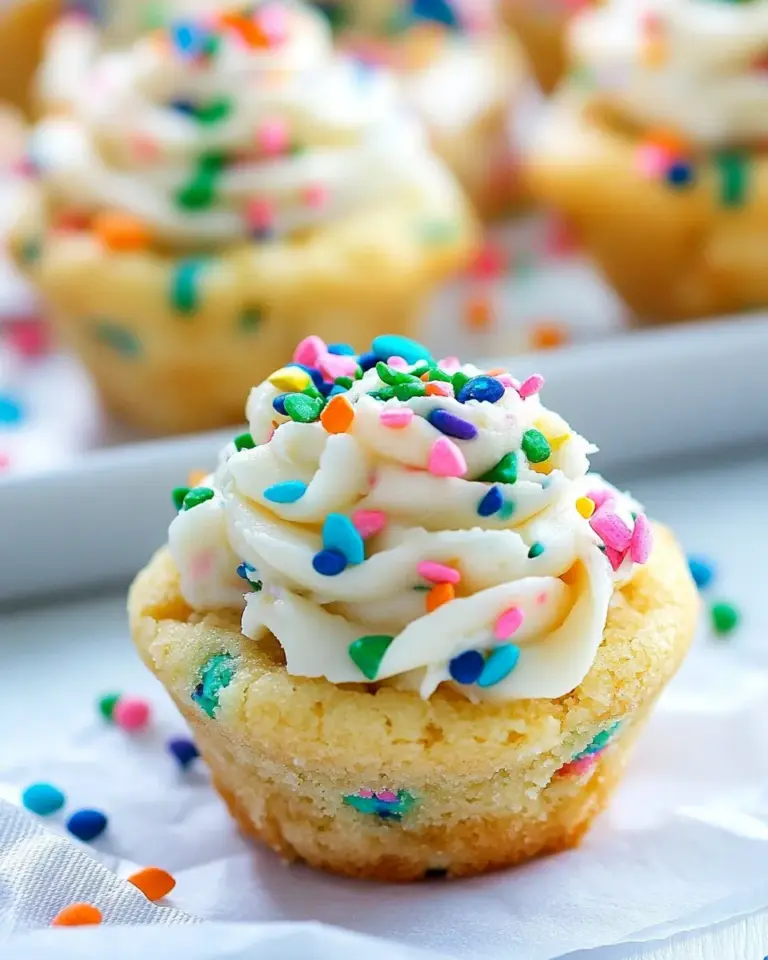
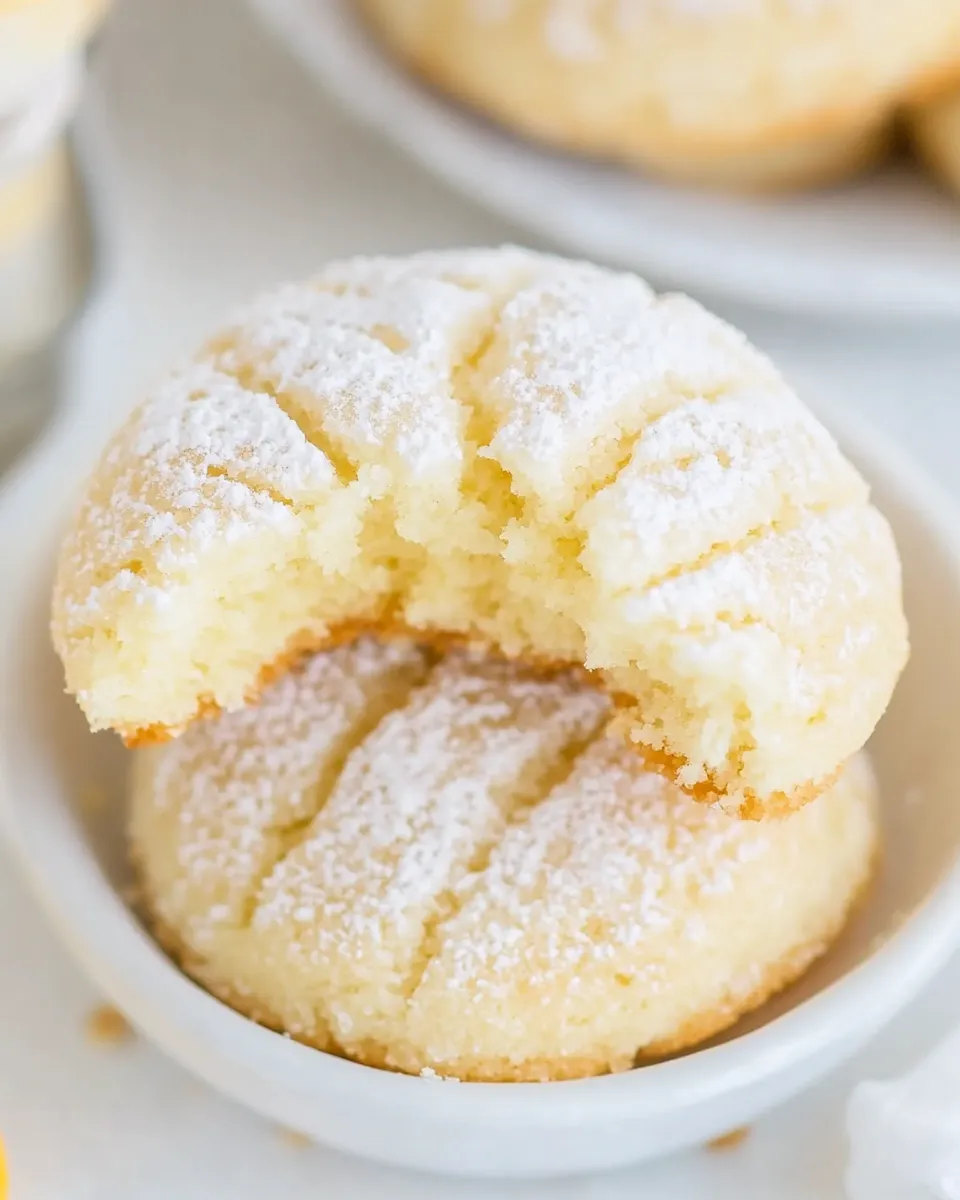
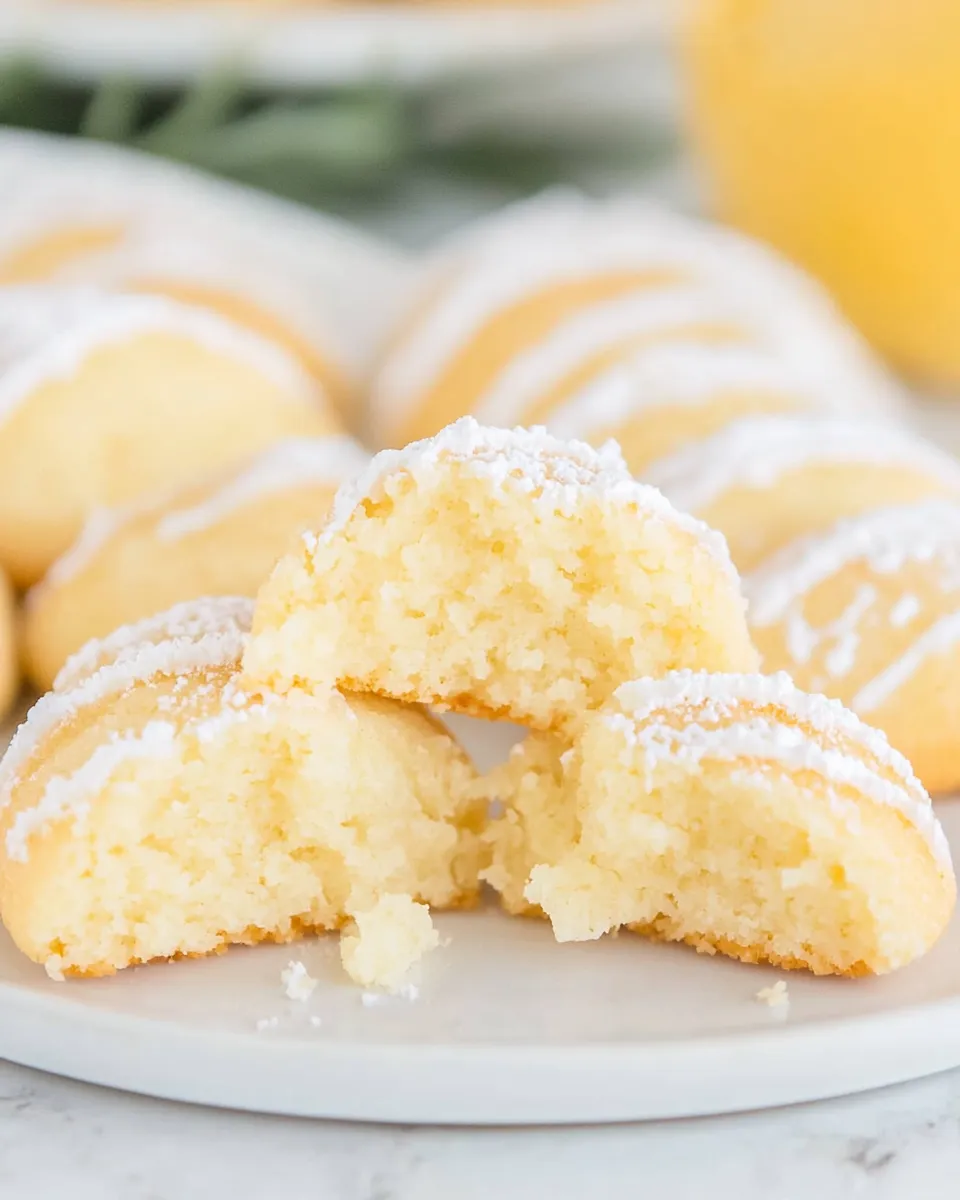
These pound cake cookies are a tiny, reliable way to get the buttery, tender crumb of a pound cake in a bite-sized cookie. They crisp just enough on the outside, stay soft inside, and carry a bright lick of lemon in both dough and glaze. I turn to them when I want something simple, impressive, and quick to plate.
The method is straightforward: zest, cream, mix, scoop, bake, and glaze. No chilling required and no fiddly techniques. If you can measure, zest a lemon, and run a mixer for a few minutes, you’ll have a tray of cookies that look like you spent more time on them than you did.
I developed this version to make the lemon pop without overwhelming the buttery base. The glaze finishes them with a crisp, sweet shine and a little sparkle if you like. Read through the notes for oven temperament, simple swaps, and tips to make every batch uniform.
What We’re Using
Short list, familiar pantry items. The ingredients below are the exact ones used in the recipe — nothing extra is required unless you want to personalize the cookies.
Ingredients
- 1 cup granulated sugar — sweetens the dough and helps with structure; rubs with zest to release citrus oils.
- lemon zest from one whole lemon — primary bright flavor; rub into sugar to bloom the oils.
- 2/3 cup unsalted butter, softened — gives the cookies their pound cake richness; softened for easy creaming.
- 2 large eggs — binders that add moisture and structure.
- 2 tablespoons fresh lemon juice — adds acidity and lifts the flavor beyond the zest.
- 1 teaspoon pure vanilla extract — rounds the lemon with warm aromatics.
- 2 cups all-purpose flour — the bulk of the structure; measure by spooning into the cup and leveling for consistency.
- 2 teaspoons baking powder — helps the cookies rise and gives a light crumb.
- 1 1/4 cups confectioners’ sugar, sifted — for the glaze; sifting prevents lumps and keeps the glaze smooth.
- 1 tablespoon fresh lemon juice — for the glaze; balances the confectioners’ sugar with brightness.
- 2 tablespoons milk — thins the glaze to a pipeable consistency; use more or less to adjust.
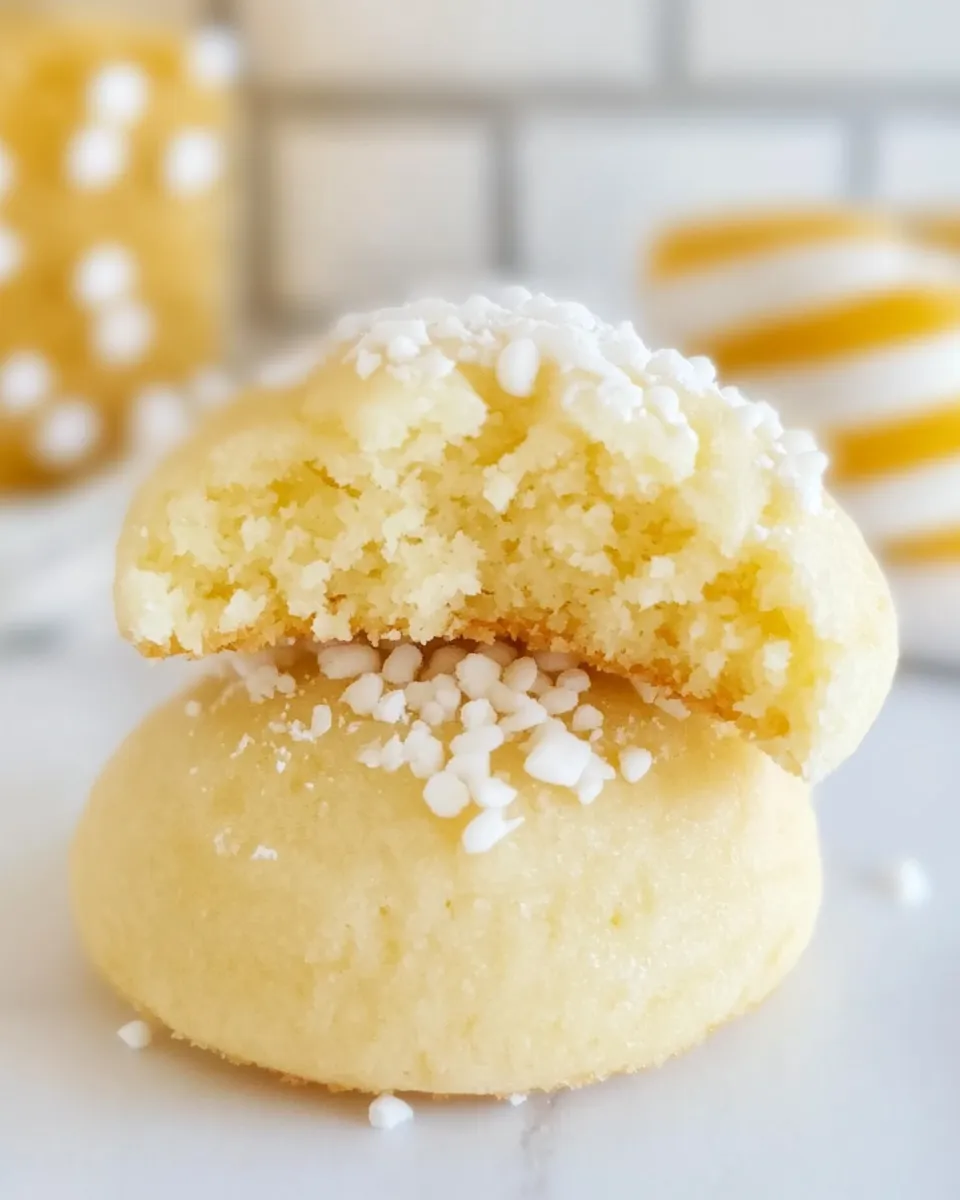
- sparkling sugar for sprinkling (optional) — makes the cookies festive and adds a little crunch on top of the glaze.
Pound Cake Cookies: From Prep to Plate
- Preheat oven to 350°F. Line baking sheets with parchment paper.
- Zest one whole lemon. In a large bowl, stir or rub the granulated sugar and lemon zest together until the sugar is moist and fragrant.
- Add the softened unsalted butter (2/3 cup) to the sugar mixture. Beat with an electric mixer on medium speed until light and fluffy, about 3 minutes, scraping down the bowl as needed.
- Add the eggs (2), 2 tablespoons fresh lemon juice, and 1 teaspoon pure vanilla extract. Mix just until combined.
- In a medium bowl, whisk together the all-purpose flour (2 cups) and baking powder (2 teaspoons).
- Gradually add the flour mixture to the wet ingredients and mix on low speed or stir by hand until just combined. Do not overmix.
- Using a cookie scoop about 1 1/2 tablespoons in size, portion the dough onto the prepared baking sheets, leaving about 2 inches between each cookie.
- Bake in the preheated oven for 10–12 minutes, or until the bottoms of the cookies are golden.
- Remove the baking sheet from the oven and allow the cookies to rest on the sheet for 5 minutes, then transfer the cookies to a wire cooling rack to cool completely.
- Once the cookies are completely cool, make the glaze: in a small bowl whisk together the sifted confectioners’ sugar (1 1/4 cups), 1 tablespoon fresh lemon juice, and 2 tablespoons milk until smooth.
- Spoon or pipe the glaze over the cooled cookies. If desired, immediately sprinkle with sparkling sugar.
- Let the glaze harden at room temperature before serving.
Why Cooks Rave About It
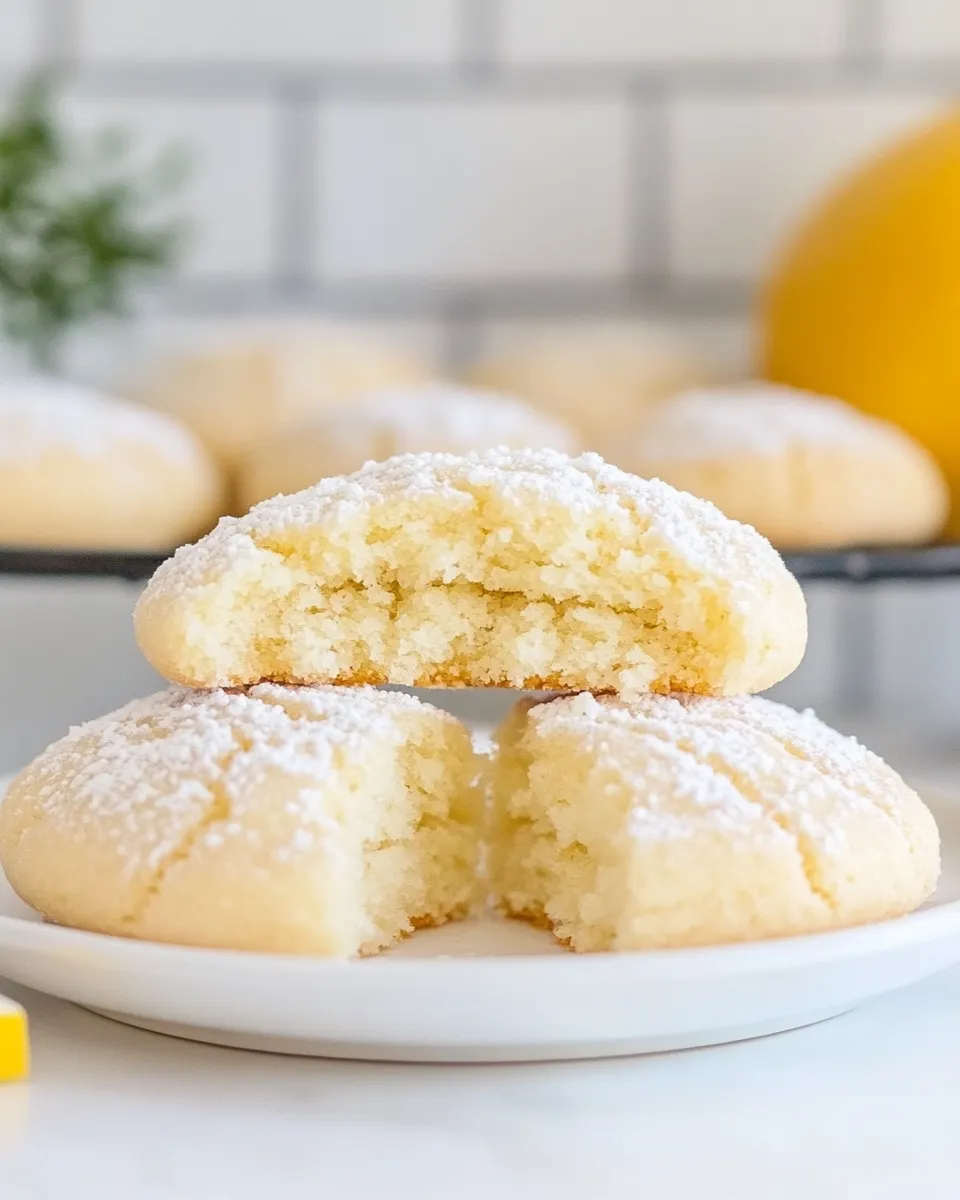
Texture. These cookies mimic pound cake with a dense, tender interior but in a handheld format. The creamed butter and sugar create tiny pockets of air that gold the exterior and keep the inside soft. The short bake time preserves moisture.
Flavor balance. Lemon zest and juice give layered citrus notes—zest for bright oils, juice for a tangy lift. Vanilla ties the flavors together so the cookie tastes cohesive, not one-dimensional.
Speed and finish. From pantry to plate in under an hour. The glaze gives a bakery-finish with minimal effort and makes the cookies look like they belong at a brunch or a party.
Substitutions by Category
When you need to swap ingredients, these swaps keep the results close to the original while accommodating what’s on hand or dietary needs.
Dairy
Unsalted butter can be swapped for salted butter—reduce added salt in other recipes if pairing. For a dairy-free version, use a solid baking stick margarine measured the same way; texture will be close but flavor shifts slightly.
Eggs
Eggs are integral to the structure here. For an egg swap, expect a change in texture; use a trusted egg replacer per package directions and proceed with caution.
Flour & Leavening
Stick with all-purpose flour for the intended crumb. If you use a different flour blend, start by replacing half and test results. Baking powder is required for lift; do not omit.
Flavoring & Glaze
Vanilla can be swapped for almond extract in small amounts if you want a different note. For the glaze, adjust milk a teaspoon at a time if you need a thicker or thinner finish. Sparkling sugar is optional; you can omit it without changing the cookie itself.
Setup & Equipment
Minimal equipment makes this recipe approachable. A few tools make consistent results faster.
- Electric mixer — for creaming butter and sugar until light; hand whisking is possible but takes longer.
- Zester or microplane — for the lemon zest; rubbing zest into sugar releases oils.
- Cookie scoop (1 1/2 tablespoons) — keeps cookies uniform and cuts bake time variations.
- Baking sheets and parchment paper — parchment prevents sticking and promotes even bottoms.
- Wire cooling rack — cooling on a rack stops residual heat from steaming the bottoms.
- Small bowl and whisk — for the glaze; a piping bag or spoon to apply.
Problems & Prevention
Here are common issues and how to avoid them.
Cookies spreading too much
Make sure butter is softened but not melty. If your kitchen is warm, briefly chill scooped dough on the sheet for 10 minutes before baking. Also, check that baking powder is fresh; old leavening can give unpredictable spread.
Dry, crumbly cookies
Do not overmix once the flour goes in. Overworking develops gluten and dries the texture. Measure flour by spooning into the cup and leveling to avoid packing too much into the measure.
Glaze too runny or too thick
Adjust milk a teaspoon at a time. If the glaze is runny, add a little more sifted confectioners’ sugar. If too thick, add drop-wise milk or lemon juice until it reaches the desired viscosity for piping or spooning.
Holiday & Seasonal Touches
These cookies are a great canvas for small seasonal flourishes without changing the base recipe.
For spring and summer, the lemon-forward cookie is perfect as written—add sparkling sugar for sunny sparkle. For autumn and winter, consider swapping lemon for orange (zest and juice) to bring a deeper citrus warmth, or finish with a light dusting of extra sifted confectioners’ sugar for a snowy look.
Keep decorations simple: colored sparkling sugar or a tiny candied citrus slice (store-bought) adds a festive note without overwhelming the delicate texture.
Notes from the Test Kitchen
I tested these across three ovens and adjusted the bake time range to 10–12 minutes. Look for golden bottoms rather than a deeply browned top. If the tops look pale but the bottoms are golden, the cookies are done.
When rubbing zest into sugar, smell for the lemon oils. If the aroma isn’t strong yet, keep rubbing—the aroma should be fragrant before adding butter. Creaming butter and sugar for about 3 minutes incorporates more structure and helps with the light texture.
Use room-temperature eggs so the batter comes together smoothly. I avoided chilling the dough to keep the method quick; if you need to space out steps, you can scoop and refrigerate the trays for up to 24 hours before baking, but expect slightly less spread.
Meal Prep & Storage Notes
Store at room temperature in an airtight container for up to 3 days. Layer with parchment to prevent sticking once the glaze has hardened.
For longer storage, freeze unglazed baked cookies in a single layer on a sheet until solid, then transfer to a freezer-safe container for up to 1 month. Thaw at room temperature, then glaze. You can also freeze dough portions on the scoop tray, tightly wrapped, and bake from frozen—add a minute or two to the bake time and watch closely.
Helpful Q&A
Q: Can I make the dough ahead?
A: Yes. Scoop the dough onto a parchment-lined tray and freeze until firm, then transfer to a bag. Bake from frozen, adding 1–2 minutes to the bake time.
Q: Can I skip the glaze?
A: You can. The cookies will still taste buttery and lemony, but the glaze adds a bright, sweet finish and a bit of texture. If skipping, consider a light dusting of sifted confectioners’ sugar after cooling.
Q: My cookies browned on top too quickly.
A: Rotate the tray halfway through baking. If tops brown before bottoms are golden, lower the rack in the oven and reduce temperature by 10–15°F in future batches.
Let’s Eat
Serve these Pound Cake Cookies with a hot cup of tea or a glass of milk. They’re easy to plate for a brunch spread or to tuck into a care package. The shine on the glaze and a sprinkle of sparkling sugar make them look special without extra fuss.
Make the glaze the same day you plan to serve for the crispest finish. If you want them to travel, let the glaze set fully, then layer with parchment in an airtight tin. Enjoy — they’re simple, dependable, and have that buttery pound cake comfort in every bite.
Pound Cake Cookies
Equipment
- Nordic Ware Aluminum Half Sheet Pans
- Pre-Cut Parchment Paper Baking Sheets
- Microplane Zester
Ingredients
Ingredients
- 1 cupgranulated sugar
- lemon zestfrom one whole lemon
- 2/3 cupunsalted buttersoftened
- 2 large eggs
- 2 tablespoonsfresh lemon juice
- 1 teaspoonpure vanilla extract
- 2 cupsall-purpose flour
- 2 teaspoonsbaking powder
- 1 1/4 cupsconfectioners' sugarsifted
- 1 tablespoonfresh lemon juice
- 2 tablespoonsmilk
- sparkling sugar for sprinklingoptional
Instructions
Instructions
- Preheat oven to 350°F. Line baking sheets with parchment paper.
- Zest one whole lemon. In a large bowl, stir or rub the granulated sugar and lemon zest together until the sugar is moist and fragrant.
- Add the softened unsalted butter (2/3 cup) to the sugar mixture. Beat with an electric mixer on medium speed until light and fluffy, about 3 minutes, scraping down the bowl as needed.
- Add the eggs (2), 2 tablespoons fresh lemon juice, and 1 teaspoon pure vanilla extract. Mix just until combined.
- In a medium bowl, whisk together the all-purpose flour (2 cups) and baking powder (2 teaspoons).
- Gradually add the flour mixture to the wet ingredients and mix on low speed or stir by hand until just combined. Do not overmix.
- Using a cookie scoop about 1 1/2 tablespoons in size, portion the dough onto the prepared baking sheets, leaving about 2 inches between each cookie.
- Bake in the preheated oven for 10–12 minutes, or until the bottoms of the cookies are golden.
- Remove the baking sheet from the oven and allow the cookies to rest on the sheet for 5 minutes, then transfer the cookies to a wire cooling rack to cool completely.
- Once the cookies are completely cool, make the glaze: in a small bowl whisk together the sifted confectioners' sugar (1 1/4 cups), 1 tablespoon fresh lemon juice, and 2 tablespoons milk until smooth.
- Spoon or pipe the glaze over the cooled cookies. If desired, immediately sprinkle with sparkling sugar.
- Let the glaze harden at room temperature before serving.
Notes
Store leftover cookies in an airtight container for up to 3 days.
Source: Adapted from allrecipes.com