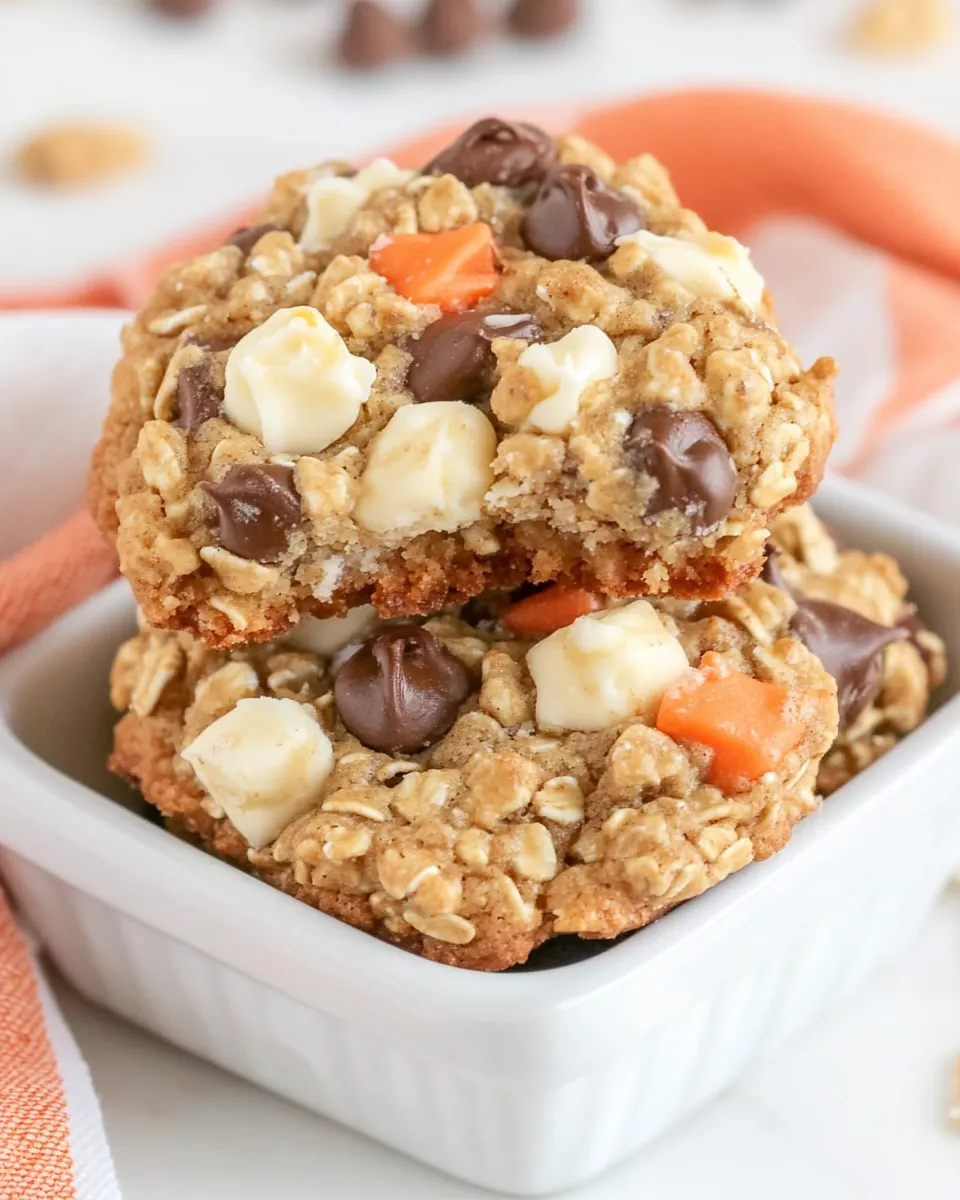
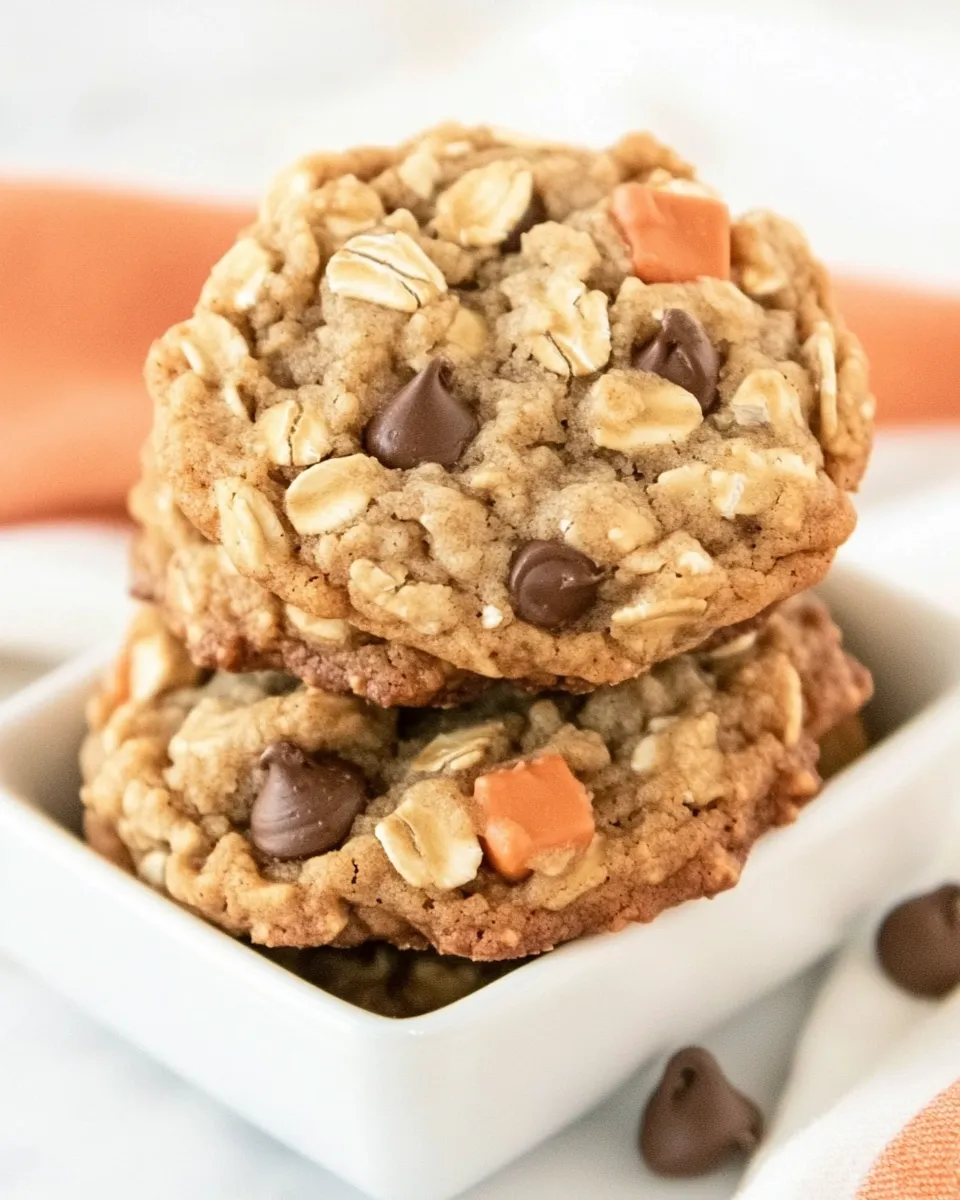
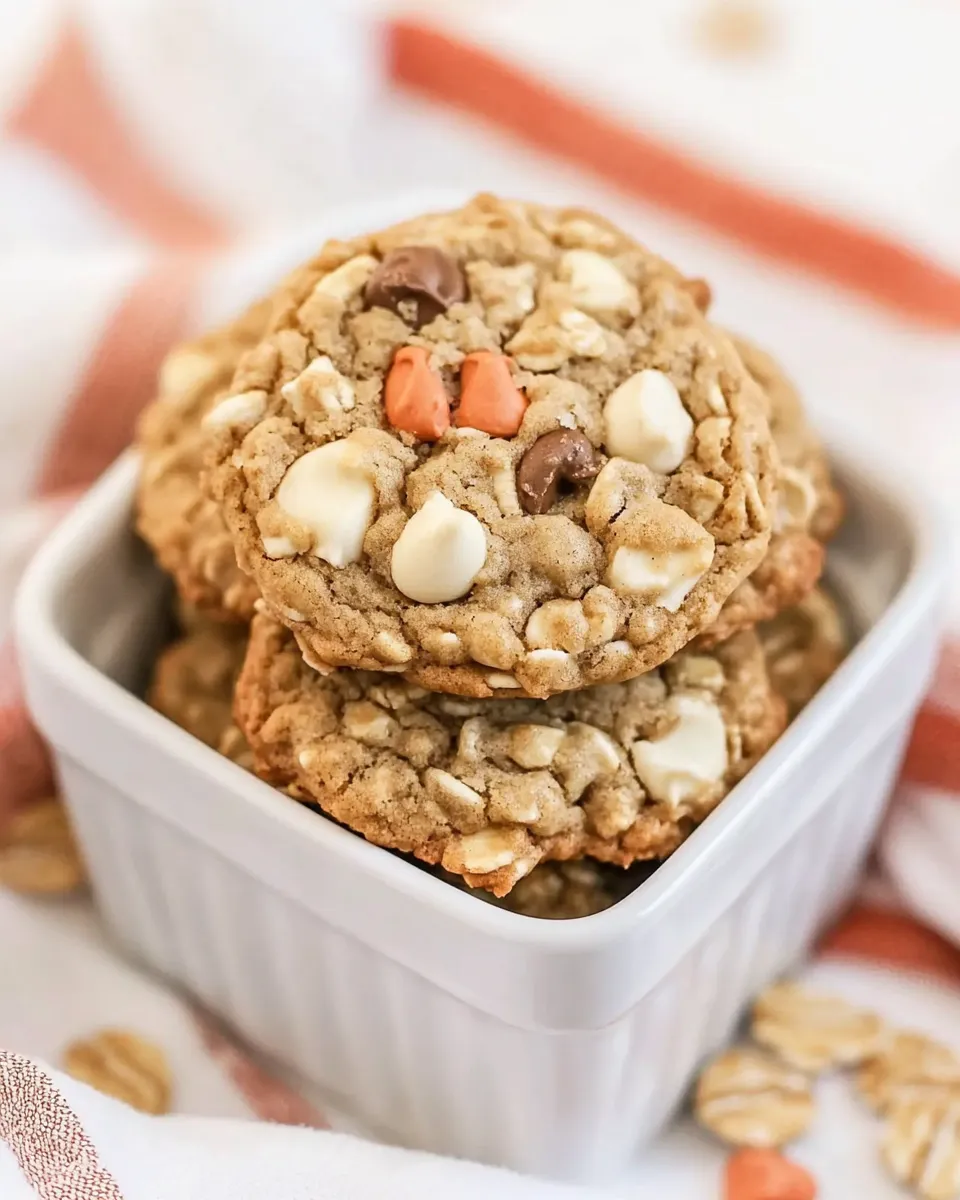
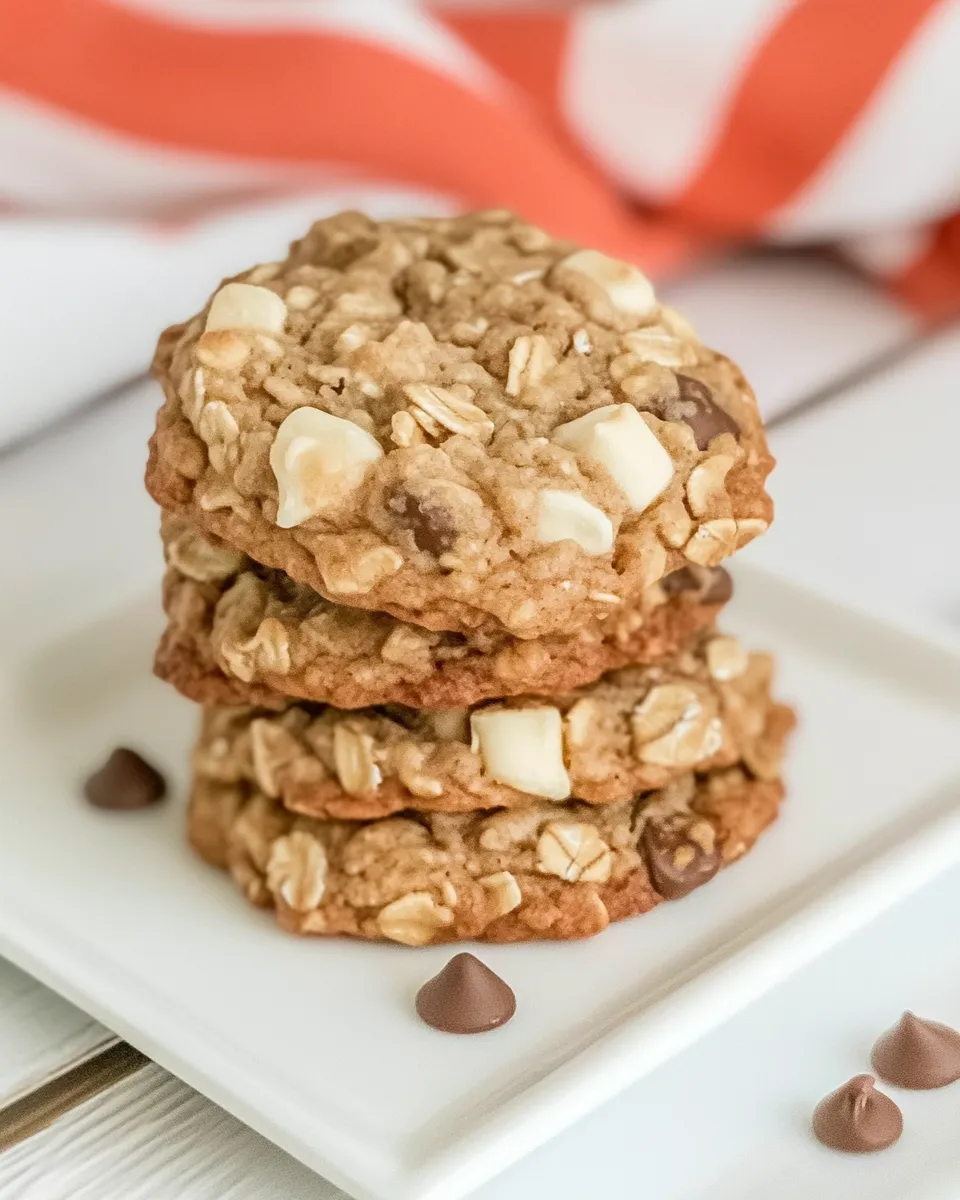
These cookies are exactly what they sound like: a triple hit of butterscotch, white chocolate, and semi-sweet chips folded into a hearty oatmeal base. They bake up with slightly crisp edges and tender centers, and they travel well — perfect for lunchboxes, coffee breaks, and last-minute cookie swaps.
I test recipes until they stand up to real life: quick mixing, straightforward ingredients, and forgiving timing. This one is practical. No obscure pantry items, no temperamental steps. Follow the order and you’ll get consistent cookies every time.
Below I break the recipe down into what you’ll need, literal step-by-step instructions from the tested source, and sensible tips for substitutions, storage, and common mistakes to avoid. Read the ingredients and the baking steps once through, then start—these cookies come together faster than you think.
What We’re Using
Ingredients
- 1 ½ cups flour — provides structure; measure by spooning into the cup and leveling for accuracy.
- 1 teaspoon baking soda — leavening that gives a little lift and keeps cookies from being too dense.
- ½ teaspoon salt — balances sweetness and enhances overall flavor.
- 1 cup butter, at room temperature — fat for tenderness and flavor; room temperature ensures smooth creaming.
- 1 cup brown sugar — adds moisture and a deeper, caramel-like flavor.
- ½ cup sugar — lightens texture and helps with browning.
- 2 large eggs — bind and add richness; use large for consistent results.
- 1 teaspoon vanilla extract — lifts and rounds the flavor profile.
- 3 cups oatmeal — bulk and chew; old-fashioned rolled oats work best for texture.
- ⅓ cup Guittard Butterscotch chips — one third of the triple-threat flavor; stir gently so they don’t melt before baking.
- ⅓ cup white chocolate chips — adds sweetness and creamy pockets throughout the cookie.
- ⅓ cup semi-sweet chocolate chips — balances the sweetness with a little chocolate bite.
Triple Threat Oatmeal Cookies in Steps
- Preheat the oven to 350°F (175°C). Line baking sheets with parchment paper and set aside.
- In a medium bowl, whisk together 1 ½ cups flour, 1 teaspoon baking soda, and ½ teaspoon salt; set the dry mixture aside.
- In a large bowl, beat 1 cup butter (at room temperature), 1 cup brown sugar, and ½ cup sugar with an electric mixer until creamy and smooth, stopping once or twice to scrape down the bowl.
- Add 2 large eggs and 1 teaspoon vanilla extract to the butter-sugar mixture and beat until combined.
- Add the flour mixture to the wet ingredients and mix until just combined—do not overmix.
- Stir in 3 cups oatmeal, ⅓ cup Guittard Butterscotch chips, ⅓ cup white chocolate chips, and ⅓ cup semi-sweet chocolate chips until evenly distributed.
- Drop dough by rounded tablespoons onto the prepared baking sheets, spacing cookies about 2 inches apart.
- Bake for 10–12 minutes, or until the cookies are lightly golden brown.
- Cool the cookies on the baking sheets for 1 minute, then transfer them to a wire rack to cool completely.
Why I Love This Recipe
Simple: texture, flavor, and reliability. The oats give chew without being gummy. The butter and the brown sugar keep the crumb tender and flavorful. And those three chips play off one another—each bite offers a different highlight.
It’s also a very forgiving dough. You can mix it by hand or with a mixer, scoop it a day ahead, and still get great results. If you need cookies fast, you won’t regret this one. If you want to fine-tune chewiness or spread, the notes below will help you dial it in.
Substitutions by Category
Flour & Grain
- All-purpose flour can be swapped 1:1 with whole wheat pastry flour for a nuttier taste, but expect a denser cookie.
- For a gluten-free option, use a 1:1 gluten-free flour blend that includes xanthan gum; results vary by blend.
Sugars & Sweeteners
- Swap light brown sugar for dark brown sugar to intensify the molasses notes.
- For a slightly less sweet cookie, drop the ½ cup sugar to ⅓ cup—but texture will shift modestly.
Fats & Dairy
- Use a dairy-free stick butter or solid coconut oil (measured by weight) for a vegan-friendly version; texture changes toward crisper edges.
Oats
- Old-fashioned rolled oats give the best chew; quick oats will make the cookie more uniform and softer.
Mix-ins
- You can replace one chip type with chopped nuts, dried fruit, or toffee bits—keep the total mix-in volume similar to maintain balance.
Tools of the Trade
- Electric mixer (stand or hand) — speeds up creaming and ensures even mixing.
- Mixing bowls — one medium for dry ingredients, one large for wet.
- Measuring cups and spoons — accurate dry/small measurements matter here.
- Spoon or small cookie scoop — for uniform rounds and even baking.
- Baking sheets and parchment paper — parchment prevents sticking and speeds cleanup.
- Wire cooling rack — cools cookies quickly so they stop baking on the hot sheet.
Don’t Do This
- Don’t skip creaming the butter and sugars properly. If that step is rushed, cookies will be dense.
- Don’t overmix once the flour goes in. Overworking develops gluten and ruins tenderness.
- Don’t crowd the baking sheet. Leave about 2 inches between cookies so they can spread evenly.
- Don’t immediately transfer straight-from-the-oven cookies to a plate. Let them firm up for 1 minute on the sheet before moving.
Year-Round Variations
Small swaps keep this cookie fresh across seasons without changing the base method.
- Fall: Stir in ½ teaspoon cinnamon and ¼ teaspoon ground nutmeg, and swap the white chips for chopped toasted pecans.
- Winter: Add ½ cup chopped dried cherries and a pinch of orange zest to brighten the mix.
- Spring: Fold in ½ cup chopped toasted almonds and lemon zest for a lighter profile.
- Summer: Replace one chip type with shredded coconut and macadamia nuts for a tropical turn.
Flavor Logic
This recipe balances three elements: a sturdy oat matrix, a rich butter-sugar backbone, and three different sweetness/bitterness profiles from the chips. The brown sugar keeps moisture and adds caramel-like depth; the white chips give creamy sweet pockets; semi-sweet chips cut through with a cocoa note; and butterscotch chips add that buttery, brown-sugar echo that ties everything together.
The baking soda and the eggs create a modest lift so the oats don’t compress into a flat cracker. Salt is small but crucial—it amplifies the chocolate and rounds the sweetness.
Keep It Fresh: Storage Guide
- Room temperature: Store cooled cookies in an airtight container for up to 3 days. Place a slice of bread in the container to help maintain softness if you want chewiness.
- Refrigerator: Cookies will keep 1 week in an airtight container; refrigeration tightens texture, so bring to room temperature before serving.
- Freezer: Freeze in a single layer on a baking sheet until solid, then transfer to a freezer bag for up to 3 months. Thaw at room temperature or rewarm for 5–8 minutes at 300°F to refresh.
- Dough: Scoop dough into balls and freeze on a tray, then transfer to a bag. Bake from frozen—add 1–2 minutes to baking time.
Your Questions, Answered
Can I use quick oats?
Yes. Quick oats soften more during baking, so the cookies will be less chewy and more tender. They still taste great but expect a slightly different texture.
Can I make the dough ahead?
Absolutely. Refrigerate for up to 48 hours or freeze scooped dough balls. Chilling the dough can actually improve flavor and control spread.
Why are my cookies flat?
Possibilities: butter too soft or melted, too little flour, or overcreamed butter/sugar. Chill dough briefly if you repeatedly get excessive spread.
How do I get chewier cookies?
Use all brown sugar (replace the ½ cup sugar with brown) or slightly underbake by a minute—centers will be softer once cooled.
Can I scale the recipe?
Yes, multiply or divide the ingredients proportionally. For large batches, split dough across trays and rotate the trays halfway through baking.
The Takeaway
Triple Threat Oatmeal Cookies are a reliable, approachable cookie with layered flavors from three different chips and a satisfying oat chew. Follow the exact ingredient list and steps above for consistent results. From there, small swaps and chilling the dough are your friends for texture and seasonal tweaks. Make a batch, tuck some away in the freezer, and enjoy the steady comfort of a cookie that performs every time.
Triple Threat Oatmeal Cookies
Equipment
- Oven
- Baking Sheets
- Parchment Paper
- Mixing Bowls
- Electric Mixer
- Wire Rack
- Measuring Cups
- Measuring Spoons
Ingredients
Ingredients
- 1 1/2 cups flour
- 1 teaspoon baking soda
- 1/2 teaspoon salt
- 1 cup butter at room temperature
- 1 cup brown sugar
- 1/2 cup sugar
- 2 large eggs
- 1 teaspoon vanilla extract
- 3 cups oatmeal
- 1/3 cup Guittard Butterscotch chips
- 1/3 cup white chocolate chips
- 1/3 cup semi-sweet chocolate chips
Instructions
Instructions
- Preheat the oven to 350°F (175°C). Line baking sheets with parchment paper and set aside.
- In a medium bowl, whisk together 1 ½ cups flour, 1 teaspoon baking soda, and ½ teaspoon salt; set the dry mixture aside.
- In a large bowl, beat 1 cup butter (at room temperature), 1 cup brown sugar, and ½ cup sugar with an electric mixer until creamy and smooth, stopping once or twice to scrape down the bowl.
- Add 2 large eggs and 1 teaspoon vanilla extract to the butter-sugar mixture and beat until combined.
- Add the flour mixture to the wet ingredients and mix until just combined—do not overmix.
- Stir in 3 cups oatmeal, ⅓ cup Guittard Butterscotch chips, ⅓ cup white chocolate chips, and ⅓ cup semi-sweet chocolate chips until evenly distributed.
- Drop dough by rounded tablespoons onto the prepared baking sheets, spacing cookies about 2 inches apart.
- Bake for 10–12 minutes, or until the cookies are lightly golden brown.
- Cool the cookies on the baking sheets for 1 minute, then transfer them to a wire rack to cool completely.